2027 Best Doctorate Degrees for In-Demand Careers

Co-Founder and Chief Data Scientist
Which doctorate is worth the time and expense if your goal is an in-demand career? The answer depends on whether the job requires doctoral training, rewards specialized research, or primarily values experience. The U.S. Bureau of Labor Statistics (BLS) projects 40% growth for nurse practitioner employment from 2024 to 2034, but a Doctor of Nursing Practice (DNP) is not required for every nurse practitioner position.
This guide compares research and professional doctorates, connects them to realistic career paths, and shows you how to weigh demand against cost, funding, licensure, and alternatives.
Key Things You Should Know
- Nursing practice and licensed psychology have distinct credential rules; many business, technology, and public-sector roles do not require a doctorate.
- BLS projects 29% growth for information security analysts from 2024 to 2034, but that occupation typically does not require doctoral education.
- A funded research PhD and a tuition-funded professional doctorate can have very different financial implications, even in the same field.
Top 10 Best Doctorate Degrees for In-Demand Careers
Business / DBA Programs
A Doctor of Business Administration (DBA) usually emphasizes applied research and organizational problems for experienced professionals; a business PhD generally emphasizes original research and academic or research careers. A DBA can suit a leader investigating a problem in their industry, but executive jobs usually depend more on management results than on the degree alone. Compare the dissertation or applied-project requirement, faculty expertise, total tuition, and time away from work. If your goal is a management promotion rather than doctoral-level inquiry, an MBA or additional experience may be a better investment.
Education / EdD Programs
A Doctor of Education (EdD) commonly prepares experienced educators to study and improve practice in schools, colleges, or training organizations. An education PhD generally places greater emphasis on original research, though curricula vary. Neither degree automatically confers a teaching license or faculty appointment. Check whether the program accepts bachelor's-level applicants or requires a master's degree, and whether its culminating work is a dissertation or applied project. Choose based on the work you want to do, not the abbreviation alone.
Educational Leadership Programs
Educational leadership doctorates, often EdDs or PhDs, may focus on district administration, higher education, or organizational change. The right choice depends on the setting: a prospective school principal should verify state administrator-licensure rules, while an aspiring researcher should examine faculty fit and dissertation opportunities. Leadership positions also commonly require substantial relevant experience. Ask whether coursework addresses your intended institution type and whether fieldwork, scheduled meetings, or campus visits will fit your job.
Psychology Programs
A clinical or counseling psychology PhD or PsyD may lead toward psychologist licensure when the program and training meet state requirements. A PsyD often emphasizes clinical practice, while a PhD may place more weight on research; individual programs differ. Expect to investigate supervised experience, internship requirements, examinations, and programmatic accreditation, not just the degree title. A doctorate in industrial-organizational or other nonclinical psychology does not automatically provide a route to clinical licensure. Compare funding carefully: clinical training can involve substantial costs.
Nursing / DNP Programs
The DNP emphasizes advanced nursing practice and systems improvement; a nursing PhD primarily prepares researchers. Entry pathways vary, including programs for registered nurses with bachelor's degrees and post-master's options. A DNP does not itself grant registered nurse or advanced-practice licensure. Verify your state's rules, the program's clinical placements, certification preparation, and whether your intended nurse practitioner specialty is offered. Nurses seeking independent research careers should compare PhD funding and mentorship before choosing a practice doctorate.
Public Health Programs
A Doctor of Public Health (DrPH) generally targets experienced public health professionals pursuing practice or leadership; a public health PhD emphasizes original research. Both can support specialized work in population health, but many epidemiology and public health roles are accessible with a master's degree. Evaluate methods training, partnerships, practice experience, and whether the project or dissertation matches your goal. For a research career, investigate adviser fit and funding; for agency leadership, weigh the doctorate against relevant field experience.
Computer Science Programs
A computer science PhD can prepare students for advanced research in areas such as artificial intelligence, computing systems, and algorithms. It is most useful when the target role requires original research rather than software development alone. Applicants should assess mathematical and programming preparation, potential advisers, laboratory resources, and funding terms. Qualifying exams, publications, and a dissertation may extend study beyond coursework. Many well-paid computing jobs do not require a doctorate, making foregone earnings an important cost.
Cybersecurity Programs
Cybersecurity doctorates can support research in secure systems or applied work in risk and policy, depending on whether the credential is a PhD or professional doctorate. They are not the standard entry requirement for security analyst jobs. Research-focused applicants should examine faculty projects and technical resources; experienced practitioners should compare a doctorate with certifications, a master's degree, and leadership experience. Check whether the curriculum matches technical security, governance, or both before paying for a program.
Social Work / Human Services Programs
A Doctor of Social Work (DSW) often emphasizes advanced practice, program leadership, or applied scholarship; a social work PhD typically emphasizes research. Neither replaces the master's-level preparation, supervised practice, and state requirements commonly involved in clinical social work licensure. A doctorate may make sense for a defined research or organizational goal, but it is usually unnecessary for entry into social work. Compare the program's project or dissertation, practice requirements, and employer support with the cost of additional experience.
Public Administration / Public Policy Programs
A Doctor of Public Administration (DPA) commonly focuses on applied public-sector leadership, while a public policy or administration PhD often emphasizes research and analysis. Titles and curricula differ by institution. Government management generally requires a track record, not just a doctorate; policy research roles may value advanced methods training. Compare opportunities to study the policy area you intend to work in, faculty expertise, and funding. A Master of Public Administration or Public Policy plus experience may meet many professional goals at lower cost.
What Are the Best Doctorate Degrees for In-Demand Careers?
The best doctorate for an in-demand career is the one that supplies preparation your target role actually needs. A degree with strong occupational growth is not automatically a good doctoral investment. Use the comparison below to separate roles with a meaningful doctoral pathway from roles where a master's degree or experience may suffice.
The table summarizes the strongest career-fit question for each field. It is a decision aid, not a ranking of schools or a promise of employment.
| Doctoral field | Best fit | Reason to reconsider |
| DNP | Advanced nursing practice or practice leadership with a clear specialty goal | Your target role accepts master's-prepared nurses, and the DNP adds little to your immediate plan |
| Clinical psychology PhD or PsyD | A psychologist-licensure pathway that meets applicable training rules | The program does not meet the requirements of the state where you intend to practice |
| Computer science PhD | Research-intensive computing work | You primarily want a software development role |
| DrPH or public health PhD | Public health leadership or original research, respectively | A master's degree and field experience meet your goal |
| DBA, EdD, DSW, or DPA | A specific advanced practice, applied inquiry, or leadership goal | You expect the credential alone to deliver a promotion |
For a career change, compare the doctorate with the easiest masters degree options only as a starting point for exploring shorter pathways; ease should never outweigh accreditation, career fit, or professional eligibility.
Some occupations connected to doctoral study pay well, but their wages are not doctoral-graduate salaries. The BLS reports the following U.S. occupational median annual wages for May 2024. These figures describe everyone employed in each occupation, across education and experience levels.
Compare each wage with the credential normally needed for entry before estimating the potential return on a doctorate.
| Occupation | May 2024 median annual wage | Doctoral-degree relevance |
| Computer and information research scientist | $140,910 | Some research positions require a PhD; a master's degree is the typical entry-level education reported by BLS |
| Nurse practitioner | $129,210 | Requires advanced nursing preparation and applicable credentials; a DNP is not universally required |
| Information security analyst | $124,910 | A doctorate is not typically required; technical skills and experience matter substantially |
The highest occupational wage is not necessarily the best return. Subtract tuition, fees, unpaid clinical or research time, and earnings you forgo while studying; then consider funding and whether the same job is reachable without a doctorate.
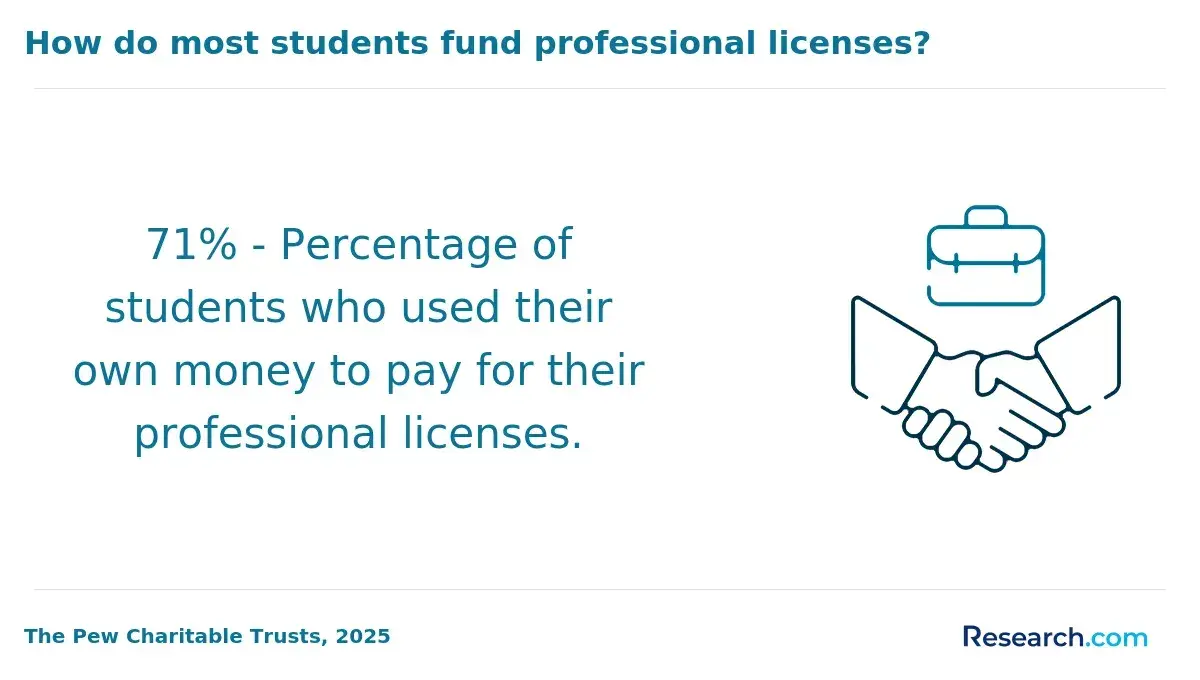
Among the career paths discussed here, advanced nursing and several technology occupations have particularly strong projected growth. BLS projects nurse practitioner employment to grow 40% and information security analyst employment to grow 29% from 2024 to 2034. Those projections indicate demand for the occupations, not demand for DNPs or cybersecurity doctorates specifically.
Growth should be one filter, not the deciding factor. Check the number and location of openings relevant to your specialty, the credentials listed in actual job postings, and whether you would enter the market as a new practitioner, an experienced manager, or a researcher. Artificial intelligence may change the problems computing researchers and security teams address, but it does not make any credential future-proof.
Doctoral careers span licensed practice, original research, and applied leadership. A clinical psychology doctorate may be part of a psychologist-licensure pathway; a computer science PhD may support research roles; a DBA or EdD may help an experienced professional investigate organizational problems. Faculty jobs require more than the credential: research record, teaching experience, field, and hiring conditions matter.
Choose an entry point appropriate to your current education. If you have not yet earned a bachelor's degree, the easiest associate degree to get may be an initial college pathway, but it does not qualify you for doctoral admission by itself. If you already hold a relevant master's degree, ask whether it meets admission prerequisites or reduces required coursework; do not assume it shortens the doctorate.
Start with institutional accreditation, then verify any programmatic approval relevant to your occupation or state. This matters most when a program claims to prepare graduates for licensed practice: institutional accreditation alone may not establish eligibility for a particular license. A non profit university can be one place to search, but nonprofit status does not substitute for checking the specific program.
Before applying, use the following sequence to test career fit and avoid costly surprises:
- Confirm the credential awarded and obtain the current catalog's admission, curriculum, and graduation requirements.
- For licensed work, check the relevant state board and programmatic accreditation requirements for the state where you intend to practice.
- For a PhD, discuss adviser availability, research fit, candidacy, dissertation expectations, and written funding terms with the department.
- Request a total-cost estimate and written details of any campus, laboratory, residency, or clinical requirements.
A red flag is a program that promises a license, executive job, or quick completion without explaining the conditions behind that claim.
Requirements vary by degree and institution. Doctoral applicants generally need at least a bachelor's degree; many professional doctorates require or prefer a related master's degree and professional experience. Research PhDs may admit qualified bachelor's graduates but place particular weight on academic preparation and research fit. Licensed-practice pathways can require an existing professional license or specified prerequisite coursework.
Read the doctoral program's requirements separately from general graduate-school rules. An application may call for transcripts, recommendations, a statement of purpose, a writing sample or research proposal, an interview, and evidence of relevant experience. GPA thresholds and GRE or GMAT policies vary. For research programs, ask whether you must identify a potential adviser before applying. If you have previous graduate coursework, request a program-level evaluation of how it would apply to degree requirements.
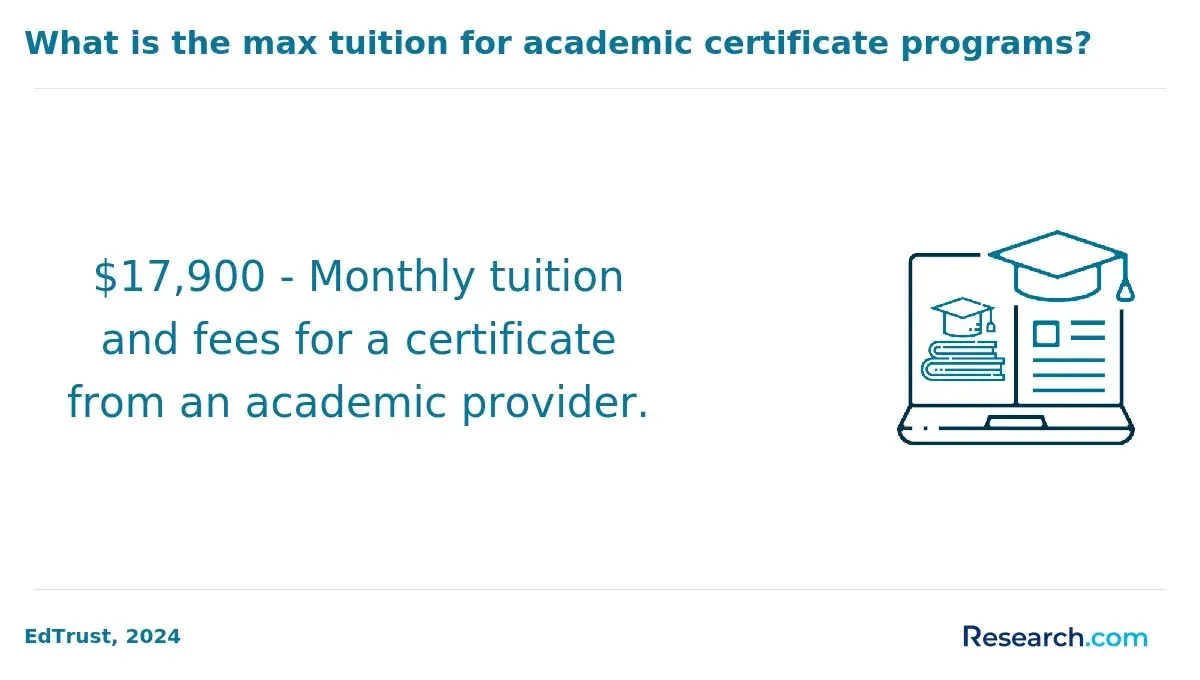
There is no reliable single price or completion time for these fields. A bachelor's-entry research PhD may involve years of coursework, examinations, candidacy, and a dissertation; a post-master's professional doctorate may have a different sequence of courses, clinical work, and an applied project. Adviser availability, data collection, clinical placements, and project approval can affect completion after coursework ends.
Published tuition is only one part of the financial commitment. The table identifies costs and offsets to request from each program so that you can compare realistic totals.
| Budget component | What to compare |
| Direct charges | Tuition for required credits, mandatory fees, and any program or technology fees |
| Completion expenses | Residencies, travel, clinical placement costs, research expenses, and extended enrollment charges |
| Funding | Tuition remission, assistantships, fellowships, stipends, scholarships, and employer assistance |
| Opportunity cost | Income forgone if enrollment reduces or interrupts paid work |
Ask for the duration and conditions of any funding offer. Do not assume every PhD is fully funded - or that a qualifying master's degree automatically reduces the remaining time or cost.
An online doctorate can be valuable when its accreditation, training, supervision, and career fit meet the same standards you would apply to a campus program. Delivery format alone does not determine quality. Online coursework may still involve scheduled seminars, adviser meetings, residencies, laboratory work, local clinical placements, examinations, or a defense.
Ask the program for a complete list of in-person and live-attendance requirements, plus its policy on arranging placements in your state. Sites advertising the best online colleges with weekly start dates can help you explore flexible undergraduate study, but those start-date claims should not be assumed to apply to doctoral programs. Verify the doctorate's actual schedule, especially if you plan to work while enrolled.
Which Licenses and Certifications Do Doctorate Careers Require?
A doctorate and a professional license are separate credentials. Nurse practitioners must meet applicable state advanced-practice requirements and obtain relevant certification; aspiring licensed psychologists must satisfy their state's education, supervised-experience, and examination rules. School administrators may need state-specific credentials. Social work clinical licensure has its own education and supervised-practice requirements, and a DSW does not replace them.
Before enrolling in a regulated field, identify the state where you intend to work and confirm eligibility directly with its licensing board. Ask the program which specialty or license its graduates can seek, what placements it provides, and which requirements remain after graduation. For unlicensed business, computing, and policy roles, assess employer requirements instead of assuming a doctoral credential is mandatory.
Other Things You Should Know About
Not inherently. A PhD usually fits original research goals; a professional doctorate may better fit advanced practice or applied inquiry. Compare the curriculum and the qualifications for your target role.
Not universally. Advanced nursing education, certification, and state licensure are essential; check the rules for your intended specialty and state before choosing a master's or DNP pathway.
It may expand your options, but no salary increase is guaranteed. Compare the jobs you could realistically obtain with and without the degree against its net cost and time commitment.
Some coursework may be online, but a program can still require live meetings, campus visits, research activities, or local clinical placements. Confirm every requirement with the specific program.
- 11.3.2 Eligibility | nih.gov https://grants.nih.gov/grants/policy/nihgps/html5/section_11/11.3.2_eligibility.htm
- Occupation Finder: Occupational Outlook Handbook | bls.gov https://www.bls.gov/ooh/occupation-finder.htm
- Myth vs. Fact: The Definition of Professional Degrees | ed.gov http://www.ed.gov/about/news/press-release/myth-vs-fact-definition-of-professional-degrees
- Fast Facts: Tuition costs of colleges and universities (76) | ed.gov https://nces.ed.gov/fastfacts/display.asp
- GAC - Chapter 510-2 LICENSURE BY EXAMINATION https://rules.sos.ga.gov/gac/510-2
- New BLS employment projections: 3 charts - gov.dol.beta https://beta.dol.gov/news-events/blog/new-bls-employment-projections-3-charts-0
- Professional Counselor Licensure Requirements (LCPC) | Maryland.gov Enterprise Agency Template https://health.maryland.gov/bopc/pages/profcounselor.aspx
- Your financial path to graduation | consumerfinance.gov https://www.consumerfinance.gov/paying-for-college/your-financial-path-to-graduation/
- After Everything: Projections of Jobs, Education, and Training Requirements through 2031 - CEW Georgetown https://cew.georgetown.edu/cew-reports/projections2031/
- Professional Licensure | Notre Dame of Maryland University https://ndm.edu/about-us/consumer-information/professional-licensure/