2027 Best Part-Time Doctoral Programs for Transfer Students

Co-Founder and Chief Data Scientist
Changing doctoral programs can put years of graduate work - and substantial tuition - at stake. The National Center for Science and Engineering Statistics reports that U.S. institutions awarded 57,862 research doctorates in 2023, a reminder that doctoral study is a significant undertaking; that count does not include every professional doctorate. For working adults with prior graduate coursework, the best part-time option is one that accepts applicable credit and leaves a manageable path to completion. This guide compares doctoral fields and shows what to verify about transfer credit, scheduling, research or clinical requirements, and total cost before enrolling.
Key Things You Should Know
- A previous master's degree does not automatically shorten a doctorate. Ask for a written, course-by-course evaluation showing which graduate credits satisfy your intended program's requirements.
- Confirm that part-time enrollment is permitted throughout coursework and the dissertation or project phase; online classes alone do not establish a part-time pathway.
- Compare remaining tuition, required fees, and travel or placement costs alongside the credits accepted. The lowest per-credit price may not produce the lowest total cost.
Top 10 Best Part-Time Doctoral Programs for Transfer Students
Business / DBA Programs
A Doctor of Business Administration (DBA) generally emphasizes applied research and organizational leadership. It may suit experienced managers who want to investigate workplace problems while remaining employed; an MBA or additional management experience may be more useful if the goal does not require doctoral research. Compare officially permitted part-time schedules, whether prior graduate business courses replace doctoral requirements, and whether the final requirement is a dissertation or applied project. Ask if employer-based research requires access to organizational data or approval from your workplace.
Education / EdD Programs
A Doctor of Education (EdD) commonly prepares practitioners to study and improve educational systems. For transfer applicants, a relevant education master's degree may meet admissions requirements without reducing doctoral coursework. Check how previous research-methods and leadership classes apply, whether cohorts permit part-time enrollment, and whether the culminating work is a dissertation or practice-based project. An education PhD may be a better match for sustained academic research; neither credential alone guarantees a faculty appointment.
Educational Leadership Programs
Educational leadership doctorates may lead to an EdD or PhD and can focus on schools, colleges, or other organizations. Choose by the intended role and curriculum, not the program label alone. Working educators should verify evening or online schedules, required internships, and whether district-based projects can be completed at their workplace. Previous administrator preparation may satisfy a prerequisite without earning doctoral transfer credit. State administrator licensing rules are separate from doctoral admission and graduation requirements.
Psychology Programs
Psychology PhD and PsyD programs differ in research and practice emphasis, but either can impose tightly sequenced clinical training. Transfer applicants should ask separately about coursework, supervised practicum, internship, and dissertation or doctoral-project requirements; accepted classes may not shorten clinical placements. A part-time schedule may be unavailable for some clinical pathways. For licensure, check the relevant state board's rules and applicable programmatic accreditation before assuming an online or transferred degree will qualify.
Nursing / DNP Programs
A Doctor of Nursing Practice (DNP) is a practice-oriented doctorate with pathways that differ by prior nursing degree and specialty. For a licensed nurse with an eligible master's degree, a post-master's route may differ substantially from a bachelor's-to-DNP route; that is not the same as unrestricted transfer credit. Verify specialty prerequisites, required practice hours, clinical-site arrangements, and the DNP project. Ask whether part-time enrollment extends through clinical work and whether transferred courses actually reduce the published curriculum.
Public Health Programs
A Doctor of Public Health (DrPH) typically emphasizes public health leadership and applied practice, while a public health PhD generally emphasizes original research. Applicants with an MPH should confirm whether it is required for entry or provides documented advanced standing; the two are not equivalent. Compare part-time availability, leadership-practice experiences, research expectations, and residency or fieldwork requirements. Public health employers may value experience or an MPH more than a doctorate for some positions.
Computer Science Programs
A computer science PhD centers on original research, making adviser fit, laboratory access, and dissertation supervision especially important for part-time students. Prior graduate computing courses may replace some classes without reducing research milestones. Ask whether the department admits part-time researchers, expects campus participation, or limits assistantships to full-time students. If your goal is advancement in software development rather than research, compare the doctorate's cost and time with a specialized master's degree or industry experience.
Cybersecurity Programs
Cybersecurity doctorates can emphasize technical research, policy, or applied organizational problems; check the actual credential and curriculum. Experienced professionals should determine whether earlier graduate security coursework meets doctoral requirements and whether the research topic needs restricted data or employer permission. Verify part-time research supervision, campus or laboratory requirements, and funding eligibility. For roles centered on operational security, experience or a relevant certification may offer a more direct route than a doctorate.
Social Work / Human Services Programs
A Doctor of Social Work (DSW) often focuses on advanced practice or leadership, while a social work PhD generally emphasizes research. Transfer applicants should compare which graduate courses count toward the specific degree, whether part-time cohorts are available, and whether field-based or research activities fit their work schedule. An MSW and applicable state license remain distinct qualifications: earning a doctorate does not replace supervised-practice or licensing requirements. For many clinical roles, additional experience may matter more than a doctorate.
Public Administration / Public Policy Programs
A Doctor of Public Administration (DPA) may serve experienced public-sector leaders, while policy PhD programs typically prioritize research and analysis. Ask whether an MPA, MPP, or prior doctoral coursework satisfies specific requirements rather than assuming the credential brings automatic advanced standing. Compare part-time course rotation, access to research advisers, and dissertation or applied-project expectations. Public-service advancement depends heavily on experience and hiring rules, so weigh doctoral study against targeted policy training before committing.
What are the best part-time doctoral programs for transfer students?
There is no single best part-time doctoral program for every transfer student. The strongest choice is a specific institutional program that officially permits part-time study, applies your eligible graduate credits to the degree, and fits your research, practice, or career goal. A school's general graduate transfer policy is not proof that its doctoral program accepts a particular course.
Use these program-family matches to narrow your search before requesting evaluations from individual schools. They identify useful starting points, not a ranking of institutions or a claim that every program in a field offers part-time study.
| Starting point and goal | Program family to examine | Decisive requirement to verify |
| Experienced professional pursuing applied leadership | DBA, EdD, DrPH, DPA, or DSW | Part-time schedule, applicable prior coursework, and final project |
| Prospective academic or industry researcher | Field-specific PhD | Adviser fit, research participation, funding, and part-time eligibility |
| Licensed clinician pursuing advanced practice | DNP or appropriate psychology doctorate | Entry pathway, clinical requirements, accreditation, and state rules |
Request the program's current handbook and a written transfer assessment. If either part-time progression or degree-applicable credit cannot be confirmed, do not treat the program as transfer-friendly.
There is no universal doctoral transfer-credit allowance. The applicable maximum, if any, depends on the institution and program. A school may accept graduate coursework onto a transcript yet decline to use it toward doctoral core courses, electives, research requirements, or the minimum credits that must be earned in residence.
Evaluators may consider course level, subject equivalence, grades, how recently the work was completed, and the prior institution's accreditation. A completed master's degree may qualify someone for a separate post-master's curriculum rather than generate a fixed number of transferred credits. Undergraduate coursework normally establishes preparation; it does not normally count as doctoral transfer credit. Dissertation, candidacy, clinical, and residency requirements often remain even when courses transfer.
Ask for the approved credits by degree requirement and an updated plan showing remaining courses and milestones. That document is more useful than a published maximum alone.
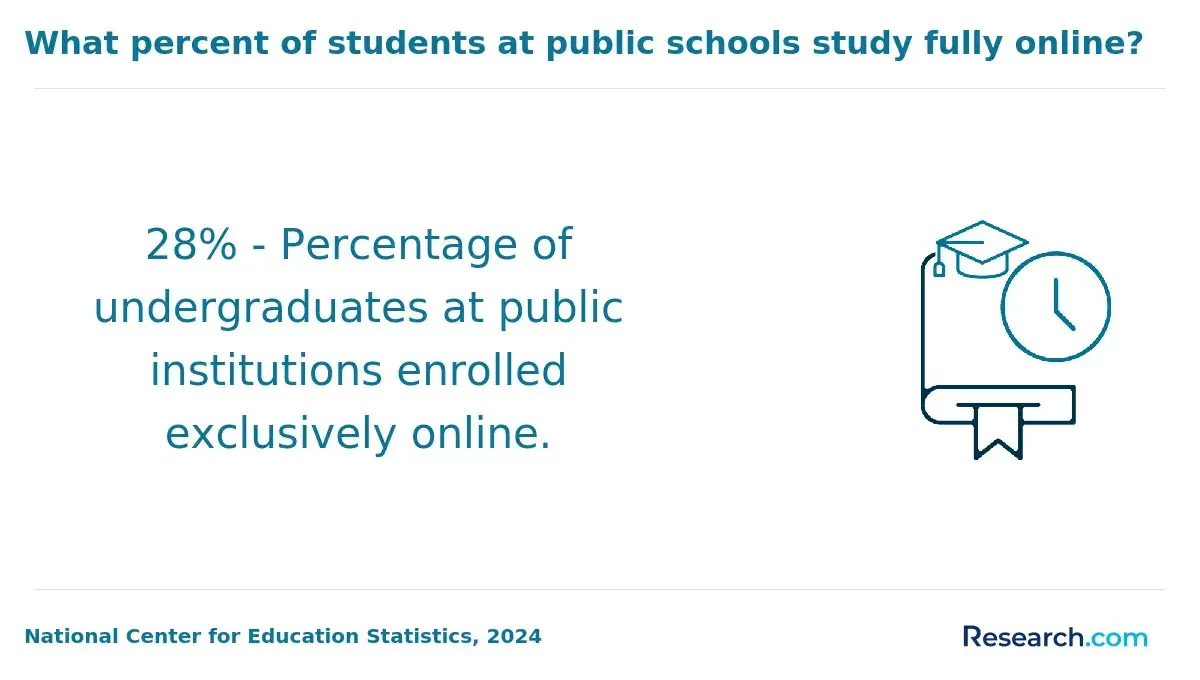
Many doctoral options combine accredited institutions with online coursework, but online does not necessarily mean fully remote or part-time. Verify the institution's recognized accreditation and any programmatic accreditation relevant to your profession. Then check whether the specific doctorate permits part-time enrollment and requires live classes, campus residencies, laboratories, clinical placements, or an in-person defense.
Online study can reduce commuting without changing fixed deadlines or research obligations. If start-date flexibility matters, compare online colleges with flexible start dates, but confirm start dates separately with each doctoral program; institution-wide schedules may not apply to it. For regulated occupations, ask the appropriate state board whether the program meets educational requirements in the state where you intend to practice.
Doctoral applicants normally need at least a completed bachelor's degree; many practice-oriented pathways require a relevant master's degree, professional experience, or current licensure. Research PhD programs may admit qualified bachelor's graduates but place particular weight on research preparation and faculty fit. Transferring students must generally meet ordinary program admissions standards and submit records for a separate credit review.
Requirements can include transcripts, a statement of purpose, recommendations, a writing sample or research proposal, an interview, prerequisite courses, and program-specific GPA or test rules. For a research doctorate, ask whether you should contact a potential adviser before applying. Submit syllabi for courses you hope to transfer: a transcript title alone may not establish equivalence. Do not assume admission means that credit has been approved.
Part-time completion depends on more than the number of courses left. Research progress, adviser availability, project approval, clinical hours, and the timing of a defense can continue well after coursework. A post-master's student with approved credit may have a shorter course plan than a bachelor's-entry student but still face substantial doctoral milestones.
Compare each program's published time limits and its proposed schedule for your entry pathway. Ask whether required courses run every term, whether part-time students can maintain candidacy, and what happens if a project or placement is delayed. Guides to best accelerated programs can help frame questions about course pacing, but short terms or transfer credit alone do not establish a short doctorate.
The relevant price is your remaining total cost, not the advertised per-credit rate. After receiving a transfer decision, calculate tuition for the credits you must still earn, mandatory and program fees, and expected travel, placement, research, or technology expenses. Ask whether dissertation or project enrollment carries continuing tuition or fees and how a longer part-time schedule changes the total.
Funding differs sharply by program. Some PhD students receive assistantships or fellowships with tuition remission and stipends, while many professional doctorate students rely more heavily on employer benefits, scholarships, financial aid, or personal funds. Neither arrangement is universal. Obtain written terms for any funding offer, including its duration, enrollment conditions, uncovered fees, and whether part-time students qualify. Compare the net cost with what a master's degree, certification, or additional experience could accomplish for your goal.
Most doctorates combine advanced field coursework with research methods, specialization, and a substantial culminating requirement. A PhD commonly includes qualifying or comprehensive exams, advancement to candidacy, original research, a dissertation, and a defense. A professional doctorate may instead require an applied dissertation, doctoral project, clinical project, or capstone; the exact requirement is program-specific.
Transfer credit is most likely to affect eligible coursework, not automatically waive research, clinical work, or a final project. Before enrolling, compare the handbook's milestone sequence with your available work hours. Ask who approves the research topic, how often advisers meet part-time students, and whether a workplace project needs employer permission. A credit evaluation that omits those obligations is not a complete completion plan.
Doctoral graduates may pursue research, teaching, advanced professional practice, policy analysis, or organizational leadership, depending on their field and prior experience. The credential alone does not secure a faculty position, promotion, license, or salary. For example, the U.S. Bureau of Labor Statistics reported a May 2023 median annual wage of $145,080 for computer and information research scientists. That is an occupation-wide figure, not the earnings of computer science doctoral graduates or a return guaranteed by transferring programs.
Assess whether your target occupation actually calls for doctoral preparation. Some roles also require licensure, publications, postdoctoral work, or substantial management experience. If earnings are your primary goal, compare the doctoral route with professional experience and fields represented among the highest paying bachelor degrees rather than attributing an occupation's pay to the doctorate itself.
How should students compare reputable doctoral programs and professional requirements?
Start with career fit, then test each program against evidence you can obtain from its catalog, handbook, admissions office, and - where relevant - an accreditor or licensing board. Rankings alone cannot tell you whether a course will count or a part-time research schedule will work.
Use these checks before accepting an offer; together, they expose the most costly transfer and scheduling mistakes.
- Request a written, program-level transfer evaluation identifying each accepted course and the requirement it fulfills.
- Confirm part-time enrollment rules for both coursework and candidacy or project work, plus every required visit or placement.
- Review institutional and relevant programmatic accreditation and verify state licensing requirements independently.
- Compare remaining total cost, funding terms, faculty or project support, and a realistic milestone schedule.
If the intended job does not need doctoral training, a graduate certificate, experience, or a credential from the guide to what certifications can I get online may be a less costly alternative. The clearest red flags are an unverifiable part-time pathway, a verbal promise of transfer credit without a degree audit, or an advertised finish date that leaves out research or clinical requirements.
Other Things You Should Know About
Possibly. The receiving program decides whether your previous graduate or doctoral courses meet its requirements. Apply for admission and request a separate, written credit evaluation.
No. It may satisfy an entry requirement, qualify you for a post-master's pathway, or support course-specific credit, depending on the program's published rules.
Some programs officially allow it. Check scheduled classes, research meetings, clinical or field hours, campus visits, and expectations during the dissertation or project phase before committing.
Do not assume so. Programs generally evaluate coursework separately from candidacy, research, clinical, and culminating requirements. Ask for a complete plan of what remains.
- Rule 3359-60-06.4 | Doctoral degree requirements. https://codes.ohio.gov/ohio-administrative-code/rule-3359-60-06.4
- Program Eligibility, Written Arrangements, and Distance Education | 2024-2025 Federal Student Aid Handbook https://fsapartners.ed.gov/knowledge-center/fsa-handbook/2024-2025/vol2/ch2-program-eligibility-written-arrangements-and-distance-education
- Admission | Graduate School Handbook https://handbook.unc.edu/admission.html
- Enrollment Affects Aid | Student Affairs and Campus Diversity | SDSU https://sacd.sdsu.edu/financial-aid/financial-aid/rights-and-responsibilities/satisfactory-academic-progress/enrollment-affects-aid
- Frequently Asked Questions | The Department of Middle, Secondary, and K-12 Education https://mdsk.charlotte.edu/the-department-of-middle-secondary-and-k-12-education-academic-programs/ph-d-in-curriculum-and-instruction/frequently-asked-questions/
- Can I transfer credits into a doctoral program? | Capella University https://www.capella.edu/blog/phd-doctorate/can-i-transfer-credits-into-a-doctoral-program/
- Transfer Credit - Columbia GSAS https://www.gsas.columbia.edu/content/transfer-credit
- Transfer Credit Limits - Graduate Studies https://graduatestudies.mines.edu/transfer-credit/
- Financial Aid Options for Graduate Students | sandiego.edu https://usdkb.sandiego.edu/s/article/Financial-Aid-Options-for-Graduate-Students
- Academic Rules - Course Catalog - Syracuse University https://coursecatalog.syracuse.edu/graduate/academic-rules/