2027 Best Professional Doctorate Programs With Scholarship Options

Co-Founder and Chief Data Scientist
A professional doctorate can strengthen your ability to lead, teach, or practice at an advanced level - but a scholarship offer can change which program is financially realistic. The U.S. Bureau of Labor Statistics projects 23% employment growth for medical and health services managers from 2024 to 2034, illustrating demand in one field that attracts doctoral applicants; the job itself does not require a doctorate. This guide compares practice-focused degree options, explains where scholarship funding is more likely to appear, and helps you assess the award, total cost, and career fit together.
Key Things You Should Know
- For a concrete funded option, Harvard's three-year Doctor of Education Leadership (Ed.L.D.) advertises full tuition support and a stipend; it is a specific leadership degree, not a funding model shared by all EdD programs.
- Compare an award's eligible doctoral program, amount, renewal conditions, and service obligations - not just whether a school lists "scholarships."
- The Bureau of Labor Statistics reports a $129,210 median annual wage for nurse practitioners in May 2024. That is an occupational figure, not an expected salary or financial return for DNP graduates.
Top 10 Best Professional Doctorate Programs With Scholarship Options - Best Programs
Business / DBA Programs
A Doctor of Business Administration (DBA) suits experienced managers who want to investigate workplace problems through applied research. Compare each program's research supervision, residency schedule, and total tuition before treating a modest scholarship as a bargain. Business-school awards and employer tuition assistance may help, but eligibility can differ between executive, online, and campus cohorts. If the goal is a promotion rather than doctoral-level inquiry, an MBA, targeted certificate, or additional management experience may cost less.
Education / EdD Programs
A Doctor of Education (EdD) often centers on improving educational practice through an applied dissertation or doctoral project. Scholarships may come from the college of education, alumni funds, professional associations, or an employer. Ask whether awards cover part-time students and continue during project credits. An EdD is useful when the curriculum matches an existing education role; it does not automatically provide a teaching or school-administrator license. Readers seeking a research-intensive academic career should also compare education PhD programs.
Educational Leadership Programs
Leadership doctorates serve distinct settings, including schools, colleges, and education nonprofits. Harvard Graduate School of Education's three-year Doctor of Education Leadership (Ed.L.D.) is a notable funded example: its published support includes tuition funding and a stipend. It is not interchangeable with a typical EdD, and applicants should confirm current eligibility and award terms. Elsewhere, compare leadership residencies, employer sponsorship, and whether a scholarship remains available during the final project. Check state credential rules separately if your goal is school administration.
Psychology Programs
A practice-oriented Doctor of Psychology (PsyD) can prepare students for clinical work, but a scholarship alone will not establish licensing eligibility. Prioritize the program's accreditation status, supervised training placements, internship arrangements, and state licensing fit. Institutional awards and assistantships vary considerably; ask what funding continues during clinical training. Some psychology PhD programs offer different research and funding structures, but they are not PsyD programs. Compare both paths if becoming a licensed psychologist is the goal.
Nursing / DNP Programs
A Doctor of Nursing Practice (DNP) emphasizes advanced clinical practice, systems improvement, or nursing leadership. Funding may include school scholarships, healthcare-employer assistance, and eligible service-based awards. First identify your entry route: a post-master's DNP and a pathway preparing a nurse practitioner can have very different clinical requirements and costs. Verify nursing accreditation, clinical placement responsibilities, state authorization, and certification eligibility. A DNP does not replace the separate licenses or certifications required for a particular role.
Public Health Programs
A Doctor of Public Health (DrPH) generally targets experienced professionals pursuing public health leadership and applied inquiry. Look for school-level scholarships, agency sponsorship, and employer support, then check whether an award covers required fieldwork or practice projects. Compare the program's stated experience requirements and public health accreditation rather than assuming that a graduate public health degree automatically qualifies you. A public health PhD is a different option when your main goal is original research.
Computer Science Programs
A practice-focused computing doctorate may be called a Doctor of Computer Science or another institution-specific degree; examine its curriculum rather than its initials. Awards may be program-specific or tied to an employer, while research PhD funding follows a different model. Ask whether the doctorate develops the applied architecture, organizational, or technical-leadership skills you need. In many computing jobs, a master's degree, strong project record, and experience may be more valuable than a self-funded doctorate.
Cybersecurity Programs
Professional cybersecurity doctorates may emphasize governance, risk, policy, or applied technical problems. Because degree names and scholarship rules vary, confirm that an advertised award applies to the actual doctoral program and enrollment format. Compare laboratory or residency requirements and the scope of the culminating project. For many security roles, experience and relevant certifications are a less costly route; a doctorate makes more sense when advanced inquiry or organization-wide leadership is central to the goal.
Social Work / Human Services Programs
A Doctor of Social Work (DSW) commonly emphasizes advanced practice, leadership, or teaching. Investigate school scholarships, employer assistance, and service-related awards, paying attention to restrictions on part-time enrollment. Verify whether the specific program supports your intended role and whether its field or project requirements fit your schedule. A DSW does not independently grant a social work license; state requirements, supervised experience, and examinations remain separate. A social work PhD is generally the stronger comparison for a primarily research-focused goal.
Public Administration / Public Policy Programs
A Doctor of Public Administration (DPA) can support applied leadership in government or nonprofits. Check whether your prospective program awards a DPA or another practice-focused credential; a public policy PhD is not the same degree. Scholarships may be offered through the school, public-service organizations, or an employer, sometimes with service conditions. Compare policy-analysis training, workplace-project access, residency costs, and the actual award terms. For some roles, an MPA or MPP plus experience is sufficient.
What Is a Professional Doctorate and Who Should Pursue One?
A professional doctorate is a doctoral degree organized around advanced professional practice or applied problems. Examples include the DBA, EdD, DNP, PsyD, DrPH, DPA, and DSW. Many require a substantial scholarly project, clinical work, or applied research; "professional" does not mean less rigorous. A PhD, by contrast, usually places greater emphasis on original research, although the appropriate choice depends on the individual program and career goal.
Consider a professional doctorate when a specific clinical pathway, advanced practice goal, or recurring problem in your field warrants doctoral-level preparation. Ask what you could accomplish instead with a master's degree, certification, or additional experience. Applicants returning to study later in their careers may also want to review degrees for older adults while deciding how much time and financial risk they want to take on.
There is no reliable scholarship label that applies to an entire degree type. Funding is attached to a particular institution, doctoral program, cohort, student, or service commitment. Harvard's Ed.L.D. is one identifiable example of extensive program-level support, but its admissions requirements and funding arrangement should not be assumed to apply to other educational leadership doctorates.
The comparison below separates funding routes that applicants often encounter. It is a screening guide, not a claim that every program in a field offers each award.
| Funding route | Where to look | Key limitation to check |
| Program-funded scholarship or fellowship | Official doctoral funding and admissions pages | Whether support is automatic, competitive, renewable, and available during project or clinical terms |
| School or external scholarship | Graduate school, professional school, and eligible professional organizations | Degree-level, enrollment, residency, and application restrictions |
| Assistantship | Department or graduate funding office | Work hours, tuition coverage, stipend, and compatibility with a working-professional schedule |
| Employer or service-based support | Employer benefits office and award administrator | Annual limits, repayment clauses, and any post-graduation service commitment |
Request the award terms in writing before accepting an offer. A scholarship advertised by a university might exclude an executive DBA cohort, an online PsyD, or part-time DNP enrollment. Compare net cost across the full expected enrollment period, including terms when a scholarship may expire.
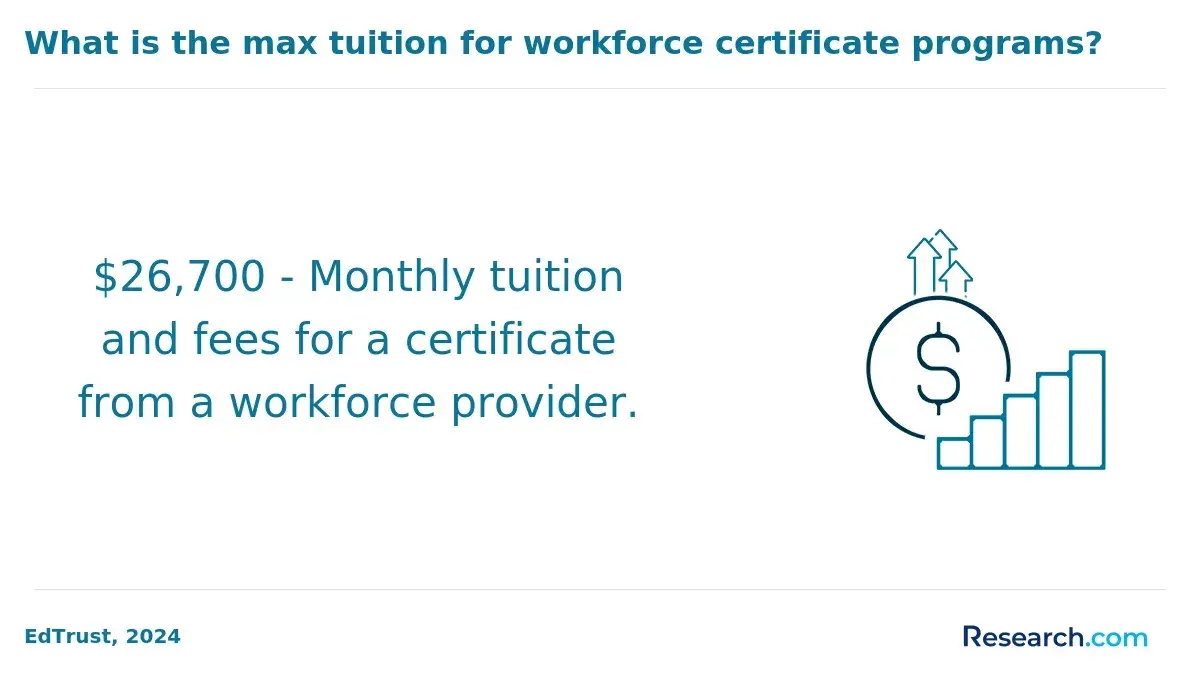
No single tuition figure describes these degrees. A post-master's DNP, clinical PsyD, and executive DBA can require different amounts of coursework, supervised training, and travel. Tuition is only one part of the bill: mandatory fees, clinical or internship expenses, residencies, travel, and additional terms needed to finish a project can change the result.
Use the school's current tuition schedule and degree requirements to build a term-by-term estimate. Subtract only funding for which you are eligible, and distinguish a one-time award from one renewable through completion. Compare that estimate with affordable online doctoral programs without assuming that lower published tuition means lower total cost or that online study eliminates in-person expenses.
Include foregone earnings if the program requires reduced work hours. Federal loans and institutional payment plans can spread payments, but they do not reduce the price; confirm current borrowing eligibility and repayment terms before relying on them.
An online professional doctorate can be accredited, but delivery format does not establish accreditation or professional eligibility. Verify the institution's recognized institutional accreditation, then check whether the specific program holds the accreditation relevant to your goal. For example, nursing, clinical psychology, and public health applicants may need to examine different programmatic accreditors and state rules.
Ask for the exact location of required clinicals, internships, laboratories, residencies, and defenses. "Online coursework" does not necessarily mean no campus visits or no scheduled attendance. If licensure is the objective, obtain confirmation that the program meets the educational requirements of the state where you intend to practice; accreditation and licensure eligibility are related but separate questions.
Requirements vary by credential. Many leadership and applied-practice programs expect relevant professional experience; some require a related master's degree, while other pathways admit qualified applicants after a bachelor's degree. A clinical pathway may also require an existing professional license or specific prerequisite coursework.
Review the doctoral program's requirements - not just the university's general graduate admissions page - for transcripts, recommendations, a statement of purpose, writing sample, interview, tests, and any published GPA standard. If you are still completing undergraduate study, start by planning for an accredited bachelor's degree; comparisons of affordable online colleges can help at that earlier stage, but incomplete undergraduate coursework alone normally does not qualify you for doctoral admission.
A master's degree does not automatically shorten a doctorate. Ask whether previous graduate courses satisfy specific degree requirements, how they will be evaluated, and which doctoral project, clinical, or residency requirements must still be completed.
Coursework usually combines advanced field content with research or evidence-appraisal methods. A DBA might study organizational strategy and applied inquiry; an EdD might address improvement methods and education systems; a DNP may include evidence-based practice, population health, and a clinical or systems-improvement project. Specific requirements belong to the program catalog, not the degree abbreviation alone.
Look past course titles to the culminating requirement. An applied dissertation, doctoral project, portfolio, internship, or supervised clinical experience can demand substantial work after classroom courses end. Ask who approves the project, how supervision works, and whether you can complete field activities at your workplace.
Duration depends on the entry pathway, permitted course load, project approvals, and any clinical or residency requirements. Harvard describes its Ed.L.D. as a three-year program; that published structure should not be used as a timeline for a part-time EdD elsewhere. An advertised short pathway may assume a qualifying master's degree and still require a substantial final project.
Ask programs for the expected time to completion for students with your qualifications and intended enrollment pace, plus any time limits on scholarships. If the career goal does not require a doctorate, compare the timeline with quick masters degrees online - but verify that a shorter program actually provides the preparation you need. Finishing coursework quickly is not the same as completing a doctoral project or clinical requirement quickly.
These degrees may support advanced clinical practice, educational or organizational leadership, applied policy work, and specialized professional roles. Outcomes depend on existing credentials, experience, location, and employers. A doctorate alone does not guarantee a promotion, executive role, faculty appointment, or professional license.
Salary figures are most useful when matched to a realistic occupation rather than treated as graduate outcomes. The Bureau of Labor Statistics' May 2024 median wage for nurse practitioners, for example, describes employed nurse practitioners across educational backgrounds. Becoming one also requires an applicable nursing pathway, licensure, and certification; earning any DNP is not sufficient. To judge financial value, compare your likely net program cost and time away from work with the opportunities available using your current qualifications.
How Do You Choose a Reputable Professional Doctorate Program?
Start with the job or professional problem you want to address, then narrow your choices to programs whose credentials and requirements fit it. A familiar university name or prominent scholarship headline cannot substitute for checking the actual doctoral program.
Use the following sequence to turn a shortlist into a defensible decision:
- Confirm the exact degree awarded and whether its practice, research, clinical, or leadership focus matches your goal.
- Verify institutional accreditation, relevant programmatic accreditation, and any state licensure or certification implications.
- Request a complete curriculum and identify projects, placements, residencies, campus visits, and expected completion time.
- Obtain a written, term-by-term cost estimate and the scholarship's eligibility, renewal, and service conditions.
- Speak with the program about doctoral supervision, placement support where relevant, and outcomes it can document for comparable students.
A common mistake is selecting the largest advertised award without checking how long it lasts. Another is choosing an online program before confirming in-person obligations. If a program cannot clearly explain its accreditation, remaining degree requirements, or award terms, pause before committing - even if its initial price looks attractive.
Other Things You Should Know About
Yes, some programs offer extensive funding, but it is not standard across professional doctorates. Check whether an offer covers tuition, fees, living costs, and every expected year of enrollment.
No universal rule applies. Some awards permit part-time study; others are limited to a particular cohort or enrollment level. Verify the doctoral program's written terms.
Not necessarily. Ask specifically about placement costs, travel, licensing expenses, and any terms after the award ends.
Choose based on the credential your goal requires, the program's fit, and your total financial commitment. Funding improves affordability but does not make an unnecessary doctorate the better career choice.
- Apply for an NHSC Scholarship - HRSA https://nhsc.hrsa.gov/scholarships/how-to-apply
- Cost of Attendance (Budget) | 2025-2026 Federal Student Aid Handbook https://fsapartners.ed.gov/knowledge-center/fsa-handbook/2025-2026/vol3/ch2-cost-attendance-budget
- Finding and Applying for Scholarships | studentaid.gov https://studentaid.gov/understand-aid/types/scholarships
- Cost & Funding - Graduate School - University of Arkansas https://graduate-students.uark.edu/cost-and-funding/
- Cost of Attendance - Texas One Stop https://onestop.utexas.edu/managing-costs/cost-tuition-rates/cost-of-attendance/
- Walden Grants and Scholarships | Walden University https://www.waldenu.edu/financial-aid/grants-and-scholarships
- Costs - UGA Student Financial Aid - University of Georgia https://osfa.uga.edu/costs/
- Doctoral Policies & Procedures Handbook - Bagwell College https://campus.kennesaw.edu/colleges-departments/bagwell/resources/doctoral-policies-procedures-handbook.php
- Scholarship Conditions | Towson University https://www.towson.edu/admissions/financialaid/guide/requirements/scholarship-conditions.html
- Cost of Attendance - Financial Aid and Scholarships | The University of Utah https://financialaid.utah.edu/tuition-and-fees/cost-of-attendance.php