2027 Best Doctorate Degrees With Short Courses

Co-Founder and Chief Data Scientist
A short doctoral course can make a busy schedule easier to manage, but it does not necessarily shorten the degree. That distinction matters when comparing a DBA, EdD, DNP, or research PhD. The U.S. Bureau of Labor Statistics (BLS) reports that information security analysts earned a median $120,360 in 2023, yet that occupation does not generally require a doctorate; a higher credential must serve a specific goal. This guide compares doctoral fields, explains what short courses can - and cannot - change, and helps you check the requirements that determine time, cost, and career value.
Key Things You Should Know
- Short courses are not short doctorates: Compare the published course calendar with the full sequence of exams, research, projects, clinical work, and defenses.
- Choose by purpose: A practice-focused DBA, EdD, or DNP serves different goals from a research PhD; a certificate or master's degree may be enough for some careers.
- Verify the doctoral-level format: Ask each school whether accelerated terms apply to required courses and whether residencies, placements, or scheduled meetings remain.
Top 10 Best Doctorate Degrees With Short Courses - Best Doctorates
Business / DBA Programs
A Doctor of Business Administration (DBA) fits experienced professionals who want to investigate organizational problems through applied research. Some DBA programs divide coursework into shorter terms, but a substantial doctoral project or dissertation may follow. Compare the complete course rotation, project supervision, and any required residencies before treating the schedule as accelerated. An MBA or targeted executive training may be a better investment if your goal is broader management skills rather than doctoral-level inquiry.
Education / EdD Programs
A Doctor of Education (EdD) often emphasizes improving educational practice or systems. Short course blocks may help employed educators plan around the school calendar, while an applied inquiry project can extend beyond those blocks. Check whether the program requires a master's degree, practitioner experience, cohort attendance, or a dissertation. Choose an education PhD instead when sustained original research and faculty research fit better match your goal.
Educational Leadership Programs
Educational leadership doctorates may be EdD or PhD degrees; the title alone does not establish their purpose. Compare courses in organizational change, education policy, and research methods with the culminating requirement. For school administrators, also check state credential rules: an EdD does not automatically grant principal or superintendent licensure. Short terms can accommodate working leaders, but cohort schedules and workplace-based projects may limit flexibility.
Psychology Programs
A Psychology PhD generally centers on research, while a Doctor of Psychology (PsyD) often emphasizes clinical practice; requirements vary by program. Brief classroom terms cannot replace supervised clinical training, internship, or licensure requirements. If clinical practice is the goal, verify the exact degree's accreditation, placement requirements, and eligibility in the state where you intend to work. A nonclinical psychology doctorate should not be assumed to qualify graduates for psychologist licensure.
Nursing / DNP Programs
The Doctor of Nursing Practice (DNP) focuses on advanced nursing practice and evidence-based improvement; a nursing PhD is usually more research-oriented. DNP pathways may begin after a bachelor's or master's degree, with different required coursework and clinical preparation. Short didactic courses do not eliminate clinical hours or the DNP project. Confirm nursing accreditation, existing RN-license requirements, placement support, and whether the specialization meets the intended state's advanced-practice rules.
Public Health Programs
A Doctor of Public Health (DrPH) generally prepares experienced professionals for applied public health leadership; a public health PhD emphasizes original research. Modular courses may suit employed practitioners, but fieldwork, applied projects, and scheduled collaboration can shape the true timeline. Compare admissions expectations for prior public health education and experience. If you need a specific analytical skill rather than doctoral-level leadership preparation, a master's degree or focused certificate may suffice.
Computer Science Programs
A computer science PhD is principally a research commitment, not a sequence of advanced coding classes. Faculty fit, laboratory resources, candidacy, publications, and dissertation progress usually matter more to completion time than the length of a course term. Some practice-oriented computing doctorates have different requirements, so verify the awarded credential. For many software roles, a master's degree, research experience, or a strong technical portfolio may be more directly relevant.
Cybersecurity Programs
Cybersecurity doctorates can emphasize research, applied systems, policy, or organizational risk. Short courses can help working specialists study one topic at a time, but research approval, access to suitable data, and a dissertation or project may set the pace. Match the curriculum to your goal: a research PhD suits original scholarship, while a practice-oriented doctorate may suit applied leadership. A doctorate is not normally necessary for entry into cybersecurity.
Social Work / Human Services Programs
A Doctor of Social Work (DSW) may focus on advanced practice, teaching, or organizational change; a social work PhD typically gives greater weight to research. Even when courses run in short blocks, capstones, dissertations, and field-based requirements can take longer. Verify whether admission requires an MSW and professional experience. A doctoral degree does not replace state social work licensing, supervised-practice, or continuing-education requirements.
Public Administration / Public Policy Programs
A Doctor of Public Administration (DPA) often emphasizes applied public-sector leadership, whereas a public policy or administration PhD typically centers on research. Short courses may make policy, budgeting, and evaluation coursework easier to schedule, but a major research or applied project still requires sustained work. Compare faculty expertise and the culminating requirement with your intended role. Public-sector advancement also depends heavily on experience and employer hiring rules.
What are doctorate degrees with short courses?
Doctorate degrees with short courses are doctoral programs that deliver at least some required coursework in compressed academic terms. "Short" describes individual classes - not the entire DBA, EdD, DNP, PsyD, DrPH, DPA, DSW, or PhD. Without a published doctoral course schedule, it is not possible to establish that a particular school offers this feature.
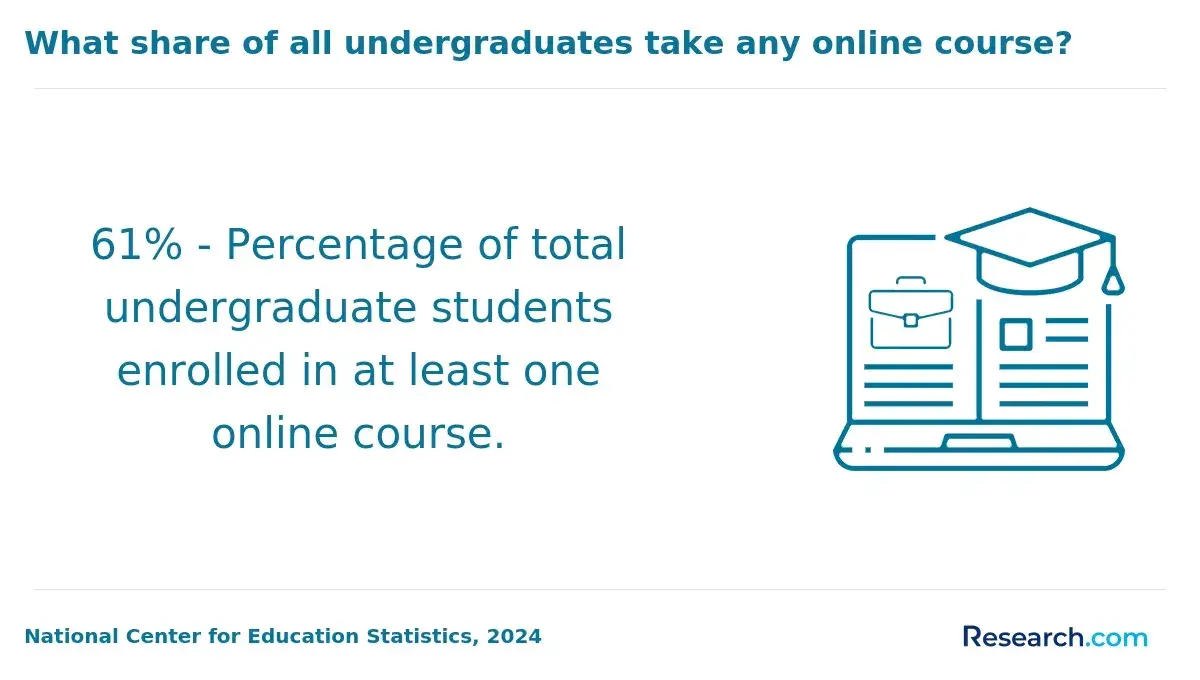
Compressed courses may concentrate the same work into fewer weeks, with less time to recover from a missed assignment. They are also different from self paced online college: an online course can still have fixed deadlines and live meetings. Ask for a sample term schedule and the degree plan extending through the final defense or project.
DBA, EdD, DNP, DrPH, and other professional doctorate pathways may offer graduate certificates or microcredentials connected to a specialization. A research PhD may permit a certificate alongside the degree. Availability and credit sharing are program-specific: a credential is not automatically stackable merely because the institution awards both credentials.
Request a written evaluation showing which certificate courses satisfy doctoral requirements, whether a separate application is required, and whether completing the certificate changes the degree timeline. If the immediate goal is a discrete workplace skill, easy licenses and certifications to get may be worth comparing with a much longer doctoral commitment.
Start with institutional accreditation, then check any programmatic accreditation relevant to your intended occupation and state. For clinical psychology, nursing, and other regulated pathways, confirm eligibility with the appropriate licensing board rather than relying on a general accreditation claim.
Next, ask the program for its doctoral handbook and a recent course schedule. Check which required courses actually use short terms; how often they run; whether the program officially permits your intended enrollment pace; and what follows coursework. A red flag is an advertised "accelerated" format with no clear account of candidacy, supervision, clinical placement, or the final project.
The best format is the one that lets you complete all requirements, not merely attend classes. These formats commonly differ in ways that affect both scheduling and research access; individual programs may combine features from more than one column.
| Format | Potential advantage | Requirement to verify |
| Online | Less routine travel for coursework | Live sessions, campus visits, local placements, and defenses |
| Hybrid or low-residency | Remote study with periodic in-person collaboration | Visit frequency, travel costs, and attendance rules |
| Campus-based | Regular access to faculty, laboratories, or research groups | On-site schedule and availability of required courses |
For laboratory-intensive research or close faculty collaboration, campus study may offer advantages. For an employed practitioner pursuing an applied project, online or hybrid study may fit better - provided the program's actual meeting and placement obligations are manageable.
Doctoral curricula typically combine advanced field coursework, research methods, and a culminating requirement. A DBA might study organizational research; an EdD might examine improvement methods; a DNP might develop an evidence-based practice project. A PhD usually requires deeper preparation for original research, often including examinations, candidacy, a dissertation proposal, and an oral defense.
Read the entire degree map, not just the course descriptions. Short terms can speed the classroom sequence while adviser availability, research approvals, data collection, clinical hours, or project revisions determine when a student can finish.
Doctoral admission normally begins after a completed bachelor's degree; many professional doctorates require or prefer a relevant master's degree, professional experience, or an existing license. Research PhD admission may place particular weight on research preparation and faculty fit. Depending on the program, applicants may also need transcripts, recommendations, a statement of purpose, a writing sample, an interview, or standardized-test results. Check the doctoral program's policy rather than assuming university-wide rules apply.
If you have not yet completed a bachelor's degree, that is the first major eligibility milestone. An easy online associate degree can be an earlier step in an education plan, but it does not itself qualify someone for doctoral admission.
Doctorates generally take years, not weeks. Entry pathway, enrollment pace, course rotation, research progress, and clinical or residency obligations can matter more than compressed terms. A post-master's pathway may remove specified coursework, but a master's degree does not automatically reduce doctoral requirements. Ask for the program's published completion-time range and the preparation assumed behind it.
For cost, calculate required tuition and fees across the remaining degree, then add travel, technology, research, and placement expenses where applicable. Compare that total with written offers of tuition remission, assistantships, fellowships, scholarships, or employer support. Some PhD students receive funding, but it is not universal; check its duration and conditions before comparing a funded research pathway with a primarily self-funded professional doctorate.
A doctorate can support research, advanced practice, teaching, or leadership, but it does not guarantee a job or raise. BLS reports a 2023 median annual wage of $92,740 for psychologists as an occupation - not for psychology doctorate graduates specifically. Licensure, specialty, experience, and employer affect which roles are attainable.
Judge return on investment against a realistic alternative: a master's degree, professional experience, or a shorter credential. Even among highest paying online degrees, occupational wages should not be mistaken for earnings caused by a particular degree. A doctorate makes the strongest case when its research, clinical, or advanced-practice preparation is needed for the work you actually want.
Which licenses, certifications, and job outlooks apply after graduation?
Licensure is separate from graduation. Psychologists generally face state licensing requirements; advanced-practice nurses must meet applicable state authorization and certification rules; and social workers may need a state license and supervised experience. Education administrators should check the credential rules for their intended position. Ask the program and the relevant state board whether its specific pathway meets current requirements.
For nonlicensed roles, job outlook describes an occupation, not demand for a doctorate. BLS projects employment growth for information security analysts, but applicants generally enter through technical education and experience rather than doctoral study. Use the outlook for your target occupation, then determine whether a doctorate adds capabilities employers or research teams seek.
Other Things You Should Know About
Usually not. Short terms may cover coursework, while a dissertation, doctoral project, clinical work, or defense follows its own schedule.
Choose by the work you intend to do: a practice-oriented doctorate may suit applied leadership or clinical goals, while a PhD may better fit original research. Confirm that the actual meeting schedule works with your job.
Only if the doctoral program confirms that specific certificate credits satisfy degree requirements. Ask for a written program-level evaluation before enrolling.
Not necessarily. Check for residencies, laboratories, clinical placements, live sessions, examinations, and in-person defenses before committing.
- Cost of Attendance (Budget) | 2025-2026 Federal Student Aid Handbook https://fsapartners.ed.gov/knowledge-center/fsa-handbook/2025-2026/vol3/ch2-cost-attendance-budget
- TEN_25-19_Attachment_1.pdf | dol.gov https://www.dol.gov/node/161266
- DAPIP | Homepage - Office of Postsecondary Education (OPE) https://ope.ed.gov/dapip/
- Rule 3359-60-06.4 | Doctoral degree requirements. https://codes.ohio.gov/ohio-administrative-code/rule-3359-60-06.4
- What Is an Accredited University? Understanding Accreditation | National University https://www.nu.edu/blog/what-is-an-accredited-university/
- 4.1.21 Instructional Modalities and Distance Education | Illinois State https://policy.illinoisstate.edu/academic/4-1-21
- Glossary - Office of the Registrar - University of Michigan https://ro.umich.edu/tuition-residency/tuition-fees/glossary
- All But Dissertation Option, DBA - Capstone Project Track https://catalog.baker.edu/preview_program.php
- Completion Rates and Time to Degree Completion | Academic Affairs https://academicaffairs.uams.edu/irpa/office-of-institutional-studies/student-outcomes/completion-rates/
- Academic Policies and Requirements for Graduate Students | utk.edu https://catalog.utk.edu/content.php