
2027 Are Online Christian Counseling Doctorate Degrees Respected by Employers? Hiring Trends and Career Outcomes

Co-Founder and Chief Data Scientist
An online Christian counseling doctorate can be respected by employers, but only when it matches the job, licensing expectations, and institutional standards of the field.
This matters because counseling-related occupations remain in demand: the U.S. Bureau of Labor Statistics projects substance abuse, behavioral disorder, and mental health counselor employment to grow 17% from 2024 to 2034.
This guide is for pastors, counselors, ministry leaders, educators, and clinicians comparing doctoral options. You will learn when the degree improves credibility, when it may not change hiring outcomes, and how to evaluate ROI before enrolling.
Key Things You Should Know
- Employers usually care more about institutional accreditation, licensure fit, supervised experience, and degree relevance than whether a doctorate was completed online.
- The strongest labor-market fit is usually in senior counseling leadership, pastoral counseling, ministry education, counselor education, nonprofit administration, and faith-based clinical settings; BLS projects 17% growth for mental health counselor roles from 2024 to 2034.
- ROI is highly conditional: a doctorate may strengthen advancement into leadership or teaching, but many counseling licenses and therapy jobs still depend on a qualifying master's degree, state licensure, and clinical hours rather than the doctorate alone.
What Is the True ROI of an Online Christian Counseling Doctorate?
The true ROI of an online Christian counseling doctorate is not just a salary calculation. It is the combined value of employer recognition, advancement potential, ministry or clinical credibility, teaching eligibility, professional network, and personal mission fit compared with the cost, time, and opportunity cost of earning the credential.
In practical hiring terms, "respected" usually means the employer sees the degree as legitimate, relevant, and backed by credible academic standards.
For Christian counseling, that assessment can vary widely because the field overlaps with licensed mental health counseling, pastoral care, chaplaincy, ministry leadership, counselor education, nonprofit administration, and faith-based coaching. A doctorate that is useful for one path may be weak for another.
The most important distinction is between a doctorate that supports professional counseling practice and one that supports ministry-based counseling or academic leadership.
A PhD in Counselor Education and Supervision from a properly accredited institution may carry different employer value than a Doctor of Ministry in pastoral counseling, a PhD in Christian counseling, or a theology-focused doctoral program with counseling coursework. None of these is automatically better; the right choice depends on the job you want.
Use the table below to understand how employers commonly evaluate an online Christian counseling doctorate. The point is not to find one universal answer, but to identify the factors that usually matter more than delivery format:
| Employer recognition factor | Why it matters | What it means for ROI |
| Institutional accreditation | Employers, licensing boards, and universities commonly use accreditation as a baseline legitimacy check. | A degree from a recognized institution is more likely to be accepted for hiring, promotion, and teaching review. |
| Programmatic fit | Counseling, psychology, ministry, and theology employers may expect different academic preparation. | A strong match between degree type and target role increases practical value. |
| Licensure alignment | Many counseling roles require state licensure based on a qualifying master's degree, supervised hours, and exams. | A doctorate that does not support licensure may still be valuable, but not as a substitute for required credentials. |
| Clinical or ministry experience | Employers often weigh supervised practice, pastoral experience, leadership, and case experience heavily. | The doctorate produces stronger ROI when paired with real experience. |
| Research, teaching, or leadership output | Doctoral projects, publications, curriculum design, and program leadership show applied expertise. | These outputs can help convert the degree into promotion, consulting, or teaching opportunities. |
Common mistakes reduce ROI. The biggest is assuming that "doctorate" automatically means better employment outcomes. Another is choosing a program because it is marketed as Christian counseling without checking whether it fits the credential standards of the target employer.
Before enrolling, confirm whether your goal is licensed counseling, pastoral counseling, teaching, ministry leadership, research, supervision, or executive administration. Each path rewards different evidence of preparation.
How Much Does an Online Christian Counseling Doctorate Increase Earning Potential?
An online Christian counseling doctorate can increase earning potential, but the increase is usually indirect. It may qualify a professional for director-level roles, higher education teaching, consulting, supervision, ministry leadership, or specialized faith-based counseling services.
It is less likely to produce an immediate salary jump if the person remains in the same licensed counseling role with the same employer.
For salary context, the BLS reported a May 2024 median annual wage of $59,190 for substance abuse, behavioral disorder, and mental health counselors. That figure is useful because many Christian counseling doctorate students come from counseling or pastoral-care backgrounds, but it should not be read as a doctoral salary.
Actual compensation depends on licensure, setting, state, employer type, caseload, reimbursement model, and leadership responsibility.
The table below compares career areas where the doctorate may affect earnings differently. It summarizes how the credential is typically interpreted rather than promising a specific salary outcome:
| Career area | How an online Christian counseling doctorate may affect pay | Employer interpretation |
| Licensed counseling practice | May support specialization, supervision, private practice positioning, or leadership, but licensure remains central. | Valued when paired with an active license and clinical competence. |
| Faith-based counseling center leadership | Can strengthen candidacy for clinical director, program director, or training roles. | Often respected when the degree combines counseling knowledge with Christian worldview integration. |
| Pastoral counseling and ministry care | May improve credibility for church-based counseling, care ministries, chaplaincy-adjacent work, and staff leadership. | More valuable in faith-based organizations than in secular clinical settings. |
| Higher education teaching | May support adjunct, faculty, curriculum, or seminary teaching roles, depending on institutional requirements. | Recognition depends heavily on degree type, accreditation, research expectations, and teaching experience. |
| Nonprofit or human services administration | Can help with executive credibility, grant leadership, program design, and staff development. | Employers may value the doctorate alongside management experience more than as a standalone credential. |
If your goal is to become a licensed therapist, compare the doctorate with master's-level pathways first. Many students would get stronger near-term financial value from online masters programs for counseling because licensure in professional counseling usually begins at the master's level.
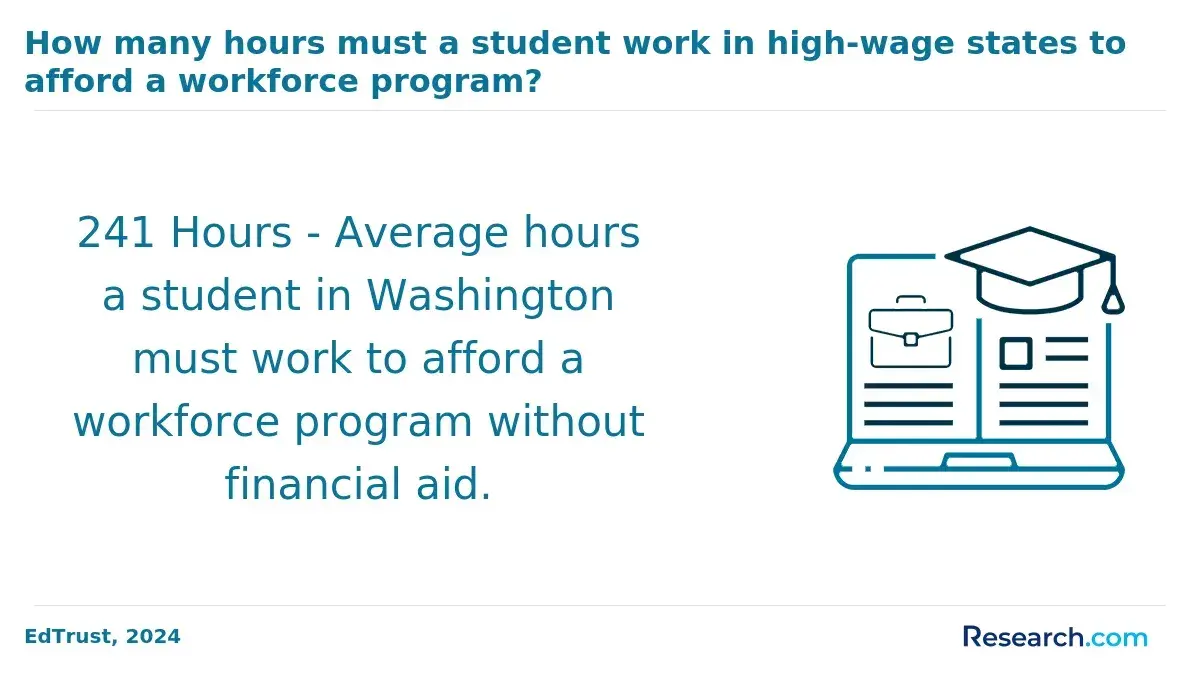
A doctorate can still be financially worthwhile when it moves you into a role with broader responsibility. Examples include supervising clinicians, launching a faith-integrated counseling center, teaching graduate courses, writing curriculum, developing trauma-informed ministry programs, or leading behavioral health outreach in a nonprofit. The degree's earning impact is strongest when it changes the level of work you can credibly perform.
Which Careers Provide the Best Financial Return With an Online Christian Counseling Doctorate?
The best financial return usually comes from careers where the doctorate solves a specific employer problem: leadership credibility, teaching qualification, specialized counseling expertise, supervision, program development, or faith-based clinical integration.
The degree is less financially powerful when it duplicates credentials the employer already considers sufficient.
The table below compares common career paths by expected doctoral value, not by prestige. This helps you identify where an online Christian counseling doctorate is most likely to be respected in hiring or advancement decisions:
| Career path | Doctorate value | Best-fit doctorate type | Financial return potential |
| Counseling center director | High when combined with licensure and management experience | PhD, EdD, or counseling-related professional doctorate | Strong if it supports promotion into leadership |
| Seminary or Christian college instructor | High if the institution accepts the degree field | PhD, DMin, ThD, or doctorate aligned with teaching area | Moderate to strong depending on full-time versus adjunct employment |
| Pastoral counselor | High in ministry settings; variable in clinical settings | DMin, PhD in Christian counseling, or pastoral counseling doctorate | Variable, often tied to ministry role scope |
| Licensed professional counselor | Moderate; license and clinical competence are more central | Doctorate aligned with counseling practice or supervision | Moderate unless it leads to supervision, ownership, or specialization |
| Marriage and family therapy leader | Moderate to high when paired with MFT licensure | Doctorate related to family therapy, counseling, or supervision | Strongest in supervision, teaching, or private practice leadership |
| Nonprofit behavioral health executive | Moderate; leadership record may matter more | Doctorate with counseling, ministry, or organizational leadership focus | Strong when paired with budget, staff, and program outcomes experience |
Marriage and family therapy is a good example of why degree fit matters. The BLS projects marriage and family therapist employment to grow 14% from 2024 to 2034, which indicates healthy demand, but employers still look for appropriate training and licensure.
Students focused on family systems work may want to compare doctoral options with the best online MFT programs before committing to a Christian counseling doctorate.
Career paths with the weakest financial return are usually those where the doctorate is admired but not required, the salary structure is fixed, or the employer cannot pay more for doctoral credentials.
This can happen in small churches, entry-level counseling agencies, volunteer ministry roles, and organizations with rigid pay bands. In those cases, the degree may still have spiritual, professional, or mission value, but the financial ROI may be limited.
How Does an Online Christian Counseling Doctorate Affect Career Advancement?
An online Christian counseling doctorate can affect career advancement by making a professional more credible for senior roles that require expertise beyond direct service. Employers may view the degree as evidence of advanced study, research ability, theological reflection, ethical reasoning, supervision capacity, and long-term commitment to the field.
However, advancement depends on what the employer needs. A church may value the doctorate for pastoral care leadership. A licensed counseling agency may value it only if it complements licensure and clinical supervision credentials.
A university may evaluate the dissertation, faculty expertise, accreditation, publications, and teaching experience. A nonprofit may care more about budget responsibility, outcome measurement, and team leadership.
Professionals who want to convert the degree into advancement should treat it as one part of a broader career portfolio. The following actions help employers see the doctorate as job-relevant rather than merely academic:
- Choose a dissertation, capstone, or doctoral project that directly matches your target role, such as trauma-informed pastoral care, addiction recovery ministry, family systems counseling, counselor supervision, or faith-based behavioral health program design.
- Build evidence of leadership while enrolled, including supervising staff, developing training materials, leading groups, managing care teams, or presenting continuing education sessions.
- Document outcomes from your work, such as improved program completion, expanded access to counseling services, stronger referral systems, or better volunteer training.
- Ask potential employers whether they recognize the degree for promotion, faculty appointment, clinical leadership, chaplaincy-adjacent work, or salary review before you enroll.
- Present the online format transparently but briefly on a résumé; emphasize accreditation, research, practicum or ministry application, and leadership outcomes instead of defending online learning.
Hiring trends also favor professionals who can combine counseling knowledge with technology literacy. Telehealth, electronic records, online support groups, AI-assisted documentation tools, and digital ministry platforms are changing how care is delivered.
A doctorate may be more respected when graduates can show they understand ethics, privacy, crisis referral, and appropriate boundaries in digital counseling or pastoral-care environments.
The key is relevance. Employers rarely promote someone because the degree exists in isolation. They promote when the degree helps the employee solve higher-level problems.
How Does the Cost of an Online Christian Counseling Doctorate Affect Its Overall Value?
Cost can make or break the value of an online Christian counseling doctorate. A respected program may still be a poor financial choice if the debt load is high and the target career has limited salary growth. Conversely, a lower-cost accredited program can produce strong ROI if it aligns well with the student's career path and employer expectations.
NCES data published in 2024 showed that average graduate tuition and required fees were substantially higher at private nonprofit institutions than at public institutions in the most recently reported national data.
For Christian counseling doctorates, that matters because many programs are offered by private faith-based colleges, universities, and seminaries. Students should compare total program cost, not just per-credit tuition.
Cost evaluation should include the full price of completion. Important cost categories include:
- Tuition charged per credit, term, semester, or program.
- University fees, technology fees, graduation fees, and dissertation or continuation fees.
- Residency travel, lodging, meals, and lost work time if the online program includes intensives.
- Books, software, assessment tools, theological resources, and research expenses.
- Licensure-related costs if the student also needs exams, supervision, continuing education, or a qualifying master's degree.
- Interest costs if the student uses graduate loans.
Students comparing doctoral affordability may find it useful to start with lists of the cheapest online PhD in counseling, then narrow the options by accreditation, faculty fit, faith integration, career services, and employer recognition. Low cost alone is not enough, but it can reduce the salary increase needed to justify the degree.
Red flags include vague tuition pages, unclear accreditation statements, pressure-based enrollment tactics, unusually short completion promises, limited faculty information, and no public explanation of dissertation, capstone, or research expectations.
A school should be able to explain who recognizes its degree, what graduates typically do, and whether the program is intended for licensure, ministry, education, or professional development.
How Does the Time Commitment of an Online Christian Counseling Doctorate Affect Its ROI?
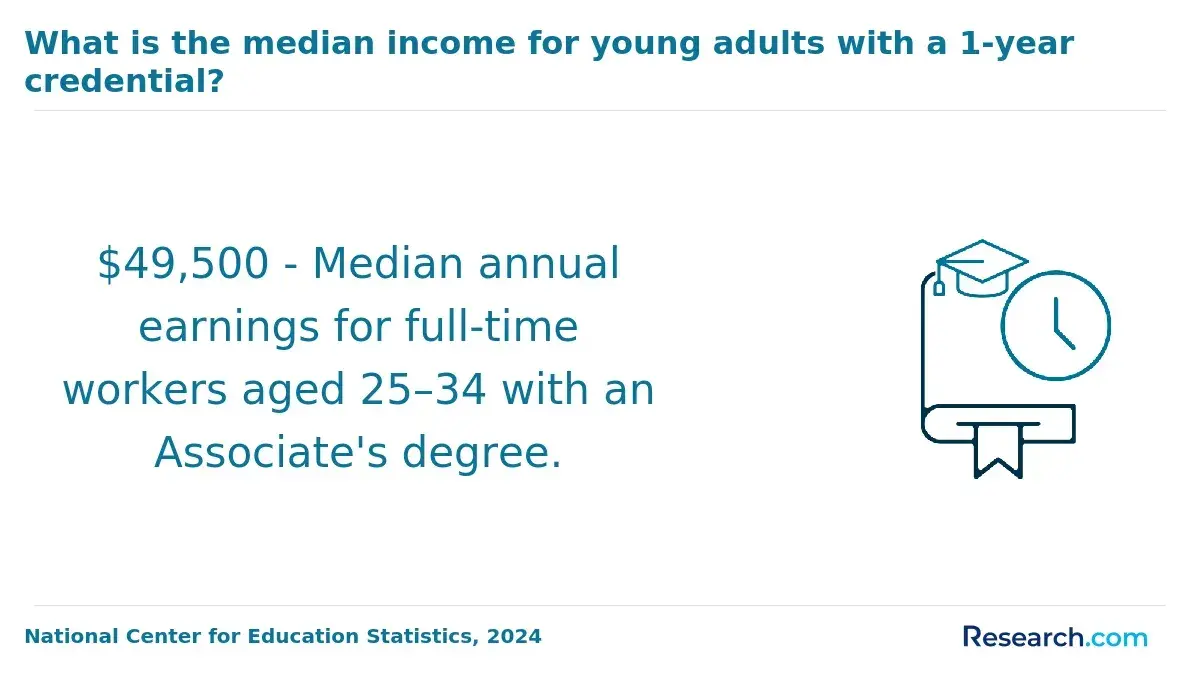
The time commitment affects ROI because doctoral study competes with paid work, ministry, family responsibilities, clinical hours, and leadership opportunities. Online learning can reduce relocation and commuting costs, but it does not remove the academic workload.
A legitimate doctorate typically requires advanced reading, research, writing, faculty feedback, and a major dissertation or applied project.
Many online Christian counseling doctorates are designed for working adults, which can help students keep earning while enrolled. That flexibility is one reason employers have become more comfortable with online doctoral credentials from accredited institutions. Still, taking too long can raise costs through continuation fees, delayed advancement, and professional fatigue.
To estimate time-related ROI, students should consider three questions. First, can you maintain employment while studying? Second, will the program's pace allow you to apply learning immediately at work? Third, will the doctorate finish soon enough to affect your next promotion, teaching application, or ministry transition?
A practical evaluation process can help prevent overcommitment:
- Ask the program for the typical time to completion for working adults, not just the minimum advertised timeline.
- Confirm whether dissertation, doctoral project, or ministry research credits can extend beyond regular coursework.
- Estimate weekly study hours during regular courses, research terms, residencies, and final project stages.
- Identify career milestones that may occur during the program, such as licensure renewal, promotion cycles, pastoral transitions, or faculty hiring seasons.
- Calculate the cost of reducing work hours, turning down overtime, declining ministry opportunities, or delaying private practice growth.
Time can improve ROI when the program is integrated with current work. For example, a student who uses a doctoral project to redesign a church counseling ministry may gain immediate leadership evidence. Time lowers ROI when the degree becomes disconnected from the student's actual career trajectory.
Does an Online Christian Counseling Doctorate Have the Same Career Value as a Campus-Based Degree?
An online Christian counseling doctorate can have the same career value as a campus-based degree when the institution is properly accredited, the curriculum is rigorous, the faculty are credible, and the program fits the target employer's expectations.
Many employers do not focus on delivery format unless the program appears weak, unaccredited, or disconnected from professional standards.
The better question is not "online or campus?" but "will this specific degree be recognized for this specific career?" A campus doctorate from a poorly matched program may be less useful than an online doctorate from a well-aligned accredited institution.
Likewise, an online program with minimal interaction, no research depth, or unclear standards may be less respected than a campus program with strong faculty mentoring and field connections.
The table below summarizes how online and campus formats typically compare in employer evaluation. It focuses on career signals rather than assumptions about learning quality:
| Comparison point | Online doctorate | Campus-based doctorate | Employer takeaway |
| Accreditation | Can be fully legitimate if offered by a recognized institution | Can be fully legitimate if offered by a recognized institution | Accreditation matters more than format. |
| Networking | May require more intentional effort through residencies, conferences, and faculty contact | Often provides easier informal access to faculty and peers | Students must evaluate actual network strength. |
| Flexibility | Usually stronger for working professionals | May require relocation or reduced work hours | Online formats can improve ROI by preserving income. |
| Research and mentoring | Quality varies by program design and faculty availability | Quality varies by institution and department culture | Ask how doctoral advising works. |
| Employer perception | Generally acceptable when the school is credible and the degree matches the role | Often familiar to traditional academic employers | Perception varies by industry, institution, and position. |
Some academic employers still prefer candidates with strong research records, publications, teaching experience, and degrees from institutions known in the field.
For those employers, online delivery may be less important than scholarly output. In church, nonprofit, and counseling leadership settings, applied experience and credibility with the population served may carry more weight.
If the program includes residencies, supervised ministry projects, research presentations, internships, or cohort collaboration, the online format may be easier for employers to understand and respect. The strongest online graduates can point to concrete work, not just completed coursework.
How Does an Online Christian Counseling Doctorate Compare With Other Career Advancement Options?
An online Christian counseling doctorate is not the only route to advancement. For some professionals, a master's degree, license, certification, supervision credential, chaplaincy training, or leadership certificate may produce faster or less expensive career value. The right comparison depends on whether the missing credential for your goal is academic, clinical, ministerial, or managerial.
For example, someone without a counseling master's degree may not benefit from jumping directly into a doctorate if the target job requires a license. Someone already licensed and experienced, however, may gain more from doctoral-level training in supervision, teaching, or faith-integrated program leadership.
Professionals trying to change careers quickly may also compare doctoral study with accelerated mental health counseling programs online if the immediate goal is clinical eligibility rather than doctoral scholarship.
The table below compares common alternatives to a Christian counseling doctorate. This helps clarify when the doctorate is the right tool and when another credential may be more efficient:
| Advancement option | Best for | Potential limitation |
| Master's in counseling | Students seeking the standard educational foundation for counseling licensure | May not provide the doctoral credential needed for certain teaching or senior academic roles |
| Master's in marriage and family therapy | Students focused on couples, families, and systems-based therapy | May not fit pastoral counseling or ministry leadership goals as well as a faith-integrated program |
| Doctor of Ministry | Pastors and ministry leaders developing advanced care, preaching, leadership, or counseling ministries | May not be treated as a clinical counseling doctorate by secular employers |
| PhD in Counselor Education and Supervision | Licensed counselors seeking faculty, supervision, research, or program leadership roles | May require a counseling background and may be more research-intensive |
| Clinical certifications | Professionals adding focused skills in trauma, addiction, grief, family systems, or telehealth | Usually narrower than a doctorate and may not support faculty or executive advancement |
| Leadership certificate or MBA-style training | Counselors or ministry leaders moving into administration | May not add counseling-specific scholarly or theological depth |
The common mistake is treating all education as cumulative in the same way. Employers do not simply count degrees. They look for the credential that reduces hiring risk for the role. If a job requires licensure, get the qualifying clinical pathway.
If a job requires teaching in a seminary, confirm the institution's faculty credential standards. If a job requires executive leadership, make sure the doctorate is paired with measurable management experience.
Which Professionals Benefit Most From an Online Christian Counseling Doctorate?
The professionals who benefit most from an online Christian counseling doctorate are usually those who already have a clear work setting where advanced counseling and Christian formation overlap. They are not simply seeking a title; they are trying to expand an existing ministry, counseling, teaching, or leadership role.
The degree is often a strong fit for:
- Licensed counselors who want to move into supervision, teaching, faith-integrated practice leadership, or counseling center administration.
- Pastors and ministry leaders who provide significant counseling, care, recovery, marriage, grief, or crisis support in church settings.
- Christian college, Bible college, or seminary instructors who need a terminal credential aligned with counseling, pastoral care, or practical theology.
- Nonprofit leaders overseeing mental health outreach, addiction recovery, family services, crisis care, or community support programs.
- Experienced chaplains or pastoral-care professionals who want deeper theological and counseling preparation, while recognizing that chaplaincy employers may have separate requirements.
- Private practice clinicians who want to strengthen a niche in faith-integrated counseling, supervision, consulting, writing, or training.
The degree may be a poor fit for students who are new to counseling and primarily want to become licensed therapists. In many states, professional counseling licensure depends on a qualifying master's degree, supervised post-graduate experience, and licensing exams.
A doctorate that does not meet those requirements may not solve the immediate problem. Students in that position should first identify the credential required by the state board and the employers they plan to approach.
Admissions requirements vary, but doctoral programs commonly ask for a master's degree, transcripts, references, writing samples, a statement of purpose, ministry or counseling experience, and sometimes an interview.
Some programs prefer applicants with licensure or substantial ministry leadership. Transfer credit policies also vary; doctoral programs may accept limited graduate credits but still require students to complete core research, theology, counseling, and dissertation or project requirements.
The professionals least likely to benefit are those who do not know which employers they want to impress. An online Christian counseling doctorate works best when the student can name the career target, verify the credential expectations, and choose a program that produces evidence relevant to that target.
How Can Students Decide Whether an Online Christian Counseling Doctorate Is Worth It?
Students can decide whether an online Christian counseling doctorate is worth it by testing the degree against real employer requirements before applying. The goal is to avoid relying on rankings, testimonials, or assumptions about doctoral prestige. A respected degree should be recognizable, relevant, affordable, and useful for the specific outcome you want.
Use this decision process before enrolling:
- Define the exact target role, such as licensed counseling director, pastoral counselor, seminary instructor, nonprofit executive, private practice supervisor, or ministry care director.
- Collect job postings from the employers you would realistically apply to and note whether they require a doctorate, prefer one, or do not mention it.
- Verify institutional accreditation through recognized accreditation databases and confirm whether the school is in good standing.
- Check whether your target field expects programmatic accreditation, such as counseling, psychology, theology, or seminary-related recognition.
- Contact your state licensing board if you expect the doctorate to affect clinical practice, supervision, or license portability.
- Ask the program for graduate outcomes, employer examples, faculty advising structure, dissertation expectations, residency requirements, and career support.
- Compare total cost against realistic advancement opportunities, not just best-case salary scenarios.
- Speak with current employers, alumni, supervisors, faculty, or hiring managers who understand your target field.
- Decide whether a master's degree, license, certification, or leadership credential would reach the same goal faster or at lower cost.
- Plan how you will present the degree through research, leadership outcomes, publications, teaching, supervised work, or ministry impact.
Several red flags should make you pause. Avoid programs that are vague about accreditation, overpromise salary outcomes, imply that the doctorate automatically creates licensure, hide total costs, or provide little access to faculty. Be cautious when a program markets prestige but cannot explain how graduates use the degree in specific roles.
The strongest answer to "will employers respect this online doctorate?" comes from direct evidence. If target employers recognize the institution, the degree type fits the role, the program meets relevant standards, and you can show applied expertise, the online format is unlikely to be the deciding problem. If those conditions are missing, even a doctorate may produce limited career value.
Other Things You Should Know About Christian Counseling
It depends on the setting and state rules. In ministry or pastoral-care contexts, the title may be used differently than in licensed clinical practice. If you provide mental health treatment, diagnose disorders, or advertise therapy services, state licensing laws usually determine what titles and services are allowed.
No. A Christian counseling doctorate usually focuses on counseling, pastoral care, theology, ministry, or faith-integrated helping. A psychology doctorate, such as a PhD or PsyD in clinical psychology, has separate training, accreditation, internship, and licensure expectations.
Many institutions do not list delivery format on the diploma, but policies vary. Employers can still evaluate the institution, program structure, transcript, accreditation, and your professional experience. The better strategy is to choose a credible program rather than trying to hide the format.
Possibly. Teaching eligibility depends on the institution, subject area, degree type, accreditation, faculty standards, research experience, and prior teaching background. Seminaries, Christian colleges, community colleges, and universities may evaluate the same doctorate differently.
References
- Does A Christian Counseling Degree Make A Difference? https://www.grace.edu/does-a-christian-counseling-degree-make-a-difference/
- Psychology Accreditation: What you need to know https://www.onlinepsychologydegrees.com/articles/accreditation/
- What to Expect from Faith-Based vs. Secular Counseling | Emberhaven https://emberhaven.com/what-to-expect-from-faith-based-vs-secular-counseling/
- Doctor of Christian Psychology and Counseling Online https://cornerstonechristianuniversity.com/programs/christian-psychology-and-counseling/doctor-of-christian-psychology-and-counseling/
- Online Ph.D. in Christian Counseling | AcademicEarth.org https://academicearth.org/ph-d-in-christian-counseling/
- Doctor of Philosophy (Ph.D.) in Christian Education and Counseling https://eldermont.com/course/doctor-of-philosophy-ph-d-in-christian-education-and-counseling/
- 2025 Best Online Christian Counseling Degrees https://www.onlineu.com/degrees/christian-counseling
- Top Accrediting Bodies For Counseling Degrees https://www.psychology.org/resources/accreditation-for-counseling-degrees/
- Becoming a Christian Counselor: Master’s Degree Guide https://www.vision.edu/web/becoming-a-christian-counselor-masters-degree-guide/
- CACREP — Evangel counseling programs receive national accreditation - Evangel University https://www.evangel.edu/press_releases/counseling-programs-accreditation-cacrep/


