2027 How Long Does It Take to Earn an Online Christian Counseling Doctorate? Timelines, Credits, and Dissertation Options

Co-Founder and Chief Data Scientist
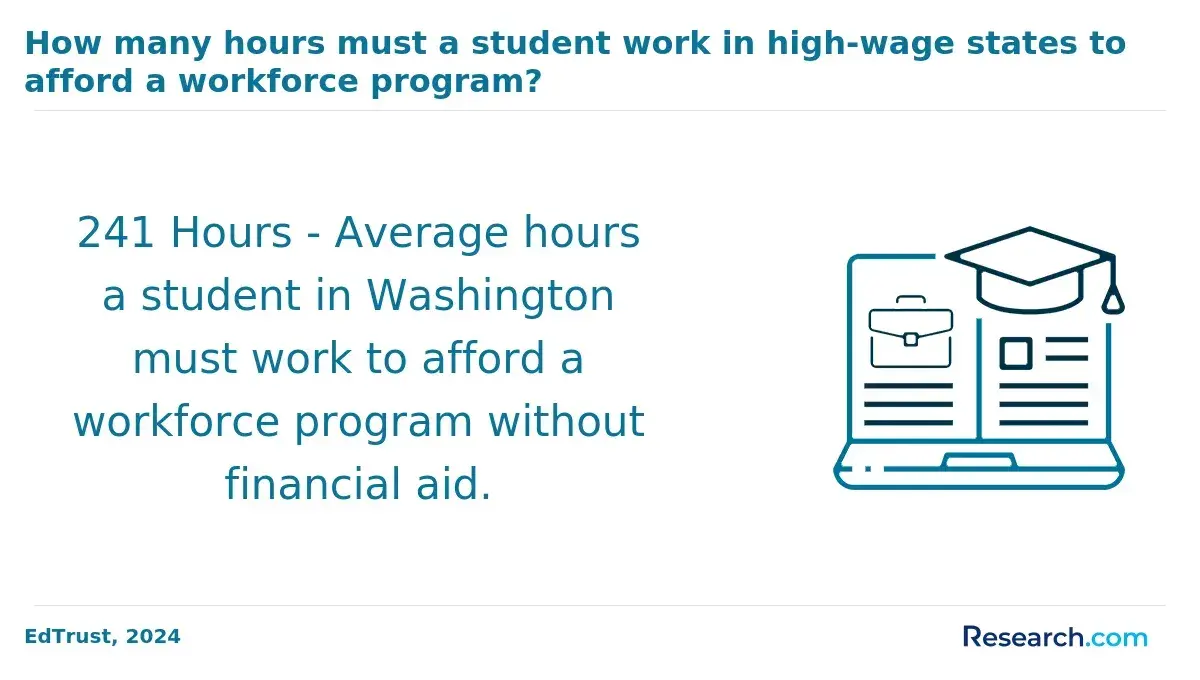
Estimating the length of an online Christian Counseling doctorate is difficult because programs vary widely in credits, research requirements, residencies, and transfer policies. The timeline matters because NCES tables released in 2024 show average published graduate tuition and fees exceeding $12,000 at public institutions and $28,000 at private nonprofit institutions. This guide is for working counselors, pastors, ministry leaders, and graduate students comparing doctoral paths. You will learn typical timelines, credit loads, dissertation choices, clinical requirements, and planning strategies so you can judge whether the degree fits your schedule, goals, and budget.
Key Things to Know About Online Christian Counseling Doctorate Program Timelines
- Most online Christian Counseling doctorates take about 3 to 6 years after a master's degree, with the fastest timelines usually requiring year-round enrollment, approved transfer credits, and a dissertation or capstone topic chosen early.
- Typical programs require roughly 36 to 72 post-master's credits, but research-heavy PhD tracks, clinical practicum requirements, and extended dissertation registration can push the total time and cost higher.
- A dissertation is common in PhD-style programs, while some DMin, professional doctorate, and ministry-focused counseling programs may allow an applied project, capstone, or portfolio instead.
What is the typical completion time for online Christian Counseling doctorate programs?
The typical online Christian Counseling doctorate takes 3 to 6 years for students who already hold a relevant master's degree. Programs near the 3-year mark usually have structured course sequences, limited residency requirements, year-round terms, and a dissertation or capstone process that begins early. Programs closer to 5 or 6 years often include heavier research expectations, part-time pacing, practicum requirements, or extended dissertation enrollment.
This estimate is shorter than many traditional research doctorates because most Christian Counseling doctoral programs are post-master's programs. For context, the 2024 National Center for Science and Engineering Statistics report on U.S. doctorate recipients placed the median time from graduate-school entry to a research doctorate at about eight years across fields. That broader benchmark helps explain why structured online professional doctorates can look faster, but it should not be read as a promise that every counseling doctorate can be finished quickly.
The table below shows common timeline patterns. Use it to compare advertised program length with the pace that is realistic for your work schedule, family obligations, and research readiness.
| Enrollment pattern | Typical completion time | Best fit | Main timeline risk |
| Full-time, year-round | About 3 to 4 years | Students with predictable weekly study time and an approved topic early | Burnout if work and ministry duties remain unchanged |
| Part-time | About 4 to 6 years | Working counselors, pastors, chaplains, or ministry leaders | Longer dissertation or project phase |
| Research-intensive PhD | About 4 to 7 years | Students pursuing teaching, scholarship, or advanced research roles | Proposal approval, data collection, and committee revisions |
| Applied ministry or professional doctorate | About 3 to 5 years | Students focused on pastoral counseling, ministry leadership, or applied practice | Project site approval, residency timing, or capstone documentation |
A good rule is to separate the coursework phase from the doctoral completion phase. Coursework may fit neatly into 2 to 3 years, while the dissertation, applied project, defense, or final portfolio can add 1 to 3 years depending on how prepared you are.
How many total credit hours are required for an online Christian Counseling doctorate?
Most online Christian Counseling doctorates require about 36 to 72 post-master's credit hours. The lower end is more common in DMin or professional ministry doctorates that admit students with substantial prior graduate work. The higher end is more common in PhD-style counseling, pastoral counseling, or psychology-adjacent programs that include advanced research methods, theology, counseling theory, doctoral seminars, and dissertation credits.
If you are still comparing master's-level preparation, affordable online masters programs for counseling can help you understand the graduate coursework that may later support doctoral admission or transfer review.
The table below gives a practical credit-planning view by doctorate type. Because schools define "Christian Counseling" differently, always confirm whether credits are semester credits, quarter credits, or competency units.
| Doctorate type | Common credit range | Typical components | Timeline implication |
| PhD in Christian Counseling or Pastoral Counseling | About 48 to 72 credits | Research methods, theology, counseling theory, electives, dissertation | Often longer because of dissertation design and committee review |
| Doctor of Ministry with counseling concentration | About 30 to 48 credits | Ministry leadership, pastoral care, contextual research, applied project | Can be shorter if the final project is scoped tightly |
| Doctor of Christian Counseling or professional doctorate | About 36 to 60 credits | Advanced counseling courses, biblical integration, ethics, capstone or dissertation | Timeline depends heavily on final project requirements |
| Clinical or licensure-oriented doctoral pathway | Often 60+ credits | Advanced assessment, supervision, practicum, internship, research | Clinical hours and site availability may extend completion |
Credit totals affect more than graduation date. They also shape tuition, textbook costs, technology fees, and the number of semesters you may need to remain enrolled while completing research. A 36-credit program can still take longer than a 60-credit program if the dissertation process is weakly structured, so compare both credits and completion milestones.
Is a dissertation required for an online Christian Counseling doctorate?
A dissertation is required in many online Christian Counseling doctorates, especially programs labeled as PhD or research doctorates. A dissertation usually asks students to identify a counseling, pastoral care, theology, or ministry problem; review scholarly literature; design a research method; collect or analyze evidence; and defend findings before a faculty committee.
The dissertation can be valuable if your goal is college teaching, research, publishing, denominational leadership, or evidence-based program development. It may not be the fastest route, however, if your goal is mainly to deepen ministry practice or strengthen pastoral counseling skills within an existing role.
- When students choose a dissertation topic and committee
- Whether dissertation seminars are built into the curriculum or added after coursework
- How often students meet with chairs or faculty mentors
- Whether proposal defense and final defense are virtual, in person, or hybrid
- How many dissertation continuation credits are required if the project extends beyond the standard timeline
- Whether the school publishes program-level completion or time-to-degree information for doctoral candidates
The main mistake to avoid is assuming that "all but dissertation" is a short phase. For many doctoral students, the final research stage is where timelines stretch because topic scope, ethics approval, participant recruitment, committee feedback, and revision cycles are difficult to predict.
Yes. Some online Christian Counseling doctorate programs offer alternatives such as an applied capstone, ministry project, clinical case-based project, portfolio, or practice-focused doctoral project. These options are most common in Doctor of Ministry, professional doctorate, and practice-oriented Christian counseling programs.
Dissertation alternatives are expanding because many working adults want doctoral study that directly improves their counseling ministry, church-based care program, nonprofit leadership, or supervision practice. That trend can make doctoral education more practical, but it does not mean the final requirement is easy. Applied projects still require planning, documentation, faculty approval, and measurable outcomes.
The table below compares common final doctoral requirements. It can help you decide which model fits your professional purpose and tolerance for research work.
| Final requirement | What it usually involves | Best fit | Potential drawback |
| Traditional dissertation | Original research, literature review, methodology, findings, defense | Students interested in teaching, scholarship, or research leadership | Often the least predictable timeline |
| Applied capstone | Practice-based project addressing a counseling or ministry problem | Students improving a church, clinic, nonprofit, or pastoral care system | Requires a viable site and clear project boundaries |
| Ministry project | Contextual intervention, implementation, evaluation, and theological reflection | Pastors, chaplains, and ministry leaders | Can be delayed by site changes or leadership approval |
| Portfolio or integrative project | Documented competencies, reflective analysis, and faculty review | Experienced professionals with substantial prior practice | May carry less value for research-focused academic roles |
A non-dissertation option makes the most sense when your goal is applied leadership rather than academic research. It may not be ideal if you plan to pursue tenure-track teaching, research publication, or a role where employers specifically prefer a dissertation-based PhD.
Practicums, internships, or supervised clinical hours can add significant time to an online Christian Counseling doctorate. Not every program requires them, but programs with clinical counseling, supervision, trauma care, assessment, or licensure-related components may require approved sites, supervisors, documentation, and liability coverage.
This distinction is important because many Christian Counseling doctorates are designed for ministry or pastoral counseling rather than state mental health licensure. A doctorate with "Christian Counseling" in the title may deepen counseling knowledge but may not qualify you for licensed professional counselor, marriage and family therapist, or psychologist licensure unless it meets state-specific accreditation and clinical training rules.
Clinical or field components can delay graduation in several predictable ways. Review these requirements before you apply so you can estimate whether they fit your location and weekly availability:
- Site approval may take weeks or months if the program must verify supervisor credentials and learning activities.
- Some states or agencies restrict who can supervise counseling hours, which can make local placement harder.
- Even online programs may require synchronous supervision meetings, case consultations, or residency sessions.
- Students who work full time may need more semesters to accumulate hours at an ethical and sustainable pace.
- Changing jobs, churches, clinics, or ministry sites can force a new approval process.
If a practicum is required, ask the program whether it helps locate placements or expects students to arrange their own. Student-arranged placements can work well for experienced professionals, but they are a red flag if you do not already have access to a counseling, chaplaincy, ministry, or community-care setting.
The fastest path is usually not determined by online delivery alone. Completion speed depends on credit load, transfer approval, dissertation structure, residency scheduling, faculty responsiveness, financial continuity, and how much weekly time you can protect for reading, writing, and research.
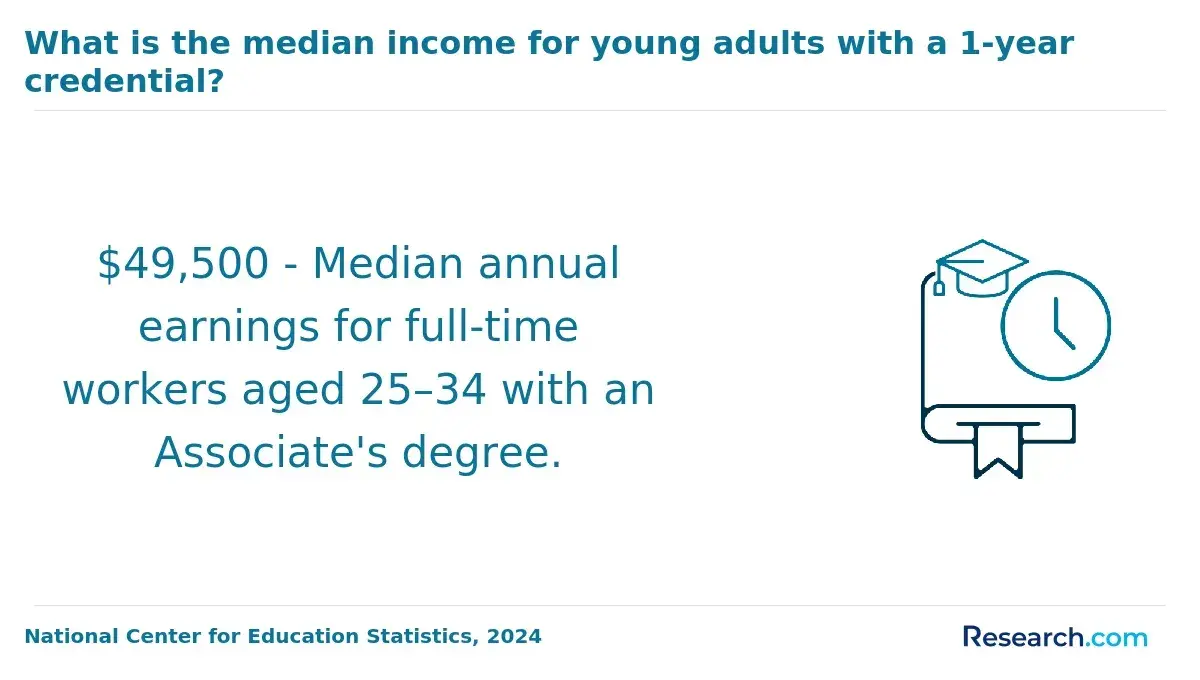
Cost and ROI also matter because a slower timeline can increase tuition exposure and opportunity cost. The U.S. Bureau of Labor Statistics reported a 2024 median annual wage of $59,190 for substance abuse, behavioral disorder, and mental health counselors; use figures like this cautiously because a Christian Counseling doctorate may support different roles and does not automatically create licensure eligibility. If cost is a major constraint, comparing options such as the cheapest online PhD in counseling can help you see how tuition and time-to-degree interact.
The table below summarizes the major timeline factors that students often underestimate. It is useful for spotting whether a program's advertised duration is realistic for your circumstances.
| Factor | How it can shorten the timeline | How it can extend the timeline |
| Enrollment intensity | Full-time, year-round terms move credits faster | Part-time enrollment spreads courses over more semesters |
| Transfer credit | Approved graduate credits reduce required coursework | Rejected or outdated credits leave the full curriculum intact |
| Dissertation or capstone design | Early topic selection prevents idle semesters | Overly broad topics create repeated revisions |
| Residency format | Virtual or short residencies reduce travel disruption | In-person sessions may conflict with work or ministry calendars |
| Faculty support | Clear milestones and regular feedback keep research moving | Delayed feedback slows proposal and defense progress |
| Financial continuity | Stable funding supports continuous enrollment | Stopping out can trigger reentry, catalog, or time-limit issues |
This degree is usually worth the time investment when it clearly supports a defined goal, such as teaching at a faith-based college, leading a pastoral counseling center, developing a church counseling ministry, supervising ministry-care teams, or producing scholarship in Christian counseling. It may be a poor fit if you mainly need state licensure, a faster salary increase, or a credential your employer does not recognize.
Fast-track online Christian Counseling doctorate options do exist, but "accelerated" should be read carefully. A true accelerated program usually shortens time through compressed terms, year-round enrollment, generous transfer policies, embedded dissertation courses, or a structured cohort model. It should not simply advertise a short duration without explaining how students reach that timeline.
Students exploring speed-focused counseling pathways may also want to compare earlier-stage options such as accelerated mental health counseling programs online, especially if they have not yet completed the master's degree required for doctoral admission.
The table below shows how accelerated and standard formats usually differ. Use it to identify whether a faster doctorate is genuinely structured for completion or merely marketed as flexible.
| Program feature | Accelerated format | Standard format | Decision point |
| Academic calendar | Shorter terms and continuous summer enrollment | Traditional semesters with optional summers | Choose accelerated only if you can sustain weekly workload year-round |
| Course sequencing | Predetermined cohort plan | More elective flexibility | Cohorts help speed, but reduce scheduling freedom |
| Research support | Dissertation or capstone milestones begin early | Research may start after coursework | Early milestones reduce risk of delay |
| Transfer policy | May allow larger approved transfer blocks | Often more restrictive | Fastest for students with recent, relevant graduate credits |
| Residency model | Virtual or concentrated sessions | Longer or less frequent residencies | Confirm dates before assuming the program fits your job |
An accelerated doctorate makes sense if you can protect 15 to 25 hours per week for coursework and research during heavy terms, have employer or family support, and can enroll continuously. It may not make sense if your work schedule changes frequently, you need long breaks between terms, or your dissertation topic requires hard-to-reach participants.
Many online Christian Counseling doctorate programs allow some graduate credit transfer, but approval is never automatic. Schools typically review course level, grade earned, institutional accreditation, course age, subject match, and whether the credits were already applied to a completed degree.
Transfer credit can be especially relevant for students entering from counseling, divinity, psychology, pastoral care, or marriage and family therapy backgrounds. If your prior study is in family systems or relational counseling, reviewing pathways such as the best online MFT programs can clarify how master's coursework may align with doctoral counseling concentrations.
To maximize transfer approval, treat the process like an academic audit rather than a casual request. These steps help you avoid enrolling based on credits the school later refuses to accept:
- Collect official transcripts, syllabi, course descriptions, credit-hour definitions, and catalog pages from prior graduate programs.
- Ask the doctoral program for its written transfer-credit maximum and course-age limit before applying.
- Request a preliminary transfer evaluation and confirm whether it is binding after admission.
- Compare approved transfers against the degree plan to see whether they reduce actual time or only replace electives.
- Clarify whether dissertation, capstone, practicum, residency, or doctoral seminar credits must be completed at the awarding institution.
A common mistake is assuming that a 60-credit master's degree will dramatically shorten a doctorate. In many programs, prior graduate work satisfies admission requirements but does not erase core doctoral research, theology, ethics, or final-project credits.
Yes. Many universities set a maximum completion window for doctoral degrees, often in the range of 7 to 10 years, though the exact limit varies by school, program, and catalog year. Some programs also set shorter limits for completing coursework, passing qualifying exams, or finishing the dissertation after candidacy.
Maximum time limits matter because online students are more likely to pause enrollment for work, ministry transitions, caregiving, health issues, military obligations, or financial reasons. A leave of absence may protect your status, but it may not always stop every academic clock. You should verify the policy in writing before assuming you can take extended breaks.
Ask the school these questions before enrolling if you expect to study part time or take occasional pauses:
- What is the maximum number of years allowed from first enrollment to graduation?
- Does an approved leave of absence pause the degree-completion clock?
- How long do completed doctoral courses remain valid?
- What happens if a student exceeds the dissertation or candidacy time limit?
- Can students petition for an extension, and what evidence is required?
- Will a catalog change add new requirements if the student stops out and returns?
Time limits should not scare away well-prepared students, but they should shape your pacing plan. If you already know you can only take one course at a time, choose a program whose maximum window comfortably fits that pace.
How can students avoid delays in their online Christian Counseling doctorate timeline?
The best way to avoid delays is to plan the doctorate backward from graduation requirements. Instead of asking only how many courses you will take each term, map the full sequence: admissions prerequisites, transfer review, core courses, research methods, residency, qualifying exams, proposal approval, data collection, writing, defense, and final submission.
Use the checklist below before and during enrollment. It focuses on practical actions that prevent the most common doctoral slowdowns:
- Build a term-by-term credit plan that includes summer terms, dissertation registration, and any required residencies.
- Choose a dissertation or capstone topic by the end of the first year, then narrow it until it is feasible with your available time and access to participants or sites.
- Schedule weekly writing blocks before the dissertation phase so research work becomes routine rather than emergency work.
- Confirm whether your employer, church, clinic, or ministry can provide flexible hours during residencies, practicum periods, proposal defense, or final defense.
- Meet with your advisor regularly and document decisions about topic scope, committee expectations, methodology, and deadlines.
- Complete ethics training, institutional review board preparation, and site permissions as early as the program allows.
- Keep funding continuous by reviewing employer tuition assistance, scholarships, payment plans, federal aid eligibility, and dissertation-continuation costs.
- Avoid changing topics repeatedly unless the current topic is truly unworkable.
The biggest red flags are vague dissertation support, unclear residency dates, no written transfer evaluation, no published doctoral handbook, and admissions staff who cannot explain the final project process. If a school cannot show you the path from first course to defense, assume the advertised timeline may be optimistic.
For many students, the smartest timeline is not the shortest one. It is the fastest plan you can complete without sacrificing research quality, professional ethics, family stability, or financial sustainability.
Other Things You Should Know About Christian Counseling
Not necessarily. Licensure depends on your state board's rules, degree accreditation, supervised clinical hours, exams, and curriculum requirements. Always check your state licensing board before enrolling if licensed clinical practice is your goal.
They can be, especially when the school is properly accredited and the program aligns with the employer's mission. Churches, ministries, colleges, and nonprofits may evaluate the degree differently, so ask target employers what credentials they recognize.
Choose a PhD if your goal is research or academic scholarship. Choose a DMin if your focus is ministry leadership or pastoral care. A professional doctorate may fit best when you want advanced applied counseling knowledge without a primarily academic research path.
Many students do, but full-time work usually favors part-time doctoral enrollment. Before committing, estimate weekly reading, writing, discussion, research, and residency obligations, then confirm that your job schedule can absorb peak academic periods.
- Online Doctoral Counseling Programs: Accelerated Hybrid PsyD with Licensure https://www.scuhs.edu/psyd-article/online-doctoral-counseling-programs-accelerated-hybrid-psyd-with-licensure/
- Online Associate in Christian Counseling | AcademicEarth.org https://academicearth.org/associate-in-christian-counseling/
- Doctorate in Christian Counseling https://breyerstate.com/doctorate-in-christian-counseling/
- Doctor of Christian Psychology and Counseling Online https://cornerstonechristianuniversity.com/programs/christian-psychology-and-counseling/doctor-of-christian-psychology-and-counseling/
- Doctor of Clinical Pastoral Counseling Online Program https://academics.wuv.edu/doctor-of-clinical-pastoral-counseling-online-program/
- Online Doctorate in Professional Counseling, D.P.C. https://www.mc.edu/academics/departments/counseling/graduate-programs/professional-counseling-dpc
- Doctor of Christian Counseling Program Overview https://www.seminary.ws/doctor-of-christian-counseling/
- Service Center https://cutsedu.org/doctor-of-philosophy-in-christian-counseling-ph-d-c-c/
- Best Online Master's in Christian Counseling in 2025 https://www.onlinemastersdegrees.org/best-programs/counseling/christian-counseling/
- Fastest Online Master's In Counseling Programs https://www.psychology.org/counseling/fastest-online-degrees/