2027 Online Christian Counseling Doctorate Programs That Do Not Require the GRE or GMAT

Co-Founder and Chief Data Scientist
Many counseling professionals want doctoral training without spending months preparing for the GRE or GMAT. That matters because demand for mental health counselors remains strong: the U.S. Bureau of Labor Statistics projects 17% growth for substance abuse, behavioral disorder, and mental health counselors from 2024 to 2034.
This guide is for faith-oriented counselors, ministry leaders, educators, and human services professionals comparing online Christian counseling doctorates. You'll learn which program types commonly skip standardized tests, what admissions committees weigh instead, and how to judge cost, quality, licensure fit, and career value.
Key Things You Should Know
- Many online Christian counseling doctorates are test-free or test-optional, but admissions still typically weigh graduate GPA, counseling background, recommendations, writing quality, faith fit, and professional goals.
- No-GRE does not mean low-quality: program quality depends more on institutional accreditation, specialized counseling accreditation when relevant, faculty credentials, supervised experience requirements, dissertation or capstone expectations, and licensure alignment.
- Cost and outcomes vary widely; for 2025-26, graduate students may borrow up to $20,500 per academic year in Direct Unsubsidized Loans, so comparing tuition, residency costs, and career use before borrowing is essential.
Which Online Christian Counseling Doctorate Programs Do Not Require the GRE or GMAT?
Online Christian counseling doctorate programs that do not require the GRE or GMAT usually fall into three groups: counselor education doctorates at Christian universities, Christian-integrated counseling and psychological studies doctorates, and ministry-focused biblical or pastoral counseling doctorates. The most important distinction is whether the program is designed for licensed counseling practice, counselor education, ministry leadership, research, or pastoral care.
The table below summarizes common no-GRE or no-GMAT options students often encounter. Because admissions policies can change, use this as a decision-support starting point and confirm the current requirement directly with each admissions office before applying:
| School | Example online doctorate | GRE or GMAT status to verify | Best fit | Important quality check |
| Liberty University | PhD in Counselor Education and Supervision or EdD in Community Care and Counseling specializations | Standard online admissions materials commonly do not require GRE or GMAT scores | Licensed counselors, counseling educators, ministry-oriented care leaders, or trauma and family care professionals | Check whether the specific degree is CACREP-aligned, licensure-oriented, or non-licensure |
| Regent University | PhD in Counselor Education and Supervision or PhD in Counseling and Psychological Studies | Many counseling-related doctoral pathways are offered without routine GRE or GMAT requirements | Students seeking Christian integration, counselor education, research, supervision, or human services leadership | Confirm residency, internship, and dissertation expectations for the exact program |
| Columbia International University | PhD in Counselor Education and Supervision | Admissions requirements should be reviewed for current test policy, but Christian counseling doctorates in this category often do not use GRE or GMAT scores as a central screen | Counselors pursuing teaching, supervision, leadership, or advanced professional formation | Verify specialized accreditation, practicum requirements, and state licensure relevance |
| Kairos University | Doctor of Professional Counseling or counseling-related theological study | Contextual seminary-based doctorates often use portfolio-style admissions rather than GRE or GMAT scores | Ministry professionals and counseling practitioners seeking mentor-based, faith-integrated doctoral work | Confirm whether the degree supports professional counseling licensure, ministry advancement, or both |
| Seminary-based biblical counseling programs | DMin, PhD, or ThD in biblical, pastoral, or Christian counseling | Many do not require GRE or GMAT scores | Pastors, chaplains, lay counselors, nonprofit leaders, and church-based care directors | Confirm institutional accreditation and whether the credential is recognized outside ministry settings |
A no-GRE Christian counseling doctorate may be academically rigorous, but the degree name matters. A PhD in Counselor Education and Supervision is usually different from a Doctor of Ministry in Biblical Counseling, even if both are online, Christian, and test-free.
One may prepare graduates for counselor education, supervision, and research roles, while the other may focus on pastoral care, preaching, discipleship, or ministry counseling.
Students who are still deciding between master's-level preparation and a doctorate should compare online masters programs for counseling before assuming a doctorate is the next required step. For many licensed counseling roles, the master's degree, supervised hours, and state licensure remain the essential pathway.
Why Have Online Christian Counseling Doctorate Programs Eliminated GRE and GMAT Requirements?
Many online Christian counseling doctorate programs have moved away from the GRE or GMAT because these tests do not always measure the traits most relevant to doctoral success in counseling, ministry, supervision, and applied research. Programs increasingly want evidence of writing ability, ethical maturity, counseling experience, theological reflection, leadership, and readiness for dissertation or capstone work.
Test-free admissions also reflect the realities of adult learners. Many applicants are licensed counselors, pastors, chaplains, nonprofit directors, educators, or human services professionals who have been out of school for years but have substantial practice experience. Requiring a standardized exam can add cost and delay without giving admissions committees the most useful picture of a candidate's readiness.
For the reader, the practical takeaway is simple: when a program removes the GRE or GMAT, it usually shifts the burden of proof to the rest of the application. Instead of using a test score as a screening tool, the school may look more carefully at the following evidence:
- Graduate-level GPA and performance in counseling, psychology, theology, research, or ministry courses.
- Professional counseling, pastoral care, chaplaincy, teaching, supervision, or nonprofit leadership experience.
- Writing samples that show doctoral-level reasoning, integration of faith and practice, and readiness for research.
- Recommendations from supervisors, faculty, clergy, or licensed professionals who can assess maturity and academic potential.
- Clear alignment between the applicant's goals and the program's mission, format, faculty expertise, and degree outcomes.
The broader higher education trend is toward holistic review, especially in professional programs. That benefits experienced applicants, but it also means weaker application materials are more visible. A test-free policy removes one hurdle; it does not remove the need to prove fit, discipline, and doctoral readiness.
What Admissions Factors Matter Most Without GRE or GMAT Scores?
Without GRE or GMAT scores, admissions committees usually focus on whether the applicant can complete advanced coursework, conduct or evaluate research, engage ethically with clients or ministry communities, and contribute to a faith-based learning environment.
The strongest applications make a coherent case: past preparation, current professional work, and future goals all point toward the same doctorate.
The table below compares common admissions materials and why each one matters more in a test-free process. Use it to identify where your application is already strong and where you need to invest more time before submitting:
| Admissions factor | What programs are trying to evaluate | How to strengthen it |
| Master's degree background | Whether you have the academic foundation for doctoral counseling, psychology, theology, or ministry study | Explain any related coursework and clarify how your prior degree connects to your doctoral goal |
| Graduate GPA | Whether you can handle sustained graduate-level reading, writing, and research | Address weak grades briefly and emphasize later academic improvement or professional growth |
| Professional experience | Whether your goals are grounded in real counseling, pastoral care, teaching, supervision, or human services work | Quantify leadership scope where appropriate, but focus on responsibilities and ethical maturity rather than job titles alone |
| Writing sample or statement of purpose | Whether you can communicate clearly, think critically, and connect faith, counseling, and scholarship | Use specific career goals and avoid vague language about simply wanting to help people |
| Recommendations | Whether credible professionals believe you are ready for doctoral work | Choose recommenders who know your counseling judgment, writing ability, leadership, or ministry formation |
| Interview | Whether you understand the program's expectations and can discuss fit professionally | Prepare to explain your research interests, schedule plan, ethical commitments, and reason for choosing Christian counseling |
If your master's background is not directly in counseling, admissions review may be more nuanced. Some programs accept related degrees in psychology, ministry, social work, human services, or theology, while others require a counseling master's degree, licensure eligibility, or completed prerequisite coursework.
Applicants who need a faster route into the counseling field before doctoral study may want to compare accelerated mental health counseling programs online. A doctorate is rarely the best shortcut if the immediate goal is initial counseling licensure.
Are No-GRE or No-GMAT Online Christian Counseling Doctorate Programs Easier to Get Into?
No-GRE or no-GMAT online Christian counseling doctorate programs are easier to apply to, but they are not automatically easier to get into. The test requirement may be gone, yet competitive programs still evaluate academic readiness, professional fit, ethical judgment, and capacity to complete long-term doctoral work.
The difference between test-free and test-optional admissions is also important. Test-free means the program does not use GRE or GMAT scores for standard admission. Test-optional means the applicant may choose whether to submit scores. In a test-optional process, strong scores might help if another part of the application is weak, but they are usually unnecessary if your GPA, experience, writing, and recommendations are strong.
The table below clarifies how different test policies affect your application strategy. This distinction matters because applicants sometimes skip scores when submitting them could help, or spend money on testing when it adds little value:
| Policy | What it means | When scores may help | When scores usually are not worth it |
| Test-free | The program does not require or consider GRE or GMAT scores in the normal process | Rarely, unless the school specifically invites additional evidence | When the program clearly states scores are not reviewed |
| Test-optional | You may submit scores, but they are not required | When your graduate GPA is below the preferred range or your academic record is old | When your recent graduate work, writing sample, and professional record are already strong |
| Test waiver | The program normally requires scores but may waive them for qualified applicants | When you do not meet waiver criteria but still want the program | When you qualify for a waiver based on GPA, degree level, licensure, or experience |
For most experienced counseling or ministry professionals, time is better spent improving the statement of purpose, securing detailed recommendations, and clarifying career fit than preparing for an optional test. However, if you have a low graduate GPA, limited counseling experience, or a long academic gap, asking admissions whether optional scores could strengthen your file is reasonable.
Does Skipping the GRE or GMAT Affect the Quality of an Online Christian Counseling Doctorate?
Skipping the GRE or GMAT does not, by itself, lower the quality of an online Christian counseling doctorate. Admissions testing is only one input, and many respected graduate programs have reduced or removed standardized test requirements. The quality question should focus on accreditation, curriculum, faculty, supervision, research expectations, student support, and whether the degree matches your intended professional use.
Accreditation is especially important because Christian counseling is a broad term. Some programs are academically and professionally rigorous, while others are designed primarily for church ministry or pastoral development. Neither path is inherently wrong, but confusing the two can create problems if you need licensure, academic employment, or employer recognition.
Use the following checks before assuming a no-GRE program is legitimate, rigorous, or career-relevant:
- Confirm institutional accreditation through a recognized accreditor rather than relying only on religious language or marketing claims.
- Look for CACREP accreditation if your goal involves counselor education, supervision, or certain professional counseling pathways.
- Look for COAMFTE relevance if your long-term focus is marriage and family therapy rather than general counseling.
- Review whether the doctorate requires a dissertation, applied research project, capstone, practicum, internship, or supervised clinical component.
- Ask whether the degree is licensure-qualifying, licensure-advancing, non-licensure, ministry-focused, or designed for already licensed professionals.
- Check faculty credentials, publication activity, clinical experience, theological orientation, and availability for dissertation supervision.
The strongest no-GRE programs are transparent about what they do and do not prepare students to do. Be cautious with any program that implies a doctorate alone makes someone a licensed professional counselor, psychologist, or marriage and family therapist. In the U.S., those roles depend on state-specific licensing rules, supervised hours, exams, and qualifying degrees.
Which Students Benefit Most From Online Christian Counseling Doctorate Programs Without GRE or GMAT Requirements?
No-GRE and no-GMAT online Christian counseling doctorates can be a strong fit for experienced professionals whose application strength is better shown through service, leadership, graduate performance, and professional formation than through standardized testing. They are especially useful for adult learners balancing work, family, ministry, and clinical obligations.
The best candidates usually have a clear reason for doctoral study. They are not choosing the degree only because it is online or test-free; they can explain how the credential supports teaching, supervision, research, leadership, ministry counseling, trauma care, family systems work, or advanced human services practice.
These applicant profiles often benefit most from test-free admissions:
- Licensed professional counselors who want to teach, supervise, conduct research, or move into clinical leadership.
- Pastors, chaplains, and ministry leaders who provide pastoral counseling and want deeper theological and counseling formation.
- Marriage and family professionals who want advanced Christian-integrated training but must carefully verify licensure and accreditation fit.
- Human services or nonprofit leaders who oversee counseling-related programs but do not necessarily need a clinical licensure doctorate.
- Career changers with related graduate degrees who need a program willing to evaluate experience and goals holistically.
- Applicants with strong professional records but outdated standardized test experience or limited time for exam preparation.
Students focused specifically on couples, family systems, and relational therapy should also compare master's routes and licensure expectations through resources on the best online MFT programs. For many MFT careers, the accredited master's pathway is more important than a Christian counseling doctorate.
A no-GRE doctorate may not be the right fit if your primary goal is initial licensure as a counselor or psychologist, if you need a fully clinical doctorate recognized by a state board, or if the program's theology, research model, or residency schedule does not match your goals. Accessibility should support your decision, not replace careful program evaluation.
How Do Tuition and Financial Aid Compare for No-GRE Online Christian Counseling Doctorate Programs?
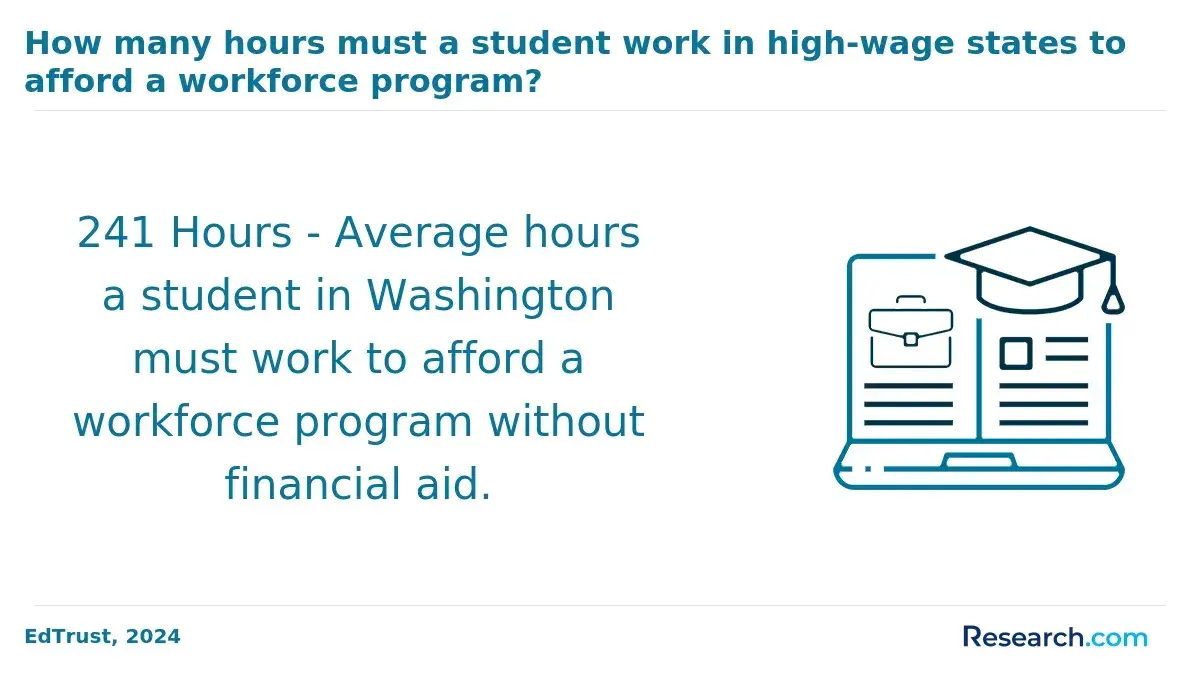
Tuition for online Christian counseling doctorates depends on credit count, per-credit rate, required residencies, technology fees, dissertation continuation fees, books, travel, and the number of terms needed to finish. No-GRE programs are not automatically cheaper; the admissions policy has little direct relationship to total cost.
A useful current financing benchmark is the federal graduate loan limit. For 2025-26, graduate and professional students may borrow up to $20,500 per academic year in Direct Unsubsidized Loans, while Grad PLUS Loans may cover remaining approved cost of attendance after other aid. This matters because doctoral programs that stretch across many terms can increase borrowing even when the per-credit rate looks manageable.
The table below shows the main cost categories to compare before applying. It is designed to help you estimate total cost, not just advertised tuition:
| Cost factor | Why it matters | Question to ask the school |
| Per-credit tuition | This is the base price, but it can be misleading without credit count | How many total credits are required for my exact track? |
| Residency or intensive travel | Online doctorates may still require campus visits, lodging, meals, and missed work time | How many in-person sessions are required, and where are they held? |
| Dissertation or capstone fees | Extra terms can add cost after coursework is complete | What fees apply if dissertation work extends beyond the standard timeline? |
| Transfer credits | Accepted doctoral or graduate credits may reduce time and tuition | How many credits can transfer, and what documentation is required? |
| Employer or ministry support | Churches, universities, nonprofits, and counseling employers may offer partial assistance | Can tuition benefits be combined with scholarships or military benefits? |
| Licensure-related costs | If the program includes clinical components, supervision, background checks, insurance, and exams may add expenses | Which costs are included in tuition, and which are paid separately? |
Financial aid can include federal loans, institutional scholarships, military education benefits, employer tuition assistance, denominational support, payment plans, and occasionally teaching or research opportunities. Because many online doctoral students attend part time, ask whether scholarships require full-time enrollment or continuous registration.
If cost is the deciding factor, compare no-GRE Christian counseling options with broader low-cost counseling doctorates, including this guide to the cheapest online PhD in counseling. The lowest sticker price is not always the best value, but it can help you identify realistic tuition benchmarks.
What Career Outcomes Can Graduates Expect From No-GRE Online Christian Counseling Doctorate Programs?
Career outcomes depend more on the degree type, accreditation, licensure status, and prior experience than on whether the GRE or GMAT was required. Employers and universities generally care about what the doctorate qualifies you to do, whether the school is accredited, whether you hold required licenses, and whether your research or practice expertise fits the role.
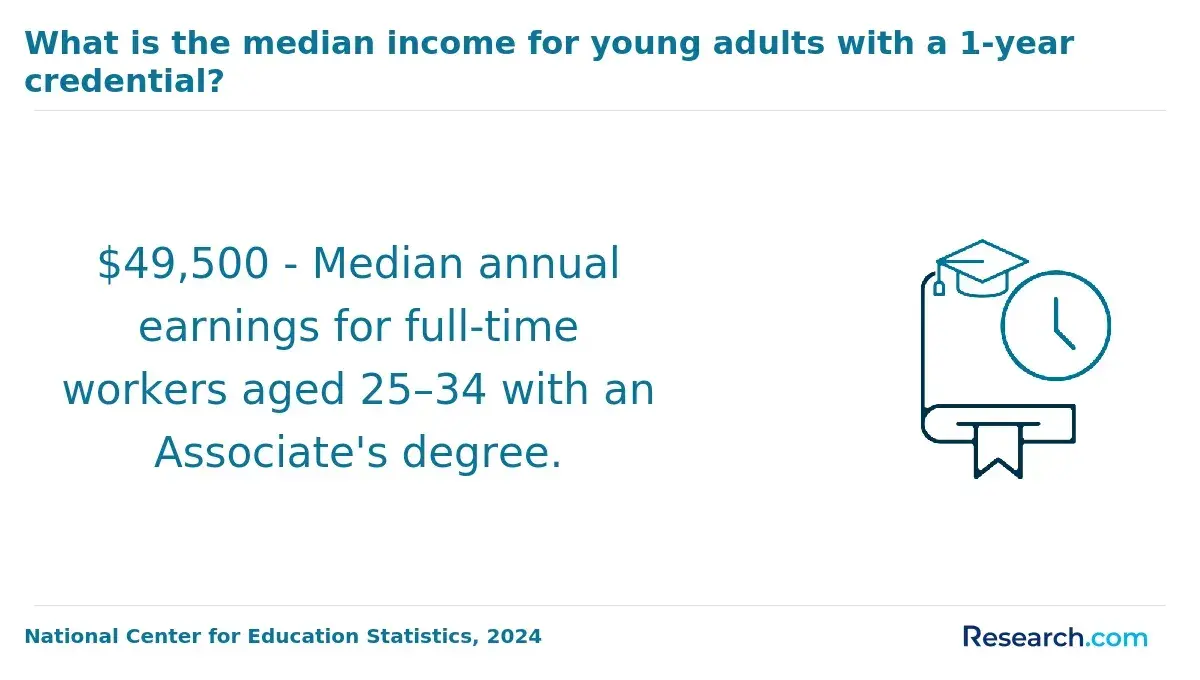
For counseling-related labor market context, the U.S. Bureau of Labor Statistics reported a 2024 median annual wage of $59,190 for substance abuse, behavioral disorder, and mental health counselors. A doctorate does not automatically move someone above that median, but it may support roles with more responsibility, such as counselor education, supervision, administration, program development, consulting, or advanced ministry leadership.
Common outcomes for graduates of online Christian counseling doctorate programs include:
- Counselor educator or adjunct faculty member, especially when the doctorate matches accreditation and hiring expectations.
- Clinical supervisor or director in a counseling agency, nonprofit, church counseling center, or behavioral health organization.
- Pastoral counseling leader, chaplaincy educator, discipleship care director, or church-based counseling ministry founder.
- Researcher, author, curriculum developer, speaker, or consultant focused on Christian counseling, trauma, family systems, grief, addiction, or pastoral care.
- Human services executive or program administrator overseeing counseling-adjacent services.
Applicants should be realistic about academic hiring. Full-time faculty roles can be competitive and may require a strong research agenda, teaching experience, licensure, CACREP-related preparation, publications, or denominational fit.
A no-GRE doctorate is not viewed negatively simply because it skipped tests, but a non-licensure or non-specialized doctorate may limit options in clinical faculty hiring or state-regulated counseling environments.
Career value is strongest when the program fits a specific next step. For example, an already licensed counselor seeking supervision and teaching roles may benefit more from a counselor education doctorate, while a pastor building a church counseling ministry may find a DMin or pastoral counseling doctorate more relevant.
What Common Application Mistakes Reduce Admission Chances to No-GRE Online Christian Counseling Doctorate Programs?
The biggest mistake is treating "no GRE or GMAT required" as the main reason to apply. Admissions committees can usually tell when an applicant has chosen convenience over fit. Strong candidates show that they understand the program's mission, workload, theological orientation, research expectations, and professional purpose.
Before submitting applications, watch for these common mistakes and correct them early:
- Assuming no-GRE means open admission instead of preparing a strong doctoral-level application.
- Choosing a program only because it is online, fast, or test-free while ignoring accreditation and licensure relevance.
- Submitting a vague personal statement that does not name specific goals, populations, research interests, or ministry context.
- Using recommenders with impressive titles who cannot speak directly about your academic ability, counseling judgment, leadership, or character.
- Failing to explain a low GPA, academic gap, career change, or mismatch between prior degree and doctoral goal.
- Overlooking residency, practicum, internship, dissertation, or capstone requirements that may affect work and family schedules.
- Assuming a Christian counseling doctorate automatically qualifies you for licensed professional counseling, psychology, or marriage and family therapy roles.
- Not confirming whether a test waiver or test-free policy applies to your exact program, concentration, campus, and start term.
A practical way to avoid these mistakes is to build a one-page application strategy for each program. List the degree purpose, accreditation, admissions materials, faculty fit, cost, required travel, and intended career outcome. If you cannot explain why a specific program is the right match in two or three sentences, your application may not be ready.
How Should Students Compare Online Christian Counseling Doctorate Programs Without GRE or GMAT Requirements?
The best comparison starts with your goal, not the test policy. A no-GRE or no-GMAT program is valuable only if it fits your professional direction, budget, schedule, theological commitments, and licensing or employment requirements. Build your shortlist around outcomes first, then use admissions flexibility as one factor among many.
Use the following step-by-step process to compare programs objectively:
- Define your primary outcome; licensure support, counselor education, supervision, research, ministry leadership, pastoral care, nonprofit leadership, or personal scholarly development.
- Identify the degree type that matches that outcome, such as PhD, EdD, DMin, Doctor of Professional Counseling, or pastoral counseling doctorate.
- Confirm institutional accreditation and any specialized accreditation relevant to counseling, counselor education, marriage and family therapy, or ministry education.
- Review admissions requirements beyond testing, including GPA, prior degree field, licensure, work experience, writing samples, interviews, and recommendations.
- Compare total cost by multiplying tuition by credits and adding residency, fees, books, travel, dissertation continuation, and lost work time.
- Evaluate online format, including synchronous meetings, asynchronous courses, intensives, practicum expectations, cohort model, and dissertation support.
- Ask admissions and faculty how graduates use the degree, especially in roles similar to the one you want.
- Check state licensing board rules before enrolling if you expect the doctorate to affect clinical licensure, supervision authority, or scope of practice.
When comparing two otherwise similar programs, prioritize the one with stronger accreditation fit, clearer career alignment, better faculty match, transparent cost, and realistic completion support. A slightly less convenient application process can be worth it if the program has stronger recognition in your intended field.
You should take the GRE or GMAT only if a target program still requires it, if you do not qualify for a waiver, or if admissions specifically says optional scores could help offset a weak academic record. Otherwise, most applicants to test-free Christian counseling doctorates are better served by improving writing samples, clarifying goals, and choosing recommenders carefully.
Other Things You Should Know About Christian Counseling
No. Christian counseling can refer to licensed counseling practiced from a faith-integrated perspective, pastoral counseling in a church or ministry setting, or biblical counseling that is not clinical licensure-based. Always verify the program's purpose and your state's licensing rules.
It depends on your state, role, and license. Many states regulate titles such as licensed professional counselor, psychologist, and marriage and family therapist. A doctorate alone may not authorize a protected clinical title.
Some do. Even programs advertised as online may require short campus intensives, clinical skills labs, dissertation seminars, or cohort residencies. Ask how many visits are required and whether travel costs are included in the published cost of attendance.
Many students finish in about three to five years, but timelines vary by credit load, dissertation progress, transfer credits, clinical requirements, and whether the student enrolls full time or part time.
References
- Online Doctorate in Professional Counseling, D.P.C. https://www.mc.edu/academics/departments/counseling/graduate-programs/professional-counseling-dpc
- Best Online Master's in Christian Counseling in 2025 https://www.onlinemastersdegrees.org/best-programs/counseling/christian-counseling/
- 2025 Most Affordable Online Master's Degree in Christian Counseling https://www.onlineu.com/most-affordable-colleges/christian-counseling-masters-degrees
- Advance Your Ministry: Doctorate in Christian Counseling! https://andersonvilleseminary.com/gradulate/doctor-of-ministry-christian-counseling/
- Doctor of Christian Counseling - Logos University https://logos.edu/academics/graduate-programs/doctor-of-christian-counseling/
- Best Online Psychology Degrees: Differences Between Christian and Secular Schools - Grace Christian University https://gracechristian.edu/blog/best-online-psychology-degrees-differences-between-christian-and-secular-schools/
- Online Master’s in Counseling Programs - No GRE Required or GRE Waiver https://www.onlineeducation.com/counseling/faqs/gre-requirements-online-masters-in-counseling-programs
- Best Online Counseling Degree Programs 2025 https://www.psychology.org/rankings/best-online-counseling-programs/