2027 Accelerated Online Christian Counseling Doctorate Programs: Faster Timelines, Credit Transfers, and Completion Paths

Co-Founder and Chief Data Scientist
Choosing an accelerated online Christian counseling doctorate is really a timeline, cost, and career-fit decision. Some programs can shorten the path through transfer credits, year-round courses, or capstone-based completion, while others still require long dissertation or residency phases. The stakes are practical: BLS data published in 2024 reports a $59,190 median wage for substance abuse, behavioral disorder, and mental health counselors, making credential strategy important for ROI.
This guide helps ministry leaders, counselors, educators, and working adults compare faster doctoral pathways without overlooking accreditation, workload, licensure limits, or hidden delays.
Key Things You Should Know
- The fastest credible online Christian counseling doctorate pathways are usually post-master's applied doctorates with 36 to 48 credits, year-round enrollment, strong transfer policies, and a capstone or project instead of a traditional dissertation.
- Transfer credit can shorten completion time, but most schools cap doctoral transfer credits, review course age and grade minimums, and rarely accept credits that duplicate dissertation, practicum, or final project requirements.
- Acceleration can reduce total tuition exposure, but graduate borrowing remains expensive; federal Direct Unsubsidized Loans for graduate students carried a 7.94% fixed interest rate for 2025-2026 disbursements, so total time in school matters.
Which Online Christian Counseling Doctorate Programs Offer the Fastest Accelerated Pathways?
The fastest online Christian counseling doctorate is usually not the one with the shortest advertised timeline. It is the program whose curriculum, transfer policy, enrollment calendar, and final project structure match your previous graduate work and weekly availability.
In this field, "Christian counseling doctorate" can refer to several different credentials. A PhD in Counselor Education and Supervision is research-heavy and may support academic or supervisory roles. An EdD may focus on leadership, teaching, or applied practice. A DMin, ThD, or PhD in pastoral counseling may serve ministry and faith-based counseling contexts. A PsyD is typically more clinically intensive, though fully online Christian PsyD options are limited and may involve in-person clinical requirements.
The table below compares common accelerated pathways by their typical fit and time-saving potential. Exact timelines vary by school, transfer evaluation, dissertation pace, and whether the program is designed for licensure, ministry, education, or leadership.
| Program type | Common accelerated structure | Typical fastest-fit student | Speed advantage | Important caution |
| Post-master's PhD in Christian Counseling or Pastoral Counseling | Advanced coursework, research sequence, dissertation | Students with a counseling, ministry, theology, or psychology master's degree | Can move quickly if prior graduate credits align with the curriculum | Dissertation progress often determines the real completion date |
| EdD in Counseling, Pastoral Care, or Christian Leadership | Applied research, leadership coursework, dissertation-in-practice or project | Working professionals aiming for teaching, administration, program leadership, or supervision | Often more practice-oriented and easier to align with workplace projects | May not meet clinical licensure expectations if the curriculum is not counseling-board aligned |
| DMin with pastoral counseling concentration | Ministry-focused seminars, field-based project, applied theology | Pastors, chaplains, ministry directors, and faith-based care leaders | Often among the fastest for ministry professionals with an MDiv or equivalent | Usually not a substitute for a clinical counseling doctorate or state licensure preparation |
| PhD in Counselor Education and Supervision with faith integration | Advanced clinical supervision, teaching, research, leadership, dissertation | Licensed or license-eligible counselors seeking faculty or supervisor roles | Can be efficient for students entering with a CACREP-aligned counseling master's | May include internships, teaching experience, supervision practice, and residency requirements |
| Non-licensure Christian counseling doctorate | Biblical counseling, pastoral care, ministry leadership, capstone or dissertation | Students serving churches, ministries, coaching settings, or faith-based education | Often allows faster completion because it avoids clinical practicum requirements | May not qualify graduates for professional counseling licensure or insurance-based clinical practice |
The fastest option for a working pastor is often a DMin or applied pastoral counseling doctorate, while the fastest option for a licensed counselor pursuing teaching or supervision is more likely a counselor education doctorate that accepts relevant master's-level coursework. Students who still need foundational clinical training may be better served first by accelerated mental health counseling programs online before choosing a doctorate.
A good shortcut is to ask each school for three numbers: minimum credits required after transfer, average time to completion for recent online students, and average time spent in dissertation or capstone status. Those figures are more useful than a brochure claim that says "finish in as little as two years."
Which Completion Pathways Help Students Finish an Online Christian Counseling Doctorate Sooner?
Completion pathway matters because the final stage of a doctorate is often where students lose momentum. A program with fewer courses can still take longer if the dissertation process is open-ended, committee reviews are slow, or the research design requires difficult data collection.
The table below shows how common completion models affect speed. Use it to identify whether a program's end-stage requirement fits your career goal and your capacity for independent research.
| Completion pathway | What students usually complete | Best for | Relative speed | Main delay risk |
| Capstone project | Applied intervention, ministry model, program evaluation, or practice improvement project | Pastoral care leaders, nonprofit administrators, church counseling directors, and practitioners | Often fastest when the project can be completed in the student's workplace | Scope creep if the project becomes too broad |
| Dissertation-in-practice | Applied research focused on a real organizational or counseling-related problem | EdD students and working professionals solving leadership or practice problems | Often faster than a traditional dissertation if milestones are embedded in courses | Delays in institutional approvals or access to participants |
| Traditional dissertation | Original research study with proposal, approval, data collection, analysis, and defense | Future faculty, researchers, and doctoral students pursuing scholarly credibility | Potentially slower, especially if the topic requires human-subject research | Committee feedback cycles, IRB review, data collection, and writing discipline |
| Portfolio-based doctorate | Integrated artifacts, case applications, reflection, and final synthesis | Experienced ministry or counseling professionals with substantial prior practice | Can be fast when clearly structured | May be less recognized for research-intensive academic positions |
Students focused on speed usually benefit from choosing a capstone, dissertation-in-practice, or embedded milestone model. Students pursuing university faculty roles or research-heavy careers should be cautious about avoiding the dissertation solely for speed, because academic employers may value evidence of advanced research training.
Before enrolling, ask how the final project is sequenced. A faster program typically helps students choose a topic early, complete literature review work inside required courses, receive structured feedback, and enter the final phase with an approved proposal rather than starting from scratch.
How Do Transfer Credits Affect Completion Time for an Online Christian Counseling Doctorate?
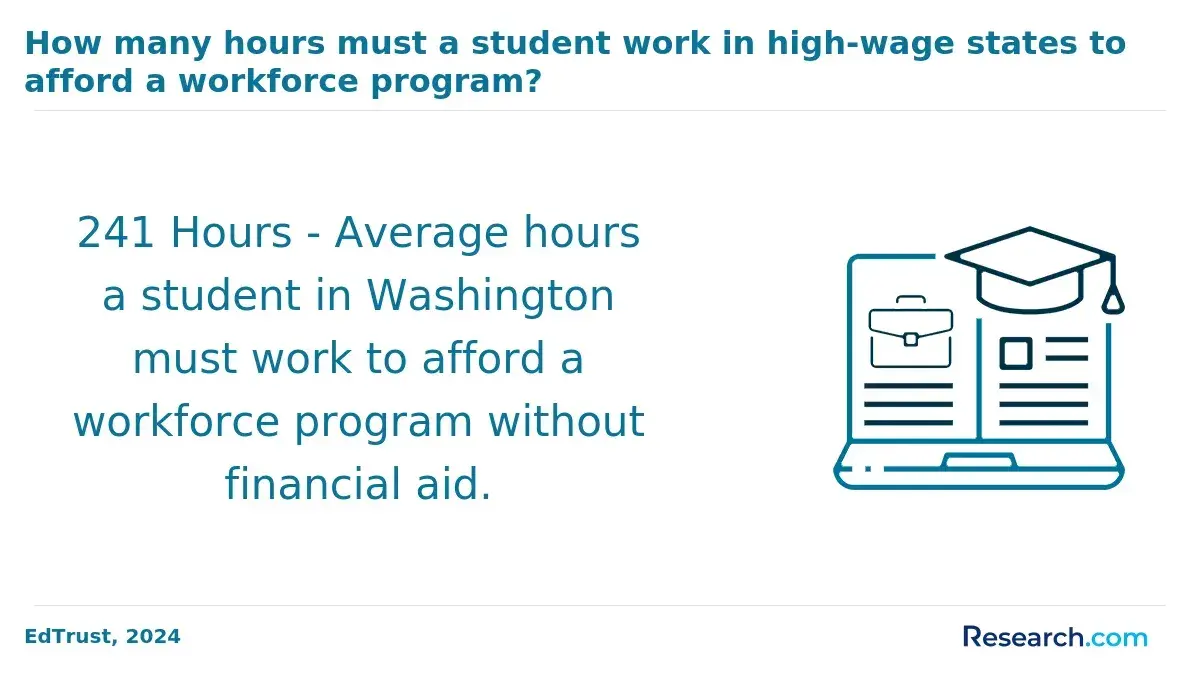
Transfer credits can be the biggest legitimate accelerator in an online Christian counseling doctorate. However, they only help when the credits match the doctoral curriculum, meet recency rules, and satisfy the school's grade, accreditation, and content standards.
Most doctoral programs do not accept transfer credits automatically. They may review syllabi, catalog descriptions, transcript grades, institutional accreditation, and whether the previous coursework was completed at the graduate or doctoral level. If you are comparing cost alongside transfer flexibility, reviewing options such as the cheapest online PhD in counseling can help you separate low tuition from true total affordability.
The table below explains how transfer rules usually affect time-to-degree. It is not a substitute for a school evaluation, but it shows what to verify before you commit.
| Transfer factor | How it can shorten the doctorate | What to verify | Common limitation |
| Maximum transferable credits | Reduces required coursework before the dissertation or capstone | Whether the cap applies to all credits or only elective credits | Core doctoral research, ethics, and final project credits are often excluded |
| Prior counseling master's degree | May satisfy prerequisites or advanced standing requirements | Whether the master's curriculum aligns with counseling, theology, psychology, or ministry requirements | Non-counseling master's degrees may not satisfy clinical prerequisites |
| Prior doctoral coursework | Can waive overlapping research, leadership, or theology courses | Whether the credits are recent enough and from an accredited institution | Schools may reject old courses or courses with different learning outcomes |
| Professional credentials | May support admission or practicum waivers in some applied programs | Whether licenses, ordination, chaplaincy credentials, or certifications translate into credit | Many regionally accredited schools do not award large amounts of doctoral credit for experience alone |
| Thesis or ministry project | May help with research readiness and topic development | Whether it can support a dissertation or capstone topic | Prior projects rarely replace the doctoral final project itself |
To maximize transfer credit, take a disciplined approach before applying. This sequence can prevent lost time and prevent you from enrolling in a program that accepts fewer credits than expected.
- Request an unofficial transfer review before paying a deposit.
- Send syllabi, catalog descriptions, course objectives, and graded research papers when available.
- Ask which credits apply to required courses, not just which credits are accepted by the university.
- Confirm whether transferred credits reduce tuition, time, or both.
- Get the approved degree plan in writing before registering for the first term.
The key question is not "How many credits can I transfer?" It is "How many required credits will remain after transfer, and which graduation milestones still cannot be waived?"
What Program Features Help Students Complete an Online Christian Counseling Doctorate Faster?
Acceleration is usually created by design, not pressure. The best fast-track programs make progress easier through predictable scheduling, embedded research milestones, responsive faculty, and fewer administrative bottlenecks.
Look for features that reduce idle time between terms and prevent students from getting stuck at the dissertation or capstone stage. These are the program-level details that often matter most.
- Year-round start dates and continuous enrollment options that let students take courses in fall, spring, and summer without long gaps.
- Short course terms, such as 7-week or 8-week sessions, that allow students to complete more credits across the year while focusing on fewer subjects at once.
- Embedded dissertation or capstone milestones that require topic selection, literature review, proposal drafting, and methodology planning before the final phase.
- Clearly defined residency requirements, especially if the program is advertised as online but still requires intensives, supervision labs, or on-campus defenses.
- Dedicated doctoral advising that tracks academic planning, transfer credits, research approvals, and graduation milestones in one documented plan.
- Asynchronous coursework for working adults, paired with scheduled live touchpoints for research guidance, supervision, or cohort connection.
- Transparent faculty response standards, because slow feedback can delay proposal approval, chapter revisions, and final project completion.
Technology is also changing online doctoral education. More programs now use digital library tools, virtual writing support, learning analytics, and secure video platforms for advising and defenses. AI tools may help students organize literature searches or improve editing efficiency, but schools increasingly set strict rules on disclosure, originality, and data privacy, so students should follow institutional academic integrity policies carefully.
A strong accelerated program should feel structured rather than rushed. If a school promises speed but cannot show a sample degree map, final-project timeline, faculty support model, and residency calendar, treat that as a red flag.
What Factors Most Commonly Delay Graduation From an Accelerated Online Christian Counseling Doctorate?
Most delays come from mismatched expectations. Students enroll expecting a fast online experience, then discover that transfer credits were limited, dissertation approval takes longer than expected, or work and family obligations make the accelerated pace unrealistic.
The most common delay risks fall into a few predictable categories. Identifying them before enrollment can save months of frustration.
- Assuming the advertised minimum timeline applies to every student, even though it may require maximum transfer credit, full-time enrollment, year-round study, and no dissertation delays.
- Overlooking in-person requirements such as residencies, intensives, oral defenses, supervised practice, or ministry project presentations.
- Choosing a dissertation topic that requires hard-to-reach participants, sensitive clinical data, or complex institutional approvals.
- Underestimating accelerated workload, especially when courses require weekly reading, research writing, discussion leadership, and project development at the same time.
- Waiting too long to choose a capstone or dissertation topic, which can delay proposal development and faculty matching.
- Failing to verify whether the program fits state licensing, employer, denominational, or chaplaincy requirements.
- Changing programs after discovering that the doctorate is ministry-oriented rather than clinically oriented, or vice versa.
Financial delays also matter. Graduate students often rely on loans, payment plans, employer tuition assistance, or ministry support. Because federal graduate loan rates remain relatively high, a delayed doctorate can increase both direct tuition costs and interest exposure, especially when students stay enrolled in dissertation continuation courses for multiple terms.
The best prevention strategy is to request a written completion plan. It should show accepted transfer credits, remaining courses, expected term sequence, residency dates, research approval steps, and the earliest realistic graduation date based on your intended enrollment pace.
Which Accelerated Online Christian Counseling Doctorate Programs Are Best for Working Professionals?
Working professionals usually need a program that is fast but not fragile. A fragile plan works only if nothing goes wrong: no busy season at work, no family emergencies, no practicum scheduling issue, and no delayed committee feedback. A better plan builds acceleration around flexibility.
For counselors, pastors, chaplains, nonprofit leaders, and educators, the best-fit programs usually share several traits. They allow predictable weekly scheduling, provide asynchronous coursework, and connect doctoral projects to the student's workplace or ministry context.
| Student profile | Best accelerated format | Why it fits | Potential drawback |
| Licensed counselor working full time | Online PhD or EdD with evening advising, limited residencies, and embedded research milestones | Supports teaching, supervision, leadership, or advanced scholarship without leaving practice | Dissertation and supervision requirements may be time-intensive |
| Pastor or ministry leader | DMin or applied pastoral counseling doctorate with a ministry-based capstone | Allows the final project to improve an existing church, counseling, care, or discipleship ministry | May not support clinical licensure goals |
| Christian school or nonprofit administrator | EdD with counseling, care, leadership, or human services emphasis | Connects doctoral work to program design, staff development, crisis response, or family support systems | May be less research-intensive than a PhD |
| Career changer without a counseling master's | Master's-first pathway followed by a doctorate | Builds the clinical foundation needed for counseling roles | Slower overall but often more appropriate for licensure-aligned goals |
| Chaplain or pastoral care professional | Hybrid or online DMin with chaplaincy, pastoral counseling, or spiritual care focus | Aligns with hospital, military, hospice, correctional, or community ministry contexts | May require denominational endorsement or field-based project access |
Professionals who are still building graduate-level counseling preparation may want to compare online masters programs for counseling before jumping into a doctorate. A doctorate can deepen expertise, but it usually does not replace the master's-level clinical coursework required for many counseling licenses.
For working adults, the best acceleration strategy is often moderate acceleration: one intensive course at a time, continuous enrollment, and early capstone planning. That approach may be faster than overloading in the first year and burning out before the final project.
Does Accelerating an Online Christian Counseling Doctorate Affect Cost or Academic Quality?
Acceleration can lower total cost if it reduces the number of terms, continuation fees, technology fees, residency trips, and loan interest. However, a faster program is not automatically cheaper, and a shorter timeline does not automatically mean weaker academic quality.
The quality question depends on structure. A credible accelerated doctorate still requires advanced reading, research training, ethics, faith integration, faculty supervision, and a defensible final project. It simply organizes those requirements more efficiently.
| Comparison point | Accelerated doctorate | Traditional-paced doctorate | Decision takeaway |
| Tuition exposure | May be lower if fewer terms are needed | May spread costs over more time | Compare total program cost, not just per-credit tuition |
| Workload | Heavier weekly reading, writing, and research expectations | More time between major assignments | Acceleration works best for students with consistent weekly study blocks |
| Faculty interaction | Can be strong if advising is built into each term | Can be strong but may be less time-compressed | Ask how often doctoral students meet with advisors or chairs |
| Academic rigor | Depends on accreditation, faculty qualifications, research standards, and assessment | Depends on the same factors | Do not use speed alone as a quality measure |
| Career value | Strong when aligned with employer, ministry, licensure, or academic expectations | Strong when aligned with the same expectations | Fit matters more than pace |
A useful cost check is to ask for a full cost-of-completion estimate. It should include tuition, fees, books, residency travel, graduation fees, dissertation continuation costs, and expected loan borrowing if applicable.
Quality checks are equally important. Confirm institutional accreditation, relevant programmatic accreditation when applicable, faculty credentials, dissertation or capstone standards, library access, student support, and whether the program's religious or theological orientation fits your professional context.
Which Careers Benefit Most From Completing an Accelerated Online Christian Counseling Doctorate?
An accelerated online Christian counseling doctorate can be valuable when it supports a specific professional goal: teaching, supervision, ministry leadership, program development, chaplaincy leadership, research, consulting, or senior-level faith-based counseling administration. It is less useful when a student expects it to automatically create clinical licensure or guarantee a salary increase.
Career outcomes depend heavily on the type of doctorate. A counselor education doctorate may support faculty, supervisor, or clinical leadership roles. A pastoral counseling doctorate may support ministry, chaplaincy, and church-based care roles. A Christian leadership or EdD pathway may support administrative, nonprofit, and educational settings.
| Career direction | Doctorate that often fits | How acceleration helps | Credential caution |
| Counselor educator or adjunct faculty member | PhD in Counselor Education and Supervision or related counseling doctorate | Allows qualified counselors to move sooner toward teaching, supervision, or academic service | Full-time faculty roles may prefer CACREP-aligned doctoral preparation or strong research experience |
| Clinical supervisor or counseling director | PhD, EdD, or professional doctorate aligned with counseling leadership | Builds advanced supervision, ethics, program evaluation, and leadership skills | State supervision requirements vary and may require specific licenses or experience |
| Pastoral counselor or church care director | DMin, PhD, or EdD in pastoral counseling, Christian counseling, or spiritual care | Connects doctoral work directly to ministry systems, lay counseling, crisis care, and family support | Scope of practice must be clear if the role is not state-licensed clinical counseling |
| Marriage and family ministry leader | Doctorate with family systems, pastoral counseling, or counseling leadership emphasis | Supports curriculum design, couples ministry, family education, and care team leadership | Clinical MFT licensure usually requires a qualifying master's degree and supervised experience |
| Chaplaincy or spiritual care administrator | DMin, PhD, or EdD with chaplaincy, pastoral care, or counseling focus | May support senior chaplaincy, training, ethics, and program leadership roles | Employers may require board certification, endorsement, or clinical pastoral education |
Salary data should be used carefully because doctoral graduates enter varied settings. BLS data published in 2024 lists the median wage for marriage and family therapists at $63,780, while roles in counseling education, administration, or healthcare leadership may follow different pay structures. Students focused on family therapy careers should compare doctorate goals with foundational options such as the best online MFT programs, because licensure pathways are usually master's-centered.
The strongest ROI usually appears when the doctorate unlocks a role the student is already positioned to pursue. Examples include a licensed counselor moving into supervision, a pastor expanding a counseling ministry, or a chaplain seeking advanced spiritual care leadership.
Which Students Are Most Likely to Succeed in an Accelerated Online Christian Counseling Doctorate?
Students who succeed in accelerated doctoral programs tend to enter with clear goals, relevant graduate preparation, strong writing habits, and a realistic weekly schedule. They also understand the difference between a faith-integrated counseling doctorate and a licensure-preparation counseling degree.
Acceleration is most realistic for students who can protect time for deep reading, research writing, and project development every week. A fast program does not reduce the intellectual work; it compresses the calendar.
The students most likely to succeed usually share these characteristics. Use this list as a readiness check before applying.
- They already hold a relevant master's degree in counseling, psychology, theology, divinity, ministry, human services, or a closely related field.
- They can explain why they need a doctorate, such as teaching, supervision, ministry leadership, chaplaincy advancement, research, or program development.
- They have a possible dissertation or capstone topic connected to their workplace, ministry, clinical interests, or community needs.
- They can commit consistent weekly study time rather than relying on occasional large writing blocks.
- They are comfortable with online learning tools, digital libraries, video meetings, academic databases, and independent research.
- They verify licensure, employer, or denominational expectations before choosing the program.
Students may want a slower or different path if they are changing careers into counseling, need state licensure preparation, have limited graduate-level writing experience, or cannot manage intensive reading and research alongside work. In those cases, a counseling master's, post-master's certificate, or standard-paced doctorate may offer better long-term value than rushing into a doctoral program.
A practical readiness test is simple: review a sample doctoral syllabus and block the required reading, writing, and discussion time into your calendar for two weeks. If the schedule is unsustainable before enrollment, it will likely become harder during dissertation or capstone work.
How Should Students Compare Accelerated Online Christian Counseling Doctorate Programs?
The best comparison process looks beyond program length and asks whether the doctorate is credible, affordable, aligned with your goals, and realistically completable. A fast program that does not match your career path can become more expensive than a slower program that fits.
Use the following steps to compare programs in a way that protects both speed and quality. This sequence helps you avoid common mistakes before you submit an application or deposit.
- Define your primary goal: clinical leadership, counselor education, pastoral counseling, chaplaincy, ministry leadership, family services, nonprofit administration, or research.
- Confirm whether the program is designed for licensure, post-licensure advancement, ministry practice, academic work, or non-clinical Christian counseling.
- Check institutional accreditation and any relevant programmatic accreditation or professional recognition tied to your career goal.
- Request a transfer-credit review using your official or unofficial transcripts before assuming advanced standing.
- Ask for a personalized degree map showing remaining courses, term sequence, residency requirements, and final-project milestones.
- Compare the completion model: traditional dissertation, dissertation-in-practice, capstone, portfolio, or ministry project.
- Estimate total cost through graduation, including tuition, fees, books, residency travel, continuation credits, technology fees, and loan interest.
- Ask for recent average completion times for online doctoral students, not just the shortest possible timeline.
- Review faculty expertise to see whether at least one faculty member can support your intended research or ministry project topic.
- Confirm whether the program's theological orientation, counseling philosophy, and ethical framework fit your professional setting.
When comparing final options, prioritize the program that offers the best combination of verified transfer credit, structured completion support, appropriate accreditation, realistic workload, and career alignment. The fastest credible path is the one you can actually finish without sacrificing the credential's usefulness.
Red flags include vague accreditation language, pressure to enroll before transfer review, unclear dissertation requirements, no published faculty credentials, promises of guaranteed completion, or a refusal to explain whether the doctorate meets licensure or employer standards. If a school cannot answer basic timeline and credential questions clearly, keep looking.
Other Things You Should Know About Christian Counseling
Not always. Christian counseling often integrates counseling theory, psychology, theology, and spiritual formation, while biblical counseling may rely more heavily on Scripture-based pastoral care. Program philosophy varies widely, so review the curriculum and faculty approach before enrolling.
Insurance billing usually depends on state licensure, eligible clinical credentials, diagnosis rules, and payer requirements. A Christian counseling doctorate alone does not automatically qualify someone to bill insurance if they do not hold the required clinical license.
Many faith-based institutions require a statement of faith, ministry reference, pastoral recommendation, or agreement with institutional values. Others welcome students from broader Christian traditions. Applicants should review admissions and community standards carefully.
Yes, in some cases. Graduates may use the degree in education, nonprofit leadership, chaplaincy, coaching, program development, or counseling administration, depending on the credential and employer expectations. Clinical roles still depend on licensure and scope-of-practice rules.
References
- Transfer Credits | Denver Seminary https://denverseminary.edu/academics/registrar/transfer-credits/
- Counseling Accelerated Program Program https://www.messiah.edu/undergraduate/counseling-accelerated-program
- Can You Transfer Credits from a Non-Accredited Christian College? https://anchoru.com/can-you-transfer-credits-from-a-non-accredited-christian-college/
- Transfer Policy https://breyerstate.com/transfer-policy/
- Best Online Doctorate in Biblical Counseling Programs (2026) https://www.counselingpsychology.org/counseling/degrees/biblical-counseling/doctorate/
- Doctor of Christian Psychology and Counseling Online https://cornerstonechristianuniversity.com/programs/christian-psychology-and-counseling/doctor-of-christian-psychology-and-counseling/
- What is the Fastest Online Counseling Degree? | University of Bridgeport https://www.bridgeport.edu/news/fastest-online-counseling-degree/
- 5-Year Accelerated BS and Master of Arts in Biblical Counseling | Calvary University https://www.calvary.edu/accelerated/5-year-mabc/
- Ph.D. In Christian Counseling Programs | BestCollegeReviews.org https://www.bestcollegereviews.org/top/phd-christian-counseling-programs/
- Distance Learning Doctoral Programs for Busy Professionals https://www.seminary.ws/distance-learning-doctoral-programs/