2027 Cheapest Online Christian Counseling Doctorate Programs That Pay Well: Tuition, Duration, and Career Outcomes

Co-Founder and Chief Data Scientist
Admissions into the cheapest online Christian Counseling doctorate programs are increasingly driven by working counselors, pastors, and ministry leaders seeking low-residency doctoral study without pausing their careers. Tuition pressure matters: BLS wage data show mental health counselors had a median pay of $59,190, while doctorate-aligned roles such as psychologists and postsecondary teachers can sit higher depending on licensure and setting. This guide is for master's graduates comparing cost, duration, accreditation, financial aid, and career payoff so they can minimize out-of-pocket spending and choose a program with realistic long-term ROI.
Key Things About the Cheapest Online Christian Counseling Doctorate Programs That Pay Well
- Lower-cost online Christian Counseling doctorate options commonly fall around $30,000 to $60,000 in tuition before fees, with the biggest savings coming from transfer credits, employer reimbursement, military benefits, and avoiding long dissertation-continuation charges.
- Most affordable faith-based or counseling-adjacent doctorates take about 3 to 5 years, but dissertation pace, practicum requirements, and residency expectations often matter more than the advertised credit count.
- The strongest ROI usually comes when the doctorate supports higher-responsibility roles such as clinical director, counseling faculty member, behavioral health administrator, ministry counseling executive, or private-practice supervisor rather than entry-level counseling work.
What is the estimated cost of completing an online doctorate in Christian Counseling?
The estimated cost of an online doctorate in Christian Counseling usually depends on whether the program is a counseling doctorate at a faith-based university, a pastoral counseling doctorate, a counselor education doctorate, or a marriage and family therapy doctorate with Christian integration. For most students, tuition is only the starting point; total cost also includes fees, books, residencies, dissertation enrollment, and possible supervision expenses.
As a practical planning range, affordable institutionally accredited online doctoral programs in Christian counseling or closely related counseling fields often land between about $30,000 and $60,000 in tuition. Programs above that range may still be worth considering if they offer strong licensure alignment, CACREP accreditation for counselor education, faculty mentorship, or employer-funded tuition support.
The table below shows realistic cost categories rather than ranking every school by sticker price. Use it to estimate which program type fits your budget before you request a formal cost sheet from admissions.
| Program type | Common credit range | Typical tuition planning range | Best fit |
| Online Ph.D. in Counselor Education and Supervision at a faith-based university | 60 to 66 credits | $30,000 to $55,000 before fees | Licensed counselors who want teaching, supervision, research, or leadership roles |
| Online doctorate in pastoral counseling or Christian counseling | 36 to 60 credits | $18,000 to $50,000 before fees | Ministry leaders, chaplains, and non-licensure counseling professionals |
| Online Ph.D. or DMFT in marriage and family therapy with Christian integration | 54 to 72 credits | $40,000 to $75,000 before fees | Licensed MFTs pursuing supervision, academia, or advanced clinical leadership |
| Online D.Min. with counseling, care, or spiritual formation concentration | 30 to 45 credits | $15,000 to $45,000 before fees | Pastors and ministry executives whose work is not state clinical licensure-based |
If you are still deciding whether doctoral study is necessary, compare the doctoral pathway with lower-cost online masters programs for counseling. A master's degree is usually the required credential for counseling licensure, while the doctorate is more often an advancement credential for teaching, supervision, leadership, scholarship, or specialized ministry practice.
To avoid overpaying, ask every school for a written total-cost estimate before applying. The most useful cost comparison includes these items:
- Per-credit tuition and the exact number of credits required after transfer evaluation
- Mandatory online learning, technology, student services, library, and graduation fees
- Dissertation, project, or continuation tuition charged after coursework ends
- Residency, intensive, practicum, internship, or supervision-related travel costs
- Books, assessment tools, background checks, liability insurance, and professional memberships
A common mistake is choosing the lowest advertised tuition without checking whether the school charges per term, per credit, or per dissertation semester. A program with slightly higher tuition but stronger transfer-credit acceptance or no extended continuation charges can become cheaper by graduation.
How long does it take to complete the cheapest online Christian Counseling doctorate program?
The cheapest online Christian Counseling doctorate programs usually take 3 to 5 years for working adults. The fastest students are often those who enter with a relevant master's degree, a clear dissertation topic, licensure or ministry experience, and the ability to take year-round courses.
Online doctoral timelines are shaped by more than credit hours. Dissertation progress, faculty approval cycles, research methods preparation, practicum or supervision requirements, and required residencies can add time even when coursework is fully online.
The table below compares common completion models so you can decide whether speed or workload flexibility matters more for your situation.
| Enrollment model | Typical completion time | Cost impact | Best for |
| Full-time accelerated online doctorate | 3 to 4 years | May reduce continuation fees but increases weekly workload | Students with flexible work schedules and strong academic preparation |
| Part-time online doctorate while working | 4 to 6 years | Spreads payments over time but can increase total fees | Full-time counselors, pastors, chaplains, and administrators |
| Low-residency doctorate | 3 to 5 years | Adds travel costs but may improve faculty access | Students who want online learning with periodic in-person formation or research support |
| Dissertation-delayed pathway | 5+ years | Often raises total cost through continuation enrollment | Students without a defined research topic or protected writing time |
Students who need a faster route into counseling employment may want to complete licensure-level graduate training first and consider doctoral study later. For example, accelerated mental health counseling programs online can be more practical if your immediate goal is eligibility for supervised clinical practice rather than academic or executive advancement.
To shorten the timeline without lowering quality, use a structured plan before your first term begins:
- Confirm how many graduate credits the university will transfer into the doctoral plan.
- Ask whether the dissertation, capstone, or project sequence starts during coursework or only after coursework ends.
- Choose a research topic connected to your current counseling, ministry, or organizational role.
- Block weekly writing time before comprehensive exams or proposal deadlines arrive.
- Clarify whether any residencies, internships, or intensives occur during work-heavy seasons.
A doctorate is usually not the right choice if you need a quick credential for entry-level counseling work. It makes more sense when you already have the required master's-level training and want the terminal credential for leadership, supervision, teaching, advanced ministry counseling, or research-informed practice.
Which accredited universities offer the lowest tuition for an online Christian Counseling doctorate?
There is no single national list of "cheap Christian Counseling doctorates" because programs use different names, tuition structures, and professional goals. The safest comparison is to focus on institutionally accredited universities, then separate clinical counseling doctorates from ministry-focused counseling doctorates.
Accreditation matters because employers, licensing boards, transfer institutions, and doctoral hiring committees may treat unaccredited or weakly accredited programs as high risk. For counseling licensure and counselor education careers, programmatic accreditation such as CACREP can be especially important; for ministry counseling roles, institutional accreditation and theological fit may carry more weight.
The table below highlights examples of accredited, online or low-residency faith-based options that cost-conscious students often compare. Always verify tuition directly with the university because doctoral rates can change by term, residency status, military status, and program concentration.
| University | Relevant online doctoral option | Accreditation consideration | Affordability note |
| University of the Cumberlands | Ph.D. in Counselor Education and Supervision | Institutionally accredited; counseling accreditation should be verified for the current catalog | Often considered among lower-cost private nonprofit options for online doctoral counseling study |
| Liberty University | Ph.D. in Counselor Education and Supervision or faith-integrated counseling-related doctoral study | Institutionally accredited; some counseling pathways may carry programmatic accreditation | Published online tuition discounts, military rates, and transfer policies can materially affect final cost |
| Regent University | Ph.D. in Counseling and Psychological Studies or counselor education-related doctoral pathways | Institutionally accredited; verify whether the specific pathway supports licensure, supervision, or academic goals | Faith-based doctoral study with costs that vary by program and residency requirements |
| Amridge University | Ph.D. in Marriage and Family Therapy or related professional counseling fields | Institutionally accredited; MFT licensure relevance varies by state and program design | May appeal to licensed professionals seeking an online doctoral route in family systems and counseling |
Students comparing broader counseling doctorates, not only Christian counseling, can use a guide to the cheapest online PhD in counseling to identify additional low-tuition institutions and then narrow the list by faith integration, accreditation, and career fit.
Before you apply, ask admissions and financial aid officers direct questions that reveal whether the "cheap" program is actually affordable through completion:
- Is the university institutionally accredited by an agency recognized by the U.S. Department of Education?
- Does the exact doctoral program have CACREP, COAMFTE, ATS, or another relevant programmatic accreditation where applicable?
- How many credits are required after my transcript review, not just in the catalog maximum?
- Are residencies required, and are they fully online, low-residency, or campus-based?
- What is the average time students remain enrolled after coursework while completing the dissertation or project?
The biggest mistake in this stage is enrolling in a religiously themed doctorate that sounds like clinical counseling but does not meet your state's licensure, supervision, or faculty hiring expectations. If your goal involves licensure, ask your state board before you enroll, not after you graduate.
What hidden fees should you expect in an online Christian Counseling doctorate program?
Hidden fees can turn a low-tuition online doctorate into a more expensive degree than expected. This is especially true for doctoral students because dissertation enrollment, residencies, and professional preparation costs can continue after regular coursework ends.
The table below summarizes common costs that may not be obvious on a program's main tuition page. Use it as a checklist when reviewing award letters and enrollment agreements.
| Cost category | Why it matters | How to reduce the risk |
| Technology and online learning fees | Charged per course, term, or credit even when tuition looks low | Ask for a program-level fee schedule covering every term |
| Residency or intensive travel | Flights, hotels, meals, and time off work can add substantial cost | Choose fully online or local residency options when possible |
| Dissertation continuation tuition | Students who need extra writing time may keep paying after coursework | Ask how continuation is billed and how long recent students needed |
| Practicum, internship, or supervision expenses | Some counseling-related doctorates require site placement support or supervisor credentials | Confirm whether your employer can serve as an approved site |
| Graduation, transcript, and administrative fees | Small individual fees can accumulate near completion | Request a graduation-term cost estimate early |
Budgeting mistakes usually happen when students compare only the per-credit rate. A more accurate method is to build a total completion budget before submitting a deposit:
- Multiply the confirmed post-transfer credit requirement by the current per-credit rate.
- Add mandatory university fees for every expected term of enrollment.
- Add residency, travel, books, software, assessment, and professional membership costs.
- Add at least one extra dissertation or project term as a conservative planning buffer.
- Subtract confirmed scholarships, employer reimbursement, military benefits, and grants only after written approval.
Do not pay full tuition upfront unless the university offers a documented discount and you are confident about accreditation, fit, and persistence. For many working adults, a monthly payment plan plus employer reimbursement creates less financial risk than large upfront payments.
What financial aid options and federal grants are available for online Christian Counseling doctoral candidates?
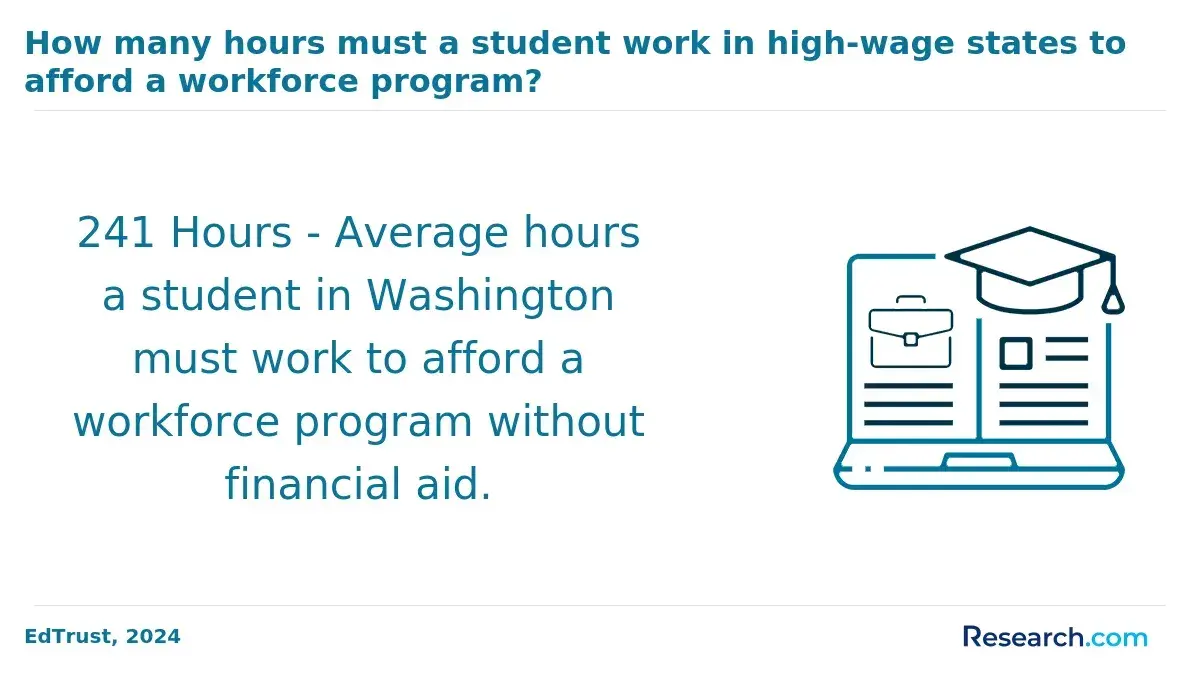
Online Christian Counseling doctoral candidates may qualify for federal student aid if the school participates in Title IV federal aid programs and the student meets eligibility rules. However, federal grants for graduate students are limited, so most doctoral funding comes from institutional scholarships, employer support, veterans benefits, payment plans, assistantships, and federal loans.
Federal Student Aid rules allow eligible graduate students to borrow through Direct Unsubsidized Loans, and many can use Grad PLUS Loans up to the school-certified cost of attendance. That can improve access, but it also increases repayment risk if the doctorate does not lead to a higher-paying role.
The table below separates aid sources by how they usually affect out-of-pocket cost. Prioritize money that does not need to be repaid before using loans.
| Aid source | Repayment required? | Best use | Key limitation |
| Institutional scholarships or tuition discounts | No | Reducing tuition at faith-based universities | May require minimum enrollment, GPA, or ministry affiliation |
| Federal Work-Study | No | Part-time campus-approved work, sometimes remote depending on school | Availability varies and funding is not guaranteed |
| HRSA or behavioral health training grants through institutions | Usually no for eligible trainees | Workforce-focused counseling, behavioral health, or underserved-community training | Typically awarded through participating schools, not directly to every applicant |
| Direct Unsubsidized Loan | Yes | Covering tuition after grants and employer aid | Interest accrues while enrolled |
| Grad PLUS Loan | Yes | Covering remaining certified cost of attendance | Can create high debt if used for multiple years |
| Employer tuition assistance | Usually no if conditions are met | Working counselors, chaplains, nonprofit employees, and administrators | May require continued employment or grade minimums |
| VA education benefits | No or reduced repayment burden | Eligible veterans, service members, and dependents | Benefit level depends on individual eligibility |
If you are considering doctoral study after a counseling master's, compare how much additional borrowing is actually necessary. Students exploring marriage and family therapy pathways may also review best online MFT programs before committing to a doctoral plan, especially if licensure is the immediate career requirement.
A practical funding sequence can prevent unnecessary debt. Follow this order before accepting loans:
- Submit the FAFSA as soon as you have a target school list.
- Ask each university whether doctoral counseling students receive institutional grants, ministry discounts, alumni discounts, or military rates.
- Check whether your employer reimburses tuition for degrees tied to leadership, counseling, chaplaincy, supervision, or organizational development.
- Ask whether your state counseling association, denomination, church network, or nonprofit employer offers graduate scholarships.
- Accept federal loans only after subtracting confirmed gift aid and reimbursement.
A common financial mistake is assuming graduate students receive the same grant aid as undergraduates. Pell Grants generally do not apply to graduate doctoral study, so doctoral candidates should build their plan around institutional aid, workforce grants, employer funding, and careful borrowing.
How can fellowships and research stipends offset the cost of an online Christian Counseling doctorate?
Fellowships and research stipends can reduce the cost of an online Christian Counseling doctorate, but they are less common in fully online professional programs than in funded residential Ph.D. programs. The best opportunities usually go to students whose research aligns with faculty projects, behavioral health workforce needs, church-based care, trauma-informed ministry, family systems, addiction recovery, or underserved populations.
For online students, funding may appear under different names. Instead of a traditional residential assistantship, you may see doctoral fellowships, research assistant roles, dissertation awards, teaching assistant contracts, grant-funded trainee positions, ministry scholarships, or project-based stipends.
Use the list below to identify funding conversations worth having before enrollment. These options are not guaranteed, but they can materially lower your net cost when available:
- Ask the program director whether online doctoral students can serve as research assistants, teaching assistants, or course facilitators.
- Review faculty bios and contact professors whose research overlaps with your dissertation interest.
- Ask whether the university has HRSA, SAMHSA-related, rural mental health, addiction counseling, or faith-based community care grants.
- Look for dissertation fellowships from counseling associations, theological foundations, denominational bodies, and nonprofit mental health organizations.
- Negotiate protected research time or tuition reimbursement with your employer if your dissertation can address an organizational need.
The strongest stipend applications usually connect your doctoral work to a measurable service need. For example, a proposal on pastoral responses to suicide prevention, integrated behavioral health in churches, military family counseling, or rural telehealth supervision may be easier to fund than a broad topic with no defined community impact.
Do not choose a program assuming a fellowship will appear later. Treat stipends as a cost reducer, not the foundation of your financing plan, unless the university gives you a written award before enrollment.
What is the average starting salary and long-term earnings potential for Christian Counseling doctorate graduates?
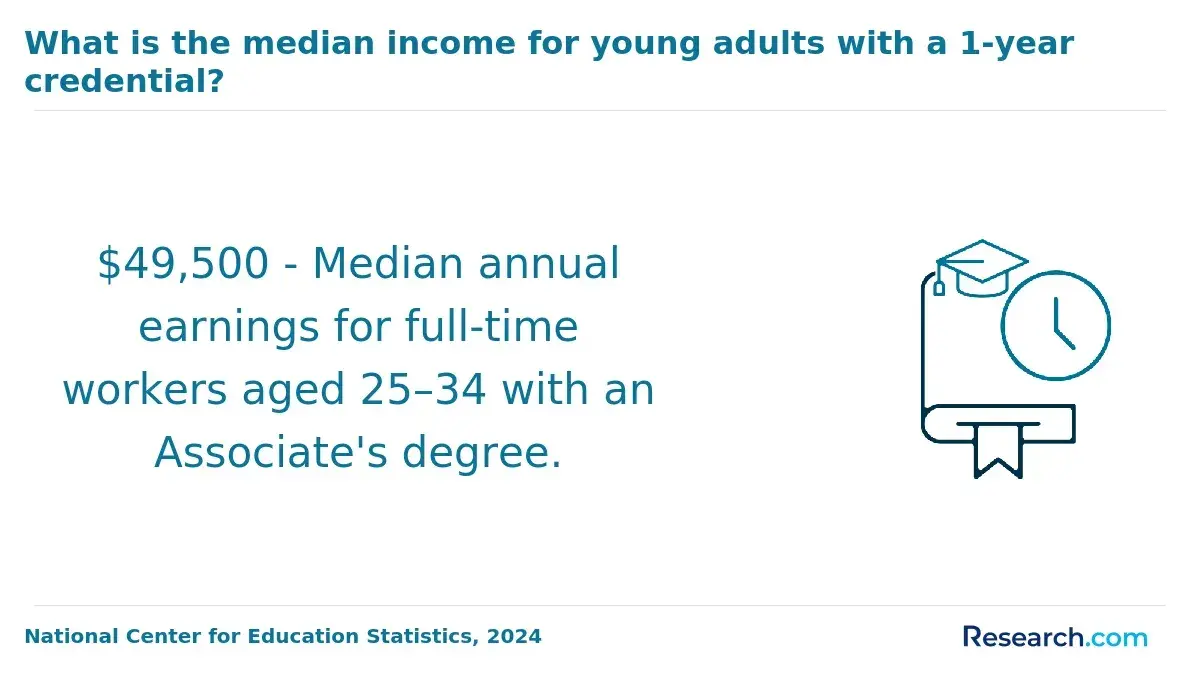
Christian Counseling doctorate graduates do not enter one single occupation, so salary depends heavily on licensure, role, employer type, geography, and whether the doctorate is clinical, academic, administrative, or ministry-focused. The most important distinction is that a doctorate can improve eligibility for leadership, supervision, teaching, and consulting roles, but it does not automatically replace state licensure requirements.
BLS occupational data show why role selection matters. The median wage for substance abuse, behavioral disorder, and mental health counselors was $59,190 in the latest BLS wage release, while psychologists and postsecondary teachers generally report higher medians depending on specialization and employment setting. For readers, this means the doctorate is usually most financially useful when it moves you into a higher-paying category rather than simply adding letters to the same job.
The table below provides salary context using U.S. occupational categories that may align with Christian Counseling doctoral outcomes. Treat these as labor-market benchmarks, not promised graduate salaries.
| Career outcome | Relevant labor-market category | Typical salary signal | Doctorate value |
| Licensed clinical director or counseling supervisor | Healthcare or behavioral health management | Often higher than frontline counseling roles | Supports supervision, program design, compliance, and leadership credibility |
| Counselor educator or faculty member | Postsecondary teaching | Varies by institution, rank, and contract type | Often required or strongly preferred for full-time faculty positions |
| Psychologist-aligned role | Psychologists | Higher median wage than many master's-level counseling roles | Requires the correct psychology doctorate and state licensure; Christian counseling doctorates may not qualify |
| Executive director of faith-based counseling nonprofit | Social and community service management | Leadership pay varies by organization budget | Can strengthen grant writing, program evaluation, and board-level credibility |
| Private-practice owner or consultant | Self-employment and professional services | Income varies widely | May support niche authority, supervision services, speaking, and training revenue |
Starting salaries are usually most modest for graduates who remain in direct-service counseling positions. Long-term earnings potential improves when the doctorate supports a transition into supervision, higher education, organizational leadership, consulting, program evaluation, or specialized private practice.
Students should also consider non-salary returns: stronger professional authority, ability to teach, eligibility for supervision roles, deeper research competence, and expanded ministry impact. These benefits can be meaningful, but they should not be used to justify excessive debt without a realistic career plan.
What high-paying career paths justify the cost of an online doctorate in Christian Counseling?
The career paths most likely to justify the cost of an online doctorate in Christian Counseling are those where the doctoral credential changes your scope, credibility, hiring competitiveness, or revenue model. If the degree does not help you move beyond the same master's-level role, the ROI may be weak.
High-paying outcomes are most realistic for experienced professionals who combine the doctorate with licensure, supervision credentials, management experience, publishing, teaching, or specialized clinical expertise. The table below shows where the doctorate can have the strongest financial logic.
| Career path | Why it can pay well | When the doctorate makes sense |
| Clinical director of a counseling center | Combines clinical judgment with staff management, compliance, budgeting, and program growth | You already have licensure and want multi-site, nonprofit, church-based, or behavioral health leadership |
| Full-time counseling faculty member | Doctoral credentials are commonly expected for tenure-track or full-time faculty work | You want teaching, supervision, advising, accreditation work, and research |
| Private-practice group owner | Income can come from clinical services, supervision, associate clinicians, workshops, and consulting | You have business skills and a legally compliant supervision model |
| Faith-based behavioral health executive | Leadership roles may oversee counseling, chaplaincy, recovery, family services, and community partnerships | You want executive responsibility in a church network, nonprofit, hospital, or mission organization |
| Training, coaching, and organizational consultant | Revenue may come from contracts, retreats, leadership development, and trauma-informed care training | You have a clear niche and can sell expertise beyond one-on-one counseling |
Some students should not start with a doctorate. If your current goal is licensure as a counselor or therapist, a master's degree normally comes first, and doctoral study can wait until your career direction is clearer. Students comparing family therapy routes should review MFT licensure expectations and program quality before assuming a Christian counseling doctorate will meet the same purpose.
Before choosing a doctoral program, test the ROI with these career questions:
- Will this doctorate qualify me for a role I cannot reasonably access with my current master's degree and experience?
- Does my target employer prefer a Ph.D., Ed.D., D.Min., Psy.D., DMFT, or another applied doctorate?
- Will the program's accreditation be respected by licensing boards, universities, hospitals, nonprofits, and denominational employers?
- Can I build a dissertation or capstone around a problem my employer or future clients will pay me to solve?
- Will the expected salary increase or business revenue justify tuition, fees, time, and debt?
If the answer to several of these questions is unclear, delay enrollment and gather more information. The best doctoral investment is not always the cheapest program; it is the lowest-cost accredited program that clearly supports the role you want.
Which high-paying industries actively recruit professionals with an online doctorate in Christian Counseling?
Employers rarely recruit specifically for "online Christian Counseling doctorate" as a job title. They recruit for advanced counseling, supervision, teaching, behavioral health leadership, chaplaincy leadership, program evaluation, and organizational care expertise. The online format is usually less important than accreditation, licensure, experience, research skills, and evidence of leadership impact.
Current labor-market demand is strongest in behavioral health, higher education, healthcare administration, faith-based nonprofits, and community services. BLS projections continue to show faster-than-average growth for several mental health and human services roles, which supports demand for leaders who can supervise teams, expand access, and manage quality care.
The table below connects industries to roles where a doctorate can improve competitiveness or earning potential.
| Industry | Common roles | Why doctoral training helps |
| Behavioral health and counseling organizations | Clinical director, supervisor, program director, quality improvement lead | Supports supervision, ethics, assessment, research literacy, and evidence-based program design |
| Higher education | Counseling faculty, field placement director, department chair, dissertation mentor | Doctoral preparation is often expected for teaching and academic leadership |
| Hospitals and integrated care systems | Spiritual care leader, behavioral health program manager, patient support director | Combines counseling insight with interprofessional leadership and care coordination |
| Faith-based nonprofits and church networks | Executive director, care ministry director, recovery program leader, family services director | Connects theological formation with counseling systems, trauma response, and program evaluation |
| Consulting, training, and professional development | Trauma-informed care trainer, leadership coach, retreat speaker, organizational wellness consultant | Strengthens authority when paired with a defined niche and measurable outcomes |
Recruiters and boards tend to value evidence that the doctoral graduate can solve organizational problems. That means your practicum, dissertation, publications, conference presentations, and leadership portfolio can matter as much as the diploma itself.
To improve industry fit while enrolled, choose assignments and research topics that produce usable work samples. Examples include a supervision manual, church counseling referral protocol, outcome evaluation plan, counselor burnout intervention, telehealth ethics training, or family ministry assessment tool.
How quickly can you achieve a positive ROI on an online Christian Counseling doctorate?
A positive ROI depends on net cost, debt, completion time, salary change, and whether the doctorate unlocks higher-paying responsibilities. For many students, the fastest ROI comes from keeping tuition low, finishing efficiently, using employer or institutional funding, and moving into leadership or teaching roles before or soon after graduation.
A simple ROI estimate compares your net degree cost with your realistic annual earnings increase. For example, if your net cost after aid is $36,000 and the doctorate helps you move into a role paying $12,000 more per year, the simple payback period is about 3 years before taxes, interest, and opportunity costs. This is not a guarantee; it is a planning tool.
The table below shows how different cost and career scenarios affect payback speed. Use conservative numbers when estimating your own case.
| Net doctoral cost after aid | Annual earnings increase needed for 5-year payback | Annual earnings increase needed for 3-year payback | ROI interpretation |
| $25,000 | $5,000 | About $8,333 | Realistic if the student receives aid and gains supervisory, teaching, or consulting income |
| $40,000 | $8,000 | About $13,333 | Requires a clear promotion, faculty role, business growth, or employer support |
| $60,000 | $12,000 | $20,000 | More dependent on leadership advancement or high-revenue practice opportunities |
| $80,000+ | $16,000+ | $26,667+ | Higher risk unless the program is essential for a specific, well-paid career goal |
The best ROI strategy starts before enrollment. Use this decision process to avoid taking on doctoral debt without a payoff plan:
- Identify the exact role you want after graduation and verify whether a doctorate is required, preferred, or optional.
- Compare at least three accredited programs by total completion cost, not only advertised tuition.
- Ask your employer about tuition reimbursement, promotion pathways, and dissertation projects tied to organizational needs.
- Choose the lowest-cost program that satisfies accreditation, licensure, faculty, and career requirements.
- Limit borrowing to the amount that your conservative salary increase can repay within a reasonable period.
Experience can sometimes replace a doctorate for executive ministry, nonprofit administration, or practice ownership. It is less likely to replace a doctorate for full-time faculty roles, counselor education positions, dissertation supervision, or academic leadership. The right choice depends on whether the credential solves a specific career barrier.
Other Things You Should Know About Christian Counseling
Usually not by themselves. State counseling licensure is typically based on a qualifying master's degree, supervised clinical hours, exams, and board approval. A doctorate may support advancement, supervision, teaching, or specialization, but you should confirm requirements with your state board.
A Ph.D. is usually better for research, faculty roles, and counselor education. An applied doctorate such as a D.Min., Ed.D., DMFT, or professional counseling doctorate may fit leadership, ministry care, supervision, or practice-focused goals. The best option depends on your target role.
Yes, many online doctoral students work full-time, but the workload is demanding. Part-time enrollment is often more sustainable for counselors, pastors, and administrators, while full-time study may work for students with flexible schedules and strong writing habits.
Common requirements include a relevant master's degree, graduate transcripts, professional references, a statement of purpose, writing sample, resume, and sometimes counseling licensure or ministry experience. Some programs also require interviews, prerequisite counseling coursework, or a proposed research interest.
References
- Doctor of Philosophy (Ph.D.) in Christian Education and Counseling https://eldermont.com/course/doctor-of-philosophy-ph-d-in-christian-education-and-counseling/
- Christian Counseling — Education and Career Guide https://onlinecounselingguide.com/careers-in-counseling/christian-counseling/
- 50+ Scholarships & Resources for Counseling Master's Students https://www.onlinemastersdegrees.org/student-resources/counseling/
- Doctoral Degree Financial Aid - Lancaster Bible College https://www.lbc.edu/admissions/doctoral-admissions/financial-aid/
- Best Online Psychology Degrees: Differences Between Christian and Secular Schools - Grace Christian University https://gracechristian.edu/blog/best-online-psychology-degrees-differences-between-christian-and-secular-schools/
- Undergraduate Programs https://christianbibleinstitute.net/doctorate-degree-programs/doctor-of-christian-counseling-and-psychology-cpsy-d/
- Financial Aid For Online Colleges https://www.affordablecollegesonline.org/financial-aid/financial-aid-for-online-colleges/
- 2025 Most Affordable Online Master's Degree in Christian Counseling https://www.onlineu.com/most-affordable-colleges/christian-counseling-masters-degrees
- Doctor of Christian Psychology and Counseling Online https://cornerstonechristianuniversity.com/programs/christian-psychology-and-counseling/doctor-of-christian-psychology-and-counseling/
- Return on Investment For an Online Psychology Degree https://www.onlinepsychologydegrees.com/articles/return-on-investment-for-an-online-psychology-degree/