2027 How to Recommit to College After a Rough Start

Co-Founder and Chief Data Scientist
Recommitting to college after failed classes, academic probation, or stopping out can feel risky, but it is also common. The National Student Clearinghouse reported in 2024 that 36.8 million adults under age 65 had some college credit but no credential. This guide is for students who want a practical second-chance plan. You will learn how to assess your transcript, compare returning and transferring, protect financial aid, choose a reputable program, and connect your degree choice to realistic career outcomes.
Key Things You Should Know
- A comeback plan should start with your transcript, academic standing, unpaid balances, and financial aid status because these determine whether you can re-enroll, transfer, or need an appeal.
- Federal Student Aid lists the maximum Pell Grant at $7,395 for the 2024-25 award year, so completing the FAFSA early can materially change the affordability of returning to college.
- BLS Education Pays data published in 2024 shows median weekly earnings of $1,543 for workers with a bachelor's degree versus $1,050 for workers with some college but no degree, but outcomes still vary by major, location, experience, and debt.
What are the smartest first steps to recommit to college after academic setbacks?
The smartest first step is not choosing a major or applying immediately. It is diagnosing what went wrong the first time and identifying the academic, financial, and personal barriers that could repeat if you return without a plan. A "rough start" can mean low grades, failed or withdrawn courses, academic probation, suspension, lost financial aid, unpaid balances, burnout, family responsibilities, health issues, or a mismatch between your goals and your program.
Start by gathering the records that will shape every decision. This prevents you from relying on memory and helps advisors give accurate guidance.
- Request an unofficial or official transcript from every college you attended, including community colleges, dual-enrollment programs, and online institutions.
- Check your academic standing: good standing, warning, probation, suspension, dismissal, or readmission hold.
- Review your cumulative GPA, major GPA, completed credits, repeated courses, withdrawals, incompletes, and any courses required for your intended major.
- Log in to your student account to look for unpaid balances, registration holds, library fines, housing charges, or collections activity.
- Check your federal aid status at StudentAid.gov, including loan amounts, Pell Grant history, satisfactory academic progress status, and default risk.
- Write a short explanation of what changed since you last enrolled, such as a new work schedule, childcare plan, treatment plan, transportation solution, or clearer career goal.
Once you have the facts, separate temporary problems from structural problems. A temporary problem may be a semester affected by illness or a job loss. A structural problem is a program format, major, commute, workload, or school policy that still does not fit your life. If the same conditions are still present, simply "trying harder" is not a strategy.
A strong recommitment plan should answer three questions before you enroll: Can I meet the school's academic requirements? Can I afford the total cost without taking on unmanageable debt? Can I realistically complete weekly coursework with my current responsibilities? If one answer is unclear, talk with an academic advisor, financial aid counselor, or transfer specialist before submitting a deposit.
Common mistakes at this stage include enrolling in too many credits to "catch up," avoiding advisors because you feel embarrassed, choosing a major only because it seems easier, or assuming old failed grades will disappear. A better approach is to build a smaller, cleaner first term that proves you can sustain the comeback.
How can you evaluate whether returning to your previous college or transferring makes sense?
Returning to your previous college can be the fastest path if many credits still apply, your GPA can be repaired, and your program is still available. Transferring can make more sense if the original school is too expensive, too far away, no longer offers the right major, or has policies that make recovery difficult. The key is to compare completion, cost, and support rather than focusing only on fresh-start appeal.
The table below summarizes the main decision factors. Use it to identify which option reduces risk instead of simply choosing the school that feels emotionally easier.
| Decision factor | Returning to your previous college may fit when | Transferring may fit when |
| Credits toward graduation | Most completed credits still count toward your degree requirements. | A new school accepts more credits into a degree audit or has a more flexible major. |
| GPA recovery | The school has grade forgiveness, course repeat, academic renewal, or probation recovery policies that help you rebuild standing. | Your old GPA creates barriers to your intended major, scholarships, or academic standing. |
| Cost | You can return at a manageable net price after aid, employer benefits, or payment plan options. | A community college, public university, or online program lowers total remaining cost. |
| Support services | You have access to tutoring, advising, mental health support, disability accommodations, and a clear readmission contact. | The new institution offers stronger adult learner, transfer, military, online, or career support. |
| Program fit | Your original major still matches your career goal and is offered in a format you can attend. | Your goals changed, or the previous program schedule no longer works with employment or family responsibilities. |
If you are comparing options, ask each school for a degree audit before committing. A degree audit shows which courses count, which requirements remain, and how many credits you still need. It is more useful than a general promise that credits "may transfer."
For many comeback students, community college can be a strategic reset. It may allow you to complete general education courses, improve your GPA, and transfer into a bachelor's program later. However, this works best when courses are selected with a transfer plan in writing; otherwise, you could complete credits that do not apply to your future degree.
Transfer can also carry hidden costs. Some universities limit how many credits they accept, require a minimum number of credits completed in residence, or accept credits as electives rather than major requirements. Before transferring, confirm the residency requirement, major prerequisites, minimum grade requirements for transfer credit, and whether repeated courses at the new school will replace old grades or simply add new grades to your record.
What admission and readmission requirements apply when you go back to college after stopping out?
Readmission requirements vary by institution, but most colleges look at your academic standing, time away, conduct history, unpaid balances, and whether you can make satisfactory academic progress. Some schools have a simple reactivation form for students who left in good standing. Others require a formal petition if you were suspended, dismissed, or away for several years.
Expect the process to be more detailed if you left after academic difficulty. Schools often want evidence that the barriers affecting your performance have changed. Your appeal should be specific, factual, and forward-looking.
- Contact the registrar or admissions office and ask whether you need reactivation, readmission, transfer admission, or an academic appeal.
- Request the deadline for your intended term and ask whether late applications are considered.
- Prepare a brief statement explaining why your academic performance suffered and what has changed since then.
- Attach documentation when appropriate, such as medical records, military orders, employer schedule changes, childcare arrangements, or proof of resolved financial holds.
- Propose a realistic first-term schedule, including fewer credits if your work or family responsibilities are heavy.
- Ask whether you must meet with an academic advisor, success coach, financial aid counselor, or dean before registration.
If you were academically suspended, the school may require a waiting period before you can return. Some institutions allow students to take courses elsewhere during suspension, while others do not count those credits toward the same academic recovery process. Get the policy in writing before spending money on outside courses.
Graduate and doctoral readmission can be stricter than undergraduate readmission because programs may require faculty approval, updated references, time-to-degree limits, and current research fit. If your long-term plan includes advanced study, be especially cautious about speed-focused options and understand how claims such as 1-year PhD programs online no dissertation relate to accreditation, dissertation alternatives, professional doctorates, and employer recognition.
Also check whether your major has separate readmission standards. Nursing, engineering, education, business, social work, and health programs may have GPA minimums, background checks, clinical requirements, prerequisite grades, or cohort deadlines that differ from general university readmission. Getting back into the college does not always mean getting back into the same selective major immediately.
How do online, hybrid, and campus-based programs compare for returning adult and nontraditional students?
Online, hybrid, and campus-based programs can all work for returning students, but they solve different problems. The right format depends on your schedule, learning style, commute, technology access, need for in-person labs or clinicals, and level of support. Online learning is flexible, but it is not automatically easier; it often requires stronger self-management.
The comparison below shows how common formats differ for adult and nontraditional students. Use it to match the program format to your actual week, not to an ideal version of your week.
| Program format | Best fit | Trade-offs to consider |
| Fully online asynchronous | Students with rotating work schedules, caregiving duties, military obligations, or limited transportation. | Requires strong time management, reliable internet, and comfort learning independently. |
| Fully online synchronous | Students who want online access but still benefit from live class meetings and instructor interaction. | Scheduled sessions can conflict with work shifts or family responsibilities. |
| Hybrid | Students who want flexibility but need occasional campus labs, networking, tutoring, or structured meetings. | Commute and scheduling still matter, especially for required in-person components. |
| Campus-based | Students who learn best through face-to-face instruction, labs, studios, clinical practice, or frequent advising. | Less flexible for full-time workers and students with transportation or childcare constraints. |
| Competency-based | Students with significant work experience who can progress by demonstrating mastery. | May not fit students who need weekly structure or who plan to enter fields with strict licensure course requirements. |
Current student behavior supports the need for flexible options. NCES data released in 2024 continues to show that distance education remains a major part of U.S. higher education after the pandemic-era shift. For returning students, the takeaway is not that online is superior; it is that more reputable institutions now offer flexible formats, so you can be more selective about quality and support.
Before choosing an online or hybrid program, test the fit realistically. Look at the learning management system, sample syllabus, weekly deadlines, exam proctoring rules, and required group work. If a course requires discussion posts, quizzes, readings, and projects every week, flexibility means you choose when to work; it does not mean the workload is light.
Parents and caregivers should also evaluate whether the program has predictable calendars, part-time pathways, and asynchronous classes. If you are balancing education with family responsibilities, guides to the best degrees for stay-at-home moms can help you think through flexibility, career relevance, and study-time realities.
How do you choose an accredited, reputable college that supports second-chance and comeback students?
Accreditation is one of the most important safeguards when returning to college. In the U.S., institutional accreditation affects credit transfer, federal financial aid eligibility, graduate school recognition, and employer confidence. Programmatic accreditation may also matter in fields such as nursing, counseling, education, social work, engineering, and business.
A reputable college should be clear about accreditation, transfer policies, cost, outcomes, and student support. The table below highlights red flags that deserve extra scrutiny before you apply or borrow money.
| Red flag | Why it matters | Better question to ask |
| Vague accreditation claims | Some schools use confusing language that does not confirm recognized institutional accreditation. | Which recognized agency accredits the institution, and is the status current? |
| Pressure to enroll immediately | High-pressure tactics can prevent you from comparing cost, credits, and support. | Can I review the degree audit, net price, and refund policy before committing? |
| Unclear transfer credit policy | You may lose time and money if credits are accepted only as electives. | How many credits apply directly to my degree requirements? |
| No transparent student support | Returning students often need proactive advising, tutoring, and financial aid guidance. | Who will be my advisor, and how often can I meet with them? |
| Licensure promises without state detail | Licensure requirements vary by state and profession. | Does this program meet requirements in the state where I plan to work? |
To verify accreditation, use the U.S. Department of Education's Database of Accredited Postsecondary Institutions and Programs or the accreditor's own directory. Do not rely only on a school's homepage. If your field requires licensure, also check the state licensing board or professional association.
Support is especially important for second-chance students. Look for academic renewal policies, transfer advising, prior learning assessment, adult learner offices, veteran services, emergency grants, mental health counseling, tutoring, career services, and early-alert systems that contact students before failure becomes irreversible.
Military-affiliated learners should pay close attention to credit for military training, deployment policies, Yellow Ribbon participation, tuition assistance processing, and dedicated veteran advising. A guide to military online college options can help you compare institutions that are designed to support service members, veterans, and military families.
How do prior credits, failed courses, and academic suspension affect your path to graduation?
Prior credits can speed up your return, but failed courses and academic suspension can complicate your path. The most important distinction is between credits earned, credits accepted, and credits applied. A school may accept a course but apply it only as an elective, which may not shorten your time to graduation.
Failed courses usually affect GPA, financial aid progress, and major eligibility. Withdrawals may not hurt GPA, but too many can affect satisfactory academic progress because federal aid rules consider completion rate as well as GPA. Incomplete grades may convert to failing grades if not resolved within the school's deadline.
Ask for a written degree plan that explains how your old academic record affects graduation. These are the policies most likely to change your timeline.
- Grade forgiveness or course repeat: Some schools replace the old grade in the GPA calculation after you retake the course, while others average attempts or show both grades.
- Academic renewal: Some institutions allow older low grades to be excluded from the institutional GPA after a defined period, though they may still appear on the transcript.
- Transfer credit limits: Colleges may cap the number of community college, lower-division, or transfer credits that count toward a bachelor's degree.
- Residency requirements: Many schools require students to complete a minimum number of credits at that institution before graduating.
- Time limits: Courses in technology, nursing, science, accounting, and education may expire for major or prerequisite purposes even if the credits remain on your transcript.
- Major progression rules: Selective majors may require minimum grades in gateway courses before you can advance.
Academic suspension does not always end your college path. Some students return after a required break, complete a success contract, retake gateway courses, or transfer to another institution with clearer support. However, you should not assume a new college will ignore your old record. Transfer applications often require all prior transcripts, even if you did poorly or attended briefly.
Credit for prior learning can help some adults move faster. Depending on the college, this may include standardized exams, military credit, professional certifications, workplace training, or portfolio assessment. The value depends on whether those credits apply to your degree requirements, so always compare the cost of the assessment with the number of usable credits awarded.
What financial aid, scholarships, and employer tuition benefits can help you afford returning to college?
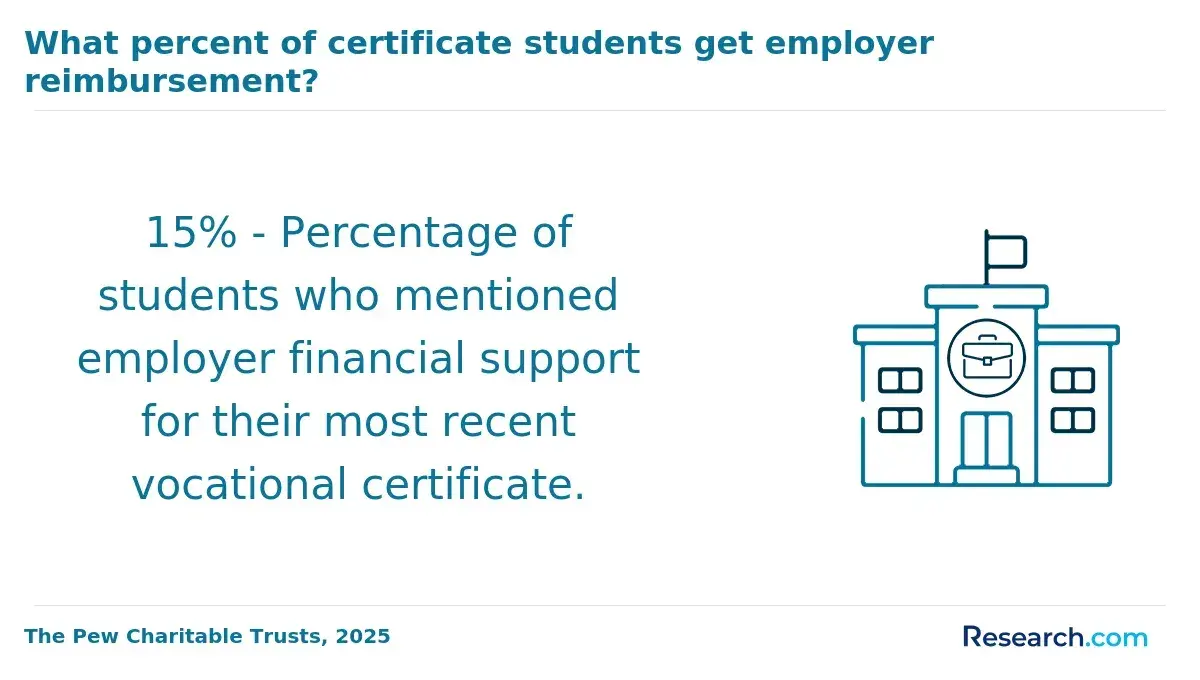
Affording a return to college requires looking beyond tuition. Your true cost includes fees, books, supplies, technology, transportation, childcare, lost work hours, loan interest, and the number of semesters remaining. A lower tuition rate is helpful, but a program that accepts fewer credits or delays graduation can cost more overall.
Federal Student Aid lists the maximum Pell Grant at $7,395 for the 2024-25 award year. That amount does not mean every student qualifies for the maximum, but it shows why completing the FAFSA is worth doing even if you assume you will not receive aid.
Use this sequence to identify funding sources before borrowing.
- Complete the FAFSA as early as possible and list every school you are seriously considering.
- Ask each financial aid office whether you are meeting satisfactory academic progress and whether you need an appeal.
- Request a net price estimate that separates grants, scholarships, loans, work-study, and out-of-pocket cost.
- Search for institutional scholarships for transfer students, adult learners, returning students, veterans, first-generation students, and students in high-demand majors.
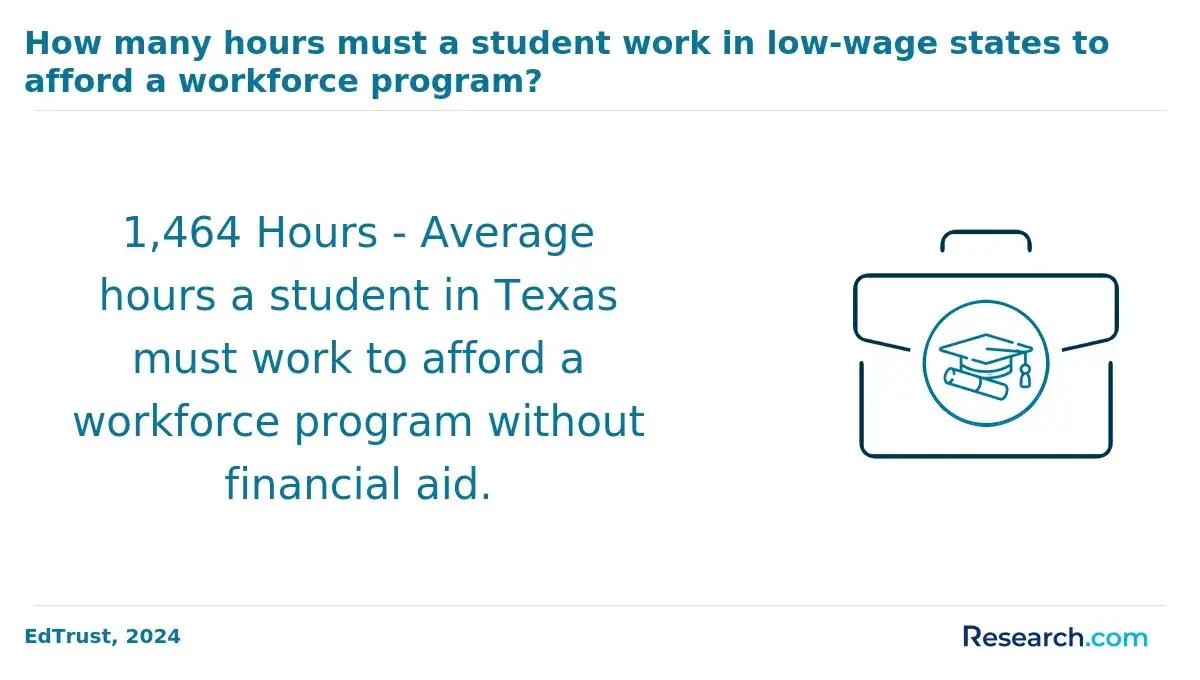
- Ask your employer about tuition reimbursement, direct billing, approved degree lists, grade requirements, and service commitments after reimbursement.
- Compare community college pathways, part-time enrollment, summer courses, and credit for prior learning to reduce total remaining cost.
- Borrow only after you understand interest rates, repayment options, and the salary range of your intended field.
Student loan costs are higher than many returning students remember. Federal Direct Loans for undergraduate students carry a 6.53% fixed interest rate for loans first disbursed during the 2024-25 award year. This makes debt planning more important because interest can change the long-term cost of a degree even when monthly payments look manageable at first.
If your academic record caused you to lose aid, ask about a satisfactory academic progress appeal. A successful appeal usually requires an explanation of what happened, documentation when available, and a plan showing how you will meet GPA and completion-rate standards. Do not wait until after classes start; unresolved aid problems can lead to registration cancellation or unexpected bills.
Students planning for graduate study after finishing a bachelor's degree should compare advanced program costs early. If affordability is central to your plan, resources on the most affordable doctoral programs can help you understand how tuition, format, and program structure affect long-term education costs.
How can you build a sustainable study plan, support network, and campus resources for a fresh start?
A sustainable comeback plan is built around capacity, not motivation alone. Motivation is useful during the first week. Capacity is what protects you during midterms, work emergencies, childcare disruptions, illness, and heavy assignment weeks.
For your first term back, choose a schedule that gives you evidence of success. If you previously struggled, a smaller course load may be the fastest path because it protects GPA, aid eligibility, and confidence.
- Start with one to three courses if you are working full time, caregiving, or returning after academic suspension.
- Choose courses with balanced workloads rather than stacking writing-heavy, lab-heavy, or math-intensive classes in the same term.
- Block fixed study times on a calendar before the term starts, including time for reading, assignments, exams, and advisor meetings.
- Use tutoring within the first two weeks, not only after you fail a quiz or exam.
- Tell instructors early if you have documented accommodations, military obligations, health concerns, or predictable scheduling conflicts.
- Schedule a midterm check-in with an advisor to review grades, attendance, and withdrawal deadlines.
- Create a backup plan for technology, childcare, transportation, and work schedule conflicts.
A useful rule is to assume each credit hour requires additional study time outside class. The exact workload varies by course, but students often underestimate reading, practice problems, discussion boards, labs, and project work. If you cannot identify where the hours will come from each week, the schedule is too risky.
Your support network should include both college resources and personal accountability. College resources may include academic advising, tutoring, writing centers, math labs, disability services, counseling, career services, financial aid counseling, emergency grants, food pantries, childcare referrals, and peer mentoring. Personal support may include a family member who protects study time, a coworker who helps swap shifts, or a classmate who checks in before deadlines.
Technology can help, but it should not replace learning. AI tools may support brainstorming, scheduling, flashcards, or grammar review, but submitting AI-generated work can violate academic integrity rules. Read each course policy and use AI only in ways your instructor allows. For many comeback students, the safest use of AI is as a study assistant that explains concepts and generates practice questions, not as a substitute writer.
The biggest mistake is disappearing when trouble starts. If you miss assignments, receive low quiz scores, or feel overwhelmed, contact the instructor and advisor immediately. Early withdrawal, incomplete, tutoring, schedule adjustment, or emergency support may be available, but these options often have deadlines.
Which degrees and majors offer strong career outcomes for students restarting their education?
The strongest major for a returning student is not simply the highest-paying one. It is the major that matches your abilities, available study time, local or remote job market, licensing requirements, and tolerance for additional schooling. For example, engineering and computer science can offer strong pay, but they may require intensive math and sequencing. Nursing can lead to stable demand, but clinical schedules and licensure requirements are strict.
BLS Education Pays data published in 2024 shows that workers with bachelor's degrees had median weekly earnings of $1,543, compared with $1,099 for associate degree holders. This does not mean every bachelor's degree has the same payoff; it means degree level can matter, and major selection, experience, debt, and occupation choice shape the actual return.
The table below compares common comeback-friendly degree areas by career direction and practical fit. It is not a ranking; it is a decision tool for matching your restart plan to realistic outcomes.
| Degree or major area | Common career directions | Good fit for returning students when | Watch-outs |
| Business administration | Operations, sales, management, human resources, project coordination. | You have work experience and want a flexible degree that applies across industries. | Career outcomes vary widely by internships, experience, specialization, and networking. |
| Computer science or information technology | Software development, systems analysis, cybersecurity, database support, cloud administration. | You enjoy problem-solving and can commit to technical practice outside class. | Entry-level competition can be strong, and portfolios or certifications may matter. |
| Nursing and allied health | Registered nursing, imaging, respiratory therapy, health administration support. | You want a structured path tied to licensure or healthcare workforce needs. | Clinical schedules, background checks, prerequisites, and state rules can be demanding. |
| Education | Teaching, instructional support, training, curriculum support. | You want a mission-driven role and understand state certification requirements. | Licensure pathways vary by state, and field placements may be time-intensive. |
| Accounting and finance | Bookkeeping, staff accounting, auditing support, financial analysis. | You are detail-oriented and want a career path with clear skill progression. | CPA goals may require additional credits beyond a bachelor's degree. |
| Social work, psychology, and human services | Case management, community services, behavioral health support, nonprofit roles. | You want people-centered work and may consider graduate study later. | Many counseling or clinical roles require a master's degree and licensure. |
If salary is a major factor, compare occupations rather than only majors. Some of the most profitable degrees cluster in technical, quantitative, and health-related fields, but a high median salary is not useful if the program does not fit your strengths or requires prerequisites you are unlikely to complete successfully.
Students restarting college should also consider shorter credentials that stack into degrees. Certificates in IT support, bookkeeping, medical coding, project management, or manufacturing technology may help you build momentum and employment options. However, certificates should be chosen carefully: make sure the credits apply to a degree if your long-term goal is an associate or bachelor's credential.
What are the long-term salary prospects and job outlook for careers requiring a completed degree?
Completing a degree can improve long-term labor market options, but salary outcomes are never guaranteed. Pay depends on occupation, region, employer, industry, experience, internships, certifications, licensure, and whether the degree is aligned with the job. The best use of salary data is to compare broad pathways and avoid taking on debt that requires an unrealistic income jump.
BLS Education Pays data published in 2024 provides a useful national snapshot by education level. The table below shows median weekly earnings and unemployment rates by selected credential level, which helps explain why finishing a degree can matter over a long career.
| Education level | Median weekly earnings | Unemployment rate | How to use this data |
| Some college, no degree | $1,050 | 3.5% | A useful comparison point if you already have credits but no credential. |
| Associate degree | $1,099 | 2.8% | Can be a practical target for healthcare, technical, business, and transfer pathways. |
| Bachelor's degree | $1,543 | 2.5% | Often expands access to professional roles, management tracks, and graduate study. |
| Master's degree | $1,840 | 2.2% | May be necessary for specialized fields, advancement, or licensure in some professions. |
| Doctoral degree | $2,083 | 1.6% | Can support research, academic, clinical, or leadership paths, but costs and time vary greatly. |
The wage gap between some college and a completed bachelor's degree is meaningful, but it should be interpreted carefully. National medians do not tell you whether a specific program is affordable, whether your credits will transfer, or whether your target occupation is growing in your region. Before enrolling, compare program cost with realistic entry-level roles, not only midcareer salaries.
Job outlook also depends on field. Healthcare, data, cybersecurity, education, accounting, logistics, and skilled technical roles continue to rely on postsecondary credentials, but employers increasingly want evidence of applied skills. Internships, clinicals, capstone projects, portfolios, certifications, and work experience can make a degree more valuable than coursework alone.
AI and automation are changing employer expectations. Routine administrative and entry-level analytical tasks are increasingly supported by software, so students should build skills that complement technology: communication, judgment, data interpretation, ethical reasoning, project management, domain knowledge, and the ability to use AI tools responsibly. A degree plan that includes applied projects can help you show those skills to employers.
If you eventually pursue graduate or doctoral education, compare cost, accreditation, faculty fit, career requirements, and completion structure. Accelerated options can be useful for some professionals, but they should be weighed against workload and recognition; research on 1-year PhD programs online no dissertation can help you understand how alternative doctoral formats differ from traditional research doctorates.
Other Things You Should Know About
Yes. Many students return after failed classes, probation, or suspension. Your next step is to check your academic standing, ask about readmission or appeal requirements, and create a realistic first-term plan that protects your GPA and financial aid eligibility.
They may, but it depends on the school, course age, grades, accreditation, major requirements, and transfer policy. Ask for a written degree audit showing which credits apply to graduation, not just which credits are accepted.
Possibly. If you lost aid because of satisfactory academic progress, you may need to file an appeal with documentation and an academic plan. You should also complete the FAFSA and ask the financial aid office about grants, scholarships, loans, and payment options.
Part time is often safer if you work full time, have caregiving responsibilities, or are returning from academic difficulty. Full time may make sense if you have strong support, stable finances, and enough weekly study time. The best choice is the one you can sustain without repeating the same problems.
References
- Traditional Vs. Non-Traditional Students in Higher Education https://moderncampus.com/blog/traditional-vs-non-traditional-students-in-higher-education.html
- Second Chance Colleges: Support for Emotional Growth Students https://www.collegexpress.com/lists/list/colleges-for-students-needing-a-second-chance/691/
- 12 Promising Non-traditional College Pathways to Attainment - Education Design Lab https://eddesignlab.org/news-events/12-promising-non-traditional-college-pathways-to-attainment/
- When Should I Transfer Colleges? | University of Bridgeport https://www.bridgeport.edu/news/when-to-transfer-colleges/
- 10 Jobs With the Best Future Outlook for College Graduates https://www.honorsociety.org/articles/10-jobs-best-future-outlook-college-graduates
- 10 in-demand careers for the future https://www.vu.edu.au/about-vu/news-events/vu-blog/10-in-demand-careers-for-the-future
- Building a support network in the first-year of university - University Study https://universitystudy.ca/building-a-support-network-in-the-first-year-of-university/
- How to Prepare for Going to University | Student.com https://www.student.com/articles/prepare-going-university
- How to Go Back to College After Dropping Out? https://back2college.com/admission/returning-to-college-after-dropping-out/
- You Failed— Now What? A Student’s Guide to Rebounding After Academic Setbacks https://www.providenceready.org/resources/blog/2025/july/you-failed-now-what-a-student-s-guide-to-rebound/