2027 What Does an Academic Advisor Do?

Co-Founder and Chief Data Scientist
Choosing courses, changing majors, transferring credits, or returning to college can be expensive if students guess wrong. Academic advisors help students turn degree requirements into realistic plans. The National Student Clearinghouse reported continued undergraduate enrollment growth in 2024, which means more students are navigating complex program choices, online formats, and career-linked credentials.
This guide is for students, parents, career changers, and aspiring advisors. You will learn what advisors do, how advising works, what the career requires, and how to use advising to make smarter education decisions.
Key Things You Should Know
- Academic advisors help students select courses, understand degree requirements, evaluate transfer credits, monitor academic progress, and connect with campus resources, but they do not usually provide therapy or guarantee career placement.
- The broader BLS category for school and career counselors and advisors reported a median annual wage of $65,140 in May 2024, with pay varying by institution type, region, education level, and supervisory responsibility.
- Most academic advising jobs require at least a bachelor's degree, while many colleges prefer a master's degree in higher education, counseling, student affairs, education, psychology, or a related field.
What does an academic advisor do and how do they support college students?
An academic advisor is a higher education professional who helps students understand academic policies, choose appropriate courses, stay on track for graduation, and make informed decisions about majors, minors, transfer credits, withdrawals, probation, and degree completion. The role is part planning, part coaching, and part institutional navigation.
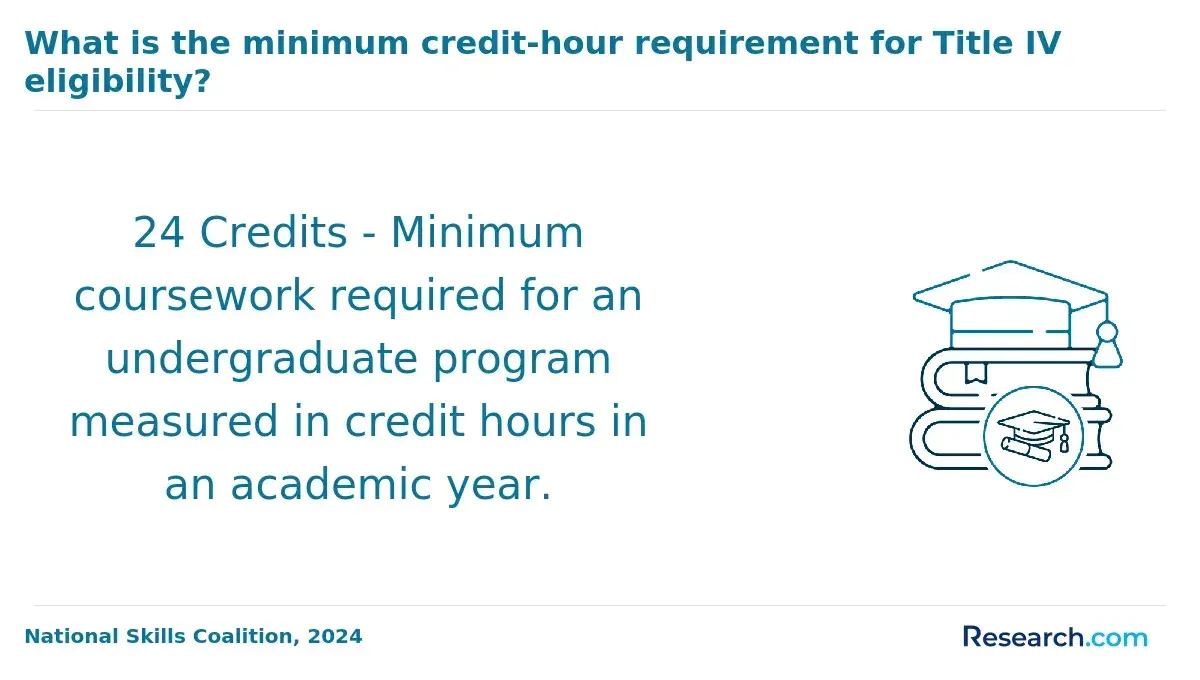
For students, the value of an advisor is not just knowing which class to take next. A good advisor helps prevent costly mistakes, such as taking courses that do not apply to a degree, missing a prerequisite sequence, overlooking financial aid credit-hour rules, or delaying graduation because a required course is offered only once per year.
Academic advisors commonly support students in several connected areas. These responsibilities matter because one decision, such as dropping a course or switching majors, can affect tuition, aid, time to graduation, and career preparation.
- Degree planning: Advisors explain general education, major, minor, elective, residency, and graduation requirements.
- Course selection: Advisors help students build semester schedules that match prerequisites, course availability, workload, and financial aid requirements.
- Major exploration: Advisors help students compare academic interests, strengths, program requirements, and career outcomes before declaring or changing a major.
- Academic progress support: Advisors review grades, completed credits, repeated courses, withdrawals, and academic standing.
- Policy navigation: Advisors explain add/drop deadlines, withdrawal rules, transfer policies, petitions, readmission requirements, and graduation audits.
- Referrals: Advisors connect students with tutoring, disability services, financial aid, career services, mental health counseling, veterans services, and faculty mentors.
Academic advisors do not make decisions for students. Their job is to clarify options, consequences, and requirements so students can choose a path that fits their goals and constraints.
How does academic advising work at U.S. colleges and universities?
Academic advising works differently from one college to another, but most U.S. institutions use one of three models: centralized advising, faculty advising, or a hybrid model. Understanding the model at your school helps you know whom to contact and what kind of help to expect.
The table below compares common advising models. This is useful because the quality of advising depends not only on the advisor's skill but also on how the college organizes advising, records, and student support.
| Advising model | How it works | Best fit | Potential limitation |
| Centralized professional advising | Students meet with trained advising staff in an advising center. | First-year students, undecided students, transfer students, and students needing policy guidance. | Advisors may not know every detail of a specialized major. |
| Faculty advising | Students meet with professors in their academic department. | Upper-division students, research-focused majors, and students preparing for graduate school. | Faculty may have limited availability during busy teaching or research periods. |
| Hybrid advising | Students use both professional advisors and faculty mentors. | Students who need both degree planning and discipline-specific career or research advice. | Students may need to coordinate guidance from multiple offices. |
In practice, advising usually begins with placement, orientation, or an intake appointment. The advisor reviews the student's academic record, program requirements, transfer credits, test scores if relevant, and personal constraints such as work schedules or military obligations.
Students comparing online programs should also confirm that the school participates in federal financial aid and has clear advising access before enrolling. For cost-conscious students, resources on the cheapest online colleges that accept FAFSA in USA can help frame affordability questions to ask an advisor or admissions team.
What is the difference between an academic advisor and a career counselor?
Academic advisors and career counselors often work together, but they are not the same role. Academic advisors focus on the student's path through a degree program. Career counselors focus on employment goals, resumes, interviews, internships, networking, and career decision-making.
The distinction matters because students often bring career questions to academic advising appointments. A strong academic advisor can discuss how majors connect to careers, but detailed job search support usually belongs with career services.
| Area | Academic advisor | Career counselor |
| Main focus | Degree requirements, academic policies, course planning, and graduation progress. | Career exploration, job search strategy, resumes, interviews, and employer preparation. |
| Typical student question | "Which courses do I need next semester to stay on track?" | "How do I prepare for internships or jobs in this field?" |
| Records used | Degree audit, transcript, catalog requirements, transfer credits, academic standing. | Resume, career assessments, job postings, employer feedback, internship requirements. |
| Best time to meet | Before registration, after grades post, before changing majors, and before applying to graduate. | Before choosing internships, building a resume, attending career fairs, or applying for jobs. |
The best approach is to use both. For example, a nursing, business, engineering, or psychology student may ask an academic advisor how to satisfy degree requirements and a career counselor how to gain experience, write a resume, and prepare for interviews.
What education, training, and qualifications are required to become an academic advisor?
Most academic advisor positions require at least a bachelor's degree. Common undergraduate backgrounds include education, psychology, communications, sociology, human services, business, or a discipline related to the advising unit. Many colleges, especially four-year universities, prefer or require a master's degree for full-time professional advising roles.
There is no single national license required to be an academic advisor in U.S. higher education. Requirements vary by employer, student population, and role level. Advisors who work in specialized areas such as counseling, disability services, or mental health must follow separate professional and state rules if they provide services beyond academic advising.
Employers commonly look for a mix of education, student-service experience, technology skills, and judgment. The following qualifications are especially relevant because advisors must interpret policies accurately while communicating clearly with students under pressure.
- Education: A bachelor's degree is the common entry point; a master's degree in higher education, student affairs, counseling, education, psychology, or a related field can improve competitiveness.
- Experience: Work as a peer advisor, resident assistant, admissions counselor, financial aid assistant, tutor, student success coach, or graduate assistant can provide relevant exposure.
- Technical skills: Advisors often use student information systems, degree audit tools, early alert platforms, customer relationship management systems, and online scheduling tools.
- Communication skills: Advisors need to explain complex policies in plain language and document guidance carefully.
- Ethical judgment: Advisors handle confidential student records and must understand privacy expectations under FERPA and institutional policy.
Professional development is also important. Organizations such as NACADA, the Global Community for Academic Advising, offer conferences, research, competencies, and training resources, though membership or certification is not universally required by employers.
What degree programs and professional pathways lead to an academic advising career?
There are several pathways into academic advising. The right one depends on whether you are entering higher education for the first time, changing careers, or seeking advancement into leadership.
The table below summarizes common degree and experience pathways. Use it to compare how much education you may need and which route best matches your current background.
| Pathway | Typical preparation | Who it fits | Career use |
| Bachelor's degree plus student-service experience | Undergraduate degree with campus employment, peer advising, tutoring, admissions, or residence life experience. | Recent graduates seeking entry-level advising or student success roles. | Can lead to advising assistant, student success coach, or entry-level advisor roles. |
| Master's degree in higher education or student affairs | Graduate coursework in college student development, advising, assessment, law, equity, and administration. | People seeking full-time professional advising and long-term higher education careers. | Often preferred for advisor, coordinator, or retention specialist roles. |
| Counseling, psychology, social work, or education pathway | Degrees emphasizing human development, helping skills, learning theory, or school systems. | Career changers with advising, coaching, teaching, or support backgrounds. | Useful for advising roles focused on probation, first-generation students, or special populations. |
| Specialized academic-field pathway | Degree or work experience in a specific field such as business, health sciences, STEM, or education. | Professionals advising students in highly structured or career-specific programs. | Useful in departmental advising or pre-professional advising environments. |
A master's degree is not always mandatory, but it can be a strategic investment for advancement. If cost is a concern, comparing a low cost masters degree online can help prospective advisors avoid overborrowing while still building credentials for higher education roles.
A practical entry route is to gain direct student-service experience before committing to graduate school. This helps you confirm whether you enjoy advising conversations, documentation, policy interpretation, and high-volume student support.
How do academic advisors help students choose majors, plan courses, and graduate on time?
Academic advisors help students graduate on time by translating catalog requirements into a semester-by-semester plan. This is especially important because degree requirements are layered: a student may need general education courses, major prerequisites, upper-division credits, electives, minimum GPA thresholds, and residency credits completed at the home institution.
Advisors also help students evaluate the trade-offs behind major choice. A major should fit the student's interests and abilities, but students should also understand program length, prerequisite difficulty, licensure requirements, internship access, and labor-market connections. Students exploring earnings differences by field can review data on highest paying majors as one input, but salary should not be the only factor.
Students can make advising more effective by following a structured process before registration or major-change decisions. These steps help the advisor give more accurate guidance and reduce the risk of missing a requirement.
- Review your degree audit before the appointment and note anything you do not understand.
- Bring a tentative list of courses, including backups in case a class is full or unavailable.
- Ask how each course applies to your degree, financial aid enrollment status, prerequisites, or transfer plan.
- Discuss time constraints honestly, including work hours, caregiving, military service, commute time, and online course readiness.
- Confirm deadlines for add/drop, withdrawal, graduation application, major declaration, and program admission if your major is selective.
- Ask for written notes or a documented advising plan so you can verify the guidance later.
Common mistakes include choosing a major based only on one favorite class, assuming all credits transfer, repeating courses without understanding GPA rules, and delaying required math or writing sequences. A good advisor helps identify these risks early, but students remain responsible for reading the catalog and monitoring their own progress.
How do academic advisors support online students differently from campus-based students?
Online students need the same core advising support as campus-based students, but the delivery and risks are different. Instead of walking into an office, online students often rely on video meetings, email, chat, degree-planning portals, and asynchronous messages. That makes response time, documentation, and technology access more important.
The table below shows how advising needs often differ by format. This can help students decide what to ask before enrolling in an online or campus-based program.
| Advising issue | Online students | Campus-based students |
| Communication | Need reliable virtual appointments, clear email follow-up, and access across time zones. | May use in-person appointments, drop-in advising, and campus offices. |
| Course pacing | May take accelerated, asynchronous, or part-time courses that affect workload and aid status. | Often follow standard semester schedules, though hybrid options are common. |
| Support access | Need remote tutoring, library access, career services, disability accommodations, and technical support. | Can often use physical tutoring centers, labs, offices, and student events. |
| Transfer and residency rules | Must verify how online transfer credits, prior learning, and out-of-state enrollment apply. | May have easier access to registrar or departmental offices for complex cases. |
Military-connected students may need additional advising around deployment, tuition assistance, VA education benefits, transfer credits, and flexible enrollment. Comparing online military friendly colleges can help these students identify institutions more likely to understand military documentation, interruptions, and benefit timelines.
Online students should pay special attention to accreditation, state authorization, required campus visits, proctored exams, clinical or field placements, and whether advising is available outside standard business hours. A program can be academically strong but still be a poor fit if advising is slow or unclear.
What is the typical salary, benefits, and work environment for academic advisors?
Academic advisors usually work in colleges, universities, community colleges, online institutions, and specialized student success units. Many roles are full time and campus-based, but remote and hybrid advising jobs have become more common as online enrollment and centralized student support systems have expanded.
Salary depends on the employer, region, experience, education level, bargaining agreements, and whether the role includes supervision. The U.S. Bureau of Labor Statistics groups academic advisors within the broader category of school and career counselors and advisors. In May 2024, BLS reported a median annual wage of $65,140 for that broader category. This figure is useful as a national benchmark, but individual academic advisor salaries may be lower or higher depending on institution type and responsibility level.
The table below summarizes typical work-environment factors. Use it to evaluate whether the role fits your preferred pace, communication style, and long-term career expectations.
| Factor | What to expect | Decision point |
| Work schedule | Usually standard business hours, with peak periods before registration, orientation, and graduation. | Good fit if you like predictable work with occasional high-volume cycles. |
| Student volume | Caseloads can be large, especially in centralized advising or online programs. | Ask about advisor-to-student ratios and appointment expectations before accepting a job. |
| Benefits | Many full-time college positions offer health insurance, retirement plans, paid leave, tuition benefits, and professional development support. | Total compensation may be stronger than salary alone suggests. |
| Stress factors | Advisors may handle frustrated students, urgent registration problems, probation cases, and complex policy exceptions. | Best fit for people who can stay calm, organized, and student-centered under pressure. |
Academic advising can be rewarding for people who enjoy helping students solve practical problems. It may be less satisfying for those who want a highly independent role with few administrative systems, because advising requires careful documentation, policy compliance, and collaboration across offices.
What is the job outlook and advancement potential for academic advisors in higher education?
The job outlook for academic advisors is tied to enrollment patterns, retention priorities, student success funding, and technology adoption. Colleges are under pressure to improve completion rates and help students avoid unnecessary credits, which keeps advising central to institutional strategy.
BLS projected 4% employment growth from 2023 to 2033 for the broader school and career counselors and advisors category. That projection should be interpreted carefully because it covers several related roles, not only academic advisors. Still, it suggests steady rather than explosive demand, meaning candidates can improve their prospects by building specialized experience.
Advancement in academic advising often comes from combining student-facing expertise with leadership, assessment, technology, or program management skills. Common next steps include senior advisor, advising coordinator, assistant director of advising, student success manager, retention specialist, transfer specialist, director of advising, or broader student affairs administration roles.
Technology is changing the work, but it is unlikely to eliminate the need for human advisors. Degree audit software, early-alert systems, predictive analytics, chatbots, and AI-supported planning tools can flag risks or answer simple questions. Human advisors are still needed to interpret exceptions, build trust, discuss trade-offs, and support students whose academic, financial, and personal situations do not fit a standard script.
Prospective advisors can strengthen their advancement potential by developing skills in these areas. These are especially useful because institutions increasingly expect advisors to support retention and completion goals with evidence, not just individual appointments.
- Data literacy: Understanding retention, progression, completion, and equity metrics.
- Technology fluency: Using degree audit systems, CRM platforms, early alerts, and virtual advising tools.
- Special population advising: Supporting transfer students, first-generation students, adult learners, veterans, online learners, and students on academic probation.
- Policy expertise: Interpreting catalogs, curriculum changes, appeals, articulation agreements, and graduation requirements.
- Leadership: Training peer advisors, supervising staff, managing caseload strategy, and improving advising processes.
How can students find and effectively work with a qualified academic advisor?
Students can usually find their academic advisor through the student portal, department website, advising center, orientation materials, or degree audit system. If you are unsure where to start, contact the registrar, student success office, or academic department and ask who advises your major or student group.
Working effectively with an advisor requires preparation. Advisors can explain requirements and options, but they cannot make a strong plan if the student arrives without goals, transcript information, or questions.
Before you meet with an advisor, take these steps to get better guidance and avoid preventable mistakes.
- Check whether the advisor is assigned by major, college, campus, online program, honors status, athletics, veteran status, or transfer status.
- Prepare a short goal statement, such as "I want to graduate in four years," "I am considering a major change," or "I need a part-time plan while working full time."
- Bring your transcript, degree audit, transfer evaluation, placement results, and any previous advising notes if available.
- Ask direct questions about prerequisites, course sequencing, financial aid enrollment requirements, and graduation timelines.
- After the meeting, save written guidance and verify that your registered courses match the plan.
Red flags include advisors who refuse to document guidance, dismiss transfer-credit concerns, cannot explain who approves exceptions, or pressure you to enroll without clarifying degree applicability. For military families who may move or need flexible enrollment, comparing online schools for military spouses can help identify programs where advising, transfer policy, and scheduling flexibility are especially important.
The most effective student-advisor relationship is collaborative. Treat your advisor as an expert guide, but keep ownership of your degree plan by reading the catalog, tracking deadlines, and asking follow-up questions when something is unclear.
Other Things You Should Know About
No. Academic advisors usually work in colleges and focus on degree planning, course selection, and academic policies. Guidance counselors are more commonly associated with K-12 schools and may support academic, social, and college-readiness needs.
They help students choose appropriate classes, but students are responsible for registering and confirming that courses meet degree requirements. Advisors explain options, prerequisites, and consequences so students can make informed decisions.
Yes. An advisor can explain withdrawal deadlines, repeat policies, tutoring options, academic probation rules, and how the grade may affect your degree plan or financial aid. Students should contact an advisor as early as possible instead of waiting until the end of the term.
Not always. Some entry-level roles accept a bachelor's degree plus relevant student-service experience. However, many colleges prefer a master's degree for full-time advising roles, especially at four-year institutions or in competitive student affairs departments.
References
- Importance of Academic Advising: Why it is Important | Webber International University https://www.webber.edu/importance-of-academic-advising/
- How Career Pathways Software Helps Students Navigate Their Academic Journey https://moderncampus.com/blog/how-career-pathways-software-helps-students-navigate-their-academic-journey.html
- Academic Advisor Roles in Higher Education: Career Opportunities Explained https://www.academicjobs.com/jobs-and-careers/academic-advisor-higher-ed-jobs-explained-career-guide-21013
- Academic Advising: What it is, why college students need it, and how it can save time and money https://news.shoreline.edu/2018/12/21/academic-advising-what-it-is/
- Virtual Academic Advising in Challenging Times - Proud Pen - Open Access Book Publisher https://www.proudpen.com/book/the-impact-of-covid19-on-the-international-education-system/virtual-academic-advising-in-challenging-times/
- Student Services for Online Learners - OnlineEducation.com https://www.onlineeducation.com/guide/student-support-services
- Academic Advisor is Key to Student Success-Touro University Worldwide https://www.tuw.edu/school-news/importance-of-academic-advisor/
- Academic Advisor: Degree Requirements, Job, Salary Info | Resilient Educator https://resilienteducator.com/teaching-careers/academic-advisor/
- College News https://home.schoolcraft.edu/college-news/2020/10/12/the-difference-between-advisors-and-counselors
- Academic Advisor https://ace.edu/student-success/career-guides/academic-advisor/