2027 Undergraduate vs Graduate School: What's the Difference?

Co-Founder and Chief Data Scientist
Choosing between undergraduate and graduate school is really a decision about timing, cost, career readiness, and specialization. NCES projected about 19.1 million students enrolled in U.S. degree-granting postsecondary institutions in fall 2024, showing how many people are weighing similar education choices.
This guide is for high school students, college students, career changers, and working adults deciding whether a bachelor's degree is enough or graduate study is worth the next investment. You will learn how the two paths differ and how to choose based on goals, budget, and required credentials.
Key Things You Should Know
- Undergraduate study builds broad college-level foundations through associate and bachelor's degrees, while graduate school usually develops advanced specialization through master's, doctoral, or professional degrees.
- Cost and aid differ sharply. College Board's 2024-25 figures place average published in-state tuition and fees at public four-year colleges at $11,610, while many graduate students rely more heavily on loans, employer aid, assistantships, or fellowships.
- A graduate degree can raise earning potential in some fields, but it is most valuable when it is required for licensure, advancement, research, leadership, or a specific occupation rather than pursued only as a general salary boost.
What are the key differences between undergraduate and graduate degrees in the United States?
The main difference is purpose. Undergraduate education is usually the first level of college study and is designed to build broad academic knowledge, general education skills, and entry-level career preparation. Graduate education comes after a bachelor's degree and is designed for advanced professional practice, research, leadership, or specialized expertise.
In the United States, undergraduate programs include associate degrees and bachelor's degrees. Graduate programs include master's degrees, doctoral degrees, and professional degrees such as the JD, MD, PharmD, or DPT. The table below summarizes the differences that matter most when comparing the two paths.
| Category | Undergraduate school | Graduate school |
| Common degree types | Associate degree and bachelor's degree | Master's, doctoral, and professional degrees |
| Main purpose | Build broad knowledge, transferable skills, and entry-level preparation | Develop advanced specialization, research ability, licensure preparation, or leadership skills |
| Typical entry point | After high school, GED completion, transfer from community college, or adult learner reentry | After completing a bachelor's degree and meeting program-specific prerequisites |
| Academic structure | General education, major requirements, electives, and sometimes internships | Core graduate seminars, specialization courses, research, practica, clinical hours, capstone, thesis, or dissertation |
| Student profile | Often includes first-time college students and transfer students | Often includes working professionals, career changers, researchers, and students targeting licensed or advanced roles |
| Career role | Qualifies graduates for many entry-level professional roles | May qualify graduates for advanced, specialized, leadership, faculty, research, or licensed roles |
Undergraduate school is usually the better first step when you need a recognized college credential, want flexibility across careers, or are still clarifying your direction. Graduate school makes more sense when your target role clearly requires it or when the degree adds measurable value to your advancement path.
How do admission requirements compare for undergraduate versus graduate programs?
Undergraduate admissions usually measure college readiness, while graduate admissions measure fit for a specialized academic or professional program. That difference affects everything from transcripts to essays, recommendation letters, test scores, and prerequisite coursework.
Undergraduate applicants commonly submit high school transcripts, a GED record, transfer college credits, standardized test scores if required, an application essay, and financial aid forms. Many community colleges and some online or adult-focused institutions use open or less selective admissions, which can be useful for students who need an accessible starting point. Students researching accessible associate routes may come across resources framed around Barbados community college comparisons, but U.S. applicants should still verify each school's transfer, accreditation, and residency rules.
Graduate admissions are more targeted. A program may require a bachelor's degree in a related field, minimum GPA, prerequisite courses, a resume, professional experience, faculty references, a statement of purpose, portfolio, writing sample, interview, or test scores. Many master's programs have made GRE or GMAT scores optional, but selective programs may still use them for scholarships or admissions review.
These are the admission factors that most often separate undergraduate from graduate applications:
- Academic record: Undergraduate programs usually evaluate high school or transfer performance, while graduate programs scrutinize bachelor's-level grades, course rigor, and prerequisite preparation.
- Purpose and fit: Graduate programs expect a clearer explanation of why the applicant wants that specific field, faculty environment, or professional pathway.
- Experience: Undergraduate programs may value activities and leadership, while graduate programs may require work experience, research experience, clinical exposure, or a portfolio.
- Recommendations: Graduate recommendations often need to speak directly to advanced academic ability, professional maturity, or research potential.
A common mistake is applying to graduate school before confirming prerequisites. For example, a student may hold a bachelor's degree but still need statistics, anatomy, programming, accounting, or psychology coursework before admission to a specific graduate program.
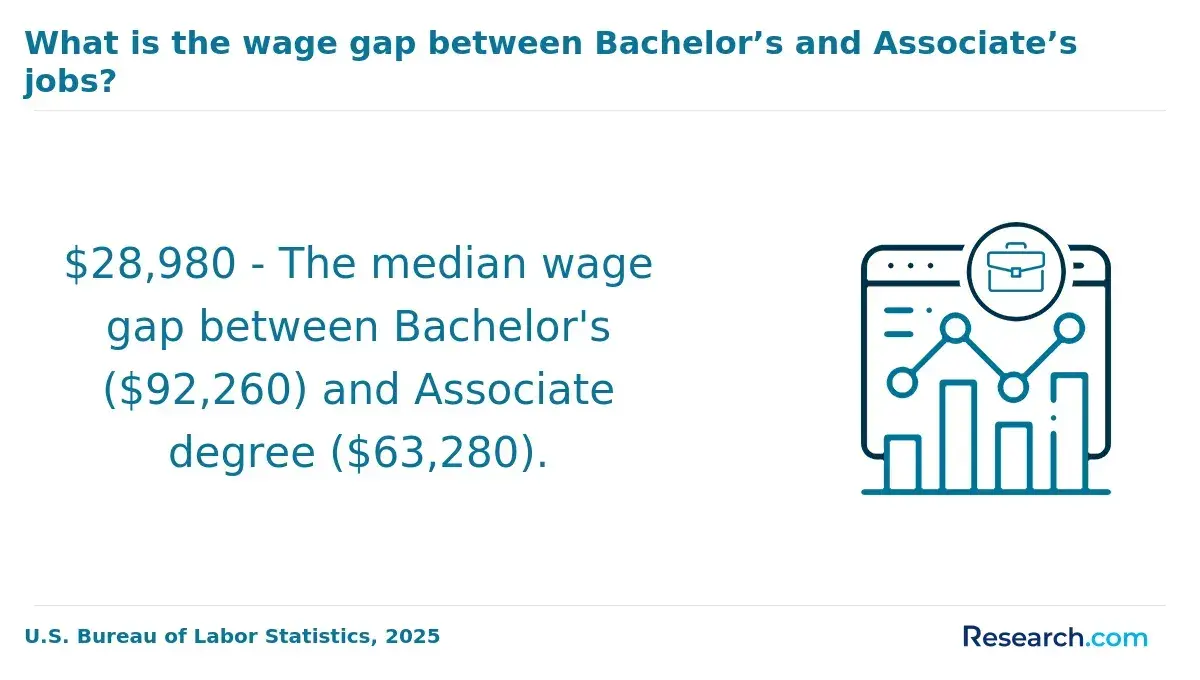
How do program length, tuition costs, and financial aid differ between undergraduate and graduate study?
Undergraduate programs usually take longer because they include broad degree requirements. Associate degrees often take about two years of full-time study, while bachelor's degrees often take about four years. Graduate timelines vary more: many master's programs take one to three years, professional degrees often take three to four years, and doctorates can take longer because of research, exams, clinical work, or dissertations.
Cost comparisons should include tuition, fees, books, technology, transportation, housing, lost work time, interest on loans, and the opportunity cost of delaying full-time earnings. College Board's 2024-25 data reported average published tuition and fees of $11,610 for in-state students at public four-year colleges and $43,350 at private nonprofit four-year colleges. For readers, the key takeaway is that the sticker price varies widely by sector, residency, and enrollment format, so net price after grants and scholarships matters more than the published rate.
Graduate school can be shorter than a bachelor's degree but not necessarily cheaper. Some programs charge higher per-credit tuition, require fewer credits, and offer less grant-based aid. Students comparing accelerated options should check total program cost, transfer policy, and employer reimbursement before choosing the quickest cheapest master's degree they can find.
The table below compares the financial factors that typically affect undergraduate and graduate students. It helps show why "shorter" does not always mean "less expensive."
| Financial factor | Undergraduate study | Graduate study |
| Typical duration | About two years for an associate degree and about four years for a bachelor's degree, depending on transfer credits and enrollment intensity | Often one to three years for a master's degree, longer for doctoral and professional programs |
| Grant aid | More likely to include Pell Grants, state grants, institutional scholarships, and need-based aid | Often more dependent on assistantships, fellowships, employer aid, scholarships, and loans |
| Federal loan structure | Dependent and independent undergraduate loan limits apply | Graduate students may borrow through Direct Unsubsidized Loans and may use Grad PLUS Loans if eligible |
| Hidden cost risks | Changing majors, excess credits, housing costs, and low transfer-credit acceptance | Prerequisite courses, clinical fees, residency travel, exam fees, and unpaid practica |
| Best cost-control lever | Transfer pathways, in-state tuition, community college credits, scholarships, and degree planning | Employer sponsorship, assistantships, part-time enrollment, cohort pricing, and selecting programs aligned with required credentials |
Before enrolling, ask each school for a full cost of attendance estimate and the average debt profile of students in your program, not just the university overall. A low tuition rate can still be expensive if the program adds fees, requires travel, limits transfer credits, or extends your time to completion.
How do curriculum and coursework differ between undergraduate majors and graduate programs?
Undergraduate coursework is broader and more exploratory. Students usually complete general education courses in writing, math, science, humanities, and social sciences, then move into major requirements and electives. This structure helps students build communication, critical thinking, quantitative reasoning, and discipline-specific foundations.
Graduate coursework is narrower and deeper. Instead of sampling a range of fields, students typically focus on advanced theory, applied methods, research, professional practice, or a defined concentration. A graduate accounting student may study advanced auditing and taxation, while a graduate counseling student may complete supervised practicum and internship hours.
These curriculum differences affect how students experience the workload:
- Undergraduate coursework: often includes more survey courses, exams, group projects, labs, and introductory major classes.
- Graduate coursework: often includes longer readings, case analysis, seminars, research papers, applied projects, clinical documentation, or original research.
- Undergraduate advising: often focuses on degree progress, major choice, transfer credits, and graduation requirements.
- Graduate advising: often focuses on specialization, research direction, field placements, licensure steps, or professional advancement.
A practical way to compare curricula is to read the catalog, not just the marketing page. Look for required courses, electives, capstone expectations, practicum hours, thesis or dissertation rules, faculty expertise, and whether the curriculum prepares students for the exams or competencies employers actually expect.
What career paths typically require only an undergraduate degree versus a graduate credential?
Many professional careers begin with an undergraduate degree. A bachelor's degree is commonly enough for entry-level roles in business, marketing, human resources, software development, data analysis, public relations, finance, operations, communications, criminal justice, and many government or nonprofit positions. Some technical roles can also start with an associate degree, certificate, apprenticeship, or portfolio, depending on the employer.
Graduate credentials are more common in fields where advanced practice, licensure, research, or leadership is expected. Examples include occupational therapy, physical therapy, physician assistant studies, law, medicine, counseling, social work clinical practice, speech-language pathology, higher education faculty roles, advanced engineering research, and many administrative leadership positions.
Personality and work style also matter. A student who wants independent, analytical, or lower-social-intensity work may compare majors and graduate options against lists of careers for introverts, but the smarter move is to match the credential to the actual job requirements and daily responsibilities.
The table below shows how degree expectations often differ by career goal. Requirements can vary by state, employer, industry, and licensing board, so students should verify the rules for their target location.
| Career goal | Often possible with undergraduate education | Often requires or strongly favors graduate education |
| Business and management | Entry-level analyst, coordinator, sales, operations, HR assistant, marketing associate | Executive leadership, specialized consulting, some senior analytics or MBA-preferred roles |
| Technology | Software developer, IT support, cybersecurity analyst, data analyst, systems administrator | AI research, advanced machine learning, research scientist, specialized architecture roles |
| Healthcare | Registered nurse with approved nursing education, health administration assistant, medical lab roles depending on credential | Physician, physician assistant, physical therapist, occupational therapist, nurse practitioner |
| Education | Some K-12 teaching roles with approved bachelor's preparation and state certification | School counseling, administration, higher education faculty, specialist roles, some state salary-lane advancement |
| Behavioral health | Case management, behavioral technician, community support roles | Licensed counselor, clinical social worker, psychologist, marriage and family therapist |
| Law and public policy | Paralegal, policy assistant, compliance analyst, public administration support | Attorney, senior policy researcher, some executive public administration roles |
A common mistake is assuming graduate school is always the next step after a bachelor's degree. If your target job accepts bachelor's-level applicants and values experience, certifications, portfolios, or security clearances more than another degree, working first may produce a better return.
How do salary potential and earning growth differ for undergraduate and graduate degree holders?
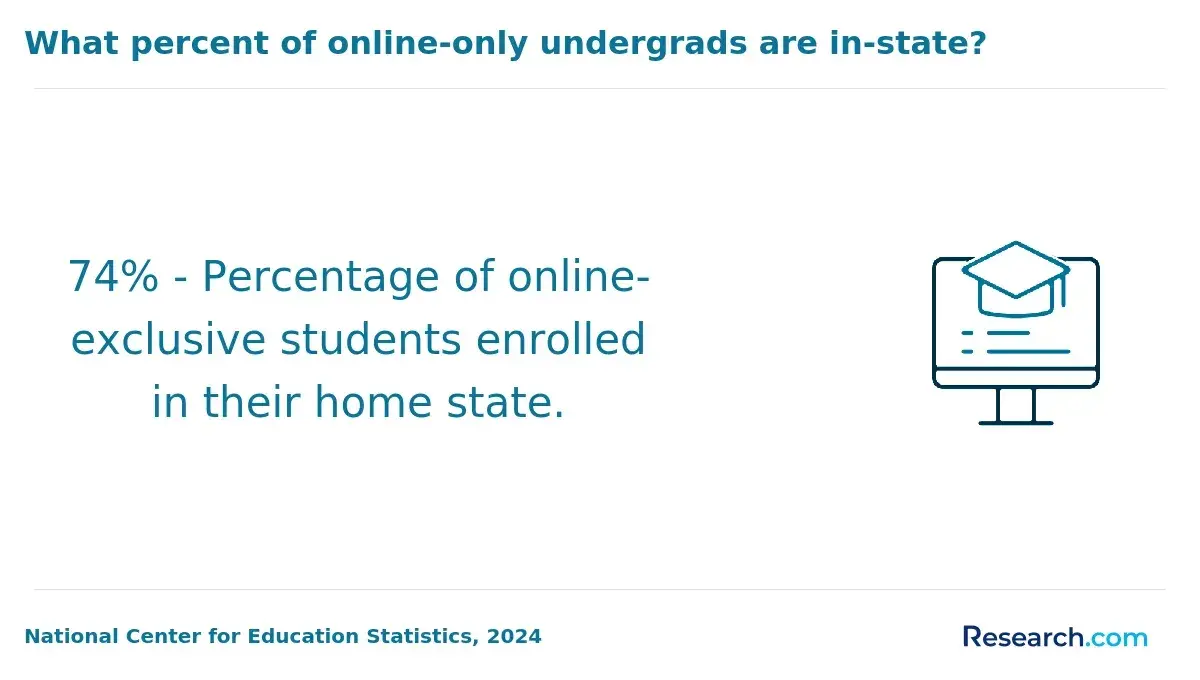
Education level is associated with earnings, but the payoff depends heavily on field, occupation, location, experience, school cost, and whether the credential is required. According to the Bureau of Labor Statistics' 2024 education-and-earnings release using 2023 labor market data, workers with a bachelor's degree had median weekly earnings of $1,493, while workers with a master's degree had median weekly earnings of $1,737. That difference can be meaningful over time, but it should be weighed against tuition, debt, time out of the workforce, and career fit.
The salary value of graduate school is strongest when the degree unlocks roles that are otherwise unavailable or difficult to reach. It is weaker when the field rewards experience, sales performance, technical certifications, portfolios, or entrepreneurship more than formal graduate education.
Students focused on financial return should compare likely occupations, not degree labels. For example, some bachelor's-level fields can be highly paid, and resources on highest paying degrees can help students see where undergraduate credentials may already support strong earning potential.
Use these questions to evaluate salary potential before committing to graduate school:
- Does the target occupation legally require the graduate degree, or is it only preferred?
- What is the median pay for the occupation in your state or metro area, not just nationally?
- How much debt would you need to take on, and what monthly payment would that create?
- Will the program allow you to keep working, or will you lose income while enrolled?
- Do employers in your field value the specific degree, accreditation, and school reputation?
- Are there lower-cost alternatives, such as a certificate, licensure course, employer training, or portfolio-based route?
A careful ROI estimate should be conservative. Do not assume the highest advertised salary, and do not treat a school's alumni stories as typical outcomes unless the program provides transparent placement and earnings data.
How do online and campus-based options differ for undergraduate and graduate programs?
Online and campus-based programs can both be legitimate, but they serve different students best. Online undergraduate programs often appeal to working adults, parents, military-affiliated students, transfer students, and learners who need scheduling flexibility. Campus-based undergraduate programs may offer more structured advising, residential life, labs, student organizations, and in-person networking.
Graduate online programs are especially common in fields where students already work professionally, such as education, business, nursing, public administration, computer science, and data analytics. Campus-based graduate study can be more important when the program depends on laboratory research, studio work, clinical placements, assistantships, cohort immersion, or access to specialized equipment.
Students comparing online colleges should check more than tuition. Accreditation, FAFSA participation, transfer policies, student support, licensure alignment, and employer recognition are all part of the real value of an online program.
The table below compares online and campus-based study by decision factor. It can help students identify which format fits their schedule, learning style, and career requirements.
| Decision factor | Online undergraduate programs | Online graduate programs | Campus-based programs |
| Best fit | Students needing flexibility, transfer-friendly scheduling, or lower commuting costs | Working professionals seeking advancement without relocating | Students needing labs, studios, in-person mentoring, residential experience, or local networking |
| Scheduling | Often asynchronous or hybrid | Often asynchronous, synchronous evening, weekend, or cohort-based | Usually scheduled around in-person class times, labs, seminars, and campus activities |
| Support needs | Requires strong self-management and proactive advising | Requires balancing advanced workload with work and family responsibilities | Offers easier access to campus services but may be less flexible |
| Licensure issues | Important for teaching, nursing, social work, and allied health pathways | Critical for counseling, nursing, education leadership, therapy, and clinical programs | May still require state-specific approval or placement verification |
| Main risk | Choosing a low-cost program that lacks adequate support or transfer value | Choosing a convenient program that does not meet licensure, practicum, or employer expectations | Paying more for location or amenities that do not improve career outcomes |
The biggest online-program red flag is unclear accreditation or licensure language. If a program says it "may prepare" students for licensure, ask exactly which states it qualifies for and whether the school will help arrange required placements.
What role does accreditation play in choosing undergraduate versus graduate schools and programs?
Accreditation is one of the most important quality checks in U.S. higher education. Institutional accreditation evaluates the school as a whole, while programmatic accreditation evaluates a specific program, such as nursing, business, counseling, education, engineering, social work, or public health.
For undergraduate students, institutional accreditation affects federal financial aid eligibility, transfer credit, graduate school admission, and employer recognition. Programmatic accreditation may matter if the major leads to licensure or a regulated profession. For graduate students, accreditation can be even more consequential because many advanced credentials are directly tied to licensure, board exams, internships, clinical placements, or employer requirements.
Use this accreditation checklist before applying or enrolling:
- Confirm the institution is accredited by an agency recognized by the U.S. Department of Education or the Council for Higher Education Accreditation.
- Check whether your specific program needs programmatic accreditation for licensure, certification, employment, or doctoral admission.
- Ask whether online and campus versions of the same program carry the same approvals.
- Verify whether credits will transfer to the schools or graduate programs you may attend later.
- Review any public sanctions, probation notices, teach-out plans, or accreditation warnings.
- For licensure fields, confirm state approval directly with the relevant licensing board when possible.
A common mistake is assuming that a school's general accreditation automatically covers every career outcome. It does not. A university can be institutionally accredited while a specific program lacks the programmatic approval needed for a license, certification exam, or employer requirement.
How do licensing and certification requirements influence the choice between undergraduate and graduate study?
Licensing and certification requirements can determine whether an undergraduate degree is enough or graduate school is necessary. In regulated fields, the right credential is not just a preference; it may be a legal requirement to practice independently, bill insurers, supervise others, or use a protected title.
Undergraduate pathways often support licenses or certifications in areas such as teaching, nursing, accounting preparation, engineering fundamentals, radiologic technology, and some allied health fields. Graduate pathways are often required for independent clinical practice, advanced healthcare roles, law, psychology, counseling, speech-language pathology, physical therapy, occupational therapy, and academic research careers.
The table below shows how licensing considerations can change the degree decision. Because rules vary, students should treat this as a planning guide rather than a substitute for state-board verification.
| Field | Undergraduate role of the degree | Graduate role of the degree | What to verify |
| Teaching | Bachelor's programs may lead to initial teacher certification when state-approved | Master's degrees may support advanced credentials, salary lanes, administration, or specialization | State approval, student teaching requirements, exams, and reciprocity rules |
| Nursing | Approved nursing education can support RN licensure pathways | Graduate nursing programs may support nurse practitioner, nurse educator, or leadership roles | Board approval, clinical placement support, APRN rules, and certification exam eligibility |
| Counseling and therapy | Bachelor's degrees may support support roles or graduate admission | Master's or doctoral education is commonly required for independent licensure | Accreditation, supervised hours, state exam rules, and license titles |
| Accounting | Bachelor's coursework can prepare for entry-level accounting roles | Graduate coursework may help meet CPA education-hour requirements depending on the state | State CPA board rules, credit-hour requirements, ethics courses, and exam eligibility |
| Engineering | ABET-accredited bachelor's programs often support fundamentals-level exam pathways | Graduate degrees may help with specialization, research, or advancement | Program accreditation, PE licensure rules, work experience requirements, and state board policies |
Do not enroll in a program for a licensed career until you can answer one question clearly, after graduation, will this exact program meet the education requirement for the license in the state where you plan to work? If the answer is vague, keep asking before you pay a deposit.
How can students decide whether to pursue graduate school after completing an undergraduate degree?
The best decision starts with the job, not the degree. Graduate school is a strong choice when it is required for your target profession, when it substantially improves advancement prospects, or when it develops a specialization you cannot gain efficiently through work experience alone. It is a weaker choice when the goal is unclear, the program is expensive relative to likely earnings, or the same outcome is available through experience, certification, or employer training.
Use this step-by-step process to decide whether graduate school is the right next move:
- Define the exact role you want, including job title, industry, state, and preferred work setting.
- Review job postings and licensing-board rules to see whether a graduate degree is required, preferred, or unnecessary.
- Compare three routes: working after the bachelor's degree, earning a certificate, or enrolling in graduate school.
- Estimate total cost, including tuition, fees, interest, lost income, relocation, clinical travel, and exam costs.
- Ask programs for placement rates, licensure pass rates, assistantship availability, cohort outcomes, and average time to completion.
- Talk with professionals already doing the job and ask which credential actually helped them advance.
- Choose the lowest-risk path that meets the requirement for your target career without closing future options.
Several red flags should make students pause before enrolling. These include unclear accreditation, pressure to enroll quickly, vague career claims, no published licensure outcomes, poor placement support, excessive debt for a low-paying field, and a curriculum that does not match current employer expectations in areas such as data literacy, AI tools, communication, compliance, and applied technology.
Graduate school can be worth it, but it should be chosen for a specific reason. If you are still exploring careers, working for a year or two after the bachelor's degree may clarify your goals and strengthen a future graduate application.
Other Things You Should Know About
Graduate school is usually more specialized and self-directed. The workload may involve deeper reading, research, applied projects, clinical work, or professional writing rather than broader survey courses.
Sometimes, but not always. Some graduate programs accept many undergraduate majors, while others require specific prerequisites, a related bachelor's degree, professional experience, or a portfolio.
No. A master's degree is better only when it fits the career goal, improves access to desired roles, meets licensure requirements, or offers a reasonable return relative to cost and time.
Working first can be smart if your field values experience or if you are unsure about specialization. Going directly to graduate school may make sense for licensed careers or structured professional pathways.
References
- Graduate degrees pay—but it’s complicated | Brookings https://www.brookings.edu/articles/graduate-degrees-pay-but-its-complicated/
- Research Summary: Education and Lifetime Earnings https://www.ssa.gov/policy/docs/research-summaries/education-earnings.html
- Graduate School or No: Weighing Your Choices After Graduation https://woc.aises.org/content/graduate-school-or-no-weighing-your-choices-after-graduation
- Difference Between Undergraduate, Graduate and Postgraduate (2026) | ScholarshipOwl https://scholarshipowl.com/blog/guides/difference-between-undergraduate-graduate-and-postgraduate/
- How does a college degree improve graduates’ employment and earnings potential? - APLU https://www.aplu.org/our-work/4-policy-and-advocacy/publicuvalues/employment-earnings/
- How to Check if a Graduate Program is Accredited (and Why This Matters) | ProFellow https://www.profellow.com/tips/how-to-check-if-a-graduate-program-is-accredited-and-why-this-matters/
- Undergraduate vs. Graduate Education | University of Bridgeport https://www.bridgeport.edu/news/undergraduate-vs-graduate/
- Replace Degrees with Competency in Licensing - Libertas Institute https://libertas.institute/occupational-licensure/replace-degrees-with-competency-in-licensing/
- What Are Net Price and Cost of Attendance? https://www.ets.org/grad-school-journey/net-price-coa.html
- Career earnings by college major - The Hamilton Project https://www.hamiltonproject.org/data/career-earnings-by-college-major/