Interview with a Marketing Automation Software Expert: Answering Most Common Questions
Is investing in marketing automation software truly worth it? Many people ask this fair question because adopting new technology always requires significant decisions. The rapid growth of the marketing automation industry directly shows its value and widespread adoption.
For example, global revenue is estimated to jump from over $8 billion in 2024 to an estimated $21.7 billion by 2032. The software part alone will likely grow from $5.9 billion to over $11 billion in the early 2030s. To explain these trends, we spoke with Joyce Qian, Chief Marketing Officer at ContactPigeon. Her expertise will show readers the real-world benefits of marketing automation.
- How has marketing automation software changed in the last five years, and what big shifts are happening now?
- How does ContactPigeon stand out in the crowded market, and what unique value does it offer clients?
- What common problems do organizations face when setting up marketing automation platforms?
- How does an organization's data (first-party data) make marketing automation more effective, especially for data-focused institutions?
- How can colleges and universities use marketing automation?
- How to Choose the Right Marketing Automation Software
- What are the specific benefits of marketing automation in education?
How has marketing automation software changed in the last five years, and what big shifts are happening now?
Marketing automation software has undergone a significant transformation over the last five years, driven by advances in artificial intelligence (AI), the rise of omnichannel strategies, and shifting data privacy norms.
- Joyce Qian: “Over the past five years, marketing automation has evolved from a channel-specific tool — mainly used for email or mobile campaigns — into a sophisticated, real-time engagement engine. Today, it powers highly personalized experiences across multiple touchpoints.”
At ContactPigeon, Joyce Qian observes a significant shift in the retail sector. She notes a strong move toward omnichannel strategies, AI predictions, and automation that adapts to real-time individual behavior. These topics are central to her daily conversations with clients and prospects, directly shaping ContactPigeon's platform development priorities.
Qian also highlights another major trend: privacy-first marketing. As third-party cookies disappear and data regulations become stricter, businesses are now building their strategies on first-party data. This changes the goal from mass outreach to precision targeting, ensuring brands reach the right person with the right message at the perfect time. It isn't just about following rules; it's a chance to market smarter.
The strategic shift aligns with the growing adoption of AI. While a recent survey shows that nearly one-third (32%) of companies already use AI with marketing automation for things like personalized emails and ads, this is part of a larger, sweeping change.
McKinsey reports that 71% of organizations now regularly use generative AI, with 42% specifically applying it in marketing and sales. This widespread adoption proves that the specific AI applications in marketing automation are clear examples of a fundamental shift. Businesses are increasingly leveraging AI, powered by strong first-party data, to transform how they connect with customers and boost performance.
The chart below shows the current AI use in marketing automation:
Meanwhile, professionals looking to quickly acquire the skills needed to lead in the dynamic business environment might consider a fast track MBA 6 months online program.
How does ContactPigeon stand out in the crowded market, and what unique value does it offer clients?
Many platforms offer marketing automation features. According to Qian, ContactPigeon stands out in two distinct ways: delivering an all-in-one solution and being purpose-built for retail.
- Joyce Qian: “Our mission is simple: help retailers deliver customer experiences that truly resonate and drive measurable growth.”
Qian shares that ContactPigeon offers an all-in-one solution that unifies data collection, creates 360° customer profiles, provides AI-powered insights, and executes omnichannel campaigns. The platform seamlessly integrates all communication channels, including email, SMS, push notifications, web pop-ups, and on-site personalization. This unified approach offers significant benefits: it reduces the need for external integrations, enabling brands to launch faster and gain value sooner. Crucially, it establishes a closed feedback loop, where real-time campaign responses and behavioral data constantly refine future actions. For retailers grappling with disconnected tools and isolated data, ContactPigeon consolidates everything into a seamless, intelligent engagement environment, ensuring consistent, real-time customer experiences across every touchpoint.
ContactPigeon's platform is specifically designed for the retail sector. Every feature, workflow, and data structure is built with retail in mind, eliminating the need for clients to reconfigure or customize the platform to fit their specific needs. This focused design allows clients to launch quickly, act confidently, and see results almost immediately—a key differentiator in a market saturated with generic tools.
The results from ContactPigeon's approach speak for themselves. For instance, Tommy Hilfiger achieved a 92% revenue increase by utilizing ContactPigeon's personalized, automated campaigns, demonstrating the kind of impact the company aims to deliver.
What common problems do organizations face when setting up marketing automation platforms?
Organizations commonly encounter several challenges when setting up marketing automation platforms.
- Joyce Qian: “We see some businesses fall into the trap of trying to automate everything at once. But without a focused strategy, it can quickly become overwhelming.”
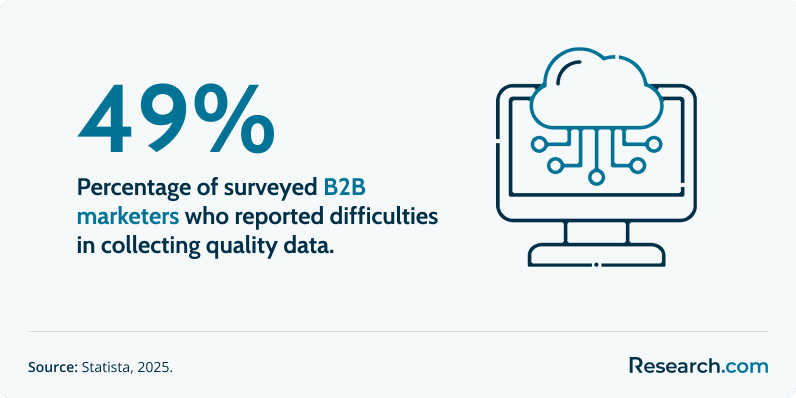
Collecting quality data presents a significant hurdle for marketers. A 2025 Statista report reveals that 49% of B2B marketers identify this as a challenge when using marketing automation to boost performance. Joyce Qian reinforces this point, highlighting data readiness as a primary obstacle.
According to Qian, many companies dive into automation without realizing that disorganized, outdated, or incomplete data severely restricts a platform's effectiveness. Without a clean, centralized data foundation, personalization falls flat, and the true power of AI-driven automation remains unlocked. ContactPigeon addresses this by offering out-of-the-box integrations with e-commerce platforms, product catalogs, and popular enterprise resource planning (ERP) and loyalty systems. This helps clients quickly unify their data and begin creating meaningful, data-informed interactions from day one.
Organizational alignment presents another key challenge, as per Qian. Marketing automation is not solely a marketing initiative; it requires close coordination across Customer Relationship Management (CRM), retail operations, IT, and other crucial departments. Aligning these teams around a shared vision and specific use cases can be time-consuming, but it is vital for successful automation at scale. This complexity highlights the need for specialized knowledge in data management and AI, areas that can be deeply explored through an MS in AI online program.
Furthermore, Qian notes that some businesses attempt to automate everything simultaneously, which can quickly become overwhelming without a focused strategy. ContactPigeon, therefore, advocates a phased approach. Businesses should start with high-impact, low-complexity wins, such as cart abandonment recovery or dynamic pop-ups, to build momentum and demonstrate quick return on investment (ROI). They can then scale into more advanced automation as their comprehensive vision for the customer journey develops.
How does an organization's data (first-party data) make marketing automation more effective, especially for data-focused institutions?
First-party data—information collected directly from an organization’s customers and users—dramatically enhances the effectiveness of marketing automation, especially for data-focused institutions.
- Joyce Qian: “First-party data is the cornerstone of ethical, high-impact marketing. It's accurate, actionable, and — most importantly — permission-based. For data-conscious organizations, using first-party data ensures compliance while still delivering value.”
ContactPigeon helps brands collect and combine valuable first-party data, including how customers browse, their past purchases, stated preferences, and even their in-store activity. This detailed information then fuels real-time segmentation and highly personalized customer journeys, allowing brands to connect with customers more effectively across all channels.
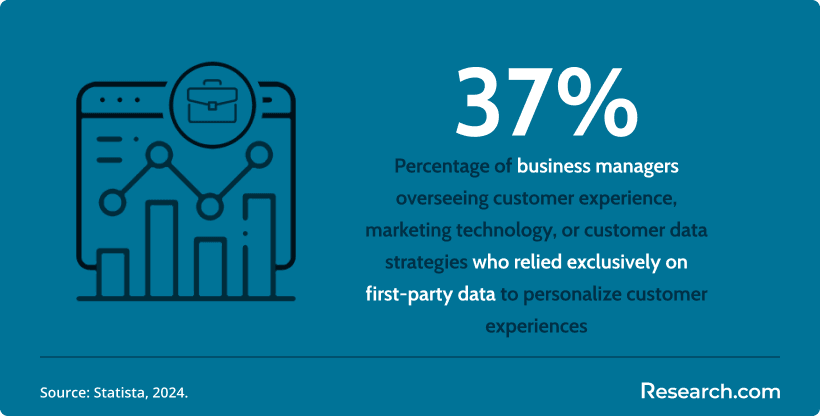
This focus on owned data reflects a broader industry trend: a 2022 global survey revealed that 37% of business managers who oversee customer experience, marketing tech, or customer data strategies relied exclusively on first-party data to personalize customer experiences.
How can colleges and universities use marketing automation?
Academic institutions can benefit from automation in many ways. Here are the primary ways higher education institutions use marketing automation, according to Qian:
For student recruitment, academic institutions can deploy automated email and SMS sequences. These messages trigger based on specific student actions, like attending open days, submitting inquiry forms, or changes in application status. This automation allows institutions to deliver tailored content directly addressing each student's chosen major or department of interest. For example, Florida Polytechnic University significantly boosted its applications by 185% and admitted students by 78% after implementing marketing automation, primarily through personalized outreach and lead nurturing.
When it comes to alumni engagement, marketing automation platforms can automatically segment alumni by graduation year, field of study, or donation history. This data then powers personalized campaigns designed to maintain strong emotional connections with former students.
For fundraising campaigns, institutions can establish nurturing journeys that guide potential donors through a funnel, from initial awareness to contributing. Throughout this process, the system keeps the message relevant and timely, optimizing the chances of securing donations.
- Joyce Qian: “We've seen retail brands apply similar strategies to grow revenue and loyalty. For academic institutions, it's about creating deeper, more meaningful relationships at scale — and marketing automation makes that entirely possible.”
Academic institutions, much like successful retail brands, stand to gain significantly from adopting marketing automation. By leveraging personalized outreach for student recruitment, segmenting alumni for targeted engagement, and guiding donors through strategic fundraising journeys, universities can cultivate stronger, more meaningful relationships at scale. As Joyce Qian emphasizes, this technology empowers institutions to connect with their diverse audiences effectively, ultimately fostering loyalty and driving growth across all key areas.
Understanding and implementing such advanced technological strategies is crucial for leadership roles in tech; for those aiming to lead an organization's technological vision, knowing how to become a CTO is increasingly tied to a deep grasp of automation and data-driven initiatives.
How to Choose the Right Marketing Automation Software
Choosing the right marketing automation software is a critical decision that can significantly impact your marketing efficiency, customer engagement, and business growth. Below are the key steps to consider:
Define Your Business Goals and Requirements
Start by setting clear, specific business objectives for your marketing automation initiative. Use frameworks like SMART (Specific, Measurable, Achievable, Relevant, Time-bound) to define what you want to achieve, such as increasing customer retention, improving conversion rates, or streamlining campaign management. Align these objectives with your broader marketing and business goals to ensure the software will deliver measurable value. Assess your current marketing workflows to identify pain points and areas that will benefit most from automation.
Evaluate Features and Integration Capabilities
Create a checklist of essential features based on your business needs. Common requirements include email automation, audience segmentation, behavioral messaging, analytics, and reporting. Consider whether the platform offers advanced capabilities like AI assistance, real-time data updates, and workflow customization. Ensure the software integrates seamlessly with your existing tools, such as CRM systems, e-commerce platforms, and analytics solutions, to centralize data and processes.
Assess Usability and Team Fit
Examine the user interface and ease of use. The platform should match your team’s technical proficiency—some tools are designed for enterprise-level users and require extensive training, while others are more intuitive for small or mid-sized businesses. Prioritize platforms that offer comprehensive onboarding, support resources, and training materials to help your team get up to speed quickly. This also involves understanding how these technologies impact human resources, a topic often covered in an HR degree program, which equips professionals to manage the people side of technological adoption and change.
Consider Scalability and Flexibility
Choose software that can grow with your business. Evaluate whether the platform can handle increasing data volumes, additional users, and more complex workflows as your marketing needs evolve. Flexible pricing models and modular feature sets can make it easier to scale up or down without incurring unnecessary costs.
Analyze Total Cost of Ownership
Look beyond the subscription fee and factor in all costs, including implementation, training, integrations, and potential hidden expenses. Compare the total cost of ownership over a multi-year period to ensure the platform fits your budget and delivers a strong return on investment.
Review Vendor Reputation and Support
Research the vendor’s experience in your industry, customer base, and track record. Look for case studies, customer references, and user reviews to gauge reliability and effectiveness. Evaluate the quality of customer support during the sales process, as this often reflects the level of ongoing service you’ll receive. Consider the vendor’s development roadmap to ensure their plans align with your long-term needs.
Test and Compare Shortlisted Solutions
Request demonstrations or trial access to shortlisted platforms. Use a weighted scoring system to objectively compare vendors based on your prioritized criteria, such as features, integration, usability, support, and cost. Involve key stakeholders in the evaluation process to ensure the chosen solution meets the needs of all users. This process often involves close collaboration with the human resources department, as understanding “What does HR do?” in terms of workforce planning, employee experience, and training directly impacts the successful adoption and utilization of new technologies.
Make an Informed Decision
The best marketing automation software is not necessarily the one with the most features or the largest market share, but the one that best fits your unique requirements, integrates with your existing systems, and supports your long-term growth. Confirm that the vendor is committed to your success and can provide the support and innovation your business needs to thrive.
Meanwhile, the chart below shows the top factors that drive marketing automation purchase:
What are the specific benefits of marketing automation in education?
Marketing automation allows educational institutions to operate more efficiently. Here are a few benefits of marketing automation in education:
Enhanced Efficiency and Time Savings
Marketing automation in education significantly reduces manual tasks such as sorting inquiries, assigning students to counselors, and sending follow-up communications. This streamlining allows admissions and marketing teams to focus on building relationships and strategic planning rather than repetitive administrative work, leading to greater productivity and faster response times.
Improved Lead Management and Nurturing
Automation platforms enable educational institutions to efficiently capture, segment, and nurture leads from various channels. Prospective students receive timely, relevant communications based on their interests and behaviors, increasing the likelihood of conversion and enrollment. Automated lead scoring and segmentation ensure that high-priority inquiries are addressed promptly and appropriately.
Personalized Communication at Scale
With marketing automation, schools and universities can deliver highly personalized messages to prospective students and their families. Dynamic content, automated email campaigns, and targeted offers ensure that communications align with each student’s interests, location, and stage in the admissions process. This level of personalization enhances engagement and creates a more compelling experience for prospects.
Data-Driven Decision Making
Automation tools provide robust analytics and reporting features, enabling institutions to track campaign performance, monitor engagement, and gain insights into student behavior. These data-driven insights help optimize marketing strategies, improve counselor effectiveness, and refine recruitment efforts for better outcomes.
Seamless Integration and Centralized Data
Marketing automation often integrates with CRM systems and other school databases, centralizing student data and streamlining workflows between marketing and admissions teams. This integration ensures a unified view of each prospect’s journey and supports consistent, coordinated communication across departments.
Increased Enrollment and Engagement
By automating and personalizing outreach, educational institutions can scale their recruitment efforts, increase brand awareness, and improve conversion rates. Automated campaigns keep prospects engaged throughout the admissions funnel, reducing the risk of leads falling through the cracks and boosting overall enrollment numbers. This strategic approach allows faculty and staff to focus on higher-value tasks. It complements the essential hands-on support provided by those in direct educational support roles, such as understanding the diverse roles of a teaching assistant in fostering student success.
Enhanced Accountability and Workflow Management
Automation platforms help manage tasks and workflows, ensuring consistent follow-ups and accountability within teams. Task assignments, reminders, and progress tracking minimize errors and ensure that every lead receives appropriate attention.
The chart below shows the benefits of marketing automation:
The Future of Engagement: Intelligent Automation
Marketing automation is not merely a technological upgrade; it's a strategic imperative transforming how organizations engage with their audiences. As Joyce Qian astutely points out, the shift towards privacy-first marketing and AI-driven capabilities underscores the foundational role of first-party data. This means that instead of just pushing messages, successful marketing now hinges on building authentic, personalized relationships at scale. The real power, then, lies not just in automating tasks but in intelligently connecting with individuals in a way that resonates deeply and drives tangible, measurable growth.
More Information About Joyce Qian

Joyce Qian is the Chief Marketing Officer at ContactPigeon, a top omnichannel customer engagement platform located in Athens, Greece. She joined the company in July 2016 and has since played a key role in boosting growth for their SaaS marketing automation solutions, specifically designed for e-commerce marketers. Before ContactPigeon, Joyce worked in consulting and finance, where she led diverse teams and created strategic plans for clients.
Joyce also actively shares her expertise in the marketing industry. She regularly writes articles about AI-driven retail marketing, customer engagement, and industry trends for ContactPigeon's blog and MarketingProfs. Her insights show her strong grasp of using data to drive business growth. When she's not working, Joyce enjoys reading, traveling, and discovering her home in the historic city of Athens.
References:
- Ascend2. (2022). The state of marketing automation 2022 research created for marketers. https://ascend2.com/wp-content/uploads/2022/02/The-State-of-Marketing-Automation-2022-220226.pdf
- Blank, F. (n.d.). Revolutionizing university operations: How automation transforms marketing, admissions, and student support. MAUFL. https://www.maufl.edu/en/news-and-events/macaws-blog/revolutionizing-university-operations-how-automation-transforms-marketing-admissions-and-student-support
- McKinsey & Company. (2025, March 12). The state of AI: How organizations are rewiring to capture value. https://www.mckinsey.com/capabilities/quantumblack/our-insights/the-state-of-ai
- Navarro, J. G. (2024, July 1). Marketing automation – statistics & facts. Statista. https://www.statista.com/topics/10768/marketing-automation
- Ross, C. (2024, December 10). Share of brands that used exclusively first-party data to personalize customer experiences worldwide in 2021 and 2022. Statista. https://www.statista.com/statistics/451641/customer-data-used-marketing-personalization-worldwide
- Statista. (2025, March 20). Most challenging aspects of using marketing automation to improve performance according to business-to-business (B2B) marketers worldwide as of February 2025. https://www.statista.com/statistics/1607540/challenges-marketing-automation-b2b-marketers