
2027 Urban Planning Degree Payback Report: Which Programs Deliver the Best Cost-to-Salary Return

Co-Founder and Chief Data Scientist
Urban planning students face a real trade-off: graduate credentials can open doors to city, transportation, housing, and sustainability roles, but tuition can delay financial payoff. The median annual wage for urban and regional planners was $83,720 in May 2024, according to the U. S. Bureau of Labor Statistics, making cost control especially important.
This guide is for prospective bachelor's and master's students comparing programs, formats, and career outcomes. You'll learn how to estimate payback time, identify stronger-value programs, and avoid choices that weaken return on investment.
Key Things You Should Know
- The strongest urban planning degree ROI usually comes from a low-net-cost, PAB-accredited or professionally aligned master's program with internships, GIS training, and placement ties to local government, consulting, or transportation agencies.
- BLS reported a May 2024 median annual wage of $83,720 for urban and regional planners, but entry pay, region, public-sector salary scales, and prior experience can shift payback time substantially.
- NCES graduate tuition data released in 2024 show average tuition and required fees of $12,596 at public institutions and $29,931 at private nonprofit institutions for 2022-23, so net price often matters more than published prestige.
- Key Things You Should Know
- What Is the Return on Investment of an Urban Planning Degree?
- Which Urban Planning Programs Deliver the Best Cost-to-Salary Return?
- How Do Tuition Costs Affect the Payback of an Urban Planning Degree?
- How Long Does It Take to Break Even on an Urban Planning Degree?
- Which Factors Have the Biggest Impact on Urban Planning Degree ROI?
- How Do Employer Demand and Job Growth Affect Urban Planning Degree Value?
- How Can Students Maximize the Financial Value of an Urban Planning Degree?
- How Does an Urban Planning Degree Compare With Similar Fields for ROI?
- Is an Urban Planning Degree Worth It for Your Career Goals?
- Top Trending Urban Planning Rankings
What Is the Return on Investment of an Urban Planning Degree?
The return on investment of an urban planning degree is the relationship between what you spend on the credential and the career value it helps you gain. In practical terms, ROI depends on total net cost, salary lift, time out of the workforce, debt interest, and whether the program leads to planning roles that actually require or prefer the degree.
For many students, the most important calculation is not lifetime earnings in the abstract; it is payback period. Payback period asks how long it may take for the additional earnings connected to the degree to recover the degree's net cost. A simple version looks like this: net degree cost divided by estimated annual salary increase.
Urban planning is a field where degree level matters. A bachelor's degree in planning, geography, environmental studies, public policy, or a related area may qualify graduates for assistant planner, planning technician, zoning, community development, or GIS-adjacent roles. However, many professional planner postings prefer or require a master's degree in urban planning, regional planning, city planning, transportation planning, or a closely related field.
The table below summarizes how different education routes tend to affect cost, career access, and ROI. Use it to identify the path that matches your starting point rather than assuming the most expensive credential is automatically the best investment.
| Education path | Typical career use | ROI strengths | ROI risks |
| Bachelor's in urban planning or related field | Planning assistant, zoning aide, GIS support, community development assistant | Lower total cost if completed at an in-state public school or with transfer credits | May face ceilings for planner roles that prefer a master's degree |
| Master of Urban Planning or Master of City and Regional Planning | Urban planner, transportation planner, housing planner, environmental planner | Often the clearest route to professional planning roles and internships | High tuition or lost income can lengthen payback |
| Dual degree, such as planning plus public policy, real estate, or engineering | Specialized planning, infrastructure, development, policy leadership | Can support niche advancement if the second field is directly relevant | Extra semesters may not pay off unless the career target requires both skill sets |
| Graduate certificate in planning, GIS, transportation, or sustainability | Skill upgrade for workers already in government, design, real estate, or policy | Lower cost and shorter timeline than a full degree | May not substitute for a planning master's when employers require one |
A strong ROI case usually exists when the degree is needed for the roles you want, the program gives you marketable technical skills, and your net cost is low enough that debt does not overwhelm early-career earnings.
Which Urban Planning Programs Deliver the Best Cost-to-Salary Return?
The urban planning programs that deliver the best cost-to-salary return are usually not the ones with the highest sticker price. They are programs that combine affordable net tuition, professional credibility, strong local employer connections, studio-based work, internships, and job-relevant tools such as GIS, zoning analysis, transportation modeling, demographic analysis, and community engagement.
For most students, the highest-value program profile is an in-state public master's degree or an accelerated bachelor's-to-master's pathway that reduces total semesters. The table below compares common program types by their likely payback strength and fit.
| Program profile | Why the return can be strong | Best fit | What to verify before enrolling |
| In-state public planning master's | Lower tuition can shorten payback while still offering professional preparation | Students targeting city, county, regional, housing, or transportation agencies | Internship placement, assistantship availability, and alumni employment in your target region |
| Accelerated 4+1 planning program | Can reduce time and tuition by applying graduate credits early | Undergraduates already committed to planning careers | Whether graduate credits count fully and whether the master's is recognized by employers |
| PAB-accredited master's program | Professional accreditation can signal curriculum quality and planning-field alignment | Students who want the most conventional professional planning route | Accreditation status, studio requirements, and faculty expertise in your specialty |
| Online or low-residency planning-related master's | Can preserve income for working adults and reduce relocation costs | Students already working in government, nonprofit, real estate, or transportation settings | Whether the curriculum includes applied studio work, employer-recognized projects, and field experience |
| High-cost private master's in a strong metro market | May provide strong networks if the city is central to your career plan | Students with scholarships, employer support, or a clear high-value specialization | Net price after aid, debt load, and whether local salary scales justify the cost |
Program reputation can matter, but it should not be the only decision point. A less expensive program with strong internships in your target labor market may outperform a more expensive program if both lead to similar entry-level planning opportunities.
When comparing programs, prioritize evidence over marketing language. Admissions offices should be able to explain recent internship sites, common employers, studio project partners, graduate assistantship options, and whether students commonly find planning work before or shortly after completion.
How Do Tuition Costs Affect the Payback of an Urban Planning Degree?
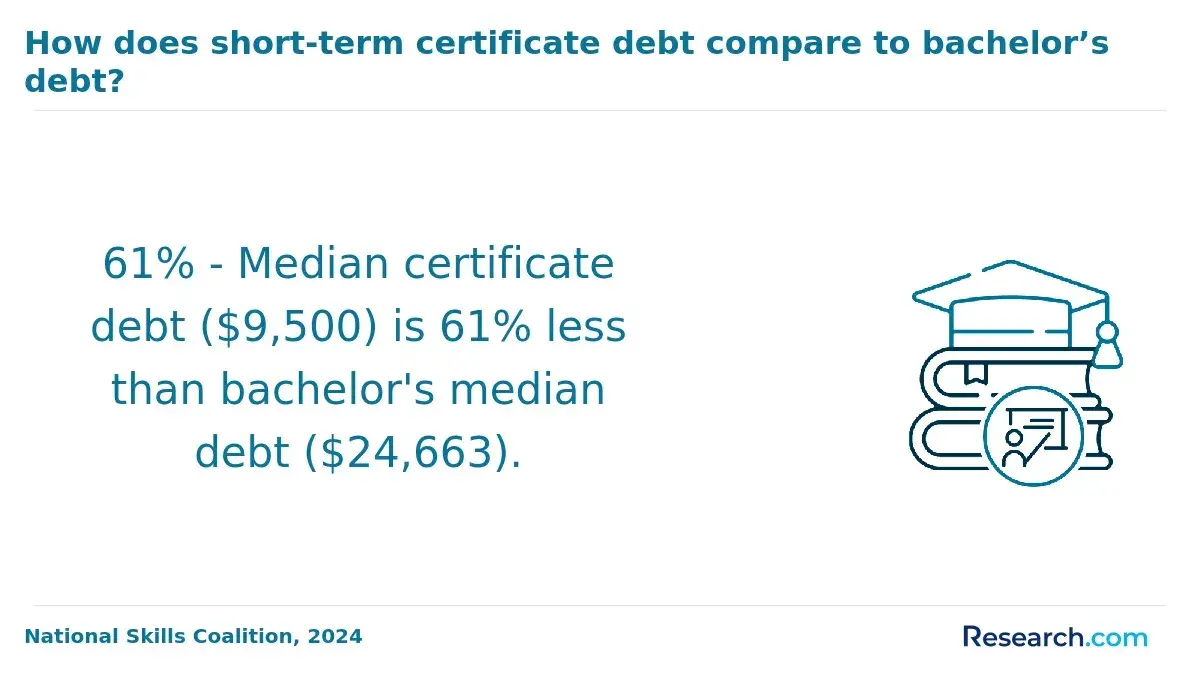
Tuition affects urban planning degree payback more directly than almost any other variable because planning is a solid but not typically high-bonus profession. NCES graduate tuition data released in 2024 show average tuition and required fees of $12,596 at public institutions and $29,931 at private nonprofit institutions for 2022-23. That gap means two students can earn the same planning salary but reach break-even years apart.
Published tuition is only the starting point. Your real ROI depends on net cost after scholarships, assistantships, transfer credits, employer support, and living expenses. This is similar to how professionals compare online executive MBA cost: the best-value option is rarely determined by sticker price alone.
The following cost factors often decide whether a planning degree pays back quickly or slowly. Review them before you apply, not after you receive an admission offer.
- Net tuition after aid: Compare the actual amount you will pay after scholarships, grants, assistantships, and tuition waivers.
- Residency status: In-state tuition can materially improve ROI at public universities, while out-of-state rates may weaken the case unless aid closes the gap.
- Program length: A two-year program with a summer internship may pay back faster than a longer option if outcomes are similar.
- Lost income: Full-time study can reduce work income, while part-time or online formats may preserve earnings but extend the timeline.
- Relocation and housing: Moving to a high-cost metro can raise total cost even if tuition appears reasonable.
- Debt interest: Borrowing for tuition and living costs increases the amount that must be recovered through future earnings.
A useful rule is to compare programs by total net cost divided by realistic early-career earnings, not by reputation alone. If two programs place graduates into similar roles, the lower-cost option usually has the stronger payback profile.
How Much Can Urban Planning Graduates Expect to Earn?
Urban planning graduates can work in local government, regional agencies, transportation authorities, consulting firms, housing nonprofits, environmental organizations, real estate development, and research roles. The BLS reported a May 2024 median annual wage of $83,720 for urban and regional planners. That median is a national benchmark, not a promise; actual pay varies by metro area, employer type, union or civil service pay scale, specialization, and experience.
The table below connects common planning roles with the responsibilities that influence earning potential. It is designed to help you match a degree concentration to the kind of work you want, not to imply that every graduate will enter at the median wage.
| Career path | Common responsibilities | How it affects salary potential |
| Urban or regional planner | Land use plans, zoning reviews, comprehensive plans, public meetings, development proposals | Stable public-sector path; advancement often depends on experience and project leadership |
| Transportation planner | Transit planning, corridor studies, mobility data, pedestrian and bicycle plans, grant support | Technical transportation skills can strengthen competitiveness in agencies and consulting |
| Housing or community development planner | Affordable housing strategies, neighborhood plans, grant programs, equity analysis, stakeholder work | Strong fit for public and nonprofit roles; pay may vary widely by funding source and region |
| Environmental or resilience planner | Climate adaptation, hazard mitigation, environmental review, sustainability planning | Demand can be supported by infrastructure, climate, and regulatory planning needs |
| GIS or planning analyst | Spatial data, demographic analysis, maps, dashboards, land use modeling | Technical skills can improve entry options and make graduates more useful across teams |
| Planning consultant | Client projects, reports, public engagement, environmental or transportation studies | Private-sector advancement may reward specialization, client management, and billable expertise |
Students who want stronger salary mobility should build a portfolio that shows applied skills, not only coursework. Employers often value studio reports, GIS maps, zoning memos, data visualizations, grant-writing samples, and community engagement experience because these demonstrate readiness for real planning work.
How Long Does It Take to Break Even on an Urban Planning Degree?
Break-even time for an urban planning degree depends on the net cost of the program and the salary increase the credential helps you access. A student moving from a low-paid assistant role into a professional planner role may see a faster payoff than a student who already earns a similar salary in government, policy, or consulting.
The table below uses a simple tuition-only approximation based on graduate tuition averages and hypothetical salary lifts. These examples are not predictions; they show how to think about the math before borrowing or enrolling.
| Scenario | Cost basis | If annual salary lift is $10,000 | If annual salary lift is $20,000 | What it means |
| Lower-cost public route | Two years at the NCES public graduate tuition average equals about $25,192 before living costs and aid adjustments | About 2.5 years | About 1.3 years | Can be financially attractive if the degree clearly unlocks planner roles |
| Higher-cost private nonprofit route | Two years at the NCES private nonprofit graduate tuition average equals about $59,862 before living costs and aid adjustments | About 6 years | About 3 years | May still be worthwhile with strong aid, networks, or specialization, but the margin is tighter |
| Working adult part-time route | Tuition varies, but income may continue during study | Depends on net cost and time to completion | Depends on net cost and time to completion | Can reduce opportunity cost even if the calendar timeline is longer |
To estimate your own break-even period, use a disciplined process rather than relying on average salaries alone. The steps below help you build a more realistic forecast.
- Estimate total net cost, including tuition, fees, books, commuting or relocation, living costs not covered by income, and expected loan interest.
- Identify the jobs you are targeting and review current postings in your preferred region to see required degree level, software skills, salary ranges, and experience expectations.
- Estimate the salary difference between your likely path without the degree and your likely path with the degree.
- Divide net cost by the estimated annual salary difference to calculate an approximate payback period.
- Stress-test the result by asking what happens if your first planning job pays less than expected or takes longer to secure.
A shorter break-even period is not the only measure of value. Some students choose planning for mission-driven work, public service, community impact, or long-term advancement. Still, the financial math should be clear before you commit.
Which Factors Have the Biggest Impact on Urban Planning Degree ROI?
The biggest ROI drivers for an urban planning degree are program cost, career alignment, applied experience, location, and technical skill development. Institution type alone does not determine value; public, private nonprofit, and online programs can all be strong or weak depending on net price and outcomes.
These factors have the greatest impact on whether the degree pays back well. Use them as a checklist when comparing admission offers.
- Accreditation and professional alignment: Planning Accreditation Board recognition can matter for students seeking a conventional professional planning pathway, though employer requirements vary.
- Internships and studios: Programs with real clients, public agencies, and consulting partners give students work samples and local references.
- Regional employer network: Planning hiring is often local or regional, so a program's connections in your target metro can be more valuable than national name recognition.
- Technical curriculum: GIS, spatial analysis, zoning, transportation planning, housing policy, environmental review, and public finance can improve job readiness.
- Assistantships and tuition waivers: Graduate funding can shorten payback and reduce borrowing.
- Schedule flexibility: Online, evening, or part-time formats can help working adults preserve income while studying.
Several common mistakes can weaken ROI even when the program itself is reputable. Watch for red flags early so you can avoid expensive mismatches.
- Choosing a program without checking whether it supports your specific specialty, such as transportation, housing, environmental planning, or GIS.
- Comparing only tuition while ignoring fees, relocation, lost income, and loan interest.
- Assuming a master's degree automatically leads to a planner title without internships, portfolio work, or local hiring connections.
- Overvaluing rankings and undervaluing job placement evidence, assistantships, and employer partnerships.
- Ignoring transfer credit, accelerated degree, or certificate options that could reduce total cost.
- Enrolling in an online program, such as in SLP master's programs online, without confirming whether it includes applied projects, faculty access, and career support in your region.
The best ROI choice is usually the program that gives you the shortest credible path to the role you want at the lowest reasonable net cost.
How Do Employer Demand and Job Growth Affect Urban Planning Degree Value?
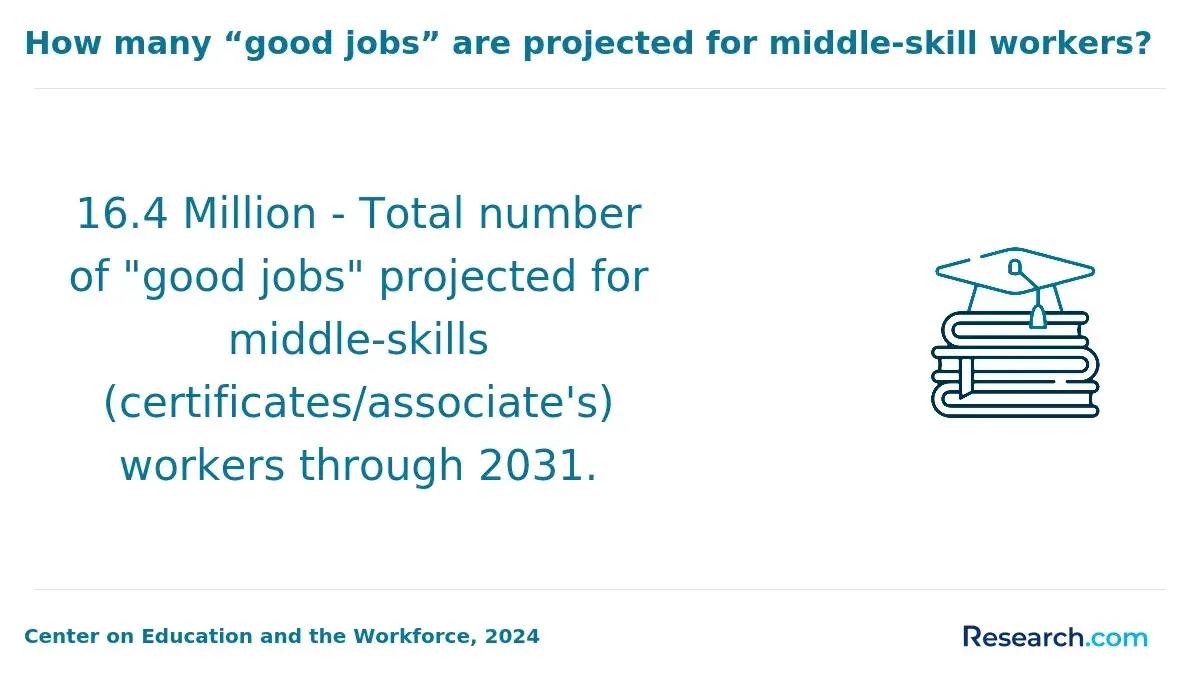
Employer demand affects urban planning degree value because the degree pays off faster when graduates can move into relevant roles soon after completion. BLS projects employment for urban and regional planners to grow 4% from 2023 to 2033, a moderate outlook that suggests opportunity but not automatic placement. Students should therefore choose programs that build practical skills and employer access, not just theoretical knowledge.
Current planning demand is shaped by housing affordability, infrastructure investment, climate resilience, transportation redesign, demographic change, and public engagement expectations. Technology is also changing the field: AI tools and automation can speed up mapping, drafting, data cleaning, and scenario modeling, but planners still need judgment, ethics, facilitation, policy analysis, and community trust.
The table below shows where demand tends to appear and what employers commonly look for. This can help you choose electives, internships, and portfolio projects that improve job fit.
| Hiring area | Typical employers | Skills that improve degree value |
| Local and regional government | City planning departments, counties, councils of government, redevelopment agencies | Zoning, public meetings, comprehensive planning, staff reports, permitting knowledge |
| Transportation | Transit agencies, metropolitan planning organizations, engineering and planning firms | Mobility data, GIS, corridor planning, federal grant awareness, multimodal planning |
| Housing and community development | Housing authorities, nonprofits, city housing offices, community development corporations | Affordable housing policy, demographic analysis, grant programs, equity-focused engagement |
| Environmental and resilience planning | Consulting firms, state agencies, regional resilience offices, sustainability departments | Climate adaptation, hazard mitigation, environmental review, land use policy |
| Private consulting and development | Planning consultancies, real estate developers, architecture and engineering firms | Client communication, market awareness, entitlement processes, visualization tools |
Because demand varies by region, students should examine job postings in the places where they actually want to work. A program with excellent placement in one metro may not carry the same network value in another.
How Can Students Maximize the Financial Value of an Urban Planning Degree?
Students can maximize the financial value of an urban planning degree by reducing cost, targeting a clear career outcome, and graduating with evidence of job-ready skills. The goal is to make the degree a bridge to specific work, not simply an academic credential.
Before enrolling, take the following steps to improve your odds of a stronger payback. These actions are especially important if you are borrowing or leaving full-time work to study.
- Define your target role before choosing a program, such as transportation planner, housing planner, environmental planner, GIS analyst, or community development specialist.
- Ask each school for recent internship sites, common employers, assistantship availability, and examples of student studio projects.
- Compare net price after aid rather than published tuition, and include relocation, commuting, lost income, and debt interest in the comparison.
- Prioritize programs that require applied planning work, such as studios, capstones, client projects, GIS labs, or public engagement assignments.
- Build a portfolio with maps, policy memos, zoning analysis, data visualizations, meeting summaries, and planning reports.
- Use internships strategically by choosing placements in the employer type or region where you want your first full-time planning job.
- Consider certificates or electives in GIS, transportation, housing, public finance, environmental review, or data analysis if they match your target job postings.
Students who are interested in the organizational side of workforce, economic development, or public administration should also compare planning programs with adjacent credentials, such as human resources online masters options, to see which path better fits their desired responsibilities and salary market.
One practical test is to ask: "Will this program help me produce work samples that an employer can evaluate?" If the answer is unclear, the program may still be academically interesting, but its career ROI may be harder to defend.
How Does an Urban Planning Degree Compare With Similar Fields for ROI?
An urban planning degree can offer strong value for students who want to shape land use, transportation, housing, sustainability, and community development. However, its ROI should be compared with similar fields because some alternatives may lead to different salary ceilings, licensure requirements, or job markets.
The table below compares planning with adjacent degree paths. It focuses on financial and career trade-offs rather than ranking one field as universally better.
| Field | Typical degree path | ROI advantage | When it may be a better fit than planning |
| Urban planning | Bachelor's or master's in urban, city, regional, or environmental planning | Direct preparation for planning roles with public impact and applied policy work | You want land use, housing, transportation, or community planning responsibilities |
| Public administration or public policy | MPA, MPP, or related graduate degree | Broader government and nonprofit management flexibility | You want budgeting, program management, policy analysis, or agency leadership more than land use work |
| Civil engineering | ABET-accredited engineering degree, often with licensure pathway | Can provide access to technical infrastructure roles and engineering licensure | You prefer design, calculations, infrastructure systems, and engineering responsibility |
| Geography or GIS | Bachelor's, master's, or certificate focused on spatial analysis | Potentially lower-cost technical route into mapping, analytics, and data roles | You want spatial data work more than public meetings, zoning, or policy implementation |
| Real estate development | Real estate, finance, business, or development-focused master's | Can align with private-sector development and investment roles | You want finance, project feasibility, acquisitions, or development management |
| Speech-language pathology | Accredited clinical master's degree with licensure requirements | Different professional pathway with healthcare and education settings | You want a regulated clinical career; compare costs and requirements through resources on SLP master's programs online |
Planning tends to make the most sense when you want interdisciplinary public-facing work and are comfortable balancing data, policy, design, law, politics, and community input. If you prefer a more technical, clinical, business, or administrative path, an adjacent degree may provide a clearer payoff.
Is an Urban Planning Degree Worth It for Your Career Goals?
An urban planning degree is worth it when it is the most efficient path to the planning work you want and the program's net cost is reasonable compared with likely early-career earnings. It is especially compelling for students who want to work on housing, transportation, sustainability, zoning, public engagement, climate adaptation, or regional development.
The degree may be a weaker investment if you are unsure about public-sector or community-facing work, if you choose a high-cost program without aid, or if your target roles do not require planning credentials. It may also be less efficient if a shorter GIS certificate, public administration degree, real estate credential, or employer-sponsored training would get you to the same goal.
Use the following decision checklist before you commit to a program. If you cannot answer most of these questions clearly, continue researching before enrolling.
- Do job postings in my target region prefer or require a planning master's degree?
- Is the program professionally aligned, accredited where relevant, and respected by employers I want to work for?
- What is my total net cost after scholarships, assistantships, employer support, and living expenses?
- Can I complete internships, studios, or capstone projects with real planning clients?
- Will I graduate with GIS, policy analysis, zoning, public engagement, and writing samples?
- Does the school have alumni or employer relationships in the region where I want to work?
- Would an alternative credential get me to the same role faster or at lower cost?
If your interests are shifting toward general management or business leadership rather than planning practice, you may also want to compare admission-friendly business pathways such as easy MBA programs to get into. The right choice is the credential that best matches your target role, not the one with the broadest name recognition.
For students committed to planning, the smartest financial strategy is straightforward: choose the lowest-net-cost credible program that offers strong applied training, employer access, and a clear path into your preferred planning specialty.
Other Things You Should Know About Urban Planning
Not always, but many professional planner roles prefer or require a master's degree in urban planning or a related field. A bachelor's degree may qualify you for assistant planner, planning technician, zoning, GIS, or community development support roles.
PAB accreditation can strengthen confidence that a planning program meets professional curriculum standards. It is not the only factor in ROI, but it is worth considering alongside net cost, internships, employer connections, and graduate outcomes.
They can be worth it for working adults if the program offers applied projects, faculty access, career support, and employer-recognized training. Verify whether the online format includes studio work, internships, or local field experience before enrolling.
The biggest mistake is choosing based on reputation or location alone without calculating total net cost and checking career outcomes. A program should match your target specialty, region, budget, and need for practical work samples.
Top Trending Urban Planning Rankings
References
- Student Loan Debt Statistics [2026]: Average + Total Debt https://educationdata.org/student-loan-debt-statistics
- Does College Pay Off? A Comprehensive Return On Investment Analysis - FREOPP https://freopp.org/whitepapers/does-college-pay-off-a-comprehensive-return-on-investment-analysis/
- How does a college degree improve graduates’ employment and earnings potential? - APLU https://www.aplu.org/our-work/4-policy-and-advocacy/publicuvalues/employment-earnings/
- How Long Until Your Degree Pays Off? A Timeline by Program https://blog.methodistcollege.edu/degree-pays-off-timeline
- Urban and Regional Planners: Salary, career path, job outlook, education and more - RaiseMe https://www.raise.me/careers/life-physical-and-social-science/urban-and-regional-planners/
- Average Student Loan Debt: Who Owes the Most? | SoFi https://www.sofi.com/learn/content/average-student-loan-debt-by-career/
- The University Courses With The Highest Return On Investment - Here Student Living https://herestudents.com/the-university-courses-with-the-highest-return-on-investment/


