Most Affordable Trade School & Training Programs - Leading Certification Courses in St. Cloud for 2026

Co-Founder and Chief Data Scientist
Choosing the right trade school in St. Cloud can feel overwhelming. To make this easier, we present a trade school programs ranking crafted by the Research.com team of data scientists. This ranking highlights the most affordable and valuable options for 2026.
Reading this article will help you discover programs that match your goals and budget. Earning a trade school diploma or certification opens doors to rewarding careers without long waits.
Take this step confidently and invest in your future success.
Key benefits of finishing trade school programs trade school in St. Cloud
- Trade school graduates in St. Cloud can earn competitive salaries, with averages around $65,767 annually and top earners making up to $97,941. Careers like mechanics, welders, and technicians often start near $49,500 and increase with experience.
- Popular career paths include HVAC, Culinary Arts, and skilled trades, with local programs preparing students for hands-on roles that offer strong job demand and growth opportunities.
- Online trade school programs provide flexible learning options, letting students balance work and study while gaining valuable skills comparable to on-campus graduates, ideal for busy adults.
- Most Affordable Trade School & Training Programs - Leading Certification Courses in St. Cloud for 2026
- What can I expect from trade school programs trade schools in St. Cloud?
- Where can I work after finishing trade school programs trade schools in St. Cloud?
What can I expect from trade school programs trade schools in St. Cloud?
The average cost of attending a trade school program in St. Cloud, such as those offered at St. Cloud Technical & Community College, is approximately $4,433 per year for tuition, with additional fees and supplies around $1,824 annually. Graduates often recall budgeting carefully for these expenses while appreciating the value of a focused, skills-based education. Many students find these costs reasonable, especially when considering that about one-third of attendees receive financial support through student loans averaging $5,837 per year.
Beyond tuition, students experience hands-on training aligned with industry standards, which boosts confidence and employability after graduation. For instance, programs at St. Cloud Technical & Community College prepare students for certifications in fields like welding and automotive technology, giving them a competitive edge. Others attending institutions like Avivo Institute benefit from tuition-free options and paid on-the-job training, which eases financial burdens and accelerates career entry.
Overall, students value the practical education, smaller class sizes, and direct instructor support, which create an encouraging environment for success in high-demand fields.
Where can I work after finishing trade school programs trade schools in St. Cloud?
Graduates of trade school programs in St. Cloud find themselves well-positioned to enter a thriving local job market with abundant opportunities. Skilled professionals frequently secure roles as HVAC sheet metal installers or maintenance technicians, applying hands-on skills learned directly in classrooms at respected institutions like the Avivo Institute of Career & Technical Education. These positions often involve installing and servicing ductwork, providing steady employment backed by ongoing industry demand.
Manufacturing companies in St. Cloud actively seek production welders and maintenance mechanics, with trade school certification serving as a valuable credential that many employers require. Automotive sectors also welcome graduates trained as mechanics or auto technicians, where opportunities include maintenance roles and automotive sales consulting, blending technical knowledge with customer interaction skills gained through trade programs.
Graduates focusing on sales or agriculture frequently advance into agricultural sales representative roles, where their specialized understanding of equipment and industry practices creates a competitive edge. Many successful alumni report the benefit of career counseling and job placement services offered by local schools, which help transition training into fulfilling, well-paid careers right in their community.
Graduates of trade school programs in St. Cloud often enjoy strong earning potential shortly after completion. On average, trade school alumni in the area make around $65,767 annually, which is approximately $31.62 per hour. This reflects both the high demand for skilled trades and the specialized training students receive at popular local trade schools.
Many graduates begin their careers earning about $50,000 per year in entry-level positions that require no prior experience, with salaries rising steadily through experience and skill development. For example, a recent HVAC graduate started just above this range and quickly moved into higher-paying roles, reaching nearly $80,700 within a few years.
Trades like mechanics, welding, and electrical work also show similar financial growth patterns. Some skilled graduates earn up to $99,000 annually in advanced roles, a testament to how trade schools in St. Cloud prepare students for real-world opportunities that balance rewarding work with competitive pay.
- Trade schools in St. Cloud offer certificates and associate degrees in fields like healthcare, construction, and IT, with program lengths from three weeks to two years.
- Most schools have open admissions requiring only a high school diploma or GED, and some programs are available at low or no cost for eligible students.
- The average net price for a two-year technical college in Minnesota ranges from $8,700 to $14,000, with financial aid and scholarships often available.
- About 87% of trade school graduates in Minnesota are employed after completing their programs.
- Entry-level salaries for trades such as electricians and medical assistants typically range from $38,000 to $52,000 annually.
The time needed to complete a trade school program in St. Cloud varies depending on the credential and program type. Certificate programs, such as those offered by Avivo Institute of Career & Technical Education, can be finished in as little as three weeks for certain trades, providing an efficient path for those eager to quickly enter the workforce. Other certificate options typically take around eight months to complete, perfectly balancing speed and skill development.
Diploma programs at schools like Saint Cloud Technical and Community College usually require about one year of full-time study. Graduates often appreciate the deeper knowledge and hands-on experience these programs offer, enabling smoother transitions into technical careers.
Associate of Applied Science (AAS) degrees take approximately two years, combining technical training with general education. Many students find this broader curriculum rewarding, as it opens doors to varied opportunities.
Factors such as part-time enrollment and internships can affect program duration, but most pursue these paths with confidence, knowing St. Cloud's trade schools provide flexible, career-focused education.
The primary difference between online and on-campus trade school programs in St. Cloud lies in the mode of learning and flexibility. Graduates from St. Cloud Technical and Community College (SCTCC) describe online programs as a perfect fit for juggling work and family, allowing them to study at any time from home while still accessing resources like 24/7 tutoring and career advising. This flexibility helps many students progress without sacrificing their other responsibilities.
In contrast, on-campus students often highlight the value of hands-on experiences-working in labs, attending workshops, and participating in campus activities that build practical skills and professional networks. These in-person moments create a dynamic learning environment, offering immediate feedback and peer collaboration that many find motivating and inspiring.
Both formats cater to different learning preferences: while online programs provide convenience and accessibility, the on-campus route offers immersive, skill-focused training. Many St. Cloud trade school graduates appreciate how these options align with their personal and career goals.
The average trade school tuition in St. Cloud typically hovers around $6,095 per year at St. Cloud Technical & Community College, one of the area's leading institutions. However, this figure only reflects the sticker price before financial aid or scholarships. Graduates from this college often highlight how grants can impact their net price, which averages $10,730 annually when factoring in additional expenses like books and supplies. This net price varies considerably, with families earning less than $30,000 paying closer to $9,034, making trade school education surprisingly accessible through aid.
The St. Cloud trade school total program cost for certificate or associate degree pathways can range substantially when considering tuition, fees, materials, and living expenses. For many, the final costs land between $14,500 and $23,000 for an entire program. Those who have completed programs frequently mention the importance of utilizing net price calculators available at colleges to get personalized estimates, helping them budget realistically and avoid surprises.
Many students pursuing trade education in the region take advantage of financial assistance through the Minnesota State Grant Program, boosting affordability. For those exploring options beyond St. Cloud, researching affordable online certificate programs in home repair offers a convenient alternative to in-person training. Overall, understanding these costs helps prospective trade students prepare wisely for a rewarding, hands-on career path.

Trade school students in St. Cloud can access a variety of financial aid options that make pursuing their education more manageable. Many rely heavily on federal and state grants, which do not require repayment. For instance, at St. Cloud Technical & Community College, first-time full-time undergraduates receive an average of $5,573 annually in grant aid. Graduates from families earning under $30,000 have shared how grants averaging $6,319 relieved their financial stress, letting them focus on hands-on training.
The North Star Promise Scholarship is a game-changer for Minnesota residents, covering full tuition for eligible students attending public trade schools. Graduates describe the relief of being freed from tuition worries, allowing them to gain skills without financial distractions.
Institutional scholarships further ease costs, awarded based on merit or need. Many students actively apply to their trade schools and appreciate how these scholarships lower their debt burden.
Federal student loans also support nearly half of students at St. Cloud State University, with average borrowing around $8,170, often offering flexible repayment terms. Work-study programs provide students with part-time jobs that not only help cover expenses but also build valuable experience, something graduates have found essential for their careers.
Enrolling in a trade school program in St. Cloud typically requires a few straightforward steps that make technical education welcoming and accessible. Most students start by providing a high school diploma or GED, which is a universal prerequisite across Minnesota. For instance, graduates from Saint Cloud Technical and Community College (SCTCC) often recall the ease of submitting their transcripts without worrying about application fees, boosting their confidence to begin their training.
Applicants usually need to:
- Submit high school transcripts or GED proof during the application process.
- Complete orientation modules or watch informational videos before enrollment.
- Sometimes take placement tests in math or English unless exempted by ACT or SAT scores.
For specialized programs, such as apprenticeships in construction or electrical work, additional steps like age verification (typically 18+) and health screenings may be required. Many students appreciate the support available for applying to financial aid or scholarships, which helps reduce barriers and makes pursuing their career goals in St. Cloud feel achievable and encouraging.
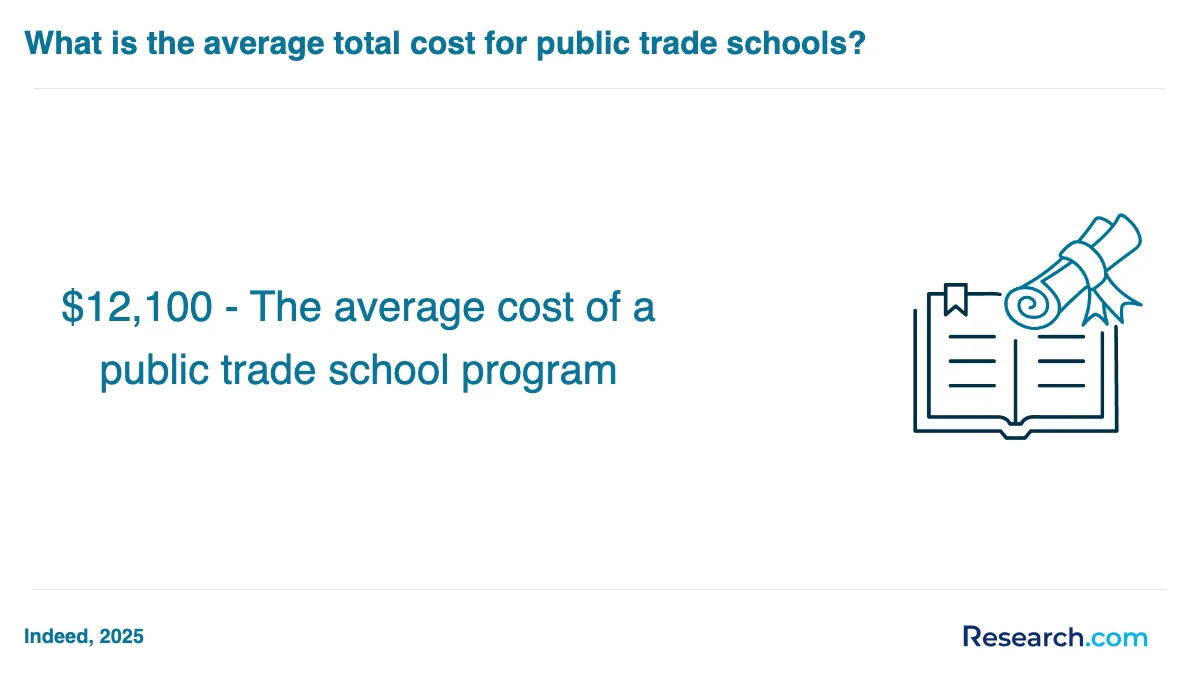
Trade school programs in St. Cloud focus on practical, career-ready skills that many graduates find immediately rewarding. For example, students at St. Cloud Technical & Community College often appreciate the hands-on approach in skilled trades such as Automotive Technician, Diesel Technology, Welding, and CDL Training. Many complete these intensive courses in under a year, quickly gaining confidence to enter the workforce.
Business and IT programs like Business Analytics, Salesforce Administration, and CompTIA A+ Certification Prep attract those eager to thrive in office or tech support roles. Graduates frequently share how these courses improved their professional outlook with clear, applicable skills.
Healthcare-oriented courses, including Veterinary Assistant, TEAS Prep for nursing, and Spanish for Medical Professionals, also empower students with specialized knowledge for clinical and animal care jobs.
- Residential Electrician training and Real Estate Licensing address local job demands and licensure requirements.
- Soft skills courses, such as Written Communication and Social Skills at Work, enhance workplace success.
Many students appreciate how flexible course lengths-from weeks to months-and job placement support enable smooth career transitions in St. Cloud's dynamic job market.
Trade school programs in St. Cloud offer a diverse range of specializations that align with local workforce needs, ensuring graduates feel confident stepping into their careers. Popular programs at St. Cloud Technical & Community College include skilled trades like welding, construction, plumbing, electrical technology, and HVAC. Graduates often share how hands-on training helped them master real-world tasks, boosting their readiness for high-demand jobs.
Health sciences are another key area, with nursing, dental assisting, and medical laboratory technology programs blending classroom learning with clinical practice. This approach consistently produces job-ready professionals eager to contribute to healthcare locally.
Business and technology fields are well represented, featuring accounting, finance, marketing, cybersecurity, computer programming, and robotics. Many students appreciate how these programs address the growing need for tech skills. For those seeking fast entry into the workforce, short-term certificate options, such as affordable solar technician certification online, provide targeted paths with immediate impact.
Additional specializations include automotive technology, culinary arts, early childhood education, and graphic design, allowing students to find a niche that suits their passions and career goals.
Choosing the best trade school programs in St. Cloud starts with verifying accreditation to ensure your qualifications are respected by employers and other institutions. Graduates from well-known local colleges like St. Cloud Technical & Community College often share how accreditation gave them confidence entering the workforce. Next, focus on program offerings that match your career goals-whether welding, robotics, or cybersecurity. Many students appreciate hands-on training and internships, which provide real-world experience critical for success.
When figuring out how to compare St. Cloud trade schools, assess not just tuition costs but also financial aid options and support services like job placement. Graduates frequently recall how access to networking opportunities and career counseling made their transition smoother. Reviewing job placement rates and alumni experiences can reveal which programs have strong employer connections.
For prospective students, exploring resources on top construction trade schools offers valuable insights into reputable programs and trends beyond St. Cloud. This can help refine your decision based on broader industry standards.
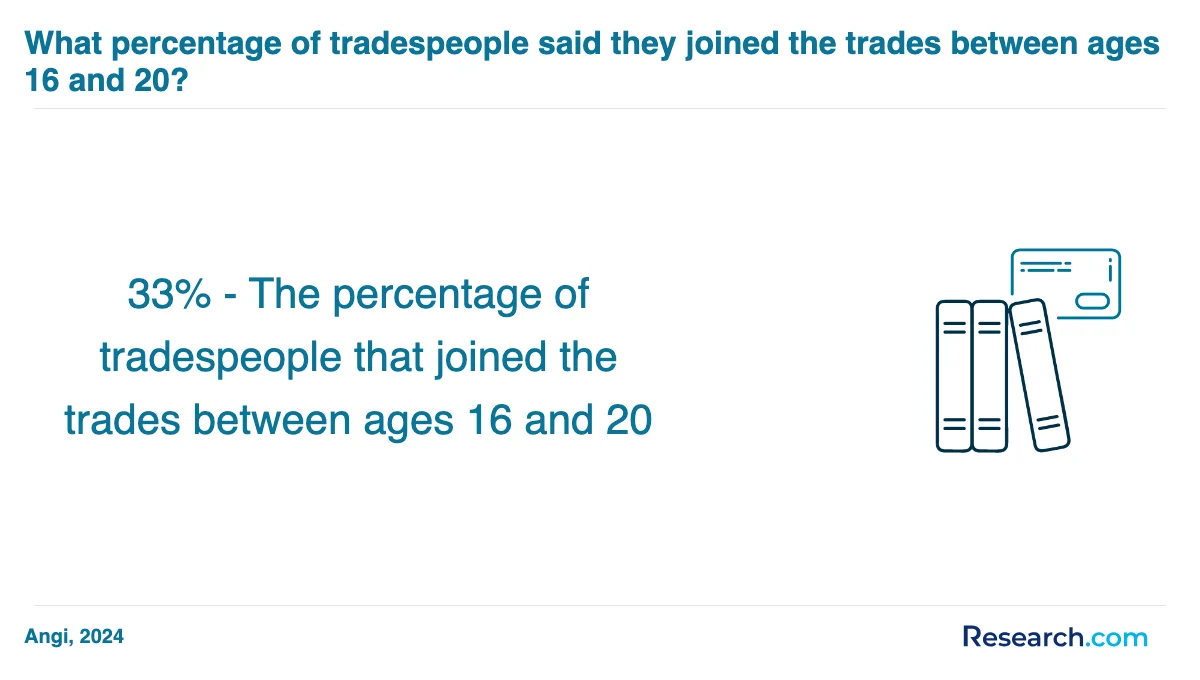
Trade school graduates in St. Cloud have access to a wide array of career opportunities that meet the needs of local employers. Many graduates from St. Cloud Technical & Community College enter the in-demand skilled trades in St. Cloud MN, such as healthcare roles including licensed practical nurses (LPNs), medical assistants, and dental hygienists. These careers offer strong job security and rewarding work environments.
Manufacturing also offers promising pathways, with programs training students in welding, machining, and automation technology. Graduates often become production technicians, machinists, or maintenance specialists, securing vital roles in the region's manufacturing sector.
Construction trades are equally popular, where graduates gain practical skills in carpentry, electrical work, HVAC, and plumbing through hands-on training. Additionally, trade schools prepare students for careers in business administration, IT support, and education assistance-the latter expanding into fields like cybersecurity and robotics to match evolving industry demands.
Graduates often share how local programs combine theory and real-world experience, making the transition into fulfilling careers easier. For those interested in specialized areas, options like a trade school for automotive techs are also available, reflecting the diverse career opportunities for trade school graduates in St. Cloud.
The job market in St. Cloud offers promising opportunities for trade school graduates, driven by solid regional demand and specialized career pathways. Graduates from popular local institutions like St. Cloud Technical & Community College often find attractive employment in fields such as transportation technology, manufacturing, and healthcare, where reported job openings exceed 550 in the next five years. These positions feature competitive salaries ranging from $74,360 to $99,085, motivating graduates to pursue careers aligned with these needs.
One key advantage for many is the strong connection between schools and employers. Annual job fairs hosted at St. Cloud Technical & Community College provide direct access to recruiters actively seeking skilled workers. Benefits graduates have shared include:
- Faster employment placement compared to peers with four-year degrees
- Support from Career and Technical Education (CTE) programs recognized for preparing job-ready candidates
- Access to local job platforms like Handshake for ongoing opportunities
For students investigating the St. Cloud trade school job opportunities, leveraging these networks enhances their chances of success. Additionally, programs like the cheapest baking and pastry arts program online help diversify options for those seeking vocational careers beyond traditional trades.
Reports from agencies such as the Minnesota Department of Employment and Economic Development highlight optimistic employment rates for trade school graduates in St. Cloud, reinforcing that a career in skilled trades remains a valuable and viable path in this region.
Most Affordable Trade School & Training Programs - Leading Certification Courses in St. Cloud for 2026
# 1 position
Rasmussen University-Minnesota - Criminal Justice/Police Science.
associateThe Criminal Justice/Police Science program at Rasmussen University-Minnesota offers a hybrid format with some distance-education options. It prepares students for various law enforcement roles, including patrol, investigations, traffic and crowd control, evidence management, and report preparation. The program’s annual in-state tuition is $10,899. Graduates have median earnings of $47,447 one year after completion. It is accredited by the Higher Learning Commission.
# 2 position
Rasmussen University-Minnesota - Marketing/Marketing Management, General.
associateThe Marketing/Marketing Management, General program at Rasmussen University-Minnesota offers a hybrid format, combining in-person and distance education. The annual in-state tuition is $10,899. Graduates typically earn a median salary of $44,293 one year after completing the program. The curriculum covers buyer behavior, marketing research, demand analysis, pricing theory, sales operations, advertising methods, and strategic marketing planning. The program is accredited by the Higher Learning Commission.
# 3 position
Rasmussen University-Minnesota - Accounting Technology/Technician and Bookkeeping.
associateRasmussen University-Minnesota offers a hybrid Accounting Technology/Technician and Bookkeeping program that prepares students to support accountants and financial management professionals. The curriculum covers posting transactions, record-keeping systems, accounting software, and general accounting principles. Annual in-state tuition is $10,899. Graduates have a median earning of $43,765 one year after completion. The program is accredited by the Higher Learning Commission.
# 4 position
Rasmussen University-Minnesota - Business Administration and Management, General.
associateRasmussen University-Minnesota offers a Hybrid Business Administration and Management, General program designed to prepare students to plan, organize, direct, and control organizational functions. The curriculum covers management theory, human resources, accounting, purchasing, logistics, marketing, and business decision-making. The annual in-state tuition is $10,899. Graduates typically earn a median salary of $43,736 one year after completing the program. The program is accredited by the Higher Learning Commission.
# 5 position
Rasmussen University-Minnesota - Computer and Information Systems Security/Auditing/Information Assurance.
associateThe Computer and Information Systems Security/Auditing/Information Assurance program at Rasmussen University-Minnesota offers a hybrid format with some distance-education options. It prepares students to assess and manage security needs for computer and network systems, covering topics like cryptography, risk assessment, and security auditing. The annual in-state tuition is $10,899, and the program is accredited by the Higher Learning Commission. Median earnings one year after completion are $42,043.
# 6 position
Rasmussen University-Minnesota - Medical Office Management/Administration.
associateThe Medical Office Management/Administration program at Rasmussen University-Minnesota prepares students to manage business functions in medical or clinical offices. The hybrid program includes instruction in office operations, financial record-keeping, personnel supervision, healthcare policy administration, scheduling, and applicable laws. Annual in-state tuition is $10,899. Graduates earn a median salary of $39,372 one year after completion. The program is accredited by the Higher Learning Commission.
# 7 position
Rasmussen University-Minnesota - Medical Insurance Coding Specialist/Coder.
associateRasmussen University-Minnesota offers a Medical Insurance Coding Specialist/Coder program with a hybrid format, including some distance-education options. The program prepares students for specialized data entry, classification, and record-keeping related to medical diagnostics, billing, and insurance documentation. Tuition for in-state students is $10,899 annually. Graduates earn a median salary of $39,372 one year after completing the program. The program is accredited by the Higher Learning Commission.
# 8 position
Rasmussen University-Minnesota - Medical Administrative/Executive Assistant and Medical Secretary.
associateThe Medical Administrative/Executive Assistant and Medical Secretary program at Rasmussen University-Minnesota is a hybrid program designed to prepare students for roles supporting healthcare professionals. It covers business and medical communications, medical terminology, healthcare operations, and professional ethics. The program is accredited by the Higher Learning Commission. Annual in-state tuition is $10,899, and median earnings one year after completion are $39,372.
# 9 position
Rasmussen University-Minnesota - Physical Therapy Assistant.
associateThe Physical Therapy Assistant program at Rasmussen University-Minnesota offers a hybrid format with some distance-education options. It trains students to assist physical therapists in implementing treatment plans, training patients, and conducting interventions. The curriculum covers anatomy, physiology, biomechanics, neuroscience, and professional ethics. Annual in-state tuition is $10,899. Graduates have median earnings of $35,350 one year after completion. The program is accredited by the Higher Learning Commission.
# 10 position
Rasmussen University-Minnesota - Legal Assistant/Paralegal.
associateThe Legal Assistant/Paralegal program at Rasmussen University-Minnesota is a hybrid program offering both in-person and distance-education options. It prepares students to perform research, drafting, investigatory, and administrative tasks under attorney supervision. The curriculum includes legal research, document drafting, pleadings, courthouse procedures, and legal specializations. The program is accredited by the Higher Learning Commission. Annual in-state tuition is $10,899, and median earnings one year after completion are $34,421.
Frequently Asked Questions about trade school programs
After completing trade school in St. Cloud, preparing for the job market involves several key steps to increase employability. First, graduates should ensure their resumes highlight practical skills and certifications earned during training. Employers in Minnesota value demonstrable proficiency in areas like welding, HVAC, or electrical work.
Networking is also crucial; connecting with local employers through job fairs or trade associations such as the Minnesota Chamber of Commerce can open doors. According to the Minnesota Department of Employment and Economic Development, about 85% of trade school graduates find relevant jobs within six months.
Additionally, pursuing apprenticeships or internships in St. Cloud can provide hands-on experience and improve chances of full-time employment.
Employers in St. Cloud prioritize both technical and soft skills when hiring trade school graduates. According to the Minnesota Department of Employment and Economic Development, skills like proficiency in electrical systems, welding, and HVAC technology are in high demand. These technical abilities ensure graduates can perform job-specific tasks efficiently.
Alongside technical knowledge, strong communication and teamwork skills rank highly. A 2023 survey by the local Chamber of Commerce found that 68% of employers valued problem-solving and adaptability in candidates. Time management and workplace safety awareness are also critical, reflecting the practical nature of trade jobs.
Finding internships in St. Cloud related to your trade school program involves several practical steps. Start by contacting the career services office of your trade school, as many maintain connections with local employers keen to hire interns. The St. Cloud Area Chamber of Commerce also provides valuable resources and networking events where you can meet businesses in construction, automotive technology, healthcare, and other trades.
Additionally, online job boards such as Minnesota's Job Center and Handshake frequently list internship opportunities tailored to skilled trades. According to the Minnesota Department of Employment and Economic Development, trade-related internships in St. Cloud have grown by 8% over the past three years, reflecting increased employer demand for work-ready students.
Engaging directly with local businesses like manufacturing firms or health clinics can uncover unadvertised internships. Volunteering at community projects may also build relevant experience and connections for paid opportunities in your field.
In St. Cloud, earning a trade school diploma can significantly enhance career mobility and opportunities for advancement. According to data from the Minnesota Department of Employment and Economic Development, many skilled trades sectors in St. Cloud, such as manufacturing, healthcare, and construction, report steady job growth rates between 5% and 8% annually. These fields often require specialized certifications accessible through trade schools, which prepare graduates with hands-on experience employers value.
A trade diploma helps workers transition quickly into the workforce, often with starting salaries higher than those for a high school diploma alone. Additionally, graduates tend to have better prospects for promotions within five years, as they gain practical skills critical to operational roles.
Furthermore, local employers in St. Cloud frequently partner with trade schools to tailor curricula, increasing graduates' alignment with labor market needs. This connection boosts employability and career ladder movement, making trade education a strategic choice for those seeking upward mobility in the region's economy.
Part-time jobs in St. Cloud that complement trade school education often align with in-demand local industries such as healthcare, construction, and manufacturing. Many trade students find opportunities as apprentices, lab assistants, or retail positions for tools and equipment. For example, healthcare programs benefit from part-time roles like medical assistants or pharmacy clerks, providing practical experience alongside studies.
According to the Minnesota Department of Employment and Economic Development, St. Cloud's retail trade and healthcare sectors had significant part-time openings in 2023, with wages ranging from $12 to $18 per hour. These roles offer both income and relevant skill development for trade students.
In addition, local unions and technical companies often seek part-time apprentices, which can lead to valuable certifications and full-time employment post-graduation. Utilizing such opportunities strategically supports both financial stability and career advancement.
To find the most affordable degree program near you in St. Cloud, MN, start by researching local universities and community colleges as they often provide competitive tuition rates. Consider exploring St. Cloud State University, which offers a variety of programs that may suit your academic and financial needs. Additionally, using resources like Research.com can help you compare costs and programs both near St. Cloud, MN, and near me, ensuring you identify the best value for your education goals.
- Most Affordable Trade School & Training Programs - Leading Certification Courses in Overland Park for 2026
- Most Affordable Trade School & Training Programs - Leading Certification Courses in Topeka for 2026
- Most Affordable Trade School & Training Programs - Leading Certification Courses in Olathe for 2026
- Most Affordable Trade School & Training Programs - Leading Certification Courses in Dearborn for 2026
- Most Affordable Trade School & Training Programs - Leading Certification Courses in Tulsa for 2026
- Most Affordable Trade School & Training Programs - Leading Certification Courses in Billings for 2026
- Welcome to St. Cloud Technical & Community College | St. Cloud Technical & Community College https://sctcc.edu/
- Avivo Institute of Career & Technical Education - Free Career Training https://avivomn.org/avivo-institute-of-career-technical-education/
- Osceola Technical College - Home https://www.osceolaschools.net/otech
- 10 Best Trade Schools in St. Cloud, MN (2025 Updated) https://www.onlytradeschools.com/minnesota/st-cloud/