Most Affordable Trade School & Training Programs - Leading Certification Courses in Pittsburgh for 2026

Co-Founder and Chief Data Scientist
Finding the right trade school in Pittsburgh can be a game changer for your future. Choosing an affordable program that fits your goals is essential, and this article is here to guide you through that process.
We present a trade school programs ranking created by the Research.com team of data scientists. It’s designed to help you make an informed choice about which schools and programs are worth considering for 2026.
Whether you want a certification or a diploma, investing in trade education opens doors to new opportunities and a rewarding career path.
Key benefits of finishing trade school programs trade school in Pittsburgh
- Expected salary: Trade school graduates in Pittsburgh often start with salaries between $35,000 and $55,000, depending on the career path, such as electricians, HVAC technicians, or medical roles like dental hygienists and LPNs.
- Popular career paths: Graduates commonly find work as skilled tradespeople (electricians, plumbers), healthcare professionals (radiologic technologists, nurses), or technology experts (network technicians, industrial maintenance technologists), all in high demand locally.
- Benefits of online programs: Online trade school diplomas offer flexibility for busy students, allowing graduates to balance work and study while gaining certifications that open doors to well-paying jobs just like traditional on-campus education.
- Most Affordable Trade School & Training Programs - Leading Certification Courses in Pittsburgh for 2026
- What can I expect from trade school programs trade schools in Pittsburgh?
- Where can I work after finishing trade school programs trade schools in Pittsburgh?
What can I expect from trade school programs trade schools in Pittsburgh?
The average cost of a trade school program in Pittsburgh can often be surprisingly affordable, especially for Pennsylvania residents. Graduates from Bidwell Training Center share how their programs in culinary arts and horticulture felt accessible, as tuition, textbooks, and uniforms were fully covered, allowing them to focus entirely on developing skills. This hands-on, no-extra-cost approach removes financial stress and makes it easier to jump straight into a new career.
Other students attending institutions like the Community College of Allegheny County find value in apprenticeship programs that blend classroom study with paid, on-the-job training. This means they earn while learning, reducing the overall cost of education and providing real income before even completing their program.
Many students emphasize how Pittsburgh trade schools, through partnerships with local employers, help them transition smoothly into employment. These practical pathways and financial supports make trade schools an uplifting choice for those ready to build rewarding careers without massive debt.
Where can I work after finishing trade school programs trade schools in Pittsburgh?
After finishing a trade school program in Pittsburgh, graduates find themselves stepping confidently into a wide array of rewarding careers. Many secure jobs right away with regional construction firms, manufacturing businesses, or transportation companies thanks to training in HVAC, welding, or commercial truck driving. Imagine starting your day working alongside skilled crews building Pittsburgh's neighborhoods and skyline-graduates from local trade schools often share how this hands-on work fills them with pride and purpose.
Others launch their careers in growing sectors like healthcare or banking. Graduates trained as medical or dental assistants find meaningful roles at bustling hospitals and clinics, while those completing customer service programs connect with major Pittsburgh banks through initiatives like BankWork$®, gaining stable jobs with room for growth.
Building trades apprenticeships open doors at union contractors and large construction companies, where electricians, plumbers, and carpenters build the city's future. Many graduates express how their trade school experience, combined with job placement support, helped them overcome challenges and land positions with competitive wages and benefits, fueling both independence and ambition.
After finishing a trade school program in Pittsburgh, graduates often find themselves stepping confidently into well-paying careers. On average, trade school alumni in Pittsburgh earn about $62,746 per year, or roughly $30.17 per hour, making this an exciting and viable path for many. For instance, those pursuing construction trades-like electricians or HVAC technicians-commonly report starting salaries around $38,454. Many students from popular Pittsburgh trade schools share stories of going from classroom training directly into jobs where they quickly see their hard work pay off.
The journey doesn't stop there. With each year of experience, graduates often enjoy salary growth, overtime opportunities, and union benefits that increase their earnings further. Some go on to specialized roles, such as International Trade Specialists, earning upwards of $99,608 annually after several years. This demonstrates how starting at a respected Pittsburgh trade school can lead to a rewarding career that grows with you, empowering your future every step of the way.
- Trade school programs in Pittsburgh commonly offer training in HVAC, welding, and truck driving with hands-on learning.
- Admission usually requires a high school diploma or GED and sometimes a minimum GPA of 2.5 for scholarships.
- Tuition costs for these programs typically range from $5,000 to $15,000, with scholarships and federal aid available.
- The Economic Opportunity Scholarship offers up to $5,000 per year for local residents aged 18-25, renewable for two years.
- Entry-level salaries for graduates range from $35,000 to $50,000, with potential earnings above $60,000 with experience.
- Credits from trade schools may transfer to local community colleges for further education opportunities.
Completing a trade school program in Pittsburgh can be remarkably swift, opening doors to new careers in just weeks or months. Graduates from Rosedale Technical College often celebrate finishing their Truck Driving program in only 10 weeks, quickly stepping into jobs that power the city's vital logistics. Similarly, those attending the Trade Institute of Pittsburgh find themselves mastering masonry or carpentry within the same short timeframe, ready to bring new skills to Pittsburgh's growing construction scene.
For those seeking deeper technical expertise, programs at Rosedale, like the Welding Technician course, offer a rich experience varying from 8 to 13 months, fitting well with both daytime and evening students balancing life commitments. Ambitious learners embrace longer apprenticeships at the Community College of Allegheny County, dedicating three to four years to perfecting trades like plumbing and ironworking-ready to earn journeyman status and respected credentials recognized citywide.
Across Pittsburgh's trade schools, options from quick 3-month certificates to intense 16-month programs, such as the Master Gunsmithing at Pennsylvania Gunsmith School, provide a tailored path for every dream. These programs transform eager individuals into confident professionals who contribute vibrantly to Pittsburgh's skilled workforce.
The difference between online and on-campus trade school programs in Pittsburgh truly comes down to how you want to learn and live your daily life while pursuing your goals. Many graduates from the Community College of Allegheny County appreciate the freedom of online programs that let them study after work or while caring for family. Imagine logging on from home to access classes or connect with advisors through Zoom-this flexibility creates an inspiring balance between education and everyday responsibilities.
On the other hand, students at Rosedale Technical College often highlight the powerful experience of hands-on training. They thrive practicing welding techniques or mastering automotive repairs with real tools and instructors within a buzzing lab environment. The energy of working side-by-side with peers and instructors adds confidence and immediate skill growth that's hard to match virtually.
Both paths demand dedication and offer vibrant support, whether it's online coaching or on-campus camaraderie. Choosing the right one for you means envisioning how you want to engage with your education in Pittsburgh's growing trade landscape.
The average trade school tuition in Pittsburgh typically varies between $7,000 and $30,000, offering flexible options for students pursuing hands-on careers. Many graduates from local institutions describe feeling empowered by choosing affordable programs that fit their budget while preparing them for rewarding futures. Public trade schools in Pennsylvania often provide the most accessible pricing, with full program tuition generally ranging from $7,000 to $15,000. This makes pursuing a skilled profession more attainable for individuals balancing life's demands in a vibrant city like Pittsburgh.
Trade schools such as the Pittsburgh Institute of Aeronautics set an example for specialized training, with programs like Aviation Maintenance Technology costing around $42,140 for the entire course. Graduates from such programs often emphasize how this investment opens doors to careers that blend passion with strong earning potential. While this is on the higher end, many students find programs in the $7,000-$20,000 range, perfectly matching different goals and timelines.
When considering the Pittsburgh trade school program total cost, it's important to factor in additional fees for books, supplies, and registration. These costs, while adding up, are often balanced by financial aid and scholarships available for most accredited schools. Students motivated by career growth frequently explore opportunities connected to best paying trade school jobs, reinforcing how investing in training can lead to meaningful success and personal satisfaction.

Trade school students in Pittsburgh have access to a variety of financial aid options that make pursuing their dreams both affordable and achievable. Graduates from popular institutions like Rosedale Technical College often share how federal aid, including Federal Pell Grants and Federal Direct Loans, helped them manage costs while focusing on hands-on training. By completing the FAFSA, many have unlocked additional state support through the PA State Grant, easing financial pressure right here in Pennsylvania.
Local scholarships paint an even brighter picture. For example, young adults living in Allegheny County have benefited from the Economic Opportunity Scholarship in Trade and Apprenticeship, which provides up to $5,000 per year. Pittsburgh Promise Scholarship recipients often celebrate receiving up to $20,000 toward their trade education, making careers in skilled trades not just a goal, but a reality.
Community College of Allegheny County graduates frequently mention the support they received from its High School to Career Scholarship, which offers up to $10,000 over five semesters. Many also find encouragement from specialized programs assisting veterans or those shifting careers, illustrating the city's commitment to every student's success.
Enrolling in a trade school program in Pittsburgh is an exciting step toward building a rewarding career, and the good news is the prerequisites are clear and achievable. Most students ready to start their journey hold a high school diploma, GED, or an equivalent credential, a requirement embraced by popular local schools like YTI Career Institute and Penn Commercial Business/Technical School. Graduates often share how meeting this prerequisite was a simple milestone on their path to success.
Additional requirements might include:
- Submitting official transcripts from your previous education
- Completing a straightforward application form
- Paying a small application fee in some cases
For specialized programs like commercial truck driving, you'll need to be at least 18 and have a valid driver's license, ensuring you're ready for hands-on training. Many students recall overcoming these steps with enthusiasm, empowering them to start their careers quickly.
International students may need to prove English proficiency through TOEFL or IELTS scores, keeping doors open for everyone eager to learn in Pittsburgh's welcoming trade schools.
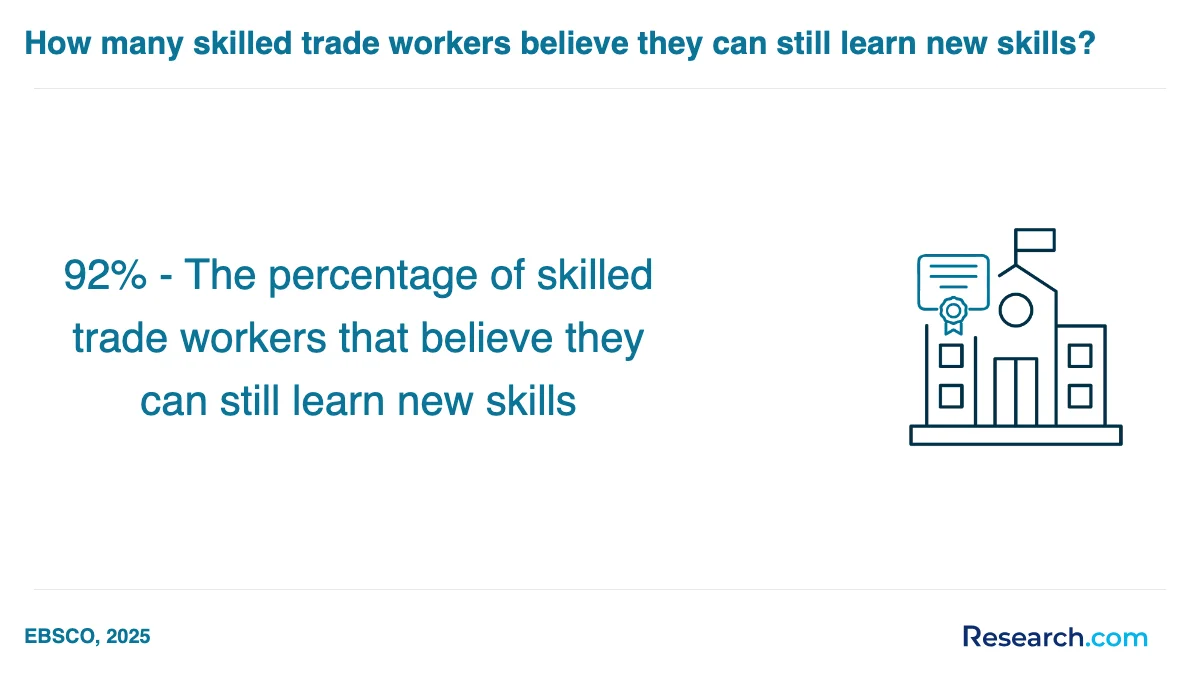
Trade school programs in Pittsburgh open doors to vibrant, hands-on careers by offering a variety of practical, skill-focused courses. Graduates often reflect on how programs at schools like All-State Career School gave them the confidence to master trades such as Welding Technology, HVAC-R, and Commercial Truck Driver Training, blending real-world practice with classroom learning.
The Community College of Allegheny County partners with local apprenticeship committees to deliver training in essential skilled trades including:
- Carpentry
- Ironworking
- Plumbing
- Sheet metal work
Students thrive in these extended programs by gaining on-the-job experience that fuels both personal growth and career readiness. For those passionate about construction labor, shorter courses like the nine-week training at the Community Empowerment Association provide a strong foundation in building math, safety, and environmental literacy.
Other popular courses at places like Bidwell Training Center cater to healthcare and creative fields with options such as Medical Assisting, Culinary Arts, and Graphic Design. Pittsburgh's trade schools inspire students to jump into roles that fuel local industries with fresh talent-and the supportive learning environments make achieving these goals an exciting reality.
Pittsburgh's trade schools offer a vibrant range of specializations that open doors to thriving careers. Graduates from the Community College of Allegheny County proudly share how apprenticeships in carpentry, electrical construction technology, heavy equipment operation, ironworking, plumbing, and sheet metal work prepared them for immediate, well-paid jobs in commercial construction. These experiences combine hands-on training with state-recognized certifications that truly boost confidence and employability.
At Triangle Tech and Rosedale Technical College, students gain skills in refrigeration, HVAC technology, welding, fabrication, and automotive technology. Many grads highlight how these programs connect them directly with industry professionals, fueling career momentum. The region's high demand for these trades makes opportunities plentiful and exciting.
Bidwell Training Center cultivates talent in healthcare-oriented roles with programs in medical assistance, medical coding, electronic records, culinary arts, horticulture, and chemical laboratory technology. Another inspiring path is offered by the Vet Tech Institute, where students earn an associate degree in just 18 months.
For creative spirits, beauty academies in Pittsburgh specialize in cosmetology, nail technology, skin care, airbrush makeup, and eyelash extensions, transforming passions into fulfilling careers. Those wanting flexibility can explore affordable online maintenance technician trade school programs through trusted sources like affordable online maintenance technician trade school programs, expanding options even further.
- Construction and skilled trades certifications
- Technical and industrial degrees
- Healthcare and veterinary technician specialties
- Creative personal service careers
Choosing the best Pittsburgh trade school programs means focusing on what truly matters for your future. Graduates from Community College of Allegheny County often share how accreditation gave them confidence that their credentials were respected by local employers. Their success stories emphasize how picking a school with the right program offerings-like HVAC technology or culinary arts-helps turn passion into a rewarding career. Pittsburgh's variety allows students to find a path that aligns perfectly with their goals.
Understanding how to choose a trade school in Pittsburgh also involves considering student outcomes. Alumni from Community College of Beaver County highlight strong job placement rates and industry connections that make stepping into the workforce smoother. Flexibility in scheduling and hands-on training are frequently praised as key factors that helped students balance life while learning practical skills.
Budget-conscious students can explore low cost online certificate programs in home repair or check out Pittsburgh schools with competitive tuition and generous financial aid. These options ensure you invest wisely in your future with support tailored to your needs.

Trade school graduates in Pittsburgh find an exciting array of career opportunities waiting for them, perfectly suited to the city's dynamic economy. From hands-on skilled trades to healthcare and creative fields, these programs equip students with the expertise needed to thrive. Graduates from All-State Career School frequently step into roles as welding technicians, HVAC specialists, or professional truck drivers, benefiting from Pittsburgh's thriving industrial sector and robust Pittsburgh skilled trade job market.
Health-focused programs at Bidwell Training Center and the Pennsylvania Institute of Health and Technology open doors to in-demand positions like medical assistants and practical nurses, providing graduates with purposeful work in local healthcare facilities. Others discover their passion in cosmetology or culinary arts, turning skills learned into rewarding careers or their own successful businesses.
- Welding, HVAC-R, and commercial driving for skilled trades
- Medical assisting, coding, and practical nursing in healthcare
- Automotive technology, aviation training, and industrial maintenance at CCAC
- Cosmetology, nail technology, culinary arts, and specialized gunsmithing
These pathways reflect promising growth, giving graduates the confidence to build stable, well-paid careers. For a deeper look at career opportunities for trade school graduates in Pittsburgh, explore valuable insights into trade school jobs salary and market trends that empower your next steps.
The job market for trade school graduates in Pittsburgh is thriving, with employers eagerly hiring skilled workers in construction, electrical, HVAC, and welding trades. Graduates from popular trade schools in Pittsburgh often share stories of quickly securing rewarding jobs with competitive salaries, reflecting the strong demand for skilled trades in Pittsburgh. Many find themselves working on major infrastructure projects or with local manufacturing companies, where their specialized skills make a significant impact.
Here are some key highlights for those considering trade programs here:
- Average annual salaries around $62,746, with top earners reaching over $90,000.
- Continuous opportunities fueled by ongoing construction and infrastructure upgrades.
- Strong support from the region's numerous trade and technical schools, ensuring graduates are workforce-ready.
For aspiring carpenters, exploring affordable carpentry training online can be a flexible path to joining this growing field. Pittsburgh's goods-producing sectors consistently offer higher wages than many other industries, making skilled trades an inspiring career path with real growth potential.
Most Affordable Trade School & Training Programs - Leading Certification Courses in Pittsburgh for 2026
# 1 position
Community College of Allegheny County - Electrical and Power Transmission Installation/Installer, General.
associateThe Electrical and Power Transmission Installation/Installer, General program at Community College of Allegheny County offers a hybrid format with some distance-education options. It prepares students to install residential, commercial, and industrial electrical systems and power transmission lines. Instruction covers electricity, safety, wiring, blueprint reading, equipment operation, and codes. Annual in-state tuition is $4,842. Median earnings one year after completion are $151,803. The program is accredited by the Middle States Commission on Higher Education.
# 2 position
Community College of Allegheny County - Electrician.
associateThe Electrician program at Community College of Allegheny County prepares students to install, operate, maintain, and repair electric systems in residential, commercial, and industrial settings. It covers electronics principles, wiring, power transmission, safety, and applicable codes. The hybrid program costs $4,842 annually for in-state students. Graduates earn a median salary of $151,803 one year after completion. The program is accredited by the Middle States Commission on Higher Education.
# 3 position
Community College of Allegheny County - Diagnostic Medical Sonography/Sonographer and Ultrasound Technician.
associateThe Diagnostic Medical Sonography/Sonographer and Ultrasound Technician program at Community College of Allegheny County is a hybrid course that trains students to use ultrasound technology under physician supervision. It covers patient care, sonographic data processing, and professional ethics. The program's annual in-state tuition is $4,842. Graduates have median earnings of $55,599 one year after completion. The program is accredited by the Middle States Commission on Higher Education.
# 4 position
Community College of Allegheny County - Computer and Information Sciences, General.
associateThe Community College of Allegheny County offers a fully online Computer and Information Sciences, General program. This program covers computing, computer science, and information science systems in a broad, undifferentiated manner. Annual in-state tuition is $4,842. Graduates have a median earning of $39,461 one year after completion. The program is accredited by the Middle States Commission on Higher Education.
# 5 position
Community College of Allegheny County - Accounting Technology/Technician and Bookkeeping.
associateThe Accounting Technology/Technician and Bookkeeping program at Community College of Allegheny County is fully online and prepares students to provide technical support to accountants and financial personnel. It covers posting transactions, record-keeping, accounting software, and general accounting principles. The program is accredited by the Middle States Commission on Higher Education. Annual in-state tuition is $4,842, and median earnings one year after completion are $37,297.
# 6 position
Community College of Allegheny County - Physical Therapy Assistant.
associateThe Physical Therapy Assistant program at Community College of Allegheny County prepares students to support physical therapists in treatment care, patient training, and clinical documentation. The hybrid program covers applied anatomy, biomechanics, neuroscience, and professional ethics. Annual in-state tuition is $4,842. Graduates earn a median salary of $36,439 one year after completion. The program is accredited by the Middle States Commission on Higher Education.
# 7 position
Community College of Allegheny County - Computer and Information Systems Security/Auditing/Information Assurance.
associateThe Computer and Information Systems Security/Auditing/Information Assurance program at Community College of Allegheny County offers a hybrid format with some distance-education options. The program prepares students to assess and manage security needs of computer and network systems, covering topics like cryptography, risk assessment, and security auditing. Annual in-state tuition is $4,842. Graduates earn a median salary of $35,049 one year after completion. The program is accredited by the Middle States Commission on Higher Education.
# 8 position
Community College of Allegheny County - Heating, Air Conditioning, Ventilation and Refrigeration Maintenance Technology/Technician.
associateThe Heating, Air Conditioning, Ventilation and Refrigeration Maintenance Technology/Technician program at Community College of Allegheny County prepares students to repair, install, service, and maintain heating, air conditioning, and refrigeration systems. The hybrid program includes instruction on diagnostic techniques, testing equipment, and principles of mechanics, electricity, and electronics. Annual in-state tuition is $4,842. The program is accredited by the Middle States Commission on Higher Education.
# 9 position
Community College of Allegheny County - Welding Technology/Welder.
associateThe Welding Technology/Welder program at Community College of Allegheny County offers hybrid learning, combining in-person and distance education. It prepares students with technical skills in various welding methods, including arc welding, resistance welding, brazing, soldering, and high-energy beam welding. The curriculum covers welding metallurgy, safety, structural design, and industry codes. Annual in-state tuition is $4,842. The program is accredited by the Middle States Commission on Higher Education.
# 10 position
Community College of Allegheny County - Tourism and Travel Services Management.
associateThe Tourism and Travel Services Management program at Community College of Allegheny County is fully online, focusing on preparing students to manage travel-related enterprises and services. The curriculum covers travel agency management, tour planning, event coordination, tourism marketing, travel law, and industry operations. The program is accredited by the Middle States Commission on Higher Education. Annual in-state tuition costs $4,842.
Frequently Asked Questions about trade school programs
Preparing for the job market after completing trade school in Pittsburgh involves strategic planning and practical steps. Graduates should begin by ensuring they have earned any necessary certifications or licenses required in their specific trade, as many employers look for these credentials. The Pennsylvania Department of Labor & Industry reports that skilled trades in Pittsburgh, like HVAC and electrical work, have a strong demand with employment growth rates above the national average.
Networking is essential. Many trade schools in Pittsburgh offer job placement assistance and connect students to local unions and employers. Engaging in internships or apprenticeships during or immediately after school can significantly improve job prospects.
Additionally, developing a professional resume highlighting hands-on experience and trade skills can make candidates stand out. The Bureau of Labor Statistics notes that about 80% of trade school graduates in Pennsylvania find employment within six months after graduation, emphasizing the importance of active job search efforts combined with credentials.
Employers in Pittsburgh highly value practical skills when hiring trade school graduates. According to the National Center for Education Statistics, technical proficiency in fields like electrical work, HVAC, and welding remains essential. Local industry reports emphasize strong problem-solving abilities as well, reflecting the city's robust manufacturing and construction sectors.
In addition to technical expertise, interpersonal skills such as effective communication and teamwork are crucial. The Pittsburgh Regional Alliance highlights that 70% of employers prefer candidates who can collaborate well and adapt quickly to changing job demands. Time management and work ethic also rank among the top sought-after traits.
Overall, combining job-specific skills with solid soft skills increases trade graduates' employability in Pittsburgh's competitive markets. Awareness of these employer priorities can help prospective students choose relevant programs and better prepare for regional opportunities.
Finding internships in Pittsburgh that align with your trade school program involves several strategic steps. Start by exploring local company websites and job boards like Pittsburgh Works or the Pittsburgh Regional Alliance, which frequently list internship opportunities relevant to technical and skilled trades.
Many trade schools in Pittsburgh offer dedicated internship placement assistance through career services. These offices often maintain partnerships with area businesses in manufacturing, construction, and automotive sectors.
According to the Pennsylvania Department of Labor & Industry, Pittsburgh's trade-related industries have seen a steady 4% annual increase in internship positions over the past three years, reflecting growing employer demand for hands-on experience.
Networking through local trade unions and professional associations can also uncover unadvertised internships tailored to your program.
In Pittsburgh, holding a trade school diploma can significantly enhance career mobility and advancement opportunities. According to the National Center for Education Statistics, graduates from trade programs often experience faster entry into the workforce compared to traditional four-year degrees. Local labor market data from the Pennsylvania Department of Labor shows that skilled trades like welding, HVAC, and electrical work are in high demand, with average salaries ranging from $40,000 to $60,000 annually.
Employers in Pittsburgh increasingly value practical skills and certifications, making trade diplomas a strong asset for promotions and wage increases. Moreover, trade school graduates report higher job retention rates, further supporting steady career growth in the region.
Part-time job opportunities in Pittsburgh that complement trade school education often align with the hands-on skills students develop. Many trade-school students find positions in construction, automotive repair, electrical work, and HVAC maintenance. These roles provide practical experience while earning income. According to the U.S. Bureau of Labor Statistics, Pittsburgh's construction sector grew by 3.5% from 2021 to 2023, reflecting demand for entry-level and assistant roles.
Local businesses, such as repair shops and building contractors, frequently hire students working toward certifications. Additionally, apprenticeships and internships in plumbing or carpentry often offer flexible hours to accommodate class schedules.
Positions in retail hardware stores or warehouses related to trade materials also help students gain relevant knowledge of tools and supplies. Wage data from Pittsburgh's economic reports show part-time trades-related roles typically pay between $12 and $18 per hour, supporting both experience and earnings.
Yes, there are affordable degree programs available near Pittsburgh, PA, offering a range of options for those seeking quality education without excessive costs. Local universities and community colleges near me provide various degree programs with competitive tuition rates. To explore specific options and determine the most suitable program, Research.com can be a helpful resource in evaluating institutions and their offerings.
- Trade Institute of Pittsburgh | https://tipgh.org/
- Trade School Programs in Pittsburgh, PA | All-State Career https://www.allstatecareer.edu/campuses/pennsylvania/pittsburgh.html
- Technical & Vocational Schools in Pittsburgh, PA | Visit Pittsburgh https://www.visitpittsburgh.com/about-pittsburgh/relocation/education/technical-vocational/
- Pittsburgh, PA Campus | Programs Available at this Campus https://imbc.edu/locations/pittsburgh/
- Programs - Partner4Work https://www.partner4work.org/programs
- CTE Home https://www.pghschools.org/academics/career-and-technical-education-cte/cte-home
- What We Offer – Rosedale Technical College https://rosedaletech.edu/what-we-offer/