Most Affordable Trade School & Training Programs - Leading Certification Courses in Norwalk for 2026

Co-Founder and Chief Data Scientist
Choosing the right trade school in Norwalk can shape your future in meaningful ways. Whether you’re pursuing a diploma or certification, making an informed decision is key to success and satisfaction.
This article features a trade school programs ranking created by the Research.com team of data scientists. It’s designed to help you explore affordable options that truly deserve your attention.
Reading this guide will empower you to find a program that fits your goals and budget, unlocking opportunities for growth and a rewarding career path.
Key benefits of finishing trade school programs trade school in Norwalk
Trade school graduates in Norwalk can expect strong earning potential, with average salaries around $63,878 annually and hourly wages between $30 and $40 for careers like HVAC and electrical work.
Popular career paths include HVAC technician, electrical instructor, plumbing, carpentry, and medical assisting, giving graduates many options to find a trade they enjoy and excel in locally.
Getting a trade school diploma online offers flexibility, allowing students to balance work and study while gaining skills quickly-many online graduates in Norwalk find it a convenient way to boost their careers without commuting.
- Most Affordable Trade School & Training Programs - Leading Certification Courses in Norwalk for 2026
- What can I expect from trade school programs trade schools in Norwalk?
- Where can I work after finishing trade school programs trade schools in Norwalk?
What can I expect from trade school programs trade schools in Norwalk?
The average cost of a trade school program in Norwalk can vary widely depending on the length and type of credential sought. Many graduates from Norwalk Community College recall how some short-term certificate programs, often completed in under a year, had minimal tuition-sometimes less than a few thousand dollars-especially when financial aid or workforce development grants were applied. Associate degree programs, which take up to two years, typically cost more but remain affordable relative to four-year colleges. Several students appreciated that many programs offered little or no cost for eligible participants, especially when combined with support services like childcare or transportation assistance.
Hands-on learning and apprenticeships are common, which adds real value without extra cost, as these opportunities often come with stipends or paid placements. Graduates from construction and healthcare programs note the benefit of direct employer connections through local partnerships, making the investment feel worthwhile and leading to quick employment. Expect small classes with experienced instructors focused on relevant certifications and licensure, tailored to Norwalk's job market needs.
Where can I work after finishing trade school programs trade schools in Norwalk?
After completing a trade school program in Norwalk, graduates find a variety of employment options right in their community and nearby cities. Many start as electricians, plumbers, HVAC technicians, or mechanics-roles that local employers constantly seek to fill. For example, graduates from Norwalk's well-known technical programs often secure plumbing apprenticeships where they earn while gaining hands-on experience, setting the stage for career advancement.
Others pursuing healthcare technology or optical technician training see steady openings in area clinics and medical facilities. These jobs provide practical, rewarding work with room to grow. The chance to commute to Stamford or Bridgeport broadens opportunities even further, especially for apprenticeships combining classroom and paid training in fields like construction and automotive repair.
In addition, public sector employers such as Norwalk Public Schools and the Connecticut Technical Education and Career System offer stable roles in maintenance, tech support, and instruction, often with benefits and professional development. Graduates appreciate how these career paths translate their skills into reliable, well-compensated work nearby.
After finishing a trade school program in Norwalk, graduates can expect to earn an average annual salary of about $63,878, which breaks down to roughly $30.71 per hour. Many graduates from local trade schools find this a rewarding starting point, especially in high-demand fields like electrical work, HVAC, plumbing, and automotive technology.
Some graduates experience salaries closer to $48,000, which is common early on, while those who gain experience and advanced certifications often see wages climb toward $77,500 or even higher. For example, a recent HVAC technician graduate shared how, after obtaining additional certifications, their pay jumped significantly within two years. These stories reflect the real potential for wage growth in Norwalk's trade sectors.
While the average salary for all industries in Norwalk is higher, trade school graduates appreciate the clear path to career progression and stable income, especially when local schools provide hands-on training that matches Norwalk's job market needs.
- Admission to trade school programs in Norwalk requires a high school diploma or GED and is open to students aged 16 and older.
- Programs include certificates and associate degrees lasting from six weeks to two years, with over 150 trade-related degrees and certificates awarded annually.
- Certificate programs typically cost between $4,000 and $15,000, while associate degrees may cost more depending on length and materials.
- Graduates can expect entry-level salaries of $38,000 to $52,000, with experienced tradespeople earning up to $80,000 annually.
- Apprenticeships and work-based learning provide paid, real-world experience and help with job placement in Norwalk's trade industries.
Completing a trade school program in Norwalk often fits well with busy schedules and career-focused goals. Graduates from Norwalk Community College, for example, frequently cite short-term certificate programs that take less than a year as a practical starting point. These certificates let students quickly gain skills and enter the workforce without years of delay.
For those seeking more depth, undergraduate certificates generally take around one year full-time, though they can stretch up to four years depending on the course load. Many find this timeframe manageable, striking a balance between learning and earning.
Apprenticeship programs add another dimension by combining classroom work with paid jobs. Some local apprentices finish the classroom portion in just weeks, such as through CareerConneCT's five-week manufacturing training, which feels motivating and efficient for learners eager to start earning soon.
Still, full apprenticeships, including on-the-job training, may span up to four years as seen in programs under the Connecticut Technical Education and Career System. Many graduates appreciate this pathway for its hands-on experience paired with steady income, making the time investment worthwhile.
The key difference between online and on-campus trade school programs in Norwalk lies in how students access their training and interact with instructors. Online programs offer flexibility that fits well with busy lives-imagine finishing coursework from home after work or between family commitments, much like many students at Norwalk Community College who opted for fully online classes in recent years. This setup suits those who like setting their own pace and are comfortable using technology for lectures, assignments, and discussions.
On the other hand, on-campus programs demand regular presence in Norwalk or nearby campuses, which works well for hands-on fields like welding, HVAC, or electrical technology. Graduates from these programs often describe the value of immediate instructor feedback and the chance to practice skills directly in workshops, which builds confidence and mastery. Students also enjoy the social side-making connections with peers and accessing support services in person. Ultimately, your choice depends on whether you need flexible study hours or immersive practical experience.
The average trade school cost in Norwalk typically ranges between $4,000 and $10,700 per year for in-state students, depending on the program and school. For example, students enrolled full-time at Connecticut State Community College - Norwalk Campus pay approximately $5,218 annually in tuition and fees, excluding books and supplies. Many graduates recall budgeting carefully to cover these expenses, finding that the total cost was manageable when combined with part-time work or financial aid.
When considering Norwalk trade school tuition and fees, community colleges in the area often list about $4,586 per semester, or around $9,172 per academic year. Additional costs such as books, laptops, and materials can add between $1,100 and $1,500 to the budget. Students share that these necessary expenses sometimes catch first-timers by surprise, but planning ahead can ease the financial pressure.
Some graduates highlight that the average net price, which may include living expenses, is closer to $10,717 annually at local trade schools, especially when factoring in supplies for hands-on programs. Costs may vary if you attend part-time or if you qualify for financial aid, which can significantly reduce expenses. For those interested in specialized programs, it's worth checking offerings like the most affordable electrical lineworker programs online for potential savings that still provide strong career outcomes.

Trade school students in Norwalk often begin their financial aid journey by completing the Free Application for Federal Student Aid (FAFSA), which unlocks access to federal grants like Pell Grants and Federal Supplemental Educational Opportunity Grants (FSEOG). Many graduates from popular Norwalk trade schools recall how these grants significantly lowered their costs, making programs like automotive technology or HVAC technician training more affordable.
The Connecticut Roberta B. Willis Scholarship is another vital resource, offering up to $4,650 annually to eligible students enrolled in two-year programs. For instance, community college attendees who ranked in the top 20% of their high school class have used this scholarship to ease financial stress and focus more on mastering their trades.
Local support from CT State Community Colleges also fills gaps, covering tuition and fees that federal aid might miss. Part-time students especially appreciate this, as it offers practical flexibility. Undocumented students in Norwalk have options too, applying through AACTUS to receive institutional aid and feel included in their educational goals.
Work-study opportunities and local scholarships provide further relief, shaping many Norwalk students' positive experiences by reducing debt and allowing hands-on career prep without overwhelming financial worries.
Enrolling in a trade school program in Norwalk usually starts with a clear baseline: having a high school diploma or a GED. This requirement is common across most programs, ensuring that every student shares a foundation for success in technical training. Graduates from popular local programs often describe this step as straightforward, especially when schools like Connecticut State Community College (CT State) offer guidance throughout the process.
Beyond that, specific programs add layers of prerequisites reflecting their career focus. For example, the Skill-up for Manufacturing program at CT State demands that applicants be at least 18, Connecticut residents, and have basic math and computer skills. Students who have succeeded often mention how this prepared them for real-world challenges in entry-level manufacturing roles.
More specialized health programs, like Surgical Technology or Nursing, expect:
- Completion of key courses such as biology, anatomy, microbiology, English composition, and social sciences
- Maintaining a minimum GPA around 2.5 in relevant subjects
- Passing entrance exams like TEAS and attending informational sessions
For younger applicants aiming to start at technical high schools, meeting residency requirements and grade-level eligibility (such as entering ninth grade) is essential. Many adult learners appreciate evening or extension courses designed for their schedules, making education accessible without sacrificing current commitments.

Trade schools in Norwalk typically offer courses tailored to quickly launching careers in high-demand skilled trades. Many graduates from Norwalk Community College recall how certificate programs in HVAC technology, plumbing, welding, and automotive technology provided hands-on training that prepared them for immediate work. These courses often range from intensive six-week certificates to year-long programs, making them attractive for those eager to start working quickly.
Students also benefit from programs in allied health and medical assisting, with many obtaining certificates and associate degrees. Popular courses include:
- Electrical technology
- Aviation maintenance
- CDL truck driving
- Medical billing and coding
- Dental assisting
- Culinary arts
- Criminal justice
More specialized programs, like solar photovoltaic technician training and marine industry apprenticeships, reflect Norwalk's evolving job market. Graduates appreciate how internships and employer partnerships make classroom lessons feel relevant and rewarding, boosting confidence and job readiness in real-world environments.
Trade school programs in Norwalk offer a variety of practical specializations tailored to match the needs of local industries. Graduates from these programs often share how hands-on experience in construction and building trades transformed their job prospects. Apprenticeship training and certifications in carpentry, electrical work, or plumbing provide a direct route into well-paying roles supported by employers like The WorkPlace. Many students also pursue a Commercial Driver's License (CDL) to enter transportation and logistics, unlocking flexible career paths.
For those drawn to technical fields, Norwalk's programs in manufacturing, AutoCAD drafting, and SolidWorks parametric design provide essential skills. These courses prepare students for mechanical design and product development roles, making graduates confident and career-ready.
Health-focused students appreciate short, targeted programs such as phlebotomy technician training and allied health certifications, enabling quick entry into the workforce. Technology enthusiasts benefit from innovative options like P-TECH Norwalk, where students combine associate degrees in computer science or software engineering with real-world experience.
Other popular areas include culinary arts, accounting, public service, and digital arts, all designed to support employment or further education. Many find these options align well with easy trades that lead to high paying jobs, cementing trade schools as a reliable stepping stone to career success.
Start by identifying your trade interest among Norwalk's diverse programs-from HVAC and plumbing to culinary arts and criminal justice-offered at local schools like Henry Abbott Technical High School. Graduates often highlight how hands-on training combined with work-based learning gave them the confidence to succeed on day one of their jobs. Accreditation is key; it guarantees your certificate will be respected by employers and licensing boards in Norwalk and beyond.
Comparing program lengths and formats helps balance your schedule. Certificates can take as little as six weeks, while associate degrees last up to two years. Many students appreciate flexible options, including evening and online classes-ideal for managing work or family commitments. To understand how to compare trade school costs in Norwalk, factor in financial aid and practical experience opportunities offered.
Check if programs provide job placement support. Students from J.M. Wright Technical High School praise their school's strong connections with local employers and apprenticeships, easing the jump into careers. For a broader view of available technical paths, explore resources like trade school construction programs to gauge what fits your goals best.
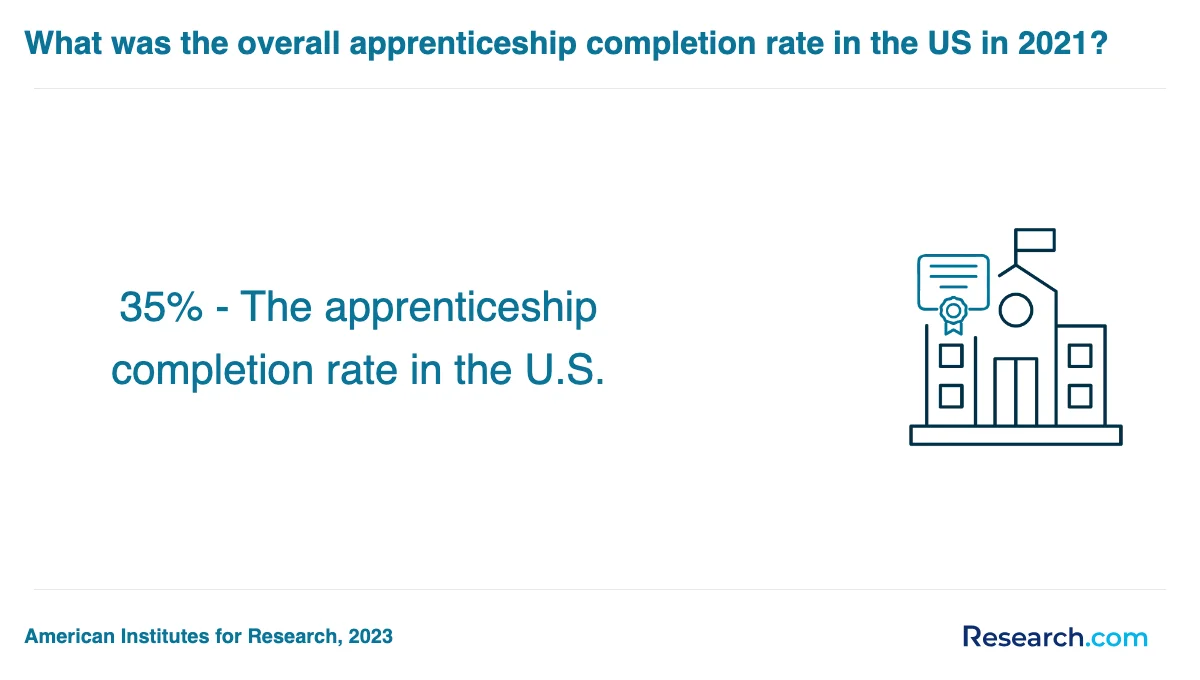
Trade school graduates in Norwalk find promising career opportunities across several sectors tailored to local industry demands. Healthcare roles like phlebotomy technician and medical support are popular, with graduates gaining hands-on experience through partnerships with area hospitals. These real-world settings enable students to confidently enter clinical environments post-graduation, making healthcare one of the strongest career opportunities for Norwalk trade school graduates.
Construction and skilled trades represent some of the high-demand skilled trades in Norwalk Connecticut. Graduates from programs such as the CT Building Trades Apprenticeship quickly gain credentials for roles like electrician or solar technician. Many who complete short-term training-often just weeks long-describe feeling prepared to step directly into well-paid jobs supporting infrastructure and renewable technology.
Information technology and business services also offer accessible pathways. Graduates from Norwalk trade schools regularly secure roles as IT support specialists or office administrators thanks to paid internships with employers including Norwalk Hospital. Manufacturing careers, from machine operator to quality inspector, remain critical, with training that reflects modern production needs.
For those interested in specialized options, exploring the cheapest online beauty courses provides affordable career paths alongside traditional industries.
The job market for trade school graduates in Norwalk is dynamic and welcoming, with over 600 open trade-related positions available in fields such as construction, healthcare support, and information technology. Graduates from local programs often find themselves quickly hired for roles like optical technicians, mechanics, and design studio assistants. Popular trade schools in Norwalk tailor their training to meet these needs, enabling students to step into jobs with competitive pay and benefits soon after completion.
Many graduates share positive experiences of hands-on apprenticeships and short-term training programs that prepare them well for real-world challenges. Employers in Norwalk offer benefits like health insurance and retirement plans even to entry-level workers, making the career path more stable and rewarding. Key in-demand sectors include linework, solar photovoltaic installation, and HVAC, ensuring a strong outlook for employment.
For those exploring options, programs aligned with state workforce initiatives provide an effective gateway to jobs through certifications or GED completion. Trade school job opportunities in Norwalk CT continue to grow, supported by local partnerships with organizations such as Eversource Utility and The WorkPlace. Many students also turn to resources like cheapest flooring installers training online to supplement their skills affordably.
Most Affordable Trade School & Training Programs - Leading Certification Courses in Norwalk for 2026
# 1 position
Cerritos College - Dental Assisting/Assistant.
associateThe Dental Assisting/Assistant program at Cerritos College is fully online, preparing students to provide patient care, take dental radiographs, and assist dentists and hygienists. The curriculum includes medical record-keeping, office duties, scheduling, equipment maintenance, basic radiography, and chairside assisting. The program is accredited by the Western Association of Schools and Colleges Accrediting Commission for Community and Junior Colleges. Annual in-state tuition is $1,364, with median earnings of $53,047 one year after completion.
# 2 position
Cerritos College - Physical Therapy Assistant.
associateThe Physical Therapy Assistant program at Cerritos College is fully online and prepares students to support physical therapists in patient care through treatment plans, interventions, and progress documentation. The curriculum covers anatomy, physiology, biomechanics, clinical documentation, and professional ethics. The program is accredited by the Western Association of Schools and Colleges Accrediting Commission for Community and Junior Colleges. Annual in-state tuition is $1,364, with median earnings of $40,924 one year after completion.
# 3 position
Cerritos College - Computer Science.
associateCerritos College offers a fully online Computer Science program focusing on computer theory, computing problems, and system design from a scientific perspective. The curriculum includes computational science principles, programming, and practical applications. Annual in-state tuition is $1,364. The program is accredited by the Western Association of Schools and Colleges Accrediting Commission for Community and Junior Colleges.
# 4 position
Cerritos College - Computer Systems Networking and Telecommunications.
associateCerritos College offers a fully online Computer Systems Networking and Telecommunications program focused on the design, implementation, and management of linked computer systems and software. The curriculum covers operating systems, networking theory, network management, security, and troubleshooting. The program is accredited by the Western Association of Schools and Colleges Accrediting Commission for Community and Junior Colleges. Annual in-state tuition is $1,364.
# 5 position
Cerritos College - Computer and Information Systems Security/Auditing/Information Assurance.
associateCerritos College offers a fully online program in Computer and Information Systems Security/Auditing/Information Assurance. The curriculum covers computer architecture, programming, networking, cryptography, security system auditing, law, risk assessment, contingency planning, and investigation techniques. The program prepares students to assess security needs, recommend safeguards, and manage security systems. Annual in-state tuition is $1,364. It is accredited by the Western Association of Schools and Colleges Accrediting Commission for Community and Junior Colleges.
# 6 position
Cerritos College - Legal Assistant/Paralegal.
associateThe Legal Assistant/Paralegal program at Cerritos College is offered fully online and prepares students to support attorneys through research, drafting, investigatory, and administrative tasks. Coursework covers legal research, document drafting, pleading, courthouse procedures, and legal specializations. The program is accredited by the Western Association of Schools and Colleges Accrediting Commission for Community and Junior Colleges. Annual in-state tuition is $1,364.
# 7 position
Cerritos College - Physical Fitness Technician.
associateCerritos College offers a fully online Physical Fitness Technician program preparing students for roles in health clubs, wellness centers, and corporate fitness programs. The curriculum covers human anatomy, physiology, exercise science, personal training, nutrition, and customer service. The program is accredited by the Western Association of Schools and Colleges Accrediting Commission for Community and Junior Colleges. Annual in-state tuition is $1,364.
# 8 position
Cerritos College - Criminal Justice/Law Enforcement Administration.
associateThe Criminal Justice/Law Enforcement Administration program at Cerritos College is fully online, focusing on organization management and criminal justice in public law enforcement agencies. It covers law enforcement history, operational command leadership, labor relations, incident response, legal responsibilities, budgeting, and public relations. The annual in-state tuition is $1,364. The program is accredited by the Western Association of Schools and Colleges Accrediting Commission for Community and Junior Colleges.
# 9 position
Cerritos College - Criminal Justice/Police Science.
associateCerritos College offers a fully online Criminal Justice/Police Science program designed to prepare students for police and public security duties. The curriculum covers patrol, investigations, traffic and crowd control, witness interviewing, evidence management, crime prevention, weapon operation, and report writing. The program is accredited by the Western Association of Schools and Colleges Accrediting Commission for Community and Junior Colleges. Annual in-state tuition is $1,364.
# 10 position
Cerritos College - Automobile/Automotive Mechanics Technology/Technician.
associateThe Automobile/Automotive Mechanics Technology/Technician program at Cerritos College is fully online, designed to prepare students with the technical skills needed to repair, service, and maintain various automobiles. The curriculum covers brake systems, electrical systems, engine performance and repair, suspension, steering, transmissions, and heating and air conditioning systems. The program is accredited by the Western Association of Schools and Colleges Accrediting Commission for Community and Junior Colleges. Annual in-state tuition is $1,364.
Frequently Asked Questions about trade school programs
After completing a trade school program in Norwalk, preparing for the job market involves several practical steps. First, students should take advantage of career services offered by their schools, which often provide resume workshops, interview prep, and job placement assistance. According to the National Center for Education Statistics, employment rates for trade school graduates in technical fields average around 86% within six months.
Networking locally is essential, as many Norwalk employers prefer candidates with community ties. Joining industry-specific groups or attending local job fairs can increase opportunities. Certification and licensure, where required, significantly improve job prospects, reflecting competency and compliance with state standards. Lastly, continuing education and skill updates help graduates remain competitive in evolving trades.
Employers in Norwalk highly value technical proficiency from trade school graduates, especially in fields like electrical work, HVAC, and automotive repair. According to the National Association of Manufacturers, 90% of employers prioritize hands-on skills that ensure graduates can immediately contribute on the job.
Beyond technical knowledge, soft skills play a critical role. Strong communication, problem-solving ability, and teamwork are among the top traits sought by local employers, reflecting national trends reported by the U.S. Bureau of Labor Statistics.
Trade schools in Norwalk increasingly emphasize these skills in their curricula to meet workforce demands. Adaptability and reliability also boost employability, with employers noting these traits as essential for long-term career success in trades.
Finding internships in Norwalk related to your trade school program begins with utilizing local resources and connecting with businesses in the area. Many trade schools in Norwalk partner with nearby companies to provide students with hands-on internship opportunities. According to the National Association of Colleges and Employers, nearly 60% of internships lead to job offers, making these connections vital.
Start by consulting your school's career services office, which often lists current internship openings. Additionally, platforms like Handshake and local job boards frequently feature trade-specific internship postings in Norwalk.
Networking through local trade unions and chambers of commerce can also increase your chances. Employers in industries such as construction, automotive repair, and healthcare commonly seek interns to support their operations.
In Norwalk, a trade school diploma often plays a significant role in enhancing career mobility and advancement. According to data from the Connecticut Department of Labor, skilled trade jobs in the region, such as electricians, plumbers, and HVAC technicians, have shown steady growth with above-average wages. A diploma from a trade school validates practical skills employers seek, increasing a graduate's chances of obtaining well-paying jobs quickly.
Trade school education typically focuses on hands-on training, which meets local industry needs and helps graduates stand out. Studies from the National Center for Education Statistics highlight that individuals with trade diplomas can experience faster job placement compared to those with general education.
Furthermore, many employers in Norwalk prioritize certified skills when offering promotions or wage increases, emphasizing that a trade school credential can lead directly to career advancement opportunities within a shorter timeframe than some traditional degrees.
In Norwalk, students attending trade schools can find several part-time job opportunities that align with their education and enhance hands-on skills. Popular options include positions as automotive technicians, HVAC assistants, or dental aides, reflecting common trade programs in the region. According to the Connecticut Department of Labor, fields such as construction and healthcare consistently offer part-time roles with wages averaging $15 to $20 per hour.
Additionally, retail and warehouse jobs linked to Norwalk's industrial sector provide flexible schedules supportive of study commitments. These roles help students build time management skills while gaining exposure to relevant industries.
Leveraging local job boards and career centers often leads to positions directly connected to trade qualifications, improving practical experience and networking opportunities.
Yes, there are affordable degree programs available both near Norwalk, CA and more generally "near me" depending on your location. Institutions such as Cerritos College, located near Norwalk, CA, offer economically accessible programs in various fields of study. To find additional options and compare costs across different institutions, Research.com can be a helpful resource for exploring affordable degree programs and universities.
- NPS Workforce Development Apprenticeships, Trades and Training Opportunities | Career & Training Blog https://www.norwalkps.org/schools/nps-workforce-development-k-12/career-training-blog/~board/workforce-development-opportunities/post/nps-workforce-development-apprenticeship-and-training-opportunities
- Workforce Development and Continuing Education - CT State https://ctstate.edu/workforce-development/wdce
- Apprenticeship Training Programs in Connecticut - Build Connecticut https://www.buildconnecticut.com/apprenticeship-training-programs-connecticut/
- Norwalk High School Hosts Skilled Trades Career Fair – Norwalk Community School District https://www.norwalkschools.org/news/2023/03/norwalk-high-school-hosts-skilled-trades-career-fair/
- Workforce Training Center | 25 Van Zant Norwalk CT https://workforcetrainingcenter.com/
- Best Vocational Trade Schools In California | ASO https://www.accreditedschoolsonline.org/vocational-trade-school/california/