Most Affordable Trade School & Training Programs - Leading Certification Courses in Hawaii for 2026

Co-Founder and Chief Data Scientist
Choosing the right trade school in Hawaii can be a big step toward a rewarding career. This article introduces the most affordable trade schools in Hawaii for 2026, designed to help you find the best fit for your goals.
The trade school programs ranking featured here was created by the Research.com team of data scientists to give you clear, trustworthy information. Exploring these programs can make your decision easier and more confident.
Whether you’re looking for a diploma or certification, gaining new skills opens doors to exciting opportunities and personal growth. Let’s explore the options that could shape your future.
Key benefits of finishing trade school programs trade school in Hawaii
- Trade school graduates in Hawaii can expect strong salaries, such as $50,000 to $70,000 per year for welding, electrical, and HVAC roles, and up to $107,000 annually in medical and health sciences careers.
- Popular career paths include construction, healthcare support, aviation maintenance, and welding-fields with steady demand and solid wages across the islands.
- Online trade school programs offer the flexibility to learn at your own pace, save commuting time, and balance work or family, making it easier to earn certifications without sacrificing your daily life.
- Most Affordable Trade School & Training Programs - Leading Certification Courses in Hawaii for 2026
- What can I expect from trade school programs trade schools in Hawaii?
- Where can I work after finishing trade school programs trade schools in Hawaii?
What can I expect from trade school programs trade schools in Hawaii?
The average cost of attending a trade school program in Hawaii typically falls between $3,174 and $8,340 per year for in-state public institutions. Graduates from popular schools around the islands often share how this tuition investment felt reasonable, especially considering the accelerated pace of many courses-some lasting just a few weeks to up to two years. One graduate from the Hawaiian Trades Academy mentioned that being able to quickly earn certifications like OSHA 10 and First Aid made the cost well worth it for jumping straight into local jobs.
Private programs can be more expensive, but many students find that the flexible schedules and practical, hands-on training at these schools add real value. Evening classes and online options are common, which helps folks working or managing family commitments keep moving forward without huge financial strain. Overall, the costs align well with the goal of fast, meaningful career preparation in fields from carpentry to renewable energy, making trade schools a smart choice for many Hawaiians.
Where can I work after finishing trade school programs trade schools in Hawaii?
After finishing a trade school program in Hawaii, you'll find plenty of job opportunities waiting for you across the islands. Graduates from popular trade schools often land roles like carpenters, electricians, plumbers, painters, or roofers. These jobs are in high demand thanks to ongoing construction and development projects happening all over Hawaii's neighborhoods and resorts.
Many grads share how rewarding it feels to work locally, whether fixing up homes or maintaining hotel facilities that tourists enjoy. Some even take apprenticeships with the City and County of Honolulu, stepping into positions like fleet mechanics or traffic signal electricians with solid starting salaries around $56,000.
Others dive into specialized roles such as HVAC technicians or equipment operators, especially in hospitality or public works. Trade schools here also offer cool programs in solar energy and commercial driving, opening doors to unique career paths that match Hawaii's needs. Students often mention the strong community support and real-world experience they gain, helping them feel ready and confident to start their careers on these beautiful islands.
After finishing a trade school program in Hawaii, many graduates find themselves making a solid income pretty quickly. On average, you can expect to earn about $69,765 per year, which breaks down to roughly $33.54 an hour. That's a decent paycheck that can cover living costs in paradise while setting you up for future growth. In Honolulu, where things tend to be a bit pricier, salaries are slightly lower, averaging around $63,223 annually, but still respectable for skilled trade jobs.
Graduates from popular trade schools around Hawaii often share how their training helped them land jobs paying above state averages. Electricians, for instance, are pulling in over $88,000 annually, and avionics technicians working in air transportation can even make as much as $99,150 a year. Many students rave about special programs like Good Jobs Hawaiʻi, which boosted their income by an extra $7,200 annually thanks to the extra skills and connections the program provides.
It's encouraging to hear from those who've walked this path-knowing you can start earning well right out of trade school, especially in hot fields like construction, clean energy, and healthcare. For anyone thinking about trade school in Hawaii, the financial benefits really bring the dream of a steady and rewarding career within reach.
- Applicants must be at least 18 years old, have a high school diploma or GED, and be Hawaii residents; some programs require additional prerequisites like completion of high school algebra.
- Admission requires proof of education, a valid driver's license for certain trades, and passing a written test or orientation; commercial driving programs may require a permit before applying.
- Costs vary, with some courses at Hawaiian Trades Academy charging $250, excluding licensing or testing fees; tuition and other fees differ among private vocational schools.
- Programs typically award certificates, diplomas, or transcripts recognized by employers and licensing bodies, with apprenticeships lasting 3 to 5 years including paid work experience.
- Entry-level apprenticeships in Honolulu start at $4,695 monthly ($56,340 yearly), with strong job prospects in roles like fleet mechanic, electrician, and pipefitter.
If you're wondering how long it takes to finish a trade school program in Hawaii, it really depends on the path you choose. Most students diving into apprenticeships for trades like electrical work or plumbing spend about 3 to 5 years learning their craft. One graduate shared how balancing paid on-the-job training with evening classes felt challenging but rewarding, especially knowing they were earning while they learned. Programs like the Electrical Apprenticeship Training in Hawaii require around five years, combining hands-on work and classroom time twice a week.
On the flip side, accelerated certificate courses offered by places like the Hawaiian Trades Academy can get you through in just 3 to 14 weeks. Graduates from these faster programs love how quickly they gain certifications like OSHA or First Aid and jump straight into job opportunities. These short, focused programs are perfect if you want to start working in a specific role soon.
And for those mixing apprenticeships with college, like at Honolulu Community College, the timeline might stretch a bit depending on course load and work experience. Overall, Hawaii's trade schools cater well to different lifestyles and goals, making it easier to find a program that fits your pace.
The main difference between online and on-campus trade school programs in Hawaii is how you attend classes. Online programs, like those at University of Hawaiʻi Community Colleges, give you the freedom to study from anywhere, anytime. Imagine balancing a full-time job or family while finishing coursework on your own schedule-that's a huge relief for many working adults on the islands.
Some graduates share how taking classes online helped them avoid long commutes and manage their busy lives better, especially those living on neighbor islands. On the other hand, on-campus programs offer a more hands-on experience. For trades like automotive technology or culinary arts, being in labs and workshops is key. Students get to interact face-to-face with instructors and peers, which can make learning more engaging and fun.
Both options in Hawaii maintain strong academic standards, but if your trade needs practical experience, you might visit campus occasionally even if you study mostly online. It all comes down to what fits your lifestyle and goals best.
The average trade school tuition in Hawaii is significantly higher than most places in the US, with tuition and fees averaging around $41,986. For students attending trade schools in Hawaii, this number might initially seem overwhelming, but many graduates recall how the investment was worth it for hands-on learning in fields like healthcare or cosmetology. For instance, some students who completed shorter programs, like a Nursing Assistant Training Program, paid under $1,000, making quick entry into the workforce easier. Meanwhile, others pursuing longer or more specialized programs saw costs stretch beyond $25,000, especially at private institutions.
Breaking down the Hawaii vocational program cost breakdown further, public trade schools in the state generally charge between $6,000 and $12,000 in tuition. On the other hand, private schools can be more expensive, running from $15,000 to $30,000, not including extra expenses like supplies, books, or equipment that might add $500 to $5,000 more. This detailed view helps students plan better, especially when calculating the total cost of attendance that also covers room and board, which pushes the average COA to $57,448.
Many students find relief through financial aid. The average aid amount is about $5,907, and this support combined with school-specific scholarships can significantly reduce out-of-pocket fees. For those looking for technical options, exploring programs like the best hvac certificate online offers valuable certifications without necessarily incurring the high costs of on-campus training.
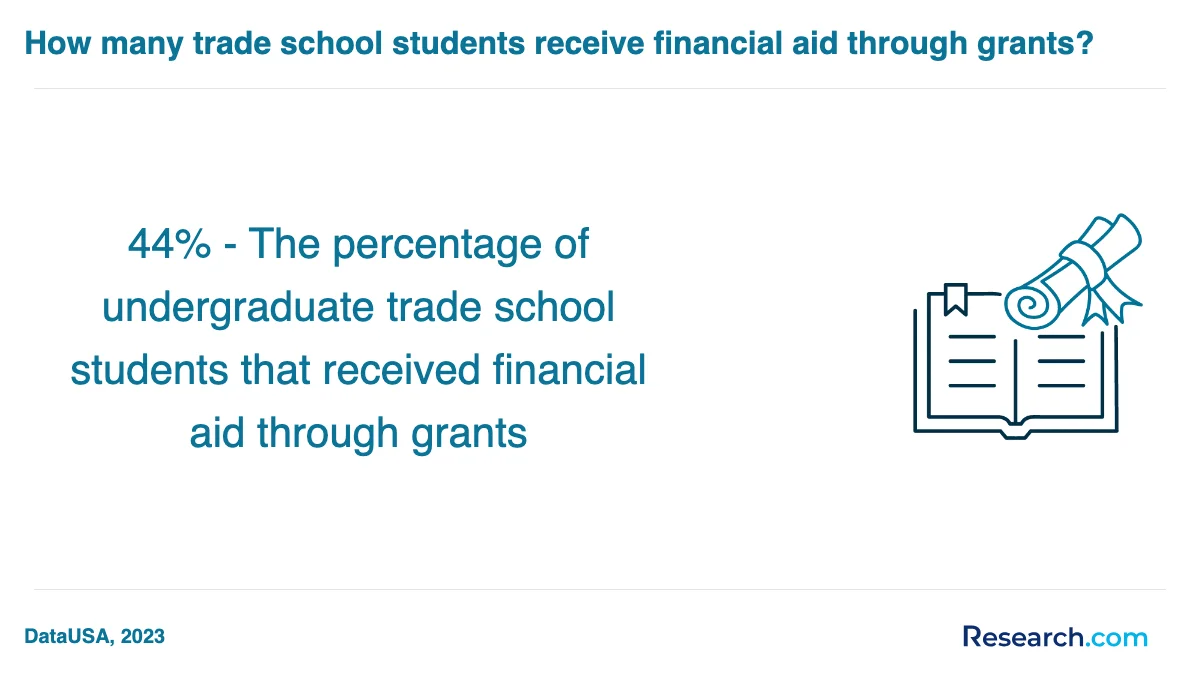
When you're studying at a trade school in Hawaii, like Hawaii Community College or Windward Community College, financial aid can make a huge difference. Most students start by filling out the FAFSA every year to tap into federal aid like Pell Grants, Federal Work-Study, or low-interest loans. It's a real relief for many, covering tuition and even some living costs while they focus on their careers in healthcare, automotive tech, or hospitality.
State scholarships give local students a leg up, too. The Hawaii Community Foundation awards thousands in scholarships each year-some students have shared how those funds helped them avoid extra debt and concentrate on finishing their programs strong.
For Native Hawaiian students especially, support from the Office of Hawaiian Affairs can be a game-changer, offering scholarships and mentoring that make the path smoother and more encouraging.
Plus, private scholarships like the APCF Royal Business Bank award add extra cash that students at technical schools really appreciate. Many graduates say these combined aids made their education affordable and their goals achievable.
To enroll in a trade school program in Hawaii, there are a few key prerequisites you should know about. Most programs want applicants to be at least 18 years old, which makes sense because it means you're ready to handle real job site challenges. For example, graduates from local construction academies often mention how being 18 or older helped them feel confident stepping into their first apprenticeships.
Residency is another big one. Trade schools commonly require proof that you live in Hawaii-like a state ID or a utility bill. This keeps opportunities focused on locals who want to build a future right here in the islands.
Most programs ask for a high school diploma, GED, or something equivalent. Graduates from automotive repair trades say this foundation helped them grasp the hands-on lessons better. Sometimes, programs have extra requirements, like a valid driver's license or a commercial driving license (CDL-A) for specialized courses, such as what the Hawaiian Trades Academy requires.
- Minimum age (usually 18; CDL-A requires 21)
- Proof of Hawaii residency
- High school diploma, GED, or equivalent
- Valid driver's license or specific permits when needed
Some students found that submitting a medical examiner's certificate was part of staying safe and compliant, especially in health-related training. Altogether, these steps feel pretty achievable and help ensure you're ready to dive into a rewarding trade career in Hawaii.

Trade school programs in Hawaii cover a wide variety of courses that really prepare you for the local job market. Many graduates from popular schools like the Hawaiian Trades Academy share how hands-on and practical their training was, making them confident stepping into their careers.
Some of the top courses include:
- Healthcare programs like Certified Nursing Assistant (CNA), phlebotomy, and CPR training, which many students complete in just a few weeks.
- Construction and skilled trades such as carpentry, electrical work, roofing, and even solar energy installation, which is big here because of Hawaii's focus on sustainability.
- Technology and business courses covering office administration, billing and coding, and specialties like automotive technology and welding.
- Beauty and cosmetology programs including hairdressing, nail tech, and esthetics that prepare you for state licensing.
What's really cool is that some schools mix in Native Hawaiian cultural lessons, helping students not just get skills but also a deep connection to the community. Graduates often talk about how this balance made their experience feel meaningful and unique.
Trade schools in Hawaii offer a variety of specializations that really match the islands' job market and lifestyle. If you're eyeing healthcare, you'll find popular courses like Certified Nursing Assistant (CNA) recertification, clinical medical assisting, and pharmacy technician certification. Graduates often share how quickly they landed jobs, thanks to training that takes just months to complete.
For those who love hands-on work, skilled trades are a big focus here. Imagine learning carpentry, electrical work, or plumbing through city apprenticeship programs or ABC Hawaii. Many apprentices talk about the pride in building something real while earning their certification over three to five years.
Business and tech programs are also booming, covering office admin, billing and coding, and computer networking. This prepares students to jump straight into Hawaii's growing service and tech sectors, which many find exciting and fulfilling.
Beauty and cosmetology courses-like hairdressing and esthetics-are perfect for creative souls wanting a career in places right in their neighborhood. Plus, creative arts programs, including solar energy installation at Hawaiian Trades Academy, mix cultural values with skill-building, giving graduates a solid sense of purpose.
Many graduates also highlight the convenience of specialized certifications, like OSHA safety training and CDL-A licenses, which open doors in construction and transportation. For anyone wondering what are the best trade school programs around, Hawaii's diverse options combined with real local connections make it a top choice to start a career.
Choosing the best trade school programs in Hawaii starts with checking their accreditation to ensure your certificate holds real value in the local job market. Graduates from Honolulu Community College often share how their hands-on apprenticeships made a huge difference landing jobs right after finishing. Focus on programs that align with your career goals-whether it's electrical, plumbing, or construction-since these fields thrive with practical skills and industry licenses. Many Hawaiian trade schools have age and subject requirements, like needing a high school diploma or some algebra knowledge, so it's good to plan ahead.
When figuring out how to pick a Hawaii trade school, don't forget to factor in all costs, including fees for tests or equipment. Some students love how financial aid options help ease the burden. Also, explore places with strong job placement rates and local employer connections to boost your chances of success. For those exploring options, the cheapest beauty schools with online cosmetology programs offer great flexibility too.

Trade school graduates in Hawaii find plenty of exciting options to jump straight into the workforce with solid career prospects. Construction trades shine bright here, with schools like Honolulu Community College training students in carpentry, electrical work, plumbing, and more. Many graduates are thrilled to start hands-on roles as construction workers or remodeling specialists and some even climb up to licensed contractors or business owners.
Other popular vocational job paths for Hawaii graduates include transportation and logistics, where CDL-A training at places like the Hawaiian Trades Academy opens doors to truck driving careers-perfect for the islands' unique supply-chain needs. Graduates appreciate the short accelerators that prepare them quickly with real-world skills.
Public safety roles like firefighting and police exam prep also attract students who want to serve their communities, while growing fields in solar energy tap into Hawaii's push for renewable power. For those inspired by creativity, some programs mentor students in blending craftsmanship with modern techniques.
Many have found success through affordable options like cheap online maintenance technician trade programs, making it even easier to start a career without breaking the bank.
The job market for trade school graduates in Hawaii is thriving, especially if you study in popular trade schools around the islands. Graduates often find themselves stepping into roles quickly, thanks to a steady demand in construction, healthcare, and skilled maintenance jobs. For example, many graduates share how they secured jobs within just a few months, especially in construction labor and maintenance roles.
Here's what makes Hawaii's skilled trades employment opportunities stand out:
- Honolulu County alone is expected to add over 8,700 skilled trade jobs by 2028, which means plenty of opportunities.
- Fields like carpentry and operating engineering are booming, particularly on Maui and Kauaʻi.
- Many graduates from local programs reported starting jobs within two quarters, often in construction, thanks to strong apprenticeship and training investments.
What's more, the shift toward nonunion, "open shop" jobs gives new workers the flexibility they want and merit-based pay. If you're curious about fast, well-paid routes, check out the highest paying 6 month online certifications that can fit right into busy Hawaiian lifestyles.
Most Affordable Trade School & Training Programs - Leading Certification Courses in Hawaii for 2026
# 1 position
Kapiolani Community College - Information Technology.
associateKapiolani Community College offers a program in Information Technology that emphasizes the design of technological information systems as solutions for business and research data and communications support. The curriculum covers computer hardware and software principles, algorithms, databases, telecommunications, user tactics, application testing, and human interface design. Annual in-state tuition is $3,284. The program is accredited by the Western Association of Schools and Colleges Accrediting Commission for Community and Junior Colleges.
# 2 position
Kapiolani Community College - Legal Assistant/Paralegal.
associateKapiolani Community College offers a Legal Assistant/Paralegal program with a hybrid format, including some distance education options. The program prepares students for research, drafting, investigatory, and administrative tasks under attorney supervision. Coursework covers legal research, document drafting, courthouse procedures, and legal specializations. Annual in-state tuition is $3,284. The program is accredited by the Western Association of Schools and Colleges Accrediting Commission for Community and Junior Colleges.
# 3 position
Kapiolani Community College - Physical Therapy Assistant.
associateThe Physical Therapy Assistant program at Kapiolani Community College offers a hybrid format with some distance education options. It prepares students to assist physical therapists by implementing treatment plans, training patients, and documenting progress. The program covers applied anatomy, physiology, biomechanics, neuroscience, and professional ethics. Annual in-state tuition is $3,284. Graduates have median earnings of $42,172 one year after completion. The program is accredited by the Western Association of Schools and Colleges Accrediting Commission for Community and Junior Colleges.
# 4 position
Kapiolani Community College - Accounting Technology/Technician and Bookkeeping.
associateKapiolani Community College offers a hybrid Accounting Technology/Technician and Bookkeeping program that prepares students to support professional accountants and financial managers. The curriculum covers posting transactions, record-keeping systems, accounting software, and general accounting principles. The annual in-state tuition is $3,284. The program is accredited by the Western Association of Schools and Colleges Accrediting Commission for Community and Junior Colleges.
# 5 position
Kapiolani Community College - Dental Assisting/Assistant.
certificate or diplomaKapiolani Community College offers a Dental Assisting/Assistant program with a hybrid format that includes some distance education. The program prepares students to provide patient care, take dental radiographs, assist chairside, and perform office administrative tasks under supervision. Instruction covers medical record-keeping, reception, scheduling, equipment maintenance, sterilization, and supervised practical experience. The annual in-state tuition is $3,284. The program is accredited by the Western Association of Schools and Colleges Accrediting Commission for Community and Junior Colleges.
# 6 position
Leeward Community College - Computer and Information Sciences, General.
associateLeeward Community College offers a fully online program in Computer and Information Sciences, General, focusing on computing, computer science, and information science and systems. The annual in-state tuition is $3,214. This program is accredited by the Western Association of Schools and Colleges Accrediting Commission for Community and Junior Colleges. It provides a broad foundation without specializing in specific computer science or information science areas.
# 7 position
Leeward Community College - Office Management and Supervision.
associateLeeward Community College offers a hybrid Office Management and Supervision program designed to prepare students for managing business offices and supervising personnel. The curriculum covers employee supervision, labor relations, budgeting, scheduling, office systems, records management, space design, and public relations. The program is accredited by the Western Association of Schools and Colleges Accrediting Commission for Community and Junior Colleges. Annual in-state tuition costs $3,214.
# 8 position
Leeward Community College - Accounting Technology/Technician and Bookkeeping.
associateLeeward Community College offers a hybrid Accounting Technology/Technician and Bookkeeping program designed to prepare students for technical administrative roles supporting accountants and financial managers. The curriculum covers posting transactions, record-keeping systems, accounting software, and general accounting principles. Annual in-state tuition is $3,214. The program is accredited by the Western Association of Schools and Colleges Accrediting Commission for Community and Junior Colleges.
# 9 position
Honolulu Community College - Computer Systems Networking and Telecommunications.
associateHonolulu Community College offers a hybrid program in Computer Systems Networking and Telecommunications, focusing on designing, implementing, and managing interconnected computer systems and software. The curriculum covers operating systems, systems design, networking theory, network management, security, and troubleshooting. The program prepares students for roles as network specialists and managers. Annual in-state tuition is $3,174. The program is accredited by the Western Association of Schools and Colleges Accrediting Commission for Community and Junior Colleges.
# 10 position
Honolulu Community College - Criminal Justice/Police Science.
associateHonolulu Community College offers a Hybrid Criminal Justice/Police Science program that prepares students for police and public security duties. The curriculum includes patrol and investigative work, traffic and crowd control, evidence management, crime prevention, and report preparation. Annual in-state tuition is $3,174. The program is accredited by the Western Association of Schools and Colleges Accrediting Commission for Community and Junior Colleges.
Frequently Asked Questions about trade school programs
After completing trade school in Hawaii, preparing for the job market involves several strategic steps. First, graduates should obtain relevant certifications and licenses required for their specific trade, as these credentials are often essential in Hawaii's regulated industries such as construction and healthcare.
Networking plays a key role; joining local trade associations and attending industry job fairs can connect new professionals with employers. According to the Hawaii Department of Labor and Industrial Relations, employment in skilled trades is expected to grow by 5% through 2030, showing positive prospects for job seekers.
Additionally, leveraging career services offered by trade schools helps graduates build resumes, practice interviews, and find apprenticeships. Staying informed about Hawaii's labor market trends ensures graduates can target in-demand skills aligning with sectors like maritime, tourism maintenance, and renewable energy.
Employers in Hawaii highly value practical skills and work readiness among trade school graduates. According to the Hawaii Department of Labor and Industrial Relations, technical competence in fields like construction, electrical work, and healthcare remains crucial. For example, skills in blueprint reading, machinery operation, and patient care are frequently requested.
Beyond technical abilities, employers emphasize soft skills such as communication, reliability, and teamwork. Studies show that 70% of Hawaiian employers in skilled trades consider punctuality and problem-solving as top attributes when hiring.
Trade school graduates with certifications relevant to their trade often gain a competitive edge in Hawaii's local job market.
Finding internships in Hawaii relevant to your trade school program involves leveraging local resources and networks. Start by contacting your trade school's career services office; they often have partnerships with Hawaii-based businesses and can connect you to internship opportunities.
Hawaii's Department of Labor and Industrial Relations provides an online job portal with internship listings, including technical and skilled trades positions. According to the Hawaii Workforce Development Council (2023), sectors like healthcare, construction, and hospitality offer the most internships tied to trade programs.
Networking through local trade unions and community organizations is also effective. Websites like Hawaii Jobs on Demand regularly update openings, helping students secure hands-on experience related to their studies.
A trade school diploma in Hawaii can significantly improve career mobility and advancement opportunities for many students. According to the Hawaii Department of Labor & Industrial Relations, occupations in skilled trades such as construction, healthcare, and automotive repair often report faster job placement rates and higher starting wages for trade school graduates compared to those without formal qualifications.
Trade diplomas provide practical skills that meet local employer demands, helping graduates advance more quickly within their fields. The Pacific Research Institute highlights that certified trade workers in Hawaii typically see a salary increase of 10% to 20% within the first five years of employment. This credential also offers flexibility, enabling workers to switch roles or industries more easily than those with only a high school diploma.
Graduates often benefit from strong networking connections through their schools, supporting long-term career growth. For many in Hawaii's competitive job market, a trade school diploma acts as a valuable credential supporting upward mobility and job stability.
Trade school students in Hawaii can find various part-time job opportunities that complement their education and provide practical experience. Positions such as apprentice electricians, HVAC assistants, and automotive technician helpers are frequently available, offering hands-on training aligned with typical trade programs.
Additionally, healthcare-related roles like certified nursing assistant (CNA) aides or medical office assistants can supplement students pursuing health trades. According to the Hawaii Department of Labor and Industrial Relations, part-time jobs in construction and healthcare sectors grew by approximately 5% from 2021 to 2023, reflecting steady demand.
Many employers value trade school students for their specialized skills, making part-time roles both accessible and beneficial for gaining real-world expertise while studying.
There are most affordable degree programs available near Hawaii, offered by both local and mainland institutions. These programs can be found at various universities and community colleges, many of which have branches or online options that allow students near me to pursue their studies at a lower cost. Research.com is a helpful resource to explore and compare these educational opportunities, enabling students to find programs that suit their budgetary and geographical preferences.
- Most Affordable Trade School & Training Programs - Leading Certification Courses in Alaska for 2026
- Most Affordable Trade School & Training Programs - Leading Certification Courses in Nevada for 2026
- Most Affordable Trade School & Training Programs - Leading Certification Courses in Arizona for 2026
- Most Affordable Trade School & Training Programs - Leading Certification Courses in Idaho for 2026
- Most Affordable Trade School & Training Programs - Leading Certification Courses in Utah for 2026
- Most Affordable Trade School & Training Programs - Leading Certification Courses in Wyoming for 2026
- Most Affordable Trade School & Training Programs - Leading Certification Courses in Colorado for 2026
- Most Affordable Trade School & Training Programs - Leading Certification Courses in South Dakota for 2026
- Most Affordable Trade School & Training Programs - Leading Certification Courses in Nebraska for 2026
- Most Affordable Trade School & Training Programs - Leading Certification Courses in Iowa for 2026
- Hawaiian Trades Academy | Council for Native Hawaiian Advancement https://www.hawaiiancouncil.org/programs/trades/
- Trades Apprenticeship Program | Department of Human Resources https://www.honolulu.gov/dhr/trades-apprenticeship-program/
- Craft Training & Apprenticeship Trades https://www.abchawaii.org/education/tradeschool/
- Construction & Trades https://www.honolulu.hawaii.edu/academics/construction-trades/
- Vocational Training and Apprenticeships - Hōkūpaʻa https://www.hokupaa.org/vocational-training-apprenticeships
- Best Trade Schools In Hawaii | AccreditedSchoolsOnline https://www.accreditedschoolsonline.org/vocational-trade-school/hawaii/
- Licensed Private Trade, Vocational and Technical Schools – Hawaiʻi State Department of Education https://hawaiipublicschools.org/resources/licensed-private-trade-vocational-and-technical-schools/
- Best Trade Schools in Hawaii | Top Trade Schools https://toptradeschools.com/states/hawaii/
- Hawai‘i Career Pathways https://hawaiicareerpathways.org/