Most Affordable Trade School & Training Programs - Leading Certification Courses in Idaho for 2026

Co-Founder and Chief Data Scientist
Choosing the right trade school in Idaho can feel overwhelming, but it doesn’t have to be. This article introduces the most affordable trade schools in Idaho for 2026, helping you find quality programs that fit your budget.
The ranking featured here was created by the Research.com team of data scientists to guide you toward trade school programs worth considering. Whether you want a diploma or certification, this information supports your goal of starting a rewarding career.
Investing in education can open new doors-this article makes the journey easier and more confident.
Key benefits of finishing trade school programs trade school in Idaho
- Trade school graduates in Idaho can earn an average annual salary of about $63,180, with common careers like electricians, HVAC technicians, and welders making between $47,500 and $76,700. The potential to earn up to $94,089 shows great financial opportunities.
- Popular career paths for trade school graduates include construction, healthcare support, and technical maintenance, offering steady jobs that match Idaho's market needs and give you a strong chance to start a rewarding career quickly.
- Getting a trade school diploma online provides flexible learning options, allowing you to balance work and study. Online programs from well-known Idaho trade schools often help graduates gain skills faster and enter the workforce with confidence.
- Most Affordable Trade School & Training Programs - Leading Certification Courses in Idaho for 2026
- What can I expect from trade school programs trade schools in Idaho?
- Where can I work after finishing trade school programs trade schools in Idaho?
What can I expect from trade school programs trade schools in Idaho?
The average cost of a trade school program in Idaho is generally affordable, especially when compared to traditional four-year colleges. Graduates from popular schools, like the College of Western Idaho, often share that tuition and fees can be as low as a few thousand dollars per year, allowing them to complete certificates or degrees without accumulating significant debt. This affordability, combined with the ability to work while learning, creates a practical path for many students.
Students can expect programs that combine hands-on experience with classroom instruction, focusing on skills that employers actively seek. Graduates often recall spending substantial time in real-world environments, like local manufacturing shops or construction sites, which helped them quickly gain confidence and industry-specific knowledge.
Technical training is paired with lessons on safety protocols, blueprint reading, and equipment operation, preparing students for the demands of various trades such as HVAC, electrical, and welding. Many find this balance energizing, as it immediately connects their effort to future job prospects.
Overall, students praise the state's commitment to keeping programs up-to-date with industry standards and appreciate the quick transition from study to steady employment, often with wages that support themselves from day one.
Where can I work after finishing trade school programs trade schools in Idaho?
After finishing a trade school program in Idaho, graduates find a variety of hands-on job opportunities in sectors actively hiring across the state. Many secure positions in construction, working on residential projects or commercial developments that shape growing communities. Others move into welding roles, supporting manufacturing plants or infrastructure projects like bridges and industrial facilities.
Electrical technician and HVAC installer roles are common next steps, with graduates quickly employed by local businesses or utility companies maintaining Oregon's homes and public buildings. Some trade school students specialize in heavy-duty truck maintenance or automotive repair, joining logistics firms and transportation companies essential to Idaho's economy.
Healthcare support graduates report satisfaction working as medical assistants or technicians in busy clinics, experiencing the pride of making a difference in patient care. Graduates from popular Idaho trade schools often highlight how their carefully tailored programs matched real job demands, leading them straight from classroom training to steady employment.
Hands-on skills gained at trade schools are highly valued here, allowing graduates to step confidently into roles where experience and competence foster success and job security.
After completing a trade school program in Idaho, graduates typically earn around $63,180 annually as of August 2025, which breaks down to about $30.38 per hour. This wage reflects the data gathered from local job postings and aligns with what many students from well-known Idaho trade schools experience when entering the workforce.
Salary ranges vary widely, with most graduates making between $47,500 and $76,700 per year. Those in specialized fields like electrical work, welding, or HVAC often find themselves near the higher end of this scale and report satisfaction from landing jobs quickly after graduation. For example, graduates from these programs in Boise enjoy higher salaries due to the city's demand for skilled tradespeople and a cost of living that, while above rural areas, remains manageable.
Graduates often note that their starting pay is competitive compared to peers pursuing four-year degrees, especially considering the lower debt and faster path to employment. While the top 10% of trade school graduates in Idaho can earn up to $94,089 annually, even entry-level positions provide a solid foundation for financial stability and growth in the state's economy.
- Applicants must be at least 16 years old or have completed half of their high school requirements to attend trade schools in Idaho.
- Many schools have no application fee, but some may charge around $50; official transcripts are required for final admission.
- Tuition for in-state residents typically ranges from $3,000 to $10,000, excluding tools and supplies, with higher costs for out-of-state students.
- Trade programs usually take 1 to 2 years to complete and emphasize hands-on skills for local high-demand industries.
- Median starting salaries for graduates range from $35,000 to $45,000, with experienced tradespeople earning $55,000 to $70,000 or more annually.
Trade school programs in Idaho typically take anywhere from a few months up to two years to complete, depending on the trade and credential sought. Graduates from popular programs like medical assisting or welding often finish within three to twelve months, allowing them to promptly start working and earning. These short-term programs are ideal for those eager to enter the workforce quickly without sacrificing valuable skills.
More comprehensive programs, such as HVAC technician training, usually require closer to two years. Students appreciate this timeframe as it balances in-depth learning with practical experience, preparing them well for certification exams and advanced career paths.
For trades demanding hands-on expertise, like electrical or plumbing apprenticeships common in Idaho, the completion time ranges from two to four years. For example, apprentices at the College of Eastern Idaho experience close to four years of combined classroom instruction and thousands of supervised work hours. Graduates often feel confident and well-prepared, knowing their extended training translates into strong job prospects and lifelong skills.
Online trade school programs in Idaho offer the flexibility to study from anywhere, which is a huge benefit for students juggling work or family. Graduates from these programs often mention how they appreciated being able to log in late at night or during weekends, fitting classes around their busy schedules. For instance, students enrolled in online courses at several Idaho institutions remark that the ability to learn asynchronously, combined with consistent digital support, helped them stay motivated despite challenges.
On the other hand, on-campus trade programs provide hands-on training and immediate access to instructors, making them ideal for skills-based fields like welding or automotive repair. Graduates value the direct interaction, saying it made mastering practical tasks easier. Many enjoy the vibrant social environment that fosters quick problem-solving and networking opportunities, which are less common online.
Both options maintain rigorous academic standards, so your choice ultimately depends on how you prefer to learn-whether that's remote flexibility or face-to-face immersion within Idaho's trusted trade schools.
The average trade school tuition in Idaho for the 2024-2025 academic year is about $18,357, covering both in-state and out-of-state students. Graduates from popular trade schools in Boise and Idaho Falls often mention this figure as a realistic benchmark for budgeting their education. This cost typically includes tuition and mandatory fees for programs lasting one to two years, which commonly lead to industry certification or an associate degree. From practical experience, students appreciate knowing this estimate upfront since it helps them plan financial resources without surprises.
Idaho trade school cost breakdown varies by program type and location. For example, less specialized courses, such as a basic welding certificate, might range between $2,800 and $4,700. Conversely, programs concentrated in urban areas or offering advanced technical training can push costs above $20,000. One graduate shared how selecting a program closer to home saved them thousands, highlighting how program length and specialization directly impact overall expenses. Those weighing their options can find this range valuable when aligning financial goals with career ambitions.
Financial aid also plays a vital role in making trade school accessible. The state's LAUNCH grant covers up to 80% of tuition and fees at eligible institutions, a relief for many students focused on skill development rather than accumulating debt. When comparing options, students often research scholarships, grants, and tuition discounts available at popular Idaho trade schools. A practical tip from recent completers is to explore shorter-term courses for specific skills, such as those found via the cheapest solar technician training online, which can be an affordable way to start a technical career while minimizing costs.
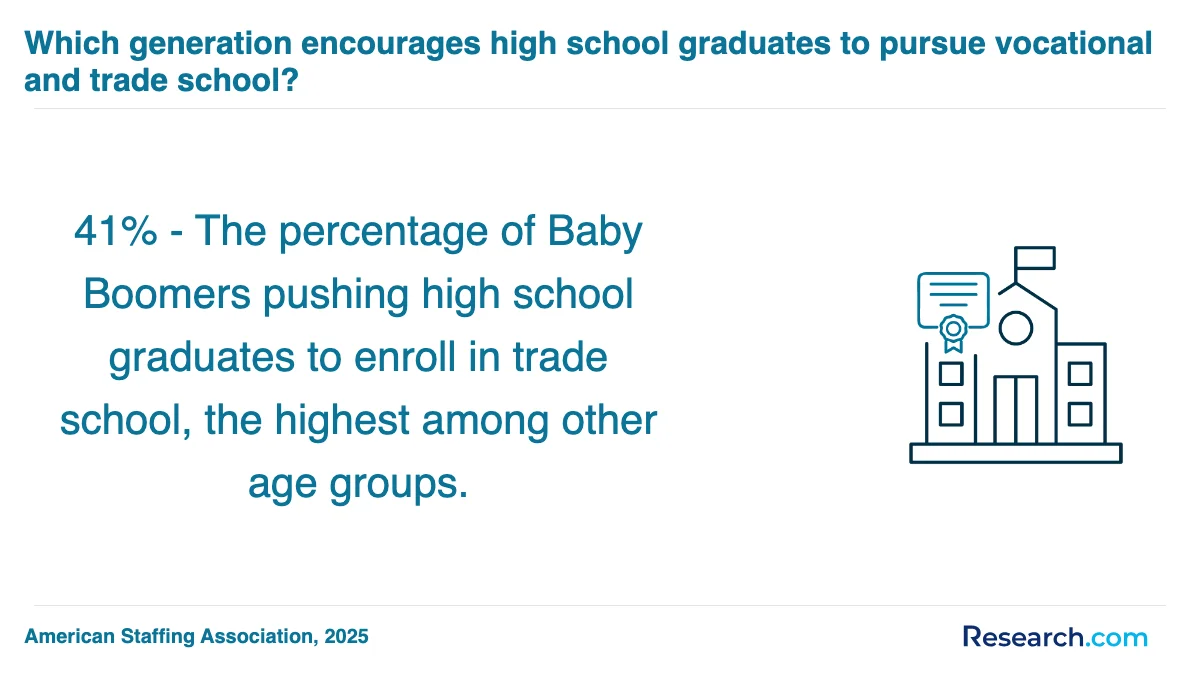
Trade school students in Idaho have several financial aid options that can make paying for technical education much more manageable. For instance, graduates from the College of Western Idaho often share how the combination of Pell Grants, federal student loans, and scholarships helped them cover costs without overwhelming debt. Completing the FAFSA is essential to tap into these federal resources, which also include work-study programs allowing students to earn money while gaining experience.
Another significant opportunity is the Idaho LAUNCH grant. This state-funded program covers up to 80% of tuition and fees-capped at $8,000-for in-demand career programs at approved Idaho trade schools. Imagine starting your first year with $4,000 covered and knowing the rest is secured over the next three years. Applicants must be Idaho high school graduates, residents, and enroll soon after finishing high school. Notably, no FAFSA or minimum GPA is required, but you must apply by April 15 through Scholarship Idaho.
Additionally, many Idaho community colleges offer institutional scholarships and private donor aid tailored to specific programs. Students who connect with financial aid offices often find personalized assistance to maximize their funding. This multi-layered support network helps students focus on their trades with confidence, knowing finances are less of a hurdle.
To enroll in a trade school program in Idaho, you'll need to meet straightforward but key prerequisites that most schools require. For example, students aiming for programs at Idaho State University (ISU) or the College of Western Idaho (CWI) commonly share these baseline criteria:
- Minimum age of 16, with parental consent if under 18-ideal for high schoolers seeking early tech training;
- Proof of a high school diploma, GED, or HiSET score-most graduates find this step familiar and manageable;
- A minimum GPA of about 2.0 to 2.5, with some room for provisional acceptance or advisor overrides, especially in dual credit programs;
- Completion of an application form, sometimes accompanied by a small, often-waived application fee;
- Advising appointments at ISU's College of Technology help match students to the right program, turning uncertainty into confidence.
One graduate recalled how the advising step clarified which pathway suited their skills best, easing anxiety and boosting motivation. These practical requirements ensure readiness while keeping doors open, so many students feel encouraged as they start their trade journey in Idaho.

Trade school programs in Idaho typically focus on career-ready skills tailored to key state industries. Popular courses cover practical fields like manufacturing, construction, transportation, health sciences, and information technology. For example, graduates from the College of Western Idaho often highlight hands-on training in automotive maintenance and diesel technology, gaining real-world experience repairing engines and diagnosing issues.
Students at the College of Eastern Idaho commonly take certificate or associate degree programs that include:
- Welding and HVAC (heating, ventilation, and air conditioning)
- Electrical work and automated manufacturing
- Construction trades such as carpentry and blueprint reading
- Precision machining and plumbing
- Electronics technology
Health sciences courses like dental assisting and medical coding are also growing in demand. Many students appreciate the chance to quickly upskill in workforce training areas such as cybersecurity, welding, and flagging, allowing them to enter the job market efficiently.
Most programs are designed closely with Idaho employers, so graduates feel confident their skills match local job needs. The blend of theory and hands-on learning makes these pathways especially rewarding for students eager to build stable careers in Idaho's evolving industries.
Trade school programs in Idaho provide a wide variety of specializations that align with local job markets and student career goals. Graduates from popular institutions like the College of Eastern Idaho often highlight their practical skills gained in fields such as manufacturing, transportation, and construction. Manufacturing pathways include automated manufacturing and precision machining, preparing students for hands-on roles operating and maintaining industrial equipment.
Transportation-focused programs train students in automotive collision repair, heavy-duty truck maintenance, and aircraft upkeep, reflecting Idaho's ongoing need for skilled technicians. Those interested in construction trades will find courses in electrical work, HVAC, plumbing, and general construction highly practical given the state's strong construction sector growth.
- Welding and electronics technology offer specialized technical training with real-world applications demonstrated by students completing short- and long-term courses at Idaho State University and the College of Eastern Idaho.
- Agriculture, business, engineering, family sciences, and health sciences also feature prominently, addressing the state's broad economic demands.
Whether you're considering skills for immediate employment or thinking about long-term career development, comparing trade school or college options can help you find the best path in Idaho's diverse educational landscape.
Choosing the best trade school program in Idaho starts with checking accreditation. Graduates from respected institutions like those in Boise or Twin Falls often mention how their accredited programs opened doors for federal financial aid and professional certification, crucial steps for successful careers here. Accreditation guarantees the school meets solid educational standards, shielding you from wasting time or money.
Cost is another decisive factor for many Idaho students. Comparing tuition, fees, and available scholarships can reveal surprisingly affordable options. For example, some learners found that by exploring low cost appliance repair courses online, they saved money without sacrificing quality. Thinking about Idaho trade school program cost comparison early on helps avoid unexpected expenses and debt.
Finally, pay attention to a program's reputation and outcomes. Graduates from top Idaho trade schools often share how strong job placement rates and good employer connections made transitioning to the workforce easier. Confirming that credits transfer or count toward future certifications can also keep options open. A practical approach ensures your chosen program fits both career goals and budget.
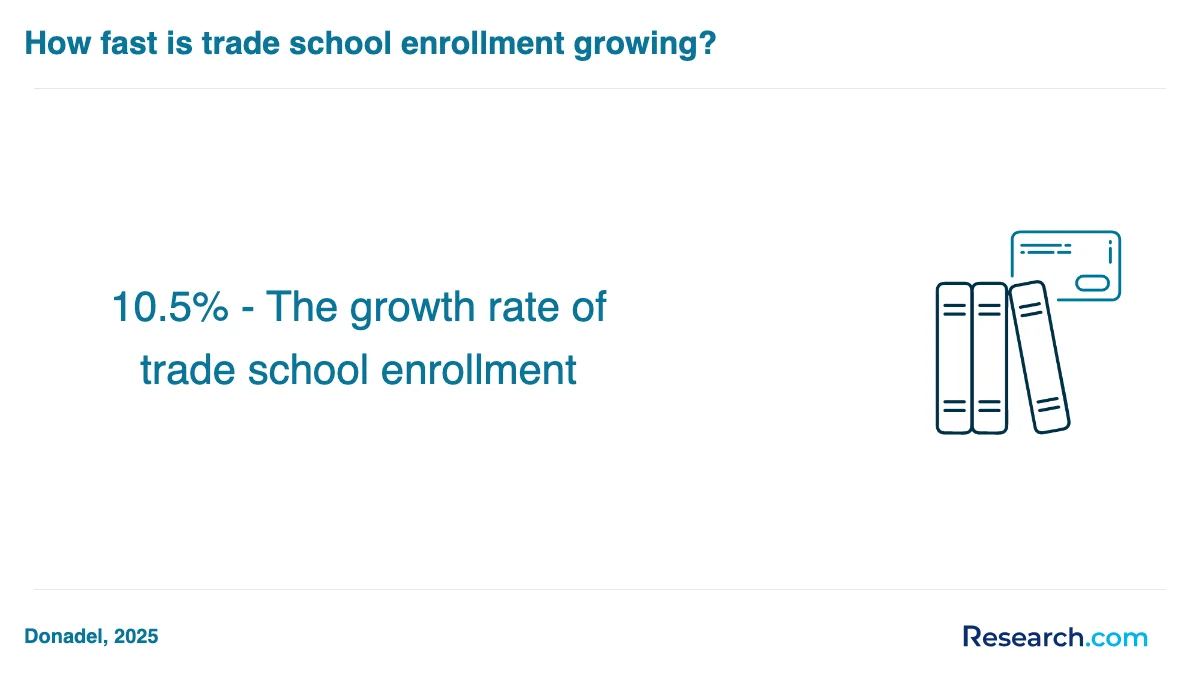
Trade school graduates in Idaho have access to a variety of promising paths that reflect the state's strong demand for skilled labor. Many find rewarding opportunities in construction, a field expanding rapidly with projects ranging from residential housing to large infrastructure. Graduates from popular Idaho trade schools report stepping directly into roles like general contractor or remodeling specialist with confidence.
Manufacturing is another solid route, offering jobs as production technicians or machine operators. Typical programs emphasize hands-on skills, preparing students for diverse manufacturing environments, including automated and precision machining.
- Transportation careers, including commercial truck driving and heavy equipment maintenance, align well with Idaho's role as a Northwest logistics hub.
- Welding remains critical given the ongoing shortage-graduates often become structural or pipe welders in both manufacturing and infrastructure projects.
Other in-demand skilled trades jobs in Idaho include electrical work, HVAC, plumbing, and automotive repair, where apprentices develop skills that lead to supervisory roles. Healthcare support positions like medical assistant are also accessible through focused programs. Many students appreciate Idaho's option for dual credit or certification during high school, accelerating entry into the workforce.
For those weighing their options, understanding the vocational school vs trade school distinction can clarify the best route. Idaho's trade school career opportunities offer practical pathways backed by solid employment prospects, making it easier to plan a successful future in skilled trades.
The Idaho trade school job market is currently strong, especially for graduates trained in construction, welding, electrical work, HVAC, and commercial truck driving. Skilled trades employment outlook Idaho shows solid growth fueled by new infrastructure projects and technological advancements. Many trade school graduates from popular Idaho technical colleges report quickly securing well-paying jobs because employers value their hands-on experience and certifications.
Typical salary ranges for these careers vary widely, with most earning between $47,500 and $76,700 annually, while top skilled workers can make over $90,000. Graduates often highlight the immediate applicability of their training and the competitive hourly wages around $30.38. The demand is particularly high in southeastern Idaho, where job postings have increased by 9%, reflecting how quickly openings arise in this labor market.
Support programs like the Idaho LAUNCH scholarship, offering up to $8,000 for tuition, make trade school more accessible and boost enrollment at technical colleges. Students considering a shorter training timeline might explore high paying 6 month certificate programs that align with Idaho's workforce needs.
- Hands-on training meets employer demands
- Average salaries near $63,000 annually
- Low regional unemployment encourages steady job placement
- Scholarships ease financial barriers to technical education
Most Affordable Trade School & Training Programs - Leading Certification Courses in Idaho for 2026
# 1 position
College of Western Idaho - Welding Technology/Welder.
associateThe Welding Technology/Welder program at College of Western Idaho offers a hybrid format with some distance education options. It prepares students to apply technical skills in various welding methods, including arc welding, resistance welding, and brazing. The program covers welding metallurgy, safety, structural design, and applicable codes. Annual in-state tuition is $3,336. Median earnings one year after completion are $40,029. The program is accredited by the Northwest Commission on Colleges and Universities.
# 2 position
College of Western Idaho - Automobile/Automotive Mechanics Technology/Technician.
associateThe College of Western Idaho offers a hybrid program in Automobile/Automotive Mechanics Technology/Technician preparing students to repair, service, and maintain various automobile systems. Instruction covers brake systems, electrical systems, engine performance and repair, suspension, steering, transmissions, and heating and air conditioning. The program’s annual in-state tuition is $3,336. Graduates have median earnings of $36,676 one year after completion. It is accredited by the Northwest Commission on Colleges and Universities.
# 3 position
College of Western Idaho - Computer and Information Sciences, General.
associateThe College of Western Idaho offers a hybrid program in Computer and Information Sciences, General, combining computing, computer science, and information systems. The annual in-state tuition is $3,336. This program is accredited by the Northwest Commission on Colleges and Universities. It is designed as a general course of study without specialization in specific computer science or information science fields, providing foundational knowledge in these areas.
# 4 position
College of Western Idaho - Computer Systems Networking and Telecommunications.
associateThe College of Western Idaho offers a hybrid Computer Systems Networking and Telecommunications program emphasizing the design, implementation, and management of interconnected computer systems and software. The curriculum covers operating systems, systems design, networking theory, network management, security, and troubleshooting. Annual in-state tuition is $3,336. The program is accredited by the Northwest Commission on Colleges and Universities, preparing students to work as network specialists and managers at various levels.
# 5 position
College of Western Idaho - Computer and Information Systems Security/Auditing/Information Assurance.
associateThe Computer and Information Systems Security/Auditing/Information Assurance program at College of Western Idaho offers a hybrid learning format. It prepares students to evaluate security needs, implement safeguards, and manage security systems and procedures. The curriculum covers computer architecture, programming, networking, cryptography, auditing, law, risk assessment, contingency planning, and investigation techniques. Annual in-state tuition is $3,336. Median earnings one year after completion are $35,040. The program is accredited by the Northwest Commission on Colleges and Universities.
# 6 position
College of Western Idaho - Dental Assisting/Assistant.
associateThe Dental Assisting/Assistant program at College of Western Idaho offers a hybrid format with some distance-education options. It prepares students to provide patient care, take dental radiographs, and assist dentists and hygienists with clinical and administrative tasks. Instruction covers medical record-keeping, office duties, equipment maintenance, radiography, and chairside assisting. The program’s annual in-state tuition is $3,336, and it is accredited by the Northwest Commission on Colleges and Universities.
# 7 position
College of Western Idaho - Accounting Technology/Technician and Bookkeeping.
associateThe Accounting Technology/Technician and Bookkeeping program at College of Western Idaho prepares students to provide technical administrative support to accountants and financial management personnel. This hybrid program includes instruction in posting transactions, record-keeping systems, accounting software, and general accounting principles. The annual in-state tuition is $3,336. The program is accredited by the Northwest Commission on Colleges and Universities.
# 8 position
College of Western Idaho - Marketing/Marketing Management, General.
associateThe Marketing/Marketing Management, General program at College of Western Idaho offers a hybrid format with some distance-education options. It prepares students to manage consumer audiences and product movement from producers to consumers. Coursework covers buyer behavior, marketing research principles, demand analysis, pricing theory, advertising, sales management, and retailing. The program is accredited by the Northwest Commission on Colleges and Universities. Annual in-state tuition is $3,336.
# 9 position
College of Western Idaho - Physical Therapy Assistant.
associateThe Physical Therapy Assistant program at College of Western Idaho offers a hybrid format, preparing students to assist physical therapists in treatment plans, patient training, and clinical documentation. The curriculum covers anatomy, physiology, biomechanics, neuroscience, and professional ethics. Tuition for in-state students is $3,336 annually. Graduates earn a median income of $32,413 one year after completion. The program is accredited by the Northwest Commission on Colleges and Universities.
# 10 position
College of Western Idaho - Criminal Justice/Law Enforcement Administration.
associateThe Criminal Justice/Law Enforcement Administration program at College of Western Idaho offers a hybrid format with some distance education. The program prepares students for management roles in public law enforcement by covering law enforcement history, operational leadership, labor relations, budgeting, and legal responsibilities. Annual in-state tuition is $3,336. Graduates have a median earning of $28,234 one year after completion. The program is accredited by the Northwest Commission on Colleges and Universities.
Frequently Asked Questions about trade school programs
Preparing for the job market after completing trade school in Idaho involves several strategic steps. Graduates should begin by obtaining relevant certifications and licenses required for their specific trade, as these credentials significantly increase employability. According to the Idaho Department of Labor, many trade occupations in the state, such as electricians and HVAC technicians, require state or national certification.
Building a strong professional network through internships and local trade unions also supports job placement. The Idaho Department of Labor reports that nearly 80% of trade school graduates find employment within six months of finishing their programs. Furthermore, utilizing the career services offered by trade schools, including resume workshops and job fairs, can improve job readiness.
Employers in Idaho highly value technical skills when hiring trade school graduates. According to the Idaho Department of Labor, proficiency in fields such as welding, electrical work, HVAC, and automotive repair consistently ranks among the top requirements. For example, nearly 70% of job postings for trade roles specify hands-on experience with industry-standard tools and equipment.
Beyond technical abilities, employers also emphasize strong problem-solving skills and adaptability. The ability to troubleshoot machinery or unexpected issues on site is critical, as noted in a 2023 survey by the Idaho Workforce Development Council. Soft skills like communication and teamwork are equally important since many trades require collaboration in dynamic work environments.
Finally, reliability and a strong work ethic are frequently mentioned in employer feedback across Idaho's trades industries. Graduates who demonstrate punctuality and a commitment to safety protocols often have a competitive advantage.
Finding internships relevant to your trade school program in Idaho involves several strategic steps. Start by consulting your school's career services office, which often maintains partnerships with local employers in industries like manufacturing, healthcare, and construction. Many Idaho trade schools also offer internship placement assistance as part of their programs.
Utilize the Idaho Department of Labor's resources, which list internship opportunities across various trades with regional employers. According to recent data, Idaho hosts over 2,000 registered apprenticeship and internship openings annually through workforce programs.
Networking is crucial: attend local job fairs, industry expos, and connect with professional associations such as the Idaho Construction Contractors Association. Additionally, online platforms focused on Idaho job listings can help you find internships that align with your skill set and trade.
In Idaho, earning a trade school diploma can significantly enhance career mobility and advancement opportunities. According to the Idaho Department of Labor, many skilled trades in the state experience steady job growth, especially in areas like construction, healthcare, and advanced manufacturing.
A trade diploma often leads to higher starting wages compared to just a high school diploma. For example, electrical and plumbing trades report median annual salaries exceeding $50,000. This credential shows employers practical skills and readiness, speeding up promotion chances and job stability.
Moreover, Idaho's community colleges and technical programs often build strong employer connections, which helps graduates secure apprenticeships and on-the-job training. This network boosts upward mobility within trades.
Research from the National Center for Education Statistics notes that trade certificates in Idaho correlate with reduced unemployment, supporting long-term career resilience.
Idaho offers several part-time job opportunities that complement trade school education, helping students gain practical experience while earning income. Common options include positions as automotive technicians, electricians' assistants, or HVAC helpers, reflecting the state's demand for skilled trades. According to the Idaho Department of Labor, jobs in construction and manufacturing sectors are projected to grow by 7% over the next decade, indicating strong demand for on-the-job training roles.
Additionally, healthcare support roles such as certified nursing assistants (CNAs) provide part-time work aligned with many trade programs. Employers often prefer students who can bring classroom knowledge into hands-on settings, making these jobs ideal for trade school attendees.
To find the most affordable degree program near me in Idaho, researching local universities and programs that offer competitive tuition rates is a good start. Many institutions near Idaho have initiatives and scholarships that can reduce the overall cost of attendance. Additionally, utilizing resources like Research.com can provide insights into academic programs based on affordability and proximity.
- Most Affordable Trade School & Training Programs - Leading Certification Courses in Nevada for 2026
- Most Affordable Trade School & Training Programs - Leading Certification Courses in Utah for 2026
- Most Affordable Trade School & Training Programs - Leading Certification Courses in Wyoming for 2026
- Most Affordable Trade School & Training Programs - Leading Certification Courses in Colorado for 2026
- Most Affordable Trade School & Training Programs - Leading Certification Courses in Arizona for 2026
- Most Affordable Trade School & Training Programs - Leading Certification Courses in South Dakota for 2026
- Most Affordable Trade School & Training Programs - Leading Certification Courses in Nebraska for 2026
- Most Affordable Trade School & Training Programs - Leading Certification Courses in Iowa for 2026
- Most Affordable Trade School & Training Programs - Leading Certification Courses in Louisiana for 2026
- Most Affordable Trade School & Training Programs - Leading Certification Courses in Wisconsin for 2026
- Apprenticeships & Work-Based Learning - Next Steps Idaho https://nextsteps.idaho.gov/education-training/apprenticeships-work-based-learning
- Career & Technical Education | College of Western Idaho https://cwi.edu/programs-degrees/career-technical-education
- Client Challenge https://cr.tfsd.org/o/crhs/page/cte-trade-programs
- Trades and Industry https://www.nic.edu/trades/
- Idaho Statewide Experiential Learning Summit - Career Services https://www.boisestate.edu/career/idaho-statewide-experiential-learning-summit/
- Prospective apprentices | Idaho Division of Career Technical Education https://cte.idaho.gov/programs/apprenticeships/prospective-apprentices/
- Trade Schools in Idaho | Top Trade Schools https://toptradeschools.com/states/idaho/
- Find The Best Trade Schools In Idaho https://www.accreditedschoolsonline.org/vocational-trade-school/idaho/
- Career and technical education | Workforce training and development option (B.S.Ed.) | University of Idaho https://www.uidaho.edu/academics/degree-finder/career-tech-ed-workforce-training-development-bsed
- Our Programs - Career Technical Education Center https://ctec.ifschools.org/our-programs