Most Affordable Trade School & Training Programs - Leading Certification Courses in South Dakota for 2026

Co-Founder and Chief Data Scientist
Choosing the right trade school in South Dakota can be overwhelming, but this article aims to make it easier. We’ve included a trade school programs ranking, carefully created by the Research.com team of data scientists, to help you find programs that balance quality and affordability.
Whether you're starting fresh or advancing your skills, earning a trade school diploma or certification can open doors to rewarding careers. This guide is designed to support your decisions and encourage you on your educational journey.
Key benefits of finishing trade school programs trade school in South Dakota
- Expected salaries: Trade school graduates in South Dakota can earn between $40,000 and $65,000 starting, with careers like Registered Nurse, Electrician, Welding, and IT showing strong income potential.
- Popular career paths: Graduates often enter rewarding fields such as nursing, electrical work, HVAC, welding, diesel technology, and computer programming, all offering solid job prospects and growth.
- Online education benefits: Earning a trade school certification online provides flexibility, allowing you to balance work and study, just like many successful online graduates from South Dakota tech schools share.
- Most Affordable Trade School & Training Programs - Leading Certification Courses in South Dakota for 2026
- What can I expect from trade school programs trade schools in South Dakota?
- Where can I work after finishing trade school programs trade schools in South Dakota?
What can I expect from trade school programs trade schools in South Dakota?
The average cost of attending a trade school program in South Dakota is notably affordable, especially compared to four-year universities. For instance, students at Southeast Technical Institute typically pay about $3,146 annually for in-state tuition, with additional per-credit fees near $263. Graduates often recount how this manageable expense allowed them to focus on learning specialized skills without the burden of overwhelming debt.
Trade schools such as Lake Area Technical College similarly offer cost-efficient pathways where students blend classroom instruction with paid apprenticeships, effectively easing financial pressures. This balance makes it possible for many to support themselves while gaining hands-on experience and industry connections.
Financial aid opportunities enhance affordability for eligible students, including adults returning to education, dislocated workers, and seniors. Such support opens doors for a diverse population to access career-focused programs in healthcare, construction, or technology, fueling both confidence and optimism about their futures.
Where can I work after finishing trade school programs trade schools in South Dakota?
After completing a trade school program in South Dakota, graduates find a wide range of employment opportunities available throughout the state. Many secure roles in advanced manufacturing, working in manufacturing plants or machine shops where precision machining skills are in high demand. Others from automotive programs step confidently into positions as automotive technicians at local dealerships or service centers, often sharing how their hands-on training made the transition seamless.
The building trades offer career paths as construction managers or building inspectors, with graduates frequently employed by private firms or state agencies. Those trained in energy technology often work installing wind turbines or solar systems, reflecting South Dakota's growing investment in renewable energy. Healthcare and nursing graduates find roles in hospitals and clinics, enjoying the rewards of making a direct impact on their communities.
Trade schools such as Western Dakota Tech and Mitchell Technical Institute emphasize partnerships with local employers, which means many students secure job offers before graduation. Apprenticeships in manufacturing and healthcare allow graduates to build experience and establish roots, especially in rural areas. Overall, students consistently report feeling supported and optimistic about their career prospects in South Dakota's robust job market.
After completing a trade school program in South Dakota, graduates can expect to earn competitive salaries that vary by industry and experience. According to recent data, the average annual salary for trade school graduates in the state is approximately $67,149, which translates to about $32.28 per hour. Many graduates begin with salaries around $50,500 but quickly progress, with top earners reaching up to $100,000 annually. For example, graduates from well-known institutions such as Southeast Technical College report a median starting salary of $48,838, reflecting strong outcomes across fields like construction, health sciences, and technology.
Trade school graduates often share positive experiences about securing full-time employment shortly after graduation, with job placement rates near 99%. Many find themselves employed in program-related roles with starting wages that rival or exceed local bachelor's degree holders, especially in trades like welding, nursing, and HVAC. These earnings, combined with South Dakota's low cost of living, provide graduates with a robust financial foundation to build their careers and lives.
- Applicants generally need a high school diploma or GED to enter trade school programs in South Dakota.
- Most schools require recent test scores like ACT, ACCUPLACER, or ATI-TEAS, typically from the last seven years for placement.
- Students aged 16 or older are eligible, and schools follow open admissions policies without discrimination based on race, gender, or economic status.
- Annual costs range from $5,000 to $15,000, which is lower than most four-year colleges, with many students eligible for financial aid.
- Graduates often work in fields like nursing, welding, HVAC, and automotive technology, earning starting salaries between $35,000 and $50,000 annually.
- Job placement rates within six months of program completion exceed 90% for many South Dakota trade schools.
Most trade school programs in South Dakota are designed to be completed within one to two years, depending on the credential pursued. Certificate programs, like those offered at Southeast Technical College, often take just a few weeks to several months, allowing students to quickly gain practical skills and enter the workforce. For example, graduates of short-term electrical exam prep courses complete training in as little as five days, feeling confident and job-ready soon after.
Diploma programs typically span nine months to one year. At Mitchell Tech, students completing a welding diploma finish in about nine months, preparing them for apprenticeship opportunities and hands-on careers promptly. Associate degrees usually require about two years of full-time study, encompassing four semesters. Western Dakota Tech's Associate of Applied Science programs blend classroom learning with practical skills, giving graduates a strong foundation for immediate employment or further education.
Apprenticeship programs vary, lasting from one to four years, combining paid work with formal training. This flexibility accommodates students eager to gain experience while pursuing credentials in trades like diesel technology or electrical work, widely respected across South Dakota's industries.
The core difference between online and on-campus trade school programs in South Dakota lies in how courses are delivered and experienced. Online programs, like those at Lake Area Technical College, cater to students balancing work or family by offering flexible schedules and the convenience of studying from home. Many of these programs are hybrid, requiring occasional campus visits for hands-on labs, ensuring students gain essential technical skills. Graduates often appreciate the ability to manage coursework around their busy lives while still getting practical experience.
On-campus programs, such as those at Mitchell Technical College, immerse students fully in face-to-face learning with direct access to instructors, specialized equipment, and simulated work environments. This format suits students who thrive in structured settings and benefit from immediate feedback and peer collaboration. Graduates frequently highlight the confidence gained from in-person training and the feeling of community on campus, preparing them effectively for employment in hands-on fields like automotive technology or healthcare.
Both formats require commitment, but the choice depends on whether students prefer flexibility or a traditional classroom environment with close supervision.
The average trade school cost in South Dakota for the 2024-2025 academic year is about $11,167 for both in-state and out-of-state students at commonly attended schools. This figure generally covers tuition and mandatory fees but excludes additional expenses such as books, uniforms, and supplies. Many graduates recall budgeting carefully as these added costs can significantly increase the total outlay, sometimes by several thousand dollars.
South Dakota trade school tuition and fees differ depending on the institution's type and program length. For example, private trade schools in the state usually charge tuition between $5,000 and $16,000, but when factoring in fees and supplies, the overall program cost can reach $20,000 or more. Public community colleges offer a more affordable route, averaging approximately $5,786 per year for tuition, appealing to students seeking a balanced investment and quality education.
At Southeast Technical College, popular programs like Mechanical Engineering Technology (AAS) total around $20,425, covering tuition, fees, books, and required equipment. Conversely, shorter certificate programs such as Medical Coding cost closer to $6,638. Graduates from these programs often appreciate the transparent breakdown of costs, which helps them plan financially and avoid unexpected expenses.
For those comparing options, it's wise to explore schools' official financial aid offerings, as many accredited institutions provide support that can reduce the financial burden. Prospective students may also find valuable guidance by reviewing affordable carpentry training programs online, which can complement their decision-making for cost-effective education pathways.
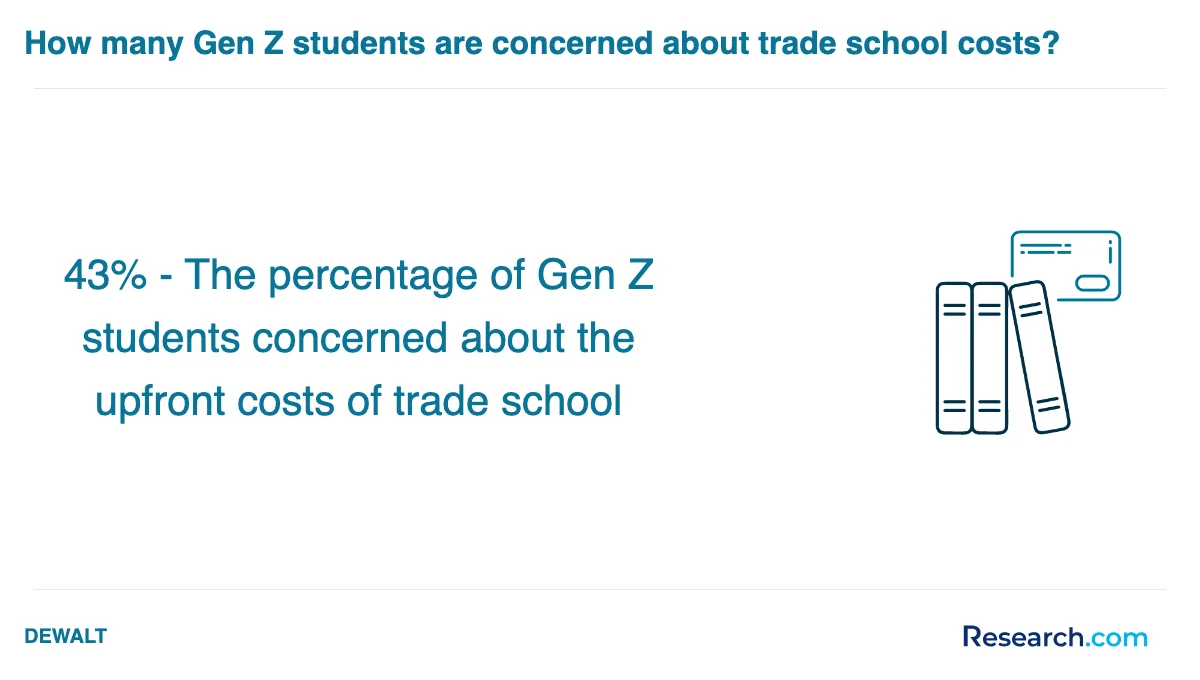
Trade school students in South Dakota have access to a variety of financial aid options designed specifically for technical education. Many graduates from popular institutions like Lake Area Technical College and Mitchell Technical Institute share how the Build Dakota Scholarship transformed their experience. This full-ride scholarship covers tuition, fees, books, and other required expenses, easing financial burdens and allowing students to focus fully on their studies. In exchange, recipients commit to working within South Dakota for at least three years, strengthening local industries.
In addition to state scholarships, students frequently use federal aid by completing the Free Application for Federal Student Aid (FAFSA). Federal grants, such as Pell Grants, alongside work-study opportunities and loans, provide essential support to many who might otherwise struggle to afford trade programs.
Institutional foundation scholarships offered by South Dakota's technical colleges also play a critical role. These often address gaps left by federal and state aid, sometimes based on merit or financial need, helping graduates confidently pursue their careers.
Enrolling in a trade school program in South Dakota typically requires applicants to provide proof of high school completion or a GED certificate. For example, graduates from Southeast Technical College in Sioux Falls often recall submitting their official high school transcripts as a straightforward first step. Transfer students must also present college transcripts. Most schools, including Western Dakota Technical College in Rapid City, expect applicants to be at least 16 years old; students under 18 without a diploma meet admissions counselors to confirm readiness for credit classes.
Many programs set clear academic thresholds to ensure success. At Southeast Technical College, students often share how meeting one of these benchmarks helped them feel confident and prepared:
- A minimum high school GPA of 2.0 or GED sub-score of 145+
- A college GPA of 2.0 after nine credits
- ACT score of 15 or SAT score of 830
Language proficiency in English is essential as all classes are taught exclusively in English, a fact well understood by students who have mastered the language before enrolling. Additionally, scholarships like the Build Dakota Scholarship sometimes require graduates to commit to working in-demand jobs within South Dakota, aligning educational goals with career opportunities in the state.

Trade school programs in South Dakota equip students with practical, career-ready skills through specialized courses tailored to local industry demands. At Southeast Technical College in Sioux Falls, graduates appreciate hands-on learning in fields like business administration, medical assisting, information technology, automotive technology, and welding. These programs combine classroom theory with workshops, allowing students to confidently operate real equipment before entering the workforce.
Western Dakota Technical College in Rapid City offers focused training in construction trades and STEM areas, where students gain valuable experience in wind energy technology, precision agriculture, electrical trades, plumbing, and carpentry. Graduates often highlight the benefit of using industry-standard tools within modern labs, which boosts their job preparedness.
Healthcare courses are highly popular across South Dakota's trade schools. Typical programs include medical coding, licensed practical nursing (LPN), dental assisting, and pharmacy technician training. These require clinical placements, giving students direct patient care experience that many find deeply rewarding and motivating.
- Business administration
- Medical assisting
- Information technology
- Automotive technology
- Welding
- Construction trades
- Wind energy technology
- Precision agriculture
- Electrical trades
- Plumbing
- Carpentry
- Medical coding
- Licensed practical nursing (LPN)
- Dental assisting
- Pharmacy technician training
South Dakota trade schools blend career-focused occupational coursework with essential skills development such as communication and critical thinking, ensuring students graduate not only with technical expertise but also with the confidence to succeed professionally.
Trade school programs in South Dakota offer diverse specializations that directly align with local workforce needs, providing students with practical skills and clear career paths. Graduates from popular technical colleges often share how hands-on training in advanced manufacturing fields such as precision machining and welding prepared them to work confidently with high-tech equipment in industries like automotive and agriculture.
Other key areas include construction and building trades, where students gain certification or associate degrees in construction management, electrical, HVAC, and plumbing, mastering skills they apply immediately in real-world projects. Healthcare remains vital, with specializations ranging from nursing to radiology technology-where programs frequently offer advanced options like mammography and computed tomography, responding to an 11% projected job growth in South Dakota through 2033.
Automotive technology courses focus on vehicle diagnostics and repair, while information and engineering technology programs equip students for thriving careers in IT support and networking. Many students find their passion in agriculture, public service, business entrepreneurship, social media marketing, or paralegal studies, which have close to 10% growth in jobs statewide. Students benefit from scholarships that make pursuing these programs affordable and debt-free.
For those considering career prospects, exploring the best paying trade jobs related to these specializations adds clarity to long-term opportunities.
Choosing the best trade school programs in South Dakota starts with focusing on accredited institutions known for hands-on training and strong career support. Graduates from Mitchell Technical College often highlight how the practical curriculum and dedicated faculty helped them confidently enter the workforce. To make an informed decision, consider the specific trade you want to pursue; South Dakota's schools cover fields from welding to cybersecurity, ensuring options align with your goals.
Many students appreciate the flexible scheduling at schools like Lake Area Technical College, which offers both online and on-campus classes. Their graduates frequently remark on how this flexibility enabled them to balance education with work or family life. When comparing schools, how to compare South Dakota trade schools effectively includes examining job placement rates and program duration, as these impact your return on investment and time commitment.
Cost is a crucial factor-residents may find tuition at Lake Area Technical College ranges between $6,718 and $18,588, so exploring financial aid options is vital. Some students mention discovering scholarships made their education affordable. For those seeking quick hands-on careers, exploring easiest trades to learn that pays well can also influence your choice.

Trade school graduates in South Dakota have access to diverse career opportunities for trade school graduates in South Dakota, spanning key industries tailored to local market needs. Healthcare programs at renowned institutions prepare graduates for in-demand roles such as registered nurses, licensed practical nurses, and dental hygienists, with many quickly securing positions through partnerships with local providers. Students training in construction and skilled trades find rewarding careers as electricians, plumbers, welders, and HVAC technicians, reflecting the state's infrastructure growth and employer demand.
Manufacturing and transportation pathways offer roles including industrial machinery technicians and professional truck drivers, with practical experience emphasized at popular trade schools. Graduates often report high satisfaction entering these fields that promise stability and growth.
Emerging technology and energy sectors create additional prospects in automation, robotics, and wind turbine technology, offering future-proof opportunities aligned with South Dakota's workforce evolution. Many students also pursue innovative agricultural technician roles, blending traditional skills with modern GPS/GIS mapping technology.
Among high demand technical jobs in South Dakota, those interested in maintenance roles can explore most affordable maintenance technician online courses tailored for practical skill-building.
The job outlook for trade school graduates in South Dakota is exceptionally positive, with nearly 99 percent of students finding employment within six months of graduation. Graduates from popular trade schools across the state often share how they secured roles directly related to their training, many within South Dakota itself. This strong placement record highlights both the demand for skilled workers and the practical preparation these programs provide.
High demand technical careers in South Dakota include trades such as construction, welding, electrical work, HVAC, commercial truck driving, and diesel technology. Graduates frequently report competitive salaries, with an average annual income around $53,000 for full-time positions, a figure that surpasses many entry-level jobs requiring only a high school degree.
Many students pursuing a career in HVAC find opportunities by obtaining the most affordable hvac certification online, which helps them enter this fully developing market quickly and affordably. The broad range of growing industries ensures that trade school students in South Dakota experience a welcoming and lucrative job market.
Most Affordable Trade School & Training Programs - Leading Certification Courses in South Dakota for 2026
# 1 position
Mitchell Technical College - Electrical and Power Transmission Installation/Installer, General.
associateMitchell Technical College offers a hybrid Electrical and Power Transmission Installation/Installer, General program that prepares students to install residential, commercial, and industrial electrical systems and power transmission lines. The curriculum covers electricity, safety, wiring, insulation, grounding, blueprint reading, equipment operation, and relevant codes. In-state tuition is $7,524 annually. Graduates earn a median salary of $49,794 one year after completing the program. The program is accredited by the Higher Learning Commission.
# 2 position
Mitchell Technical College - Electrician.
associateThe Electrician program at Mitchell Technical College prepares students to install, operate, maintain, and repair electrical systems in residential, commercial, and industrial settings. This hybrid program covers electronics, wiring, power transmission, safety, job estimation, electrical testing, and applicable codes. Annual in-state tuition is $7,524. Graduates earn a median salary of $49,794 one year after completion. The program is accredited by the Higher Learning Commission.
# 3 position
Mitchell Technical College - Heating, Air Conditioning, Ventilation and Refrigeration Maintenance Technology/Technician.
associateThe Heating, Air Conditioning, Ventilation and Refrigeration Maintenance Technology/Technician program at Mitchell Technical College offers a hybrid learning format. It prepares students to repair, install, service, and maintain HVAC and refrigeration systems. Instruction covers diagnostic techniques, testing equipment use, and principles of mechanics, electricity, and electronics. The annual in-state tuition is $7,524. The program is accredited by the Higher Learning Commission.
# 4 position
Mitchell Technical College - Business Administration and Management, General.
associateMitchell Technical College offers a program in Business Administration and Management, General, designed to prepare individuals to plan, organize, direct, and control business functions and processes. The curriculum includes management theory, human resources management and behavior, accounting, purchasing, logistics, marketing, and business decision-making. The annual in-state tuition is $7,524. The program is accredited by the Higher Learning Commission.
# 5 position
Mitchell Technical College - Accounting.
associateMitchell Technical College offers a Hybrid Accounting program designed to prepare students for the accounting profession and related business functions. The curriculum covers accounting principles, financial and managerial accounting, auditing, tax accounting, and professional ethics. The program is accredited by the Higher Learning Commission. Annual in-state tuition is $7,524. Graduates earn a median income of $40,475 one year after completing the program.
# 6 position
Mitchell Technical College - Heating, Air Conditioning, Ventilation and Refrigeration Maintenance Technology/Technician.
certificate or diplomaMitchell Technical College offers a hybrid program in Heating, Air Conditioning, Ventilation, and Refrigeration Maintenance Technology/Technician. The curriculum covers repairing, installing, servicing, and maintaining HVAC and refrigeration systems, including diagnostics and the use of testing equipment. Students learn principles of mechanics, electricity, and electronics relevant to these systems. The program’s annual in-state tuition is $7,524 and it is accredited by the Higher Learning Commission.
# 7 position
Mitchell Technical College - Welding Technology/Welder.
certificate or diplomaMitchell Technical College offers a Welding Technology/Welder program designed to teach technical skills for joining or cutting metal surfaces. The curriculum includes arc welding, resistance welding, brazing, soldering, high-energy beam welding, solid state welding, and welding metallurgy. Students learn about ferrous and non-ferrous materials, safety, structural design, and applicable codes. The program’s annual in-state tuition is $7,524 and it is accredited by the Higher Learning Commission.
# 8 position
Lake Area Technical College - Automobile/Automotive Mechanics Technology/Technician.
associateLake Area Technical College offers a hybrid Automobile/Automotive Mechanics Technology/Technician program that prepares students to repair, service, and maintain various automobiles. The curriculum includes brake systems, electrical systems, engine performance and repair, suspension and steering, transmissions, and heating and air conditioning systems. Annual in-state tuition is $6,718. Median earnings one year after completion are $47,080. The program is accredited by the Higher Learning Commission.
# 9 position
Lake Area Technical College - Welding Technology/Welder.
associateLake Area Technical College offers a Welding Technology/Welder program with a hybrid format, including some distance education options. The program prepares students to work with various welding techniques such as arc welding, resistance welding, brazing, and soldering, along with instruction in welding metallurgy, safety, and applicable codes. Annual in-state tuition is $6,718. Graduates have median earnings of $43,436 one year after completion. The program is accredited by the Higher Learning Commission.
# 10 position
Lake Area Technical College - Criminal Justice/Police Science.
associateLake Area Technical College offers a Hybrid Criminal Justice/Police Science program that prepares students for police and public security roles. The curriculum covers patrol, investigations, traffic and crowd control, evidence management, and crime prevention. Students learn weapon operation, report preparation, and public relations. The program is accredited by the Higher Learning Commission. Annual in-state tuition is $6,718, and median earnings one year after completion reach $41,230.
Frequently Asked Questions about trade school programs
After completing a trade school program in South Dakota, preparing for the job market involves several key steps. First, graduates should obtain relevant certifications or licenses required in their field, such as plumbing or electrical work, which increases employability. Networking is also crucial-connecting with local employers through job fairs or industry associations can open doors to opportunities. According to the South Dakota Department of Labor and Regulation, the state's trade sectors, including construction and healthcare support, are projected to grow by 6.1% through 2030, indicating steady demand for skilled workers. Developing a focused resume and gaining practical experience through internships is advisable.
Employers in South Dakota highly value practical skills combined with strong work ethics in trade school graduates. Technical ability in areas such as welding, electrical systems, and automotive repair are frequently cited. According to the South Dakota Department of Labor and Regulation, 75% of employers prioritize graduates who demonstrate hands-on experience and proficiency with industry-standard tools.
Soft skills like teamwork, communication, and punctuality also rank among the top traits employers seek. A 2023 survey by the National Skills Coalition highlights that 68% of regional employers consider these attributes critical for job performance and retention.
Problem-solving and adaptability are additional competencies that South Dakota businesses expect from trade school alumni, especially in fields like construction and manufacturing. Being prepared to learn continuously and adjust to new technologies can improve graduate employability in the state's evolving job market.
Finding internships in South Dakota relevant to your trade school program involves several strategic steps. Start by contacting your school's career services office, as many trade schools maintain partnerships with local businesses in industries like manufacturing, healthcare, and construction. According to the South Dakota Department of Labor and Regulation, sectors such as agriculture technology and automotive repair offer growing internship opportunities statewide.
Use local job boards like the South Dakota Talent Hub to search for internship postings aligned with your field. Additionally, attending regional job fairs and networking events can connect you with employers looking for interns. Many community colleges and technical institutes also collaborate with businesses in Sioux Falls, Rapid City, and Aberdeen to offer paid internships that provide hands-on experience.
In South Dakota, earning a trade school diploma significantly enhances career mobility and advancement opportunities. According to recent data from the South Dakota Department of Labor, graduates with trade certificates typically experience faster job placement than those with only a high school diploma. Many industries, including construction, healthcare, and manufacturing, show strong growth, increasing demand for skilled workers.
Trade school diplomas offer practical, job-ready skills that align closely with employer needs. This enhances graduates' eligibility for promotions and higher wages. For example, the median annual wage for South Dakota workers with trade credentials in skilled trades tends to be 15-25% higher than for non-certified workers (U.S. Bureau of Labor Statistics, 2023).
Moreover, trade diplomas often open doors to apprenticeships and specialized certifications, which further boost career progression. Employers in South Dakota value this formal training, contributing to greater job stability and upward mobility within competitive labor markets.
Part-time job opportunities in South Dakota can effectively support students enrolled in trade schools by providing practical experience and supplemental income. Fields such as automotive repair, welding, and healthcare offer various roles like technician assistant, apprentice welder, or medical aide. According to the U.S. Bureau of Labor Statistics, healthcare support roles in South Dakota grew by 6% between 2020 and 2023, indicating an increasing demand for part-time workers.
Retail and hospitality sectors also provide flexible hours ideal for trade students balancing coursework. Jobs such as parts clerk or delivery driver can complement studies in mechanics or logistics. Local employers often seek candidates with relevant skills gained from trade programs, enhancing both learning and employability.
There are numerous affordable degree programs available both near South Dakota and in other locations, ensuring a range of choices for prospective students. Various universities and colleges offer competitively priced options, and programs near South Dakota may align with different academic interests and career goals. Research.com can be a helpful resource for identifying institutions offering cost-effective degree programs near me tailored to individual needs.
- Most Affordable Trade School & Training Programs - Leading Certification Courses in Nebraska for 2026
- Most Affordable Trade School & Training Programs - Leading Certification Courses in Wyoming for 2026
- Most Affordable Trade School & Training Programs - Leading Certification Courses in Iowa for 2026
- Most Affordable Trade School & Training Programs - Leading Certification Courses in Colorado for 2026
- Most Affordable Trade School & Training Programs - Leading Certification Courses in Wisconsin for 2026
- Most Affordable Trade School & Training Programs - Leading Certification Courses in Indiana for 2026
- Most Affordable Trade School & Training Programs - Leading Certification Courses in Michigan for 2026
- Most Affordable Trade School & Training Programs - Leading Certification Courses in Tennessee for 2026
- Most Affordable Trade School & Training Programs - Leading Certification Courses in Louisiana for 2026
- Most Affordable Trade School & Training Programs - Leading Certification Courses in Mississippi for 2026
- Client Challenge https://www.sf.k12.sd.us/page/cte-hs
- Vocational Trade Schools In South Dakota https://www.accreditedschoolsonline.org/vocational-trade-school/south-dakota/
- News - Tech Schools a Better Option for Some Students - STC https://www.southeasttech.edu/news/2024/trade-and-tech-schools-better-option.php
- Career and Technical Education (CTE) - South Dakota https://sdgoed.com/cte/
- Workforce Training for Young Adults - Work Experience https://dlr.sd.gov/workforce_services/individuals/young_adults/young_adults_work_experience.aspx
- Apprenticeship Program | Lake Area Technical College https://www.lakeareatech.edu/academics/apprenticeship-programs/
- Technical College in South Dakota - Mitchell Technical College http://www.mitchelltech.edu/