
Most Affordable Associate Degree Programs - Leading Certification Courses in Minneapolis for 2026

Co-Founder and Chief Data Scientist
Choosing the right associate degree program in Minneapolis can be a game-changer for your future. This article introduces an extensive ranking created by the Research.com team of data scientists to help you find the most affordable and valuable trade school options available for 2026.
We understand that investing in education is a big step, and making an informed decision is essential. Whether you’re starting fresh or seeking a new career path, this guide offers clear insights to support your goals.
Exploring these programs can open doors to new opportunities and lasting success.
Key benefits of associate degrees in Minneapolis
- Associate degree graduates in Minneapolis can expect strong salaries: healthcare roles often exceed $60,000 annually, human resources associates earn around $68,000, and senior HR positions can top $100,000.
- Popular career paths include healthcare, business, and skilled trades, with many graduates from local schools starting near $53,000, reflecting high demand and rewarding opportunities in these fields.
- Completing an online associate degree offers flexibility and convenience, allowing students to balance work and study while gaining valuable skills, just like many successful graduates from well-known Minneapolis institutions.
- Most Affordable Associate Degree Programs - Leading Certification Courses in Minneapolis for 2026
- What can I expect from associate degree programs in Minneapolis?
- Where can I work after finishing associate degree programs in Minneapolis?
What can I expect from associate degree programs in Minneapolis?
Students pursuing an associate degree in Minneapolis often find the average total cost hovers around $10,000 to $15,000, depending on the institution and program chosen. Public colleges like Minneapolis Community and Technical College offer affordable tuition rates, with many graduates recalling how flexible payment plans made their educational journey manageable alongside part-time jobs or family commitments.
Graduates from private schools sometimes experience a higher sticker price but highlight the value of smaller class sizes and personalized support. Many share stories of balancing evening or weekend classes, appreciating how schools in Minneapolis provide options that fit busy lifestyles.
Beyond tuition, students should anticipate costs related to books, supplies, and technology fees, though scholarships and financial aid frequently ease the load. Those at Century College remember how the Minnesota Transfer Curriculum helped them smoothly transition credits toward a bachelor's-adding both value and savings to their education.
Overall, the financial investment feels rewarding for students eager to step into careers or continue their studies with confidence.
Where can I work after finishing associate degree programs in Minneapolis?
After finishing an associate degree program in Minneapolis, the city's vibrant job market opens up exciting doors. Graduates from local schools often find themselves stepping confidently into healthcare roles like respiratory therapists or diagnostic medical sonographers, working in bustling hospitals or cozy outpatient clinics across Minneapolis. Imagine starting your morning shift helping patients breathe easier, knowing your community depends on your skills.
Others dive into the tech world, joining innovative companies like Medtronic or nimble startups as IT support specialists or data analysts. Many recent grads share how their hands-on training from Twin Cities colleges gave them the edge to thrive in fast-paced tech offices, tackling challenges with real impact.
Engineering technicians and laboratory assistants also find rewarding paths, supporting exciting projects in firms scattered around the city. Plus, careers such as paralegals or logistics coordinators keep local law firms and distribution centers humming smoothly. The energy of Minneapolis, combined with practical education, creates countless opportunities for associate degree holders to build a meaningful career.
Graduates from associate degree programs in Minneapolis often find themselves pleasantly surprised by their earning potential. Imagine finishing an associate program at one of the city's well-respected schools and stepping into a career that pays a median annual salary of about $49,500-that's roughly 18% more than what most high school grads make around here. It's like unlocking a new level of financial independence faster than many expect.
For those who dive into specialized technical fields, the rewards can be even more exciting. Graduates working as electrical power-line installers or repairers can earn upwards of $109,590 a year, while surgical assistants see figures near $116,140. Picture the pride of a recent graduate from a Minneapolis community college landing a job with that kind of pay, feeling the weight and thrill of their newly gained expertise.
Some of the highest-paid roles, like elevator and escalator installers, offer salaries nearing $125,000 annually. Even if you start entry-level, the hourly wage around $18.35 is a solid kickoff, especially when combined with job stability. For many, these numbers translate directly into more freedom to explore the vibrant Twin Cities lifestyle, invest in their futures, or simply breathe easier knowing their degree was worth it.
- James: Earning my Associate in Information Technology from a Minneapolis trade school was the best decision I made. The hands-on training prepared me perfectly for my role as a network technician. I felt supported every step of the way, and landing a job in Minneapolis's growing tech scene was seamless.
- Maria: Studying Early Childhood Education at a Minneapolis community college gave me confidence and real classroom experience. The smaller classes and caring instructors helped me thrive, and now I'm happily employed at a local daycare, making a difference in children's lives every day. It truly empowered my career path.
- Eric: Getting an Associate Degree in Culinary Arts in Minneapolis was an exciting journey. The trade school's practical approach let me master kitchen skills quickly. Today, I enjoy working as a sous-chef at a well-known Minneapolis restaurant. The experience gave me both focus and joy in my profession.
- Applicants usually need a high school diploma or GED and must meet specific academic criteria, such as minimum test scores and prerequisite course grades.
- Many programs require completion of at least 60 college credits with a minimum GPA of 2.0, following general education guidelines for easy transfer to four-year schools.
- Tuition for associate degrees at public colleges in Minneapolis ranges from $5,000 to $7,000 per year, with total costs between $10,000 and $15,000 for two years.
- Starting salaries for graduates generally fall between $40,000 and $55,000 per year, with potential long-term earnings of $60,000 to $70,000 in high-demand fields.
- Employment rates after graduation exceed 80% within six months, especially in healthcare, business, and technology sectors.
In Minneapolis, finishing an associate degree typically takes about two years of full-time study, translating to four semesters of around 15 credits each. Imagine a student at a well-known local college balancing fall and spring semesters, steadily ticking off the 60-credit requirement that signals graduation is near.
Some graduates recall how part-time study stretched their journey beyond two years, but allowed them to juggle work and family simultaneously. Others loved the challenge of accelerated options-adding summer courses or extra credits-to finish faster and dive into their careers earlier.
Trade school programs around Minneapolis, like those offering Associate of Applied Science degrees, often include up to 72 credits, with at least half focused on hands-on, technical skills. These students describe feeling ready and confident stepping into the workforce right after graduation.
Whether attending vibrant campuses or completing hybrid classes online, students in Minneapolis find the structure flexible enough to fit their unique lifestyles, while keeping the pace set just right to reach that exciting moment of success.
Online associate degree programs in Minneapolis offer a level of freedom that's perfect for busy lives. Imagine a graduate juggling a job and family while accessing lectures from home through Minneapolis College's web platform. They study whenever it suits them, even late at night, without rushing across campus after work. This flexibility often means saving on transportation and enjoying a better balance between school and life.
On the other hand, graduates from traditional on-campus programs embrace the buzz of campus life. Picture being in a hands-on lab at Minneapolis College, collaborating face-to-face with peers and instructors. The energy of in-person classes, access to libraries, and lively career fairs create a rich, social college experience that's just different from logging in online.
Both paths lead to the same respected degree, but the choice depends on whether you crave convenience or a vibrant campus community in Minneapolis. Some even blend both worlds with hybrid programs, tailoring study to your unique style and goals.
Exploring the average associate degree cost in Minneapolis reveals a surprising balance between quality and affordability. Take Minneapolis Community & Technical College, for example; graduates fondly recall paying about $6,396 per year for full-time study, translating to roughly $12,792 for the entire two-year program. This manageable sum opens doors for many who dream of starting a career without drowning in debt, especially compared to pricier four-year universities in the region.
Minneapolis associate degree tuition and fees can vary slightly depending on the institution and program. At Hennepin Technical College, tuition is charged per credit-around $186.96 per credit, with fees pushing that total to approximately $209.73. For a full-time student tackling 30 credits a year, this means an annual outlay near $6,291.90. Students often share stories of feeling supported by these fair rates, which make specialized programs like Practical Nursing or Cabinet Making accessible, even though those may come with higher per-credit costs ranging from $211.98 to $249.98.
Beyond tuition, graduates recommend budgeting for books and living expenses, especially if moving off-campus. Books usually add about $375 annually, while housing and food might push yearly costs up to around $15,550. Still, many vibrant success stories emerge from those who embraced affordable paths, balancing work and study.
For those eager to accelerate their journey, discovering an accelerated college degree might be the adventurous way to leap into a career faster without sacrificing the Minneapolis associate degree tuition and fees advantage.
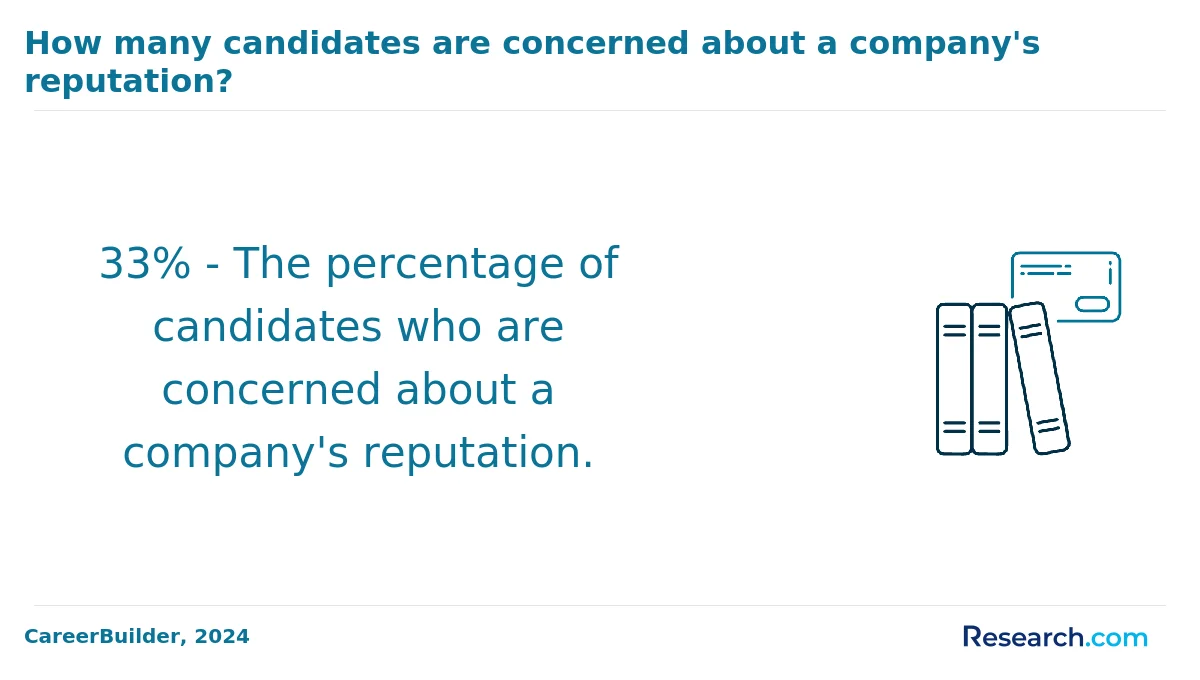
If you're aiming for an associate degree in Minneapolis, surprises await in the world of financial aid that can lighten your journey. First up, the Free Application for Federal Student Aid (FAFSA) is your gateway to unlocking federal grants like the Pell Grant, which could award you up to $7,395 without the burden of repayment. Imagine a student at Dougherty Family College who, after filing FAFSA, paid just $1,036 in tuition-talk about a game-changer!
State aid also plays a starring role here. The Minnesota State Grant helps many Minneapolis residents tackle tuition and living expenses, while the Minnesota Future Together Grant creates tuition-free pathways for those in high-need career fields. Picture a future graduate whose family earned less than $50,000 yearly, fully embracing this opportunity to pursue a promising career with less financial stress.
Beyond grants, institutional aid from local colleges eases the burden, and private scholarships open more doors. Don't forget federal work-study options, offering part-time jobs that not only help pay the bills but also build experience. The Minneapolis associate degree path is truly rich with support if you know where to look!
Ready to take the leap into an associate degree program in Minneapolis? Most students find the entry requirements refreshingly straightforward. To get started, having a high school diploma or GED is essential-this is your golden ticket to unlocking possibilities at local colleges like Minneapolis College.
Graduates often recall submitting official transcripts or GED proof, which sets the stage for admission. Some embrace placement tests in English or math that help tailor their course paths, ensuring they hit the ground running.
Typical academic prerequisites to keep in mind include:
- A cumulative high school GPA around 2.0 ("C") or better, giving you plenty of room to shine.
- Core high school courses completed in English, math, science, and social studies-think of it as your preparatory toolkit for success.
At Minneapolis College, for example, enthusiastic students dive into 60 credits of coursework, with essentials like info literacy (INFS 1000) and English composition completed early on. Many grads highlight how focusing on these basics eased their transition and boosted confidence.
And guess what? Unlike some intimidating programs elsewhere, you usually won't need ACT or SAT scores here, making the road to enrollment feel a little friendlier and more accessible.
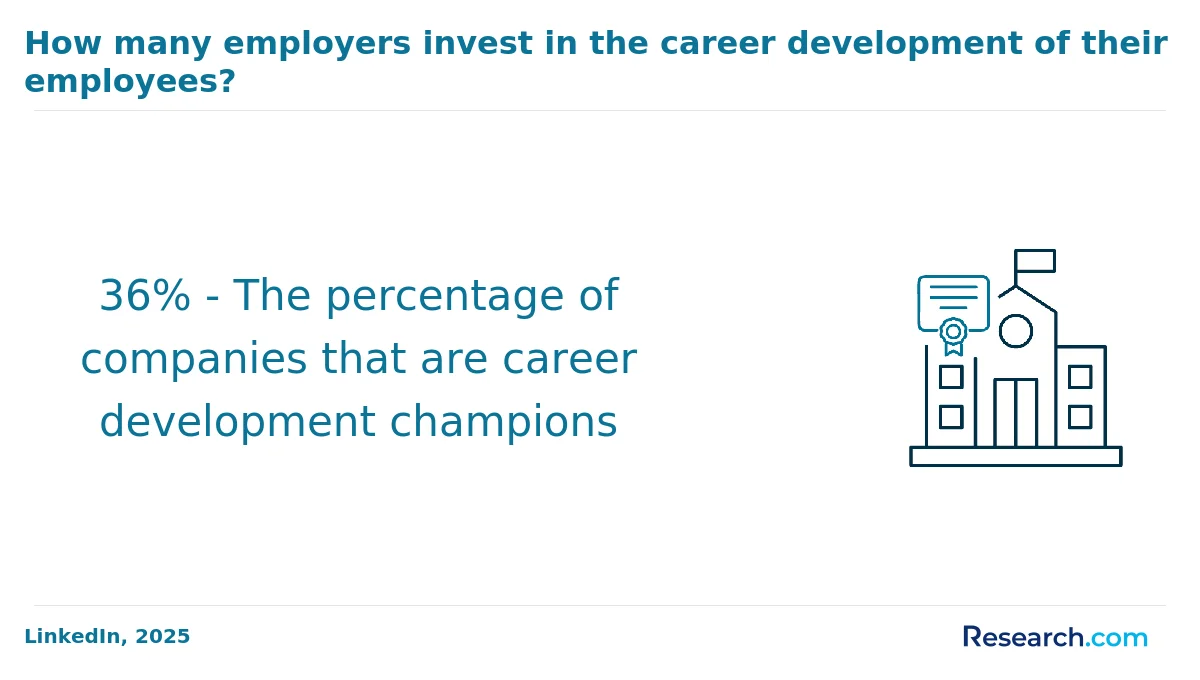
Associate degree course requirements Minneapolis students encounter blend broad general education with focused major-specific classes, typically spanning 60 to 72 semester credits. Graduates from popular Minneapolis schools often share how foundational courses in English composition, communication, mathematics, natural sciences, and social sciences form the basis for confident, versatile problem-solving skills. For example, Saint Paul College's robust general education curriculum demands at least 40 credits, including diverse natural sciences and social sciences, helping students build a well-rounded academic experience.
Students pursuing more career-oriented paths, like the Associate of Applied Science, dive into specialized courses while still completing a minimum of 16 liberal arts and sciences credits. Imagine immersing yourself in hands-on training at Minneapolis Community & Technical College's Nursing A.S. program where classes in anatomy, physiology, and nursing practice prepare you to enter a vibrant healthcare workforce. Others explore creative realms through programs like Film and Sound Design, where they apply technical skills in real studio environments.
Many programs also let you tailor your journey with electives in foreign languages, psychology, and business administration, enriching your skill set and personal passion. Curious about options for an easiest online college degree? Minneapolis associate degree majors mix practical training with solid academic groundwork to set students on exciting career paths.
Choosing the best associate degree program in Minneapolis starts with checking accreditation to ensure your credits count and employers respect your diploma. Graduates from local schools like Normandale Community College often share how their accredited programs opened doors, especially in nursing, where approval by the Minnesota Board of Nursing carries real weight. If you're dreaming of transferring to a four-year university, look for programs involved in the Minnesota Transfer Curriculum-many students from Century College delight in smooth credit transfers thanks to this.
Cost is key: students frequently compare tuition and fees for Minneapolis associate degrees and hunt for scholarships or grants that turn a steep price into manageable investment. Others appreciate flexible formats, mixing online, in-person, or hybrid classes to balance life and learning. For career-driven learners, exploring programs that fit your goals - be it arts or technical fields - is a thrilling adventure. Some even seek the quickest way to get associate's degree to jumpstart their careers faster.
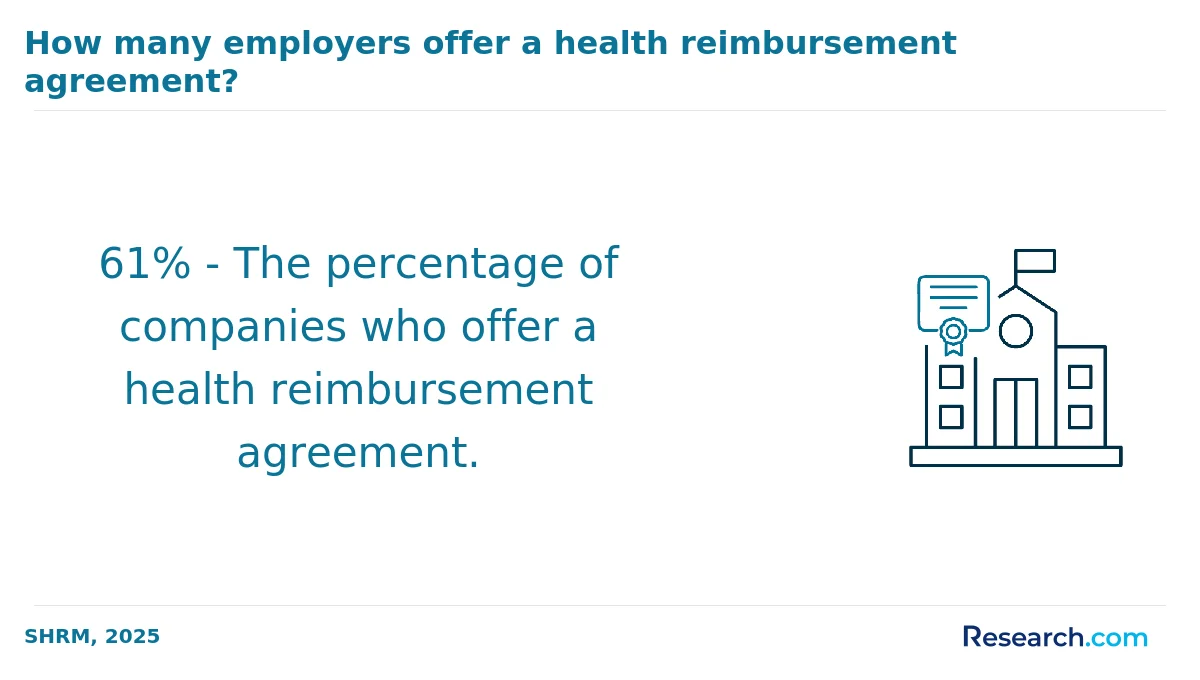
Graduates from associate degree programs in Minneapolis find themselves stepping into a variety of rewarding roles that mix stability with excitement. Many have embraced high-paying associate degree jobs in Minneapolis such as dental hygienist or respiratory therapist, positions well supported by local healthcare facilities eager to hire trained professionals. Imagine starting your day assisting patients in a bustling clinic or working as a clinical associate at a Minneapolis hospital, gaining hands-on experience that feels both impactful and fulfilling.
Others have launched vibrant careers in business and administration at companies like Xcel Energy or Thrivent. Graduates often share how roles like executive assistant or project coordinator allow them to thrive using skills learned at popular associate degree schools in Minneapolis, where the blend of practical knowledge and community connections opens doors to remote or hybrid jobs.
Explorations into technology and IT support also beckon; positions including IT support analyst provide a launchpad into evolving tech sectors. For those curious about public service or education, opportunities like preschool teacher or administrative hearing officer bring a chance to serve the community directly. This variety reveals the true breadth of career opportunities with associate degree Minneapolis offers, promising paths rich both in experience and growth. Many prospective students discover even more about these options and consider flexible programs by exploring accredited online non profit universities.
The job market for associate degree graduates in Minneapolis is buzzing with opportunity. Many graduates from local schools find themselves stepping confidently into fast-growing roles, especially in healthcare, where positions like Physical Therapist Assistants and Respiratory Therapists are in high demand. This vibrant market is part of the exciting Minneapolis employment outlook for associate degree holders, with projections showing a 2.6% increase in jobs requiring associate degrees between 2023 and 2025. Imagine a recent graduate from a Minneapolis community college landing a job with Hennepin Healthcare, supported by the city's strong healthcare system and expanding life science sectors.
Those exploring associate degree job opportunities in Minneapolis can also consider fields beyond healthcare:
- Architecture and engineering entry-level roles
- Business support and administration positions
- Public safety jobs welcoming career changers
With over 6,000 current job listings statewide calling for associate-level qualifications, students in Minneapolis can feel encouraged by employers' openness to diverse candidates. For those curious about what are the best jobs for introverts, the city's array of supportive roles is an inspiring starting point.
Most Affordable Associate Degree Programs - Leading Certification Courses in Minneapolis for 2026
# 1 position
Minneapolis Community and Technical College - Heating, Air Conditioning, Ventilation and Refrigeration Maintenance Technology/Technician.
associateThe Heating, Air Conditioning, Ventilation and Refrigeration Maintenance Technology/Technician program at Minneapolis Community and Technical College prepares students to repair, install, service, and maintain HVAC and refrigeration systems. The hybrid program includes instruction on diagnostic techniques, testing equipment, and the principles of mechanics, electricity, and electronics. Annual in-state tuition is $6,128. Graduates have a median earning of $56,191 one year after program completion. The program is accredited by the Higher Learning Commission.
# 2 position
Minneapolis Community and Technical College - Criminal Justice/Safety Studies.
associateMinneapolis Community and Technical College offers a Criminal Justice/Safety Studies program with a hybrid format, allowing some distance education. The program provides comprehensive instruction in criminal law, policy, police and correctional systems, justice administration, and public attitudes toward criminal justice. Annual in-state tuition is $6,128. Graduates earn a median salary of $50,959 one year after completing the program. The program is accredited by the Higher Learning Commission.
# 3 position
Minneapolis Community and Technical College - Criminal Justice/Police Science.
associateMinneapolis Community and Technical College offers a Criminal Justice/Police Science program designed to prepare students for police and public security roles. The hybrid program includes patrol, investigative duties, traffic and crowd control, evidence management, and crime prevention. Annual in-state tuition is $6,128. Graduates earn a median salary of $50,959 one year after completion. The program is accredited by the Higher Learning Commission.
# 4 position
Minneapolis Community and Technical College - Welding Technology/Welder.
associateMinneapolis Community and Technical College offers a Welding Technology/Welder program delivered in a hybrid format, combining in-person and distance education. The curriculum covers arc welding, resistance welding, brazing, soldering, cutting, welding metallurgy, structural design, and safety. Graduates have median earnings of $44,635 one year after completion. The program’s annual in-state tuition is $6,128 and it is accredited by the Higher Learning Commission.
# 5 position
Minneapolis Community and Technical College - Computer Numerically Controlled (CNC) Machinist Technology/CNC Machinist.
associateMinneapolis Community and Technical College offers a hybrid Computer Numerically Controlled (CNC) Machinist Technology program. It trains students to operate CNC machine tools, perform machining tasks, and understand CNC programming, setup, and troubleshooting. The curriculum includes blueprint reading, lathe and mill operations, technical math, CAD/CAM, and safety practices. Annual in-state tuition is $6,128. Graduates earn a median of $44,635 one year after completion. The program is accredited by the Higher Learning Commission.
# 6 position
Minneapolis Community and Technical College - Computer and Information Systems Security/Auditing/Information Assurance.
associateMinneapolis Community and Technical College offers a hybrid Computer and Information Systems Security/Auditing/Information Assurance program that trains students to evaluate and secure computer and network systems. The curriculum covers programming, cryptography, risk assessment, security auditing, and related laws. Annual in-state tuition is $6,128, and the program is accredited by the Higher Learning Commission. Graduates earn a median income of $39,603 one year after completing the program.
# 7 position
Minneapolis Community and Technical College - Dental Assisting/Assistant.
associateMinneapolis Community and Technical College offers a Hybrid Dental Assisting/Assistant program preparing students to provide patient care, take dental radiographs, and assist with dental procedures under supervision. The curriculum covers medical record-keeping, office duties, equipment maintenance, basic radiography, and chairside assisting. Annual in-state tuition is $6,128. Graduates have median earnings of $35,725 one year after completion. The program is accredited by the Higher Learning Commission.
# 8 position
Minneapolis Community and Technical College - Accounting.
associateMinneapolis Community and Technical College offers a hybrid Accounting program designed to prepare students for professional accounting roles and related business functions. The curriculum covers accounting principles, financial and managerial accounting, auditing, tax accounting, legal aspects, and ethical standards. The program’s annual in-state tuition is $6,128. Graduates have a median earning of $34,808 one year after completion. The program is accredited by the Higher Learning Commission.
# 9 position
Minneapolis Community and Technical College - Accounting Technology/Technician and Bookkeeping.
associateMinneapolis Community and Technical College offers a hybrid program in Accounting Technology/Technician and Bookkeeping, preparing students to support professional accountants with technical administrative tasks. The curriculum covers posting transactions, record-keeping systems, accounting software, and general accounting principles. Annual in-state tuition is $6,128. Graduates have median earnings of $34,808 one year after completion. The program is accredited by the Higher Learning Commission.
# 10 position
Minneapolis Community and Technical College - Business Administration and Management, General.
associateMinneapolis Community and Technical College offers a Business Administration and Management, General program designed to prepare individuals to manage and control business functions effectively. The curriculum covers management theory, human resources, accounting, purchasing, marketing, and business decision-making. The program is accredited by the Higher Learning Commission, with an annual in-state tuition of $6,128. Median earnings for graduates one year after completion are $28,878.
Frequently Asked Questions about associate degree programs
After completing an associate degree in Minneapolis, preparing for the job market involves several practical steps. First, graduates should utilize resources offered by local community colleges, such as career counseling and job placement services. According to the Minnesota Department of Employment and Economic Development, sectors like healthcare, manufacturing, and information technology frequently seek associate degree holders in the region.
Developing strong resumes and interview skills is crucial. Minneapolis employers often look for candidates with relevant technical skills and certifications that complement their degree. Additionally, networking through local job fairs and professional organizations can improve employment prospects.
Internships and part-time work during or after studies can provide valuable on-the-job experience, enhancing a graduate's competitiveness in the Minneapolis job market.
Employers in Minneapolis highly value both technical and soft skills in associate degree graduates. According to the Minnesota Department of Employment and Economic Development, skills like proficiency in Microsoft Office, basic coding, and data analysis are frequently requested for entry-level roles. Additionally, strong communication and teamwork abilities rank among the top soft skills sought by hiring managers.
Local employers also emphasize problem-solving and time management skills. A 2023 survey from Twin Cities business groups found that 68% of employers actively look for candidates who can adapt quickly and handle multiple tasks efficiently.
These combined skills improve job prospects and career growth for associate degree holders in the Minneapolis job market.
Finding internships in Minneapolis that align with your associate degree program involves leveraging multiple local resources. Start by exploring internship listings on websites like Twin Cities Career Consortium and the Minneapolis Regional Chamber of Commerce, which frequently post opportunities in healthcare, technology, and business sectors popular among associate degree students.
Community and technical colleges often have dedicated career services offices. These offices can connect you with employers offering internships specifically designed for associate degree students.
The city's strong presence of healthcare providers, such as the Mayo Clinic and Hennepin Healthcare, offers thousands of internship possibilities in medical-related fields annually, according to data from the Greater Minneapolis Partnership.
Networking through local professional associations or volunteer organizations also improves your chances of securing relevant internships. Be proactive in attending job fairs and workshops hosted by Minneapolis educational institutions.
In Minneapolis, obtaining an associate degree can significantly enhance career mobility and advancement opportunities. According to the Minnesota Department of Employment and Economic Development, individuals with an associate degree earn approximately 20% more than those with only a high school diploma. This credential often serves as a gateway to higher-paying jobs in healthcare, technology, and skilled trades-sectors growing steadily in the Minneapolis area.
Employers in Minneapolis frequently view associate degree holders as possessing practical skills and foundational knowledge, making them eligible for promotions and specialized roles. For many, an associate degree is also a cost-effective pathway to transfer into a bachelor's program, further increasing long-term career prospects.
Minneapolis offers diverse part-time job opportunities that can effectively complement an associate degree. Many students pursue roles in healthcare, such as medical assistants or pharmacy technicians, which are common for those studying allied health fields. According to the Minnesota Department of Employment and Economic Development, healthcare support roles in the region pay an average hourly wage of $15 to $20.
Retail and customer service positions also provide flexible schedules and valuable experience, especially for business or communication majors. Additionally, internships or part-time jobs in IT support or administrative assistance are viable options for those in technical or office-related programs. These roles not only supplement income but also build practical skills relevant to degree paths.
Local government and nonprofit organizations in Minneapolis often hire part-time workers, presenting opportunities in social services or community outreach that align with social work or human services degrees. Leveraging these positions helps students gain hands-on experience and enhances employability after graduation.
To find the most affordable degree program near Minneapolis, MN, you can start by researching and comparing tuition costs and financial aid options at various universities and community colleges in the area. You can use Research.com as a helpful resource for exploring different programs and their affordability. Look specifically for programs near me that offer scholarships, grants, or work-study opportunities to help reduce overall education costs.
- Most Affordable Trade School & Training Programs - Leading Certification Courses in Overland Park for 2026
- Most Affordable Trade School & Training Programs - Leading Certification Courses in Topeka for 2026
- Most Affordable Trade School & Training Programs - Leading Certification Courses in Olathe for 2026
- Most Affordable Trade School & Training Programs - Leading Certification Courses in Dearborn for 2026
- Most Affordable Trade School & Training Programs - Leading Certification Courses in Tulsa for 2026
- Most Affordable Trade School & Training Programs - Leading Certification Courses in Billings for 2026
- Research - Best Careers For Introverts https://research.com/careers/best-careers-for-introverts
- Associate Degree programs - United International Business School (UIBS) https://www.uibs.org/undergraduate/associate/
- What Are Employers Looking for When Reviewing College Students’ Resumes? https://www.naceweb.org/talent-acquisition/candidate-selection/what-are-employers-looking-for-when-reviewing-college-students-resumes
- Understanding Requirements and Careers after an Associate Degree https://leapscholar.com/blog/requirements-and-careers-after-an-associate-degree/
- Program: Associate of Arts Degree - Saint Paul College - Modern Campus Catalog™ https://catalog.saintpaul.edu/preview_program.php
- oid / Minnesota Department of Employment and Economic Development https://mn.gov/deed/oid/index.jsp
- Finding an Internship | School of Geographical Sciences and Urban Planning https://sgsup.asu.edu/student-life/careers/internships/finding-internship
- Top 5 Skills Employers Look For | Nth Degree https://newmanu.edu/top-5-skills-employers-look-for
- MnCAP - The Minnesota Cooperative Admissions Program | Office of Admissions https://admissions.tc.umn.edu/mncap-minnesota-cooperative-admissions-program
- Nces - Ipeds https://nces.ed.gov/ipeds/


