
Most Affordable Associate Degree Programs - Leading Certification Courses in Little Rock for 2026

Co-Founder and Chief Data Scientist
Exploring affordable associate degree programs in Little Rock for 2026 can open new doors for your future. Earning an associate degree offers valuable skills that boost career opportunities and personal growth without a heavy financial burden.
This article highlights a detailed associate degree programs ranking created by the Research.com team of data scientists. Their work helps you navigate options thoughtfully, so you choose programs that truly fit your goals.
Reading this guide will empower you to make informed decisions and take confident steps toward a brighter, more secure tomorrow.
Key benefits of associate degrees in Little Rock
- Associate degree graduates in Little Rock can expect competitive salaries, such as $43,596 for accounting associates, $38,813 for communications associates, and up to $64,809 for program associates, showcasing strong earning potential across diverse fields.
- Popular career paths include healthcare, like nursing with median starting salaries between $51,900 and $67,500 from University of Arkansas at Little Rock grads, as well as technical administrative roles and production assistants, offering varied and rewarding opportunities.
- Online associate degrees provide greater flexibility and convenience, allowing students to balance work and study effectively, which helps many local students achieve their goals without sacrificing their daily commitments.
- Most Affordable Associate Degree Programs - Leading Certification Courses in Little Rock for 2026
- What can I expect from associate degree programs in Little Rock?
- Where can I work after finishing associate degree programs in Little Rock?
What can I expect from associate degree programs in Little Rock?
The average cost of pursuing an associate degree in Little Rock varies notably depending on the type of institution. Private colleges near Little Rock charge around $9,577 per year in undergraduate tuition, a figure that many graduates describe as an investment in a flexible and supportive learning environment. Public colleges, on the other hand, offer in-state tuition rates that are generally more affordable, making them appealing to budget-conscious students eager to balance cost with quality education.
Graduates from schools like the University of Arkansas-Pulaski Technical College often recall how access to online courses-available for about 68% of programs-enabled them to maintain jobs while completing their degree. Meanwhile, students at University of Arkansas Grantham and Franklin University highlight the benefit of 100% online associate degree options, increasing accessibility without commuting time or relocation expenses.
Many students also appreciate that these tuition costs come with institutional accreditation, ensuring education quality and eligibility for financial aid-critical factors for those navigating the financial realities of college. This combination of affordability, flexibility, and recognized accreditation helps students confidently plan their academic and career paths in Little Rock.
Where can I work after finishing associate degree programs in Little Rock?
Graduates from associate degree programs in Little Rock often find themselves welcomed into diverse and growing fields. Many who studied at popular schools here quickly land roles in healthcare, becoming registered nurses, dental hygienists, or laboratory analysts earning between $19 and $21 per hour. One graduate shared feeling confident stepping into a lab analyst position at a local hospital, valuing the solid foundation their associate degree provided.
Others use their credentials to enter business and office administration, working as administrative assistants or event coordinators with hourly wages ranging from $17.25 to $27.64. A recent graduate appreciated how their program connected them with internships in corporate services, which directly led to a full-time role in Little Rock's bustling business sector.
Technical careers also attract many. Graduates with an associate degree in computer science often secure positions like IT service desk specialists; for example, some have achieved nearly $50,000 annually working for state departments. Many describe the supportive network of their Little Rock school as key to navigating these technical fields.
Beyond traditional paths, associate degree holders find opportunities as real estate appraisal officers or even zoo keepers locally, demonstrating the flexibility of this education. Graduates often remark on the pride of building stable careers close to home, supported by the practical skills honed in Little Rock's programs.
Graduates from popular associate degree programs in Little Rock typically earn around $34,400 annually, which breaks down to roughly $16.54 per hour. Many find this wage a practical starting point as they step into the local workforce, particularly those coming from well-known schools such as Pulaski Technical College or the University of Arkansas at Little Rock.
New graduates often report entry wages closer to the lower 25th percentile, around $25,800 per year, which can feel modest but is competitive for many entry-level positions. However, those who progress or specialize quickly see significant gains-some top earners make over $51,600 annually, illustrating a real opportunity to grow their paychecks across fields.
For example, an Accounting Associate in Little Rock can confidently expect about $43,596 per year. Others, like Laboratory Analysts, see hourly rates of $19 to $21. Meanwhile, technical administrative roles offer starting salaries near $39,000. Graduates pursuing sales roles sometimes reach between $50,000 and $70,000 thanks to commissions, demonstrating the rewarding potential of certain career tracks after completing an associate degree locally.
- Jason: Earning my Associate Degree in HVAC from a trade school in Little Rock was a game changer. The hands-on training prepared me perfectly for the workforce, and I landed a great job quickly. The supportive instructors made learning enjoyable and practical, turning my passion into a thriving career.
- Maria: I chose an Associate Degree in Early Childhood Education at a Little Rock community college. The smaller class sizes allowed me to connect with instructors deeply, and the experiential learning was invaluable. Now, I'm happily employed at a local elementary school, shaping young minds every day.
- Derek: Pursuing an Associate Degree in Information Technology in Little Rock was one of the best decisions I made. Studying at a trade school gave me focused, industry-driven skills. I quickly secured a position at a tech firm downtown, feeling both confident and accomplished from day one.
- Most associate degree programs require a high school diploma or equivalent and at least 60 semester credit hours for graduation, with some programs needing up to 72 credits.
- A minimum cumulative GPA of 2.0 is required to graduate, and students must complete at least 15 credit hours in residence at the awarding institution.
- Common types of degrees include Associate of Arts (AA), Associate of Science (AS), and Associate of Applied Science (AAS), with AA and AS designed for transfer to four-year universities.
- Tuition and fees for in-state students typically range from $5,000 to $9,000 for the entire two-year program, excluding books and living expenses.
- Entry-level salaries for associate degree holders in Little Rock range from $32,000 to $42,000 annually, with potential to earn over $50,000 in fields like nursing and IT with experience or further education.
Completing an associate degree program in Little Rock generally takes about two years of full-time study, reflecting the experience of many graduates from local community colleges and technical schools. These programs usually require around 60 to 65 credit hours, which translates to roughly 20 courses over this period. For example, students at popular Little Rock institutions often share how a steady, full-time schedule allowed them to graduate on time while balancing campus life.
Part-time enrollment is a common choice for those juggling work or family responsibilities. These students typically take fewer than 12 credits per semester, extending their path to completion to three or four years. Some graduates mention appreciating this flexibility, as it eased their stress and helped them stay engaged without feeling overwhelmed.
Transfer credits from AP exams or prior coursework also play a crucial role. Students leveraging these credits have reported graduating faster, sometimes in less than two years, depending on how many credits transfer. Online and accelerated programs offered by local schools add further options-some completing their degrees in just one year in these formats, while others take a more measured pace of up to four years.
The key difference between online and on-campus associate degree programs in Little Rock centers on how students engage with their studies and the campus community. Graduates from the University of Arkansas at Little Rock who pursued online associate degrees often describe appreciating the flexibility of accessing lectures and assignments anytime, fitting their studies around work or family commitments. This asynchronous style makes learning manageable without the pressure of fixed class times.
Conversely, students who attended classes in person at institutions like Pulaski Technical College emphasize the value of face-to-face interaction with instructors and classmates. They enjoy the immediate feedback during discussions and the chance to participate in campus activities, fostering a sense of belonging that online learners might miss.
Cost differences also shape the experience. Online students frequently benefit from lower fees since they utilize fewer on-campus resources, while on-campus students pay for full access to both academic and recreational facilities. These distinctions affect not just the financial commitment but also the overall lifestyle tied to earning an associate degree in Little Rock.
The average associate degree cost in Little Rock varies significantly depending on residency status and mode of study. For residents attending the University of Arkansas at Little Rock (UA Little Rock), tuition and fees hover around $10,185 annually, making it a viable option for many local students. Graduates recall managing expenses carefully, balancing on-campus living costs, which add about $7,606 per year, and books estimated at $1,800. Non-residents face a steep increase, with tuition climbing to nearly $22,870 annually, highlighting the financial benefit of qualifying for in-state rates or scholarships.
For those seeking flexibility, online programs at UA Little Rock charge a flat rate of $292 per credit hour. Since associate degrees typically require about 60 credit hours, the total tuition approximates $17,520. Graduates of these programs often praise the capacity to learn while working, describing it as a practical solution for busy adults. It's important to factor in additional expenses like books and fees, which can raise the overall outlay.
Financial aid also plays a crucial role in reducing expenses. UA Little Rock's Trojan Guarantee Scholarship, for example, can cut tuition costs by up to half for qualifying students during their first two years, making the tuition and fees for associate degrees Little Rock residents pay more affordable. Students looking to accelerate their education while balancing work often explore options like a fast online bachelor's degree for working adults, which speaks to the diverse paths available beyond traditional routes.
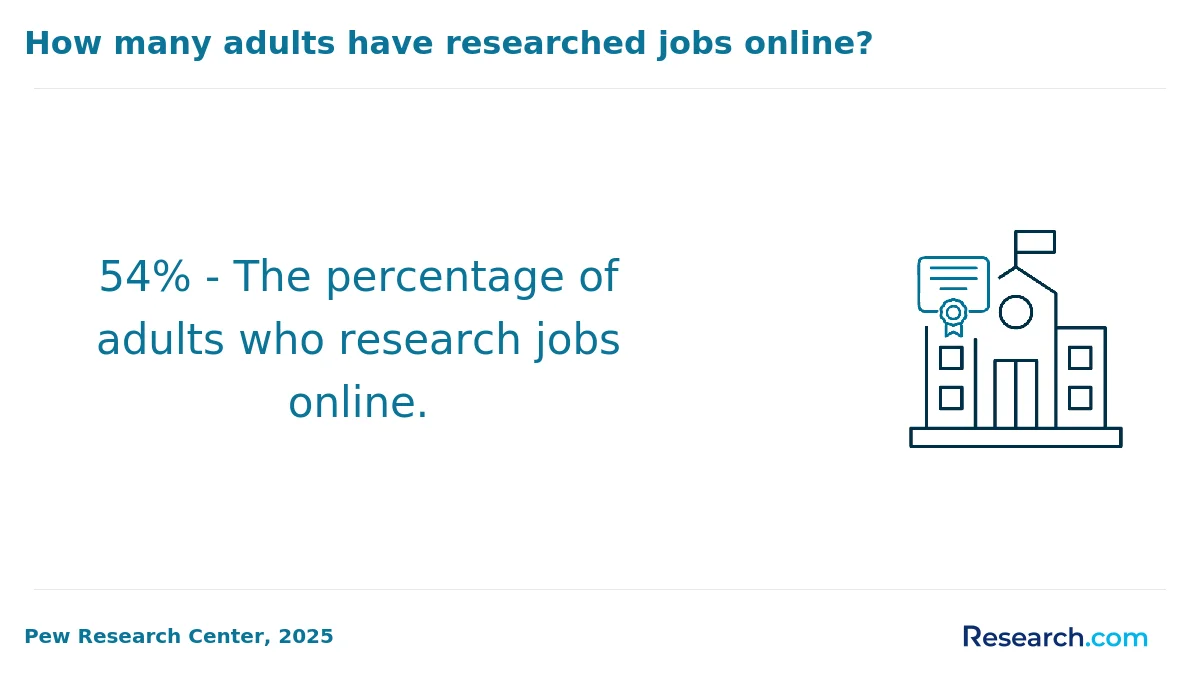
Students pursuing associate degrees in Little Rock have multiple financial aid options that can substantially ease the burden of tuition and living costs. The foundational step is completing the Free Application for Federal Student Aid (FAFSA). Graduates from local institutions like UA Little Rock often recall how FAFSA opened doors to federal Pell Grants, which provide need-based awards ranging from $740 to $7,395 annually, making education affordable for many.
State aid is another critical resource. For residents, programs like the Arkansas Academic Challenge Scholarship reward both merit and financial need, and the ArFuture Grant specifically targets students in high-demand fields, offering tuition coverage. Graduates from UA Pulaski Technical College often mention how this grant made staying enrolled possible without overwhelming debt.
Additionally, institutional aid blends with federal and state resources, with nearly 87% of students at UA Little Rock receiving some form of combined assistance. These aid packages often include scholarships and work-study opportunities, enabling students to balance earning and learning while attending class on campus.
To enroll in an associate degree program in Little Rock, students must first present a high school diploma or GED, a non-negotiable baseline across community colleges like UA Little Rock and Baptist Health College. Graduates recall that meeting this criterion felt like a clear, attainable first step toward their academic goals.
Beyond this, several programs require specific course completions and GPA thresholds. For example, those aiming for the AAS in Nursing at UA Little Rock needed to earn at least a "C" in required classes such as Anatomy & Physiology and Composition I, maintaining a prerequisite GPA of 2.60. This standard reassured students that their foundational knowledge was solid enough to succeed in demanding coursework.
Some programs also ask for standardized test scores; the Occupational Therapy Assistant track at Baptist Health College commonly expects an ACT score of 20 or above. Graduates often describe the testing process as a motivating checkpoint that confirmed their readiness.
- Proof of high school completion
- Specific prerequisite courses with minimum grades
- Required GPA benchmarks
- Sometimes standardized test scores like the ACT
- Additional steps like interviews and letters of recommendation
These layered prerequisites, combined with personal dedication, help students confidently navigate their path to associate degrees in Little Rock's competitive educational environment.
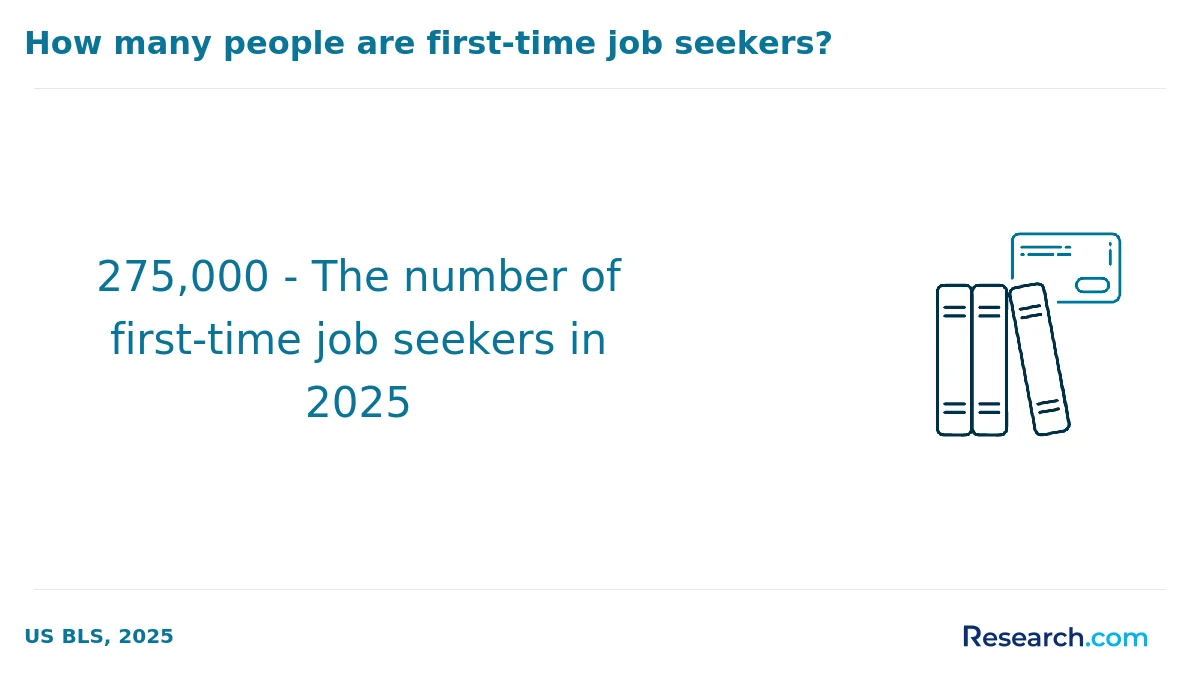
Students pursuing associate degrees in Little Rock typically experience a structured curriculum blending general education and electives. For example, graduates from popular institutions like UA Little Rock often highlight completing at least 60 credit hours, including around 35 focused on a state-mandated general education core. This core covers essential disciplines such as English composition, humanities, social sciences, mathematics, and natural sciences-one graduate described how these courses enhanced both critical thinking and communication skills, essential for transferring to four-year universities.
Within the common associate degree courses in Little Rock, students engage in:
- English Composition for foundational writing skills
- Mathematics classes like College Algebra or Quantitative Reasoning
- Natural sciences including Biology or Physical Science with labs
- U.S. History or American Government as social science components
- Humanities and Fine Arts such as Art Appreciation
- Speech Communication to boost oral proficiency
Besides the core, students select 15-25 credit hours of directed electives tailored to their career goals. For instance, those eyeing business might take introductory economics or accounting, while others interested in health fields choose psychology or nutrition. This balance creates a flexible yet solid associate degree curriculum Little Rock Arkansas students appreciate for its practical relevance.
The flexibility also appeals to graduates who pursued the Associate of General Studies, allowing customization of up to 35 elective credit hours alongside general education. This adaptability supports diverse personal interests or builds on previous credits. Arkansas standards ensure all students demonstrate written, oral, and mathematical competencies before graduation, preparing them for either professional work or further study. For those wondering which path to choose, resources like easiest degree to get programs help clarify options.
Choosing the best associate degree programs in Little Rock starts with confirming that the school is regionally accredited, ensuring your credits transfer smoothly and your degree holds value with employers. Graduates from institutions like the University of Arkansas at Little Rock often remark on how articulation agreements through the Arkansas Course Transfer System eased their transition to four-year universities. Aligning your program choice with clear career goals is vital; for example, those pursuing nursing or applied science degrees at Pulaski Technical College benefit from strong local industry ties that boost job prospects upon graduation.
Many students appreciate the flexibility offered by schools in Little Rock, which provide in-person, online, and hybrid formats suitable for working adults or parents. Cost is also a decisive factor-seeking affordable associate degrees Little Rock residents trust can significantly ease financial stress. Community colleges typically offer competitive tuition and various scholarship opportunities tailored to local students. Additionally, look into student support services like career counseling and academic advising, which graduates often credit for their confidence and success.
Understanding the return on investment is essential; for those curious about career outcomes, exploring what bachelor's degree pays the most can provide valuable insight into your educational trajectory after an associate degree.

Graduates of associate degree programs in Little Rock find numerous associate degree jobs in Little Rock across diverse fields. Healthcare roles such as dental hygienist, nursing assistant, and mammography technologist are frequently filled by local graduates from well-known community colleges. These roles often combine steady work with rewarding personal impact, as graduates share experiences of helping patients directly within trusted regional healthcare providers. Similarly, criminal justice careers are popular among graduates earning an Associate of Science in Law Enforcement from area schools, leading to positions in police departments and parole offices, where former students appreciate both job security and chances for advancement.
Business and administrative positions also attract many associate degree holders, who report gaining practical skills that translate into roles like administrative assistant and event coordinator at local companies. These graduates often highlight the competitive pay and friendly work environments that support career growth.
Technical and IT sectors are notable for highest-paying careers with an associate degree in Little Rock. Graduates working as network support technicians or IT service desk specialists cite salaries around $49,000 and the excitement of solving real-world technology challenges. Job listings consistently show healthy demand, reflecting the region's robust tech landscape.
Other career paths include education and creative roles, with students from popular associate degree schools appreciating the variety of choices. Those interested can explore more about associate degree opportunities at most popular online colleges.
The job market for associate degree graduates in Little Rock reflects a robust range of opportunities across healthcare, business, and technology fields. Graduates from popular local colleges often find relevant positions quickly, fueled by a steady demand for skilled workers. For example, healthcare roles such as dental hygienists and registered nurses are widely available, with entry-level pay ranging from $17 to $23 per hour. These roles are common among local healthcare employers like Baptist Health, where associate degrees plus one year of experience are the baseline qualification for administrative assistant positions.
Beyond healthcare, business and administrative roles also welcome associate degree holders. Jobs like assistant property managers and event coordinators typically offer hourly wages between $20 and $25, providing a stable income for those starting their careers. Graduates frequently share positive feedback about balancing technical skills and customer service abilities, which local employers prioritize, especially in technology-related roles like systems analysts and technical support staff.
For students investigating career options, understanding Little Rock associate degree salary trends is crucial. Despite a recent 9% decline in associate degree completions since 2018, the current labor market remains favorable. This suggests ongoing job security and competitive wages for graduates.
Those seeking guidance on strong career paths from associate degree programs may explore best trade careers to align their education with high-demand jobs.
Most Affordable Associate Degree Programs - Leading Certification Courses in Little Rock for 2026
# 1 position
Arkansas Baptist College - Business Administration and Management, General.
associateArkansas Baptist College offers a Business Administration and Management, General program in a hybrid format with some distance-education options. The program prepares students to plan, organize, direct, and control business functions and processes. Coursework includes management theory, human resources, accounting, purchasing, logistics, marketing, and decision-making. Annual in-state tuition is $8,760. The program is accredited by the Higher Learning Commission.
# 2 position
University of Arkansas at Little Rock - Criminal Justice/Law Enforcement Administration.
associateThe University of Arkansas at Little Rock offers a Hybrid Criminal Justice/Law Enforcement Administration program designed to prepare students for leadership roles in public law enforcement agencies. The curriculum covers law enforcement history, operational command, labor relations, incident response, legal responsibilities, budgeting, and organizational leadership. The program is accredited by the Higher Learning Commission. Annual in-state tuition is $8,455.
# 3 position
University of Arkansas at Little Rock - Criminal Justice/Police Science.
associateThe University of Arkansas at Little Rock offers a Criminal Justice/Police Science program designed to prepare students for various law enforcement duties such as patrol, investigations, traffic and crowd control, evidence management, and crime prevention. This hybrid program includes some distance education options. Annual in-state tuition is $8,455. The program is accredited by the Higher Learning Commission.
# 4 position
Strayer University-Arkansas - Criminal Justice/Police Science.
associateStrayer University-Arkansas offers a Criminal Justice/Police Science program designed to prepare students for roles in police and public security. The curriculum covers patrol and investigative duties, traffic and crowd control, evidence management, crime prevention, weapon handling, and report preparation. The annual in-state tuition is $13,920. The program is accredited by the Middle States Commission on Higher Education.
# 5 position
Strayer University-Arkansas - Accounting Technology/Technician and Bookkeeping.
associateStrayer University-Arkansas offers a program in Accounting Technology/Technician and Bookkeeping designed to prepare students for technical administrative roles supporting accountants and financial managers. The curriculum covers posting transactions, record-keeping systems, accounting software, and general accounting principles. The program's annual in-state tuition is $13,920. It is accredited by the Middle States Commission on Higher Education.
Frequently Asked Questions about associate degree programs
After completing an associate degree in Little Rock, preparing effectively for the job market involves several steps. First, students should utilize career services offered by local colleges, such as Arkansas State University-Beebe or Pulaski Technical College. These services often include resume workshops, interview preparation, and job placement assistance. According to the Arkansas Department of Workforce Services, sectors like healthcare, manufacturing, and information technology show strong demand for associate degree holders in the region.
Networking through internships or local industry events is also essential. Gaining practical experience through internships or part-time roles can increase employability. Finally, continuing education or certifications relevant to the chosen field may improve job prospects and potential earnings.
Employers in Little Rock highly value associate degree graduates who demonstrate both technical and soft skills. According to data from Arkansas Workforce Development, critical thinking and problem-solving abilities rank among the top attributes sought across industries. Graduates with skills in computer literacy, especially proficiency with Microsoft Office and basic IT troubleshooting, are often preferred.
Additionally, communication skills are essential. Many local employers emphasize teamwork, adaptability, and time management. A 2023 survey by the Little Rock Chamber of Commerce found that 68% of employers prioritize candidates who can effectively collaborate and handle workplace challenges.
In technical fields like healthcare and manufacturing, specialized certifications, such as CPR or OSHA safety training, also enhance employability.
Finding internships in Little Rock that align with your associate degree program involves several strategic steps. Start by utilizing local resources such as the University of Arkansas at Little Rock's Career Development Center, which offers listings and guidance for internships. Many companies in Little Rock's growing healthcare, technology, and manufacturing sectors offer paid and unpaid internships suitable for associate degree students.
Job platforms like ArkansasJobLink.gov provide specific internship postings for the area. According to the Arkansas Department of Workforce Services, internships in Little Rock have increased by 12% in recent years, reflecting a growing market for hands-on experience. Networking through campus events and industry meetups also helps connect students with local employers.
In Little Rock, obtaining an associate degree significantly enhances career mobility and advancement opportunities. According to the U.S. Bureau of Labor Statistics, individuals with an associate degree typically earn 20% more than those with only a high school diploma. This credential opens pathways to skilled jobs in healthcare, technology, and business sectors prevalent in the Little Rock metropolitan area.
Local employers often prioritize candidates with associate degrees as they demonstrate specialized knowledge and skills. Additionally, an associate degree can serve as a stepping stone for further education, allowing students to transfer credits toward a bachelor's degree, which further boosts career prospects.
Research from the Arkansas Department of Higher Education shows that nearly 60% of associate degree holders in Little Rock report improved job stability within two years of graduation, highlighting its role in long-term career growth.
Part-time job opportunities in Little Rock that complement associate degree education span several industries, including healthcare, retail, and administrative support. For students pursuing healthcare-related degrees, positions such as medical assistants, pharmacy technicians, or patient service representatives are common. According to the Arkansas Department of Workforce Services, medical assistants in Little Rock earn an average hourly wage of about $15, making this a viable option for students.
Retail jobs in stores like Target or Walmart offer flexible schedules and customer service experience beneficial for business or marketing majors. Administrative roles in local government offices or nonprofits also provide valuable office skills. These positions typically require strong organizational abilities, enhancing skills learned in associate degree programs.
Additionally, the growing tech sector in Little Rock offers part-time opportunities such as IT support technicians and data entry clerks, aligning well with degrees in information technology or computer science.
To choose the most affordable degree program near Little Rock, AR, start by determining your field of interest and career goals, as this will guide you in narrowing down relevant programs. Consider exploring both online programs and local universities, as many institutions offer competitive and affordable tuition rates near Little Rock, AR. Additionally, Research.com can be a useful tool to find information about program costs and financial aid opportunities near me, ensuring you make an informed decision.
- Most Affordable Trade School & Training Programs - Leading Certification Courses in Tulsa for 2026
- Most Affordable Trade School & Training Programs - Leading Certification Courses in Olathe for 2026
- Most Affordable Trade School & Training Programs - Leading Certification Courses in Overland Park for 2026
- Most Affordable Trade School & Training Programs - Leading Certification Courses in Topeka for 2026
- Most Affordable Trade School & Training Programs - Leading Certification Courses in Statesboro for 2026
- Arkansas Department of Higher Education - Institutions - Associate Degree Types https://adhe.edu/institutions/associate-degree-types
- Apply for Program Completion - Student Records - UA Little Rock https://ualr.edu/records/apply-to-graduate/
- How to Properly List Your Academic Degrees and Credentials - ASET - The Neurodiagnostic Society https://www.aset.org/docs/individuals/how-to-properly-list-your-academic-degrees-and-credentials/
- ADHE Scholarship Application Management System - Scholarship - ACST https://sams.adhe.edu/Scholarship/Details/ACST
- Associate Degree Programs | Academics | Miami Dade College https://www.mdc.edu/academics/programs/associate.aspx
- Top Career Skills for Two-Year College Grads in 2025 https://www.hanoverresearch.com/reports-and-briefs/higher-education/top-career-skills-for-two-year-college-grads-in-2025/
- Online Associate’s Degree Programs (AS and AAS) - Purdue Global https://www.purdueglobal.edu/degree-programs/associates-degrees/
- Top 5 Skills Employers Look For | Nth Degree https://newmanu.edu/top-5-skills-employers-look-for
- Online Associate Degree Programs | Univ. of Arkansas Grantham https://www.uagrantham.edu/degree-type/associate/
- Associate degree - Wikipedia https://en.wikipedia.org/wiki/Associate_degree


