
Best Trade School & Training Programs - Leading Certification Courses in Lynnwood for 2026

Co-Founder and Chief Data Scientist
Choosing the right trade school in Lynnwood can shape your future career and open doors to new opportunities. This article introduces a carefully crafted trade school programs ranking developed by the Research.com team of data scientists, designed to help you make an informed decision about which programs truly stand out.
Discover options that fit your goals and learn about the benefits of earning a trade school diploma or certification. Whether you’re starting fresh or looking to upgrade your skills, this guide offers valuable insight to set you on the path to success with confidence.
Key benefits of finishing trade school programs trade school in Lynnwood
- Trade school graduates in Lynnwood can expect strong salaries: Senior Computer Support Specialists earn between $38.95 and $49.28 per hour, while Traffic Signal Technicians and Business License Specialists typically make from $36.08 to $45.64 hourly, making skilled trades a financially rewarding choice.
- Popular career paths include computer support, traffic signal technology, and business support services-fields with steady demand and chances to grow, offering practical skills and job security right in Lynnwood's local market.
- Online trade school programs offer flexibility to balance learning with life commitments, making it easier for many students to earn certifications quickly and launch careers without the commute or rigid schedules of traditional schools.
- Best Trade School & Training Programs - Leading Certification Courses in Lynnwood for 2026
- What can I expect from trade school programs trade schools in Lynnwood?
- Where can I work after finishing trade school programs trade schools in Lynnwood?
What can I expect from trade school programs trade schools in Lynnwood?
Students attending trade schools in Lynnwood often discover that while tuition can sometimes exceed $7,700, many programs are significantly subsidized through scholarships, local partnerships, or grants. Graduates frequently describe a sense of relief and gratitude upon realizing they can access quality, career-focused education without the overwhelming financial burden typical of four-year degrees.
One graduate shared how a loan-free program at a well-known Lynnwood trade school allowed them to focus fully on hands-on learning, such as mastering blueprint reading and tool operation, rather than worrying about escalating costs. This accessibility enhances the appeal for many, especially those eager to enter the workforce swiftly after completing compressed yet comprehensive training.
Beyond tuition, students often anticipate additional support like job placement assistance, which can transform financial concerns into opportunities for immediate employment. The practical nature of Lynnwood's programs, combined with their affordability and career services, creates a pathway many find both encouraging and empowering.
Where can I work after finishing trade school programs trade schools in Lynnwood?
Graduates from trade schools in Lynnwood often find themselves stepping confidently into roles that directly impact their communities. Many start as skilled construction laborers or electricians, gaining hands-on experience that feels rewarding every day. One graduate from a local program shared how quickly she moved into a residential construction project manager role, appreciating the blend of teamwork and practical skill her training provided.
Others pursue healthcare positions such as medical assistants or scribes, where they contribute to patient care without the burden of a four-year college degree. These roles offer a sense of purpose and steady employment in Lynnwood's growing healthcare sector. Graduates often express pride knowing their work supports family and friends right in their hometown.
For those drawn to public infrastructure, apprenticeships with agencies like King County Metro open doors to unionized careers as heavy-duty mechanics or maintenance painters. Graduates recount how paid training combined with community service fosters a deep connection to the region.
Whether in construction, healthcare, or mechanical trades, Lynnwood's trade school alumni find meaningful, stable careers where their skills meet local demand and help build a thriving community.
After finishing a trade school program in Lynnwood, many graduates find themselves earning an average of about $80,530 per year, which breaks down to roughly $39 per hour. This earning potential often surprises students who initially worried about entry-level pay. For example, recent technician trainees started at around $22.54 per hour, a figure that quickly climbs with experience. Graduates from well-known Lynnwood trade schools frequently share how their new skills allowed them to secure jobs that pay well above local averages, bringing confidence and financial stability.
Diverse fields influence salaries widely. An electrician or HVAC technician from Lynnwood can expect salaries that comfortably exceed $88,000 annually, while healthcare-related trades such as dental hygienists earn upwards of $123,000 per year. These stories resonate with many students who envision their own career growth where passion meets steady income.
Many Lynnwood trade school graduates highlight how quickly their earnings jump with hands-on experience, making the investment in their education feel worthwhile and empowering.
- Most trade school programs in Lynnwood require students to be at least 17 or 18 years old and have a high school diploma or GED.
- Accredited schools recognized by bodies like ACCSC qualify for federal financial aid and improve credit transfer and licensing opportunities.
- Tuition for programs typically ranges from $5,000 to $15,000, with some programs like Edmonds College's Construction Pre-Apprenticeship costing about $7,700 before subsidies.
- Trade graduates in fields such as healthcare, HVAC, and construction often earn between $35,000 and $50,000 annually at entry-level.
- Hands-on training and job support services are commonly included to help students gain employment quickly after graduation.
Completing a trade school program in Lynnwood is often a swift path toward a new career, with many students appreciating the focused and efficient nature of their studies. For instance, graduates from Edmonds College have shared how certificate programs lasting just 1 to 2 years allowed them to quickly gain the skills needed to start working without the burden of lengthy general education courses.
Others recall the intense yet rewarding experience of the Construction Pre-Apprenticeship Program at Edmonds, where the 300 hours of hands-on instruction are typically wrapped up within 8 weeks. This kind of accelerated training appeals especially to those eager to join the workforce promptly.
Some students thrive in the 10-week pre-apprenticeship cohorts, which provide a supportive, community-driven environment that makes learning immersive and engaging. Meanwhile, those pursuing associate degrees understand the commitment of roughly two years but value the broader education and deeper expertise it offers.
In all cases, Lynnwood's trade schools are praised for tailoring program lengths to help students reach their goals with confidence and speed.
The main difference between online and on-campus trade school programs in Lynnwood lies in how you experience learning and manage your time. Graduates from Edmonds College often share how the online format allowed them to study Accounting or Paralegal courses from home, fitting education around jobs or family without the stress of a daily commute. This flexibility brings a sense of independence and control that many find empowering.
On the other hand, those who chose the on-campus route at Edmonds Community College praise the hands-on experience, especially in fields like automotive technology or culinary arts. Being physically present means access to specialized equipment and immediate guidance from instructors, creating a lively environment where networking happens naturally. The buzz of campus life often helps students stay motivated and connected.
Both paths offer solid instruction and similar tuition costs, but on-campus students face extra expenses like commuting and housing. Ultimately, the choice depends on whether you thrive in a structured setting or prefer the freedom of learning online, with each path reflecting different lifestyles and goals in Lynnwood's trade education scene.
The average trade school cost in Lynnwood varies, but a clear example comes from Edmonds Community College, a leading choice for many local students. In-state tuition for trade programs runs about $4,073 annually, with extra fees near $595 and roughly $762 spent on books and supplies. This totals around $5,430 per year for full-time learners, reflecting a practical and affordable path for those seeking skills in fields like automotive technology or medical assisting. Graduates often recall how manageable these costs allowed them to focus on advancing their careers without overwhelming debt.
Residents of Lynnwood exploring trade school options frequently weigh these tuition and fees against out-of-state costs, which can more than double to nearly $10,000. Yet, even these higher rates remain competitive within Washington State, where public trade school fees generally range from $7,000 to $18,000 annually. Private programs can be far pricier, sometimes soaring up to $32,000, discouraging some but promising specialized opportunities. Understanding Lynnwood trade school tuition and fees helps students realistically budget and identify scholarships or grants available to ease financial burdens.
Many students appreciate how the overall cost picture extends beyond just tuition. Expenses like housing, transportation, and personal needs add up quickly-on-campus room and board can exceed $19,000 yearly. However, the optimistic stories from those who completed their programs in Lynnwood illustrate that smart financial aid use and program choice can make career training accessible and worthwhile. For instance, those interested in sustainable energy might find pathways through the most affordable solar technician certification online programs, blending flexibility with affordability.

Trade school students in Lynnwood have access to a variety of financial aid options that make pursuing career training feel achievable and supportive. Many begin by completing the FAFSA, which opens doors to federal grants like Pell Grants and subsidized loans-available only to those attending accredited schools. Graduates often recall how these grants took the pressure off their budgets, allowing them to focus on learning rather than finances.
The Washington College Grant stands out as a remarkable state program in Lynnwood, especially for families earning under $78,500 annually. This grant can cover full tuition, making it a lifeline for middle- and lower-income households. Students at Edmonds Community College often share how this aid transformed their trade school dreams into reality without accumulating burdening debt.
Scholarships from local foundations and professional groups add another valuable layer of support. Whether based on merit or financial need, these awards offered by institutions like Edmonds help students feel recognized and motivated.
Work-study programs provide hands-on experience while easing financial stress, a win-win benefiting many Lynnwood trainees. Meanwhile, student loans remain an option but are best considered after exploring grants and scholarships, as advised by local financial aid counselors.
Enrolling in a trade school program in Lynnwood usually begins with clear and manageable prerequisites. Most programs ask for proof of high school completion, which can be a diploma, GED, or an authorized equivalency certificate. Graduates from Edmonds College, a well-known trade school in the area, often mention how their homeschooling credentials were also accepted without hassle, making the process accessible for diverse educational backgrounds.
Age is another factor; applicants typically need to be at least 16, though some specialized programs may require an older age due to safety reasons. Many students appreciate this straightforward guideline since it keeps the focus on readiness rather than arbitrary tests.
The usual standardized tests like the SAT or ACT are not required, which eases entry pressure. Instead, some schools provide a placement test to help tailor the learning experience, something many graduates recall as supportive rather than intimidating.
- Official transcripts are essential, establishing a student's academic history.
- Certain healthcare or public safety programs may ask for background checks or immunization records.
- The application process can include an interview or info session to align goals and expectations.
Students often share how the flexible admissions and multiple start dates invite them to follow their passion without feeling rushed. This welcoming approach embodies the practical strengths of Lynnwood trade schools, making technical education genuinely achievable and encouraging for many.

Trade school programs in Lynnwood focus on equipping students with practical, job-ready skills through a variety of targeted courses. Graduates from Edmonds College and other local institutions often describe the hands-on learning as deeply rewarding, especially in fields that promise immediate employment.
Typical courses include:
- Aerospace Manufacturing Tooling Mechanic: Students engage with machines and tools, gaining experience that prepares them for advanced manufacturing roles.
- Business and Office Administration: Training covers computer applications, communication, and business math, with certificates like the 10-week Basic Business Skills program helping many secure their first office jobs.
- Medical Administrative Training: Focused on medical terminology, records, and ethics, these courses ready students for essential support roles in healthcare settings.
- Information Technology: Programs such as Desktop Support combine hardware and software skills, often aligning with certifications like CompTIA A+.
- Construction Pre-Apprenticeship: Courses include blueprint reading and safety, hands-on preparation that graduates praise for easing their transition into apprenticeships.
Other relatable programs touch on automotive technology, biotechnology, and architectural design, reflecting Lynnwood's diverse industry demands. Many students appreciate how these courses blend practical skills with general education, helping them rapidly enter careers while meeting state standards.
Trade school programs in Lynnwood encompass a diverse range of valuable specializations that prepare students for meaningful careers. Graduates from Edmonds College often highlight the hands-on experience they gain in healthcare areas such as phlebotomy and electrocardiograph technology, feeling confident stepping directly into in-demand roles statewide. Technical trade students frequently mention the satisfaction of mastering skills in HVAC, electrical technology, or welding, appreciating how practical training blends smoothly with theory to meet industry expectations.
In advanced manufacturing and aerospace fields, Lynnwood's offerings, especially through the Washington Aerospace Training and Research Center, provide exacting instruction on composites, precision machining, and electronics-preparing students for roles with major employers like Boeing. Business-oriented students enjoy courses in bookkeeping, office management, and business technology, discovering how these programs sharpen their administrative capabilities for diverse work environments.
For those seeking flexible options, many locally available programs include certificates, associate degrees, and professional-technical credentials designed for working adults and recent graduates alike. Students aiming to enter creative or legal fields can explore cosmetology, paralegal studies, and legal administration, rounding out a broad spectrum of career pathways. Aspiring welders in particular may find value in researching low cost online welding trade school programs, which complement the local hands-on opportunities.
Choosing from the best Lynnwood trade school programs means focusing first on accredited schools that offer flexible class formats. Many graduates from institutions like Clover Park Technical College share how evening and online courses allowed them to work while advancing their skills without sacrificing family time. This adaptability often makes the learning experience more enjoyable and less stressful.
Cost plays a decisive role, so conducting a Lynnwood vocational school cost comparison is essential. Former students frequently mention how public schools' in-state tuition eased their financial burden compared to private options. Scholarship opportunities and federal aid can further lighten expenses, enabling a focus on mastering trades rather than worrying about bills.
Finally, practical outcomes matter deeply. Joining programs with strong graduation rates and job placement helps students feel confident about their future careers. Positive reviews often highlight supportive faculty and hands-on training that graduates credit for landing rewarding positions and earning an average trade school graduate salary reflecting their effort and dedication.
Trade school graduates in Lynnwood find diverse career opportunities that tap into the region's vibrant local economy. Many have pursued healthcare roles such as medical assistants or paramedics, benefiting from programs that emphasize hands-on training and quick entry to well-paying jobs. Others embrace skilled trades, becoming electricians, HVAC technicians, or mechanics, often advancing through structured apprenticeships recognized by local employers. These practical career opportunities for Lynnwood trade school graduates often translate into stable employment and personal satisfaction, reflecting the strong demand in the community.
Programs at popular Lynnwood institutions also prepare students for aerospace and advanced manufacturing careers, where graduates become aerospace technicians or engineering technologists, supported by specialized resources like those at Edmonds College. Graduates often share how such paths offer meaningful, tech-focused work connected directly to the region's industry needs. Additional job paths include cosmetology, legal assistance, and audiovisual technology, each offering vibrant ways to launch a fulfilling career.
Many find success enrolling in low cost electrical lineworker programs online, which complement local training and lead to rewarding positions with steady wage growth. These Lynnwood technical training job paths ensure graduates gain practical skills and confidence to thrive in today's job market.
The trade school job opportunities in Lynnwood offer a promising pathway for graduates eager to enter skilled trades and technical fields. With over 250 skilled trade job openings in the area, many graduates find themselves quickly employed as electricians, medical assistants, or audiovisual technicians. Those who studied at local institutions such as Edmonds College often share that their combination of classroom knowledge and hands-on apprenticeships made the transition into the workforce seamless and rewarding.
Graduates describe how working alongside experienced tradespeople while earning a paycheck helped them build confidence and mastery early on. Practical experience blends with strong classroom fundamentals in programs tailored to the Lynnwood skilled trades employment outlook, especially in construction, healthcare, and advanced manufacturing.
In particular, students appreciate how the rising demand for HVAC technicians and allied health professionals translates directly into employment opportunities. Higher-than-average salaries and a pace of job growth faster than many other sectors bring optimism and financial stability. This dynamic environment illustrates why is trade school better than college for many locals seeking a direct route to a fulfilling career.
Best Trade School & Training Programs - Leading Certification Courses in Lynnwood for 2026
# 1 position
Edmonds College - Computer Science.
associateEdmonds College offers a hybrid Computer Science program focusing on computer theory, problem-solving, and system design from a scientific perspective. The curriculum covers computational science principles, computer development, programming, and applications for various end uses. The annual in-state tuition is $4,669. The program is accredited by the Northwest Commission on Colleges and Universities.
# 2 position
Edmonds College - Computer Systems Networking and Telecommunications.
associateEdmonds College offers a hybrid program in Computer Systems Networking and Telecommunications focused on designing, implementing, and managing linked computer systems and software to enhance efficiency. The curriculum covers operating systems, systems design, networking theory, management, security, and troubleshooting. The program is accredited by the Northwest Commission on Colleges and Universities. Annual in-state tuition is $4,669, with some distance-education options available.
# 3 position
Edmonds College - Computer and Information Systems Security/Auditing/Information Assurance.
associateEdmonds College offers a hybrid program in Computer and Information Systems Security/Auditing/Information Assurance that prepares students to evaluate and secure computer networks. The curriculum covers programming, systems analysis, cryptography, auditing, risk assessment, and legal regulations. The program costs $4,669 annually for in-state students and is accredited by the Northwest Commission on Colleges and Universities.
# 4 position
Edmonds College - Baking and Pastry Arts/Baker/Pastry Chef.
associateEdmonds College offers a hybrid Baking and Pastry Arts/Baker/Pastry Chef program that prepares students for careers as professional bakers and pastry specialists. The curriculum covers bread and pastry making, decorating, handling, storage, and industry operations including packaging and marketing. The annual in-state tuition is $4,669. The program is accredited by the Northwest Commission on Colleges and Universities.
# 5 position
Edmonds College - Legal Assistant/Paralegal.
associateEdmonds College offers a Legal Assistant/Paralegal program in a hybrid format, combining distance education with on-campus instruction. The program prepares students to assist attorneys by performing research, drafting legal documents, and managing administrative tasks. Tuition for in-state students is $4,669 annually. Graduates have a median earning of $39,455 one year after completion. The program is accredited by the Northwest Commission on Colleges and Universities.
# 6 position
Edmonds College - Medical Administrative/Executive Assistant and Medical Secretary.
associateEdmonds College offers a hybrid Medical Administrative/Executive Assistant and Medical Secretary program designed to prepare students for roles supporting physicians, nurses, and healthcare administrators. The curriculum covers medical terminology, business and medical communications, healthcare operations, software applications, scheduling, and professional ethics. The program’s annual in-state tuition is $4,669. It is accredited by the Northwest Commission on Colleges and Universities and includes some distance-education options.
# 7 position
Edmonds College - Business Administration and Management, General.
associateEdmonds College offers a fully online Business Administration and Management, General program. The curriculum includes management theory, human resources, accounting, quantitative methods, purchasing, logistics, marketing, and business decision-making. Annual in-state tuition is $4,669. The program is accredited by the Northwest Commission on Colleges and Universities.
# 8 position
Edmonds College - Office Management and Supervision.
associateEdmonds College offers a fully online Office Management and Supervision program designed to prepare individuals for managing business office operations and personnel. The curriculum covers employee supervision, labor relations, budgeting, scheduling, office systems, records management, facilities design, and public relations. The program is accredited by the Northwest Commission on Colleges and Universities. Annual in-state tuition is $4,669, reflecting accessible costs for students pursuing this career path.
# 9 position
Edmonds College - Accounting Technology/Technician and Bookkeeping.
associateEdmonds College offers a hybrid program in Accounting Technology/Technician and Bookkeeping designed to prepare students for technical administrative roles supporting professional accountants and financial managers. The curriculum covers posting transactions, record-keeping systems, accounting software, and general accounting principles. The annual in-state tuition is $4,669. The program is accredited by the Northwest Commission on Colleges and Universities.
# 10 position
Edmonds College - Baking and Pastry Arts/Baker/Pastry Chef.
certificate or diplomaEdmonds College offers a Baking and Pastry Arts/Baker/Pastry Chef program designed to prepare students for careers as professional bakers and pastry specialists. The hybrid program includes instruction in bread and pastry making, handling, storage, decorating, and baking industry operations. Annual in-state tuition is $4,669. The program is accredited by the Northwest Commission on Colleges and Universities.
Frequently Asked Questions about trade school programs
Preparing for the job market after completing trade school in Lynnwood involves several key steps. First, graduates should focus on obtaining relevant certifications or licenses required for their specific trades, such as welding or HVAC, which increase employability. According to the Washington State Employment Security Department, Lynnwood's demand for skilled tradespeople like electricians and carpenters is projected to grow 8% through 2028. Networking locally through job fairs and trade associations can connect graduates with potential employers. Additionally, creating a professional resume that highlights hands-on skills and completed apprenticeships is crucial for standing out in the competitive job market.
Employers in Lynnwood highly value trade school graduates who possess strong technical skills tailored to their industry. For example, proficiency in machinery operation, electrical systems, and HVAC maintenance is frequently sought in local manufacturing and construction sectors, according to data from the Washington State Employment Security Department.
Beyond technical knowledge, employers emphasize soft skills such as problem-solving, punctuality, and communication. A 2023 survey by the National Association of Manufacturers found that 72% of employers in the region prioritize these abilities in trade school hires.
Hands-on experience and certification also increase employability, reflecting Lynnwood's competitive job market.
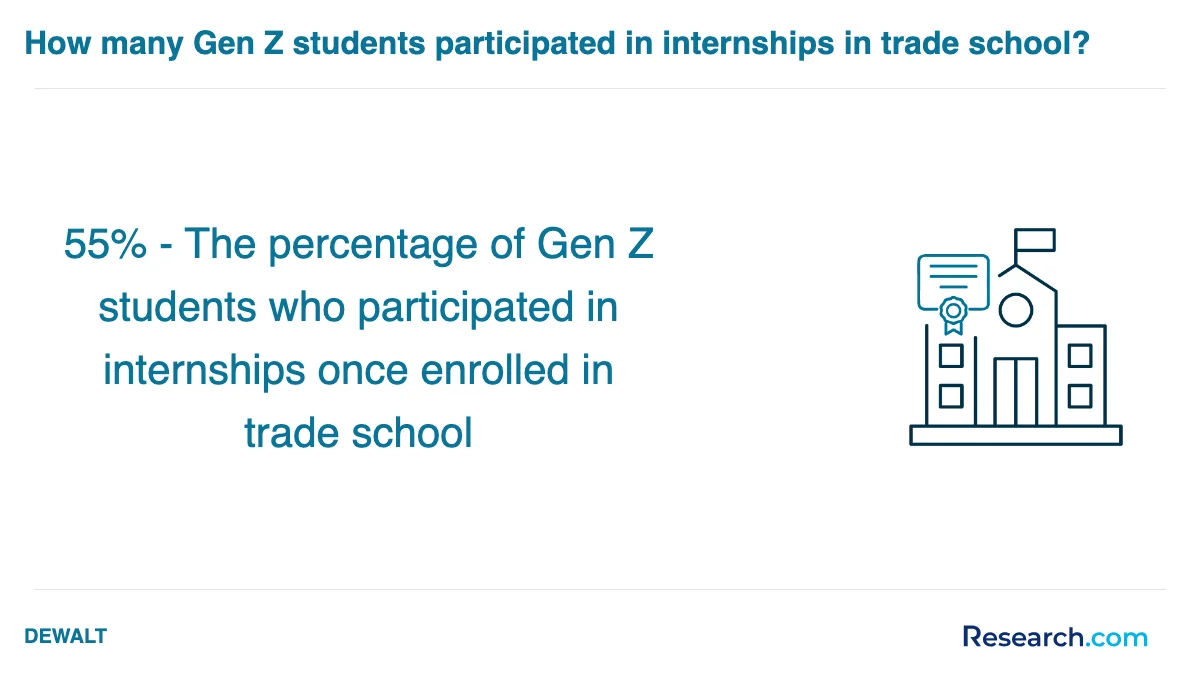
Finding internships in Lynnwood relevant to your trade school program involves a combination of local research and proactive outreach. Start by consulting your school's career services, which often maintain partnerships with local businesses and can connect students to internships matching their fields.
The Lynnwood Economic Development Office highlights manufacturing, construction, and healthcare as growing sectors, which offer practical internship opportunities. Exploring local employers' websites in these industries can uncover openings not widely advertised.
Additionally, websites like Indeed and Glassdoor list internships specifically in Lynnwood. The Washington State Department of Labor reports that over 30% of trade students secure internships through such platforms annually.
Networking with local trade unions and chambers of commerce can also provide valuable leads, as they frequently sponsor apprenticeship programs linked to internships.
In Lynnwood, earning a trade school diploma significantly enhances career mobility and advancement opportunities. According to the U.S. Bureau of Labor Statistics, many skilled trades in Washington state are projected to grow by 10% or more through 2030, reflecting strong demand for credentialed workers.
Trade school graduates often benefit from focused, hands-on training that prepares them for well-paying jobs in industries such as construction, healthcare, and manufacturing. Local employers in Lynnwood prioritize candidates with these practical skills and certifications.
Data from the Washington State Workforce Board indicates that individuals with trade diplomas experience lower unemployment rates and higher median incomes when compared to those without postsecondary credentials in the region. This credential can facilitate quicker promotions and access to specialized roles within companies.
In Lynnwood, part-time job opportunities that complement trade school education are diverse and practical. Many students find positions in local construction firms, where on-the-job experience in carpentry or electrical work enhances classroom learning. According to the Bureau of Labor Statistics, construction trades in Washington State often offer flexible part-time roles suitable for students.
Automotive repair shops also provide part-time openings, allowing aspiring mechanics to develop hands-on skills. Healthcare facilities near Lynnwood, such as clinics and dental offices, hire part-time assistants, which benefits students in medical or dental assisting programs.
Retail positions in home improvement stores offer additional valuable experience for those studying trades like plumbing or HVAC. These roles offer direct exposure to tools and materials relevant to trade careers.
If you are looking for the best degree programs near Lynnwood, WA, there are several universities and colleges nearby that offer a range of high-quality academic programs. Institutions such as Edmonds College and University of Washington Bothell provide excellent educational opportunities. Additionally, research resources like Research.com can help you explore and find the best programs near me that align with your academic and career goals.
- Best Trade School & Training Programs - Leading Certification Courses in Walla Walla for 2026
- Best Trade School & Training Programs - Leading Certification Courses in Los Angeles for 2026
- Best Trade School & Training Programs - Leading Certification Courses in Kyle for 2026
- Best Trade School & Training Programs - Leading Certification Courses in Emporia for 2026
- Best Trade School & Training Programs - Leading Certification Courses in Springfield for 2026
- ESD Work Experience Program helps students find their niche - Lynnwood Times https://lynnwoodtimes.com/2022/04/28/workprogram-220428/
- 20 Best Trade School Programs In Washington 2024 https://www.accreditedschoolsonline.org/vocational-trade-school/washington/
- Home - BatesTech - BatesTech https://www.batestech.edu/
- Workforce Development - Training Programs | Edmonds College https://www.edmonds.edu/programs-and-degrees/workforce-development-resources/training-programs.html


