Best Trade School & Training Programs - Leading Certification Courses in Lehi for 2026

Co-Founder and Chief Data Scientist
Choosing the right trade school in Lehi can shape your future career and open doors to new opportunities. This article introduces a carefully crafted trade school programs ranking created by the Research.com team of data scientists to help you identify programs that truly stand out.
Whether you aim to earn a diploma or certification, gaining hands-on skills can boost your confidence and job prospects. Exploring these trusted options makes the decision easier and more rewarding. Dive in to find a trade school that fits your goals and sets you up for success.
Key benefits of finishing trade school programs trade school in Lehi
- Trade school graduates in Lehi can expect competitive salaries, with averages around $61,131 per year and ranges from approximately $36,000 up to $79,657 depending on the trade and experience.
- Popular careers include health care technology, construction, HVAC, welding, and IT, offering diverse options that match local job market demands and promising growth opportunities.
- Online trade school programs provide flexibility and convenience, allowing students to balance work and study while earning valued certifications recognized by employers in Lehi's thriving industries.
- Best Trade School & Training Programs - Leading Certification Courses in Lehi for 2026
- What can I expect from trade school programs trade schools in Lehi?
- Where can I work after finishing trade school programs trade schools in Lehi?
What can I expect from trade school programs trade schools in Lehi?
Trade school programs in Lehi typically cost between a few thousand dollars and under $10,000 for tuition and fees, making them an affordable alternative to four-year colleges. For instance, graduates from Mountainland Technical College report paying around $8,757 for the Cosmetology program, which lasts 11 to 20 months and meets state licensure requirements. Many high school students benefit from tuition-free options, paying only for materials and fees, which eases financial pressure and allows them to focus on hands-on learning.
Students appreciate the realistic, practical training they receive within flexible schedules-including daytime and evening classes-accommodating both young learners and working adults. Graduates often describe the satisfaction of gaining valuable skills fast, such as HVAC technology or electrical apprenticeship, which involve intensive coursework yet remain cost-effective. Career services and local employer connections further enhance their experience, rounding out an accessible and rewarding investment in their futures.
Where can I work after finishing trade school programs trade schools in Lehi?
Graduates from trade schools in Lehi find themselves welcomed by a broad range of employers eager for skilled talent. Many alumni secure positions at local clinics and hospitals when completing healthcare programs, enjoying fulfilling careers in medical assisting or sonography. Others trained in HVAC technology or welding frequently join construction companies or manufacturing firms, benefiting from Lehi's ongoing urban development and building boom.
IT program graduates often start in entry-level roles with tech companies scattered throughout Utah's "Silicon Slopes," embracing dynamic environments where skills in network support and systems administration are highly valued. Automotive technology students thrive in local dealerships or repair shops, sometimes launching their own businesses and feeling the pride of independent success.
Business and finance graduates find opportunities within small to medium enterprises, gaining essential administrative roles that keep Lehi's economy moving forward. The steady demand for trade professionals means many alumni report feeling confident and optimistic about their career prospects in this supportive regional job market.
After completing a trade school program in Lehi, graduates often find themselves earning competitive wages that provide financial stability early in their careers. Many report starting salaries that align closely with the local averages, which in the Provo-Orem-Lehi metro area is about $29.54 per hour, or roughly $61,000 annually. For instance, recent graduates from popular Lehi technical colleges who trained as plumbers typically begin with salaries between $47,000 and $50,000 per year, reflecting both the demand and quality of local training programs.
Career outcomes vary by trade: plumbers and pipefitters earn around $27.54 per hour, while carpenters usually start near $23.92 per hour. Graduates working as brickmasons or blockmasons see average annual wages near $60,900, and those who advance to supervisory roles in construction trades can command salaries up to $74,190 per year. These figures come from real experiences of Lehi trade school alumni who quickly transitioned into well-paying jobs, feeling confident and motivated by their ability to support themselves and their families.
Trade schools in Lehi focus on practical skills that employers actively seek, enabling graduates to enter the workforce with a meaningful advantage. Many report satisfaction not only from their earnings but from the sense of accomplishment gained by mastering hands-on trades. This makes trade programs in Lehi a promising choice for individuals ready to invest in a rewarding career path with strong local employment opportunities.
- A high school diploma, GED, or equivalent credential is required, with some programs accepting postsecondary degrees or Title IV-eligible program completion.
- Minimum age requirements are typically 16 or 17, with some programs like electrical apprenticeships requiring applicants to be at least 17 and in their senior year if still in high school.
- Rolling admissions with multiple start dates are common, and placement tests are usually required, but standardized tests like the SAT or ACT are not.
- Tuition averages around $5 per credit, with total program costs usually between $2,000 and $10,000; some CTE programs offer tuition-free enrollment for high school students.
- Entry-level salaries for graduates range from $35,000 to $55,000 per year, with experienced tradespeople often earning $60,000 or more.
The time required to complete a trade school program in Lehi varies by field and program structure. Many certificate programs at local institutions like Mountainland Technical College (MTECH) can be completed in less than a year, providing a fast track to employment. For example, graduates of the Pharmacy Technician certificate program often finish in five to six months by completing 600 hours of combined classroom and externship training. Other popular programs, such as Automotive Technology or Medical Assisting, generally take six months to one year, depending on the student's pace and schedule.
Some trades in Lehi require longer commitments through apprenticeships. The Electrical Apprenticeship at MTECH spans four years, balancing 720 hours of evening classroom instruction with paid on-the-job training during the day. Apprenticeships in HVAC, plumbing, and other skilled trades typically last two to four years to meet state licensing criteria. Graduates appreciate the hands-on learning and earning opportunities, often balancing their studies with work or family life thanks to flexible scheduling offered by local trade schools.
The primary difference between online and on-campus trade school programs in Lehi lies in the delivery method and hands-on experience. Online programs provide students with flexibility, allowing them to complete coursework at their own pace from any location. Graduates who chose online options often appreciate balancing work or family commitments while advancing their skills through video lectures and virtual simulations. This format suits trades that can be taught theoretically or with limited hands-on practice.
Conversely, on-campus programs in Lehi, like those at Mountainland Technical College, immerse students in practical training. Graduates frequently describe the value of working directly with specialized equipment and instructors in labs and workshops. This in-person approach helps build confidence with tools and techniques essential to fields such as healthcare, technology, and automotive trades.
Students drawn to face-to-face interaction often find motivation and networking opportunities through the structured environment on campus. Both paths offer rewarding experiences tailored to different learning styles and career goals.
The average trade school cost in Lehi Utah typically ranges from $3,000 to $15,332, reflecting a broad spectrum of programs and institutions. At Mountainland Technical College (MTECH), a favored choice among local students, the cost is notably affordable, with many graduates highlighting the value of hands-on training in fields like healthcare and automotive services at about $3,000. These streamlined programs have helped former students quickly transition into careers without overwhelming debt.
For those comparing broader options, Lehi Utah trade school tuition and fees can be higher across the state, averaging around $15,332 for the 2024-2025 academic year. This figure includes both public and private trade schools offering a variety of comprehensive programs. For example, automotive technology diplomas generally fall between $5,000 and $12,000, while welding programs can cost up to $15,000. Medical assisting programs vary even more widely, ranging from $2,000 for shorter certificates to $20,000 for in-depth courses.
Graduates from Lehi-area trade schools often praise flexible financial aid packages and scholarships that make these costs manageable. Students frequently mention the importance of knowing about additional expenses like tools or special equipment, especially in technically demanding fields. Finding easy trades that lead to high paying jobs helps many stay motivated through their training and financial planning.
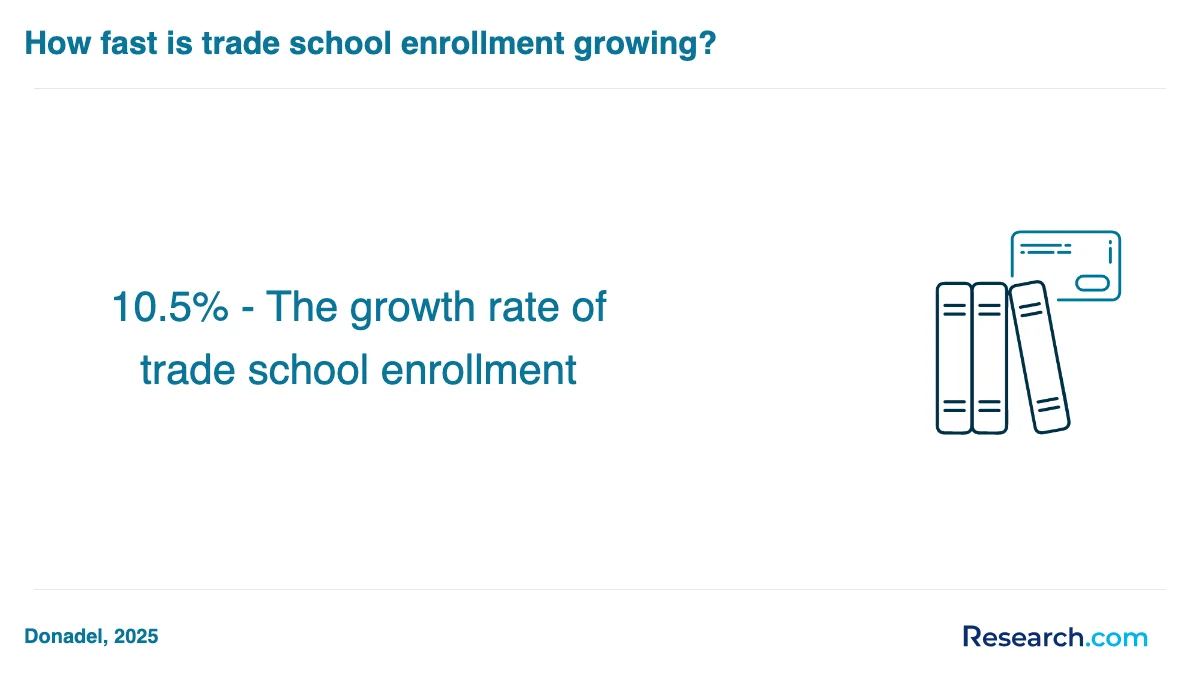
Students attending trade schools in Lehi, such as Mountainland Technical College (MTECH), commonly access several types of financial aid that ease the burden of education costs. Federal financial aid is a primary resource, including Pell Grants and student loans, which require completing the FAFSA. Graduates often share how receiving federal aid helped them focus on their studies without the constant stress of tuition payments.
State scholarships like the Utah Opportunity Scholarship provide up to $1,000 per semester for qualifying students, significantly reducing expenses for those who completed specific high school coursework. Many Lehi trade school students mention how this support made enrolling in technical programs more attainable.
Institutional scholarships from schools themselves offer merit- or need-based awards, which students find encouraging when balancing budgets. Veterans benefit from dedicated programs that cover tuition and related costs, creating a positive pathway for service members returning to education.
Additionally, work-study and special scholarships for adult learners or career changers exist, allowing flexible support tailored to personal situations-a reassuring option highlighted by many who returned to school later in life.
Trade school programs in Lehi typically require applicants to hold a high school diploma or an equivalent credential like a GED or HiSET certificate. This foundational requirement ensures students are prepared for the hands-on technical training ahead. For example, graduates from local programs often highlight how this baseline helped them confidently tackle complex coursework right from the start.
Many schools in Lehi offer concurrent enrollment options for high school juniors and seniors, allowing eager students to earn college credits early. Imagine a high school senior balancing both worlds- earning credits at a trade school while finishing high school-setting themselves ahead of the curve.
Adult learners benefit from open enrollment policies at many Lehi institutions, meaning minimal barriers like GPAs or test scores. However, certain specialized programs-such as in healthcare or skilled trades-may require:
- Passing an entrance assessment
- Providing proof of relevant skills
- Meeting age requirements (e.g., being 17+ for some apprenticeships)
Applicants should also be ready to submit official transcripts and complete program-specific applications. Graduates recall that, especially for competitive programs in technology and healthcare, meeting prerequisites is crucial but not always enough-personal experience and placement on waiting lists can influence acceptance.
Prospective students in Lehi are encouraged to review detailed program prerequisites on school websites and contact admissions advisors to tailor their application process effectively, ensuring a smooth path toward their career goals.

Trade school programs in Lehi typically include a variety of career-focused courses designed to equip students with practical, job-ready skills. At Mountainland Technical College (MTECH), a leading local institution, students find programs tailored to meet the needs of Utah County's booming industries.
Healthcare courses often attract students eager to enter hands-on professions. Graduates mention how training in Advanced Emergency Medical Technician and Dental Assisting gave them real confidence working in fast-paced medical environments. Certificate options like Medical Coding and Billing prepare others for crucial administrative roles within healthcare facilities.
Skilled trades offer dynamic learning with a mix of classroom theory and hands-on practice in workshops. Popular areas include:
- Automotive Technology
- Diesel Technology
- Civil Construction
- HVACR Technician
- Commercial Driver's License (Class A)
Graduates often share stories about applying these skills directly in local businesses, appreciating how well the programs align with employer expectations.
Technology programs respond to growing digital demands, covering Digital Marketing, Networking and Cybersecurity, and iOS Development, enabling students to engage actively in Utah's tech-driven job market.
Service industry courses, such as Culinary Arts and Cosmetology, combine creative skill-building with client interaction, which many students find rewarding and motivating during their studies in Lehi.
Trade school programs in Lehi offer a variety of specializations tailored for students eager to enter the workforce with practical skills. Graduates from Mountainland Technical College (MTECH), a popular choice among locals, often praise programs like Automation Technology and Automotive Technology for their hands-on training, which immediately prepares them for high-demand positions. Automation Technology focuses on mechanical systems, electrical motor control, and programmable logic controllers, requiring 21 credits and 630 instructional hours, ensuring students gain comprehensive expertise.
Other sought-after specializations include:
- Civil Construction, Machining Technology, Diesel Technology, and Fabrication and Fitting, which appeal to students interested in building and manufacturing trades.
- Apprenticeships in Electrical and HVACR technology, providing real-world experience essential for steady career growth.
- Commercial Driver's License (CDL) Class A, enabling careers in transportation and logistics.
Healthcare training programs such as Medical Assisting, Dental Assisting, and EMT certifications also attract many due to strong local demand. Several graduates express that starting a career in these fields through trade school is rewarding and often faster compared to traditional options. Many students find these programs fit well with their ambitions because sometimes a trade school is better than college, both in cost and time investment.
Lehi's trade schools also support creative and technical career paths, including culinary arts, digital design, cybersecurity, cosmetology, and nail technology, all emphasizing skill acquisition and employment readiness. This diverse offering reflects Lehi's focus on meeting both local industry needs and evolving job markets.
Choosing the best trade school program in Lehi starts with verifying accreditation to ensure your education meets rigorous standards and supports credit transfer or financial aid eligibility. Graduates from Mountainland Technical College often share how accreditation gave them confidence in the quality of their training and smoother job placement experiences. Assess the range of programs available, focusing on those aligned with your career goals, whether in healthcare, IT, or construction-fields that remain in strong demand locally and regionally.
Comparing Lehi trade school tuition and costs is vital. For instance, Mountainland's tuition stays competitive, around $3,621 for Utah residents in 2025, which helped many students balance expenses with quality education. Positive stories often highlight how financial aid and scholarships significantly reduced their financial burden. Practical learning environments with up-to-date labs and hands-on training are a must, providing real-world skills employers seek.
Look also for flexible schedules and support services like tutoring and career counseling, which graduates credit for easing their transition into careers. For detailed career outcomes, consult the trade school careers list and salaries.
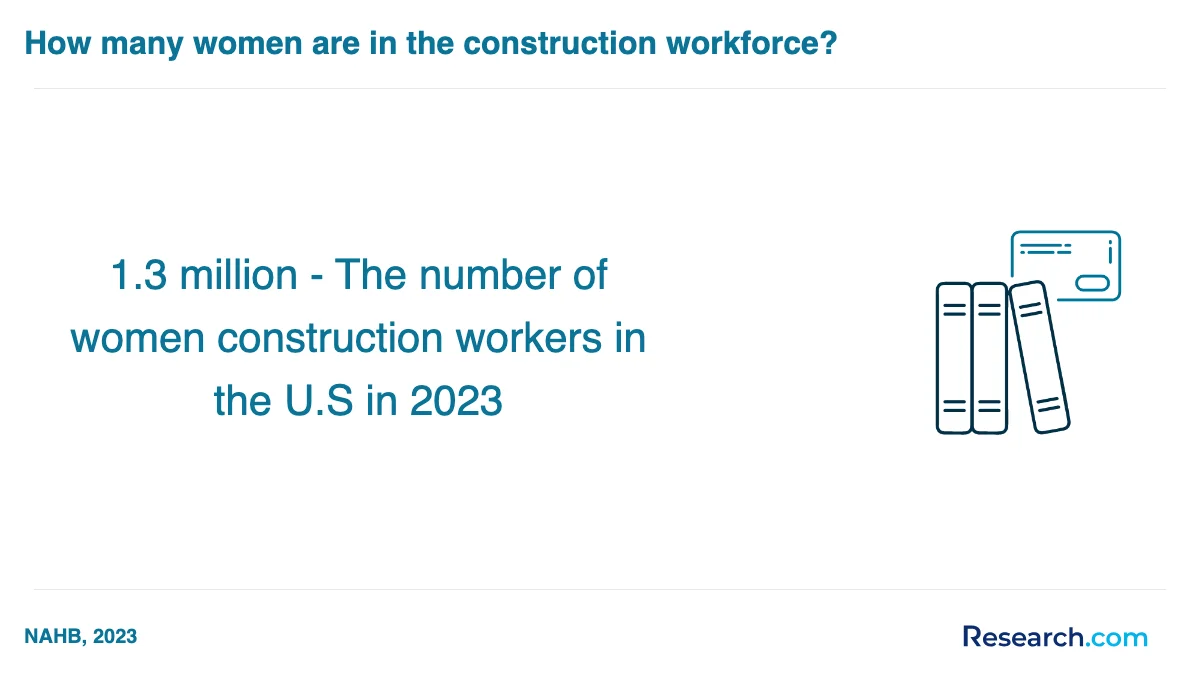
Trade school graduates in Lehi have a range of exciting career opportunities across healthcare, skilled trades, technology, and personal services. Many graduates from Mountainland Technical College and Utah Valley University step confidently into roles such as medical assistants, dental assistants, or EMTs, meeting the growing local demand within healthcare facilities. These careers offer strong job stability and quick workforce entry.
Hands-on training in skilled trades prepares students for jobs as electricians, plumbers, welders, or HVAC technicians, essential for Lehi's expanding residential and commercial development. Certification programs ensure graduates are highly sought after for their expertise.
Technology fields like cybersecurity, networking, and software development attract graduates eager to join Utah's booming tech sector, especially the companies clustered around Lehi, often referred to as Silicon Slopes. These careers offer dynamic, well-paying roles with room for growth.
Personal services, including cosmetology and culinary arts, also flourish here, with graduates starting their businesses or joining vibrant salons and restaurants.
Many find success through specialized tracks such as automotive technology by enrolling in a trade school for automotive, fulfilling demand in manufacturing and transportation industries.
Graduates highlight the effectiveness of Lehi Utah technical school job placement in launching sustainable, rewarding careers that match regional labor market needs and personal ambitions.
The job outlook for trade school graduates in Lehi remains exceptionally strong, fueled by the city's expanding economy and demand for skilled trades. Over 1,100 job openings are currently available, spanning fields like barbers, concrete laborers, and journeyperson plumbers. Graduates from local institutions such as Mountainland Technical College (MTECH) frequently share stories of landing positions quickly thanks to hands-on training and employer connections cultivated through their programs. Many express confidence in the practical skills acquired, which directly match Lehi Utah demand for skilled trades.
Students appreciate programs offering flexible schedules, real-world projects, and personalized job placement assistance. This dynamic environment promotes success, even for those starting fresh in their careers or switching industries. Training in healthcare, IT, cosmetology, and advanced manufacturing particularly opens diverse opportunities.
For those exploring affordable options, a number of low cost online floor installer trade school programs also help meet the needs of residents balancing education and work commitments.
Best Trade School & Training Programs - Leading Certification Courses in Lehi for 2026
# 1 position
Mountainland Technical College - Welding Technology/Welder.
certificate or diplomaMountainland Technical College offers a Welding Technology/Welder program with a hybrid format that includes some distance education. The program prepares students to apply technical skills in various welding methods such as arc welding, resistance welding, brazing, soldering, and high-energy beam welding. Instruction covers welding metallurgy, safety, structural design, and applicable codes. Graduates earn a median income of $42,032 one year after completion. The program is accredited by the Council on Occupational Education.
# 2 position
Mountainland Technical College - Electrician.
certificate or diplomaThe Electrician program at Mountainland Technical College offers a hybrid format combining in-person and distance education. It prepares students with technical skills to install, operate, maintain, and repair electrical systems including wiring, motors, controls, and distribution panels. Instruction covers electronics principles, safety, testing, inspection, and relevant codes. The program is accredited by the Council on Occupational Education.
# 3 position
Mountainland Technical College - Plumbing Technology/Plumber.
certificate or diplomaMountainland Technical College offers a hybrid Plumbing Technology/Plumber program designed to prepare students for licensure. The curriculum covers installation and maintenance of piping systems for various applications, including steam, natural gas, and water. Instruction includes technical math, blueprint reading, welding, plumbing codes, and inspection. The program is accredited by the Council on Occupational Education and combines hands-on training with some distance education options.
# 4 position
Mountainland Technical College - Heating, Air Conditioning, Ventilation and Refrigeration Maintenance Technology/Technician.
certificate or diplomaMountainland Technical College offers a hybrid program in Heating, Air Conditioning, Ventilation and Refrigeration Maintenance Technology/Technician. The curriculum prepares students to repair, install, service, and maintain HVAC and refrigeration systems, emphasizing diagnostic techniques and the use of testing equipment. Instruction covers mechanics, electricity, and electronics related to these systems. The program is accredited by the Council on Occupational Education.
# 5 position
Mountainland Technical College - Industrial Mechanics and Maintenance Technology/Technician.
certificate or diplomaMountainland Technical College offers a Hybrid Industrial Mechanics and Maintenance Technology/Technician program designed to equip students with skills to repair and maintain industrial machinery such as cranes, pumps, engines, and conveyor systems. The program is accredited by the Council on Occupational Education. It includes some distance-education options, providing flexibility for learners pursuing technical knowledge in various industrial equipment and systems.
# 6 position
Mountainland Technical College - Automobile/Automotive Mechanics Technology/Technician.
certificate or diplomaMountainland Technical College offers a hybrid Automobile/Automotive Mechanics Technology/Technician program that equips students with skills to repair, service, and maintain various automobiles. The curriculum covers brake systems, electrical systems, engine performance and repair, suspension and steering, transmissions, drive trains, and heating and air conditioning systems. The program is accredited by the Council on Occupational Education, providing technical training in both in-person and distance formats.
# 7 position
Mountainland Technical College - Dental Assisting/Assistant.
certificate or diplomaMountainland Technical College offers a Hybrid Dental Assisting/Assistant program preparing students for patient care, dental radiography, and office administrative duties under supervision. The curriculum includes medical record-keeping, reception, scheduling, equipment maintenance, sterilization, chairside assisting, and supervised practice. This program is accredited by the Council on Occupational Education and provides training essential for supporting dentists and dental hygienists in clinical and office settings.
# 8 position
Mountainland Technical College - Medical Insurance Coding Specialist/Coder.
certificate or diplomaThe Medical Insurance Coding Specialist/Coder program at Mountainland Technical College prepares students to perform specialized data entry, classification, and record-keeping related to medical diagnostics, treatment, billing, and insurance documentation. The hybrid program includes instruction in medical records software, anatomy, medical terminology, coding, and Medicare regulations. Graduates have a median earning of $32,624 one year after completion. The program is accredited by the Council on Occupational Education.
# 9 position
Mountainland Technical College - Medical Insurance Specialist/Medical Biller.
certificate or diplomaThe Medical Insurance Specialist/Medical Biller program at Mountainland Technical College prepares students to manage medical and health insurance operations in various healthcare settings. The hybrid program covers insurance processes, law, policy, records administration, software applications, billing, medical terminology, and communication skills. Graduates earn a median income of $32,624 one year after completion. The program is accredited by the Council on Occupational Education.
# 10 position
Mountainland Technical College - Medical Administrative/Executive Assistant and Medical Secretary.
certificate or diplomaMountainland Technical College offers a hybrid Medical Administrative/Executive Assistant and Medical Secretary program designed to prepare students for roles supporting physicians, nurses, and healthcare administrators. The curriculum covers medical terminology, business communications, healthcare operations, scheduling, and professional ethics. Graduates earn a median salary of $32,624 one year after completion. The program is accredited by the Council on Occupational Education.
Frequently Asked Questions about trade school programs
Preparing for the job market after completing trade school in Lehi requires a strategic approach. Graduates should focus on building a strong resume that highlights both technical skills gained and any hands-on experience from internships or apprenticeships.
Networking is crucial in Utah's job market, especially in Lehi, where industries like manufacturing and tech are growing. Joining local professional groups or attending job fairs can open doors to opportunities. According to the Utah Department of Workforce Services, trade school graduates in the region see employment rates around 70% within six months of graduation.
Additionally, obtaining relevant certifications beyond the diploma can boost employability and salary potential.
Employers in Lehi highly value technical proficiency in trade school graduates, especially skills related to electrical work, HVAC, welding, and advanced manufacturing. According to recent data from the Utah Department of Workforce Services, 72% of employers prioritize hands-on experience combined with certifications. Additionally, soft skills such as problem-solving, teamwork, and communication are critical, with 65% of local businesses reporting these as essential for workplace success.
The ability to adapt to new technologies and maintain safety standards ranks highly as well. Many Lehi employers prefer graduates who show a strong work ethic and reliability, reflecting regional industry expectations in construction, automotive, and tech-related trades.
Finding internships in Lehi related to your trade school program involves several practical steps. Start by contacting your trade school's career services office, as many local businesses collaborate directly with schools to offer internships. Networking through local trade associations and chambers of commerce, such as the Lehi Chamber of Commerce, can also reveal opportunities tailored to various trades.
Lehi's growing tech and manufacturing sectors increase demand for skilled interns, especially in fields like HVAC, automotive, and electrical work. Websites like Utah's Department of Workforce Services provide updated listings of internship openings in the area, which you can filter by industry. Additionally, reaching out to employers directly and leveraging platforms that focus on internship placement can expand your options significantly.
In Lehi, earning a trade school diploma significantly enhances career mobility and advancement opportunities. According to data from the Utah Department of Workforce Services, many local employers prioritize candidates with specialized trade certifications, resulting in faster job placement compared to traditional degrees.
Trade school graduates in sectors like construction, healthcare, and advanced manufacturing often experience wage growth averaging 10-15% within the first two years post-graduation. This reflects the high demand for skilled workers in Lehi's booming tech and industrial markets.
Moreover, the U.S. Bureau of Labor Statistics notes that trade credentials can lead to leadership roles more rapidly, as employers value hands-on experience combined with certified skills. This trend supports upward social and economic mobility for graduates.
Lehi offers various part-time job opportunities that align well with trade school education, providing both practical experience and income. Common roles include automotive technician assistant positions, supporting students enrolled in automotive programs. Construction laborer jobs are also prevalent and relevant for those studying skilled trades like carpentry or electrical work. According to the Utah Department of Workforce Services, construction-related part-time jobs grew by 5% in Lehi from 2022 to 2023, reflecting strong local demand. Additionally, medical assistants and pharmacy technician roles are accessible to students in healthcare trade programs, often offering flexible hours suitable for class schedules.
To find the best degree program near me in Lehi, UT, it is essential to research local universities and colleges that may offer the disciplines of interest. Look into various programs these institutions provide, comparing factors like curriculum, faculty, resources, and alumni success. Consulting resources such as Research.com can help you determine which programs near Lehi, UT, align best with your academic and career aspirations.
- Lehigh Career & Technical Institute | Adult Education & Technical Training High School https://www.lcti.org/
- Mountainland Technical College | MTECH https://mtec.edu/
- Exploring Utah’s Technical and Trade Schools › Altabank https://www.altabank.com/exploring-utahs-technical-and-trade-schools
- Career & Technical Schools - Lehigh Valley, PA - Lehigh Valley Economic Development | Allentown, Bethlehem, Easton, Pennsylvania https://www.lehighvalley.org/career-and-technical-schools/
- The 3 Best Vocational/Trade Schools Around Utah County | Utah County Hometown Guru https://utahcounty.hometownguru.com/blog/post/the-3-best-vocationaltrade-schools-around-utah-county
- Career & Technical Education | Leadership Academy of Utah https://www.lautah.org/career-technical-education