Best Trade School & Training Programs - Leading Certification Courses in Mississippi for 2026

Co-Founder and Chief Data Scientist
Choosing the right trade school in Mississippi can shape your future career and open doors to rewarding opportunities. This article introduces a trade school programs ranking created by the Research.com team of data scientists to help you explore the best options available for 2026.
By reading this guide, you’ll gain valuable insights into quality programs worth considering. Earning a trade school diploma or certification can boost your skills, increase job prospects, and offer a sense of accomplishment in a hands‑on field.
Discover the path that fits you best and take confident steps toward your career goals.
Key benefits of finishing trade school programs trade school in Mississippi
- Expected salary: Trade school graduates in Mississippi can earn competitive salaries, such as electricians making $35,000 to $85,000 annually and truck drivers averaging $45,980 to $52,800 per year, offering strong financial growth.
- Popular career paths: Graduates often pursue skilled trades like electricians, transportation roles like diesel mechanics, and personal care careers such as barbers and cosmetologists, providing varied and in-demand job opportunities.
- Online education benefits: Earning a trade school diploma online offers flexibility for busy students, allowing them to balance work and study effectively, opening doors to careers without needing to attend campus in person.
- Best Trade School & Training Programs - Leading Certification Courses in Mississippi for 2026
- What can I expect from trade school programs trade schools in Mississippi?
- Where can I work after finishing trade school programs trade schools in Mississippi?
What can I expect from trade school programs trade schools in Mississippi?
The average cost of a trade school program in Mississippi typically ranges between $3,150 and $6,210 per year, depending on the community college or technical school and whether the student qualifies as an in-state resident. Graduates from popular local programs often share how manageable tuition fees allowed them to focus on hands-on training without the heavy burden of student debt.
Many students recall enrolling in community colleges offering specialized fields like automotive technology or cybersecurity and appreciating the clear, upfront costs. One graduate from a well-known HVAC program noted how the affordable tuition paired with paid internships made the path to employment feel achievable and motivating. Others mention that lower tuition helped keep stress low while balancing work and study.
Because trade schools in Mississippi focus on shorter, efficient programs lasting around 12 to 18 months, many students find they spend less overall on education compared to traditional four-year routes. This affordability, combined with practical skill-building and increased job opportunities, creates a compelling mix for those ready to launch a career quickly but wisely.
Where can I work after finishing trade school programs trade schools in Mississippi?
After finishing a trade school program in Mississippi, many graduates quickly find themselves working on bustling construction sites, filling critical roles such as electricians, carpenters, or HVAC technicians. Popular community colleges offering NCCER-certified courses often share stories of students who start paid apprenticeships, balancing paychecks while mastering in-demand skills. Imagine joining the ranks of workers tackling the state's shortage of over 100,000 construction professionals-there's a real sense of pride in helping build the foundations of local communities.
Welding program graduates frequently land roles as structural welders or pipe fabricators, contributing to Mississippi's infrastructure projects like highway bridges or manufacturing plants. This hands-on work, reported by many graduates of welding programs across the state, offers both steady income and fulfillment from creating tangible results.
Others pursuing diesel technology or commercial truck driving discover rewarding careers in logistics companies, on the road keeping goods moving smoothly. Healthcare-focused trade schools open doors to positions like dental hygienists or licensed practical nurses, with students often sharing how their work improves lives directly.
Whether on a job site, in a repair shop, or at the patient's bedside, trade school graduates in Mississippi not only find work-they build futures full of opportunity and community impact.
After finishing a trade school program in Mississippi, graduates often see their earnings rise quickly, with average annual salaries around $63,595 as of August 2025. For many students at well-known Mississippi trade schools, this means stepping into roles that pay roughly $30.57 per hour, or about $1,222 per week. Imagine starting a week knowing you've earned enough to comfortably cover bills and even save a little extra.
Graduates from fields like transportation or business administration share stories of steady job growth and pay that matches their hard-earned skills. One recent commercial truck driving graduate from a popular vocational program found that after a few months on the job, their income allowed them to support their family and even pursue further certifications without financial stress.
While entry-level wages might be a bit lower, these are stepping stones-many report raises as they gain experience and certifications. For those considering trade school in Mississippi, it's encouraging to know these careers not only provide stable incomes above the family-sustaining wage but also open doors to ongoing advancement.
- Most trade schools in Mississippi require a high school diploma or equivalency like GED, with some programs needing additional steps such as background checks or minimum ACT scores.
- Costs for trade programs in Mississippi generally range from $4,000 to $8,000 per year, which is lower than attending a four-year college.
- State financial aid is available through the Mississippi Tuition Assistance Grant for residents who meet GPA and ACT criteria and enroll full-time.
- Graduates typically earn starting salaries between $32,000 and $48,000 annually, with experienced workers making $55,000 or more.
- Many schools offer flexible enrollment throughout the year for both recent graduates and adult learners.
Completing a trade school program in Mississippi often takes less time than a traditional college degree, making it an appealing choice for those eager to start a career quickly. Many students at Mississippi trade schools finish their certificate or diploma programs within nine to 18 months, with some programs, like those at Northwest Mississippi Community College, taking as little as nine months.
Picture a graduate who enrolls full-time in an HVAC or welding program, completing 1,200 hours of hands-on training over a year. They gain practical skills faster than you'd expect, thanks to the focused curriculum that skips broad general education courses.
Others aiming for an associate degree might spend closer to 18 to 24 months, balancing technical training with some advanced coursework. Many trade schools in Mississippi welcome students year-round, offering flexible schedules that allow for accelerated progress.
Graduates often share a sense of relief and excitement, knowing their shorter path to employment meant they were able to start building a paycheck and career sooner than their peers pursuing traditional degrees.
The most noticeable difference between online and on-campus trade school programs in Mississippi is how students interact with their education. Graduates of Mississippi Gulf Coast Community College's online courses often share how the flexibility allowed them to study late at night or between shifts, fitting coursework seamlessly into busy lives. Imagine working during the day and logging into classes in your own space, free from commuting stress. Meanwhile, those attending on-campus programs at Hinds Community College describe the energy of face-to-face learning, where hands-on training and instant feedback from instructors create a dynamic, engaging environment. The camaraderie built through in-person connections and campus life becomes a vital part of their journey.
Many online learners appreciate that Mississippi institutions often charge the same or lower tuition for remote students, making education more accessible. On-campus students, however, value practical experiences and social activities that enrich their education beyond textbooks. Both formats provide strong support systems, but the choice often depends on whether a student thrives in self-paced independence or thrives on direct interaction and structure.
The average trade school tuition in Mississippi typically ranges between $16,000 and $33,000 for a full program lasting about two years. Graduates from popular vocational schools report feeling reassured knowing these costs cover not just tuition but also essential fees, making the investment more predictable. Many students share stories of finding a path that balances practical, hands-on training with manageable expenses-often much less daunting than four-year universities. One common experience involves paying roughly $16,500 to $25,000 for tuition alone, then budgeting around $500 to $1,000 for books, plus accommodation costs that can range from $800 to $1,200, depending on location.
Understanding Mississippi vocational program costs and fees helps prospective students plan effectively. For example, a recent graduate described how financial aid averaging $5,153 made a crucial difference in managing upfront payments. The possibility of tapping into state and federal grants often helps lighten the overall financial burden. Such support allows students to remain focused on gaining skills rather than stressing over expenses.
Many individuals considering careers in trades like appliance repair have found success taking routes such as the most affordable appliance repair online training options, which align well with Mississippi's cost structures. These programs emphasize accessible, realistic education while keeping the total price competitive, creating hopeful pathways to steady employment and a satisfying career.
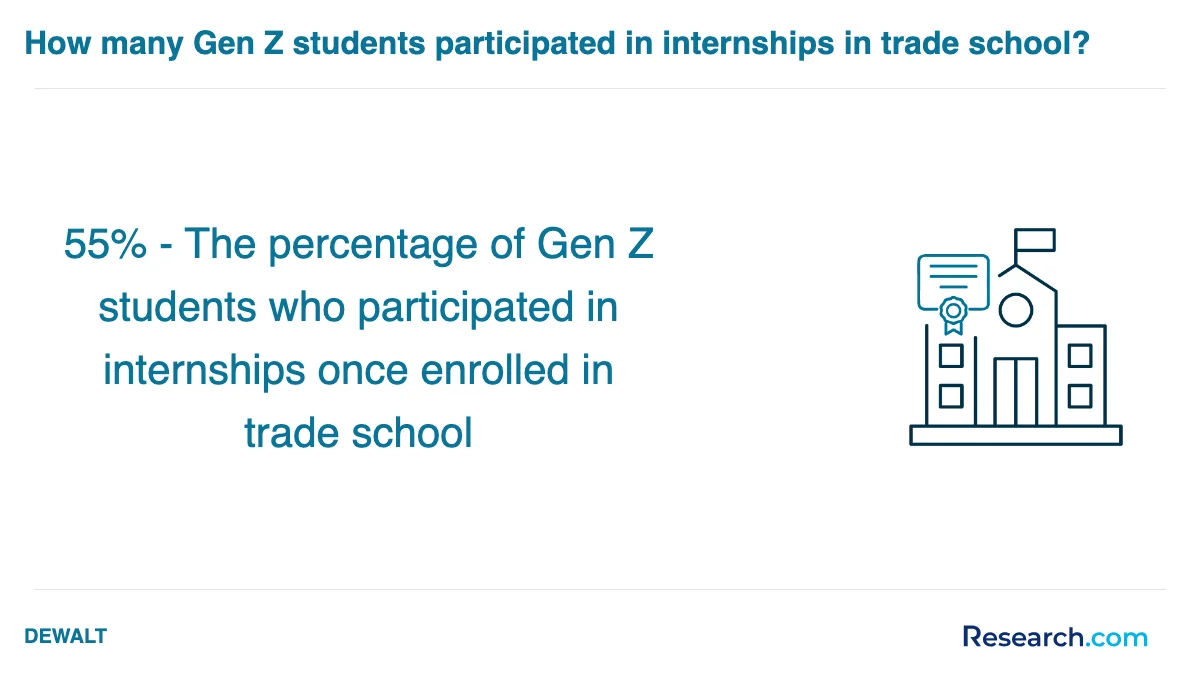
Trade school students in Mississippi often find relief through multiple financial aid options, making their educational journey feel achievable and less daunting. Many start by completing the FAFSA, unlocking access to federal grants like the Federal Pell Grant, which several graduates from Meridian Community College praise for covering significant tuition costs without needing repayment.
State-specific aid also shapes positive experiences. For instance, students attending Hinds Community College often benefit from the Mississippi Tuition Assistance Grant (MTAG), which supports residents with a solid academic record, lifting the financial weight for those balancing school and work.
Higher-achieving students attending trade programs at Pearl River Community College might earn the Mississippi Eminent Scholars Grant (MESG), fueling their motivation with generous aid tied to their academic excellence. Meanwhile, families with limited income find hope with the HELP Grant, fully covering tuition for eligible students at select institutions.
Beyond grants, many appreciate the Workforce Innovation & Opportunity Act (WIOA), which funds career training especially helpful for those overcoming employment challenges. This patchwork of financial aid brings tangible support, offering students at Mississippi trade schools both confidence and freedom to focus fully on their futures.
To enroll in a trade school program in Mississippi, students typically need a high school diploma, GED, or an equivalent credential. Graduates from popular Mississippi trade schools often share how meeting this baseline opened doors to practical career training. For example, many found that having a minimum GPA of 2.5-required by financial aid programs like the Mississippi Tuition Assistance Grant-helped unlock scholarship opportunities.
Standardized test scores play a role too. Most programs ask for a minimum ACT score of 15, with some demanding higher scores or additional exams, such as the ATI TEAS test for nursing applicants. Imagine a prospective nursing student preparing for this exam, knowing that passing it boosts their confidence and chances of acceptance.
Residency is another key prerequisite. Students must usually prove legal residency in Mississippi for at least one year before applying, which aligns with state-supported aid eligibility.
- High school diploma, GED, or equivalent
- Minimum GPA (around 2.5) and standardized test scores (ACT 15+)
- At least one year of Mississippi residency
- Program-specific requirements like prerequisite courses or exams for health sciences
- Background checks and drug screenings for certain fields
Many graduates recall completing prerequisite courses like anatomy or chemistry, which helped them feel ready and confident to enter specialized fields. Background checks and drug tests are often part of the process, especially in health-related programs, ensuring safety and trustworthiness before stepping into clinical settings.

Trade school programs in Mississippi typically dive straight into practical, career-focused courses that prepare students to step confidently into the workforce. Graduates often share how hands-on training in well-known Mississippi schools transforms their ambitions into actual skilled careers. For example, automotive technology students describe feeling empowered as they master vehicle diagnostics and repairs, ready to emerge as competent technicians.
Common courses reflect industries with strong local demand and include:
- Automotive Technology - mastering vehicle maintenance and repair
- Welding Technology - gaining skills in metalwork and safety critical to fabrications
- HVAC/R - learning to install and service heating and cooling systems, often earning certifications like HVAC Excellence
- Plumbing - focusing on residential and commercial systems paired with essential math skills
- Business Management Technology - combining accounting and communication for effective office roles
- Medical Office and Health Programs - developing clinical and administrative abilities in healthcare settings
- Information Technology - from cybersecurity to programming, opening doors to tech careers
Students frequently mention how the modular course structure-ranging from certificates to associate degrees-gives them flexible, stackable credentials to pursue steadily advancing careers. Facilities in community and junior colleges enhance these real-world experiences, connecting classroom learning with industry standards and certifications, boosting student confidence and employability throughout Mississippi.
Trade schools in Mississippi offer a dynamic array of specializations tailored to meet the evolving job market. Graduates often share how programs in health care-such as Emergency Medical Technician or Respiratory Care Technology-helped them quickly secure roles in local hospitals and clinics, feeling confident and prepared. Equally transformative are business-related courses like Accounting Technology or Paralegal Technology, which many find equip them with practical skills immediately applicable to office environments across the state.
Industrial and engineering tracks are especially hands-on, with students gaining real-world experience in Automotive Technology, Welding Technology, or Civil Engineering Technology. Those who trained at top Mississippi trade schools recount thriving in fast-paced manufacturing or construction jobs, driven by the expertise acquired during their programs.
Information technology fields like Cybersecurity Technology and Robotics increasingly attract ambitious students eager to engage with cutting-edge innovations. Some even explore low cost electrician training programs online to complement their technical skill set, broadening their career horizons.
Hospitality and culinary arts, including Baking and Pastry Arts Technology, appeal to those passionate about Mississippi's vibrant service sector. Graduates describe the pride in contributing to their communities through banquet services or early childhood education, emphasizing the rewarding nature of their studies.
When deciding on the best trade school programs in Mississippi, start by checking whether the school is properly accredited, as this impacts credit transfer and employer recognition. Graduates from Southwest Mississippi Community College often share how the accredited status boosted their confidence when seeking jobs, reflecting the school's solid reputation. Evaluating the range of programs is just as important-some schools focus narrowly, which benefits those sure of their path, while others offer diverse options to explore different trades. Students who attended Copiah-Lincoln Community College praised the hands-on experience and real-world internships that made their learning engaging and practical.
To compare Mississippi trade schools effectively, analyze the net cost including tuition and aid; Southwest Mississippi's average price of $4,136 offers affordability that alumni found comforting during their studies. Support services and campus culture significantly affect student satisfaction, with many graduates highlighting excellent career placement assistance and strong local employer connections. Also, explore programs with strong outcomes in job placement to maximize your investment. For those interested in automotive fields, the resources at automotive trade schools provide an insightful example of specialized training.

Trade school graduates in Mississippi find a wealth of career opportunities tailored to local economic demands, paving the way for rewarding futures. Many graduates from community colleges and technical centers share stories of quickly moving into stable positions with competitive wages.
Popular paths include:
- Healthcare roles such as nursing and respiratory therapy, where hands-on training prepares students for diverse clinical environments.
- Construction trades like electricians, plumbers, and HVAC technicians, benefiting from apprenticeship models that combine earning and learning.
- Advanced manufacturing careers including welding specialists and industrial maintenance technicians, which respond to a growing need for skilled labor in the state's factories.
Other promising options involve logistics, commercial truck driving, and diesel technology, leveraging Mississippi's role as a hub for distribution centers. Graduates often express excitement about entering high-demand trade careers in Mississippi, appreciating the balancing of practical skills with immediate earnings.
Some graduates reflect on paths through information technology, hospitality, and business management programs, highlighting vibrant career opportunities for trade school graduates in Mississippi.
For those considering construction trades, exploring courses at a school for construction trades in Mississippi offers a practical route to job security and advancement.
The job market for trade school graduates in Mississippi is expanding rapidly, fueled by strong demand across industries such as construction, healthcare, and manufacturing. Graduates from well-known trade schools often share stories of landing stable, well-paying jobs shortly after completing programs focused on in-demand skills like welding, HVAC, and diesel technology. This growth is indicative of the growing skilled trades workforce demand in Mississippi, offering ample job opportunities for those pursuing two-year or less vocational education.
Popular community colleges and technical schools in Mississippi tailor programs to meet evolving employer needs, ensuring students develop certifications and hands-on experience that employers urgently seek. Graduates report confidence entering fields such as licensed practical nursing, truck driving, and electrical work, benefiting from programs designed with direct input from local businesses.
Key reasons behind this positive outlook include:
- Projected 10 percent growth in vocational jobs over the next decade
- Average competitive salaries like $67,000 for electricians
- Access to industry-recognized certifications and practical training
Students exploring pathways to skilled careers can also find low cost maintenance technician online courses that complement Mississippi's in-person trade programs, broadening opportunities for flexible learning and career advancement within the state's dynamic job market.
Best Trade School & Training Programs - Leading Certification Courses in Mississippi for 2026
# 1 position
Itawamba Community College - Industrial Mechanics and Maintenance Technology/Technician.
associateItawamba Community College offers a hybrid Industrial Mechanics and Maintenance Technology/Technician program designed to equip students with technical skills to repair and maintain industrial machinery, including cranes, pumps, engines, and conveyor systems. The program’s annual in-state tuition is $3,420. Graduates earn a median salary of $64,343 one year after completion. The college is accredited by the Southern Association of Colleges and Schools Commission on Colleges.
# 2 position
Itawamba Community College - Industrial Mechanics and Maintenance Technology/Technician.
certificate or diplomaItawamba Community College offers a hybrid Industrial Mechanics and Maintenance Technology/Technician program preparing students to repair and maintain industrial machinery such as cranes, pumps, engines, and conveyor systems. The program is accredited by the Southern Association of Colleges and Schools Commission on Colleges. Annual in-state tuition is $3,420. Graduates earn a median salary of $64,343 one year after completion, reflecting strong job market outcomes for trained technicians.
# 3 position
Hinds Community College - Diagnostic Medical Sonography/Sonographer and Ultrasound Technician.
associateHinds Community College offers a fully online Diagnostic Medical Sonography program preparing students to use ultrasound techniques for diagnosing medical conditions. The curriculum covers patient care, data collection, sonographic processing, equipment operation, and professional ethics. Annual in-state tuition is $3,825. Graduates earn a median salary of $56,165 one year after completion. The program is accredited by the Southern Association of Colleges and Schools Commission on Colleges.
# 4 position
Pearl River Community College - Dental Assisting/Assistant.
associatePearl River Community College offers a Hybrid Dental Assisting/Assistant program that prepares students for patient care, dental radiographs, and office administrative duties under dentist supervision. The curriculum includes medical record-keeping, equipment maintenance, chairside assisting, and supervised practice. Annual in-state tuition is $3,650. Graduates have median earnings of $39,402 one year after completion. The program is accredited by the Southern Association of Colleges and Schools Commission on Colleges.
# 5 position
Pearl River Community College - Dental Assisting/Assistant.
certificate or diplomaPearl River Community College offers a hybrid Dental Assisting/Assistant program preparing students to provide patient care and perform dental radiographs. The curriculum includes medical record-keeping, office duties, patient intake, equipment maintenance, sterilization, chairside assisting, and supervised practice. Annual in-state tuition is $3,650. Graduates earn a median salary of $39,402 one year after completion. The program is accredited by the Southern Association of Colleges and Schools Commission on Colleges.
# 6 position
Itawamba Community College - Physical Therapy Assistant.
associateItawamba Community College offers a Physical Therapy Assistant program in a hybrid format, preparing students to implement treatment plans and assist patients under a physical therapist's supervision. The curriculum includes anatomy, physiology, kinesiology, biomechanics, and clinical documentation. The program is accredited by the Southern Association of Colleges and Schools Commission on Colleges. Annual in-state tuition is $3,420, and median earnings one year after completion are $45,207.
# 7 position
Hinds Community College - Dental Assisting/Assistant.
associateHinds Community College offers a Dental Assisting/Assistant program with a hybrid format, combining distance education and hands-on training. The program prepares students to assist dentists and hygienists by providing patient care, taking dental radiographs, and managing office administrative tasks. Instruction includes medical record-keeping, equipment sterilization, chairside assisting, and supervised practice. Annual in-state tuition is $3,825. Graduates have median earnings of $22,597 one year after completion. The program is accredited by the Southern Association of Colleges and Schools Commission on Colleges.
# 8 position
Hinds Community College - Dental Assisting/Assistant.
certificate or diplomaHinds Community College offers a hybrid Dental Assisting/Assistant program preparing students to provide patient care, take dental radiographs, and support dental procedures. The curriculum covers medical record-keeping, office duties, scheduling, equipment sterilization, basic radiography, chairside assisting, and supervised practice. Annual in-state tuition is $3,825. Graduates earn a median salary of $22,597 one year after completion. The program is accredited by the Southern Association of Colleges and Schools Commission on Colleges.
# 9 position
Hinds Community College - Nursing Assistant/Aide and Patient Care Assistant/Aide.
certificate or diplomaHinds Community College offers a fully online Nursing Assistant/Aide and Patient Care Assistant/Aide program that prepares students to provide routine nursing-related services under the supervision of licensed nurses. The program is accredited by the Southern Association of Colleges and Schools Commission on Colleges. Annual in-state tuition is $3,825, and median earnings one year after completion reach $42,518.
# 10 position
Meridian Community College - Dental Assisting/Assistant.
certificate or diplomaMeridian Community College offers a Hybrid Dental Assisting/Assistant program that trains students to provide patient care, take dental radiographs, and perform office administrative functions under supervision. The curriculum covers medical record-keeping, reception, scheduling, equipment maintenance, sterilization, chairside assisting, and supervised practice. The program’s annual in-state tuition is $3,932. It is accredited by the Southern Association of Colleges and Schools Commission on Colleges.
Frequently Asked Questions about trade school programs
After completing trade school in Mississippi, preparing for the job market involves several key steps. Graduates should start by obtaining relevant certifications or licenses required in their chosen field, as many trades such as welding, electrical work, or HVAC often require state-specific credentials. According to the Mississippi Department of Employment Security, trade school graduates face a growing job market with approximately 8% projected growth in skilled trades through 2028. Networking with local employers and attending career fairs hosted by trade schools can increase employment opportunities. Additionally, crafting a strong resume highlighting hands-on experience and any apprenticeships is essential for success.
Employers in Mississippi highly value practical skills and work readiness in trade school graduates. According to the Mississippi Department of Employment Security, technical proficiency in fields like welding, HVAC, and electrical work ranks among the most requested core competencies. Graduates with strong hands-on experience often have better employment outcomes.
In addition to technical know-how, communication skills and teamwork are frequently emphasized by local employers. Data from the National Skills Coalition highlights that 70% of Mississippi employers seek candidates with solid interpersonal abilities to support safe and efficient jobsite collaboration.
Problem-solving and adaptability also feature prominently, reflecting industries' need for workers who can manage unforeseen challenges effectively. These job skills are essential across trades such as automotive repair and construction.
Finding internships in Mississippi related to your trade school program involves a few key steps. Start by contacting the career services office at your trade school; many schools maintain partnerships with local businesses and industries to connect students with relevant internships.
Mississippi has a strong presence in industries like manufacturing, healthcare, and automotive, which often offer apprenticeship and internship opportunities. According to the Mississippi Department of Employment Security, sectors such as manufacturing and health services provide numerous work-based learning experiences annually.
Additionally, websites like the MississippiWorks portal and local workforce development boards list internship openings. Networking through local trade associations and attending job fairs can also help you access hidden opportunities. Early outreach and professional communication are crucial to securing internships that enhance your skills and employment prospects.
In Mississippi, earning a trade school diploma can significantly enhance career mobility and advancement. According to the Mississippi Department of Employment Security, many industries such as construction, healthcare, and manufacturing have growing demand for skilled workers with vocational credentials. A trade diploma often leads to higher starting wages compared to a high school diploma alone, with some fields reporting median annual earnings exceeding $40,000.
Additionally, trade credentials open doors to apprenticeships and certifications that promote upward mobility. The U.S. Bureau of Labor Statistics highlights that trade school graduates in Mississippi experience lower unemployment rates than those without postsecondary education. This creates more stable career paths, making trade school diplomas valuable for long-term professional growth.
Trade school students in Mississippi have several part-time job options that align well with their studies. Many opportunities exist in industries such as automotive repair, construction, health care, and information technology. For example, automotive students often find part-time work as mechanics' assistants or tire technicians. These roles provide hands-on experience and supplement classroom learning.
Health care students, especially in programs like medical assisting or dental hygiene, can work part-time as aides or receptionists in clinics, gaining essential skills on the job. According to the Mississippi Department of Employment Security, health care support roles are among the fastest-growing part-time jobs in the state.
Construction laborer and electrician helper positions also offer flexible hours and practical experience for those attending trade schools. Such jobs frequently pay above minimum wage, helping students finance their education while developing industry connections.
To choose the best degree program near me in Mississippi, consider evaluating schools based on factors such as accreditation, tuition costs, faculty qualifications, and student support services. Look into specific programs and universities near Mississippi to find those aligning with your academic interests and career goals, potentially using resources like Research.com for guidance. Additionally, attending campus tours and speaking with current students or alumni can provide insights into the campus culture and academic environment.
- Best Trade School & Training Programs - Leading Certification Courses in Louisiana for 2026
- Best Trade School & Training Programs - Leading Certification Courses in Arkansas for 2026
- Best Trade School & Training Programs - Leading Certification Courses in Missouri for 2026
- Best Trade School & Training Programs - Leading Certification Courses in Kentucky for 2026
- Best Trade School & Training Programs - Leading Certification Courses in Texas for 2026
- Best Trade School & Training Programs - Leading Certification Courses in Indiana for 2026
- Best Trade School & Training Programs - Leading Certification Courses in Illinois for 2026
- Best Trade School & Training Programs - Leading Certification Courses in Oklahoma for 2026
- Best Trade School & Training Programs - Leading Certification Courses in North Carolina for 2026
- Best Trade School & Training Programs - Leading Certification Courses in West Virginia for 2026
- MDCC - Work-Based Learning https://www.msdelta.edu/programs/career-technical/work-based-learning.php
- Trade Schools Overview | ACT https://www.act.org/content/act/en/students-and-parents/career-planning/career-planning-resources/trade-schools.html
- Career Technical https://www.eastms.edu/programs/career-technical/
- Trade School vs. College: Weighing cost, timelines & More https://www.midwesttech.edu/resources/careers/trade-school-vs-college-a-guide-to-weighing-your-options/
- Career and Technical Education – Mississippi Department of Education https://mdek12.org/cte/
- Find The Best Trade Schools In Mississippi https://www.accreditedschoolsonline.org/vocational-trade-school/mississippi/
- Career and Technical Programs https://www.jcjc.edu/programs/CTE/
- Career & Technical Education Programs https://meridiancc.edu/programs/career_and_technical_programs/index.html