Best Trade School & Training Programs - Leading Certification Courses in Indiana for 2026

Co-Founder and Chief Data Scientist
Choosing the right trade school can shape your future career in meaningful ways. This article introduces the best trade schools in Indiana for 2026, featuring a trade school programs ranking developed by the Research.com team of data scientists.
Designed to help you make an informed choice, this ranking highlights programs worth considering based on reliable data and expert analysis.
Whether you’re seeking a diploma or certification, investing in trade education opens doors to rewarding job opportunities. Exploring these options brings you closer to skills that lead to success and personal satisfaction.
Key benefits of finishing trade school programs trade school in Indiana
- Expected Salary: Trade school graduates in Indiana can earn strong salaries, such as $63,897 per year on average, with union carpenters making around $64,235 and union plumbers earning up to $110,000 based on experience.
- Popular Careers: Graduates often pursue rewarding jobs in fields like carpentry, plumbing, heavy truck driving, electrical work, and assembly, all offering good pay and job security across Indiana's industries.
- Online Education Benefits: Earning a trade certification online offers flexibility and convenience, allowing students to balance work and study while achieving the same valuable credentials as traditional schools.
- Best Trade School & Training Programs - Leading Certification Courses in Indiana for 2026
- What can I expect from trade school programs trade schools in Indiana?
- Where can I work after finishing trade school programs trade schools in Indiana?
What can I expect from trade school programs trade schools in Indiana?
The average cost of a trade school program in Indiana varies widely, but many students find it quite affordable, especially with state-supported financial aid. For example, graduates from Lincoln Tech in Indianapolis often mention that certificate programs costing under $10,000 felt manageable, particularly with available grants. One graduate from Lincoln Tech's Medical Assistant diploma program, which lasts about 37 weeks, shared how the Workforce Ready Grant through Ivy Tech helped cover tuition, making the investment feel low-risk compared to traditional college routes.
Students at the Southern Indiana Career & Technical Center benefit from programs aligned with the state's Next Level Programs of Study, often combining classroom and hands-on training. This structure allows students to earn certifications or dual college credits, adding value without extra cost.
Graduates typically appreciate the smaller class sizes and direct employer connections, which boost job prospects. The financial support available means many find these programs accessible, with a focus on quickly gaining in-demand skills for less than a year or two of study.
Where can I work after finishing trade school programs trade schools in Indiana?
After completing a trade school program in Indiana, graduates find a wealth of career opportunities across several vital industries. Many report quickly landing roles in advanced manufacturing, where skilled technicians and machinists keep the state's factories running. Graduates often describe the satisfaction of working hands-on with cutting-edge machinery, especially in programs from well-known Indiana trade schools that emphasize practical skills.
Healthcare is another in-demand sector. Graduates entering roles as nurses or medical assistants feel a direct impact on their communities, often sharing that their training prepared them to start meaningful careers without the extended time or expense of a four-year degree. Local hospitals and clinics regularly recruit from Indiana's trade programs, valuing their hands-on clinical experience.
Other trade school alumni find fulfilling jobs driving commercial trucks, managing logistics, or working in construction. Many appreciate how their training in digital logistics or HVAC systems equips them for stable, well-paying jobs. These personal experiences, common among students from Indiana's top vocational institutions, reinforce how trade school credentials lead to rewarding, practical careers within the state's expanding economy.
Graduates from trade school programs in Indiana often see starting salaries around $63,897 per year, which breaks down to approximately $30.72 per hour. For those studying in Indianapolis, wages edge slightly higher, with average annual earnings around $64,166. Many graduates report feeling relieved to step into well-paying positions quickly, avoiding years of student debt and lengthy degree programs common elsewhere.
Trade school alumni working as electricians, plumbers, or HVAC technicians typically earn between $64,130 and $80,043 annually, averaging around $72,133. Many share stories of gaining stability soon after graduation, often balancing work and family life with the confidence a solid income provides.
In some specialized fields, such as nuclear power reactor operation, salaries can soar up to $121,240. Popular trade schools in Indiana equip students with certificates or diplomas that open doors to these opportunities, making it clear why many find this path rewarding both financially and personally.
- Indiana offers more than 60 trade school programs for high school students through its Next Level Programs of Study initiative started in 2022-2023.
- Admission usually requires a high school diploma or GED, with Ivy Tech Community College offering free, open year-round applications without standardized testing or GPA requirements.
- The Workforce Ready Grant covers 100% of tuition and mandatory fees for eligible students in high-demand certificate programs.
- Certificate program costs for those not eligible for the grant typically range from $4,000 to $8,000 per year.
- Trade school graduates in Indiana can expect starting salaries between $35,000 and $50,000, with experienced workers in manufacturing and IT earning over $55,000 annually.
Trade school programs in Indiana can be completed in varying timeframes, making them appealing for students eager to enter the workforce quickly. For instance, graduates from accelerated HVAC or electrical programs often finish in as little as two to four months, gaining hands-on experience and certifications that open doors soon after. This rapid pace suits those who want to start earning without the lengthy commitment of a traditional degree.
Other students enrolled in popular Indiana schools like Ivy Tech Community College find themselves completing associate degrees in technical fields, such as Industrial Technology, within about two and a half years. These programs demand more credit hours and classroom time but still offer a practical and targeted education experience. Many others prefer shorter certificates, available at the same institutions, which take roughly one year and still provide valuable skills.
Meanwhile, apprenticeships through unions like IBEW combine on-the-job training and classes and can stretch from three to five years. Graduates of these programs often describe the journey as challenging but rewarding, knowing their extended time investment leads to well-paid, stable careers.
Indiana trade schools give students valuable flexibility, letting them choose program lengths that fit personal goals and lifestyles without sacrificing quality education.
The difference between online and on-campus trade school programs in Indiana centers largely on flexibility and the learning environment. Graduates from Ivy Tech Community College praise the freedom of completing coursework from home or a favorite coffee shop, appreciating the 24/7 access and self-paced structure. This flexibility helps those juggling work and family commitments stay on track without strict schedules.
Conversely, students attending on-campus programs at schools like Indiana Tech often describe the value of hands-on training that's hard to replicate online. The immediate feedback from instructors during in-person labs for trades such as welding or HVAC builds confidence quickly. They also emphasize the energy of a shared classroom, which keeps them motivated through routine and group support.
Some find hybrid programs offer the best of both worlds-combining asynchronous online lectures with essential on-site practice. This balance helps learners apply theory directly to skill-building, making education both accessible and tactile.
The average trade school cost in Indiana varies significantly depending on the type of institution you choose. Graduates from popular Indiana trade schools often remark on the manageable financial commitment compared to other states. For instance, tuition and fees at public trade schools generally range from $4,000 to $9,000 per year, making them accessible options for many local students. On the other hand, private trade schools can cost between $12,000 and $22,000 annually, which some find worthwhile given the specialized programs offered. These figures are part of the broader Indiana trade school tuition and fees landscape, where the overall average tuition and fees sit around $15,693 for the academic year 2024-2025.
Many students share how budgeting beyond tuition is crucial, as additional costs like books, materials ($500-$1,000/year), and program-specific equipment ($500-$5,000/year) add to the total. Despite this, the total annual cost of attendance in Indiana trade schools, including living expenses, totals about $19,697-still considerably lower than the national average trade school cost, which can reach over $33,000. This affordability is a key reason many Hoosier students pursue skilled trades locally instead of out-of-state.
Financial aid plays a vital role in making trade school education feasible. Indiana's Workforce Ready Grant and various industry scholarships help reduce expenses, making it easier for students to focus on their training and future careers. Those considering quick pathways also examine 6 month certifications that pay well, which can minimize time and cost investment while improving job prospects. Choosing an accredited Indiana trade school is critical to maintaining financial aid eligibility and ensuring one's investment translates into quality career preparation.
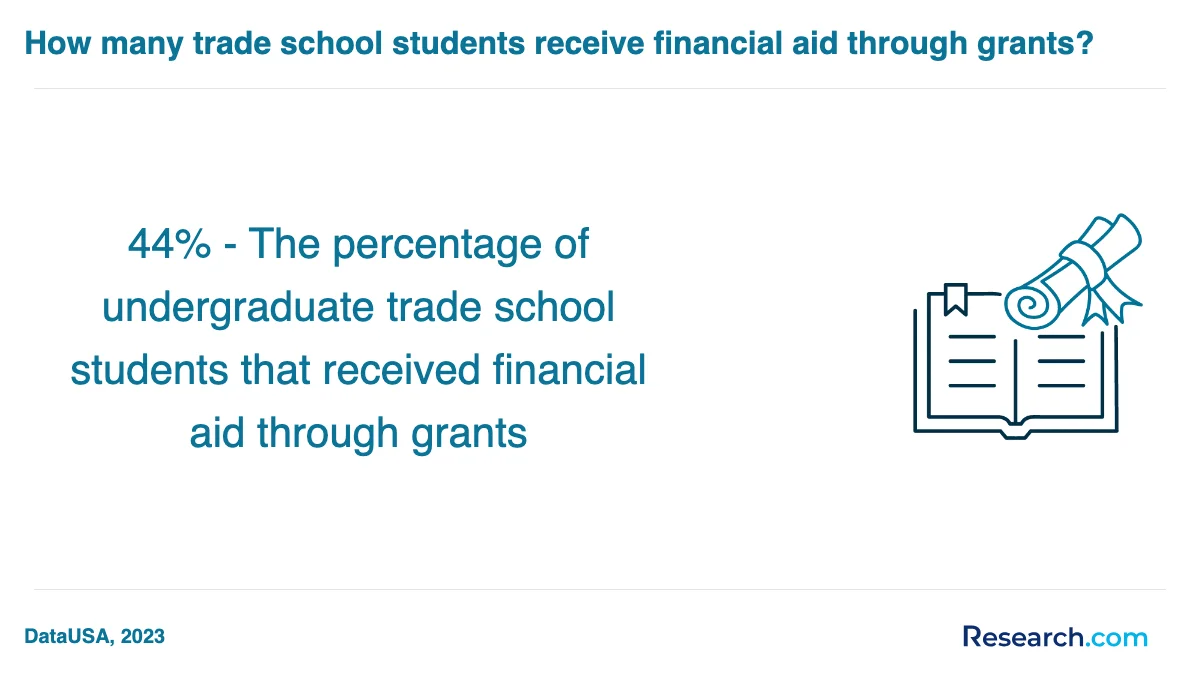
Trade school students in Indiana have several practical financial aid options that can ease the cost of education. Completing the Free Application for Federal Student Aid (FAFSA) is the crucial first step, unlocking access to federal Pell Grants, federal loans, and Indiana state grants. For example, graduates from Ivy Tech Community College often share how the Workforce Ready Grant covered their full tuition and mandatory fees, relieving the stress of upfront expenses. This grant specifically supports Indiana residents without a college degree who enroll in in-demand fields like advanced manufacturing or health sciences, making quality education affordable and accessible.
Many students also find scholarships tailored to trade fields through their schools or industry groups, which can significantly reduce financial burdens. Pell Grants, based on financial need, provide another layer of support without requiring repayment. Some graduates from Vincennes University describe how combining Pell Grants with the Workforce Ready Grant and school scholarships enabled them to study without incurring heavy debt.
Federal student loans and work-study programs are additional resources if the program is accredited, so verifying your school's status is essential. These options together create a supportive financial safety net for Indiana trade school students.
To enroll in a trade school program in Indiana, the most common prerequisite is having a high school diploma or a General Educational Development (GED) certificate. Most graduates from schools like Ivy Tech Community College and Vincennes University, Indiana's leading technical education providers, have found this straightforward requirement welcoming and accessible.
Indiana's Core 40 diploma acts as the baseline graduation standard, often accepted by public postsecondary technical and vocational programs. Students with a Core 40 with Technical Honors Diploma or an Academic Honors Diploma report smoother admissions processes when applying to these schools.
Some programs add specific prerequisites depending on the field. For instance:
- Cosmetology or barbering programs may require minimum age limits, often 16 or 18.
- Medical assisting courses may insist on proof of immunizations and relevant prerequisite classes.
Applicants to schools like Denmark College often share that providing high school completion proof and successfully passing an interview can be a confidence-boosting step, not a barrier.
Most Indiana trade schools do not require entrance exams, GPA minimums, or application fees, making enrollment accessible. Though some programs may ask for background checks or placement tests, these requirements are usually clear upfront and manageable for committed students.

Trade school programs in Indiana commonly focus on hands-on skills directly tied to local job markets, making them attractive options for students eager to start well-paying careers quickly. Graduates from institutions like Lincoln Tech Indianapolis often share how courses in Automotive Service Technology or Collision Repair and Refinishing Technology equipped them with practical expertise in engine diagnostics and body repair, skills that aligned perfectly with Indiana's demand for over 14,000 automotive technicians by 2030.
Healthcare-related courses stand out as highly relevant, blending classroom learning with real-world training. Programs in Medical Assisting, Medical Laboratory Technology, and Nursing prepare students through clinical rotations and simulated patient care, addressing the expected surge of 24,000 new medical assistants in the state.
Students seeking skilled trades also benefit from programs in:
- Electrical and Electronic Systems Technology focusing on wiring and safety protocols
- Welding Technology involving extensive hands-on metalwork practice
- HVAC, which covers installation and system diagnostics
Other practical courses such as Carpentry, Cosmetology, and Manufacturing Production & Operations connect students to vibrant local industries. Graduates often emphasize how learning business management alongside technical skills in cosmetology enhanced their job readiness. Programs follow Indiana's Next Level Programs of Study standards to ensure training reflects current workforce needs, with many students appreciating the alignment between what they learn and employer expectations.
Trade schools in Indiana offer a diverse array of specializations that align closely with the state's workforce demands. Graduates from Lincoln Tech in Indianapolis, for example, highlight programs in automotive service technology, which prepares them for a thriving industry expecting over 14,000 job openings by 2030. Other popular skilled trades include welding technology, diesel service, electrical systems, and HVAC-fields supported by significant projected job growth. Some students find value in affordable online hvac training to supplement practical experience.
Healthcare programs are robust as well; Ivy Tech Community College and Denmark College provide medical assistant training praised by graduates for its balance of theory and hands-on practice. These programs equip students for placement in clinics and hospitals where demand is consistently high, with over 24,000 job openings anticipated.
Construction and manufacturing specializations like carpentry and advanced manufacturing are favored by students seeking versatile careers, reflecting Indiana's prediction of more than 35,000 related jobs by 2026. Beauty industry programs in cosmetology and barbering, offered at schools like Christina and Company Education Center, deliver creative and entrepreneurship-focused training. This wide range of options allows students to choose paths that match their strengths and career ambitions.
Choosing the best trade school programs in Indiana requires focusing on how well a program fits your career goals and offers tangible job prospects. Graduates from Ivy Tech Community College often highlight the affordability and diversity of offerings that helped them enter fields like healthcare and automotive technology confidently. To navigate how to compare Indiana trade schools, consider accreditation and reputation: these assure that employers recognize your credentials and that the education quality is reliable. For example, student reviews from well-known local campuses provide insight into faculty support and campus resources, which greatly impact your experience.
Cost is another critical factor; public schools like Ivy Tech generally offer lower tuition than private schools, making budgeting easier for many learners. Many Indiana trade schools provide scholarships or federal aid, which graduates emphasize as a relief when managing expenses. Don't overlook the school's industry connections, as partnerships with local businesses often lead to internships or direct job placements in high-demand sectors.
Flexibility in class formats is also essential, especially for those balancing work or family. Several Indiana schools offer online or hybrid options, making education more accessible without sacrificing quality. Exploring these aspects thoroughly helps ensure a fulfilling career in the trades.
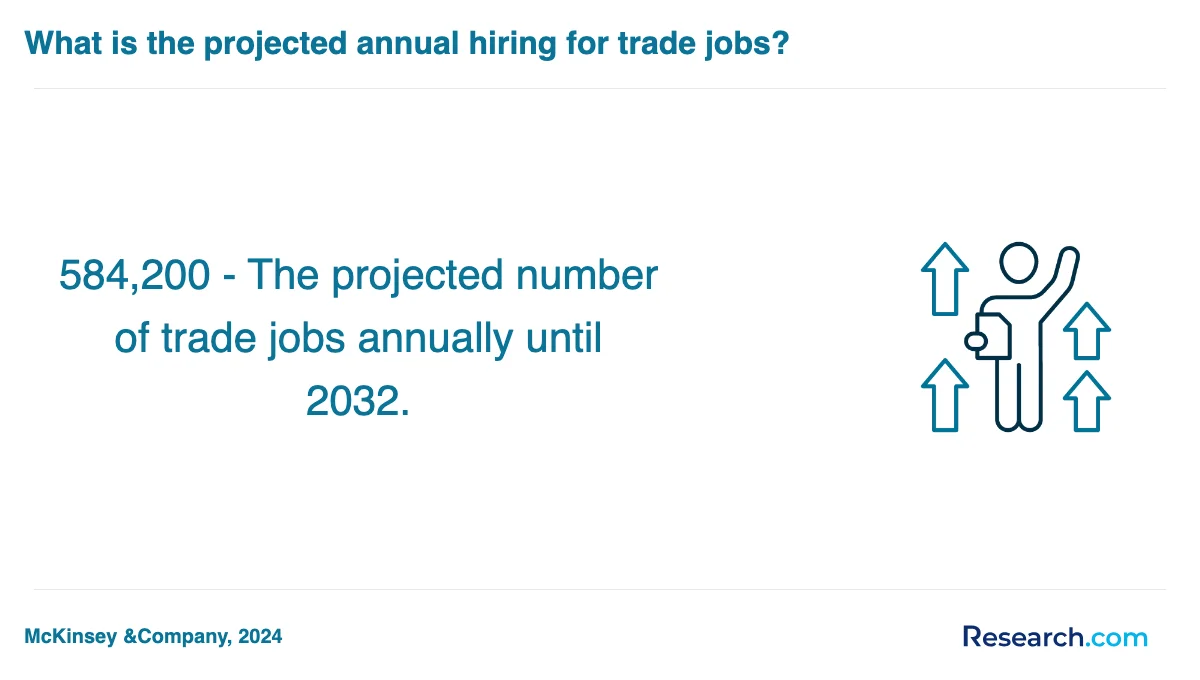
Trade school graduates in Indiana enjoy diverse career pathways that align closely with the state's economic demands. Those who train in construction find themselves ready for roles like residential builders, remodeling specialists, or general contractors, benefiting from a booming market driven by local infrastructure projects. Graduates from welding or manufacturing programs at schools like Ivy Tech or Vincennes University often share how hands-on training prepared them for immediate employment as structural or pipe welders-fields recognized among the high demand skilled trades in Indiana.
For students aiming at technical skills, HVAC and electrical trades present rapid entry points with certifications such as OSHA 10 or EPA 608 Universal. Programs at Hoosier Trade School and Lincoln Tech emphasize job readiness within months, making success stories in HVAC installation or electrical technician roles common. Healthcare support degrees, including medical assisting or CNA credentials, also provide direct pathways into Indiana's expanding care facilities-graduates often praise the strong employer connections and practical experience these programs offer.
Overall, Indiana trade schools provide well-defined, practical routes into thriving professions. They foster confidence and financial independence by focusing on market needs. Those interested in further practical skills can explore options from accredited institutions noted for comprehensive training or consider affordable appliance repair online training to broaden their expertise.
The job market for trade school graduates in Indiana remains dynamic and promising, reflecting strong demand across multiple industries. Graduates from popular Indiana trade schools often share optimistic stories about quickly landing roles in healthcare, manufacturing, and transportation sectors. For those exploring trade school job opportunities in Indiana, the numbers are encouraging-over 86,000 job postings as of mid-2025 highlight ongoing recruitment needs.
Key sectors driving this growth include:
- Healthcare, requiring certified nursing assistants, medical assistants, and healthcare technicians to fill around 38,700 positions annually
- Advanced manufacturing, with openings for machinists and maintenance technicians in the vicinity of 18,300 yearly
- Transportation and logistics, needing truck drivers and digital logistics technicians for 24,000 job openings per year
Former students emphasize how hands-on training and certificates from Indiana's trade schools directly prepare them for these roles, offering pathways into stable, well-paying jobs. Embracing this outlook aligns well with the Indiana skilled trades employment outlook, which expects continuous growth in high-demand, skilled trade areas.
For applicants weighing their options, understanding what are the highest paying trades locally can further inform career decisions that blend passion with practical opportunity.
Best Trade School & Training Programs - Leading Certification Courses in Indiana for 2026
# 1 position
Ivy Tech Community College - Electrician.
associateThe Electrician program at Ivy Tech Community College offers a hybrid format with some distance-education options. It prepares students to install, operate, maintain, and repair electrical systems, including residential, commercial, and industrial wiring. Training covers electronics, power transmission, safety, job estimation, and electrical codes. The annual in-state tuition is $4,912. Graduates have median earnings of $80,734 one year after completion. The program is accredited by the Higher Learning Commission.
# 2 position
Ivy Tech Community College - Electrical and Power Transmission Installation/Installer, General.
certificate or diplomaIvy Tech Community College offers a hybrid Electrical and Power Transmission Installation/Installer, General program that prepares students to install indoor and outdoor electrical systems and power transmission lines. The curriculum covers electricity, safety, wiring, insulation, grounding, blueprint interpretation, equipment operation, maintenance, and relevant codes. The program is accredited by the Higher Learning Commission, features an annual in-state tuition of $4,912, and graduates report median earnings of $80,734 one year after completion.
# 3 position
Ivy Tech Community College - Electrician.
certificate or diplomaThe Electrician program at Ivy Tech Community College offers a hybrid format with some distance-education options. It prepares students to install, operate, maintain, and repair electric systems including residential, commercial, and industrial wiring, motors, and electrical panels. Instruction covers electronics principles, safety, job estimation, testing, inspection, and relevant codes. Annual in-state tuition is $4,912, and median earnings one year after completion are $80,734. The program is accredited by the Higher Learning Commission.
# 4 position
Ivy Tech Community College - Dental Assisting/Assistant.
associateThe Dental Assisting/Assistant program at Ivy Tech Community College offers a hybrid format with some distance-education options. It prepares students to provide patient care, take dental radiographs, assist chairside, and perform office administrative duties under supervision. Instruction covers medical record-keeping, equipment maintenance, sterilization, and patient care. The program is accredited by the Higher Learning Commission, with an annual in-state tuition of $4,912 and median earnings of $46,036 one year after completion.
# 5 position
Ivy Tech Community College - Dental Assisting/Assistant.
certificate or diplomaThe Dental Assisting/Assistant program at Ivy Tech Community College offers a hybrid format with some distance education options. It trains students in patient care, dental radiography, office administrative duties, and chairside assisting under professional supervision. The program includes instruction in medical record-keeping, equipment maintenance, and patient preparation. Annual in-state tuition is $4,912, and median earnings one year after completion reach $46,036. The program is accredited by the Higher Learning Commission.
# 6 position
Ivy Tech Community College - Electrocardiograph Technology/Technician.
certificate or diplomaThe Electrocardiograph Technology/Technician program at Ivy Tech Community College offers a hybrid learning format, combining distance education with in-person instruction. The program trains students to administer EKG and ECG diagnostic tests under medical supervision and report results. Coursework includes anatomy, physiology, cardiovascular systems, medical terminology, patient care, and professional ethics. The annual in-state tuition is $4,912. Median earnings one year after completion are $73,452. The program is accredited by the Higher Learning Commission.
# 7 position
Ivy Tech Community College - Welding Technology/Welder.
certificate or diplomaThe Welding Technology/Welder program at Ivy Tech Community College offers a hybrid format with some distance-education options. Annual in-state tuition is $4,912. The curriculum covers arc welding, resistance welding, brazing, cutting, welding metallurgy, structural design, safety, and applicable codes. Students learn to work with ferrous and non-ferrous materials and various welding processes. The program is accredited by the Higher Learning Commission. Median earnings one year after completion are $41,767.
# 8 position
International Business College-Indianapolis - Dental Assisting/Assistant.
associateThe Dental Assisting/Assistant program at International Business College-Indianapolis is a hybrid format offering some distance education. It prepares students to assist dentists and hygienists by providing patient care, taking dental radiographs, and handling office administrative tasks. The curriculum includes medical record-keeping, equipment maintenance, chairside assisting, and supervised practice. Annual in-state tuition is $16,480. Graduates have median earnings of $28,876 one year after completing the program. The program is accredited by the Accrediting Commission of Career Schools and Colleges.
# 9 position
Ivy Tech Community College - Heating, Air Conditioning, Ventilation and Refrigeration Maintenance Technology/Technician.
associateIvy Tech Community College offers a hybrid program in Heating, Air Conditioning, Ventilation, and Refrigeration Maintenance Technology/Technician. This program trains students to repair, install, service, and maintain HVAC and refrigeration systems, emphasizing diagnostic techniques, testing equipment, and mechanical, electrical, and electronic principles. The annual in-state tuition is $4,912. Graduates have median earnings of $57,323 one year after completion. The program is accredited by the Higher Learning Commission.
# 10 position
Ivy Tech Community College - Heating, Air Conditioning, Ventilation and Refrigeration Maintenance Technology/Technician.
certificate or diplomaThe Heating, Air Conditioning, Ventilation and Refrigeration Maintenance Technology/Technician program at Ivy Tech Community College prepares students to repair, install, service, and maintain HVAC and refrigeration systems. The hybrid program includes instruction in diagnostic techniques, testing equipment, and principles of mechanics, electricity, and electronics. Annual in-state tuition is $4,912. Graduates earn a median salary of $57,323 one year after completion. The program is accredited by the Higher Learning Commission.
Frequently Asked Questions about trade school programs
Preparing for the job market after completing trade school in Indiana involves several key steps. Graduates should start by obtaining relevant certifications, which enhance employability in fields like healthcare, construction, and manufacturing. According to the Indiana Department of Workforce Development, approximately 85% of trade school graduates find employment within six months.
Networking is essential-connecting with local employers through job fairs or alumni groups provides valuable opportunities. Additionally, creating a strong resume highlighting hands-on experience and skills gained during training is crucial.
Internships or apprenticeships completed during your program can significantly improve hiring chances. Many Indiana trade schools also offer career services, including interview preparation and job placement assistance, which students are encouraged to utilize.
Employers in Indiana highly value trade school graduates who possess strong technical skills relevant to their industry. For example, in manufacturing and construction, proficiency with machinery, electrical systems, and safety protocols are essential. According to the Indiana Department of Workforce Development, over 70% of employers seek candidates with hands-on experience and certifications specific to their trade.
Soft skills also play a crucial role. Communication, problem-solving, and teamwork abilities are frequently requested, reflecting the collaborative nature of many trade environments. The National Skills Coalition emphasizes that these competencies improve job retention and productivity. Trade graduates demonstrating both technical expertise and interpersonal skills tend to be the most competitive in Indiana's labor market.
Finding internships in Indiana that match your trade school program begins with exploring local resources. Many Indiana trade schools have partnerships with businesses and industries statewide, which streamlines internship placements for students. The Indiana Department of Workforce Development reports that sectors like manufacturing, healthcare, and construction offer numerous internship opportunities.
Online platforms such as IndianaCareerConnect.com provide up-to-date listings of internships specifically tailored to trade skills. Networking with school career advisors and attending local job fairs can also connect you with employers seeking interns. Additionally, regional chambers of commerce often list internship openings within their member companies.
According to a 2023 survey by the National Association of Colleges and Employers, approximately 65% of employers in the Midwest prefer candidates with relevant internship experience, making early engagement critical for success in Indiana's competitive trade job market.
A trade school diploma in Indiana significantly enhances career mobility and advancement opportunities. Many technical fields in Indiana, such as manufacturing and healthcare, face skilled labor shortages, increasing demand for qualified trade school graduates. According to the Indiana Department of Workforce Development, trade school diploma holders experience a 15% higher employment rate than those with only a high school diploma.
Career advancement often follows quickly, as graduates gain specialized skills valued by employers, leading to higher wages and promotions. For example, electricians and HVAC technicians with trade credentials commonly see salary increases within five years. Therefore, trade school diplomas act as effective pathways for upward economic mobility in Indiana.
Part-time jobs in Indiana that align well with trade school education provide valuable experience and income for students. Many students in fields like automotive technology, healthcare, and construction find opportunities as apprentices, interns, or aides in local businesses. According to the Indiana Department of Workforce Development, industries such as manufacturing and healthcare show steady growth in part-time roles suitable for trade school learners.
For example, students studying HVAC or electrical programs can work as technician assistants, gaining hands-on skills. Healthcare students may find positions as certified nursing assistants (CNAs) or medical receptionists, which complement their training. These roles often offer flexible hours, which is essential for students balancing education and work.
Employers in Indiana frequently seek trade school students for roles that require specific technical skills, making part-time work a beneficial supplement to classroom learning. Additionally, Indiana's apprenticeship programs offer paid training that integrates work and education, enhancing employability after graduation.
Yes, there are a variety of degree programs available if you are looking for options near Indiana. Many universities and colleges near Indiana offer programs in fields like business, engineering, healthcare, and liberal arts, catering to a wide range of academic interests and career goals. For research-oriented programs, Research.com can serve as a helpful resource to identify top-ranking institutions that might be located near me.
- Best Trade School & Training Programs - Leading Certification Courses in Illinois for 2026
- Best Trade School & Training Programs - Leading Certification Courses in Kentucky for 2026
- Best Trade School & Training Programs - Leading Certification Courses in Missouri for 2026
- Best Trade School & Training Programs - Leading Certification Courses in West Virginia for 2026
- Best Trade School & Training Programs - Leading Certification Courses in Minnesota for 2026
- Best Trade School & Training Programs - Leading Certification Courses in Pennsylvania for 2026
- Best Trade School & Training Programs - Leading Certification Courses in Arkansas for 2026
- Best Trade School & Training Programs - Leading Certification Courses in Mississippi for 2026
- Best Trade School & Training Programs - Leading Certification Courses in North Carolina for 2026
- Best Trade School & Training Programs - Leading Certification Courses in Louisiana for 2026
- IDOC: Vocational Training Programs https://www.in.gov/idoc/divisions/re-entry/programs/vocational-training-programs/
- Lincoln Tech Indianapolis IN Campus - Career & Skilled Trade School https://www.lincolntech.edu/campus/indianapolis-in
- Trade Schools in Indianapolis: Discover Your Path at Tricoci University https://www.tricociuniversity.edu/beauty-blog/trade-schools-in-indianapolis-discover-your-path-at-tricoci-university/
- 15 Trade Schools In Indiana | Become With Lantern https://www.learnhowtobecome.org/trade-schools-indiana/
- Pathways & Courses - Southern Indiana Career and Technical Center https://sictc.evscschools.com/courses
- Hoosier Trade School | HVAC & Electrical Training & Certifying https://www.hoosiertradeschool.com/
- Find The Best Trade Schools In Indiana https://www.accreditedschoolsonline.org/vocational-trade-school/indiana/
- Back to school: What to expect when you enter trade school https://www.fortis.edu/blog/skilled-trades/back-to-school--what-to-expect-when-you-enter-trade-school-.html
- Trade Schools, What Are The Benefits - InterCoast Colleges https://intercoast.edu/articles/benefits-of-trade-schools/
- Why You Should Pursue a Skilled Trade Career | Maintenance Management https://maintainfortwayne.com/news/pursue-a-skilled-trade-career