Best Trade School & Training Programs - Leading Certification Courses in Pennsylvania for 2026

Co-Founder and Chief Data Scientist
Choosing the right trade school in Pennsylvania can be a life-changing decision for your career and future. This article introduces the best trade schools in the state for 2026, designed to help you explore your options with confidence.
The featured trade school programs ranking was developed by the Research.com team of data scientists to provide an unbiased, data-driven guide on which programs stand out.
By reading this, you’ll gain valuable insights to help you find programs that fit your goals and unlock new opportunities through a diploma or certification.
Key benefits of finishing trade school programs trade school in Pennsylvania
- Expected salary: Trade school graduates in Pennsylvania can earn from $38,400 to $97,160 annually, depending on the career. Electricians make about $73,000, while healthcare technical roles reach nearly $97,160, showing strong earning potential.
- Popular careers: Graduates from schools like Thaddeus Stevens College report median starting salaries around $52,500, with paths in skilled trades, healthcare support, and construction management offering great opportunities.
- Online education benefits: Earning a trade diploma online offers flexibility and convenience, allowing students to balance work or family while gaining valuable skills fast, just like many successful online trade school graduates in Pennsylvania.
- Best Trade School & Training Programs - Leading Certification Courses in Pennsylvania for 2026
- What can I expect from trade school programs trade schools in Pennsylvania?
- Where can I work after finishing trade school programs trade schools in Pennsylvania?
What can I expect from trade school programs trade schools in Pennsylvania?
Students enrolling in trade school programs in Pennsylvania typically find tuition costs much lower than traditional four-year degrees, with many programs ranging from a few thousand dollars up to around $20,000. Graduates from schools like Thaddeus Stevens College often share how financial aid and exclusive grants made tuition manageable, easing the burden on their budgets while allowing them to focus on hands-on learning. Others attending Pennco Tech highlight that shorter program lengths-often between six months and two years-help reduce overall expenses.
Many students appreciate the practical value they receive for the cost, as tuition covers access to industry-standard equipment and real-world training environments. The connection between cost and quality resonates with those balancing work and school, especially as some programs offer flexible, self-paced options. This financial accessibility combined with strong employer ties gives students renewed confidence that their investment leads swiftly to stable employment.
Where can I work after finishing trade school programs trade schools in Pennsylvania?
After finishing a trade school program in Pennsylvania, graduates find themselves stepping confidently into careers where their skills are in high demand. Many who trained at well-regarded Pennsylvania trade schools share stories of quickly landing jobs in construction, joining teams that build homes and commercial spaces essential to growing communities. Others who specialized in welding recall working on infrastructure projects, where precision and reliability directly impact the safety and progress of local industries.
Electrical and HVAC graduates often describe satisfaction in maintaining and improving systems that keep homes and businesses comfortable and operational across both urban and suburban Pennsylvania. Healthcare technician alumni frequently express fulfillment working in clinics and hospitals, supporting patient care with expertise gained from their programs.
Those entering commercial truck driving or diesel technology careers appreciate knowing their work keeps Pennsylvania's economy moving, delivering goods statewide. These examples from fellow graduates highlight a reassuring truth: trade school education here leads directly to meaningful, stable jobs that create real value day after day.
Graduates from trade schools in Pennsylvania often discover that their investment in specialized training leads to rewarding financial outcomes. Many report starting with an average annual income near $62,746 in places like Pittsburgh, a figure that reflects real opportunities for skilled tradespeople. For instance, electricians who studied at well-known Pennsylvania trade schools frequently begin their careers earning between $40,000 and $50,000, with the potential to surpass $70,000 as experience and specialization grow.
A graduate who trained as a plumber or pipefitter might find themselves comfortably earning close to $70,000 annually, especially when working in urban centers like Philadelphia. These figures resonate with those who have embraced roles in facilities maintenance or landscape design-fields where earnings start at roughly $38,470 to $48,620 but can improve steadily.
Hearing from fellow graduates, it's clear that location, union membership, and industry demand strongly influence wages. Yet the common thread is encouraging: trade school graduates in Pennsylvania often secure stable, well-paying roles that support their ambitions and provide a dependable livelihood.
- Admission requires a high school diploma, GED, or state-approved equivalency; applicants usually must be at least 18 years old or have parental permission if younger.
- Trade schools generally do not require SAT or ACT scores but may use placement or skills tests like COMPASS or Wonderlic for admission.
- Application processes often allow rolling admissions, with official transcripts and interviews commonly needed to confirm student commitment.
- Proof of Pennsylvania residency may be required, except for veterans, active military, and their families.
- The average cost to complete a trade school program in Pennsylvania ranges from $5,000 to $20,000, depending on the field and school.
- Starting salaries for graduates typically range from $35,000 to $50,000, with experienced professionals earning $60,000 or more annually.
Completing a trade school program in Pennsylvania often means entering the workforce faster than through traditional college routes. Many graduates find themselves finishing their training in as little as six months to two years, depending on the complexity of their chosen field. For instance, students enrolled in shorter, focused programs like medical assisting or welding often complete their courses within a year, gaining hands-on skills that help them start their careers swiftly.
Others pursuing more specialized trades, such as HVAC or advanced healthcare roles, may spend up to two years learning relevant skills, preparing thoroughly for required certifications and licensure. Graduates from the Automotive & EV Technology program at Universal Technical Institute's Exton campus often recall their 51-week journey, which culminated in an associate degree and essential industry certifications, lending them confidence in their career path.
With flexible scheduling options available at many Pennsylvania trade schools, students balance life's demands while progressing steadily. Those aiming to reach the job market efficiently appreciate how these programs respect their time, helping them gain valuable expertise without unnecessary delay.
The primary difference between online and on-campus trade school programs in Pennsylvania lies in how the courses are delivered, shaping the student experience in meaningful ways. Graduates from online programs, such as those offered by Northampton County Area Community College, often appreciate the freedom to study from anywhere, fitting classes around busy workdays or family life. They describe this flexibility as empowering but note it demands strong self-discipline and time management to stay on track with assignments and deadlines.
On the other hand, students attending on-campus programs like Thaddeus Stevens College of Technology value the hands-on training and direct interaction with instructors. These learners thrive in settings where they can engage immediately in practical work, such as plumbing or automotive repair, benefiting from real-time feedback and a more structured schedule.
Both formats maintain rigorous academic standards in Pennsylvania, with schools like Penn State World Campus ensuring that online students receive the same quality education as their on-campus peers. This guarantees that regardless of the path chosen, students build solid skills and confidence for their trades.
The average trade school tuition in Pennsylvania hovers around $19,856 for the 2024-2025 academic year, a figure that many graduates find both transparent and manageable given their career prospects. For instance, students from well-known institutions like Laurel Technical Institute often share how this investment pays off with practical skills that quickly translate into jobs. However, nuances in Pennsylvania trade school cost breakdown reveal that this number isn't fixed; some schools like New Castle School of Trades offer even lower net prices-closer to $6,735-making vocational education more accessible for many.
Graduates often describe their financial journey through trade school as a balancing act, weighing tuition against additional expenses like textbooks and certification fees. It's illuminating to note that public trade schools and community colleges provide more affordable tuition, averaging around $8,730 annually, which many find comforting when budgeting for their education. This variance reflects the diverse choices Pennsylvania offers students depending on the type of trade and institution.
Many who have walked this path attest to the value of exploring what trades are most in demand, connecting their educational investment with reliable career outcomes and satisfaction. Delving into this information can help prospective students make informed financial decisions and select programs that align with both their interests and budget.

Trade school students in Pennsylvania often find a variety of financial aid options that make their education more affordable and accessible. Graduates from schools like Rosedale Technical College and New Castle School of Trades often express relief and hope after discovering they qualify for federal grants such as the Pell Grant, which can provide up to $7,395 per year. Many have also benefitted from the Federal Supplemental Educational Opportunity Grant (FSEOG), which supports those facing significant financial challenges.
State-specific aid plays a crucial role as well. Pennsylvania's PA State Grant offers up to $5,750 annually to qualifying students, a lifeline for many striving to advance their skills without overwhelming debt. Programs like the Ready to Succeed Scholarship and PA Targeted Industry Program focus on industries in demand, including healthcare and manufacturing, helping students align their education with promising career paths.
Many students share how institutional scholarships from their trade schools helped ease upfront costs, while others found additional support through workforce programs or veteran benefits. Using net price calculators, prospective students quickly gain clarity on financial commitments, empowering them to plan their futures confidently. Completing the FAFSA remains the key step to unlocking these resources and pursuing hands-on training without financial barriers.
Enrolling in a trade school program in Pennsylvania usually starts with meeting foundational prerequisites that many graduates recall as straightforward yet essential steps toward their success. First and foremost, a high school diploma or GED is required, reflecting a basic educational milestone. Some students found that schools also accepted state-authorized equivalency exams or recognized homeschooling credentials, offering flexibility to diverse backgrounds.
Age is another crucial factor; most programs insist students be at least 18 years old, or younger with parental consent. This ensures safety when handling specialized equipment, a reality many learners at popular institutions like Thaddeus Stevens College of Technology encountered.
Applicants must also submit official transcripts directly from their schools, avoiding delays or confusion. Many schools require entrance tests to gauge readiness; for example, New Castle School of Trades applicants recall achieving a minimum score of 75 on their assessment as a motivating checkpoint.
- Valid driver's license or CDL learner's permit is necessary for programs like commercial truck driving.
- Residency requirements may apply, such as Pennsylvania residency at certain colleges.
- Personal interviews help demonstrate commitment and fit, a moment many found encouraging when sharing their aspirations.

Trade school programs in Pennsylvania typically offer courses that prepare students for hands-on, skilled careers with clear pathways to employment. Graduates often share how quickly they gained confidence through practical training in fields such as:
- Automotive technology - learning to diagnose engine issues, work on brake systems, and maintain hybrid vehicles, often using state-of-the-art diagnostic tools in well-equipped labs.
- Welding - mastering multiple welding methods and safety techniques vital for roles in manufacturing and construction, with programs designed to build strong, job-ready skills in about a year.
- Electrical and electronics - developing abilities in wiring, installation, and troubleshooting for both homes and businesses, which immediately translates to valuable on-the-job expertise.
- Healthcare support - including dental assisting, medical billing and coding, and surgical technology, combining classroom theory with clinical practice to better prepare students for healthcare environments.
- Information technology support - focusing on real-life problem solving and managing IT systems to meet growing demands among local businesses.
Students praise Pennsylvania trade schools for their close connections with industry leaders, which ensure course content stays relevant and up-to-date. This means what you learn is exactly what employers are looking for, helping graduates step into rewarding careers quickly and confidently.
Trade school programs in Pennsylvania offer a rich variety of specializations tailored to meet the demands of local industries and student aspirations. Graduates often speak warmly of automotive technology programs, where hands-on work with modern diagnostic tools prepares them for real-world challenges in vehicle repair. Similarly, welding technology remains a favorite, with students mastering diverse techniques and safety, also evident among those exploring the cheapest online welding trade school programs that bring flexibility and high-value skills.
Healthcare paths like medical assisting, practical nursing, and dental hygiene combine classroom learning with clinical practice, equipping Pennsylvania students for fulfilling roles in clinics and dental offices. The skilled trades shine too, with specializations in HVACR, electrical technology, and plumbing. These fields deeply resonate with graduates who find meaning in contributing to essential community services.
- Information technology programs include cybersecurity, medical billing & coding, and computer-aided drafting and design, preparing tech-savvy students for growing sectors.
- Transportation-focused offerings, including commercial truck driving and Class A/B CDL training, cater to those seeking swift entry into high-demand jobs.
Other niche areas like diesel repair, building technology, culinary arts, and even locksmithing reflect the diversity seen in Pennsylvania's trade schools. These programs are often praised by graduates for their practical focus and supportive learning environments, illustrating how trade education here transforms ambition into rewarding careers.
Choosing the best trade school programs in Pennsylvania begins with pinpointing the trade that truly excites you, whether it's healthcare, construction, or technology. Graduates from well-regarded institutions like Thaddeus Stevens College of Technology often talk about the confidence gained from hands-on experiences that match their career ambitions perfectly. When thinking about how to select a trade school in Pennsylvania, consider not only the accreditation but also real student outcomes-job placement rates and employer ties matter deeply to those eager to start working soon after graduation.
Location and flexible learning options influence many Pennsylvanians' choices. For instance, some students juggling work and study appreciate online or hybrid courses, making it easier to balance daily demands. Financial considerations also play a big role; scholarships and lower tuition, like those offered by Thaddeus Stevens, ease the burden.
For those interested in culinary trades, exploring the cheapest baking and pastry arts certificate programs online could be a smart move to combine affordability and skill-building. This thoughtful approach helps ensure your chosen program matches both your personal needs and Pennsylvania's job market.
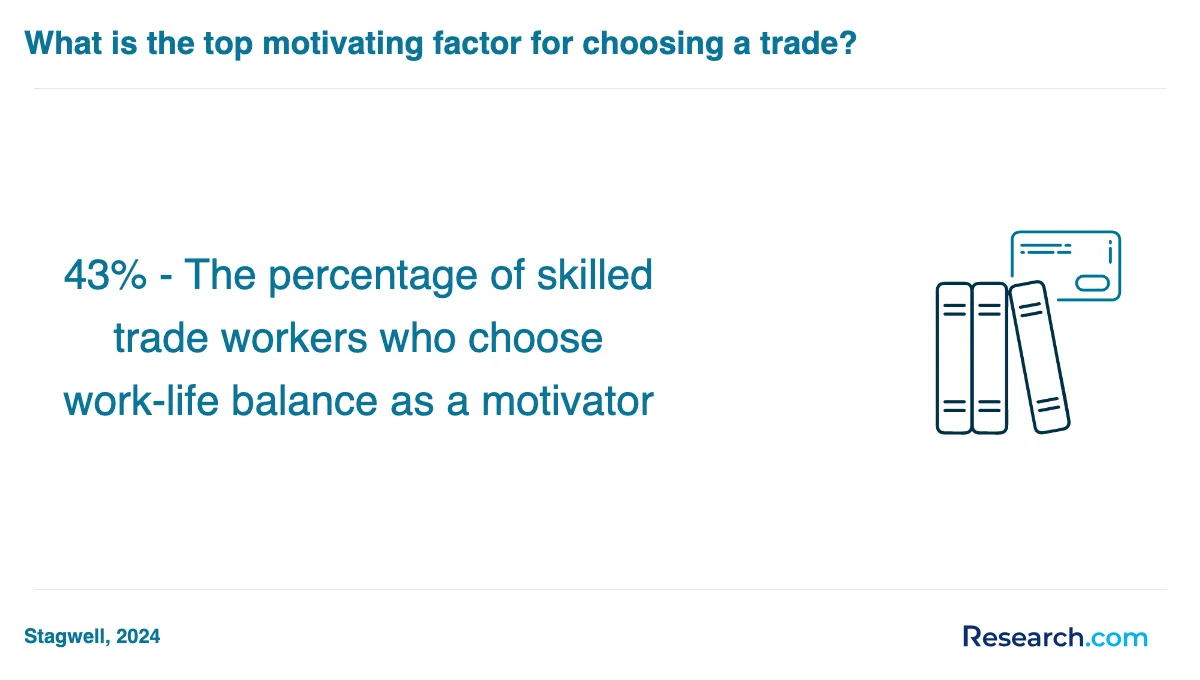
Trade school graduates in Pennsylvania find a wealth of career opportunities for Pennsylvania trade school graduates, tailored to the state's dynamic economic landscape. Many graduates share how hands-on programs at popular trade schools helped them launch careers in fields like construction, where booming infrastructure projects create immediate job openings.
Skilled trade jobs in Pennsylvania also extend to welding, where graduates fill an urgent labor shortage, and automotive technology, offering specialization with cutting-edge diagnostics training. Employers value these graduates for their readiness and practical expertise.
Examples of career paths include:
- Residential and commercial construction workers, remodeling specialists, and contractors
- Structural and pipe welders in manufacturing and industrial settings
- Certified HVAC technicians maintaining climate control systems
- Licensed plumbers working independently or in companies
- Commercial truck drivers supporting Pennsylvania's logistics sector
Many students at trade schools in Pennsylvania appreciate how programs emphasize real-world skills and certifications that open doors quickly. Those seeking more information about educational options might find the best online community colleges helpful for expanding their horizons beyond traditional classrooms.
The job market for trade school graduates in Pennsylvania is notably strong and promising. Graduates from popular trade schools often share stories of quickly securing positions in high-demand fields such as construction, welding, and HVAC, thanks to a growing need fueled by a statewide shortfall of skilled workers projected to surpass 300,000 by 2030. Many find themselves stepping confidently into roles with competitive salaries, with plumbers earning around $55,160 annually and others benefiting from wage growth linked to certifications and experience.
Workers trained locally see firsthand how employers in Pennsylvania's urban centers actively seek skilled tradespeople, creating a sense of optimism and career security. This demand is evident in sectors like manufacturing and infrastructure, where hands-on training from trade programs translates directly to job readiness.
Several graduates emphasize the value of apprenticeships and workforce development initiatives that bridge training and employment, especially in regions experiencing slower job growth. Exploring best paying 6 month online certifications also helps many stay competitive and adaptable in this evolving market.
- High demand in welding, electrical work, HVAC, and plumbing
- Competitive median wages and career mobility
- Strong employer connections and apprenticeship opportunities
Best Trade School & Training Programs - Leading Certification Courses in Pennsylvania for 2026
# 1 position
Triangle Tech Inc-Dubois - Electrician.
associateThe Electrician program at Triangle Tech Inc-Dubois offers a hybrid format, combining in-person and distance education. It prepares students to install, operate, maintain, and repair electrical systems including residential, commercial, and industrial wiring. Instruction covers electronics, safety, testing, inspection, and applicable codes. The program's annual in-state tuition is $18,575. Median earnings for graduates one year after completion are $42,041. It is accredited by the Accrediting Commission of Career Schools and Colleges.
# 2 position
Laurel Technical Institute - Electrician.
associateLaurel Technical Institute offers a hybrid Electrician program that prepares students to install, operate, maintain, and repair electrical systems in residential, commercial, and industrial settings. The curriculum covers electronics principles, wiring, power transmission, safety, codes, and electrical testing. Annual in-state tuition is $11,470. The program is accredited by the Accrediting Commission of Career Schools and Colleges and includes some distance-education options.
# 3 position
Thaddeus Stevens College of Technology - Heating, Air Conditioning, Ventilation and Refrigeration Maintenance Technology/Technician.
associateThe Heating, Air Conditioning, Ventilation and Refrigeration Maintenance Technology/Technician program at Thaddeus Stevens College of Technology is a hybrid program designed to teach technical skills in repairing, installing, servicing, and maintaining HVAC and refrigeration systems. It includes training in diagnostic techniques, testing equipment, and the fundamentals of mechanics, electricity, and electronics. Annual in-state tuition is $9,050, and median earnings one year after completion are $41,954. The program is accredited by the Middle States Commission on Higher Education.
# 4 position
Triangle Tech Inc-Greensburg - Heating, Air Conditioning, Ventilation and Refrigeration Maintenance Technology/Technician.
associateThe Heating, Air Conditioning, Ventilation and Refrigeration Maintenance Technology/Technician program at Triangle Tech Inc-Greensburg prepares students to repair, install, service, and maintain HVAC and refrigeration systems. This hybrid program covers diagnostic techniques, testing equipment, and principles of mechanics, electricity, and electronics. Annual in-state tuition is $18,513. Graduates earn a median salary of $45,808 one year after completion. The program is accredited by the Accrediting Commission of Career Schools and Colleges.
# 5 position
Thaddeus Stevens College of Technology - Automobile/Automotive Mechanics Technology/Technician.
associateThe Automobile/Automotive Mechanics Technology/Technician program at Thaddeus Stevens College of Technology offers a hybrid format with some distance education options. It prepares students to repair, service, and maintain automobiles, covering brake systems, electrical systems, engine performance and repair, suspension, steering, transmissions, and heating and air conditioning systems. Annual in-state tuition is $9,050. Median earnings one year after completion are $35,020. The program is accredited by the Middle States Commission on Higher Education.
# 6 position
Manor College - Dental Assisting/Assistant.
associateManor College offers a hybrid Dental Assisting/Assistant program preparing students for patient care, dental radiographs, and office administrative duties under dentist supervision. The curriculum covers medical record-keeping, equipment sterilization, radiography, chairside assisting, and supervised practice. Annual in-state tuition is $19,964. Graduates earn a median of $42,819 one year after completion. The program is accredited by the Middle States Commission on Higher Education.
# 7 position
Manor College - Dental Assisting/Assistant.
certificate or diplomaManor College offers a Dental Assisting/Assistant program with a hybrid format, combining in-person and distance education. The program trains students in patient care, dental radiography, office administration, and chairside assisting under professional supervision. Annual in-state tuition is $19,964. Graduates earn a median salary of $42,819 one year after completion. The program is accredited by the Middle States Commission on Higher Education.
# 8 position
Penn Commercial Business/Technical School - Heating, Air Conditioning, Ventilation and Refrigeration Maintenance Technology/Technician.
associatePenn Commercial Business/Technical School offers a hybrid Heating, Air Conditioning, Ventilation and Refrigeration Maintenance Technology/Technician program. This program trains students in diagnosing, installing, servicing, and maintaining HVAC and refrigeration systems, emphasizing mechanics, electricity, and electronics. Annual in-state tuition is $13,654. Graduates earn a median salary of $29,898 one year after completion. The program is accredited by the Accrediting Commission of Career Schools and Colleges.
# 9 position
Rosedale Technical College - Automobile/Automotive Mechanics Technology/Technician.
associateRosedale Technical College offers a hybrid program in Automobile/Automotive Mechanics Technology/Technician that prepares students to repair, service, and maintain various automobile systems. The curriculum covers brake, electrical, engine, suspension, transmission, and heating and air conditioning systems. Annual in-state tuition is $16,700. Graduates typically earn a median salary of $45,479 one year after completion. The program is accredited by the Accrediting Commission of Career Schools and Colleges.
# 10 position
Rosedale Technical College - Automobile/Automotive Mechanics Technology/Technician.
certificate or diplomaRosedale Technical College offers a hybrid Automobile/Automotive Mechanics Technology/Technician program that trains students to repair, service, and maintain various types of automobiles. The curriculum covers brake systems, electrical systems, engine performance and repair, suspension and steering, transmissions, and heating and air conditioning systems. Annual in-state tuition is $16,700. Graduates have median earnings of $45,479 one year after completion. The program is accredited by the Accrediting Commission of Career Schools and Colleges.
Frequently Asked Questions about trade school programs
After completing trade school in Pennsylvania, preparing for the job market involves several key steps. First, graduates should obtain relevant certifications or licenses required by their trade, as many skilled professions in the state, such as HVAC technicians or electricians, mandate official credentials. According to the Pennsylvania Department of Labor & Industry, employment for trade-related occupations is projected to grow by 7% through 2030, indicating steady demand.
Networking plays a vital role; career fairs and local industry events help build professional contacts. Utilizing job placement services provided by many Pennsylvania trade schools can also improve employment prospects. Additionally, creating a strong resume emphasizing hands-on experience and completed apprenticeships enhances candidacy. Staying informed about emerging technologies in the chosen trade further increases competitiveness in the job market.
Employers in Pennsylvania value trade school graduates who combine technical skills with strong soft skills. According to the Pennsylvania Department of Labor and Industry, top technical abilities include proficiency in electrical systems, HVAC maintenance, welding, and machinery operation. These skills align with the state's growing manufacturing and construction sectors.
Beyond technical expertise, employers emphasize communication, problem-solving, and teamwork. The National Skills Coalition reports that 70% of Pennsylvania employers rank these soft skills as equally important to hands-on abilities.
Adaptability and a commitment to safety protocols also stand out among sought-after qualities in trade professionals within Pennsylvania's workforce.
Finding internships in Pennsylvania relevant to your trade school program involves leveraging several local resources and strategies. Start by consulting your trade school's career services office, which often partners with regional employers to offer internship opportunities tailored to your field. Pennsylvania has a strong network of industries such as manufacturing, healthcare, and construction that frequently seek trade interns.
Online platforms like the Pennsylvania Department of Labor & Industry's apprenticeship and internship listings provide updated openings across the state. According to the department, in 2023, over 3,000 apprenticeship opportunities were registered, many suitable for trade students. Networking through local trade unions and chambers of commerce can also connect you with employers offering hands-on experience.
A trade school diploma in Pennsylvania significantly enhances career mobility and advancement opportunities. Graduates often gain practical skills aligned with local labor market demands, which is crucial in a state with strong industries like construction, healthcare, and manufacturing. According to the Pennsylvania Department of Labor & Industry, individuals with trade credentials typically experience faster job placement and higher retention rates compared to those without specialized training.
Additionally, trade school graduates in Pennsylvania may access apprenticeships and certifications that lead to wage increases and promotion prospects. The median wage for skilled trade workers in the state is often above the average for non-degree holders, supporting upward social mobility.
Part-time job opportunities in Pennsylvania that complement trade school education vary by industry but often include roles such as apprentice electrician, HVAC technician assistant, and automotive service helper. These positions provide practical experience while students complete their training. According to the Pennsylvania Department of Labor & Industry, nearly 15% of the state's workforce participates in part-time employment, which can help students balance work and study.
Jobs in construction, manufacturing, and healthcare support are also common among trade school students. These roles offer hands-on skills development and networking benefits, crucial for career advancement in skilled trades.
Many employers in Pennsylvania value trade school credentials, making part-time roles stepping stones to full-time employment after graduation. Data from the Bureau of Labor Statistics indicates steady growth in trade occupations statewide, reinforcing the importance of combining education with relevant work experience.
To choose the best degree program near you in Pennsylvania, begin by identifying your field of interest and then researching local universities with strong programs in that area. Consulting resources like Research.com can help you evaluate the quality and ranking of programs near Pennsylvania. Additionally, consider campus visits and speaking with current students to gain insights from those attending universities and programs near you.
- Best Trade School & Training Programs - Leading Certification Courses in Delaware for 2026
- Best Trade School & Training Programs - Leading Certification Courses in Maryland for 2026
- Best Trade School & Training Programs - Leading Certification Courses in West Virginia for 2026
- Best Trade School & Training Programs - Leading Certification Courses in Connecticut for 2026
- Best Trade School & Training Programs - Leading Certification Courses in Rhode Island for 2026
- Best Trade School & Training Programs - Leading Certification Courses in Massachusetts for 2026
- Best Trade School & Training Programs - Leading Certification Courses in Kentucky for 2026
- Best Trade School & Training Programs - Leading Certification Courses in North Carolina for 2026
- Best Trade School & Training Programs - Leading Certification Courses in Vermont for 2026
- Best Trade School & Training Programs - Leading Certification Courses in Indiana for 2026
- Trade School: What Is It & What to Expect https://erieit.edu/what-to-expect-when-attending-trade-school/
- Industry & Work Experiences - Technical College High School Brandywine Campus https://www.tchsbrandywine.org/students/industry-work-experiences
- Common Questions & Misconceptions about Trade Schools | Pennco Tech https://www.penncotech.edu/answering-common-questions-about-trade-schools/
- Trade School Benefits - New Castle School of Trades https://www.ncstrades.edu/trade-school-benefits/
- Skilled Trade Program | High Paying, In Demand Jobs https://educationthatpays.com/home/programs/skilled-trade/
- Trade Schools, What Are The Benefits - InterCoast Colleges https://intercoast.edu/articles/benefits-of-trade-schools/
- Trade Programs - Williamson College of the Trades https://williamson.edu/education/trade-programs/
- Why Trade School Might Be the Best Move | GeneratioNext Propane Pros https://generationextpropane.com/trade-school-best-move/
- Find The Best Trade Schools In Pennsylvania https://www.accreditedschoolsonline.org/vocational-trade-school/pennsylvania/
- Career Training & Trade School | Culinary & Pastry Arts | YTI Lancaster, PA https://yti.edu/campuses/lancaster/