
Best Trade School & Training Programs - Leading Certification Courses in Middletown for 2026

Co-Founder and Chief Data Scientist
Choosing the right trade school in Middletown can shape your future, opening doors to rewarding careers and practical skills. This article introduces a trade school programs ranking created by the Research.com team of data scientists to help you make an informed decision about which programs truly stand out.
Whether you’re seeking a diploma or certification, gaining specialized training boosts your confidence and career opportunities. Exploring this guide will give you clarity and encouragement as you take the next step toward a fulfilling profession.
Key benefits of finishing trade school programs trade school in Middletown
- Expected salary: Trade school graduates in Middletown can earn between $48,000 and $77,500 annually, with skilled tradespeople like electricians and HVAC technicians averaging $43,189, and experienced project managers reaching up to $85,043 or more.
- Popular career paths: Graduates often pursue jobs as electricians, plumbers, HVAC technicians, licensed practical nurses, dental hygienists, and IT support specialists, offering versatile opportunities across trades and healthcare.
- Online trade school benefits: Earning a diploma online offers flexibility and convenience, enabling students to balance work or family while gaining valuable skills, just like successful online graduates from well-known Middletown programs.
- Best Trade School & Training Programs - Leading Certification Courses in Middletown for 2026
- What can I expect from trade school programs trade schools in Middletown?
- Where can I work after finishing trade school programs trade schools in Middletown?
What can I expect from trade school programs trade schools in Middletown?
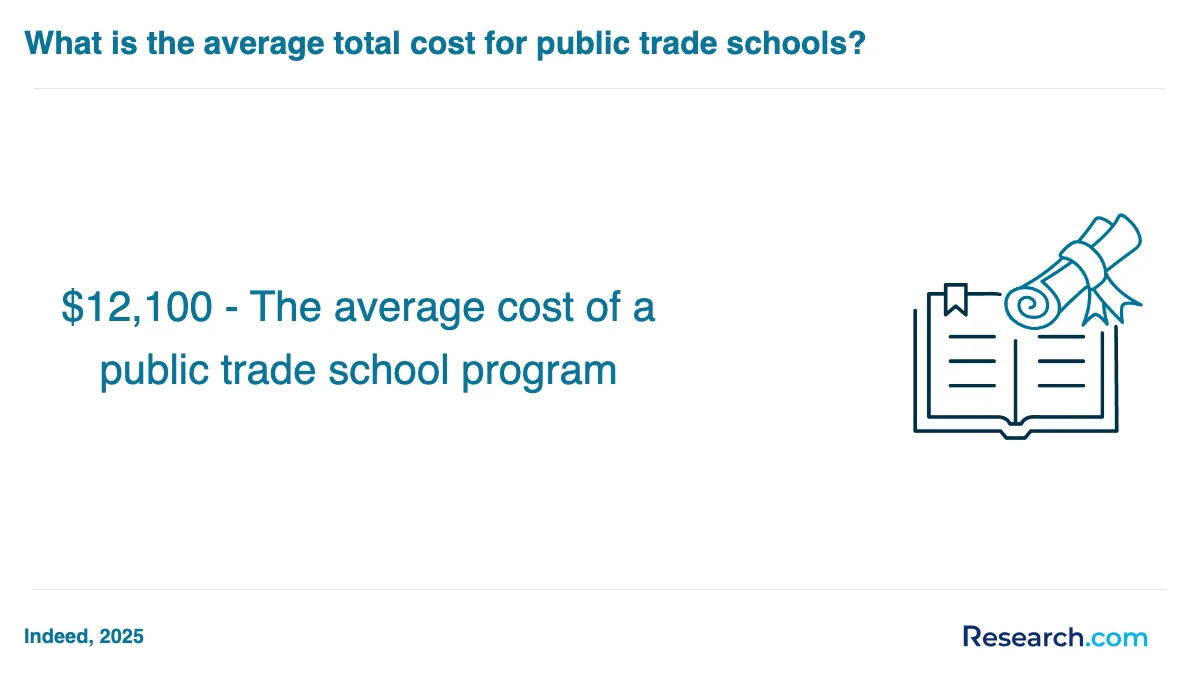
The average cost of attending a trade school program in Middletown typically ranges between $9,500 and $10,000 per year, based on data from Connecticut institutions. This price point reflects open admissions policies that make these programs accessible to a diverse student body, including high schoolers and adult learners.
Students at schools like Vinal Technical High School often benefit from a blend of classroom instruction and hands-on training, which not only enriches learning but also prepares them for real job settings. Graduates frequently share how working on actual construction sites or engaging in internships gave them confidence and practical skills that a traditional college might not offer so directly.
Adult learners appreciate flexible schedules-many can attend evening or weekend classes while managing work or family commitments. Financial aid options make trade education feasible even for those balancing limited resources. With career counseling and job placement services, Middletown's trade schools foster an encouraging environment that smoothly connects education to employment opportunities, helping students feel optimistic about their career paths.
Where can I work after finishing trade school programs trade schools in Middletown?
Graduates of Middletown trade schools often find themselves stepping into roles with immediate practical impact. For example, those completing electrical technology programs frequently start as electricians at local contractors or utility companies, where daily tasks involve hands-on problem-solving and teamwork. Many graduates share the excitement of progressing from apprenticeships to full-time positions, often within months, gaining confidence as they apply skills learned in popular Middletown schools.
Similarly, plumbing and HVAC certification holders are in steady demand by residential and commercial service providers. Graduates describe rewarding experiences working in property management or manufacturing facilities, where their expertise keeps essential systems running smoothly. Welding specialists, another common trade school outcome, report fulfilling careers in fabrication shops or on construction sites close to Middletown's industrial hubs.
Healthcare trades like medical assisting open doors to clinics and hospitals, where graduates appreciate the balance of technical skills and patient interaction. Other alumni find meaningful work educating future tradespeople with organizations such as the Connecticut Technical Education and Career System. These diverse pathways offer both stability and growth for those who complete trade programs locally.
After completing a trade school program in Middletown, graduates report an average annual salary near $63,878, or about $30.71 per hour. This aligns well with the local data as of August 2025, showing many can comfortably earn around $5,300 monthly. Recent graduates from popular Middletown trade schools find this encouraging, especially when starting salaries range from $48,000 to $77,500 annually depending on the trade and experience.
Many beginning electricians, HVAC technicians, and plumbers share stories of landing jobs with decent pay and steady hours, feeling proud to support themselves soon after graduation. For those who advance into roles like project or site manager at local employers, salaries can rise dramatically, with averages reported between $85,000 and $137,000. This range showcases the potential for real financial growth over time.
Graduates emphasize that while Connecticut overall ranks 50th in trade school salaries, the practical skills learned at Middletown's schools set them up well for local demand. With dedication and certifications, their peers are confident about increasing their income steadily after starting out.
- Trade schools in Middletown offer programs like HVAC, welding, plumbing, automotive technology, and medical assisting, with most certificates completed in six weeks to one year.
- Admission usually requires only a high school diploma or GED, and some schools have acceptance rates as high as 100%.
- The average yearly net price for attendance ranges from $9,500 to $10,200, depending on program length and type.
- Median starting salaries for graduates in key trades typically range from $40,000 to $55,000 per year in Connecticut.
- Many schools offer part-time, evening, or hybrid schedules to support students balancing work or family commitments.
The time it takes to complete a trade school program in Middletown varies widely based on the path you choose. Certificate programs at Middlesex Community College, for instance, can be completed within a few months to one year, making them ideal for students eager to quickly enter fields like welding or medical assistance. Graduates often describe a rewarding sense of accomplishment, having gained hands-on skills rapidly.
Associate degrees from the same college generally require about two years of full-time study. Many students appreciate this balance of technical and general education, as it opens doors to broader career opportunities or smoother transfers to four-year schools.
Apprenticeship programs offer a longer commitment-typically three to four years-with students engaging in thousands of hours of paid on-the-job training alongside classroom instruction. Graduates from commercial painting or glazing apprenticeships often speak proudly of their blend of practical experience and formal learning.
High school trade curricula in Middletown, such as those at Vinal Technical High School, span about three and a half years, allowing younger students to build solid skills while finishing secondary education.
For those seeking the fastest path, short-term pre-apprenticeship options, like those at the Connecticut State Building Trades Training Institute, can be completed in as little as one week, providing an energized entry into union trades.
Understanding these timelines through the lens of real student experiences helps clarify what commitment fits your goals and lifestyle best.
The primary difference between online and on-campus trade school programs in Middletown lies in how the instruction is delivered. Online programs offer the convenience of accessing coursework anytime, a vital benefit for students balancing full-time jobs or family life. Graduates from these programs often appreciate the flexibility, allowing them to study business or IT skills without leaving home. However, this format sometimes means less hands-on practice; for example, technical skills might be learned through virtual simulations instead of real lab work.
On the other hand, attending a place like Middlesex Community College lets students dive into face-to-face learning, especially useful for trades requiring physical practice, such as welding or HVAC work. Alumni frequently mention how direct mentorship and access to campus resources helped build confidence and real-world abilities. The smaller class sizes, with a 15:1 student-to-faculty ratio, create an encouraging environment where questions are welcomed, making the learning process more engaging and personal.
These differences mean your choice depends on whether you need maximum scheduling flexibility or prefer hands-on training and office-hour access to instructors in Middletown's local schools.
The average trade school tuition in Middletown 2026 generally reflects Maryland's broader state trends, with public institutions charging between $7,000 and $11,000 annually. Graduates from popular local programs often recall managing tuition costs near this range, especially in widely accessible community colleges. However, private trade schools in the area tend to have higher fees, sometimes reaching $16,000 to $21,000 per year, which can feel daunting for some students. Those pursuing specialized fields, like automotive technology or welding, may encounter additional expenses for equipment, pushing total costs closer to $15,000 or more.
Understanding Middletown trade school program costs requires looking beyond tuition alone. Students frequently share that books, materials, and student fees add $1,500 to $7,000 annually, depending on their chosen trade. For example, a welding program graduate described the financial planning necessary to cover not just tuition but also $4,000 in tools and supplies, an essential investment for job readiness. Meanwhile, certificate program students often find the shorter duration correlates with lower overall expenses and quicker entry into the workforce, which can be highly motivating.
Financial aid options are vital for many, with federal and state assistance helping mitigate upfront expenses. Prospective students should consult resources such as the Maryland Higher Education Commission and explore programs like maintenance technician certification online to discover affordable and flexible options that fit varied budgets and career goals.

Students enrolled in trade schools in Middletown often rely on a mix of federal, state, and institutional financial aid to manage costs. The Free Application for Federal Student Aid (FAFSA) remains essential, as graduates frequently share how completing it early unlocked Pell Grants of up to $7,395 annually, significantly easing their financial burden. Federal loans also offer flexible borrowing options, though mindful students highlight the importance of loan counseling before committing.
Connecticut residents benefit from state-specific programs like the Roberta B. Willis Scholarship, which several Middletown trade school attendees have credited for making tuition more affordable. The inclusive Aid Application for Connecticut Undocumented Students (AACTUS) offers undocumented learners a lifeline to institutional aid, reflecting the region's commitment to accessible education.
Enrollment status deeply affects award amounts; full-time students at places like Middlesex Community College's technical courses often receive full aid, while part-time learners adjust to reduced support. Additionally, work-based learning options provide real income during training, a practical boost many graduates praise for helping them stay financially afloat.
Enrolling in a trade school program in Middletown requires meeting specific academic and procedural prerequisites that both simplify and clarify the path to success. Most importantly, applicants must hold a high school diploma or GED certificate, ensuring readiness for the practical and technical challenges ahead.
For high school students seeking enrollment through programs like Butler Tech, practical benchmarks include:
- At least five core high school credits at application, mainly in English, Math, Science, and Social Studies
- Aiming for eight core credits by academic year-end to stay on track for graduation
- Completion of five semesters of high school before applying to one-year or one-semester programs
- Commitment to continuing English and Math courses during the final high school year
Graduates often share how counselor support, such as home school advisors confirming graduation plans, adds confidence in meeting academic standards. For adult learners or recent graduates, submitting official transcripts is standard. Schools like Williamson College of the Trades emphasize a holistic review, including financial need and attending info sessions, which many find reassuring and inclusive.
Many Middletown trade schools foster an open, supportive environment, welcoming students regardless of background or English proficiency, making the journey achievable and empowering for diverse learners.
Trade school programs in Middletown typically include practical, career-focused courses that prepare graduates for immediate entry into skilled trades and technical roles. Students often experience a balance of classroom learning combined with hands-on practice, a structure praised by many graduates from Vinal Technical High School. These programs cover essential fields like HVAC (Heating, Ventilation, Air Conditioning), electrical technology, and welding, reflecting the demand in local industries.
Beyond these core trades, Middletown's technical schools offer programs in:
- Information technology, where students develop skills in computer systems and networking.
- Business administration, focusing on practical office and management skills.
- Medical assisting, preparing students for supportive healthcare roles.
At the Middlesex campus of CT State Community College, students remark on the diverse course options, including digital arts and computer science, which add appealing modern tech elements to traditional trade education.
Graduates often highlight the value of flexible class schedules, including evenings and weekends, enabling working adults to study while maintaining jobs. This flexibility, paired with opportunities for real-world learning and internships, creates a motivating environment that many find both supportive and rewarding.
Trade school programs in Middletown offer a variety of specializations that equip students with practical, job-ready skills. Graduates from Vinal Technical High School often recall the hands-on experience they gained in fields like construction, automotive technology, and electrical trades, which made transitioning to the workforce more confident and fulfilling. Many emphasize how the work-based learning opportunities, including paid internships with local employers, provided them not only technical expertise but also valuable professional connections.
For adults and continuing learners, programs such as those at Orange-Ulster BOCES focus on trades like HVAC, plumbing, heavy equipment operation, and health-related fields such as certified nurse assistant and medical billing. These options prepare students for credentialing exams, giving them a competitive edge in the job market.
Nearby, the YTI Career Institute expands choices with culinary and pastry arts, where graduates proudly share stories of turning passion into careers, supported by strong job placement rates. Many students appreciate dual-enrollment options linking trade skills with college credits and internship opportunities, which deepen career preparedness.
For those interested in electrical trades specifically, Middletown students often seek affordable online electrician training that complements their hands-on courses and accelerates certification.
Choosing the best trade school program in Middletown requires focusing on accredited institutions to ensure your credits transfer and your credential is respected. Graduates often recall how attending Middlesex Community College, with its strong accreditation and tailored courses in manufacturing and real estate, gave them confidence in their career path. Cost is another critical factor-this school is known for affordability, which many students appreciate when managing tuition and living expenses without sacrificing quality. To effectively compare trade school programs in Middletown, consider the student-to-faculty ratio. Smaller classes, like the 15:1 ratio at Middlesex, allow for personalized mentorship, vital in hands-on learning environments where detailed feedback accelerates skill development. Additionally, reviewing student outcomes such as job placement and early career salaries provides a realistic expectation of success. Some graduates found it helpful to explore data on top paying trade school jobs to align their choice with strong employment prospects, ensuring their investment leads to rewarding work.
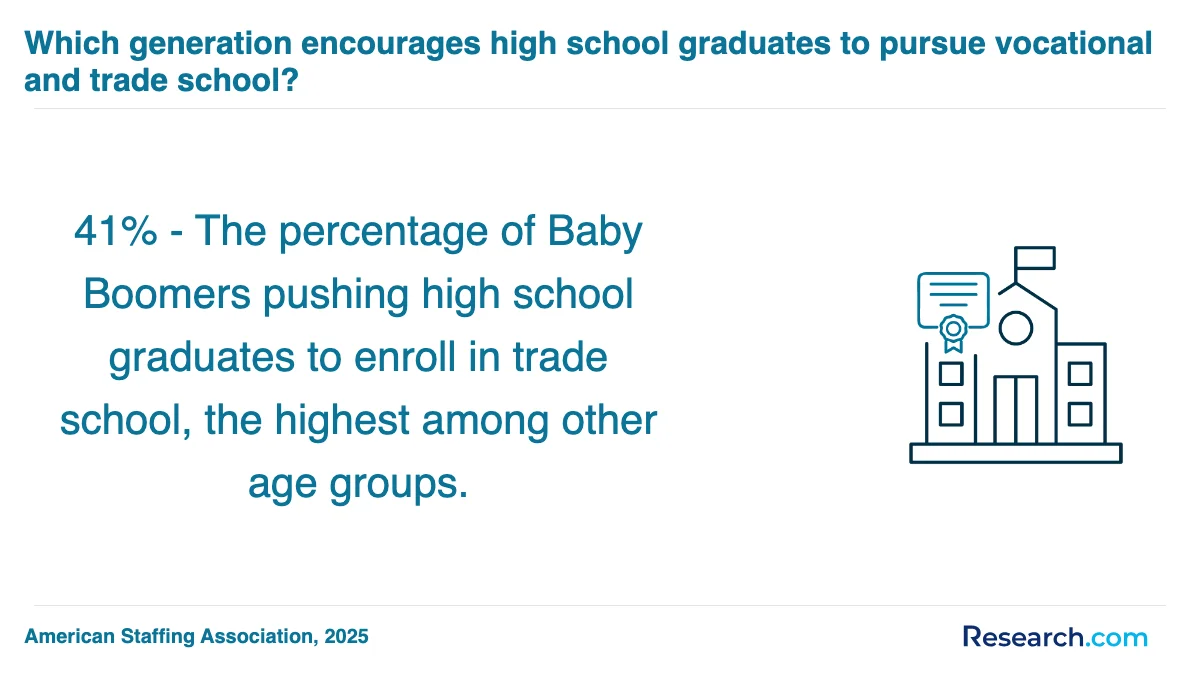
Trade school graduates in Middletown find a spectrum of career pathways perfectly suited to the city's economic landscape. Graduates from institutions like Middlesex Community College and Vinal Technical High School consistently report entering rewarding roles in healthcare, manufacturing, and technical trades, reflecting local demand. For instance, healthcare careers available include positions such as Certified Nursing Assistant and Pharmacy Technician, which provide both job stability and community impact.
Manufacturing remains a vital field, with programs like the Skill-Up for Manufacturing at CT State Community College giving graduates Six Sigma and OSHA 10 certifications. This opens doors to roles as machine operators, assemblers, or quality control technicians, showing how Middletown trade school job opportunities align with regional industry needs.
The appeal of technical trades-construction, electrical, automotive, HVAC-is highlighted by hands-on training at popular schools where students complete real-world projects, ensuring they graduate confident and job-ready. Other graduates pursue careers in areas such as personal fitness, real estate, and security, adding to the diverse array of options.
Many Middletown programs enhance employability through paid internships and on-the-job training, helping students feel optimistic about their futures. For those wanting a tailored option, exploring affordable freight broker training online can offer additional skills applicable beyond traditional trades.
The job market in Middletown for trade school graduates remains promising, with employers actively seeking skilled workers in fields like electrical, plumbing, and automotive repair. Graduates from local trade schools frequently share how their hands-on training translated into immediate job offers, often within weeks of completing their programs. Competitive hourly wages ranging from $19 to $31 reflect the demand, backed by employers offering comprehensive benefits such as health insurance and retirement plans.
Employment rates for Middletown trade school graduates are bolstered by opportunities for paid on-the-job training and advancement. For example, apprenticeships in electrical or automotive sectors provide not only steady income but also skill development. Public sector roles, including state positions like General Trades Worker, start with salaries above $50,000 and offer job security rarely matched in other entry-level fields.
Popular trade schools in Middletown tailor curricula to local industry needs in HVAC, construction, and fuels, ensuring that graduates meet current skill gaps. Real-life graduates describe how these programs prepared them for stable careers, making trade school a highly attractive pathway. Students looking for flexible options can explore an auto mechanic school online with Middletown connections to jumpstart their earning potential.
- Wages from $19 to $31 per hour for entry-level roles
- Paid apprenticeships and training supporting career growth
- Strong public sector hiring with salaries above $50,000
- Trade schools aligned with local employer demand
Best Trade School & Training Programs - Leading Certification Courses in Middletown for 2026
# 1 position
Orange County Community College - Physical Therapy Assistant.
associateOrange County Community College offers a Physical Therapy Assistant program designed to prepare students to implement treatment plans, train patients, and conduct interventions under a physical therapist’s supervision. The hybrid program includes instruction in anatomy, physiology, biomechanics, communication, and professional ethics. Annual in-state tuition is $6,382. Graduates earn a median salary of $51,727 one year after completion. The program is accredited by the Middle States Commission on Higher Education.
# 2 position
Orange County Community College - Computer and Information Sciences, General.
associateOrange County Community College offers a hybrid program in Computer and Information Sciences, General, combining in-person and distance education. The program covers computing, computer science, and information science and systems without focusing on specific subfields. Annual in-state tuition is $6,382. The program is accredited by the Middle States Commission on Higher Education.
# 3 position
Orange County Community College - Computer Science.
associateOrange County Community College offers a Computer Science program with a hybrid format that includes some distance-education options. The program covers computer theory, computing problems and solutions, and the design of computer systems and user interfaces from a scientific perspective. Instruction includes computational science principles, computer development, programming, and applications for various end-use situations. Annual in-state tuition is $6,382. The program is accredited by the Middle States Commission on Higher Education.
# 4 position
Orange County Community College - Computer and Information Systems Security/Auditing/Information Assurance.
associateOrange County Community College offers a hybrid Computer and Information Systems Security/Auditing/Information Assurance program. It prepares students to assess security needs, recommend safeguards, and manage security systems and procedures. The curriculum covers computer architecture, programming, networking, cryptography, auditing, law, risk assessment, contingency planning, and investigation techniques. Annual in-state tuition is $6,382. The program is accredited by the Middle States Commission on Higher Education.
# 5 position
Orange County Community College - Criminal Justice/Law Enforcement Administration.
associateOrange County Community College offers a hybrid Criminal Justice/Law Enforcement Administration program that prepares students to manage public law enforcement agencies. The curriculum covers law enforcement history, operational command, labor relations, incident response, legal responsibilities, budgeting, and organizational leadership. Annual in-state tuition is $6,382. Graduates earn a median salary of $36,111 one year after completing the program. The program is accredited by the Middle States Commission on Higher Education.
# 6 position
Orange County Community College - Criminal Justice/Police Science.
associateOrange County Community College offers a hybrid Criminal Justice/Police Science program that trains students in police duties such as patrol, investigations, traffic and crowd control, evidence management, and crime prevention. The program includes report preparation and equipment operation. Annual in-state tuition is $6,382. Graduates earn a median salary of $36,111 one year after completion. The program is accredited by the Middle States Commission on Higher Education.
# 7 position
Orange County Community College - Accounting Technology/Technician and Bookkeeping.
associateOrange County Community College offers a hybrid program in Accounting Technology/Technician and Bookkeeping designed to prepare students to support professional accountants and financial managers. The curriculum covers posting transactions, record-keeping systems, accounting software, and general accounting principles. The annual in-state tuition is $6,382. The program is accredited by the Middle States Commission on Higher Education, providing recognized academic quality.
# 8 position
Orange County Community College - Marketing/Marketing Management, General.
associateOrange County Community College offers a hybrid Marketing/Marketing Management, General program that prepares students to manage consumer audience development and product distribution. The curriculum covers buyer behavior, marketing research principles, demand analysis, pricing theory, sales operations, advertising methods, and consumer relations. The annual in-state tuition is $6,382. The program is accredited by the Middle States Commission on Higher Education and includes both in-person and distance-education options.
# 9 position
Orange County Community College - Business Administration and Management, General.
associateOrange County Community College offers a hybrid Business Administration and Management, General program designed to prepare students for planning, organizing, directing, and controlling business functions. The curriculum covers management theory, human resources, accounting, logistics, marketing, and decision-making. Tuition for in-state students is $6,382 annually. Graduates earn a median income of $29,595 one year after completing the program. The college is accredited by the Middle States Commission on Higher Education.
# 10 position
Orange County Community College - Medical Administrative/Executive Assistant and Medical Secretary.
associateOrange County Community College offers a hybrid Medical Administrative/Executive Assistant and Medical Secretary program designed to prepare students for roles supporting physicians, nurses, and health care administrators. The curriculum covers medical communications, terminology, health care operations, software applications, scheduling, and professional ethics. The program is accredited by the Middle States Commission on Higher Education. Annual in-state tuition is $6,382.
Frequently Asked Questions about trade school programs
After completing trade school in Middletown, preparing for the job market involves several key steps. First, graduates should obtain all necessary industry certifications, as many local employers prioritize certified professionals. According to the Middletown Workforce Report 2023, 78% of trade employers prefer candidates with recognized credentials. Networking within Middletown's local trade unions and industry associations can lead to job openings not publicly advertised. Additionally, developing a strong resume that highlights hands-on experience gained during training is crucial. Career services offered by trade schools often provide job placement assistance, interview coaching, and resume workshops tailored to the Middletown job market's needs.
Employers in Middletown consistently seek practical skills from trade school graduates that match local industry demands. According to the Bureau of Labor Statistics, technical proficiency in fields like welding, electrical work, and HVAC is essential. Demonstrating hands-on experience with modern tools and equipment increases job prospects significantly.
In addition to technical know-how, communication skills rank highly. Employers value graduates who can clearly explain problems and collaborate on solutions, a key factor in team-based workplaces common in Middletown's manufacturing and construction sectors.
Attention to safety protocols is also critical. Many local employers report that graduates familiar with Occupational Safety and Health Administration (OSHA) standards perform better and reduce workplace accidents.
Problem-solving ability and reliability are frequently mentioned soft skills. Reports from the National Association of Manufacturers highlight that 70% of firms prefer candidates who can quickly adapt and troubleshoot unexpected issues on the job.
Finding internships in Middletown related to trade school programs involves several practical steps. Start by contacting your trade school's career services office, as many schools maintain partnerships with local employers to offer relevant internship opportunities. According to the National Association of Colleges and Employers (NACE), nearly 60% of internships in vocational fields result from school networking.
Local businesses in sectors like construction, automotive repair, and healthcare often seek interns from area trade programs. You can also explore Middletown's Chamber of Commerce website, which frequently lists internship openings and employer events. Additionally, online job platforms tailored to skilled trades, such as Indeed or Trade-Schools.net, can provide targeted results for the Middletown area.
Networking through community job fairs and local workshops can be highly effective. Middletown hosts several career expos yearly, where students meet employers directly, increasing internship placement rates by an estimated 15% per event.
Obtaining a trade school diploma in Middletown significantly enhances career mobility and advancement opportunities. According to the National Center for Education Statistics, vocational credentials often lead to higher employment rates compared to those with only a high school diploma. In Middletown, local employers in manufacturing, construction, and healthcare increasingly value specialized training from accredited trade programs.
Graduates typically experience faster entry into the workforce, with many reporting average starting salaries that surpass those of their peers without diplomas. The Middletown Workforce Development Board highlights a 15% annual growth in demand for skilled trade professionals. This demand supports promotions and wage increases for diploma holders.
Trade school completion can also build essential networks with employers through apprenticeships and internships, further boosting career advancement in Middletown's competitive job market.
Part-time job opportunities in Middletown can significantly complement trade school education by providing practical experience alongside formal training. Positions such as apprentice electrician, HVAC technician assistant, and automotive service helper are commonly available and align well with trade school curricula. According to the U.S. Bureau of Labor Statistics, Middletown's local labor market shows a steady demand for skilled trades, supporting part-time roles in construction and manufacturing sectors.
Additionally, local businesses often seek part-time workers in plumbing and welding, offering students hands-on learning environments. Such jobs not only enhance technical skills but also develop time management and customer service abilities, essential for career advancement.
Yes, there are several options for degree programs near Middletown, NY. SUNY Orange offers associate degrees in various fields and is conveniently located near Middletown, NY, making it accessible to residents. Additionally, institutions like Mount Saint Mary College in Newburgh offer bachelor's and master's degree programs in areas such as nursing, education, and business management, providing opportunities for those searching for educational programs "near me."
- Williamson College of the Trades https://williamson.edu/
- Career & Technical Education | Middletown High School https://www.mpsri.net/o/mhs/page/pathway-programs
- College & Career - Middletown High School https://mhs.middletowncityschools.org/college-career
- Advanced Manufacturing and Skilled Trades ‣ Laurel Ridge Community College https://laurelridge.edu/pathways-program/advanced-manufacturing-and-skilled-trades/
- Contact – Vinal Technical High School https://vinal.cttech.org/contact/
- Client Challenge https://www.mcvsd.org/
- JA Programs | Junior Achievement of Middletown Area https://middletownarea.ja.org/programs/index
- Shape Your Future | Warren County Career Center https://www.mywccc.org/


