
Most Affordable Trade School & Training Programs - Leading Certification Courses in Milton for 2026

Co-Founder and Chief Data Scientist
Choosing the right trade school in Milton can feel overwhelming, but it doesn’t have to be. This article introduces a carefully crafted trade school programs ranking created by the Research.com team of data scientists to help you make an informed decision.
Whether you’re starting fresh or looking to upgrade your skills, finding an affordable program that fits your goals is important. Reading this guide will give you clear insights and confidence in picking a path that leads to a valuable diploma or certification. Your future career is worth thoughtful planning-and this article is here to help.
Key benefits of finishing trade school programs trade school in Milton
- Expected salary: Trade school graduates in Milton can earn competitive wages, such as $56,900 annually for electricians, $56,330 for plumbers, and up to $101,193 for training supervisors, offering strong financial rewards for skilled workers.
- Popular career paths: Many graduates pursue stable and in-demand roles like electricians, HVAC technicians, and plumbers, which provide reliable income and chances for growth with experience and certifications.
- Online certification benefits: Earning a trade school diploma online offers flexibility to balance work and study, making it easier for busy students in Milton to gain valuable skills without commuting, speeding up career entry.
- Most Affordable Trade School & Training Programs - Leading Certification Courses in Milton for 2026
- What can I expect from trade school programs trade schools in Milton?
- Where can I work after finishing trade school programs trade schools in Milton?
What can I expect from trade school programs trade schools in Milton?
The average cost of a trade school program in Milton varies, often ranging from affordable to tuition-free, especially for qualified candidates. Graduates from schools like Minuteman Technical Institute recall enrolling in programs lasting from a few months up to two years, with some carpentry or welding courses offered tuition-free through state-funded initiatives.
Students typically appreciate the practical balance of hands-on training and flexible class schedules, such as evening and weekend sessions that accommodate working adults. Many report feeling confident after completing around 200 hours of in-person instruction combined with classroom learning. Popular schools like Millennium Training Institute also provide hybrid and online options, helping students juggle work and family obligations without sacrificing progress.
Financial aid availability, particularly for individuals who are unemployed or under-employed, eases the burden for many. Graduates often highlight how job placement support and resume workshops helped them transition smoothly into local skilled trades, making their investment feel worthwhile and encouraging for those seeking steady, well-paying careers.
Where can I work after finishing trade school programs trade schools in Milton?
After finishing a trade school program in Milton, graduates find themselves well-positioned for a variety of rewarding jobs. Many land roles in healthcare, working as clinical medical assistants or medical administrative assistants in local clinics and hospitals, where their skills directly support patient care and office management. This creates fulfilling opportunities to contribute to the community's well-being.
Others who studied information technology enjoy entering the workforce as PC network support specialists. These graduates thrive troubleshooting and maintaining networks for schools, businesses, and municipal offices, making them vital players as digital reliance grows.
Graduates from business administration programs typically secure entry-level positions in office administration or data management, helping local businesses run smoothly and efficiently. Skilled trades students often start apprenticeships as electricians or carpenters with local companies, gaining hands-on experience and building solid career foundations.
Public sector jobs in the Town of Milton are also accessible, especially in public works and maintenance, offering stable employment with benefits. Graduates regularly share satisfaction working in roles where they see the tangible impact of their skills every day.
Graduates from trade school programs in Milton can expect to earn between $40,000 and $90,000 annually, reflecting a wide range of career options and experience levels. For instance, those who become vocational training instructors-a path many choose after gaining hands-on skills-earn around $63,888 per year in similar areas like Milton, Florida. This role offers the rewarding chance to teach and mentor new tradespeople while securing a solid income.
Others who dive directly into skilled trades such as electrical work, plumbing, or HVAC typically earn wages ranging from $20 to $35 per hour. That adds up to roughly $41,600 to $72,800 annually for full-time workers. Many local Milton trade schools collaborate with businesses to provide apprenticeships, giving students real job experience that boosts their earning potential right after graduation.
Graduates appreciate these apprenticeship programs because they translate directly into living wages and certified skills that employers in Milton actively seek. Those exploring teaching positions after trade school may earn even more, with average salaries near $87,644 in nearby regions. Overall, trade school graduates in Milton find stable, well-paying jobs that quickly reward their dedication and hard work.
- Trade schools in Milton offer programs in HVAC, electrical technology, welding, plumbing, carpentry, medical, and business fields.
- Most schools require a high school diploma or equivalent; some pre-apprenticeship programs, like the 15-week Carpentry Pre-Apprenticeship, may be tuition-free for qualified candidates.
- Program lengths vary from about 15 weeks to two years, with many certificate or diploma tracks available.
- Tuition typically ranges from $5,000 to $15,000, but some state-funded programs reduce or eliminate costs for eligible students.
- Entry-level salaries for trades like HVAC and electrical work start around $40,000 to $50,000, with experienced workers making $55,000 to $75,000 annually.
Trade school programs in Milton typically take between six months and two years to complete, making them an excellent choice for those eager to start working quickly. Graduates from popular local trade schools often recount finishing medical assistant programs in about nine months and stepping directly into healthcare roles, appreciating how fast they could transition from training to paid work.
For students in automotive technology, the usual 14-month duration balances hands-on skill building with essential theory, helping them feel confident and job-ready when they complete the program. HVAC training, which takes roughly a year, equips many with practical skills that lead to satisfying, stable careers.
Some Milton trade schools offer accelerated programs enabling graduates to finish in less than six months, a relief for those juggling work or family commitments. Evening and part-time options further allow flexibility, letting students progress at their own pace while gaining experience in real workplaces through internships or co-ops embedded in high school CTE pathways.
Choosing a program aligned with your career goals and schedule can make this swift, focused education feel both empowering and achievable.
Online trade school programs in Milton offer flexible learning schedules ideal for students balancing work or family. Graduates often mention how studying through video lectures and online forums allowed them to learn at their own pace, fitting coursework around shift work or childcare. This flexibility makes education accessible without the need to commute, which is a big advantage for many busy adults.
In contrast, on-campus programs require attending classes in person, providing hands-on training with tools and equipment essential for trades like HVAC or welding. Students appreciate the direct interaction with instructors and peers, finding it easier to ask questions and build connections that support their career goals. The immediate access to labs and practical workshops is especially valuable for those wanting real-time feedback and experience.
Some Milton trade schools blend these approaches through hybrid models, offering online theory combined with on-site practical sessions. Graduates from these programs highlight the best of both worlds-flexibility plus hands-on learning-which feels motivating and well-rounded for entering the workforce confidently.
The average trade school cost in Milton for the 2024-2025 academic year typically falls around $14,643 in tuition and fees, consistent with broader Massachusetts trends. Graduates from local trade schools often share how budgeting for this amount affords them access to quality programs that combine hands-on training with expert instruction. Many find that total expenses rise when factoring in tools, materials, and living costs, which can push the overall investment closer to $18,500 to $27,000.
For instance, students attending specialized technical institutions in the Milton area sometimes pay tuition upwards of $27,400 annually, with full course costs, including required supplies, reaching nearly $54,800 for two years. These figures reflect real experiences of those passionate about trades, who express satisfaction with the value received for the price, especially when program-specific equipment and living expenses are considered.
When evaluating Milton trade school tuition and fees, prospective students often balance the tuition with costs for books, materials, and accommodation. Additional fees for essential tools and resources can add $2,500-$3,000, which is a key factor shared by successful graduates who thrived while managing these costs effectively. Public trade schools and community colleges nearby offer options at lower annual rates, sometimes as affordable as $8,730, making education accessible to diverse budgets.
Many future trade professionals explore financial aid options, taking advantage of state and federal programs available in the Milton region. For those looking for affordable and flexible options, the cheapest flooring installers training online can provide a practical, cost-effective pathway into skilled trades without compromising quality.

Students attending trade schools in Milton often start their financial aid journey by completing the FAFSA, which opens doors to federal grants, loans, and work-study programs tailored to individual needs. Many graduates from local technical colleges on Old Milton Parkway share that obtaining a Federal Pell Grant significantly eased their tuition burden, allowing them to focus more on hands-on training without constant financial stress.
State aid options like the HOPE Grant and HOPE Career Grant further support Milton students pursuing in-demand careers. These grants, which do not need to be repaid, have helped numerous learners stay motivated by reducing out-of-pocket expenses while maintaining their academic standards.
Private scholarships also play a big role. Recipients of awards such as the SEMA Memorial Scholarship Fund or the Milton E. Ford LGBT Scholarships often describe a renewed sense of confidence and encouragement, knowing their unique backgrounds are recognized and supported.
Veterans and students with disabilities can access dedicated benefits and Vocational Rehabilitation Services, ensuring no one feels left behind on their path to success in Milton's trade programs.
To enroll in a trade school program in Milton, the essential prerequisite is a high school diploma or GED certificate. Graduates from popular Milton trade schools often share how this straightforward requirement helped them take the first step toward careers they love.
Most schools here follow an open admissions policy, so you won't usually need to worry about GPA or standardized test scores. This makes programs very accessible, especially if you're changing careers or returning to education later in life.
However, some programs, especially in healthcare or IT, may ask for:
- Proof of basic skills through a readiness test or exemption
- Completion of specific high school courses like math and English
- Industry credentials or relevant work experience
Transfer students often find it helpful to submit official transcripts, as Milton schools may accept prior credits that align with state standards, speeding up graduation.
Students taking advantage of dual enrollment enjoy earning credits tuition-free by working closely with school counselors and meeting application deadlines.
For non-native English speakers, submitting proficiency test scores (TOEFL, IELTS, Duolingo) can boost confidence and readiness for success in class.
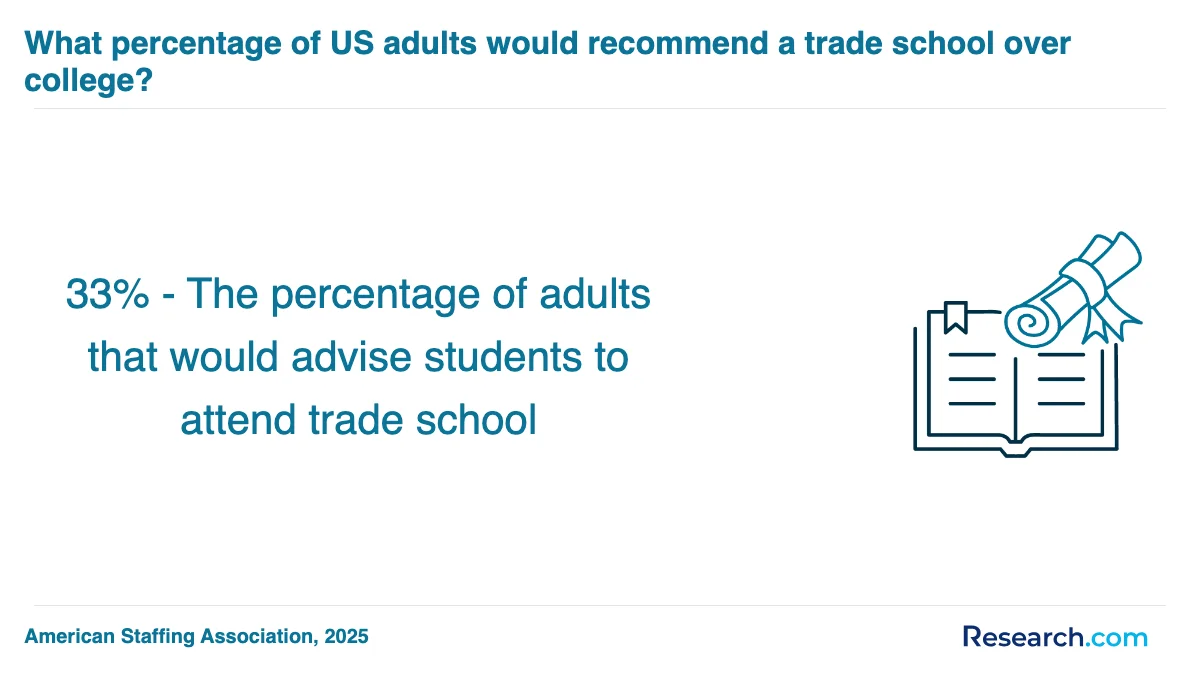
Trade schools in Milton offer a variety of practical courses tailored to help students quickly enter the workforce with strong skills and certifications. Graduates often speak highly of programs combining hands-on training with classroom learning, making skills feel immediately applicable.
Popular courses include:
- Construction trades such as masonry, carpentry, residential electricity, plumbing, and introductory HVAC and welding-graduates share how working on live construction sites builds confidence and real-world readiness.
- Automotive technologies, focusing on vehicle maintenance and repair, where students often gain experience through partnerships with local businesses.
- Allied health programs like clinical medical assistant and medical administrative assistant, which emphasize certifications and fast pathways into healthcare roles.
- Additional options like early childhood education, business administration, PC network support, criminal justice, and diversified occupations combining academics with part-time work for skill development.
These programs emphasize certifications like NOCTI and CPR/First Aid, ensuring graduates stand out to Milton employers. Many students appreciate how the curriculum is designed to meet local job demands, creating a clear route from study to steady employment.
Trade school programs in Milton offer a variety of specializations tailored to students ready to enter the workforce with practical skills. Graduates from local schools often share how programs in Automotive Repair, Welding, HVAC/R, and Electricity equipped them with both classroom knowledge and hands-on experience, making job applications smoother and boosting confidence.
Students passionate about healthcare find pathways in Practical Nursing, Pharmacy Technician, Culinary Arts, and Early Childhood Education, leading to certifications highly sought after by employers. Many appreciate how these programs blend theory with real-world practice, preparing them thoroughly for the roles they pursue.
Business and IT-focused programs like Business Management, Finance, Marketing, and Information Technology help students develop technical skills such as web design and network administration. These specializations often include options for dual enrollment, allowing ambitious learners to earn college credits early while still in high school.
Milton also supports work-based learning through certified co-ops and youth apprenticeships in areas like Animal Science and STEM, providing invaluable on-the-job experience.
Those exploring career paths in trade school construction can find tailored programs matching industry standards, making the transition from student to skilled worker seamless.
Choosing the best trade school programs in Milton means verifying accreditation to ensure your diploma is recognized and qualifies for federal aid. Graduates from local institutions often share how this opened doors to steady employment in their fields. Admission requirements typically include a high school diploma or GED, with some schools allowing younger students with parental consent. Understanding these specifics helps avoid surprises during application.
Look closely at how to compare trade school costs in Milton, including tuition, fees, and available scholarships. Many students find affordable options that fit their budgets when they research thoroughly. For example, graduates often mention how considering programs with transferable credits helped them continue education seamlessly at nearby colleges.
Job market relevance matters too; some programs at Milton's popular trade schools align perfectly with local employer needs, leading to faster employment post-graduation. For those interested in HVAC, check out the cheapest online hvac certification to balance cost and quality effectively.

Trade school graduates in Milton find diverse career opportunities across high-demand sectors tailored to local employer needs. For example, the construction industry offers pathways from entry-level apprentice carpenter roles to lead carpenter or jobsite foreman positions after completing programs like the 15-week Carpentry Pre-Apprenticeship at Minuteman Technical Institute. Graduates gain hands-on skills in framing and project management that open doors to homebuilding and commercial construction.
Allied health is another promising area where graduates from institutions such as Millennium Training Institute quickly become clinical or medical administrative assistants, often securing jobs in hospitals and clinics in less than six months. These roles provide a solid base for advancement into supervisory posts.
Popular trade school career pathways in Milton also include information technology, with programs preparing PC network support specialists ready to serve local businesses. Alongside this, business services administration training equips graduates for office management and data analysis roles, building stepping stones into management.
Graduates describe feeling confident and employment ready thanks to programs shaped by local employer input. Those seeking specialized HVAC skills can explore best online hvac certificate courses that complement Milton's robust trade offerings.
The employment outlook for Milton trade school graduates is strong, with many local programs tailored to meet ongoing demand in skilled trades. Graduates from popular schools in the area find rewarding roles in carpentry, electrical work, plumbing, welding, HVAC, and healthcare support. Many report quickly securing jobs thanks to high job placement rates and connections between schools and local employers.
Trade school job opportunities in Milton often include hands-on apprenticeships where students earn while they learn, gaining real-world experience that employers highly value. Typical positions include HVAC technicians and service technicians, often offered through tuition-free or subsidized programs, reducing financial barriers for motivated individuals.
Graduates highlight benefits such as:
- Competitive salaries averaging $73,335 annually in Massachusetts
- Shorter, practical programs like the 15-week Carpentry Pre-Apprenticeship at Minuteman Technical Institute
- Support through Career Technical Initiative Grants and partnerships
For those interested in accelerated options, several students recommend checking out a 6-month online certification program that pays well as a fast route to high-demand careers in the region.
Most Affordable Trade School & Training Programs - Leading Certification Courses in Milton for 2026
# 1 position
Laboure College of Healthcare - Electrocardiograph Technology/Technician.
certificate or diplomaLaboure College of Healthcare offers an Electrocardiograph Technology/Technician program preparing students to administer EKG and ECG diagnostic exams under medical supervision. The curriculum covers cardiovascular anatomy, medical terminology, patient care, equipment operation, and cardiac rhythm interpretation. Graduates earn median annual earnings of $60,068 one year after completion. The program's annual in-state tuition is $33,663 and is accredited by the New England Commission on Higher Education.
# 2 position
Laboure College of Healthcare - Phlebotomy Technician/Phlebotomist.
certificate or diplomaLaboure College of Healthcare offers a Phlebotomy Technician/Phlebotomist program that trains students to draw blood samples under medical supervision. The curriculum covers vascular anatomy, blood physiology, skin puncture, venipuncture, specimen handling, safety, and regulatory standards. The annual in-state tuition is $33,663. The program is accredited by the New England Commission on Higher Education.
Frequently Asked Questions about trade school programs
After completing a trade school program in Milton, preparing for the job market involves several key steps. First, graduates should obtain any required certifications or licenses specific to their trade, as employers often prioritize these credentials. Engaging in internships or apprenticeships during or immediately after schooling can provide valuable hands-on experience and networking opportunities.
Additionally, tailoring resumes to highlight practical skills and completed projects is essential. The U.S. Bureau of Labor Statistics notes that trades such as HVAC and electrical work in Massachusetts show steady employment growth, making tailored applications important. Utilizing local job placement resources and attending career fairs in Milton can further enhance employment prospects.
Employers in Milton consistently seek trade school graduates who demonstrate strong technical skills tailored to their industry. For example, proficiency in advanced machinery operation and electrical systems is crucial for automotive and construction trades, according to data from the U.S. Bureau of Labor Statistics.
Beyond technical abilities, soft skills like effective communication and problem-solving rank highly. A 2023 survey by the National Association of Manufacturers highlights that 78% of firms in the Massachusetts region value teamwork and adaptability in new hires.
Additionally, time management and a solid work ethic are essential. These skills help graduates meet tight deadlines and maintain high-quality standards, traits employers emphasize during hiring processes in Milton's trade sectors.
Finding internships in Milton that align with your trade school program involves several practical steps. Start by contacting your school's career services office, as many institutions maintain partnerships with local businesses offering internships. The Milton Chamber of Commerce also provides resources and listings for internships across various trades.
The U.S. Department of Labor's Career OneStop website identifies Milton as part of a region with growing demand in trades like electrical, plumbing, and automotive repair, increasing internship opportunities. Networking at local trade unions and job fairs can further connect you with employers seeking apprentices or interns.
Additionally, online platforms such as Indeed and Handshake allow filtering internships by location and trade specialization, helping match your skills with available positions.
In Milton, a trade school diploma significantly enhances career mobility by equipping students with practical and industry-specific skills. Employers in sectors like construction, manufacturing, and healthcare often prioritize candidates with certified technical training. According to the U.S. Bureau of Labor Statistics, occupations requiring vocational training experience faster job growth compared to those needing only a high school diploma.
Trade diplomas also increase opportunities for advancement. With specialized credentials, workers in Milton can access higher-paying roles and supervisory positions more quickly than general laborers. Local workforce reports indicate that trade school graduates typically earn 20% more in the first five years after graduation.
Moreover, these programs are designed to align with Milton's economic demands, ensuring graduates remain competitive in local job markets and promoting upward social mobility.
Part-time job opportunities in Milton that complement trade school education often align with students' specific fields of study. For example, individuals enrolled in automotive technology programs may find positions as mechanic assistants or service advisors. In construction-related courses, roles such as laborer helpers or material handlers are common and help gain practical experience.
According to data from the U.S. Bureau of Labor Statistics, local hospitality and retail sectors in Milton also offer flexible part-time work, which can support students while they study. Healthcare trade students might explore roles like medical aides or patient transporters.
Choosing part-time jobs that build relevant skills enhances both learning and employability upon graduation.
To find the most affordable degree program near Milton, MA, research local universities and community colleges that offer competitive tuition rates. Utilize resources like Research.com to compare program costs and explore financial aid opportunities. When searching for programs "near me," consider reaching out to admissions offices for detailed information on available scholarships and flexible payment plans.
- Milton Hershey School - Career and Technical Education Program https://www.mhskids.org/beyond-mhs/mhs-career-technical-education-program/
- Exploring the Benefits of Trade Schools for Career-Focused Students | MoldStud https://moldstud.com/articles/p-exploring-the-benefits-of-trade-schools-for-career-focused-students
- Home | Locklin Technical College https://www.locklintech.com/
- Courses | Edinburgh College https://www.edinburghcollege.ac.uk/courses
- Client Challenge https://www.milton.k12.pa.us/page/cte-home-page
- School District of Milton - College and Career Readiness https://www.milton.k12.wi.us/district/student-learning/teaching-and-learning/college-career-readiness/
- School of Trades and Apprenticeships | Programs https://www.conestogac.on.ca/trades-and-apprenticeship/programs
- About Us - Millennium Training Institute | Woburn, Dorchester/Milton, and the Greater Boston, Massachusetts, Area https://millennium.edu/about/about-us
- Advising - Milton Academy https://www.milton.edu/about/strategic-plan/advising/
- Skilled Trades :: Pathways https://www.haltonpathways.ca/skilled-trades


