
Best Trade School & Training Programs - Leading Certification Courses in Minnesota for 2026

Co-Founder and Chief Data Scientist
Are you considering a trade school in Minnesota and wondering which programs stand out for 2026? This article will guide you through a thoughtfully created trade school programs ranking developed by the Research.com team of data scientists. It’s designed to help you make an informed choice about which schools and programs offer real value.
Pursuing a trade school diploma or certification can open doors to rewarding careers with practical skills. Reading this article will give you confidence to choose the right path and take a positive step toward your future.
Key benefits of finishing trade school programs trade school in Minnesota
- Trade school graduates in Minnesota enjoy competitive salaries, with average earnings around $65,767 annually and top fields like dental hygienists making about $87,530 per year or computer science certificate holders exceeding $117,000.
- Popular career paths include healthcare, construction, and technology, offering diverse options such as nursing assistance, computer support, and skilled trades that meet strong local demand.
- Online trade school programs provide flexibility and convenience, allowing students to balance work and study while earning valuable certifications without the need to attend traditional on-campus classes.
- Best Trade School & Training Programs - Leading Certification Courses in Minnesota for 2026
- What can I expect from trade school programs trade schools in Minnesota?
- Where can I work after finishing trade school programs trade schools in Minnesota?
What can I expect from trade school programs trade schools in Minnesota?
The average cost of a trade school program in Minnesota is generally lower than at four-year universities, making it an attractive option for many students. Graduates from schools like Anoka Technical College and Alexandria Technical & Community College often share that flexible scheduling and affordability were key factors in their decision to enroll. Tuition typically varies depending on the program length, ranging from several months up to two years, with many programs costing a few thousand dollars to complete.
Financial aid options such as federal grants and state funding help reduce out-of-pocket expenses. For example, in 2019, Minnesota received over $18 million in federal Perkins funding to support vocational education, which benefits many students through scholarships or reduced tuition fees.
Students often balance classroom learning with hands-on training in labs or clinical settings, preparing them for immediate employment. Many report a positive experience with supportive faculty who are industry professionals, and appreciate the strong connection between the school and local employers that helps secure internships and job placements.
Where can I work after finishing trade school programs trade schools in Minnesota?
After finishing a trade school program in Minnesota, graduates can step directly into in-demand careers across various industries. Many find jobs in construction, welding, electrical work, HVAC, commercial truck driving, and machine maintenance. For example, graduates from Dunwoody College of Technology often land positions with competitive starting salaries above $62,000, reflecting the strong local demand for skilled workers.
Construction roles are abundant, driven by ongoing development projects statewide, while welders are sought after to support manufacturing and infrastructure repairs. Electricians and HVAC technicians regularly maintain new and existing buildings in both urban and rural areas. Commercial drivers and diesel technicians keep Minnesota's logistics and transportation systems running smoothly, especially around the Twin Cities metro area.
Trade school programs also offer hands-on experience through internships facilitated by initiatives like the Minnesota Trades Academy, making it easier to connect with employers and secure jobs quickly. Graduates feel confident knowing their skills are valued, and many quickly advance to well-paying, stable careers right here in Minnesota.
After finishing a trade school program in Minnesota, you can expect an average starting salary around $62,000 per year, based on data from Dunwoody College of Technology, a leading technical college in the state. Graduates from programs like welding, industrial robotics, and cybersecurity often find immediate opportunities with competitive pay.
Many graduates report salaries ranging from $49,500 to $79,800 annually, reflecting the variation across different trades. For example, someone trained in industrial robotics at a top Minnesota school may start near $65,000 and quickly boost earnings with hands-on experience and certifications.
In Minneapolis, where demand and living costs are higher, graduates often see starting salaries around $70,000 per year. Trade school alumni frequently describe feeling confident and proud, securing well-paying jobs early thanks to Minnesota's strong industrial sectors.
With a few years of experience, some reach salaries as high as $150,000 in advanced technical fields like robotics, showing the value of continuing skill development after graduation.
- Most public technical and community colleges in Minnesota accept applicants with a high school diploma or GED, though some programs may require specific prerequisites or have selective admissions.
- Application materials typically include an online form, high school or GED transcripts, and sometimes standardized test scores or placement exams like the Accuplacer.
- Deadlines usually follow the academic calendar: late August for fall, early January for spring, and late May for summer terms.
- The average cost for a full trade school certificate or diploma in Minnesota ranges from $5,000 to $15,000, with financial aid available for many students and PSEO participants.
- Starting salaries for trade school graduates typically range from $35,000 to $55,000 annually, with experienced professionals earning $60,000 or more depending on their field and certifications.
Trade school programs in Minnesota typically take from a few weeks up to two years, offering a faster route to employment compared to a four-year college. For example, graduates from Avivo Institute in Minneapolis often mention how their healthcare or technical certificate programs, lasting just three weeks to a few months, allowed them to quickly start working and feel accomplished in a short time.
Many students at Northwest Technical College in Bemidji complete diploma or certificate programs-like welding or business foundations-in about nine months, or two semesters. These graduates appreciate the focused training that helped them gain essential skills and enter the workforce with confidence.
More comprehensive programs, such as applied science associate degrees in fields like automotive service, usually take two years. These longer programs, available at several Minnesota schools, prepare students for higher-level roles or licensing requirements.
Specialized apprenticeships, like electrical programs requiring 8,000 work hours and classroom time over five years, are ideal for those ready to invest more for advanced expertise and career growth.
Online trade school programs in Minnesota let you study remotely, fitting classes around your busy life. Graduates from Saint Mary's University of Minnesota often share how they balanced full-time jobs and family while completing assignments at their own pace. With 77% of students rating online learning as equal or better than campus, it's clear flexibility is a major benefit. You can access lectures and resources anytime, working from home or local cafes.
On the other hand, on-campus programs require attending classes and labs in person. Schools like Minnesota West offer hands-on training with immediate access to workshops and equipment. Graduates who thrive on structure and direct instructor support appreciate the social connections and teamwork that happen naturally in classrooms.
Both formats deliver strong instruction and the same curriculum quality. Online students engage using forums and chats, while on-campus learners benefit from face-to-face interaction. Ultimately, your choice depends on your learning style and daily commitments.
The average trade school tuition in Minnesota for the 2024-2025 academic year is approximately $18,741, covering both in-state and out-of-state students. Tuition typically ranges from $13,000 to $21,000 per program, depending on the institution and the specific area of study. For instance, graduates from Hennepin Technical College often share how the per-credit tuition rate, around $187 to $210 with fees, makes budgeting more predictable. Some specialized programs like welding or audio production may even charge over $240 per credit, reflecting the advanced equipment and training involved.
When planning for Minnesota trade school costs for diploma programs, students should also consider additional expenses such as books and materials, which range between $500 and $2,000. On-campus housing or accommodation can add another $1,100 to $1,600, impacting the overall budget. Graduates from schools like Alexandria Technical & Community College often highlight how factoring in these costs alongside tuition gives a more realistic total investment, which often falls between $14,500 and $23,000 for a full program.
Financial aid can significantly reduce these costs. For example, students at Riverland Community College may pay a net price closer to $8,715 after aid. Exploring funding options early can ease financial stress and help students focus on their training. Those interested in a hands-on career might find helpful guidance by looking into the auto mechanic trade school rankings, which detail programs with competitive costs and strong reputations.

Trade school students in Minnesota have a variety of financial aid options to help manage tuition and expenses. Graduates from Minneapolis Community & Technical College often share how completing the Free Application for Federal Student Aid (FAFSA) was their essential first step, unlocking access to federal grants like the Pell Grant that doesn't require repayment.
Many Minnesotans qualify for federal student loans and the Federal Work-Study program, which allows students to earn money through part-time jobs on or near campus. Graduates mention how this helped them gain valuable work experience while supporting themselves financially.
State-provided aid includes the Minnesota State Grant, though students must meet early deadlines to qualify. For those who miss out, the Minnesota North Star Promise can be a helpful backup.
Additionally, the Workforce Development Scholarships provide up to $2,500 per year for eligible trade program students at select Minnesota State schools, a relief for many balancing school and life. Residents with a minimum 2.0 GPA frequently describe this support as a financial lifeline.
To enroll in a trade school program in Minnesota, the main prerequisite is having a high school diploma or GED. Graduates from popular Minnesota State technical colleges often recall how this straightforward requirement made applying hassle-free. These colleges use an "open door" admission policy, welcoming any student with a completed high school education.
For those without a diploma or GED, some schools offer an alternative: passing an "Ability to Benefit" test, which allows hopeful students to prove their readiness. This option can be a game changer for those aiming to access federal financial aid.
Many trade programs, especially in healthcare or skilled trades, ask for additional qualifications before letting students begin. For example:
- Completion of specific math or science courses
- Passing placement exams with minimum scores
- Background checks for nursing or radiologic tech programs
High school students in Minnesota can also join the PSEO program, taking college classes early by meeting grade rank or test score benchmarks. This opportunity excites many young learners who want to get a head start while still in high school, combining high school and college studies seamlessly.
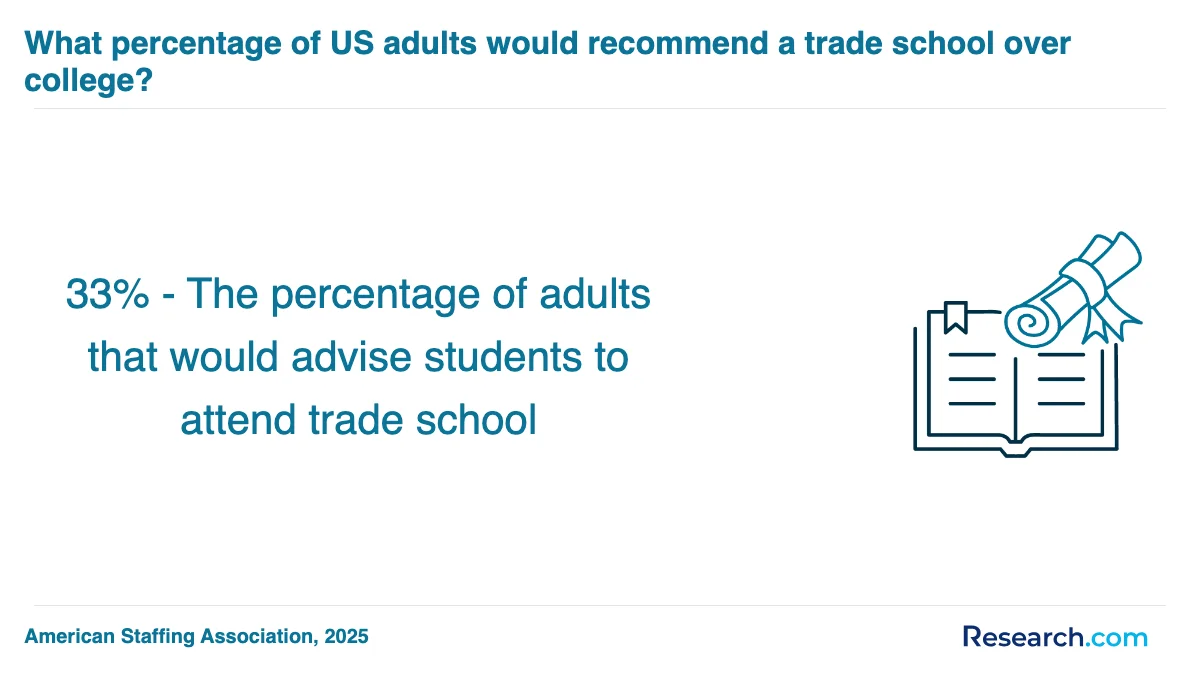
Trade school programs in Minnesota typically include courses that focus on skilled trades, technical fields, and healthcare services-offering hands-on training and industry-recognized credentials to jump-start your career. Graduates from popular institutions like Century College often highlight courses such as manufacturing technology, welding, electrical construction, carpentry, and HVAC, which mirror strong regional job demand.
Many students find value in flexible learning options combining online and in-person lab sessions, fitting education around work or family. For instance, courses at Century College include control panel assembly and boiler exam prep, perfectly aligning with Minnesota's thriving manufacturing and construction industries.
Healthcare pathways are also prominent, with programs at Minnesota West Community and Technical College offering nursing assistant training, medical coding, and human services. Graduates appreciate these programs' practical design, created in partnership with local employers to ensure real-world readiness.
Typical course features include:
- Short durations from weeks to months, enabling quick workforce entry
- Industry-specific credentials validated by employers
- Opportunities for paid, on-the-job training, boosting confidence and experience
These programs equip you with practical skills that meet Minnesota's job market needs while delivering a rewarding educational experience that many find motivating and empowering.
Trade school programs in Minnesota offer practical specializations tailored to meet both local and national industry demands. Graduates from Century College and Minnesota West Community & Technical College frequently highlight fields such as construction and skilled trades, with hands-on training in carpentry, remodeling, and project planning that prepare them for the growing job market in construction.
Manufacturing is another thriving option, where students develop skills in advanced manufacturing and industry certifications like the MSSC Certified Production Technician. Welding and fabrication programs also attract many, responding to the notable shortage of welders with coursework in structural and pipe welding, ensuring graduates are ready for roles in manufacturing and infrastructure.
Programs in electrical work, diesel technology, and HVAC cover essential technical skills, with students often sharing how they value the real-world applications from their training. Those interested in climate control can explore the top online hvac certification options available, which combine flexibility with thorough preparation. Additionally, business, healthcare, energy, and agriculture specializations reflect Minnesota's diverse economy, giving students pathways that match their career goals.
To choose the best trade school program in Minnesota, start by checking accreditation to ensure your credentials will be respected by employers. Graduates from Alexandria Technical & Community College often praise the personalized learning approach and career readiness focus, which includes strong job placement assistance. Comparing programs relevant to your career interests, such as healthcare, welding, or unique fields like sustainable agriculture, will help narrow your options. Many students find value in Minnesota State Community and Technical College due to its flexible learning options including online and hybrid courses, which accommodate busy schedules.
When evaluating trade school selection criteria Minnesota, consider reputation and student outcomes closely-high graduation rates and positive reviews can signal solid training quality. Tuition typically falls between $5,000 and $7,000 per year, so use the compare trade schools costs Minnesota approach to weigh affordability alongside program benefits. Some benefit from financial aid and scholarships, which can reduce expenses significantly.
For those interested in budget-friendly, practical choices, exploring low cost solar technician training online may be an excellent option that combines affordability with career potential.
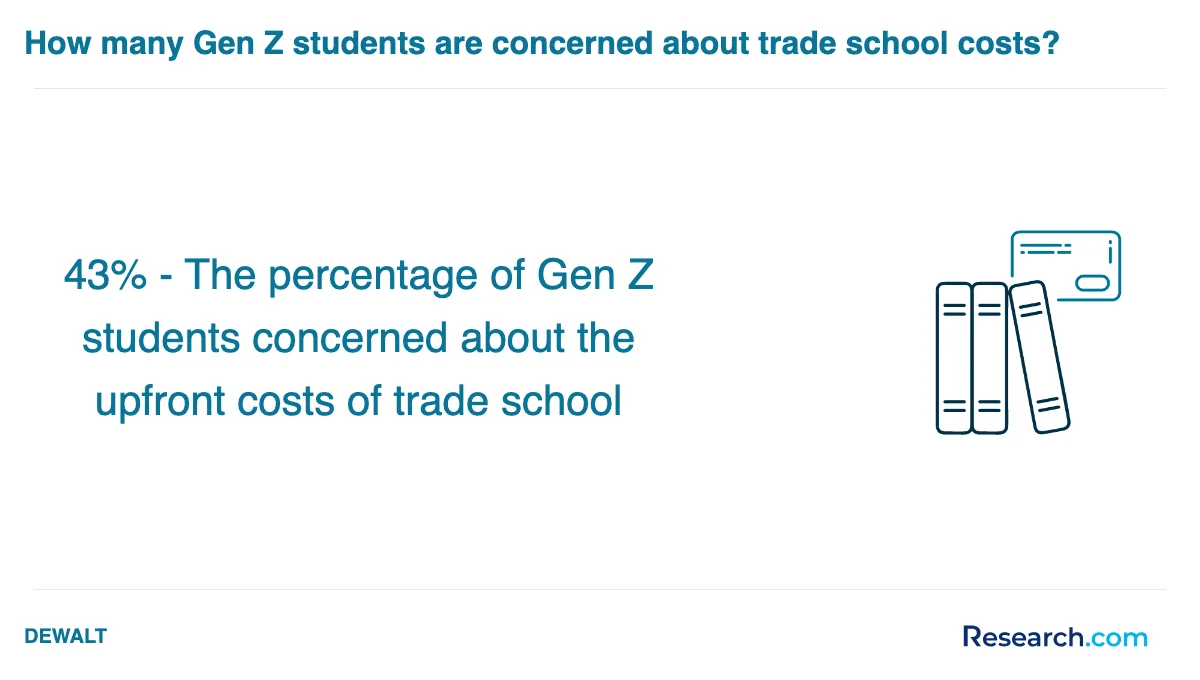
Trade school career options in Minnesota span both traditional and emerging industries, giving graduates numerous paths to success. Many students from popular Minnesota trade schools gain hands-on experience in construction, joining a growing field that adds nearly 155,000 jobs nationwide yearly. Graduates often find roles as residential or commercial construction workers and remodeling specialists, benefiting from strong local employer partnerships.
Healthcare support roles are another promising option. Graduates trained in medical or dental assisting and pharmacy technician programs report quick employment, reflecting Minnesota's expanding healthcare needs due to an aging population. Automotive and diesel technology students frequently become automotive technicians or service managers, enjoying stable careers critical to Minnesota's transportation systems.
Electricians, HVAC technicians, and plumbers also highlight high-demand skilled trades Minnesota, trained through specialized programs offering both classroom and practical experience. Business-related trade programs prepare graduates for office and customer service roles, with organizations like Goodwill-Easter Seals providing tailored job placement support. For those seeking technical HVAC certifications, exploring the most affordable online hvac training options can expand opportunities.
Trade school graduates in Minnesota benefit from a job market showing steady, encouraging growth. Supported by the state's resilient economy and a low 3.0% unemployment rate in January 2025, opportunities are abundant for skilled trades workers. Graduates from popular Minnesota trade schools often find rewarding roles in sectors like construction, HVAC, electrical work, and healthcare, where employers seek hands-on experience and technical expertise. These trends highlight strong skilled trades employment trends Minnesota, giving graduates confidence in their career paths.
Many graduates share experiences of quickly securing jobs with competitive salaries, often ranging from $49,500 to $79,800 annually, with potential to grow beyond $97,000 as they advance. Some find themselves working as wind turbine service technicians or avionics technicians, trades expanding rapidly by over 4.8% in the coming years.
For prospective students uncertain about whether to pursue a certificate or degree, understanding the job outlook for trade school graduates in Minnesota is crucial. Reflecting on personal growth stories from local programs can clarify pathways. To compare options carefully, consider reliable resources like college or trade school guidance that covers practical benefits and market demand.
Best Trade School & Training Programs - Leading Certification Courses in Minnesota for 2026
# 1 position
Dakota County Technical College - Dental Assisting/Assistant.
associateDental Assisting/Assistant at Dakota County Technical College is a hybrid program preparing students for dental patient care, radiography, and office administrative duties under dentist supervision. The curriculum covers medical record-keeping, scheduling, equipment maintenance, sterilization, chairside assisting, and supervised practice. Annual in-state tuition is $6,419. Graduates have median earnings of $45,670 one year after completion. The program is accredited by the Higher Learning Commission.
# 2 position
Dakota County Technical College - Dental Assisting/Assistant.
certificate or diplomaThe Dental Assisting/Assistant program at Dakota County Technical College is a hybrid course that prepares students to provide patient care, take dental radiographs, and assist dentists and hygienists. It includes instruction in office duties, scheduling, equipment maintenance, sterilization, and chairside assisting. The program is accredited by the Higher Learning Commission. Annual in-state tuition costs $6,419, and median earnings one year after completion are $45,670.
# 3 position
Minnesota West Community and Technical College - Dental Assisting/Assistant.
associateMinnesota West Community and Technical College offers a Dental Assisting/Assistant program with a hybrid format that includes some distance education. This program prepares students to provide patient care, take dental radiographs, assist chairside, and manage office administrative tasks under supervision. Instruction covers medical record-keeping, equipment sterilization, scheduling, and supervised practical experience. The program is accredited by the Higher Learning Commission, and annual in-state tuition is $6,484.
# 4 position
Minnesota West Community and Technical College - Dental Assisting/Assistant.
certificate or diplomaMinnesota West Community and Technical College offers a hybrid Dental Assisting/Assistant program designed to prepare students for patient care, dental radiographs, and office administrative tasks under supervision. The curriculum covers medical record-keeping, scheduling, equipment maintenance, sterilization, basic radiography, chairside assisting, and supervised practice. The program's annual in-state tuition is $6,484. It is accredited by the Higher Learning Commission.
# 5 position
Ridgewater College - Welding Technology/Welder.
associateThe Welding Technology/Welder program at Ridgewater College offers hybrid learning with some distance-education options. The curriculum covers arc welding, resistance welding, brazing, soldering, and cutting techniques, along with welding metallurgy, safety, and applicable codes. Accredited by the Higher Learning Commission, this program prepares students for skilled work in metal joining and cutting. Annual in-state tuition is $6,109, and median earnings one year after completion are $44,421.
# 6 position
Ridgewater College - Plumbing Technology/Plumber.
certificate or diplomaRidgewater College offers a Plumbing Technology/Plumber program designed to prepare students for licensed plumber roles. The curriculum covers technical skills in piping systems installation and maintenance for various applications, including steam, natural gas, and water distribution. Instruction includes blueprint reading, welding, plumbing codes, and pressure adjustment. The program's annual in-state tuition is $6,109, and it is accredited by the Higher Learning Commission.
# 7 position
Ridgewater College - Welding Technology/Welder.
certificate or diplomaRidgewater College offers a hybrid Welding Technology/Welder program focused on practical skills such as arc welding, brazing, cutting, and welding metallurgy. The program includes instruction on safety, structural design, and applicable codes. Annual in-state tuition is $6,109. Graduates have median earnings of $44,421 one year after completion. The program is accredited by the Higher Learning Commission.
# 8 position
Minnesota State Community and Technical College - Dental Assisting/Assistant.
associateThe Dental Assisting/Assistant program at Minnesota State Community and Technical College offers a hybrid format with some distance education. It prepares students for patient care, dental radiographs, office administrative functions, and chairside assisting under supervision. The curriculum includes medical record-keeping, scheduling, equipment maintenance, sterilization, and supervised practice. Annual in-state tuition is $5,900, and median earnings one year after completion reach $45,942. The program is accredited by the Higher Learning Commission.
# 9 position
Minnesota State Community and Technical College - Dental Assisting/Assistant.
certificate or diplomaMinnesota State Community and Technical College offers a Dental Assisting/Assistant program with a hybrid format, combining in-person and distance education. The program prepares students for patient care, dental radiography, office administrative tasks, and chairside assisting under professional supervision. Tuition for in-state students is $5,900 annually. Graduates have median earnings of $45,942 one year after completion. The program is accredited by the Higher Learning Commission.
# 10 position
Alexandria Technical & Community College - Computer Systems Networking and Telecommunications.
associateThe Computer Systems Networking and Telecommunications program at Alexandria Technical & Community College offers a hybrid format with some distance-education options. It trains students in designing, implementing, and managing linked computer systems, covering operating systems, networking theory, security, and troubleshooting. The program is accredited by the Higher Learning Commission. Annual in-state tuition is $6,213, and median earnings one year after completion are $49,706.
Frequently Asked Questions about trade school programs
After completing trade school in Minnesota, it is essential to develop a clear job market strategy. Start by building a strong resume that highlights your technical skills and certifications earned during your training. Minnesota's Department of Employment and Economic Development (DEED) reports that over 80% of trade school graduates find employment within six months, emphasizing the value of relevant skills in this region.
Networking plays a crucial role; consider joining local trade associations or apprenticeship programs to connect with potential employers. Additionally, visit job fairs and utilize state job boards like MinnesotaWorks.net to access industry-specific openings.
Finally, continue upgrading your skills through short courses or certifications to remain competitive in Minnesota's evolving job market.
Employers in Minnesota consistently seek trade school graduates with strong technical and practical skills tailored to specific industries. According to the Minnesota Department of Employment and Economic Development, top skills include proficiency in operating specialized machinery, electrical systems knowledge, and welding techniques. Soft skills such as problem-solving, teamwork, and effective communication are also highly valued, with nearly 70% of employers emphasizing these in hiring decisions.
Additionally, adaptability and a commitment to safety protocols are critical in trades like construction and manufacturing. Demonstrated reliability and time management often distinguish candidates in a competitive job market. These skills reflect industry demands in Minnesota's growing sectors such as healthcare technology, automotive repair, and skilled trades.
Finding internships relevant to your trade school program in Minnesota starts with utilizing the resources your school offers. Many trade schools have partnerships with local businesses and industry groups that regularly seek interns. Contact your school's career services or internship coordinator early to explore opportunities specific to your field. According to the Minnesota Department of Employment and Economic Development, sectors like manufacturing, healthcare, and construction are among the top fields offering paid internships.
Additionally, online job platforms such as MinnesotaWorks.net provide listings tailored to local internships. Networking through local trade associations and attending industry job fairs in cities like Minneapolis and St. Paul can further increase your internship prospects.
In Minnesota, earning a trade school diploma significantly enhances career mobility and advancement opportunities. According to the Minnesota Department of Employment and Economic Development, many skilled trades experience strong demand, with projected job growth of 8% or more through 2030. This demand allows diploma holders to enter the workforce quickly and access higher wages compared to peers without postsecondary credentials.
Trade diplomas provide specialized skills valued by employers, enabling graduates to move into supervisory and technical roles faster. Data from the Minnesota State Colleges and Universities system shows that graduates with trade credentials often see a 15-25% increase in earnings within five years.
Additionally, apprenticeships and certifications linked to trade programs facilitate continued career growth and specialization.
Part-time job opportunities in Minnesota that complement trade school education often align closely with the skills students are developing. For example, those in automotive programs can work as auto service assistants or parts clerks, gaining hands-on experience. Healthcare students frequently find roles as medical aides or administrative support in clinics.
Additionally, Minnesota's robust construction sector offers part-time work in general labor or apprentice roles, which are ideal for building practical skills. According to the Minnesota Department of Employment and Economic Development, trade-related part-time jobs have grown by approximately 5% over the past three years, reflecting increased demand.
Retail positions in hardware or electrical stores can also provide valuable product knowledge for trade students. These roles help balance work and study schedules while enhancing industry-specific competencies.
To find the best degree program near me in Minnesota, you can start by researching universities and colleges based on their program offerings, location, and faculty expertise. Explore local forums, community resources, and platforms like Research.com which often offer rankings and insights into top educational institutions. Additionally, visiting campuses near Minnesota and speaking with current students and faculty can provide valuable firsthand information to help make your decision.
- Best Trade School & Training Programs - Leading Certification Courses in Illinois for 2026
- Best Trade School & Training Programs - Leading Certification Courses in Missouri for 2026
- Best Trade School & Training Programs - Leading Certification Courses in Indiana for 2026
- Best Trade School & Training Programs - Leading Certification Courses in Colorado for 2026
- Best Trade School & Training Programs - Leading Certification Courses in Kentucky for 2026
- Best Trade School & Training Programs - Leading Certification Courses in Oklahoma for 2026
- Best Trade School & Training Programs - Leading Certification Courses in Arkansas for 2026
- Best Trade School & Training Programs - Leading Certification Courses in West Virginia for 2026
- Best Trade School & Training Programs - Leading Certification Courses in Louisiana for 2026
- Best Trade School & Training Programs - Leading Certification Courses in Mississippi for 2026
- Avivo Institute of Career & Technical Education - Free Career Training https://avivomn.org/avivo-institute-of-career-technical-education/
- Find The Best Trade Schools In Minnesota https://www.accreditedschoolsonline.org/vocational-trade-school/minnesota/
- Career Paths | Northwest Technical College https://www.ntcmn.edu/career-paths/
- Career Training & Education :: Goodwill Easter Seals https://www.goodwilleasterseals.org/services/Career-Training-Support
- Explore Trade and Vocational Programs https://www.mncacounseling.com/explore-trade-and-vocational-programs.html
- Hennepin Technical College https://hennepintech.edu/
- Minnesota State - Test-Drive a Career With Work-Based Learning https://www.minnstate.edu/employersolutions/partnerships/wbl/testdrivecareer.html
- What Is a Trade School? Benefits of Career-Focused Training https://intercoast.edu/articles/what-is-a-trade-school/
- Work-Based Learning - Minnesota State Transportation Center of Excellence https://www.minntran.org/work-based-learning/
- One Big Idea: Bring Skilled Trades to Students https://www.rmcep.com/news-and-resources/p/item/38156/one-big-idea-bring-skilled-trades-to-students


