Best Certificate Programs - Leading Certification Courses in Missouri for 2026

Co-Founder and Chief Data Scientist
Choosing the right trade school certificate program in Missouri can shape your future career and open doors to new opportunities. This article introduces the best certificate programs in Missouri for 2026, designed to guide you toward rewarding paths.
The ranking featured here was developed by the Research.com team of data scientists, providing reliable insights to help you make an informed decision based on clear data.
By exploring these programs, you’ll discover valuable options that can lead to meaningful work, skill development, and personal growth. Taking this step empowers you to build a strong foundation for success.
Key benefits of getting trade school certificate in Missouri
- Trade school graduates in Missouri can earn strong salaries, with averages around $62,986 per year and hourly rates near $30.28, while top professionals make up to $93,800 annually, offering clear financial advantages.
- Popular career paths include HVAC, plumbing, and electrical work, with graduates from schools like Ranken Technical College often reporting mid-career salaries over $64,000, showing promising growth and stability in these fields.
- Online trade school certification offers flexibility and convenience, allowing students to learn at their own pace while balancing life commitments, which many find supportive for successful career jumps without the need for on-campus attendance.
- Best Certificate Programs - Leading Certification Courses in Missouri for 2026
- What can I expect from trade school certification programs in Missouri?
- Where can I work with trade school certification in Missouri?
What can I expect from trade school certification programs in Missouri?
Trade school certification programs in Missouri typically cost between $3,000 and $15,000, depending on the field of study and program length. For instance, graduates of plumbing or machining programs at Ranken Technical College often note that while tuition covers extensive shop hours and hands-on training, financial aid such as WIOA grants, scholarships, and veterans benefits substantially lightens the financial burden.
Students in technology-oriented certificate courses, which might include small live online classes, find the cost reasonable considering the personalized mentorship and project-based learning offered. Evening classes requiring about 448 clock hours can represent a manageable investment both in time and money, especially as many programs prepare students for industry-recognized certifications like the EPA Refrigerant Recovery Certification.
Graduates frequently emphasize the value of combining classroom learning with real-world applications, such as apprenticeships or lab work, which help accelerate their entry into well-paying jobs. The supportive environment of Missouri's 57 area career centers ensures that students feel equipped and confident throughout their studies, making the overall cost a worthwhile investment in their careers.
Where can I work with trade school certification in Missouri?
After finishing a trade school certification program in Missouri, graduates find rewarding career paths in several high-demand sectors. Many step directly into construction roles such as electricians, plumbers, or carpenters, often through apprenticeship programs recognized by the US Department of Labor. These apprenticeships not only provide hands-on experience but also lead to journeyman status with competitive pay, sometimes surpassing $62,000 annually for electricians.
Graduates certified in HVAC frequently join service companies or manage maintenance in large facilities like hotels and hospitals. These positions value formal certification from Missouri trade schools, giving graduates a distinct advantage. Manufacturing and industrial trades also welcome certified machinists, welders, and assembly technicians, especially in regional fabrication shops and larger factories supported by technical colleges across the state.
Trade school alumni share how certification opened doors to stable healthcare roles such as medical assistants or certified nursing assistants in clinics and long-term care facilities. With Missouri ranking nationally for apprenticeship participation, graduates confidently enter a bustling job market equipped with relevant skills and employers eager to hire.
After completing a trade school certification program in Missouri, graduates can expect competitive earnings that often surpass entry-level jobs requiring traditional college degrees. On average, trade school graduates in Missouri earn about $62,986 annually, or $30.28 per hour, with variations depending on the chosen trade and experience level. For example, those certified in Automotive Maintenance Technology typically start around $31,000 per year, while graduates from Precision Machining Technology programs may begin closer to $40,000.
Students from popular Missouri technical schools report strong starting salaries, with fields like Electrical Automation Technology and Control Systems Technology offering starting pay between $49,000 and $60,000. As graduates gain three to four years of experience, many see their salaries rise to between $45,000 and $60,000 annually. Specialized areas such as Electrical Systems Design Technology can command $55,000 to $80,000 with experience, showing the clear financial benefits of advancing skills.
Top performers in Missouri's trade schools often earn upwards of $93,800 annually, illustrating the high earning potential for committed graduates. These success stories reflect the real opportunities awaiting those who choose hands-on certification programs within the state's well-regarded trade schools.
- Jasmine: Completing the HVAC certification at Missouri Technical Institute was a game-changer. The hands-on learning gave me real confidence, and now I have a stable job ensuring homes stay comfortable. The supportive instructors made every challenge manageable-I felt truly prepared for the workforce.
- Liam: Getting my Welding certification through St. Louis Career Center opened doors I never expected. The state-of-the-art equipment and real-world projects made studying exciting. Today, I work with a top construction firm in Kansas City, and it feels amazing to build a career with skills I mastered in school.
- Olivia: As someone new to trades, the Electrical Technician program at Springfield Vocational School was a lifeline. The small classes and practical training helped me overcome doubts. Now employed at a reputable company in Missouri, I'm proud to do meaningful work and contribute to my community's safety.
- Most trade school certification programs in Missouri require a high school diploma or equivalent, with some requiring industry experience or postsecondary coursework.
- Certification for teaching career and technical education can be earned with a bachelor's degree plus 4,000 hours of related work, an associate's degree and 5,000 hours, or 6,000 hours of approved work experience without a degree.
- Many certificate programs can be completed in less than a year, often combining classroom learning with hands-on training and including up to 63 credit hours for associate degrees.
- Tuition costs range from about $3,000 to $12,000 depending on the program and school, with financial aid and scholarships available for eligible students.
- Entry-level salaries for skilled trades typically range from $35,000 to $50,000 annually, with experienced workers earning $60,000 or more, especially with additional certifications or supervisory roles.
Most trade school certification programs in Missouri can be completed in less than a year, offering a swift and rewarding path into the workforce. For instance, graduates from State Fair Community College often finish skills certificates within a few months, experiencing the satisfaction of quickly gaining practical expertise.
Some accelerated programs, like those at Missouri Technology Trade School, take as little as 4 to 6 months. These programs are ideal for motivated students eager to stack hands-on workshops into a marketable certification fast, making the journey feel attainable and focused.
More comprehensive certificates, such as those offered by Ranken Technical College, may require up to two years, with four semesters of immersive training. Graduates from these longer programs express pride in mastering advanced technical skills that open doors to specialized career opportunities.
Other pathways, like the University of Central Missouri's Career and Technology Education certificate, can be completed in two semesters, serving those transitioning swiftly from industry jobs to teaching roles. Flexibility in start times across Missouri trade schools allows students to fit education smoothly into busy lives.
The key difference between online and on-campus trade school certification programs in Missouri lies in how courses are delivered and experienced. Online programs, such as those at Ozarks Technical Community College (OTC), offer maximum flexibility, allowing students to juggle work or family commitments by completing coursework asynchronously. Graduates appreciate being able to start 8-, 14-, or 16-week courses throughout the semester without the stress of commuting.
Conversely, on-campus programs require attending classes in person, providing vital hands-on training in labs and workshops. This is especially beneficial for fields needing physical skills, where immediate feedback from instructors enhances learning. At St. Charles Community College, on-campus students enjoy direct interaction with faculty and peers, fostering a strong community atmosphere.
Both formats maintain rigorous academic standards, with Missouri S&T confirming that online and in-person courses share identical curricula. However, online learners must be self-disciplined and manage their own pacing. Each option grants access to resources-digital for online students and in-person for traditional learners-catering to diverse preferences and lifestyles.
The average trade school cost in Missouri for certification programs usually spans from $14,000 to $20,000 for the full duration. This reflects a broad array of fields ranging from skilled trades like welding and HVAC to healthcare and IT. Missouri trade school tuition and fees play a significant role in this cost. Tuition alone can range from $8,000 up to $25,000, depending on the program and institution. For instance, graduates from Ranken Technical College recall paying around $8,640 per semester for full-time day programs, excluding essential books, testing fees, and tools.
Many students attending State Technical College of Missouri experience tuition charges of approximately $225 per credit hour, with specialized programs like Heavy Equipment Operations reaching $580 per credit hour. In addition to tuition, students need to budget extra for mandatory fees and materials. Common expenses include student fees ranging from $500 to $1,000, program-specific equipment and tools costing between $500 and $5,000, and books and materials adding another $500 to $1,000. Testing fees for industry certifications can create another financial consideration.
Graduates often emphasize how these costs translate into valuable hands-on skills and employment opportunities right after certification. Many find support through financial aid like the Missouri A+ Scholarship, though this may not cover all expenses such as equipment or books. For those exploring affordable options across various fields, there are resources highlighting the cheapest baking and pastry arts trade school online programs suitable for careful budget planning.
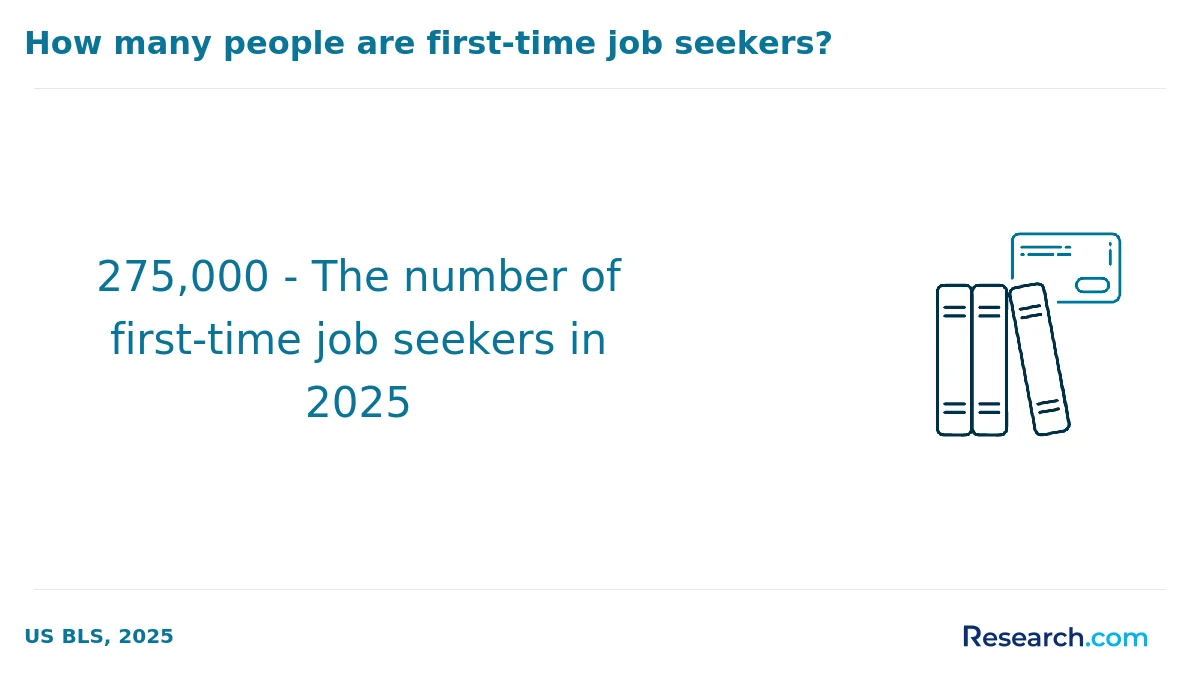
Students enrolled in trade school certification programs in Missouri benefit from a range of financial aid options designed to make career-focused education more accessible. Many rely on the Federal Pell Grant, which does not require repayment and provides essential support based on financial need determined through the FAFSA.
Beyond federal aid, Missouri's own Access Missouri Grant Program offers significant help to full-time residents with qualifying GPAs and financial profiles, easing the tuition burden at schools like State Technical College of Missouri and Ranken Technical College.
Graduates often speak highly of the Fast Track Workforce Incentive Grant, especially adults returning to school after some time away. This grant covers remaining tuition after other aid and even helps with expenses like books or transportation, ensuring students can focus on completing their training without overwhelming financial stress.
Additionally, scholarships, tuition waivers, and student employment programs create multiple pathways for students to fund their certificates, reflecting the strong support system embedded within Missouri's trade education landscape.
Enrolling in a trade school certification program in Missouri typically requires a high school diploma or GED, which serves as the baseline for most entry-level certificates. Graduates from popular Missouri trade schools often cite this initial step as a straightforward gateway to advancing their technical skills. Many students recall starting programs in fields like welding technology or medical assisting, where meeting basic educational credentials unlocked access to hands-on training and rewarding career paths.
Additional prerequisites may include:
- Being at least 17 or 18 years old, complying with Missouri's labor laws for technical trades.
- Course-specific requirements such as prior coursework in math or science for programs like welding, or background checks and immunization proof for healthcare certifications.
For those pursuing career and technical education teacher certification in Missouri, the standards are higher: applicants need either a bachelor's degree with 4,000 hours of relevant work experience, an associate degree with 5,000 hours, or no degree but 6,000 hours of occupational experience within the last decade, reflecting rigorous preparation aligned with DESE mandates.
Graduate-level certificate applicants must hold a bachelor's degree and may face additional GPA or supplemental application requirements, ensuring readiness for advanced academic challenges.
Trade school graduates often express confidence and enthusiasm about meeting these prerequisites, emphasizing how they provided a clear, practical path toward enhanced job opportunities in Missouri's thriving technical industries.

Trade school certificate courses in Missouri are designed to equip students with hands-on skills and industry-relevant knowledge, preparing them for immediate employment. Graduates from popular Missouri trade schools often highlight how their training in automotive technology included practical experience with engine performance and electrical diagnostics, making them confident mechanics. Similarly, welding technology courses combine theory and extensive practice in techniques such as GMAW and SMAW, which students have found crucial for securing jobs in manufacturing sectors.
Healthcare certification programs attract many due to their comprehensive curriculum covering practical nursing, CNA, and phlebotomy, which prepares students to directly support patient care in hospitals and clinics.
Missouri technical college program curriculum also emphasizes skilled trades like carpentry, electrical wiring, and HVAC systems, with real-life applications such as building code adherence and system troubleshooting. These programs help students master skills that industry employers highly value.most affordable online freight broker trade school programs often complement these certifications, broadening career pathways in logistics and supply chain fields.
When deciding on the best trade school programs in Missouri, accreditation is paramount. Graduates from well-known institutions often share how accredited certifications opened doors to stable jobs across the state. Look for programs that offer practical training alongside classroom instruction, especially in fields like health sciences or skilled trades, where hands-on experience builds confidence. Missouri schools frequently offer hybrid course formats, which allow balancing work and study, a feature many past students have valued for flexibility.
Understanding how to choose a trade school in Missouri also means examining faculty expertise and support services. Alumni frequently highlight instructors with real-world experience who provide valuable mentorship. Additionally, programs connected with local employers typically show strong job placement rates, giving students a smoother path to relevant careers. Missouri's technical colleges often facilitate these industry ties, which have helped grads secure paid apprenticeships promptly.
Financial aid also plays a critical role. Many students appreciate Missouri's A+ Scholarship and other options that ease cost concerns. Exploring these details ensures you'll make an informed choice about your education and investment. For insights on overall benefits, consider reviewing the benefits of trade school vs college.
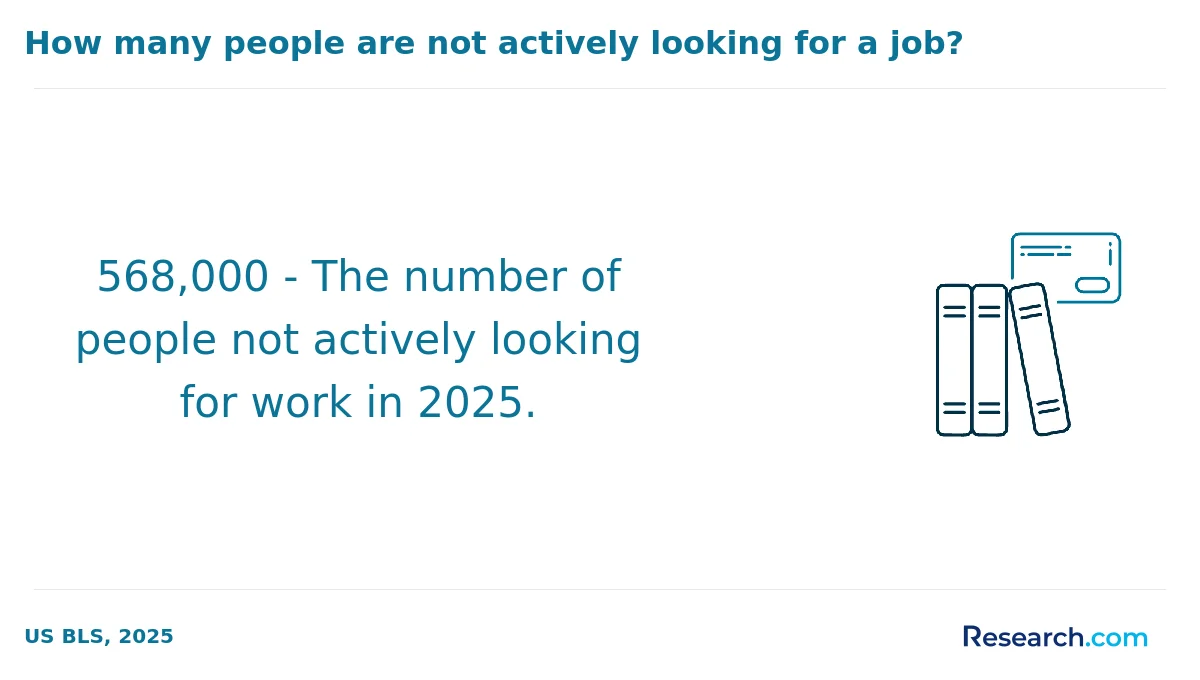
Trade school certification program graduates in Missouri find diverse career opportunities for trade school graduates in Missouri across in-demand sectors. Healthcare careers, such as medical assistants, licensed practical nurses, and phlebotomy technicians, provide strong earning potential and job stability, as graduates quickly fill vital roles in hospitals and clinics statewide. Skilled trades graduates enter thriving industries like welding, HVAC, automotive technology, and building services, connecting directly with Missouri's robust manufacturing and construction markets. Many graduates describe securing jobs shortly after completing apprenticeships through community trade schools known for their employer partnerships.
Business and technology certificate holders leverage Missouri's expanding logistics and IT sectors in roles like network technology support and digital marketing. Agriculture and energy certificates offer pathways into agribusiness management and renewable energy, reflecting the state's economic blend. Additionally, some graduates pursue teaching career and technical education, helping prepare future skilled workers. For those exploring what is trade work and related career paths, Missouri offers encouraging options backed by practical training and strong earning outlooks. Missouri trade school jobs and earning potential make these programs a practical choice for students focused on career advancement.
For more details on careers, consider visiting what is trade work.
The job market for trade school certification program graduates in Missouri is strong and promising, fueled by the state's diverse economy and active employer partnerships. Graduates from popular Missouri trade schools often share positive experiences about seamless transitions into roles in healthcare, manufacturing, and transportation, supported by career services and local employment networks. For example, many automotive and technical graduates benefit from high job placement rates due to the state's apprenticeship focus.
Key factors driving this favorable market include:
- Missouri's ranking as third nationally in registered apprenticeship programs, ensuring high-quality, paid training with guaranteed job placement for many participants
- Strong industry connections in metropolitan areas such as St. Louis and Kansas City, facilitating access to career opportunities
- Growth in technical fields like medical sonography and dental hygiene, with salaries exceeding $81,000 annually
Students exploring fields like automotive mechanic training appreciate the balance of affordable education and direct hiring pipelines. The Missouri trade school certification employment rates reflect these advantages, making it an excellent choice for those seeking fast workforce entry and stable careers.
Best Certificate Programs - Leading Certification Courses in Missouri for 2026
# 1 position
Saint Louis Community College - Dental Assisting/Assistant.
certificate or diplomaSaint Louis Community College offers a Dental Assisting/Assistant program with a hybrid format that includes some distance education. The program prepares students to provide patient care, take dental radiographs, assist chairside, and handle office administrative tasks under supervision. Instruction covers medical record-keeping, equipment maintenance, sterilization, and supervised practice. Annual in-state tuition is $3,660. The program is accredited by the Higher Learning Commission.
# 2 position
State Technical College of Missouri - Dental Assisting/Assistant.
certificate or diplomaThe Dental Assisting/Assistant program at State Technical College of Missouri offers a hybrid format with some distance education options. It prepares students to provide patient care, take dental radiographs, assist chairside, and handle office administrative duties under supervision. The curriculum includes medical record-keeping, scheduling, equipment maintenance, and supervised practice. Annual in-state tuition is $7,830, and median earnings one year after completion are $32,797. The program is accredited by the Higher Learning Commission.
# 3 position
Saint Louis Community College - Diagnostic Medical Sonography/Sonographer and Ultrasound Technician.
certificate or diplomaSaint Louis Community College offers a Diagnostic Medical Sonography/Sonographer and Ultrasound Technician program in a hybrid format, combining in-person and distance education. The program trains students to use medical ultrasound technology to collect sonographic data for diagnosing conditions. It covers patient care, data processing, equipment operation, and professional ethics. Annual in-state tuition is $3,660. Graduates have median earnings of $51,903 one year after completion. The program is accredited by the Higher Learning Commission.
# 4 position
Ozarks Technical Community College - Dental Assisting/Assistant.
certificate or diplomaOzarks Technical Community College offers a hybrid Dental Assisting/Assistant program preparing students for patient care, dental radiographs, and administrative duties under dentist supervision. The curriculum includes medical record-keeping, office tasks, scheduling, equipment maintenance, sterilization, and chairside assisting. The program’s annual in-state tuition is $4,184. Graduates earn a median of $36,855 one year after completion. The program is accredited by the Higher Learning Commission.
# 5 position
State Technical College of Missouri - Automobile/Automotive Mechanics Technology/Technician.
certificate or diplomaThe Automobile/Automotive Mechanics Technology/Technician program at State Technical College of Missouri offers a hybrid format with some distance education. It prepares students to repair and maintain various automobile systems, including brakes, electrical, engines, transmissions, and HVAC. The annual in-state tuition is $7,830. Graduates earn a median salary of $42,544 one year after completion. The program is accredited by the Higher Learning Commission.
# 6 position
Metropolitan Community College-Kansas City - Dental Assisting/Assistant.
certificate or diplomaThe Dental Assisting/Assistant program at Metropolitan Community College-Kansas City offers a hybrid format with some distance education options. It prepares students to provide patient care, radiography, and office administrative support under dental professionals' supervision. The curriculum includes medical record-keeping, equipment maintenance, sterilization, chairside assisting, and supervised practice. The program is accredited by the Higher Learning Commission, with an annual in-state tuition of $3,630.
# 7 position
Saint Louis Community College - Automobile/Automotive Mechanics Technology/Technician.
certificate or diplomaSaint Louis Community College offers a hybrid program in Automobile/Automotive Mechanics Technology/Technician that prepares students to repair, service, and maintain various automobile systems. The curriculum covers brake, electrical, engine, suspension, transmission, and heating and air conditioning systems. Annual in-state tuition is $3,660. The program is accredited by the Higher Learning Commission and includes some distance-education options for flexible learning.
# 8 position
State Technical College of Missouri - Electrician.
certificate or diplomaThe Electrician program at State Technical College of Missouri offers a hybrid format with some distance-education options. It prepares students to install, operate, maintain, and repair electric systems in residential, commercial, and industrial settings. The curriculum covers electronics principles, wiring, power transmission, safety, and electrical codes. Annual in-state tuition is $7,830. Median earnings one year after completion reach $54,080. The program is accredited by the Higher Learning Commission.
# 9 position
Ranken Technical College - Industrial Mechanics and Maintenance Technology/Technician.
certificate or diplomaRanken Technical College offers a hybrid program in Industrial Mechanics and Maintenance Technology/Technician, preparing students to repair and maintain industrial machinery including cranes, engines, conveyor systems, and refinery equipment. The program is accredited by the Higher Learning Commission. Annual in-state tuition is $17,490. Graduates report median earnings of $70,010 one year after completion, reflecting strong job prospects in this technical field.
# 10 position
Ozarks Technical Community College - Heating, Air Conditioning, Ventilation and Refrigeration Maintenance Technology/Technician.
certificate or diplomaOzarks Technical Community College offers a hybrid Heating, Air Conditioning, Ventilation and Refrigeration Maintenance Technology/Technician program. It prepares students with technical skills to repair, install, service, and maintain HVAC and refrigeration systems. Instruction covers diagnostic techniques, testing equipment, and the mechanics, electricity, and electronics relevant to the trade. The program’s annual in-state tuition is $4,184, and median earnings one year after completion are $38,862. It is accredited by the Higher Learning Commission.
Frequently Asked Questions about trade school certificates
After completing a trade school certification program in Missouri, preparing for the job market requires focused steps to maximize employment opportunities. Start by updating your resume to highlight practical skills gained during your training. Missouri's job market for certified trades, such as welding, HVAC, and electrical work, is strong, with recent Labor Market Information reporting a 5% growth in skilled trades jobs by 2026. Networking is essential-engage with local industry groups and attend job fairs sponsored by institutions like the Missouri Department of Economic Development. Additionally, obtaining relevant licenses or additional certifications can boost your employability in specialized fields. Finally, consider apprenticeship programs to gain hands-on experience and increase your chances of securing a stable position. The U.S. Bureau of Labor Statistics notes that hands-on experience significantly improves job retention for trade school graduates nationwide.
Employers in Missouri highly value both technical and soft skills in graduates of trade school certification programs. According to a 2023 report by the Missouri Department of Economic Development, key technical skills include proficiency with industry-standard tools, machinery operation, and safety compliance. For example, welders must demonstrate mastery of welding techniques and safety protocols.
Soft skills such as problem-solving, communication, and teamwork are also critical. The National Association of Manufacturers notes that 69% of Missouri manufacturers seek employees who can collaborate effectively and adapt to changing conditions.
Time management and reliability rank among the top traits employers expect from certified trade professionals. The Missouri Job Center highlights that these skills improve workplace productivity and reduce on-the-job errors, supporting long-term career growth within the state's expanding skilled trades economy.
To find internships in Missouri related to your trade school certification program, start by contacting your school's career services office. Many trade schools have established relationships with local employers and can provide internship opportunities tailored to your field.
Additionally, websites such as Missouri Work Assistance and the Department of Higher Education & Workforce Development list available internships by industry. The Missouri Internship Program offers funding incentives to employers, increasing the number of paid internships statewide each year.
Networking through local trade associations and attending job fairs can also connect you with potential internship positions. According to the Missouri Economic Research and Information Center, industries like manufacturing and healthcare offer the most internship opportunities in the state.
Trade school certification programs in Missouri significantly enhance career mobility by equipping students with practical, job-ready skills in fields like healthcare, construction, and advanced manufacturing. According to the Missouri Department of Higher Education & Workforce Development, certification holders often experience faster hiring processes and higher starting wages compared to those without credentials.
Certification programs can also accelerate career advancement by providing recognized qualifications that employers trust. Many Missouri employers prefer certified professionals for promotions and specialized roles, increasing upward mobility. The U.S. Bureau of Labor Statistics reports that certified workers in trades earn, on average, 10-15% more than non-certified peers.
Furthermore, these programs are shorter and more affordable than traditional degrees, making them accessible routes to improved economic status in Missouri's competitive job market.
Part-time job opportunities in Missouri can effectively complement trade school certification programs by providing practical experience alongside academic learning. Roles such as automotive service technician aides, construction helpers, and healthcare assistants often align well with popular trade programs. According to the Missouri Economic Research and Information Center (MERIC), these sectors are projected to grow by 5-7% through 2028, increasing demand for skilled workers.
Many students find part-time positions in hospitality and manufacturing that enhance skills like customer service and machine operation. These roles typically offer flexible hours, fitting the schedules of trade students. Additionally, internships or apprenticeships registered with the Missouri Department of Labor provide structured learning and income while advancing certifications.
Yes, there are reputable degree programs available near Missouri offering diverse fields of study. Many universities near me in Missouri provide strong academic programs in areas such as business, engineering, health sciences, and more. Research.com is a helpful resource for exploring specific universidad options and identifying the best degree programs near your location.
- Best Certificate Programs - Leading Certification Courses in Kansas for 2026
- Best Certificate Programs - Leading Certification Courses in Arkansas for 2026
- Best Certificate Programs - Leading Certification Courses in Oklahoma for 2026
- Best Certificate Programs - Leading Certification Courses in Illinois for 2026
- Best Certificate Programs - Leading Certification Courses in Kentucky for 2026
- Best Certificate Programs - Leading Certification Courses in Tennessee for 2026
- Best Certificate Programs - Leading Certification Courses in Indiana for 2026
- Best Certificate Programs - Leading Certification Courses in Minnesota for 2026
- Best Certificate Programs - Leading Certification Courses in Wisconsin for 2026
- Best Certificate Programs - Leading Certification Courses in Colorado for 2026
- 1/30/25 - Hands-On Learning vs. Traditional Education: Why the Trades Offer the Best of Both Worlds - Gould Construction Institute https://www.gwgci.org/hands-on-learning-vs-traditional-education-trades/
- Trade Schools & Certification Programs - ccmrwithmsthrash https://ccmrwithmsthrash.com/trade-schools-certifications/
- Research - Best Automotive Mechanic Trade School Programs https://research.com/degrees/best-automotive-mechanic-trade-school-programs
- Technical Career Salaries - Ranken Technical College https://ranken.edu/why-choose-technical-education-2/technical-career-salaries/
- What Employers Want From Trade School Graduates Today | UTI https://www.uti.edu/blog/education/employers-trade-school-graduates
- Tuition & Fees - https://statetechmo.edu/tuition-fees/
- 37 Careers You Can Pursue Via Trade Schools https://www.best-trade-schools.net/careers/
- Missouri Community College - Ozarks Technical Community College https://www.otc.edu/
- Client Challenge https://reese.warrensburgr6.org/o/rec/article/1072020
- Trade School Career Training Programs in St. Louis, MO https://www.midwestinstitute.edu/programs/