Best Trade School & Training Programs - Leading Certification Courses in Iowa for 2026

Co-Founder and Chief Data Scientist
Choosing the right trade school in Iowa can be a game-changer for your future career. This article will guide you through the best trade schools in Iowa for 2026, featuring a ranking created by the Research.com team of data scientists. Their work helps you see which trade school programs truly stand out.
Reading this article will give you clear insights to make an informed decision about your education. A trade school diploma or certification opens doors to rewarding jobs and personal growth. Discover your path with confidence and excitement for what’s ahead.
Key benefits of finishing trade school programs trade school in Iowa
- Expected Salary: Trade school graduates in Iowa can earn solid incomes, such as welders making around $48,940, electricians earning about $61,590, and radiologic technicians starting near $51,750 annually, offering strong financial stability.
- Popular Career Paths: Many choose fields like welding, electrical work, or healthcare trades, which are in demand statewide and provide clear opportunities for growth and rewarding careers.
- Online Education Benefits: Getting a trade diploma or certification online offers flexibility to balance work and study, making it easier to gain skills quickly without commuting, just like successful online graduates from Iowa's well-regarded programs.
- Best Trade School & Training Programs - Leading Certification Courses in Iowa for 2026
- What can I expect from trade school programs trade schools in Iowa?
- Where can I work after finishing trade school programs trade schools in Iowa?
What can I expect from trade school programs trade schools in Iowa?
Many students who attend trade schools in Iowa find the average cost to be notably more affordable than pursuing a four-year college degree. Graduates often share that programs typically range from roughly $5,000 to $15,000, depending on the length and specialization. For instance, someone studying welding or automotive technology at well-regarded community trade schools in Iowa recalls balancing tuition payments with part-time jobs, appreciating how manageable the investment was compared to traditional universities.
Iowa's trade schools often emphasize hands-on learning in environments equipped with cutting-edge tools, from virtual reality welding stations to advanced automotive repair bays, which adds clear value to the tuition. Students frequently discuss the relief and pride of entering apprenticeships that pay while they learn, significantly easing financial strain.
Beyond costs, Iowa trade schools ensure that students gain job-ready skills quickly. Graduates describe the real-world focus as empowering, preparing them to step directly into careers without the burden of excessive student debt-a reality that resonates deeply with many seeking financial stability without compromising education quality.
Where can I work after finishing trade school programs trade schools in Iowa?
After finishing a trade school program in Iowa, many graduates find themselves stepping confidently into hands-on roles within thriving industries. For example, those trained in construction often secure jobs building homes and commercial spaces, feeling proud to contribute directly to their communities. Graduates from welding programs typically join manufacturing plants or infrastructure projects, addressing a strong statewide demand that makes their skills invaluable.
Healthcare-related programs open doors to hospitals and clinics, where graduates support vital patient care as nursing assistants or medical technicians. Others trained in electrical, HVAC, or automotive fields frequently work for local businesses or contractors, building a reliable career through steady work and skill mastery.
Commercial truck driving and logistics also attract many graduates, allowing them to enjoy independence on the road with rewarding pay. These stories echo across popular Iowa trade schools, where students consistently express satisfaction in quickly moving from classroom learning to meaningful employment in sectors growing rapidly across the state.
After finishing a trade school program in Iowa, graduates typically see annual earnings around $63,071, which breaks down to roughly $30.32 per hour. Many students from popular trade schools in the state share how this steady income has allowed them to build financial independence sooner than traditional college paths. For instance, a welding graduate often finds work paying between $47,400 and $76,600, with top earners reaching nearly $94,000.
Some standout careers, like those of Mobile HVAC Building Engineers, boast even higher pay at about $120,701 yearly, showing that skilled trades can be quite lucrative for those pursuing certification in Iowa. Even entry-level roles within electrical work or construction can start at around $12.61 per hour, progressing rapidly as experience grows.
Graduates speak to the relief of avoiding heavy student debt and appreciating a consistent paycheck. While Iowa ranks at the lower end nationally for trade salaries, the balance between earnings and cost of living can make trade programs a smart, practical choice for many hopeful students here.
- Admission usually requires a high school diploma or GED, with many Iowa schools allowing online applications and accepting transfer credits.
- Some programs may require placement test scores like the ACT or Accuplacer, but this is not always mandatory.
- Annual tuition at Iowa community colleges averages around $5,500, with total program costs ranging from $7,000 to $16,000 before financial aid.
- Iowa offers a Vocational-Technical Tuition Grant that can provide up to $1,000 per year for two years to eligible students.
- Starting salaries for graduates in fields like welding, nursing, and HVAC typically range from $38,000 to $48,000 annually.
- With experience, salaries in these fields can increase to between $55,000 and $70,000 or more depending on the area.
Completing a trade school program in Iowa can be surprisingly swift, offering a path to employment that many graduates find both practical and rewarding. For many students, certificate programs lasting from just a few months up to one year provide a fast track into fields like welding or medical assisting. Graduates often share how these short, focused programs allowed them to quickly gain the skills needed and start working without the years-long wait of traditional degrees.
Others choose associate degrees, which generally take about two years at Iowa's trade schools. Graduates from these programs often reflect on the deeper technical knowledge they gained, balancing hands-on training with general education tailored to their trade. Programs in HVAC or aviation maintenance, for example, can demand this level of commitment, but many find the thorough preparation essential for long-term career success.
Some students begin with brief pre-apprenticeship courses, such as five-week readiness classes, which open doors to multi-year apprenticeships, especially in trades like electrical work. The flexible lengths accommodate a wide range of ambitions, from quick entry to mastery, making Iowa's trade schools an adaptable choice for anyone eager to move forward confidently in their chosen field.
The difference between online and on-campus trade school programs in Iowa mainly rests in how students experience their education. Online programs, like those offered by Iowa Central Community College, allow graduates to study entirely remotely, often at their own pace. Many find this flexibility crucial-imagine balancing work, family, and coursework without the stress of commuting or fixed class times. These students frequently describe a sense of empowerment from managing their own schedules while staying connected through video calls and forums.
On the other hand, on-campus programs ask students to attend classes at set times, creating a lively environment full of real-time interaction and hands-on learning. Graduates who chose this path often recall the energizing atmosphere of immediate feedback and camaraderie with peers, which helped them stay engaged and motivated. This setting suits those who thrive with personal interaction and direct support from instructors.
Both routes provide access to vital academic resources, but online students especially appreciate the strong self-discipline required to succeed. About half of University of Iowa trade students opt for online programs, highlighting how flexible formats increasingly align with modern lives.
The average trade school tuition in Iowa typically sits around $16,336 for the largest vocational programs, reflecting a middle ground between public and private institutions. Graduates often recall starting their journeys at community colleges like Des Moines Area Community College (DMACC), where the 2025-2026 rate is about $201 per credit hour. For a typical full-time load of 30 credits, tuition alone sums to roughly $6,030 annually, making this an accessible option for many.
However, the Iowa trade school cost breakdown varies considerably depending on the nature of the school. Public trade schools usually charge between $6,000 and $10,000 annually for tuition, with total costs around $8,000 to $12,000 when factoring in fees. Private schools, on the other hand, can be a more significant investment, with tuition ranging from $15,000 to $30,000 per year and total expenses potentially reaching $35,000. Many students budgeting for these programs also plan for books, materials, and equipment, which can add between $1,000 and $6,000 to the yearly cost.
Several graduates emphasize how financial aid, like the Kibbie Grant, has been a game-changer, sometimes covering up to half of tuition costs, making the dream of skilled trades more attainable. For those drawn to specialized paths such as auto mechanics, exploring options like auto mechanic certification online can be a flexible way to supplement hands-on learning without significantly increasing expenses.
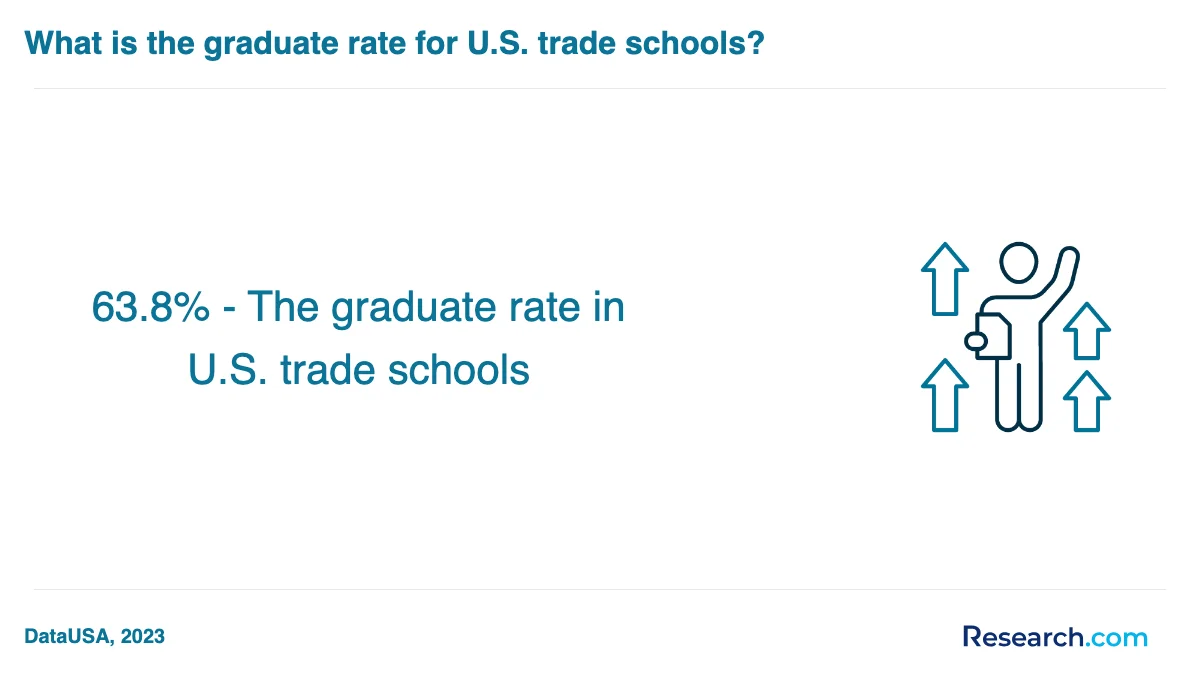
Trade school students in Iowa often find financial aid a vital support on their journey. Graduates from popular programs at Iowa Central Community College recall how the Iowa Vocational-Technical Tuition Grant eased their tuition burdens, offering up to $1,000 per year. This support is crucial for those enrolled at least part-time in programs lasting 15 weeks or more who demonstrate financial need through FAFSA.
Others attending schools like Kirkwood Community College share how the Kibbie Grant, providing up to $3,000 annually for full-time students in high-demand fields, made completing their education feel more achievable. This grant acknowledges the pressures of pursuing technical skills while managing finances.
Adult learners, especially those 25 and older balancing work and family, appreciate the Future Ready Iowa Grant, which can contribute up to $3,000 per year for full-time enrollment in high-need professions. Many express relief knowing these funds help bridge the gap to career advancement.
Additionally, federal financial aid options like Pell Grants and work-study programs complement state grants, creating a layered network of support tailored for Iowa's trade school communities. Veterans and National Guard members often benefit from specialized assistance, reinforcing the state's commitment to diverse student needs.
Enrolling in a trade school program in Iowa generally starts with having a high school diploma or an equivalent, such as a GED or HiSET. Graduates from Iowa Western Community College and Des Moines Area Community College often share how providing official transcripts was a smooth but essential step to confirm their readiness for hands-on training. For those whose education comes from outside the U.S. or non-traditional schools, expect to submit translated transcripts and possibly standardized test scores.
Many programs, like those at the University of Iowa Labor Center, emphasize the importance of basic skills in math, reading, and English. These skills prove invaluable on job sites and in apprenticeships, where practical math can mean the difference between a successful project and costly mistakes.
- Proof of high school completion or equivalency
- Demonstrated English proficiency for international applicants
- Basic academic skills assessment
- Driver's license or reliable transportation for site visits
- Sometimes, a minimum GPA or prerequisite courses for selective programs
Many students appreciate that while some trade schools hold open admissions, certain specialized programs require extra steps, ensuring students are well-prepared and confident in their chosen field.

Trade school programs in Iowa often focus on practical skills that prepare students for immediate employment in thriving local industries. Graduates from schools like Iowa Western Community College and Kirkwood Community College frequently describe their experience mastering trades such as:
- Welding, where they learned MIG and STICK welding along with metal fabrication, gaining confidence through hands-on safety training.
- Automotive technology, covering engine electrical systems and collision repair, enabling them to jump directly into mechanic roles.
- Carpentry, teaching blueprint reading and real-world construction methods that graduates found rewarding as they built tangible projects.
Many students also enroll in courses for HVAC, industrial maintenance, machining with CNC operation, and plumbing, all reflecting Iowa's strong demand for skilled workers. These programs often include OSHA 10-hour General Industry certification, boosting students' market readiness.
Emerging fields such as drone technology, 3D printing, and hazardous materials handling appeal to those looking toward innovative careers. With certificate and diploma programs lasting nine months to two years, students appreciate how these courses at Iowa trade schools align closely with evolving workforce needs, offering a clear path to success.
Trade school programs in Iowa are rich with diverse specializations that cater directly to the state's workforce needs and student ambitions. Many students find rewarding careers in skilled trades such as welding, carpentry, electrical technology, HVAC, and plumbing, with institutions like Iowa Western Community College providing hands-on courses that turn passion into practical expertise. Graduates often share how these programs helped them step confidently into the workforce, ready to tackle real-world challenges.
Manufacturing and industrial technology fields offer exciting opportunities through CNC machining, industrial maintenance, diesel technologies, and automotive technology. These specializations serve Iowa's strong manufacturing sector, where students develop tangible skills like precision equipment repair. Students appreciate how schools tailor training to meet evolving industry demands.
Healthcare-focused programs target roles like nursing assistants and physical therapist assistants, with Iowa Lakes Community College being a notable example. Emerging fields like aviation maintenance, drone operation, and 3D printing excite students eager to engage with advanced technologies shaping the future.
Many also explore business-related tracks such as accounting and construction management, which prepare them for leadership in technical environments. For those seeking accessible pathways, exploring cheap maintenance technician training online can be a practical step.
Ultimately, Iowa's trade schools create a vibrant mosaic of learning suited to individual interests-from livestock production to water environmental technology-ensuring students discover rewarding careers that fit their unique goals.
Choosing the best trade school program in Iowa begins with understanding the best trade school selection criteria in Iowa. Graduates from schools like Kirkwood Community College and Indian Hills Community College often highlight the importance of program accreditation and specialization-knowing that their training in healthcare or automotive technology was recognized and valued by employers. These students appreciate how their schools offered hands-on experiences tailored to real industry demands, which made entering the job market smoother and more confidence-inspiring.
Another key factor to consider is how to compare Iowa trade schools on affordability and flexibility. Many working adults benefit from schools with online or hybrid course options and accessible financial aid, such as payment plans offered by Kirkwood. Searching for cheap online hvac trade school programs has been a game changer for some who balanced family duties while pursuing their educations. This thoughtful approach ensures students can pursue their dreams without overwhelming financial strain or time conflicts.
Finally, job placement services and campus support play a crucial role. Graduates frequently mention how strong employer connections and career counseling at Western Iowa Tech helped them transition quickly into fulfilling jobs. Comforting campus resources like tutoring and mental health support also contribute to a positive, encouraging environment, which all combines into a smart, relatable way to find the trade school right for you.
Trade school graduates in Iowa find a wealth of career opportunities tailored to the state's thriving industries. Many discover their path in skilled trades jobs in Iowa, entering fields like welding, carpentry, electrical work, HVAC, and plumbing. These roles offer hands-on experience and steady demand, especially as infrastructure projects continue to grow. Graduates from popular trade schools often share stories of quickly securing positions in local construction or maintenance companies, benefiting from the practical skills gained during their programs.
Other graduates pursue careers in automotive and transportation sectors, training in automotive mechanics, diesel technology, or aviation maintenance. These paths support important Iowa industries such as agriculture and freight transport. Healthcare is also a strong option, with programs preparing students for nursing or allied health roles that respond to the state's aging population. Manufacturing and industrial technology careers, including machining and industrial maintenance, provide additional stable opportunities for technically skilled graduates.
Many also explore business, graphic design, and IT, where trade schools equip them for office management, accounting, or digital design roles in Iowa's diverse economic landscape. For those considering niche paths, affordable online freight broker classes offer access to logistics careers that tie into Iowa's vital transportation networks. This range of career opportunities for trade school graduates in Iowa illustrates the diverse prospects open to skilled, motivated individuals within the state.
The job market for trade school graduates in Iowa remains robust despite recent signs of slower overall employment growth. Many graduates from popular trade schools in Iowa find encouraging opportunities in fields like healthcare support, construction, and manufacturing, where nearly two-thirds of job openings demand some level of post-secondary training beyond high school. For those exploring the Iowa skilled trades employment outlook, trade credentials such as certificates and associate degrees frequently open the door to rewarding roles.
Graduates often share experiences of entering jobs with competitive salaries, noting average yearly wages around $63,071 and sometimes higher with experience. However, the pace of hiring has become more selective; some graduates notice fewer active job postings but still positive long-term prospects.
Key points about job opportunities for trade school graduates in Iowa include:
- Approximately 225,000 middle-skill job openings projected through 2025
- Strong demand in healthcare support and construction sectors
- Potential competition due to recent employment slowdowns
Many students consider programs widely regarded as the best construction trade program online as an option to enhance their skills and remain competitive in this evolving market.
Best Trade School & Training Programs - Leading Certification Courses in Iowa for 2026
# 1 position
North Iowa Area Community College - Automobile/Automotive Mechanics Technology/Technician.
associateNorth Iowa Area Community College offers a hybrid program in Automobile/Automotive Mechanics Technology/Technician that prepares students to repair, service, and maintain various automobile systems. The curriculum includes brake systems, electrical systems, engine performance and repair, suspension, steering, transmissions, and heating and air conditioning. Annual in-state tuition is $6,436. The program is accredited by the Higher Learning Commission, and graduates earn a median salary of $47,882 one year after completion.
# 2 position
North Iowa Area Community College - Automobile/Automotive Mechanics Technology/Technician.
certificate or diplomaNorth Iowa Area Community College offers a hybrid program in Automobile/Automotive Mechanics Technology/Technician that prepares students to repair, service, and maintain various automobile systems. The curriculum covers brake systems, electrical systems, engine performance and repair, suspension and steering, transmissions, drivetrains, and heating and air conditioning. The program’s annual in-state tuition is $6,436, and graduates earn a median income of $47,882 one year after completion. It is accredited by the Higher Learning Commission.
# 3 position
North Iowa Area Community College - Computer and Information Sciences, General.
associateNorth Iowa Area Community College offers a hybrid program in Computer and Information Sciences, General, focusing on computing, computer science, and information science systems. The program provides some distance-education options and is accredited by the Higher Learning Commission. Annual in-state tuition is $6,436. This general program is undifferentiated by title and content and should not be confused with specialized programs in computer science or related support services.
# 4 position
North Iowa Area Community College - Computer Systems Networking and Telecommunications.
associateNorth Iowa Area Community College offers a hybrid Computer Systems Networking and Telecommunications program focused on designing, implementing, and managing linked computer systems and software for optimal efficiency. The curriculum covers operating systems, systems design, networking theory, network management, security, and troubleshooting. The program is accredited by the Higher Learning Commission, with an annual in-state tuition of $6,436. It prepares students for roles as network specialists and managers at various levels.
# 5 position
North Iowa Area Community College - Computer and Information Systems Security/Auditing/Information Assurance.
associateNorth Iowa Area Community College offers a hybrid program in Computer and Information Systems Security/Auditing/Information Assurance. The curriculum covers assessing security needs, implementing safeguard solutions, and managing security systems and procedures. Instruction includes computer architecture, programming, networking, cryptography, security auditing, law, risk assessment, and investigation techniques. Annual in-state tuition is $6,436. The program is accredited by the Higher Learning Commission.
# 6 position
North Iowa Area Community College - Criminal Justice/Safety Studies.
associateNorth Iowa Area Community College offers a Criminal Justice/Safety Studies program focusing on the criminal justice system, its organizational components, and legal and public policy contexts. The hybrid program includes instruction in criminal law, police and correctional systems, administration of justice, and public attitudes on criminal justice issues. Annual in-state tuition is $6,436. The program is accredited by the Higher Learning Commission.
# 7 position
North Iowa Area Community College - Criminal Justice/Police Science.
associateNorth Iowa Area Community College offers a Criminal Justice/Police Science program designed to prepare students for roles in law enforcement. The hybrid program covers patrol duties, investigative activities, traffic and crowd control, witness interviewing, evidence management, crime prevention, weapon operation, and report preparation. Annual in-state tuition is $6,436. The program is accredited by the Higher Learning Commission.
# 8 position
North Iowa Area Community College - Heating, Air Conditioning, Ventilation and Refrigeration Maintenance Technology/Technician.
associateNorth Iowa Area Community College offers a hybrid program in Heating, Air Conditioning, Ventilation and Refrigeration Maintenance Technology/Technician. The program trains students to repair, install, service, and maintain HVAC and refrigeration systems, emphasizing diagnostic techniques, testing equipment use, and principles of mechanics, electricity, and electronics. Annual in-state tuition is $6,436. The program is accredited by the Higher Learning Commission and includes some distance-education options.
# 9 position
North Iowa Area Community College - Industrial Mechanics and Maintenance Technology/Technician.
associateNorth Iowa Area Community College offers a hybrid Industrial Mechanics and Maintenance Technology/Technician program designed to equip students with technical skills to repair and maintain industrial machinery, including cranes, pumps, engines, and conveyor systems. The program is accredited by the Higher Learning Commission. Annual in-state tuition is $6,436. This program includes some distance-education options to accommodate different learning needs.
# 10 position
North Iowa Area Community College - Business Administration and Management, General.
associateNorth Iowa Area Community College offers a Business Administration and Management, General program designed to prepare students to plan, organize, direct, and control business functions. The curriculum includes management theory, human resources, accounting, purchasing, logistics, marketing, and decision-making. Annual in-state tuition is $6,436. The program is accredited by the Higher Learning Commission.
Frequently Asked Questions about trade school programs
Preparing for the job market after completing trade school in Iowa involves several practical steps. First, students should obtain relevant certifications and licenses, as many trades in Iowa require state or national credentials to work legally. According to the Iowa Workforce Development, trade school graduates in fields like welding, electrical work, and HVAC have a placement rate of over 85% within six months after graduation.
Networking is essential; graduates are advised to attend local industry events and job fairs held by organizations such as the Iowa Association of Business and Industry. Utilizing the school's career services can connect students with employers actively seeking skilled workers.
Moreover, creating a strong resume that highlights hands-on experience and completed projects will improve job prospects. Many Iowa trade schools incorporate apprenticeships or internships, providing valuable real-world experience employers value highly.
Remaining adaptable and continuously upgrading skills through additional training programs or certifications can further increase employability in evolving trade industries within Iowa.
Employers in Iowa highly value both technical and soft skills when hiring trade school graduates. Key technical skills include proficiency in areas such as welding, HVAC systems, electrical work, and automotive repair. According to the Iowa Department of Workforce Development, demand is strong for graduates who can perform hands-on tasks with precision and safety awareness.
Beyond technical expertise, employers also seek communication, problem-solving, and teamwork abilities. The National Skills Coalition reports that about 70% of employers in the Midwest prioritize strong interpersonal skills alongside job-specific knowledge. Adaptability and a willingness to learn new technologies are also crucial in Iowa's evolving industries.
Trade school graduates demonstrating a combination of practical skills and effective soft skills typically have better employment prospects and career growth opportunities in Iowa's competitive job market.
Finding internships in Iowa that align with your trade school program involves a combination of research, networking, and utilizing local resources. Start by contacting your school's career services office, which often has partnerships with local businesses eager to hire interns. Areas like Des Moines, Cedar Rapids, and Iowa City have diverse industries ranging from manufacturing to healthcare that frequently offer internships.
The Iowa Workforce Development website provides listings and labor market information, useful for identifying potential employers offering internships. According to the National Association of Colleges and Employers, about 60% of internships can lead to job offers, emphasizing the importance of practical experience.
Additionally, joining professional associations related to your trade or attending local trade fairs can increase internship opportunities. Many community colleges in Iowa also host job placement events that connect students with relevant companies.
In Iowa, a trade school diploma significantly enhances career mobility by equipping students with specialized skills that are in demand across various industries. According to the Iowa Department of Education, graduates from trade programs experience faster job placement rates compared to general college graduates.
Trade diplomas often lead to higher starting wages; data from the Iowa Workforce Development shows that skilled trades earn on average 20% more than workers without postsecondary credentials. This financial benefit supports upward social mobility for many residents.
Moreover, employers in Iowa frequently prioritize candidates with practical, hands-on training for advancement opportunities, making a trade diploma a strong asset for career growth in fields like manufacturing, healthcare, and construction.
In Iowa, part-time job opportunities that align well with trade school education often include positions in skilled trades, healthcare, and technical support. Many students find employment as automotive technicians' assistants, carpentry helpers, or HVAC trainees, allowing practical experience while studying. The Iowa Workforce Development reports steady demand for part-time roles in construction and manufacturing, with wages averaging $12 to $18 per hour.
Healthcare-related programs can be complemented by jobs such as medical aides, pharmacy technicians, or dental assistants. The Bureau of Labor Statistics notes Iowa's healthcare sector growing faster than the national average, increasing part-time job availability.
Technology students benefit from part-time IT support or equipment maintenance jobs, which build skills valuable to employers. Overall, these roles foster hands-on learning and support financial needs during training.
If you are looking for the best degree programs near Iowa, several universities and colleges in the state have a reputation for offering strong academic programs across various fields. Iowa State University in Ames and the University of Iowa in Iowa City are known for their research initiatives and comprehensive degree offerings. To find specific programs "near me," it is advisable to use resources like Research.com, which can help identify top-ranking programs by field of study within and near Iowa.
- Best Trade School & Training Programs - Leading Certification Courses in Minnesota for 2026
- Best Trade School & Training Programs - Leading Certification Courses in Illinois for 2026
- Best Trade School & Training Programs - Leading Certification Courses in Missouri for 2026
- Best Trade School & Training Programs - Leading Certification Courses in Indiana for 2026
- Best Trade School & Training Programs - Leading Certification Courses in Kentucky for 2026
- Best Trade School & Training Programs - Leading Certification Courses in Arkansas for 2026
- Best Trade School & Training Programs - Leading Certification Courses in Colorado for 2026
- Best Trade School & Training Programs - Leading Certification Courses in West Virginia for 2026
- Best Trade School & Training Programs - Leading Certification Courses in Louisiana for 2026
- Best Trade School & Training Programs - Leading Certification Courses in Mississippi for 2026
- Forging a New Career Path: Becoming an Apprentice in Iowa | Iowa Workforce Development https://workforce.iowa.gov/apprenticeship/apprentice
- Career-Connected Learning (Career Exploration & Work-Based Learning) | Department of Education https://educate.iowa.gov/higher-ed/cte/iowa-quality/career-connected-learning
- Skilled Trades & Industrial Technology Meta Major - Iowa Lakes Community College https://iowalakes.edu/academics/skilled-trades-industrial-technology/
- DMACC Building Trades & Transportation Academic Pathway https://www.dmacc.edu/pathways/btt/index.html
- Trades Archives - Iowa Western Community College https://www.iwcc.edu/department/trades/
- Find The Best Trade Schools In Iowa https://www.accreditedschoolsonline.org/vocational-trade-school/iowa/