Best Trade School & Training Programs - Leading Certification Courses in Fergus Falls for 2026

Co-Founder and Chief Data Scientist
Choosing the right trade school program in Fergus Falls can feel overwhelming, but you’re not alone. This article introduces a trade school programs ranking developed by the Research.com team of data scientists to help you discover the best options available for 2026.
Finding a program that fits your goals is important, and earning a trade school diploma or certification opens doors to skilled careers with great potential. Reading this guide will empower you to make informed decisions with confidence, setting you on a path to success you can be proud of.
Key benefits of finishing trade school programs trade school in Fergus Falls
- Expected salaries for trade school graduates in Fergus Falls range from about $49,500 to $79,800 annually, offering strong earning potential early in a career.
- Popular careers include mechanics, maintenance technicians, and facilities specialists, all high-demand roles with opportunities for growth and skill development.
- Online trade school diplomas provide flexible learning options, allowing graduates to balance work and study while earning certifications recognized by local employers, making it easier to start or advance a career quickly.
- Best Trade School & Training Programs - Leading Certification Courses in Fergus Falls for 2026
- What can I expect from trade school programs trade schools in Fergus Falls?
- Where can I work after finishing trade school programs trade schools in Fergus Falls?
What can I expect from trade school programs trade schools in Fergus Falls?
The average cost of attending a trade school program in Fergus Falls, such as those at Minnesota State Community and Technical College, is approximately $5,900 per year for in-state tuition and fees. Graduates often recall the value of this investment as they balanced hands-on training with classroom learning in fields like HVAC, welding, and automotive mechanics. Many students appreciate that programs typically last one to two years, making it an affordable and efficient route compared to traditional four-year degrees.
Beyond tuition, students also budget for books and supplies, but on-campus housing provides convenient access to classes and campus resources. Graduates commonly mention the supportive environment, like tutoring and career counseling, which helped them stay on track and build confidence as they prepared for real-world jobs.
Internships linked to local employers give students practical experience, boosting their chances of landing jobs quickly after graduation. This combination of reasonable cost and strong job placement makes Fergus Falls trade schools an attractive choice for those ready to start a skilled career without long delays or heavy debt.
Where can I work after finishing trade school programs trade schools in Fergus Falls?
After finishing a trade school program in Fergus Falls, many graduates quickly find rewarding jobs in healthcare, transportation, skilled trades, and administrative roles. For example, graduates from popular local schools often become Certified Occupational Therapy Assistants or Speech Therapists working in area hospitals and clinics, enjoying wages that can exceed $2,300 per week for travel assignments.
Others choose transportation careers, like CDL drivers or Transportation Managers working for county departments or private companies. These positions commonly offer salaries between $70,000 and $100,000 annually, providing financial stability and career growth.
Skilled trades are another strong path. Graduates skilled in mechanics or facilities maintenance often land steady jobs with public works or local manufacturers, benefiting from competitive wages that have grown steadily over recent years.
Administrative graduates find roles as office assistants or customer service reps across many industries in northwest Minnesota. These jobs offer solid hourly wages and opportunities for advancement, especially in thriving Fergus Falls businesses.
After finishing a trade school program in Fergus Falls, you can expect earning potential that varies by field but often leads to a solid, dependable income. For example, many graduates from local construction trades programs report starting wages around $18.61 per hour, with averages near $26.70. This can mean an annual income between approximately $38,700 and $57,800 for full-time work. Some skilled workers advance to earn more than $60 per hour, which translates into financial stability and pride in their craft.
Graduates from healthcare-support training, especially those who become direct support professionals, often start at about $16.84 per hour, leading to around $35,000 annually. Alumni from Fergus Falls trade schools share how their roles in direct care give them rewarding daily experiences and steady paychecks.
Mechanical and maintenance trades also offer competitive starting wages, often on par or slightly better than healthcare support. Many graduates describe how consistent work and skills growth helped them increase their earnings over time.
Overall, local trade school grads enjoy clear paths to advancement and better pay, making these programs not only smart educational choices but also gateways to fulfilling careers right here in Fergus Falls.
- Most trade schools in Fergus Falls have open admissions requiring only a high school diploma or GED, with no entrance exams for most programs.
- Programs typically lead to a certificate, diploma, or associate degree, with completion times ranging from less than a year to about two years.
- Annual costs for attending trade school average between $8,000 and $14,000, with scholarship opportunities like those offered by M State.
- Starting salaries for graduates range from $35,000 to $45,000 per year, with experienced professionals in high-demand trades earning $60,000 to $70,000 annually.
- Trade schools in Fergus Falls provide job placement support and have strong ties to local employers, especially in construction and technical fields.
Completing a trade school program in Fergus Falls typically depends on the credential you're aiming for. Certificate programs, which are common at places like Minnesota State Community and Technical College, usually wrap up in about 1 to 2 years of full-time study. Many graduates share how these shorter programs allowed them to quickly enter fields like healthcare support or skilled trades with confidence and a sense of achievement.
For those pursuing associate degrees, the timeline usually stretches from 2 to just under 4 years. Most students finish in around two academic years when attending full-time, but part-time learners often find themselves taking a bit longer due to balancing school with work or family life. Graduates often reflect on their time managing internships or clinical requirements that not only extended their studies but enriched their hands-on experience.
It's encouraging to know about the 42% graduation rate within three years at Fergus Falls' M State campus, showing many students complete on time or soon after. Full-time attendance is a key factor to finishing sooner, but flexibility exists for those with busy schedules.
The key difference between online and on-campus trade school programs in Fergus Falls boils down to how you access your learning and the kind of hands-on experience you get. Graduates from online programs often share how the flexibility allowed them to balance family or work while completing courses anytime. For instance, a student juggling a part-time job appreciated 24/7 access to tutoring and virtual advising offered by Minnesota colleges, making learning manageable without sacrificing their daily responsibilities.
On the other hand, those who chose on-campus programs valued the face-to-face interaction and the chance to work directly with industry tools. Graduates from local institutions highlight how welding or automotive programs gave them real-world practice that's tough to replicate online. They describe the energy of lab sessions and immediate feedback from instructors as a boost to their confidence and skills.
Many Fergus Falls trade schools also offer hybrid options, blending online coursework with essential on-site training to fit your career goals and learning style perfectly.
The average trade school tuition in Fergus Falls is centered around Minnesota State Community and Technical College, commonly known as M State, the go-to institution for technical and trade programs in the region. For the 2024-2025 academic year, full-time students pay an annual tuition of $5,424, regardless of whether they're in-state or out-of-state. On top of tuition, expect fees around $476 and roughly $1,960 for books and supplies, which are essentials for hands-on programs like automotive or electrical trades.
Many graduates recall budgeting carefully for these costs while gaining practical skills that quickly translated into rewarding careers. The Fergus Falls trade school cost breakdown includes housing and living expenses that vary widely. Students living on campus usually spend about $8,400 annually on room and board, plus another $3,500 for miscellaneous expenses. Those living off campus or commuting from home can reduce these amounts, though tuition and fees stay fixed.
What makes this cost manageable for most is financial aid. Over 80% of students receive scholarships or grants, leading to an average net price of $9,646 per year, a figure that comfortably fits many household budgets. Graduates often share how this support helped them focus fully on their studies without sinking into overwhelming debt. If you're exploring programs like automotive mechanic certification programs, which are highly regarded locally, consider how these net prices make quality education within reach without sacrificing your financial peace of mind.
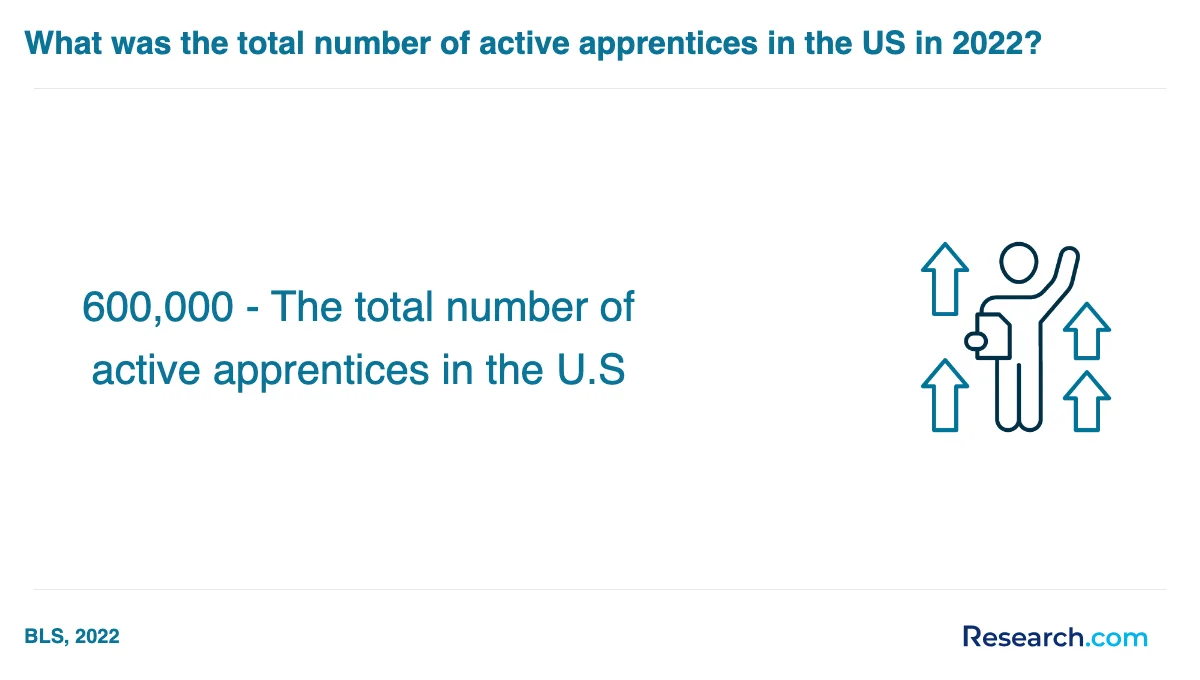
Trade school students in Fergus Falls have several financial aid options that can truly make a difference. Graduates from schools like Minnesota State Community and Technical College often share how completing the FAFSA was their first step toward unlocking federal aid such as the Pell Grant, which helps cover a significant portion of tuition.
State grants and scholarships are another powerful resource. The Minnesota Office of Higher Education connects students to funds targeting high-demand technical careers, which means if you're pursuing a skilled trade, there's good chance state aid is waiting for you. Some graduates recall these grants easing the pressure of balancing work and studies.
Local scholarships amplify your chances further. For instance, Fergus Falls Senior High awards graduates scholarships of up to $24,000, spread over eight semesters. Those funds often translate into less worry about finances and more focus on hands-on learning.
Finally, institutional aid from Fergus Falls trade schools provides personalized support. Financial aid teams help navigate tuition plans and uncover exclusive scholarships, lending guidance that students say feels like having an education coach by their side.
To enroll in a trade school program in Fergus Falls, the first step is to have a high school diploma or a GED. Graduates from local programs often share how this basic requirement gave them the confidence that they were truly ready for hands-on training.
Applicants must also submit official transcripts. For example, students attending Minnesota State Community and Technical College (M State) in Fergus Falls mention how sending in their transcripts early made their application process smooth and worry-free.
You'll need to complete an application form, usually online and free. Deadlines vary, often late August for fall and early January for spring. Imagine submitting your application just in time for the fall semester, feeling excited knowing you're one step closer to your new career.
Some programs require placement tests if ACT or SAT scores aren't available. These tests help students start classes that match their skill level, preventing frustration and boosting success. Others remember feeling relieved when placement aligned them with the right courses.
Additional prerequisites may include specific GPA or coursework. Think about healthcare or skilled trades where students had to clear physical or safety checks, preparing them thoroughly for their demanding jobs.
High schoolers can also benefit from PSEO, enrolling in college-level trade classes while finishing high school. Many found this option gave them a head start, balancing schoolwork and career goals effortlessly.
- High school diploma or GED required
- Official transcripts submission
- Completed application form with deadlines
- Possible placement tests to match skill levels
- Additional program-specific requirements like GPA or physical standards
- PSEO option for eligible high school students

If you're looking into trade school programs in Fergus Falls, you'll find they focus on preparing you for hands-on careers with solid training. At institutions like Minnesota State Community and Technical College, graduates often share how courses blend classroom theory with real workshop experience, making learning feel immediate and practical.
Popular courses include:
- HVAC (Heating, Ventilation, and Air Conditioning): Students get to work on refrigeration systems and understand environmental controls, learning skills that quickly translate to job sites.
- Electrical Technology: From circuitry basics to troubleshooting, this course is perfect if you like solving problems with your hands.
- Welding: Hands-on metalwork, blueprint reading, and safety lessons build confidence for fabrication roles.
- Automotive Mechanics: Engine repairs and diagnostics teach you how to keep vehicles running smoothly.
- Carpentry: You'll practice framing and finishing while mastering building codes, getting ready to build real structures.
- Business Support Services: Learn office administration, accounting software, and client relations-skills useful across many fields.
Some graduates also highlight courses in bookkeeping, accounting technology, and occupational therapy assistant programs, which include medical terminology and patient care. These diverse options show how Fergus Falls trade schools meet local job demands while keeping training modern and relevant.
In Fergus Falls, trade school programs offer a variety of specializations tailored to local job markets and student goals. Graduates from Minnesota State Community and Technical College often share how hands-on programs in healthcare-like nursing and medical coding-gave them the confidence to enter a growing and stable field quickly.
Technical trades are equally popular, with programs in welding, automotive technology, and diesel equipment technology drawing students eager for real-world experience through lab and workshop settings. Business and office pathways offer practical skills in accounting, office management, and business administration, perfect for those aiming at administrative careers.
Emerging areas like cybersecurity and IT, covering computer networking and programming, are increasingly accessible, reflecting modern workforce demands. One graduate found success pursuing flexible online options while balancing work, highlighting Fergus Falls' adaptability to individual needs.
For anyone interested in integrating modern tech skills with vocational training or seeking cheap freight broker training online, Fergus Falls trade schools provide diverse, career-focused options.
Choosing the best trade school in Fergus Falls starts with focusing on the best trade school selection criteria Fergus Falls employers value most. Graduates from Minnesota State Community and Technical College - Fergus Falls often highlight how hands-on training and internships boosted their confidence and job readiness. Imagine walking into your first job interview already equipped with real-world skills gained through practical coursework and clinical placements.
Accreditation plays a vital role too. Attending only accredited trade school programs Fergus Falls ensures your education is recognized and meets high standards, which can be a decisive factor when employers review your credentials. Students often share how this distinction helped them access federal financial aid and scholarships, easing their financial burden.
Finally, explore affordable options and financial aid opportunities to support your journey. For example, several students have benefited from flexible schedules and personalized support services at local colleges. To discover even more options, consider checking the most affordable cosmetology schools with online courses, which can offer accessible and budget-friendly paths to success.
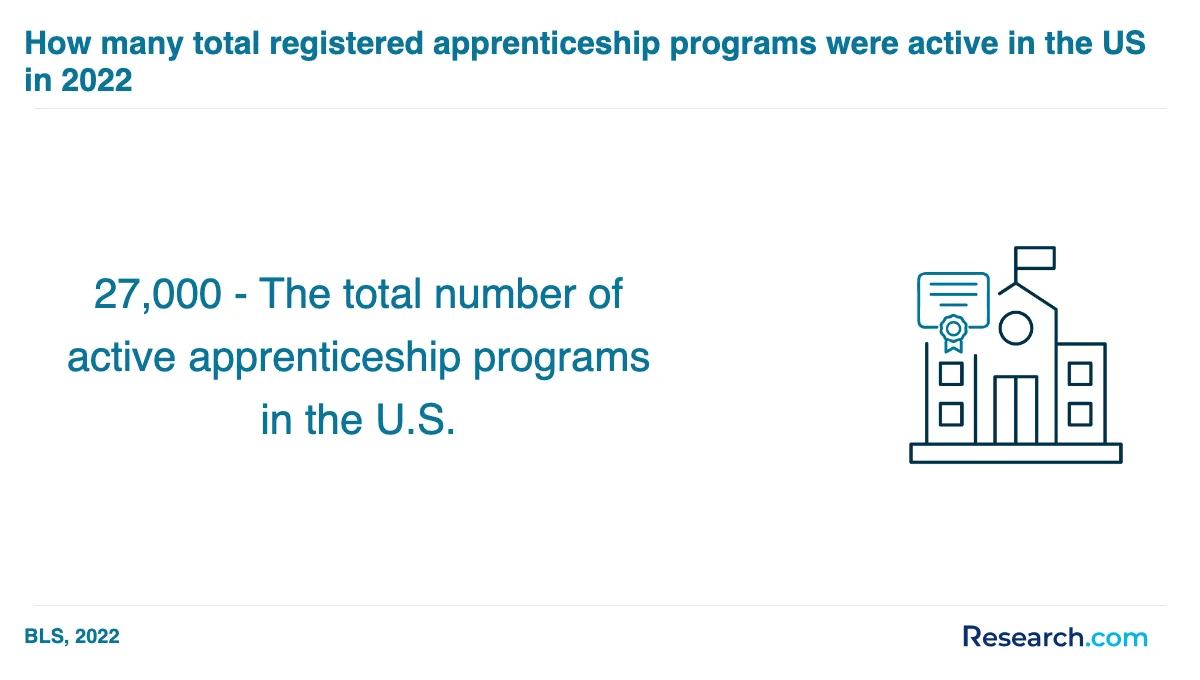
Trade school career opportunities Fergus Falls offer strong pathways in several high-demand fields tailored to the local economy. Graduates from popular regional schools often find rewarding positions in healthcare, where programs at the M State Fergus Falls campus prepare students for roles such as nursing assistants and pharmacy technicians. These graduates frequently share stories of securing jobs quickly after finishing their hands-on training, which combines classroom knowledge with real-world practice.
Skilled trades remain a reliable choice, encompassing electricians, plumbers, carpenters, and HVAC technicians-roles fueled by ongoing construction and infrastructure work nearby. Many graduates highlight how vocational program job paths Fergus Falls also include exciting technical areas like robotics and cybersecurity, expanding opportunities beyond traditional "shop" careers.
Manufacturing careers attract students through initiatives like the Minnesota Pathways Program, teaching skills for machinist and welder positions. In addition, some graduates pursue automotive technology, business administration, early childhood education, and IT fields, demonstrating the diverse options available here.
For those exploring unique training options, there are resources for cheap flooring installation training online, which can complement local study plans and open further career doors.
The job market for trade school graduates in Fergus Falls is thriving, thanks to strong demand in healthcare, manufacturing, skilled trades, and business services. Graduates from popular programs at Minnesota State Community and Technical College often find themselves stepping into roles such as production supervisors, equipment sales consultants, or hospitality shift leaders within weeks of finishing their studies. Employers here value the hands-on, technical skills these graduates bring.
Many graduates share how paid internships supported by the Future Ready Workforce Grant helped them gain real-world experience while earning at least $12.50 an hour, building confidence and professional connections early on. This program reflects the community's commitment to supporting technical program graduates Fergus Falls thrives on.
For those weighing options, understanding the job market also means familiarizing yourself with benefits like wage reimbursement for internships in high-demand fields like transportation and healthcare. These career paths offer starting salaries around $37,000, securing stable employment shortly after training.
The combination of local employer partnerships and supportive grants creates an encouraging environment, which you can explore further by learning about college vs vocational school advantages.
Best Trade School & Training Programs - Leading Certification Courses in Fergus Falls for 2026
# 1 position
Minnesota State Community and Technical College - Diagnostic Medical Sonography/Sonographer and Ultrasound Technician.
associateMinnesota State Community and Technical College offers a hybrid Diagnostic Medical Sonography/Sonographer and Ultrasound Technician program. It trains students to use ultrasound techniques under physician supervision to diagnose medical conditions. The curriculum covers patient care, data recording, equipment operation, and professional ethics. Annual in-state tuition is $5,900. Graduates earn a median salary of $55,649 one year after completing the program. The program is accredited by the Higher Learning Commission.
# 2 position
Minnesota State Community and Technical College - Automobile/Automotive Mechanics Technology/Technician.
associateMinnesota State Community and Technical College offers a hybrid program in Automobile/Automotive Mechanics Technology/Technician that prepares students to repair, service, and maintain various automobile systems. The curriculum covers brake systems, electrical systems, engine performance and repair, suspension and steering, transmissions, and heating and air conditioning. The program’s annual in-state tuition is $5,900, and graduates earn a median salary of $53,652 one year after completion. It is accredited by the Higher Learning Commission.
# 3 position
Minnesota State Community and Technical College - Dental Assisting/Assistant.
associateThe Dental Assisting/Assistant program at Minnesota State Community and Technical College offers a hybrid format with some distance education. It prepares students for patient care, dental radiographs, office administrative functions, and chairside assisting under supervision. The curriculum includes medical record-keeping, scheduling, equipment maintenance, sterilization, and supervised practice. Annual in-state tuition is $5,900, and median earnings one year after completion reach $45,942. The program is accredited by the Higher Learning Commission.
# 4 position
Minnesota State Community and Technical College - Dental Assisting/Assistant.
certificate or diplomaMinnesota State Community and Technical College offers a Dental Assisting/Assistant program with a hybrid format, combining in-person and distance education. The program prepares students for patient care, dental radiography, office administrative tasks, and chairside assisting under professional supervision. Tuition for in-state students is $5,900 annually. Graduates have median earnings of $45,942 one year after completion. The program is accredited by the Higher Learning Commission.
# 5 position
Minnesota State Community and Technical College - Heating, Air Conditioning, Ventilation and Refrigeration Maintenance Technology/Technician.
certificate or diplomaMinnesota State Community and Technical College offers a hybrid Heating, Air Conditioning, Ventilation and Refrigeration Maintenance Technology/Technician program. It prepares students to repair, install, service, and maintain HVAC and refrigeration systems using diagnostic techniques and testing equipment. The program includes principles of mechanics, electricity, and electronics related to these systems. Annual in-state tuition is $5,900, and median earnings one year after completion are $46,285. The program is accredited by the Higher Learning Commission.
# 6 position
Minnesota State Community and Technical College - Legal Assistant/Paralegal.
associateMinnesota State Community and Technical College offers a Legal Assistant/Paralegal program designed to prepare students for tasks such as research, drafting, investigation, and record-keeping under attorney supervision. The curriculum includes legal research, document drafting, appraising, pleading, courthouse procedures, and legal specializations. The program is accredited by the Higher Learning Commission. Annual in-state tuition is $5,900.
# 7 position
Minnesota State Community and Technical College - Criminal Justice/Safety Studies.
associateMinnesota State Community and Technical College offers a Criminal Justice/Safety Studies program with a hybrid format, providing some distance-education options. The program covers criminal law, policy, police and correctional systems, administration of justice, judiciary, and public attitudes on criminal justice issues. Annual in-state tuition is $5,900. The program is accredited by the Higher Learning Commission.
# 8 position
Minnesota State Community and Technical College - Industrial Mechanics and Maintenance Technology/Technician.
associateMinnesota State Community and Technical College offers a Hybrid Industrial Mechanics and Maintenance Technology/Technician program. It prepares students to repair and maintain industrial machinery such as cranes, pumps, engines, and conveyor systems. The program is accredited by the Higher Learning Commission. Annual in-state tuition is $5,900. This training supports technical skills applicable to equipment including pneumatic tools, marine deck machinery, and refinery systems.
# 9 position
Minnesota State Community and Technical College - Business Administration and Management, General.
associateMinnesota State Community and Technical College offers a Business Administration and Management, General program with a hybrid format that includes some distance-education options. The curriculum covers management theory, human resources, accounting, logistics, marketing, and business decision-making. The program is accredited by the Higher Learning Commission. Annual in-state tuition is $5,900, providing an accessible pathway to develop essential skills for managing and directing organizational functions.
# 10 position
Minnesota State Community and Technical College - Industrial Mechanics and Maintenance Technology/Technician.
certificate or diplomaMinnesota State Community and Technical College offers a Hybrid Industrial Mechanics and Maintenance Technology/Technician program designed to prepare students to repair and maintain industrial machinery and equipment. The program covers systems such as cranes, pumps, engines, pneumatic tools, conveyors, marine deck machinery, and pipeline-distribution. Annual in-state tuition is $5,900. The program is accredited by the Higher Learning Commission.
Frequently Asked Questions about trade school programs
Preparing for the job market after completing trade school in Fergus Falls involves several strategic steps. Graduates should start by obtaining relevant certifications and licenses, which are often required in skilled trades and increase employability. According to the Minnesota Department of Employment and Economic Development, trade jobs in the region show a steady growth rate of about 5% annually, reflecting local demand.
Networking with local employers and attending job fairs can help graduates connect with businesses actively seeking skilled workers. Additionally, registering with workforce development centers in Fergus Falls offers access to job listings and career counseling.
Building a professional resume highlighting specific trade skills and hands-on experience is crucial. Many employers in trades prefer candidates who demonstrate practical competence alongside technical knowledge.
Finally, continuous learning and upgrading skills through additional courses can improve job prospects, as some sectors require keeping up with new technologies or safety standards.
Employers in Fergus Falls increasingly value trade school graduates with strong technical skills relevant to in-demand industries such as healthcare, construction, and manufacturing. According to data from the Minnesota Department of Employment and Economic Development (DEED), proficiency in electrical systems, welding, and HVAC repair ranks high among sought-after abilities.
Beyond technical expertise, employers emphasize soft skills like communication, problem-solving, and reliability. A survey by the National Association of Workforce Boards reports that over 70% of employers prefer candidates who demonstrate teamwork and adaptability.
Attention to safety protocols is critical, especially in hands-on roles. Graduates who complete OSHA safety training often have an advantage in local job markets. Overall, combining trade-specific skills with effective interpersonal abilities increases a graduate's employability in Fergus Falls.
Finding internships in Fergus Falls that align with your trade school program involves several practical steps. Start by contacting local trade schools' career centers, as they often maintain partnerships with regional businesses seeking interns. You can also explore listings on Minnesota's Department of Employment and Economic Development website, which regularly posts opportunities in various trades.
Networking within the Fergus Falls community can be highly effective. Attend industry events or join relevant professional groups, such as those associated with the Otter Tail County Chamber of Commerce, to meet employers hiring interns. Local employers in construction, manufacturing, and healthcare frequently offer internships tailored to trade skills.
According to recent labor statistics, trade-related internships in Fergus Falls are growing steadily, with job openings increasing by 5% annually in technical fields. Utilizing online platforms specific to Minnesota's job market, such as MinnesotaWorks.net, can also improve your chances of finding a suitable internship.
In Fergus Falls, obtaining a trade school diploma can significantly impact career mobility and advancement. According to the Minnesota Department of Employment and Economic Development, many local industries such as manufacturing, healthcare, and construction actively seek skilled workers with specialized training credentials. Trade school graduates often find quicker entry into well-paying jobs compared to those holding only a high school diploma.
Furthermore, data from the National Center for Education Statistics shows that individuals with trade certifications experience lower unemployment rates and often receive higher starting wages. These credentials also facilitate promotions and lateral moves within companies, enhancing long-term career growth in Fergus Falls' job market.
Part-time job opportunities in Fergus Falls that complement trade school education often align closely with the skills students acquire in their programs. Many students find roles in construction, automotive repair, and electrical work, matching fields taught at local trade schools. According to the Minnesota Department of Employment and Economic Development, these industries showed steady part-time demand in the region through 2023.
Positions such as apprentice electrician, junior automotive technician, or general laborer provide practical experience alongside coursework. Employers in Fergus Falls value hands-on skills, making these roles valuable for building resumes. Additionally, healthcare support positions are available for students in medical trade programs, with part-time openings reported by local clinics.
To choose the best degree program near Fergus Falls, MN, start by identifying your career goals and interests, as this will help you determine the field of study that aligns with your aspirations. Explore local colleges and universities available near Fergus Falls, MN, since many institutions offer a variety of programs to suit diverse academic and professional objectives. Use resources like Research.com to compare programs and assess factors such as accreditation, curriculum, facilities, and faculty expertise, ensuring you find a program that best meets your needs near me.
- Fergus Falls Campus | M State https://www.minnesota.edu/about/campuses/fergus-falls-campus
- Trade and tech schools a better option for some students - Grand Forks Herald | Grand Forks, East Grand Forks news, weather & sports https://www.grandforksherald.com/prairie-business/trade-and-tech-schools-a-better-option-for-some-students
- Find The Best Trade Schools In Minnesota https://www.accreditedschoolsonline.org/vocational-trade-school/minnesota/
- One Big Idea: Bring Skilled Trades to Students https://www.rmcep.com/news-and-resources/p/item/38156/one-big-idea-bring-skilled-trades-to-students
- Supports for skilled trades and apprenticeship - Canada.ca https://www.canada.ca/en/services/jobs/training/support-skilled-trades-apprentices.html
- About Us | Career Academies https://careeracademies.org/about/
- Minnesota State Community and Technical College-Fergus Falls - Tuition and Acceptance Rate https://www.petersons.com/college-search/minnesota-state-community-and-technical-college-moorhead-000_10063600.aspx
- Community Education - Career Expo https://ce.fergusotters.org/opportunities-for-youth/career-expo
- Fergus Falls Public Schools https://www.fergusotters.org/
- Issuu https://issuu.com/fergusotters/docs/_2024-25_course_guide_book