Best Certificate Programs - Leading Certification Courses in St. Louis Park for 2026

Co-Founder and Chief Data Scientist
Choosing the right trade school certificate program in St. Louis Park can shape your career and open doors to new opportunities. This article highlights the best certificate programs for 2026, helping you navigate your options with confidence.
Our rankings, developed by the Research.com team of data scientists, provide clear insights into which programs offer the most value and strong career prospects. Whether you're starting fresh or advancing your skills, this guide will support your journey toward a rewarding trade school diploma or certification.
Investing in your education is an important step, and finding the right program can make all the difference.
Key benefits of getting trade school certificate in St. Louis Park
- Strong salary potential: Trade school graduates in St. Louis Park can earn from $32,000 to over $65,000 per year, with HVAC technicians and plumbers earning up to $65,000, welders between $40,000 and $55,000, and healthcare support roles starting around $32,000.
- Popular career paths: Many graduates pursue hands-on roles like plumbing, welding, automotive technology, electrical work, and healthcare support, offering diverse opportunities and steady demand in the local job market.
- Online certification benefits: Completing a trade certification online provides flexibility for busy students, allowing them to balance education with work or family, often accelerating their path to employment compared to traditional on-campus programs.
- Best Certificate Programs - Leading Certification Courses in St. Louis Park for 2026
- What can I expect from trade school certification programs in St. Louis Park?
- Where can I work with trade school certification in St. Louis Park?
What can I expect from trade school certification programs in St. Louis Park?
Trade school certification programs in St. Louis Park generally have affordable costs, often ranging from a few hundred to a few thousand dollars. Graduates from popular programs like the CNA certification at St. Louis Park High School Career & College Center report that many courses can be completed at little to no cost, especially when funded through WIOA or employer partnerships.
Others who pursued certifications in fields such as Microsoft Office, project management, or QuickBooks at local providers like Bravura Training recall paying tuition typically between $500 and $2,500. These prices reflect the program length and resources involved, with shorter courses costing less but still offering valuable, career-focused skills.
Students appreciate the accessible payment options and flexible schedules, enabling them to balance work and family while steadily building skills relevant to St. Louis Park's job market. The affordability combined with practical, hands-on learning creates confident graduates ready to quickly enter or advance in local careers without overwhelming debt.
Where can I work with trade school certification in St. Louis Park?
After finishing a trade school certification program in St. Louis Park, graduates find many promising job opportunities across local industries. For example, those completing the Certified Nursing Assistant program at St. Louis Park High School easily secure roles in hospitals, nursing homes, or home healthcare agencies, stepping into an urgent demand for CNAs in the area. This practical training leads to competitive wages and a clear career start.
Healthcare support graduates from schools like Herzing University move into clinics or dental offices, often gaining hands-on experience that opens doors to careers as dental assistants or eventual licensure as dental hygienists. Students appreciate how these programs connect them directly with Twin Cities healthcare employers, making their job search much less stressful.
Technology and business certifications through Bravura Training help students land office roles, IT support, or digital marketing jobs. Graduates value the up-to-date skills in Microsoft Office, QuickBooks, and IT certifications that local employers actively seek.
Construction training at Summit Academy OIC prepares learners for entry-level carpentry and building trades, filling steady openings as the region grows. Many graduates feel confident stepping into these hands-on roles right after certification.
Across all fields, local trade schools build strong partnerships with employers, offering graduates job placement help and a smoother transition into rewarding careers in St. Louis Park.
After finishing a trade school certification program in St. Louis Park, graduates typically see strong earning potential right away. Many graduates report starting salaries around $72,227 annually, which is about $34.72 per hour-nearly 10% higher than Minnesota's state average for similar roles. For example, a graduate from a popular local trade program in manufacturing shared how they began working full-time earning about $23.34 per hour, quickly moving to $26.33 per hour within a year, translating to $48,547 to $54,766 annually.
Other graduates pursuing certification in fields like auditing with business-related trade programs have reported salaries close to $65,367 annually in St. Louis Park, reflecting the city's competitive wage environment. Many students appreciate how these wages provide financial stability soon after graduation, making it easier to start building their careers and lives.
Trade schools in St. Louis Park are known for creating clear paths to good-paying jobs, so students often feel encouraged by coworkers who advanced their skills and saw their wages grow steadily over time.
- Jasmine: Earning my HVAC certification in St. Louis Park was a life-changer. The hands-on training made me confident in real-world scenarios, and securing a job as an HVAC technician nearby was seamless. The supportive instructors and small class sizes really enhanced my learning experience.
- Marcus: Getting certified in automotive technology here was a smart move. The program's focus on the latest diagnostic tools prepared me well, and I'm proud to now work at a local garage. This trade school made complex concepts simple and boosted my career prospects in St. Louis Park.
- Sophia: I loved studying electrical systems through the trade program in St. Louis Park. The community atmosphere and expert teachers took away my doubts, and I quickly found a job wiring commercial buildings around town. This certification gave me practical skills and real confidence for my future.
- Admission typically requires a high school diploma or GED, with some programs like CNA training available to current high school students at no cost.
- Program costs range from free for certain high school programs to between $2,000 and $10,000 for most certificate courses, with financial aid and WIOA funding options available.
- Flexible scheduling options include both in-person and online classes, suitable for students balancing work and other commitments.
- Entry-level wages for CNAs start between $17 and $22 per hour, while tech and business certification holders earn $40,000 to $55,000 annually, with potential to exceed $65,000 over time.
- Programs offer small class sizes, individualized instruction, and 24/7 online resources to support student success across diverse backgrounds.
Trade school certification programs in St. Louis Park typically take between 2 to 16 weeks to complete, making them an ideal option for those eager to start a new career quickly. Graduates from accelerated training programs often share how full-time courses from 8 a.m. to 5 p.m., lasting about 6 weeks, allowed them to jump straight into the workforce without delay.
For example, students completing the General Maintenance Mechanic certificate enjoy hands-on experience over roughly 10 weeks, gaining skills in HVAC, welding, plumbing, and electrical work that employers highly value in St. Louis Park's industrial sector.
Others pursuing certifications like Hazardous Materials Technician or HVAC Operator I Technician appreciate the flexibility of shorter 2- to 5-week day or evening cohorts offered locally. Likewise, CDL training graduates often highlight the convenience of 4 to 5 weeks of full-time study, balanced with options for evening classes.
Community colleges and trade schools in the area emphasize practical, fast-paced training under 12 weeks, fitting well with students balancing jobs or family commitments through flexible scheduling. This approach leaves many students confident and motivated to begin their new careers swiftly.
Online trade school certification programs in St. Louis Park give students the freedom to study from anywhere, fitting learning around busy work or family schedules. Graduates from Bravura Training appreciate the 24/7 online portal, allowing them to review lessons or practice skills late at night or on weekends, which feels empowering and stress-relieving. These programs often blend live online classes with self-paced work, making it easier for students to manage their time independently.
On-campus programs, like those at Herzing University's St. Louis Park campus, provide hands-on training with immediate instructor feedback. Graduates frequently highlight the value of face-to-face interaction and small class sizes, which build confidence in using specialized equipment vital for healthcare or technical trades. The structured schedule keeps students on track and fosters strong peer connections.
Many trade schools here, such as Bravura, offer hybrid options, helping students enjoy the best of both worlds-flexibility without missing vital hands-on experience.
The average trade school certification cost in St. Louis Park generally falls between $4,500 and $8,640 per semester, depending on the program and institution. Many graduates from Ranken Technical College, a leading technical school in the area, share how paying $8,640 per semester for full-time, day certificate programs felt like a worthwhile investment in learning hands-on skills. Part-time students appreciate the flexibility of paying $720 per credit hour, making it more manageable to complete a 6-credit course for around $4,320. These figures exclude additional expenses like books, tools, and exam fees, which can add up but are crucial for mastering a trade.
For those seeking lower St. Louis Park trade school tuition and fees, St. Louis Community College (STLCC) offers a more affordable option at $122 per credit hour for district residents. Graduates from certificate programs such as General Maintenance Mechanic describe how the $4,500 total tuition and fees enabled them to gain valuable skills without excessive debt. Specialized trade certification courses vary widely in cost, from short single-day sessions priced at $129 to intensive commercial truck driving programs costing up to $6,175.
Prospective students interested in budget-friendly options often explore grant-funded opportunities or scholarships, making it possible to reduce out-of-pocket expenses substantially. For more information on balancing costs and quality options, consider reviewing online trade school programs that suit your needs and lifestyle.
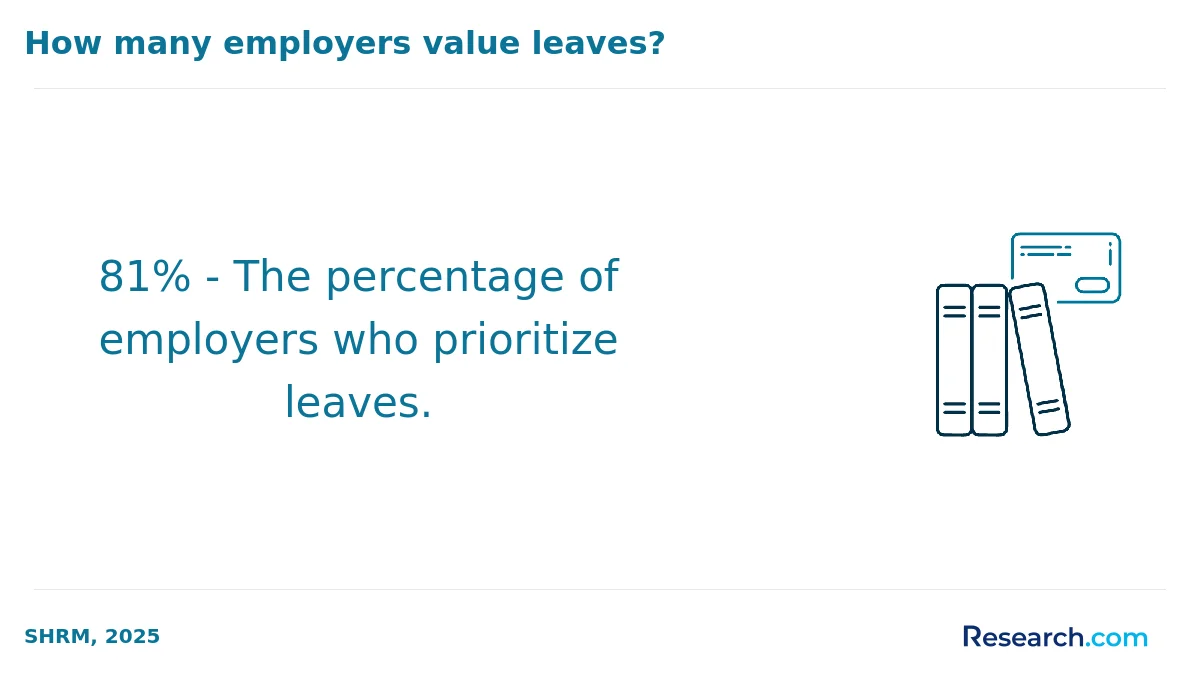
Students pursuing trade school certification programs in St. Louis Park often find financial aid essential to managing costs. Many start by completing the FAFSA, which opens doors to federal and state grants, loans, and work-study opportunities. For example, graduates from Bravura Training frequently highlight how the Minnesota State Grant and federal Pell Grants significantly reduced their financial burden, allowing them to focus on hands-on learning.
Grants are especially valuable because they don't need repayment. Those qualifying for programs like the Minnesota State Grant find peace of mind knowing part of their education is funded based on need. Scholarships also play a critical role; Workforce Development Scholarships award up to $2,500 annually to Minnesota residents in high-demand certificate fields, helping many students at local schools stretch their budgets and succeed.
Work-study programs offer flexible part-time jobs near campus, giving students practical work experience and extra income. While loans are available, graduates recommend borrowing cautiously to avoid debt stress. Checking with your trade school's financial aid office ensures you maximize all eligible support.
To enroll in a trade school certification program in St. Louis Park, the most common prerequisite is having a high school diploma or an equivalent, like a GED. Graduates from popular programs at St. Louis Community College (STLCC) often highlight how this baseline helped them confidently enter training for trades such as carpentry or electrical work.
Some specialized programs might ask for additional requirements. For example:
- Completion of specific high school courses in subjects like math or science
- Passing placement tests to prove basic math and reading skills
- Successful completion of an approved apprenticeship for those advancing from hands-on job experience
Many students appreciate working with a program advisor to tailor their course choices. For fields involving safety or health, proof of immunizations and background checks may also be required, supporting a smooth, worry-free training experience.
These flexible prerequisites reflect how trade schools in St. Louis Park aim to welcome learners eager to build practical skills and start rewarding careers in their communities.
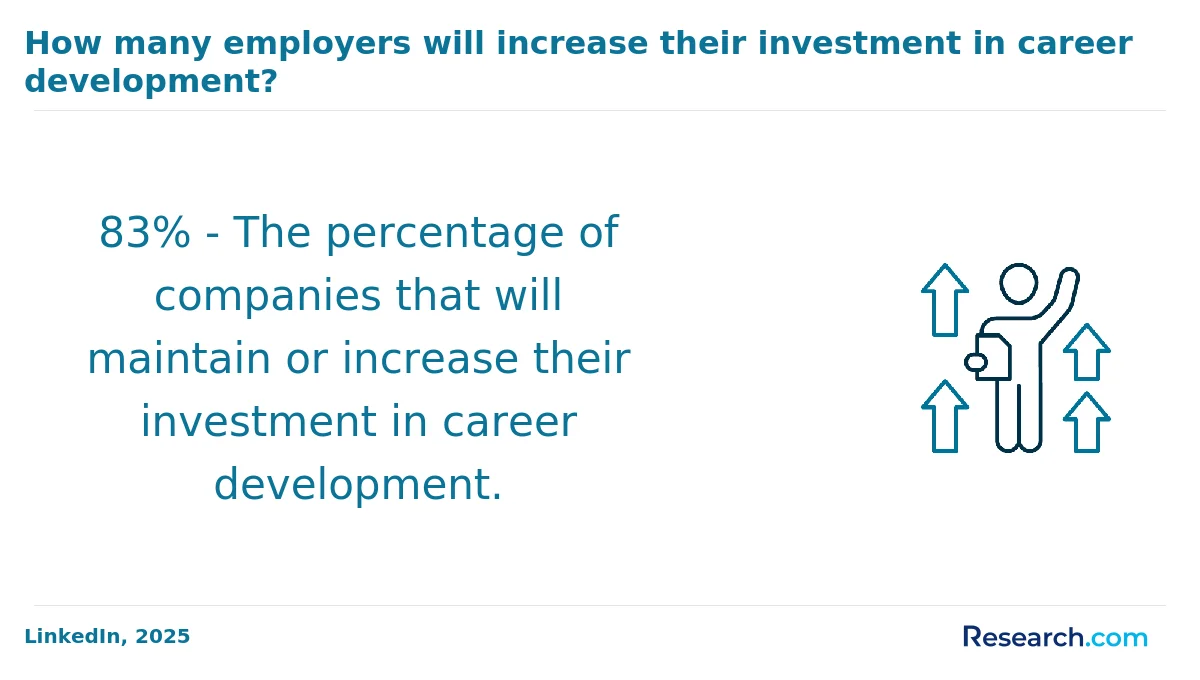
Trade school certificate courses in St. Louis Park typically focus on hands-on skills tailored to local industry needs. Graduates from popular schools like St. Louis Community College find themselves trained in skilled trades program curriculum St. Louis Park that includes carpentry, electrical systems, and sheet metal manufacturing-all designed to provide strong technical foundations. Many students appreciate how courses are personalized with advisors, ensuring they gain practical expertise relevant to current job markets.
Healthcare certifications, especially Certified Nursing Assistant programs, prepare students through patient care techniques and clinical experience, often offered with financial support to ease access. Manufacturing and technology courses cover programmable logic controllers, robotics, and advanced manufacturing skills, giving students confidence in evolving industrial environments.
Other core areas include construction, plumbing, commercial truck driving, and HVAC skills. Graduates often describe their experience as empowering, gaining knowledge they can apply immediately on worksites. Hands-on lessons like blueprint reading and pipe repair bring daily work scenarios to life, making learning engaging and effective.
Many find short-term, career-focused tracks allow stacking certificates or combining apprenticeships for quick, debt-conscious advancement. For those looking for a 6 month course with high salary potential, these programs are a practical choice in St. Louis Park.
Start by focusing on your personal career goals within St. Louis Park's diverse opportunities. Graduates from local programs often highlight how healthcare certificates or technology courses fit their ambitions perfectly. When choosing among the best trade school programs in St. Louis Park, consider schools with accreditation from the Minnesota Office of Higher Education, as certification recognition boosts your job prospects. Many students appreciate the smaller class sizes and flexible formats offered, such as those found at Bravura Training, which make balancing work and study easier.
Assess St. Louis Park trade school costs and benefits carefully. Several programs, including those offered at St. Louis Park High School, provide affordable or even free training for essential careers, easing financial pressure. Others connect with workforce agencies, enabling access to financial aid options. Hands-on learning and local employer partnerships also enhance job placement, as graduates often share positive experiences of internships turning into paid roles.
For options like HVAC certification, explore cheap online hvac training programs that accommodate busy schedules while delivering quality education.
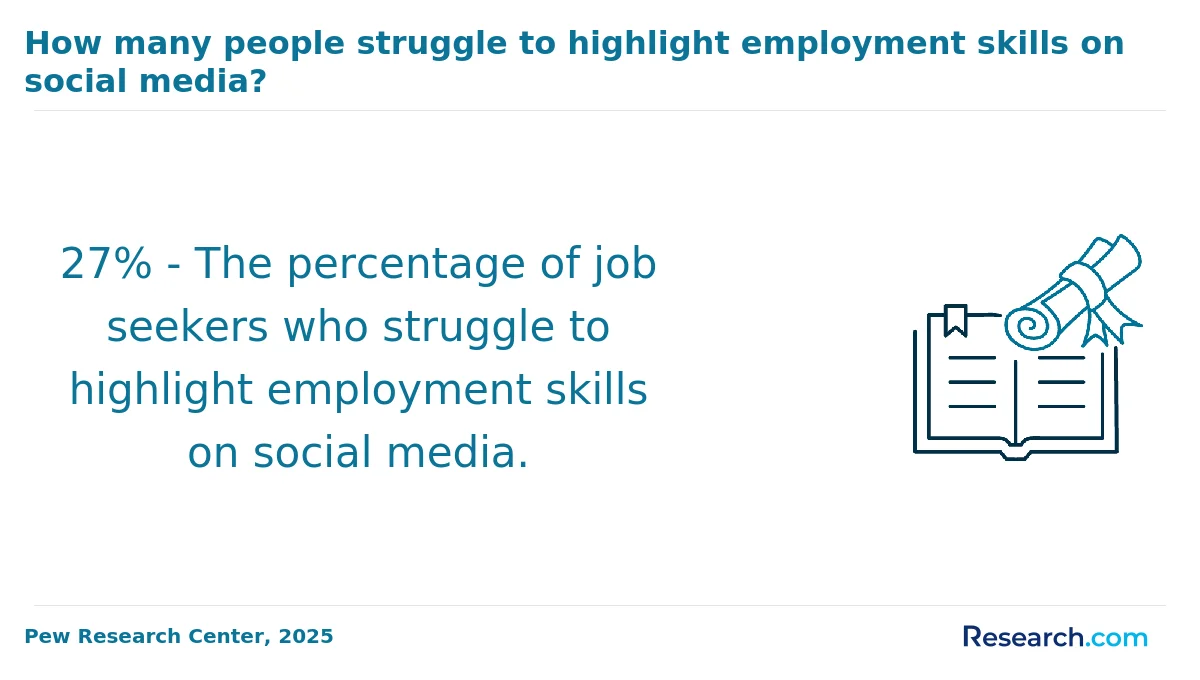
Graduates of trade school certification programs in St. Louis Park find rewarding career paths in several growing industries. Many pursue healthcare roles, such as Certified Nursing Assistants, trained through programs at St. Louis Park High School that prepare students for essential jobs in hospitals and nursing homes. This demonstrates a strong job outlook for skilled trades graduates St. Louis Park, especially in health support positions adapting to the region's aging population.
Others explore opportunities in technology and business through certifications from Bravura Training, enabling careers as IT technicians, digital marketers, or business analysts in the Twin Cities area. Graduates often share how their hands-on experiences at these local schools translate directly into job-ready skills employers seek.
Additional trade school career opportunities in St. Louis Park include dental assisting, legal support, public safety, and creative trades like graphic design or machinist roles available via nearby colleges. For those interested in skilled trades, pathways also extend to affordable online welding courses recognized in the region.
The trade school job opportunities in St. Louis Park are strong, driven by local demand for skilled workers in construction, manufacturing, health care, and transportation. Graduates from programs at institutions like St. Louis Community College often report quick transitions into jobs or apprenticeships due to partnerships with area employers and unions. Many find that hands-on training in electrical work, carpentry, and robotics directly matches job openings, making employment accessible soon after certification.
Graduates often highlight that affordable programs reduce financial stress, allowing them to focus on building credentials through stackable certifications that employers value. Rapid hiring events, such as those hosted by SLATE, connect students with employers eager to fill roles in vital trades.
For those seeking flexible learning options, several students have benefited from looking into the cheapest floor installer certification online, which complements local skills training and broadens employment possibilities within the St. Louis Park skilled trades employment outlook.
Best Certificate Programs - Leading Certification Courses in St. Louis Park for 2026
# 1 position
Herzing University-Minneapolis - Dental Assisting/Assistant.
certificate or diplomaHerzing University-Minneapolis offers a hybrid Dental Assisting/Assistant program designed to prepare students in patient care, dental radiography, chairside assisting, and office administration under supervision. The curriculum covers medical record-keeping, scheduling, equipment maintenance, sterilization, and supervised practice. Annual in-state tuition is $13,420. Graduates earn a median income of $41,499 one year after completion. The program is accredited by the Higher Learning Commission.
# 2 position
Herzing University-Minneapolis - Medical Office Management/Administration.
certificate or diplomaThe Medical Office Management/Administration program at Herzing University-Minneapolis prepares students to manage business functions in medical or clinical offices. The curriculum covers business office operations, financial record-keeping, personnel supervision, healthcare policy administration, scheduling, public relations, and relevant laws. Annual in-state tuition is $13,420. Graduates earn a median salary of $30,821 one year after completing the program. The program is accredited by the Higher Learning Commission.
# 3 position
Herzing University-Minneapolis - Medical Insurance Coding Specialist/Coder.
certificate or diplomaThe Medical Insurance Coding Specialist/Coder program at Herzing University-Minneapolis prepares students for specialized data entry, classification, and record-keeping related to medical diagnostics, billing, and insurance documentation. The curriculum includes medical terminology, anatomy, physiology, coding, and Medicare regulations. Annual in-state tuition is $13,420. Graduates earn a median of $30,821 one year after completion. The program is accredited by the Higher Learning Commission.
Frequently Asked Questions about trade school certificates
Preparing for the job market after completing a trade school certification in St. Louis Park involves several key steps. First, graduates should develop a strong resume emphasizing their hands-on skills and practical experience gained during their training. According to the Minnesota Department of Employment and Economic Development, trades such as electricians and HVAC technicians have projected growth rates of 7% to 10% regionally through 2028, indicating solid job prospects.
Next, networking with local employers and attending job fairs in the Twin Cities area can increase employment opportunities. Many trade schools in St. Louis Park also offer career services that assist with interview preparation and job placement. Finally, obtaining additional certifications or licenses relevant to specific trades can enhance a candidate's competitiveness in the labor market.
Employers in St. Louis Park highly value practical skills gained through trade school certification programs. According to the Minnesota Department of Employment and Economic Development, proficiency in technical tasks such as electrical wiring, plumbing, HVAC systems, and welding ranks among the top sought-after skills in this region.
Beyond technical abilities, soft skills like effective communication, problem-solving, and teamwork are crucial. A 2023 survey by local employers indicated that 78% prioritize candidates who demonstrate reliability and a strong work ethic.
Trade graduates with up-to-date industry certifications and hands-on experience tend to have an advantage in securing well-paying jobs. St. Louis Park's growing construction and manufacturing sectors especially seek these combined skill sets.
Finding internships in St. Louis Park related to your trade school certification involves several strategic steps. Start by connecting with your school's career services office, as they often partner with local businesses to offer internship placements. Many trade programs include internship components designed to provide hands-on experience. Additionally, use local job boards such as those on the St. Louis Park city website and Minnesota's state employment portals which frequently list internships in trades like HVAC, welding, and electrical work.
Networking is vital; attend job fairs and industry events in the area to meet employers firsthand. According to the Minnesota Department of Employment and Economic Development, internships in skilled trades grew by 12% from 2021 to 2023.
Trade school certification programs in St. Louis Park significantly enhance career mobility and advancement opportunities. Holding a certification from a recognized trade school demonstrates specialized skills, making candidates more competitive in the job market. According to the Minnesota Department of Employment and Economic Development, certificated workers in the state often experience wage increases of 10-20% compared to those without credentials.
Certifications also provide access to higher-level roles within industries such as HVAC, electrical, and healthcare support, where practical skills are highly valued. Employers in St. Louis Park frequently prioritize applicants with verified trade credentials, which can reduce entry barriers and speed up promotions.
Additionally, trade certifications help workers adapt to evolving industry standards, supporting long-term career growth in a competitive labor market.
Part-time job opportunities in St. Louis Park can effectively complement trade school certification education by providing practical experience and supplemental income. Roles such as retail sales associates, food service workers, and warehouse assistants are common, with the U.S. Bureau of Labor Statistics noting steady local demand in these sectors. For students in technical certifications like HVAC or electrical work, part-time positions as apprentices or helpers with local contractors offer valuable hands-on learning.
According to Minnesota's Department of Employment and Economic Development, St. Louis Park's retail and service sectors frequently recruit part-time workers, creating flexible schedules that suit class timetables. Such jobs can enhance skills like customer service and time management, benefiting trade students' overall career prospects.
When choosing the best degree program near St. Louis Park, MN, start by identifying your career goals and interests to ensure the programs align with your long-term objectives. Use resources like Research.com to compare different programs based on faculty, resources, and student reviews available near me. Consider factors such as accreditation, curriculum, and job placement rates to make an informed decision among universities and programs offered near St. Louis Park, MN.
- Best Trade School & Training Programs - Leading Certification Courses in Kyle for 2026
- Best Trade School & Training Programs - Leading Certification Courses in Emporia for 2026
- Best Trade School & Training Programs - Leading Certification Courses in Angola for 2026
- Best Trade School & Training Programs - Leading Certification Courses in Adrian for 2026
- Best Trade School & Training Programs - Leading Certification Courses in Springfield for 2026
- Best Trade School & Training Programs - Leading Certification Courses in Florence for 2026
- Best Trade School & Training Programs - Leading Certification Courses in Akron for 2026
- Best Trade School & Training Programs - Leading Certification Courses in Little Rock for 2026
- Best Trade School & Training Programs - Leading Certification Courses in Hamburg for 2026
- Career & Technical Education (CTE) - St. Louis Park High School https://hs.slpschools.org/academics/career-technical-education-cte
- The Role of Vocational Education in Social Mobility - Mas National Mas National https://masnational.com.au/blog/the-role-of-vocational-education-in-social-mobility/
- College Graduate Skills for Employers | Entering the Job Market https://global.nmsu.edu/blog/general/skills-employers-look-for-in-college-grads/
- Embracing MTSS at St. Louis Park Public Schools: A Pathway to Student Success | Default Board Post Page https://www.slpschools.org/default-board-post-page/~board/district/post/embracing-mtss-at-st-louis-park-public-schools-a-pathway-to-student-success
- How Do I Get A Trading Internship? | Handshake https://joinhandshake.com/blog/students/how-do-i-get-a-trading-internship/
- 1/30/25 - Hands-On Learning vs. Traditional Education: Why the Trades Offer the Best of Both Worlds - Gould Construction Institute https://www.gwgci.org/hands-on-learning-vs-traditional-education-trades/
- Trade School Job Demand Reduces Stigma | SkillPointe https://skillpointe.com/news-and-advice/stigma-trade-school-jobs-fading
- 37 Careers You Can Pursue Via Trade Schools https://www.best-trade-schools.net/careers/
- Tuition and Fees - Ranken Technical College https://ranken.edu/tuition-and-financial-aid/tuition-and-fees/
- Research - Most Affordable Online Welding Trade School Programs https://research.com/degrees/most-affordable-online-welding-trade-school-programs