
Most Affordable Trade School & Training Programs - Leading Certification Courses in Martinsburg for 2026

Co-Founder and Chief Data Scientist
Choosing the right trade school in Martinsburg can feel overwhelming, but finding an affordable program that fits your goals is within reach. This article introduces a trade school programs ranking created by the Research.com team of data scientists to help you make an informed choice.
Discover which programs offer the best value and opportunities for success. Whether you’re pursuing a diploma or certification, investing in trade education can lead to rewarding career paths. Keep reading to explore dependable options that match your ambitions and budget.
Key benefits of finishing trade school programs trade school in Martinsburg
- Trade school graduates in Martinsburg can expect competitive salaries, with entry-level roles like electricians, HVAC technicians, and welders starting around $35,000 to $45,000 per year and experienced professionals earning much more.
- Popular career paths include healthcare support, skilled trades such as electrical and plumbing, and technical programs offered by local schools like Blue Ridge Community and Technical College, ensuring a variety of options.
- Getting a trade school diploma online offers flexibility and convenience, allowing students to balance work and study easily while still accessing quality education from well-known local institutions.
- Most Affordable Trade School & Training Programs - Leading Certification Courses in Martinsburg for 2026
- What can I expect from trade school programs trade schools in Martinsburg?
- Where can I work after finishing trade school programs trade schools in Martinsburg?
What can I expect from trade school programs trade schools in Martinsburg?
The average cost of trade school programs in Martinsburg tends to be affordable compared to four-year colleges, making them an attractive choice for many. Graduates from institutions like Valley College report investing around $10,000 to $15,000 for programs such as the Medical Clinical Assistant certificate, which lasts about ten months. This cost covers access to industry-current equipment and hands-on training that employers value.
Students at James Rumsey Technical Institute find value in shorter programs like the 11-week Phlebotomy Technician course, which costs less but still prepares them well for immediate employment. These schools often include career support that helps graduates find jobs quickly, adding to the overall return on investment.
Blue Ridge Community & Technical College offers a wider range of associate degrees and certificates, with tuition varying by program length and specialization but remaining competitively priced for the Martinsburg area. Many students appreciate the flexible scheduling options that allow them to work while studying, balancing cost, time, and hands-on experience.
Where can I work after finishing trade school programs trade schools in Martinsburg?
After finishing a trade school program in Martinsburg, graduates often find several promising employment avenues waiting for them. Those completing healthcare programs, like medical assisting, commonly step into roles at local hospitals and clinics where the steady demand and caring environments provide both job security and personal fulfillment. A recent graduate shared how quickly she transitioned to a nursing support role at a Martinsburg long-term care facility, appreciating the strong community ties and stable work schedule.
For manufacturing and industrial technology-trained students, Martinsburg's growing industrial parks deliver practical opportunities as machine operators or maintenance specialists. Many graduates recount starting in entry-level positions that evolve into supervisory roles, benefiting from on-the-job learning in sectors tied to chemicals and automotive equipment.
Trade school programs in public utilities and construction open doors to city government or utility companies, with competitive salaries and benefits. Graduates have described the pride of working as utility technicians or water treatment plant operators, playing vital roles in regional infrastructure growth. Overall, Martinsburg's trade schools create tangible pathways from classroom skills to rewarding local careers.
After finishing a trade school program in Martinsburg, you can generally expect to earn around $68,767 annually, which breaks down to about $33.06 per hour. This average is encouraging for many grads, especially when compared to the West Virginia state average of about $51,985 per year. Many graduates from local schools like Blue Ridge Community and Technical College share that entry-level technician roles typically start between $35,000 and $40,000 annually. This provides a stable foundation for those starting out.
Wage growth tends to be strong in Martinsburg for skilled trades. For example, trades such as electrical or HVAC often advertise hourly rates from $31.31 to $39.66. Graduates report feeling satisfied seeing their paychecks grow as they gain experience, certifications, and take on more specialized jobs, with some hitting or surpassing $70,000 annually.
Additionally, local employers sometimes offer benefits like health insurance and retirement plans, which make the overall compensation more competitive and appealing to new tradespeople.
- Trade schools in Martinsburg include Blue Ridge Community and Technical College, Valley College, and James Rumsey Technical Institute, offering programs in healthcare, business, IT, welding, and electrical work.
- Programs available include certificates, diplomas, and associate degrees in fields like accounting, engineering technology, medical assisting, and diesel technology.
- Admission usually requires a high school diploma or GED, with some healthcare programs needing extra prerequisites like background checks or immunizations.
- Tuition costs range from $4,128 to $7,464 per program, with additional fees for books and materials.
- Starting salaries for graduates typically range from $32,000 to $45,000 per year, with experienced workers earning $50,000 to $60,000 annually.
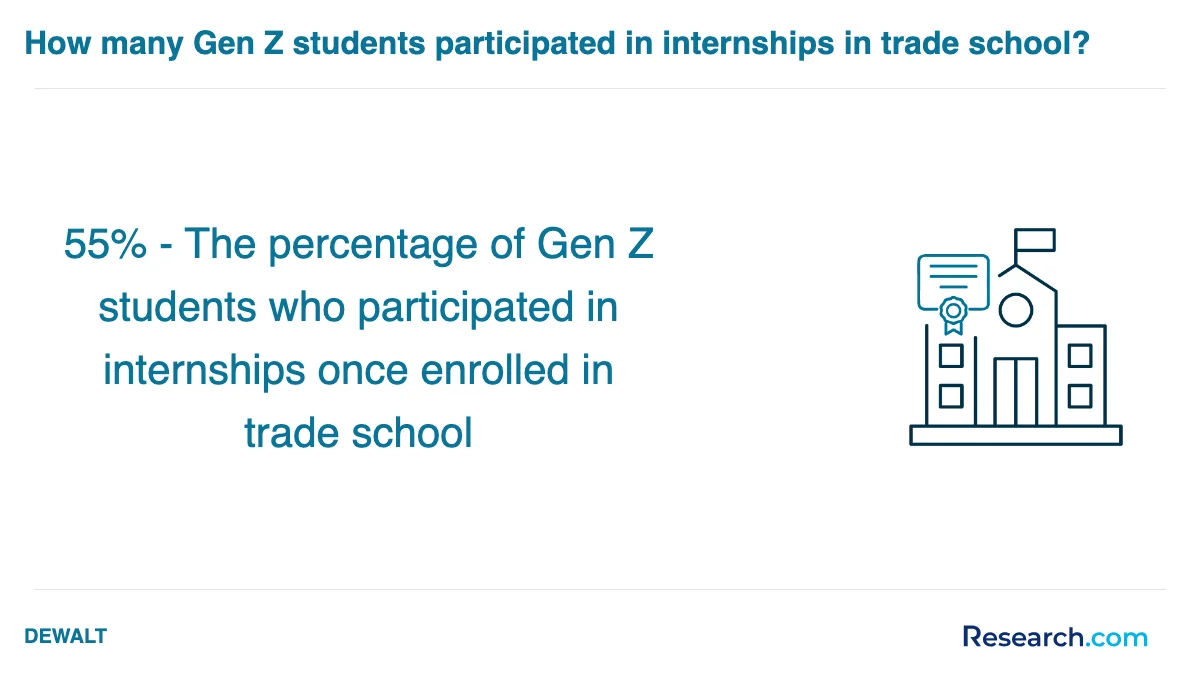
- Many schools offer job placement assistance, internships, or apprenticeships, with local employers helping align training with job market needs.
The time to complete a trade school program in Martinsburg varies widely based on the chosen field and credential level. Graduates from James Rumsey Technical Institute often share how quickly they entered the workforce, with programs like the CDL-B finishing in just 2.5 weeks, fitting perfectly for those needing a fast career start. Others who pursued the CDL-A program invested about 9 to 10 weeks in full-time study, balancing day or evening classes to fit their schedules.
At Valley College, students pursuing healthcare roles experienced programs lasting between 8 to 10 months, such as Medical Clinical Assistant or Billing & Coding, allowing them to gain practical skills without long delays. Some veterinary assistant graduates completed their diplomas in 8 months, often juggling family and work, reflecting the flexible nature of these programs.
For associate degrees, including Nursing at Valley College, completion times extend up to 16 months, providing a thorough education while still faster than traditional four-year routes. This combination of speed and flexibility makes Martinsburg trade schools especially appealing to those eager to start fulfilling careers promptly.
The key difference between online and on-campus trade school programs in Martinsburg lies in how and where students engage with their coursework and practical training. Online programs, like those at Valley College, offer the flexibility that many working adults or parents find invaluable. For example, graduates often share how taking Medical Front Office or Billing & Coding courses online allowed them to balance family and work without the stress of commuting.
However, trades demanding hands-on skills push some students toward hybrid or fully on-campus options. Hybrid programs, such as Valley College's Medical Clinical Assistant, combine at-home theory with essential weekend lab sessions on campus, blending convenience with direct skill practice. Graduates appreciate this balance as it provides real-world experience while respecting their time constraints.
On-campus programs at James Rumsey Technical Institute or Blue Ridge Community & Technical College immerse students in a structured environment with immediate access to instructors and equipment. Students who thrive on routine and face-to-face guidance find this setting reassuring and motivating, especially in technical fields or nursing training.
The average cost of a trade school program in Martinsburg varies based on the institution and residency status, but prospective students can expect a range that reflects affordability paired with quality education. For example, Blue Ridge Community and Technical College (Blue Ridge CTC), a key local institution, charges West Virginia residents about $2,376 annually for full-time tuition and mandatory fees. This rate makes it an appealing choice for many seeking accessible trade education close to home. Metro-area students pay slightly more, at $2,916, while out-of-state students face $4,404 per year, which remains reasonable compared to private options.
Graduates from Blue Ridge CTC often express satisfaction at having found a program that balances cost and comprehensive training, saying the affordability helped relieve financial stress while they focused on hands-on skills. Those exploring more specialized fields like cosmetology or medical technology often encounter tuition closer to the statewide average trade school cost in Martinsburg, which is roughly between $5,000 and $12,000 annually at public schools, and can climb up to $25,000 at private institutions.
It's important to remember that tuition rarely covers extra costs such as books, supplies, or some lab fees, which can cumulatively add to expenses. Many students find financial aid opportunities, like the WV Invests Grant, to be helpful in offsetting these costs. Additionally, for those interested in specific certifications, exploring options like an online hvac certification can provide further flexibility and cost control while expanding career potential.
Understanding Martinsburg trade school tuition and fees from the outset allows students to plan effectively and choose programs that suit both their educational goals and their financial situation.

Trade school students in Martinsburg can access various financial aid options that significantly reduce the cost of vocational training. Most begin by completing the FAFSA, which opens doors to federal Pell Grants-funding that doesn't require repayment and varies based on financial need and enrollment status. Graduates from schools like James Rumsey Technical Institute recall how Pell Grants covered a substantial portion of their tuition, easing financial stress.
For those with greater need, the Federal Supplemental Educational Opportunity Grant (FSEOG) adds extra support, sometimes up to $4,000 yearly. Some trade schools also offer Federal Work-Study, allowing students to earn income through part-time campus jobs that help manage expenses without overwhelming schedules.
While federal student loans, including Direct Stafford and PLUS Loans, are available, certain institutions in Martinsburg don't participate in these programs, requiring students to consider private loans. State-specific aid, such as West Virginia's Invests Grant and the PROMISE Scholarship, further assist local students pursuing in-demand certificates or degrees, making career-focused education more accessible.
Lastly, institutional scholarships and local awards remain vital, with many students reporting positive experiences navigating these opportunities through their schools' websites, highlighting a personalized path to affordable education.
Enrolling in a trade school program in Martinsburg typically requires a high school diploma or a GED recognized by West Virginia, ensuring students possess basic reading, writing, and math skills. For instance, graduates from James Rumsey Technical Institute recall that demonstrating this foundation was crucial before beginning hands-on training.
Applicants must usually be at least 18 years old by the application deadline, reflecting the physical demands of trades like plumbing and HVAC-which often involve standing and lifting for hours, as experienced by students at UA Local 486 Plumbers & Steamfitters.
Physical health and safety are critical; most programs require a physical and drug screening post-acceptance, particularly for trades requiring strenuous labor and adherence to workplace safety standards.
Academic preparedness might involve passing tests like the TABE or specific math assessments, helping candidates confirm their readiness for technical coursework.
- Personal interviews to assess motivation and fit for the trade
- Submission of official transcripts or GED certification
- Proof of legal eligibility to work in the U.S., such as a Social Security card
- Background checks, especially for licensure-related fields
These prerequisites ensure that students embarking on trade programs in Martinsburg are well-prepared and confident, setting the stage for rewarding careers in high-demand skilled trades.

Trade schools in Martinsburg offer a variety of practical courses designed for students eager to enter the workforce quickly and confidently. Graduates often express satisfaction with programs that blend hands-on training and relevant theory. For instance, healthcare-oriented courses at Valley College, such as Medical Clinical Assistant and Practical Nursing, combine online lessons with on-site labs, letting students practice skills like blood draws or patient communication firsthand.
Technical programs at James Rumsey Technical Institute are another popular choice. Students appreciate learning automotive diagnostics in a real-world shop or mastering electrical systems to prepare for the Journeyman License within 11 months. HVAC training and carpentry courses also deliver practical skills for immediate job readiness.
Many students value these flexible options offered at Martinsburg schools, especially evening or hybrid formats that support working adults. Typical courses include:
- Healthcare: Nursing Associate's Degree, Phlebotomy Technician, Medical Billing & Coding
- Technical fields: Automotive Technician, Electrical Technician, HVAC Technician, Carpentry
- Career advancement: Paralegal, Cybersecurity, Culinary Arts, Electric Distribution Technology
- Transportation: Commercial Driving for CDL Class A or B licenses
This broad curriculum reflects Martinsburg's focus on fast, career-oriented education that meets local employment demands and fits busy lifestyles.
Trade school programs in Martinsburg offer diverse specializations tailored to meet both traditional and modern workforce demands. Graduates from James Rumsey Technical Institute often highlight hands-on experience in technology-focused areas such as Coding, App & Game Design, Cybersecurity/Cisco, and Robotics Engineering, where practical skills like Python programming are emphasized. Creative-minded students find opportunities in Graphic Design and Multimedia Publishing, working with digital arts and media production tools.
On the other hand, those interested in skilled trades praise programs in Diesel Technology, Electrical Technician, Masonry, and Welding, which offer shop-based learning and certifications like the West Virginia Journeyman's License. Apprenticeships in plumbing and carpentry through local unions provide valuable real-world experience. The healthcare sector, served by Valley College and James Rumsey Technical Institute, trains students for roles like nursing assistants and medical clinical assistants, blending online and in-person learning to prepare for clinical environments.
The availability of specializations in Martinsburg's trade schools reflects a commitment to matching career goals with local labor market needs, whether tech-savvy, creative, healthcare-oriented, or skilled trade paths. For those exploring options, researching programs such as cheapest flooring installers certification online can provide additional accessible pathways.
Choosing the best trade school program in Martinsburg means focusing on factors like program relevance, accreditation, and practical experience. Graduates from James Rumsey Technical Institute often highlight how hands-on training in automotive technology or HVAC at this local school matched real workplace scenarios, making transitions into jobs smoother. When deciding, consider accreditation by recognized bodies, which ensures your credential's value in the Martinsburg job market and beyond.
How to compare Martinsburg trade schools also involves assessing scheduling flexibility and program length. Some students appreciate options that allow evening classes or accelerated programs lasting a few weeks instead of years, helping balance school with personal commitments. Facilities matter too; for example, the Technology Center at Blue Ridge Community and Technical College offers modern labs that alumni say prepared them well for on-the-job challenges.
Lastly, explore connections each school has with local employers, internships, and apprenticeships-key for gaining real industry exposure in Martinsburg. Evaluating cost against financial aid and expected earnings is critical to finding the best trade school programs in Martinsburg. For more info on choosing well, see the best trade schools in the us.
Trade school graduates in Martinsburg find a variety of career opportunities suited to their practical skills and local demand. Many enter skilled trades like automotive technology, electrical work, HVAC, and diesel technology, benefiting from programs at schools like James Rumsey Technical Institute. Graduates express satisfaction knowing their skills directly contribute to everyday community needs, such as maintaining residential and commercial electrical systems or repairing vehicles vital to local transport.
Healthcare roles also draw graduates eager to impact lives in nearby clinics and hospitals through training in phlebotomy or childhood education. These roles align with the expanding healthcare sector in Martinsburg, offering stable employment options.
Among the highest paying trade school jobs Martinsburg WV includes public safety careers such as firefighting and EMT work, where graduates feel a strong sense of purpose and community connection. Construction apprenticeships in masonry and carpentry further provide hands-on experience combined with earning potential.
Emerging paths in IT and creative fields reflect the area's evolving economy. Those interested in carpentry may explore most affordable carpentry training programs online to supplement local education and broaden career opportunities.
The job market for trade school graduates in Martinsburg is notably active, offering strong job opportunities for trade school graduates in Martinsburg. Graduates from local institutions such as James Rumsey Technical Institute often find roles in well-paying fields like electrical technology, diesel mechanics, and cybersecurity, earning between $45,300 and $73,000 annually on average. Entry-level positions start near $24,195, with top roles reaching nearly $95,000, reflecting diverse career potential.
Current employment trends show nearly 94 open skilled trade positions locally, highlighting a vibrant demand that aligns with Martinsburg WV skilled trades employment trends. Graduates commonly share how practical skills learned in programs translate directly to rewarding jobs as industrial painters, mechanics, and electricians.
- West Virginia's projected 37% growth in farm equipment mechanics and 39.8% for wind turbine technicians signals long-term career stability.
- Construction trades, including roofers and welders, also experience steady demand, supported by the region's industries.
Many students considering their options weigh the value of a trade program vs vocational program carefully, with Martinsburg's trade schools offering real-world training crucial for immediate employment success.
Most Affordable Trade School & Training Programs - Leading Certification Courses in Martinsburg for 2026
# 1 position
Blue Ridge Community and Technical College - Business Administration and Management, General.
associateBlue Ridge Community and Technical College offers a fully online Business Administration and Management, General program designed to prepare students to plan, organize, direct, and control business functions. The curriculum covers management theory, human resources, accounting, logistics, marketing, and business decision-making. Annual in-state tuition is $4,344. Graduates have median earnings of $32,176 one year after program completion. The program is accredited by the Higher Learning Commission.
# 2 position
Blue Ridge Community and Technical College - Baking and Pastry Arts/Baker/Pastry Chef.
associateBlue Ridge Community and Technical College offers a Baking and Pastry Arts program that prepares students to become professional bakers and pastry chefs. The hybrid program includes instruction in bread and pastry making, decorating, handling, storage, and marketing operations. Annual in-state tuition is $4,344. The program is accredited by the Higher Learning Commission, ensuring quality education for those seeking careers in commercial baking establishments.
# 3 position
Blue Ridge Community and Technical College - Legal Assistant/Paralegal.
associateBlue Ridge Community and Technical College offers a fully online Legal Assistant/Paralegal program designed to prepare students for roles involving legal research, drafting, investigatory tasks, and administrative support under attorney supervision. The curriculum covers legal research, document drafting, courthouse procedures, and various legal specializations. The program is accredited by the Higher Learning Commission. Annual in-state tuition is $4,344.
# 4 position
Blue Ridge Community and Technical College - Criminal Justice/Safety Studies.
associateBlue Ridge Community and Technical College offers a fully online Criminal Justice/Safety Studies program. This program covers criminal justice systems, organizational components, legal and public policy contexts, including criminal law, police and correctional systems, administration of justice, and public attitudes toward criminal justice issues. The program is accredited by the Higher Learning Commission. Annual in-state tuition is $4,344.
# 5 position
Blue Ridge Community and Technical College - Electrical and Power Transmission Installation/Installer, General.
associateBlue Ridge Community and Technical College offers a hybrid Electrical and Power Transmission Installation/Installer, General program that prepares students to install residential, commercial, and industrial electrical systems and power transmission lines. The curriculum covers electricity, safety, wiring, insulation, grounding, blueprint interpretation, equipment operation, maintenance, and applicable codes. The annual in-state tuition is $4,344. The program is accredited by the Higher Learning Commission.
# 6 position
Blue Ridge Community and Technical College - Physical Therapy Assistant.
associateThe Physical Therapy Assistant program at Blue Ridge Community and Technical College offers a hybrid format with some distance-education options. It prepares students to assist physical therapists by implementing treatment plans, training patients, and conducting interventions. The curriculum covers anatomy, physiology, biomechanics, clinical documentation, and professional ethics. Annual in-state tuition is $4,344. Graduates have median earnings of $30,181 one year after completing the program. The program is accredited by the Higher Learning Commission.
# 7 position
Blue Ridge Community and Technical College - Allied Health and Medical Assisting Services, Other.
associateBlue Ridge Community and Technical College offers a hybrid program in Allied Health and Medical Assisting Services, Other, with an annual in-state tuition of $4,344. Graduates earn a median salary of $30,181 one year after completion. The program is accredited by the Higher Learning Commission and includes some distance-education options to provide flexible learning for students.
# 8 position
Blue Ridge Community and Technical College - Accounting Technology/Technician and Bookkeeping.
associateBlue Ridge Community and Technical College offers a fully online program in Accounting Technology/Technician and Bookkeeping. The curriculum trains students to support professional accountants by teaching transaction posting, record-keeping systems, accounting software, and general accounting principles. The program is accredited by the Higher Learning Commission and has an annual in-state tuition of $4,344.
# 9 position
Blue Ridge Community and Technical College - Computer and Information Systems Security/Auditing/Information Assurance.
associateBlue Ridge Community and Technical College offers a fully online program in Computer and Information Systems Security/Auditing/Information Assurance. This program prepares students to assess and manage security needs for computer and network systems, covering topics such as cryptography, risk assessment, and security system auditing. The annual in-state tuition is $4,344. Graduates earn a median salary of $28,743 one year after completion. The program is accredited by the Higher Learning Commission.
# 10 position
Blue Ridge Community and Technical College - Information Technology.
associateBlue Ridge Community and Technical College offers a hybrid Information Technology program focusing on designing technological information systems for business and research support. The curriculum covers computer hardware and software, algorithms, databases, telecommunications, application testing, and human interface design. Annual in-state tuition is $4,344. Graduates earn a median salary of $22,640 one year after completion. The program is accredited by the Higher Learning Commission.
Frequently Asked Questions about trade school programs
After completing trade school in Martinsburg, preparing for the job market involves practical steps to increase employability. Graduates should focus on obtaining relevant certifications, as many trades require state or national licenses. According to the U.S. Bureau of Labor Statistics, licensed professionals often experience higher job placement rates. Networking is also crucial; joining local trade associations or attending job fairs in the Martinsburg area can create valuable connections. Resume building and interview practice tailored to specific trades improve hiring chances. Additionally, leveraging school career services can help graduates access local apprenticeship and job opportunities, especially in industries like construction or automotive repair.
Employers in Martinsburg prioritize practical skills when hiring trade school graduates. According to the U.S. Bureau of Labor Statistics and local workforce surveys, technical proficiency in fields like electrical work, HVAC, and welding ranks highest. Approximately 80% of employers seek graduates who can demonstrate hands-on experience with relevant tools and machinery.
Soft skills are equally important. Communication skills, teamwork, and problem-solving abilities are often cited as critical for workplace success, with 70% of local employers emphasizing these traits. Time management and adaptability also play key roles, reflecting the dynamic needs of Martinsburg's industries.
Finding internships in Martinsburg that align with your trade school program involves a combination of local networking and research. Start by contacting your trade school's career services office, which often has partnerships with nearby employers. In Martinsburg, industries such as construction, automotive repair, and healthcare commonly offer internship opportunities for trade students.
The Eastern West Virginia Regional Airport and local manufacturers can provide relevant placements. Additionally, job platforms like Indeed and Handshake frequently list trade-specific internships in the area. According to the U.S. Bureau of Labor Statistics, apprenticeship and internship roles in skilled trades have grown by 7% nationally over recent years, reflecting increasing demand.
Finally, joining local trade associations or chambers of commerce can connect you directly with potential employers who value trade school experience.
A trade school diploma in Martinsburg can significantly enhance career mobility and advancement. Graduates with such credentials often qualify for skilled positions in industries like manufacturing, healthcare, and construction, which are prominent locally. According to data from the West Virginia Department of Education, trade school graduates earn, on average, 15-20% higher starting salaries compared to those with only a high school diploma.
Employers in Martinsburg value the practical skills and certifications that trade schools provide, which often accelerate promotion opportunities. Additionally, the region's focus on technical trades supports steady demand for qualified workers, increasing job security and potential for wage growth.
Trade school programs typically include internship or apprenticeship components, helping students build valuable professional networks within Martinsburg's business community. These connections further improve career prospects and advancement possibilities.
In Martinsburg, part-time job opportunities that complement trade school education often align with the skills students acquire. For example, students in automotive programs can find roles as service assistants or parts clerks at local repair shops. Those studying healthcare-related trades may work as medical aides or pharmacy assistants in clinics and pharmacies around Martinsburg. According to the Bureau of Labor Statistics, healthcare support and automotive service jobs have steady growth in West Virginia, reflecting local demand.
Additionally, Martinsburg's expanding construction sector offers part-time positions as laborers or apprentices, valuable for trade students in building and electrical fields. These jobs provide practical experience while earning income.
Engaging in these roles helps students build resumes and gain hands-on skills relevant to their fields before graduation.
To choose the most affordable degree program near you in Martinsburg, WV, begin by considering local community colleges and public universities, which often offer lower tuition rates for state residents. Look into programs near Martinsburg, WV, to compare costs per credit hour and find financial aid opportunities. Research.com can be a helpful resource for identifying accredited institutions and affordable programs near me that meet your educational and financial needs.
- Career Advancement Education - Blue Ridge CTC https://www.blueridgectc.edu/academic-programs/career-advancement-education/
- Martinsburg, WV Campus - Valley College https://valley.edu/locations/martinsburg/
- James Rumsey Technical Institute – Here Today, Career Tomorrow! https://jamesrumsey.com/
- Trade Schools in West Virginia | Top Trade Schools https://toptradeschools.com/states/west-virginia/
- Vocational Trade Schools In West Virginia 2021 https://www.accreditedschoolsonline.org/vocational-trade-school/west-virginia/
- WVJC | West Virginia Junior College | WVJC Online https://www.wvjc.edu/





