
Best Associate Degree Programs - Leading Certification Courses in Waterloo for 2026

Co-Founder and Chief Data Scientist
Choosing the right associate degree program in Waterloo can shape your future career and open new opportunities. This article introduces the best associate degree programs in Waterloo for 2026, carefully ranked by the Research.com team of data scientists.
Our ranking is designed to help you make an informed decision about which trade school programs truly stand out. By exploring these programs, you’ll discover options that align with your goals and interests.
Getting an associate degree offers valuable skills and a rewarding path toward personal and professional growth. Let’s explore your next steps together.
Key benefits of associate degrees in Waterloo
- Associate degree graduates in Waterloo can expect competitive salaries, such as $48,700 per year in Dental Support Services, $45,600 in Registered Nursing, and about $33,600 in Vehicle Maintenance, offering a strong financial start.
- Popular career paths include healthcare roles like Registered Nursing and Clinical Laboratory Science, along with technical fields such as Criminal Justice and Vehicle Repair, giving you diverse options based on your interests.
- Getting an online associate degree offers flexibility and convenience, allowing students to balance work and study effectively, often providing the same quality education as traditional programs from local schools like Hawkeye Community College.
- Best Associate Degree Programs - Leading Certification Courses in Waterloo for 2026
- What can I expect from associate degree programs in Waterloo?
- Where can I work after finishing associate degree programs in Waterloo?
What can I expect from associate degree programs in Waterloo?
The average cost of an associate degree program in Waterloo usually ranges around $5,000 to $8,000 per year, making it an affordable option compared to many four-year colleges. Graduates from places like Hawkeye Community College often mention how this price point allowed them to focus on their studies without overwhelming financial stress. For a full two-year program, you might expect to invest roughly $10,000 to $16,000 in tuition, though this can vary depending on whether you take in-person or online classes.
Many students appreciate that the flexible class options at Waterloo schools-like online or hybrid formats-can reduce commuting and related costs, helping stretch every dollar. Some graduates recall balancing jobs while attending classes, feeling empowered by the hands-on experiences and internships included, which provided real-world skills alongside their education.
This combination of affordable tuition and practical training makes studying an associate degree in Waterloo a smart investment for those eager to jumpstart a career or build a solid foundation for further education.
Where can I work after finishing associate degree programs in Waterloo?
After finishing an associate degree program in Waterloo, you'll find a wide range of job opportunities waiting for you. Many graduates land roles right away in healthcare, like becoming a nurse or healthcare support staff at local hospitals and clinics. Some move into management positions, such as patient services manager, earning between $47,300 and $71,390 a year. It's encouraging for students to know that their skills are in demand and can lead to stable careers close to home.
Other grads get hired as accounting or payroll specialists, often earning $25 to $30 an hour. They handle important tasks like job cost reporting for businesses here in Waterloo, which creates a real sense of responsibility and pride. Administrative jobs also pop up frequently in diverse industries such as insurance or farm management - many offer good benefits too.
For creative types, graphic design roles at local companies provide a way to turn artistic talents into paid work. Many former students from Waterloo's associate programs share how they jumpstarted careers in customer service, sales, and skilled trades, like plumbing apprenticeships or physical therapy assistance. It's exciting to see how hands-on training really pays off in this community.
After finishing an associate degree program in Waterloo, you can expect to earn around $25.54 per hour on average, which is pretty solid for starting out. Graduates from popular local schools often share how stepping into jobs like medical assisting or business administration quickly brought in wages that felt rewarding and matched their efforts.
In fact, many find themselves earning between $39,000 and $50,000 annually, especially in healthcare or technical fields where employers really value the hands-on skills gained during their studies. Imagine moving from campus life straight into a position helping patients or managing office operations, and feeling confident knowing your pay reflects the training you invested in.
One graduate mentioned how full-time roles didn't just offer a good paycheck but also included benefits like health insurance and paid time off-those little things that really add up and make a difference in day-to-day life. Starting salaries in Waterloo provide a nice launchpad, and with experience, it's common to see earnings grow even more.
- Emily: Earning my Associate Degree in Electrical Engineering at Waterloo was life-changing. The hands-on training at the trade school prepared me perfectly for my role as an electrician. I felt confident and skilled walking into the workforce, and the supportive community made every challenge enjoyable.
- Jason: Studying Business Administration at Waterloo was an empowering journey. The practical coursework and real-world projects gave me the tools to land a marketing coordinator position right after graduation. The blend of theory and practice truly set this program apart for career success.
- Sophia: The Associate Degree in Culinary Arts from Waterloo's trade school opened doors I never imagined. The immersive learning environment fueled my passion for cooking, and today I'm thriving as a sous chef. This education not only taught skills but also gave me confidence and pride.
- Applicants usually need a high school diploma or GED, official transcripts, and sometimes a personal statement or essay.
- Some programs require immunization records, physical exams, background checks, and placement tests in English and math.
- Minimum GPA requirements often include around a B average (80%) for high school or a 2.75 college GPA for transfer students.
- Tuition for associate degrees at public institutions ranges from $3,800 to $4,600 per year, with private colleges charging over $15,000 annually.
- Starting salaries for graduates typically range from $35,000 to $60,000 depending on the field, with wage growth reaching $50,000 to $60,000 after several years.
If you're planning to complete an associate degree in Waterloo, most full-time students finish in about two years. This means enrolling in roughly five courses each semester over four semesters, just like many graduates from popular schools such as Hawkeye Community College. Those students often share how the steady pace feels manageable and rewarding, especially when balancing coursework with other responsibilities.
For others working part-time or with family commitments, stretching the program over three to five years is common. Some graduates taking two courses per semester mention this flexibility made it easier to juggle work and school, even if it meant a longer overall journey.
Then there are the go-getters who dive into accelerated pathways, attending year-round including summer terms. These students finish in as little as 18 months, gaining their degrees quickly and feeling great about jumping straight into careers with solid, practical skills.
Remember, transfer credits or prior experience may shorten your timeline, so it's worth chatting with your chosen Waterloo program to see what fits your lifestyle best.
The biggest difference between online and on-campus associate degree programs in Waterloo comes down to how you experience learning. If you choose online, you can study anytime that fits your day-whether that's late at night after work or mid-morning on weekends. Many graduates from local schools like Generations College love how flexible it is to take courses without leaving home, especially if you're juggling family or a job. It feels empowering to manage your own schedule and still connect with instructors through online chats and video lectures.
On the other hand, on-campus programs at places like the University of Waterloo offer that classic college vibe. Graduates often talk about how meeting classmates face-to-face and using campus facilities like labs and libraries really helped them dive deeper into their studies. There's something reassuring about walking into a classroom and getting immediate feedback or forming study groups in person. Some students also enjoy the social side-joining campus events or networking right where they study.
Both paths have their perks, so it really depends on your lifestyle and what kind of college experience you want in Waterloo.
The average associate degree cost in Waterloo is a big reason why many choose local community colleges like Hawkeye, Ellsworth, or Marshalltown. Graduates often share how the affordable tuition - typically between $9,000 and $11,000 for the full two-year program - made pursuing higher education feel less like a financial burden. Compared to the steep $26,000-plus yearly price tag at nearby four-year schools, Waterloo associate degree tuition and fees offer huge savings. This makes it easier for students to balance work, life, and school without drowning in debt.
Many students also find that living nearby helps cut costs further because these colleges offer reduced tuition rates for residents of Waterloo and surrounding areas. Plus, the chance to access federal aid, state grants, and local scholarships means some graduates pay even less than the typical range. One graduate described how enrolling part-time while working full-time helped spread costs out comfortably over a longer period, making the journey manageable and rewarding.
For those exploring options, it's worth checking out what certificate programs make the most money, which can complement an associate degree and boost earning potential. The flexibility offered by Waterloo's community colleges truly makes higher education accessible, especially when managing expenses is top of mind.
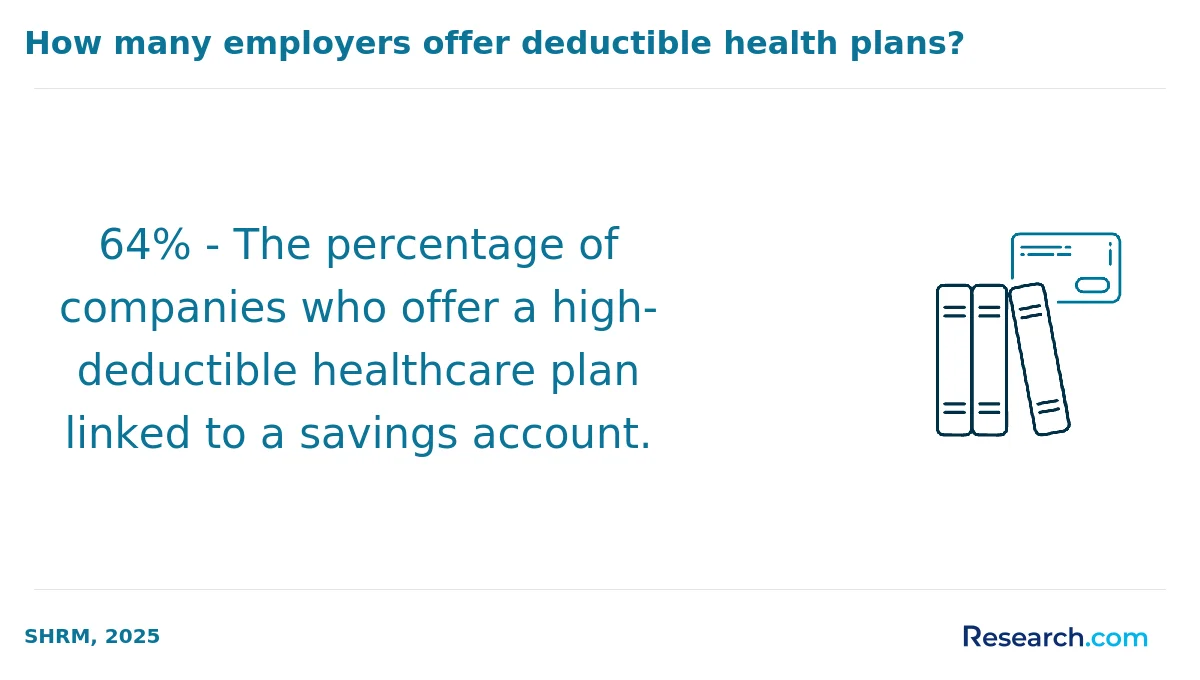
If you're aiming for an associate degree in Waterloo, financial aid options can really ease the journey. Most students start with the FAFSA, which opens doors to federal grants, loans, and work-study programs. It's essential to get this done early because some aid is first-come, first-served.
For Iowa residents, there's a notable boost from the Iowa Tuition Grant. Imagine earning up to $7,500 toward your tuition at schools like Hawkeye Community College, which many local graduates have found incredibly helpful. The grant applies to private colleges too, so it's versatile. Just be sure to file your FAFSA by July 1 and keep up with residency rules.
Another win for students is the Future Ready Iowa Last-Dollar Scholarship. Picture this as covering what's left after other grants, which means less worry about tuition bills. This one's great if you're in high-demand associate programs and file FAFSA by the end of December. It helps both recent grads and adults returning to finish their studies.
Local scholarships from Waterloo colleges and community groups also support students, often rewarding merit or unique backgrounds. One graduate shared that the combination of these aids not only made college affordable but also allowed focusing fully on studies without stressing finances.
To enroll in an associate degree program in Waterloo, you'll generally need a high school diploma or something similar like a GED. This baseline is what helped many graduates from popular Waterloo schools confidently step into college-level work without feeling overwhelmed.
Academic readiness matters too. For instance, if you're eyeing a science or engineering track, expect to have completed high school courses in math, chemistry, or biology with at least a C grade. Graduates often share how this foundation made their first college labs and classes feel manageable instead of intimidating.
Here's a quick rundown of key prerequisites you might encounter at Waterloo associate degree schools:
- Proof of proficiency in core subjects (reading, math, science) via test scores or placement exams
- English language skills validated by tests like TOEFL or IELTS if you're a non-native speaker
- Specific program requirements like portfolios or interviews, especially for creative fields
- For dual-enrollment or PSEO, usually being in 11th or 12th grade with strong grades and recommendations
Many students find that chatting with academic advisors early on helps clarify these steps, ensuring a smooth start to their Waterloo associate degree journey.

Students enrolled in associate degree programs in Waterloo often find themselves diving into a well-rounded mix of courses that cover both general education and specialized subjects. Common courses in Waterloo associate degree programs typically include communication, mathematics, sciences, and social sciences, providing a solid foundation that many graduates say helped them gain confidence and develop essential skills.
At popular schools like Hawkeye Community College, students share how business majors get hands-on practice with accounting, marketing, and business law, while cybersecurity students get excited tackling networking fundamentals and ethical hacking challenges. Health-focused programs often mix anatomy, physiology, and patient care to prepare students for real-world clinical settings.
Many Waterloo associate degree curriculum options also emphasize practical, career-ready skills. For instance, technical programs include labs in electronics and safety standards, while creative fields let students experiment with web design or media production. Graduates appreciate how this setup makes balancing work and study easier, thanks to flexible scheduling.
For those curious about what is the easiest bachelor's degree to get after their associate, Waterloo's programs often align well with transfer years, enabling smooth progress toward a four-year degree.
When picking the best associate degree programs in Waterloo, accreditation should be top of mind. Graduates from schools like Upper Iowa University often share how knowing their degree met solid academic standards gave them confidence that credits would transfer smoothly and employers would take their qualification seriously. It's reassuring to attend a program that's respected locally and beyond.
Looking at program offerings helps you find a degree aligned with your passions and career goals. For example, if you're into business or health services, Waterloo's options cater well to those areas. One graduate mentioned how choosing a program with strong hands-on learning made all the difference in staying motivated and job-ready.
How to compare associate degree costs in Waterloo is another popular concern. Many students appreciate programs offering flexible schedules, like evening or online classes at Upper Iowa University, which help juggle work and life. And if you want to speed things up, check out associate's degree accelerated options that some local schools provide.
Finally, consider transferability-many Waterloo schools have partnerships allowing easy credit transfers, so you can continue to a bachelor's without hassle. Also, solid student support services, such as tutoring and advising, create an encouraging environment that graduates often praise for helping them finish strong and enjoy the journey.
Associate degree graduates in Waterloo step into a vibrant job market with many exciting options. Many find rewarding entry-level positions in software engineering thanks to the city's booming tech scene. Graduates from popular associate degree schools in Waterloo often share how working on real-world projects at local companies helped them build confidence early in their careers.
Finance enthusiasts benefit greatly from programs linked to Waterloo's School of Accounting and Finance, opening doors to roles like financial analysts or investment associates. Practical experience gained during studies turns into smooth transitions into jobs at banks or insurance companies.
Some embrace the actuarial profession, enjoying programs with hands-on rotations and data analytics pathways that prepare them for industry certification. Meanwhile, others pursue paths in business administration, customer service, or sales, finding the diverse local economy welcoming to skilled communicators.
Here's what recent graduates often highlight about their career paths:
- Software engineering roles at firms like Sun Life that foster growth.
- Financial positions supported by hands-on training in accounting programs.
- Actuarial associate roles offering exposure to predictive modeling.
- Business administration opportunities across various sectors.
Those exploring best accredited non profit colleges in Waterloo appreciate the practical skills and professional networks built during their associate degree programs, which make entering these career paths feel achievable and rewarding.
The job market for associate degree graduates in Waterloo is vibrant and growing, with plenty of opportunities across healthcare, business, education, and beyond. Graduates from popular associate degree schools in the area share stories of landing roles quickly-whether as a registered nurse, patient services manager, or administrative professional. Many find that an associate degree opens doors to solid starting salaries, such as $18.50 to $30 per hour in business roles or $47,300 to $71,390 annually in healthcare management.
Here's what you can expect from Waterloo employment trends for associate degree graduates:
- Healthcare roles like nursing and patient services are in high demand.
- Business programs, like those at Hawkeye Community College, prepare grads for management and marketing jobs.
- Education and social service fields offer steady pay and room to grow.
Many local graduates describe feeling confident stepping into the workforce, knowing their degrees are recognized by regional employers. If you want to explore practical options, consider checking out vocational schools online, which can offer flexible paths to boost your skills alongside your associate degree.
Best Associate Degree Programs - Leading Certification Courses in Waterloo for 2026
# 1 position
Hawkeye Community College - Criminal Justice/Safety Studies.
associateHawkeye Community College offers a fully online Criminal Justice/Safety Studies program focusing on the criminal justice system, including criminal law, police and correctional systems, and public policy. The program covers the administration of justice, the judiciary, and public attitudes toward criminal justice issues. Accredited by the Higher Learning Commission, the annual in-state tuition is $6,308. Graduates have a median earning of $49,572 one year after completion.
# 2 position
Hawkeye Community College - Criminal Justice/Police Science.
associateHawkeye Community College offers a fully online Criminal Justice/Police Science program designed to train individuals for roles in law enforcement and public security. The curriculum covers patrol, investigative work, traffic and crowd control, evidence handling, and crime prevention. The program’s annual in-state tuition is $6,308. Graduates earn a median income of $49,572 one year after completion. It is accredited by the Higher Learning Commission.
# 3 position
Hawkeye Community College - Automobile/Automotive Mechanics Technology/Technician.
associateHawkeye Community College offers a hybrid program in Automobile/Automotive Mechanics Technology/Technician, preparing students to repair, service, and maintain various automobile systems. The curriculum covers brake systems, electrical systems, engine performance and repair, suspension and steering, transmissions, and heating and air conditioning. Annual in-state tuition is $6,308, and median earnings one year after completion are $47,762. The program is accredited by the Higher Learning Commission.
# 4 position
Hawkeye Community College - Computer Numerically Controlled (CNC) Machinist Technology/CNC Machinist.
associateHawkeye Community College offers a hybrid Computer Numerically Controlled (CNC) Machinist Technology program designed to prepare students to operate CNC machine tools like lathes and mills. The curriculum covers CNC terminology, programming, setup, blueprint reading, machining, CAD/CAM systems, and safety practices. Annual in-state tuition is $6,308. Graduates typically earn a median salary of $45,509 one year after completing the program. The program is accredited by the Higher Learning Commission.
# 5 position
Hawkeye Community College - Business Administration and Management, General.
associateHawkeye Community College offers a Business Administration and Management, General program designed to prepare individuals to plan, organize, direct, and control the functions of a firm or organization. The curriculum includes management theory, human resources management, accounting, quantitative methods, purchasing, logistics, marketing, and business decision-making. The annual in-state tuition is $6,308. This program is accredited by the Higher Learning Commission.
# 6 position
Hawkeye Community College - Accounting.
associateHawkeye Community College offers a hybrid Accounting program designed to prepare students for the accounting profession and related business functions. The curriculum covers accounting principles, financial and managerial accounting, cost accounting, tax accounting, auditing, and business information systems. The program emphasizes professional standards, ethics, and practical applications for various organizations. Annual in-state tuition is $6,308, and the program is accredited by the Higher Learning Commission.
# 7 position
Hawkeye Community College - Welding Technology/Welder.
associateHawkeye Community College offers a Welding Technology/Welder program with a hybrid format including some distance education. The program prepares students to apply technical skills in various welding methods such as arc welding, resistance welding, brazing, cutting, and high-energy beam welding. Topics include welding metallurgy, safety, codes, and structural design. Annual in-state tuition is $6,308. Graduates have median earnings of $45,509 one year after completion. The program is accredited by the Higher Learning Commission.
# 8 position
Hawkeye Community College - Computer Systems Networking and Telecommunications.
associateHawkeye Community College offers a hybrid program in Computer Systems Networking and Telecommunications that prepares students to become network specialists and managers. The curriculum covers operating systems, systems design, networking theory, security, and troubleshooting. Annual in-state tuition is $6,308. Graduates have median earnings of $40,873 one year after completion. The program is accredited by the Higher Learning Commission.
# 9 position
Hawkeye Community College - Physical Therapy Assistant.
associateHawkeye Community College offers a Hybrid Physical Therapy Assistant program that trains students to assist physical therapists by implementing treatment plans, conducting interventions, and monitoring patient progress. The curriculum covers applied anatomy, physiology, biomechanics, neuroscience, and professional ethics. The annual in-state tuition is $6,308. Graduates have median earnings of $39,614 one year after completion. The program is accredited by the Higher Learning Commission.
Frequently Asked Questions about associate degree programs
Preparing for the job market after completing an associate degree in Waterloo requires strategic planning. Graduates should start by researching local employers and industry trends in Waterloo's key sectors such as manufacturing, healthcare, and information technology. According to the U.S. Bureau of Labor Statistics, associate degree holders in these fields often see employment growth of 5-9% over the next decade.
Networking is essential. Joining professional groups and attending local job fairs organized by community colleges in Waterloo can increase job opportunities. Additionally, polishing resumes and practicing interview skills help graduates stand out.
Gaining relevant work experience through internships or part-time jobs during studies is proven to boost employment chances. The National Center for Education Statistics reports that 65% of associate degree graduates who engaged in internships found jobs within six months of graduation in their field.
Employers in Waterloo highly value associate degree graduates who demonstrate strong technical skills relevant to their field. According to the National Association of Colleges and Employers (NACE), proficiency in computer literacy, data analysis, and basic programming are among the top technical competencies sought in 2024.
Beyond technical knowledge, soft skills play a crucial role. Communication, teamwork, and problem-solving skills are consistently rated as essential by local employers, reflecting national trends reported by the National Skills Coalition. About 85% of employers emphasize these skills when hiring associate degree holders.
Time management and adaptability are also critical, as many roles require multitasking and quick learning. In Waterloo's competitive job market, these competencies often differentiate candidates with similar academic records.
Finding internships in Waterloo relevant to your associate degree program involves several practical steps. Start by exploring the career services office at your educational institution, as they often have established connections with local businesses and can offer tailored internship listings.
Additionally, websites such as Handshake and Indeed frequently post internships specific to the Waterloo area. According to recent data from the National Association of Colleges and Employers (NACE), about 65% of students secure internships through such online platforms.
Networking is also crucial. Attend local job fairs, industry meetups, and connect with alumni who have pursued similar fields.
Finally, consider contacting employers directly, especially those in technology, healthcare, and manufacturing sectors, which are prominent in Waterloo's economy.
An associate degree in Waterloo can significantly enhance career mobility by equipping students with practical skills and foundational knowledge sought by local employers. Data from the U.S. Bureau of Labor Statistics shows that individuals with an associate degree typically earn 18% more than those with only a high school diploma. In Waterloo's evolving job market, many industries such as healthcare, information technology, and manufacturing highly value associate degree holders for their specialized training.
Furthermore, associate degrees facilitate advancement opportunities by enabling graduates to qualify for supervisory or technical roles. According to the National Center for Education Statistics, nearly 40% of associate degree graduates in the region report improved job prospects within two years after completing their programs.
Waterloo offers various part-time job opportunities that align well with associate degree studies. Many students find positions in retail, administration, and customer service, which help develop communication and organizational skills. According to the U.S. Bureau of Labor Statistics, part-time roles in education support and healthcare support are growing, providing relevant experience for students in health-related programs.
Local businesses and tech firms also employ part-time workers for roles like data entry and technical support, valuable for those in information technology or business programs.
These jobs generally offer flexible hours, allowing students to balance work and study effectively during their associate degree programs.
When choosing the best degree program near you in Waterloo, IA, consider factors such as your career goals, program reputation, and available resources. Look for universities and colleges near Waterloo, IA that offer programs tailored to your interests, and use resources like Research.com to compare options. Additionally, visit campuses and reach out to admissions offices to gather information on student support services, internships, and job placement programs available near me.
- Best Trade School & Training Programs - Leading Certification Courses in Emporia for 2026
- Best Trade School & Training Programs - Leading Certification Courses in Springfield for 2026
- Best Trade School & Training Programs - Leading Certification Courses in Angola for 2026
- Best Trade School & Training Programs - Leading Certification Courses in Adrian for 2026
- Best Trade School & Training Programs - Leading Certification Courses in Florence for 2026
- Best Trade School & Training Programs - Leading Certification Courses in Kyle for 2026
- Best Trade School & Training Programs - Leading Certification Courses in Little Rock for 2026
- Best Trade School & Training Programs - Leading Certification Courses in Akron for 2026
- Best Trade School & Training Programs - Leading Certification Courses in Hamburg for 2026
- Part-time studies and online degrees | Undergraduate Programs | University of Waterloo https://uwaterloo.ca/future-students/part-time-online-degrees
- What is an associate’s degree? | Top Universities https://www.topuniversities.com/blog/what-associates-degree
- Career Opportunities - Region of Waterloo https://www.regionofwaterloo.ca/en/regional-government/job-postings.aspx
- Understanding Requirements and Careers after an Associate Degree https://leapscholar.com/blog/requirements-and-careers-after-an-associate-degree/
- Attending to Equity in Work-Integrated Learning - Center for Engaged Learning https://www.centerforengagedlearning.org/attending-to-equity-in-work-integrated-learning/
- Associate Degree programs - United International Business School (UIBS) https://www.uibs.org/undergraduate/associate/
- Dental Hygiene AAS Degree | Hawkeye Community College Waterloo, IA https://www.hawkeyecollege.edu/programs/dental/dental-hygiene-aas-degree
- Is an Online Degree the Same as a Traditional Degree | Online Degree https://www.cambridgehealth.edu/online-degrees/get-an-online-degree/is-an-online-degree-the-same-as-a-traditional-degree/
- University of Waterloo - Ranking, Courses, Admission 2025 & Fees https://unischolars.com/universities/canada/university-of-waterloo
- Learn the Top Six “Soft Skills” Employers Look for in College Graduates https://admissions.usf.edu/blog/learn-the-top-six-soft-skills-employers-look-for-in-college-graduates





