
Best Associate Degree Programs - Leading Certification Courses in Roseburg for 2026

Co-Founder and Chief Data Scientist
Choosing the right associate degree program in Roseburg can set the foundation for a rewarding career and personal growth. This article introduces the best options available in 2026, tailored to help you find programs that match your goals and interests.
The associate degree programs ranking was created by the Research.com team of data scientists to guide you through trustworthy data and insightful analysis.
By exploring these top programs, you’ll gain clarity and confidence in your educational journey, opening doors to new opportunities and success.
Key benefits of associate degrees in Roseburg
- Expected salary: Associate degree graduates in Roseburg can earn from around $31,000 to over $100,000 annually, with higher pay in specialized fields like healthcare and technology.
- Popular career paths: Graduates from Umpqua Community College often enter healthcare, technology, or front-end associate roles, benefiting from solid job prospects and competitive starting salaries.
- Online degree benefits: Pursuing an online associate degree offers flexible learning, allowing students to balance work and study while gaining valuable skills, similar to graduates from local popular schools.
- Best Associate Degree Programs - Leading Certification Courses in Roseburg for 2026
- What can I expect from associate degree programs in Roseburg?
- Where can I work after finishing associate degree programs in Roseburg?
What can I expect from associate degree programs in Roseburg?
The average cost of pursuing an associate degree in Roseburg, particularly at Umpqua Community College, is about $120 per credit. Considering degree programs usually require between 90 and 108 credits, graduates often reflect that budgeting around $10,800 to $13,000 for tuition alone provides a realistic financial expectation. This cost is consistent for both in-state and out-of-state students, which many find reassuring for planning purposes.
Students appreciate that Umpqua offers both on-campus and fully online options, allowing for flexible scheduling that fits work or family commitments. Many graduates recall the balance they managed between attending classes and applying what they learned in real-world settings, enhancing their motivation and sense of achievement.
Financial aid plays a crucial role in offsetting costs; students frequently share their positive experiences securing grants, scholarships, or work-study positions, significantly easing their financial burden. This support system contributes to a more enjoyable and less stressful educational journey.
Overall, the investment at Roseburg's community colleges feels worthwhile to those who complete programs here, as graduates often highlight the affordability paired with quality education and clear pathways to further career or academic goals.
Where can I work after finishing associate degree programs in Roseburg?
After completing an associate degree program in Roseburg, many graduates find themselves quickly absorbed into the local workforce across diverse sectors. For example, those who earned healthcare degrees at Umpqua Community College often land roles as registered nurses in ICU units or certified occupational therapy assistants, with competitive hourly earnings that reflect their specialized skills. Graduates frequently share how the hands-on training at Roseburg's local colleges made them feel confident and prepared when starting their first jobs at places like CHI Mercy Health or nearby dental clinics.
Business and public administration graduates report securing positions such as public affairs specialists for Douglas County or recruitment coordinators at Umpqua Community College. These roles offer stable salaries and benefits, enabling graduates to build fulfilling careers close to home. The practical knowledge gained during their studies helps them navigate their new responsibilities with ease.
Technical and trade associate degrees open doors in engineering support and manufacturing, with companies like Romtec, Inc. valuing local graduates for entry-level technician roles. Emerging programs also prepare students for in-demand jobs as paramedics, medical office managers, and robotics engineers, linking education directly to Roseburg's evolving economic needs.
Graduates from Umpqua Community College, Roseburg's main provider of associate degrees, report an average early-career salary of about $50,136. This number offers a practical benchmark if you're considering the financial benefits of completing an associate degree locally. For many, that salary signifies a tangible step toward financial independence and career growth.
Some roles stand out for their higher earning potential. For instance, a Certified Occupational Therapy Assistant in Roseburg can expect around $72,800 annually, while Registered Dental Hygienists earn between $55 and $80 per hour, potentially surpassing $100,000 a year in full-time positions. Students focusing on tech fields can look forward to salaries near $66,763 as IT Technology Associates.
Meanwhile, administrative graduates entering positions like Executive Assistant or Human Resources Generalist typically earn between $54,000 and $95,000. Entry-level jobs such as seasonal associates start lower, around $16.35 per hour, but many graduates find these roles valuable stepping stones.
These salary examples reflect real experiences of students who have built careers after studying in Roseburg, validating the promise of local associate degree programs. Knowing these figures helps set clear expectations and motivates commitment to your chosen path.
- Jasmine: Earning my Associate Degree in Nursing at Roseburg's trade school was a life-changing experience. The hands-on training prepared me thoroughly, and within months, I landed a rewarding job at a local clinic. The supportive instructors and small class sizes truly made a difference in my success.
- Marcus: Studying Automotive Technology at the Roseburg Technical Institute gave me practical skills employers in town highly value. I enjoyed working with advanced equipment and the career support team helped me secure a position at a top auto repair shop. It was a practical path to a stable, fulfilling career.
- Emily: Getting my Associate Degree in Business Administration here was more than just earning credits - it built my confidence and local connections. The flexible schedule balanced well with my life, and now I manage operations at a Roseburg small business, grateful for the real-world focus of my education.
- Associate degree programs in Roseburg are mainly offered by Umpqua Community College, with popular fields including business, criminal justice, paralegal studies, and healthcare.
- Admission is open to high school graduates or GED holders, but some healthcare and technical programs require prerequisites or have limited enrollment.
- The average in-state tuition at Umpqua is about $120 per credit hour, totaling approximately $10,800 for a full 90-credit degree.
- Financial aid options such as grants, scholarships, work-study, and loans are available to help with tuition costs.
- Graduates can find entry-level jobs in healthcare, business, and criminal justice, with starting salaries typically between $36,000 and $47,000 annually.
- Programs are accredited by the Northwest Commission on Colleges and Universities, qualifying graduates for employment and transfer to four-year schools.
In Roseburg, completing an associate degree typically takes about two years of full-time study, matching the standard across the U.S. Graduates from local schools like Umpqua Community College often share how enrolling full-time and maintaining a steady course load of 15-16 credits per semester helped them reach the finish line on schedule.
However, part-time students frequently extend their studies to three years or more, balancing classes with work or family. Some have found accelerated options offered by certain trade programs in the area especially motivating, completing their degrees within 12 to 18 months by attending summer sessions and heavier course schedules.
Other graduates recall challenges adjusting when remedial courses or credit transfers came into play, which occasionally extended their timelines. At Umpqua Community College, students must complete their degrees within five years under the catalog they started with, reinforcing the importance of timely progress to avoid extra requirements or petitions.
These variations reflect how personal circumstances and chosen program structures shape how long it takes each student in Roseburg to graduate, often fostering pride and a sense of accomplishment upon completion.
The key difference between online and on-campus associate degree programs in Roseburg centers on the delivery of education and daily student routines. Graduates from Umpqua Community College often recall how the online format allowed them to study business or criminal justice while balancing work or family, accessing lectures anytime without the need to commute. This flexibility is invaluable for those managing busy schedules, providing a sense of control and reduced stress.
Conversely, on-campus students appreciate the direct interaction found in classrooms and labs, which can foster friendships and immediate feedback. They describe the energy of campus life as motivating, but acknowledge the commitment to fixed schedules and additional costs like parking. Both paths maintain rigorous academic standards and share identical tuition rates per credit, about $120 at Umpqua, but online learners avoid extra fees and travel expenses.
Ultimately, the choice hinges on lifestyle preferences and priorities, with Roseburg offering solid accreditation and degree options in both formats, ensuring quality education either way.
The average associate degree cost in Roseburg is primarily influenced by the tuition and fees at Umpqua Community College, the prominent public community college in the area. For the 2025 academic year, the Roseburg community college tuition and fees stand at $4,485 annually, a figure that applies equally to both in-state and out-of-state students. Graduates often reflect on how manageable this cost was compared to expectations, especially since tuition for the typical two-year associate degree totals about $8,970.
Many local students find it helpful to consider not just tuition but also the average net price, which includes living expenses minus financial aid. Umpqua Community College reports an average net price of around $9,149 per year, making the total out-of-pocket cost for students closer to $18,000 to $19,000 over two years. This broader perspective is crucial because students often encounter unexpected expenses and value the financial aid available to ease the burden.
Those pursuing online associate degrees appreciate the flexibility and a different cost structure. With tuition at roughly $120 per credit and most programs requiring 90 credits, the cost nears $10,800. Graduates from these programs praise the accessibility and financial aid resources that make earning a degree feasible while managing other life demands. Prospective students are encouraged to also explore varying college majors that are worth it, as some programs may offer better return on investment.
Students pursuing associate degrees in Roseburg often find crucial support through the Oregon Opportunity Grant (OOG), the state's primary need-based aid. For example, those studying full-time at Umpqua Community College report how this grant, ranging from $1,182 to $4,272 annually, significantly eased their financial burden. Early applications submitted via FAFSA or ORSAA are vital, as funds are awarded on a first-come, first-served basis-promptness can be the difference between securing aid or missing out.
Federal options are also part of the financial aid landscape. Pell Grants and Federal Supplemental Educational Opportunity Grants (FSEOG) supplement many Roseburg students' budgets, while federal student loans and Work-Study positions offer flexible alternatives for managing costs without immediate loan repayment pressure.
Local institutional scholarships further enhance opportunities, rewarding academic achievement and field-specific interests. Graduates often share how combining state grants, federal aid, and scholarships created a manageable path through their associate programs, allowing them to focus on studies without overwhelming financial stress.
Enrolling in an associate degree program in Roseburg typically demands meeting a few clear yet crucial prerequisites that align with both state and national standards. Graduates from Umpqua Community College often reflect on the importance of having a high school diploma or GED before starting their coursework-it's the foundational step that opens doors to college-level study.
Many students recall the placement tests in math and writing as a helpful way to match them with appropriate courses rather than as a barrier. This ensures they aren't overwhelmed early on and can build confidence as they progress. For example, demonstrating proficiency in basic college English and math is required; some programs even specify completion of introductory courses like WR 121Z or MTH 105Z.
- Proof of a minimum 2.0 GPA from past academic work is typical, reflecting consistent effort and readiness.
- Residency credit requirements matter too-students at nearby institutions often need to complete 24 to 30 credits in residence to qualify for graduation.
- Program-specific prerequisites, such as background checks or prerequisite classes, apply mainly in health or technical fields.
These requirements make the path approachable for both recent high school grads and adults returning to education, giving them clarity and confidence as they pursue their goals at local colleges.
Associate degree programs in Roseburg typically include a well-rounded mix of general education and major-specific courses, allowing students to build a solid foundation while gaining specialized skills. The common classes in Roseburg associate programs often cover essential subjects like English composition, mathematics, social sciences, natural sciences, and humanities. Graduates from local colleges frequently note how these courses enhanced their critical thinking and communication skills, preparing them for diverse career paths.
Beyond general education, students dive into discipline-focused coursework tailored to their chosen field. For instance, business majors study Principles of Accounting, Business Law, and Microeconomics, while healthcare students tackle Anatomy, Physiology, and Medical Terminology. Technical tracks such as electrician programs emphasize blueprint reading and safety procedures. Some programs also offer specialized options like criminal justice or early childhood education, where courses include Criminology or Child Development respectively.
Many graduates appreciate how the associate degree course list Roseburg schools offer aligns with state standards, enabling smooth transfers to four-year universities or credentialing. For those seeking guidance on which program fits best, exploring the easiest associates degree to get can be a helpful step.
Choosing the best associate degree program in Roseburg starts with aligning the program type to your goals. Graduates from Umpqua Community College often recall how selecting a transfer degree streamlined their transition to four-year universities, thanks to regionally accredited credits. Those who chose career-focused programs at Rogue Community College celebrate the immediate job opportunities their degrees provided. These real experiences emphasize why comparing Roseburg associate degree costs alongside program quality is crucial-affordable tuition combined with strong outcomes creates genuine value.
Students also stress the importance of flexibility. Evening and online classes from schools like Southwestern Oregon Community College helped many balance work and family while pursuing their degrees. Personal support services, such as advising and tutoring, turn uncertainty into confidence, making challenging coursework manageable.
Before committing, consult advisors to ensure your courses meet transfer requirements if you plan to continue education. Research programs that guarantee junior standing upon transfer, often requiring a minimum GPA of 2.0. Exploring these aspects can clarify your path and reduce surprises.
For those weighing long-term benefits against immediate costs, consider exploring data on bachelor's degrees that pay well to see how associate programs in Roseburg can serve as a launching pad for lucrative careers.

Associate degree jobs in Roseburg Oregon span a diverse range of sectors that offer both immediate employment and opportunities for career advancement. Graduates from popular local schools often find rewarding roles in healthcare, such as Registered Nurses working in ICU settings earning $53.22 to $74.35 per hour, or Certified Occupational Therapy Assistants with annual salaries near $72,800. Such roles combine hands-on patient care with job stability, making them particularly appealing to those prioritizing financial security and community impact.
Beyond healthcare, Roseburg apprenticeship programs for associate degree graduates open doors in public service and technical industries. For instance, graduates pursuing positions like Public Affairs Specialist in Douglas County or Field Claims Adjuster for insurance firms benefit from competitive wages ranging between $25.33 and $33.45 hourly, with potential earnings up to $79,400 annually.
- Technical roles such as Civil Engineer/Sales Support offer $30-$35 per hour, blending engineering knowledge with client interaction.
- Administrative positions at local colleges provide career-building experience and comprehensive benefits.
Associates degrees also facilitate entry into business operations and support, reflecting the practical skills taught at Roseburg's colleges. Many graduates appreciate the flexibility of these options, especially when combined with resources from trusted sources like best accredited online colleges that complement local opportunities.
The job market for associate degree graduates in Roseburg Oregon is notably strong, especially in healthcare and technical sectors. Graduates from Umpqua Community College frequently share how their associate degree opens doors to competitive roles like Registered Nurse or Certified Occupational Therapist Assistant, where wages range from $53 to $80 per hour and benefits such as health insurance and retirement plans enhance job satisfaction. Employers like CHI Mercy Health consistently seek these qualifications, highlighting demand in local healthcare.
On the technical side, graduates appreciate roles such as Field Claims Adjuster and Civil Engineer Support, with salaries between $30,000 and $80,000 annually, reflecting real growth opportunities tied to experience. This demand is vital given the declining number of associate degree completions-only 2,423 awarded locally in 2023-implying a competitive edge for those entering the market.
For students deliberating their future in Roseburg, investing time in an associate degree promises access to stable jobs. Exploring the trade programs that pay well can also help tailor education to market needs.
Best Associate Degree Programs - Leading Certification Courses in Roseburg for 2026
# 1 position
Umpqua Community College - Legal Assistant/Paralegal.
associateUmpqua Community College offers a Legal Assistant/Paralegal program preparing students to perform research, drafting, investigatory, record-keeping, and administrative tasks under attorney supervision. The curriculum covers legal research, document drafting, pleading, courthouse procedures, and legal specializations. Annual in-state tuition is $5,909. The program is accredited by the Northwest Commission on Colleges and Universities.
# 2 position
Umpqua Community College - Criminal Justice/Police Science.
associateUmpqua Community College offers a hybrid Criminal Justice/Police Science program that prepares students for various law enforcement duties such as patrol, investigations, traffic and crowd control, public relations, evidence management, and report preparation. The program features an annual in-state tuition of $5,909 and is accredited by the Northwest Commission on Colleges and Universities.
# 3 position
Umpqua Community College - Electrician.
associateUmpqua Community College offers a hybrid Electrician program that prepares students to install, operate, maintain, and repair electrical systems in residential, commercial, and industrial settings. The curriculum covers electronics, wiring, power transmission, safety, electrical testing, and applicable codes. The program is accredited by the Northwest Commission on Colleges and Universities. Annual in-state tuition is $5,909.
# 4 position
Umpqua Community College - Automobile/Automotive Mechanics Technology/Technician.
associateUmpqua Community College offers a Hybrid program in Automobile/Automotive Mechanics Technology/Technician, designed to prepare students for repairing, servicing, and maintaining various automobiles. The curriculum covers brake systems, electrical and engine performance, suspension, steering, transmissions, and heating and air conditioning systems. Annual in-state tuition is $5,909. The program is accredited by the Northwest Commission on Colleges and Universities.
# 5 position
Umpqua Community College - Welding Technology/Welder.
associateUmpqua Community College offers a Welding Technology/Welder program with a hybrid format, allowing some distance education. The curriculum covers arc welding, resistance welding, brazing, soldering, cutting, and high-energy beam welding, along with welding metallurgy, processes, heat treating, structural design, safety, and codes. Annual in-state tuition is $5,909. The program is accredited by the Northwest Commission on Colleges and Universities.
# 6 position
Umpqua Community College - Medical Administrative/Executive Assistant and Medical Secretary.
associateThe Medical Administrative/Executive Assistant and Medical Secretary program at Umpqua Community College trains students to support physicians, nurses, and healthcare administrators. The curriculum covers medical terminology, business and medical communications, healthcare operations, software applications, scheduling, and professional ethics. Annual in-state tuition is $5,909. The program is accredited by the Northwest Commission on Colleges and Universities.
# 7 position
Umpqua Community College - Business Administration and Management, General.
associateUmpqua Community College offers a program in Business Administration and Management, General, designed to prepare students to plan, organize, direct, and control business functions. The curriculum includes management theory, human resources, accounting, purchasing, logistics, marketing, and business decision-making. Annual in-state tuition is $5,909. The program is accredited by the Northwest Commission on Colleges and Universities.
# 8 position
Umpqua Community College - Marketing/Marketing Management, General.
associateUmpqua Community College offers a program in Marketing/Marketing Management, General, designed to prepare students for managing consumer audience development and product movement from producers to consumers. Coursework covers buyer behavior, marketing research principles, demand analysis, pricing theory, strategic planning, advertising, sales management, consumer relations, and retailing. The annual in-state tuition is $5,909. The program is accredited by the Northwest Commission on Colleges and Universities.
Frequently Asked Questions about associate degree programs
After completing an associate degree in Roseburg, preparing for the job market involves several strategic steps. Start by developing a clear resume that highlights your skills, coursework, and any internships or practical experience. According to the Bureau of Labor Statistics, over 80% of associate degree holders find employment within 12 months of graduation, emphasizing the importance of proactive job searching.
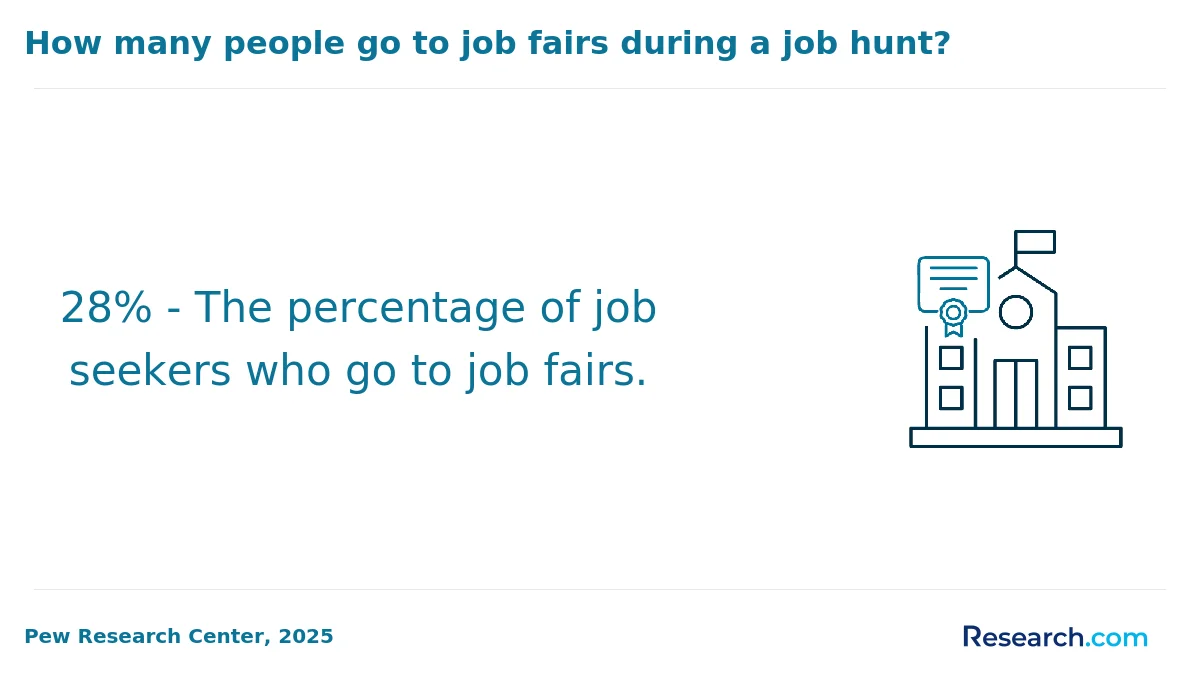
Networking is essential. Connect with local employers and career centers in Roseburg, such as those at Umpqua Community College, to attend job fairs and workshops. Enhancing technical and soft skills through additional certifications can also improve employability.
Finally, consider leveraging online job platforms focused on the Oregon region to find relevant listings in your field, increasing your chances of securing a position aligned with your degree.
Employers in Roseburg highly value practical skills in associate degree graduates that align with local industry needs. According to recent workforce reports from the Oregon Employment Department, strong technical proficiency, especially in healthcare, information technology, and manufacturing, is essential. Graduates with competencies in data analysis, medical billing, and computer applications often stand out.
Additionally, employers emphasize soft skills such as communication, teamwork, and problem-solving. A survey by the National Association of Colleges and Employers found that 88% of hiring managers prioritize these skills equally or more than technical expertise. Time management and adaptability also rank highly within the Roseburg job market.
Finding internships in Roseburg that align with your associate degree program involves a combination of local resource exploration and strategic outreach. Start by contacting the career services offices of nearby community colleges, such as Umpqua Community College, which often have partnerships with local employers.
Business and health care sectors in Roseburg frequently offer internship opportunities relevant to associate degrees. According to Oregon's Employment Department, Douglas County has seen a steady rise in healthcare job postings, indicating growing internship availability in this field.
Utilize online platforms like Oregon Workforce Partnership and the state's official job portal, WorkSource Oregon, to search for internships by industry and location. Networking at local job fairs and industry events can also provide valuable leads.
Additionally, directly reaching out to businesses in Roseburg that match your field of study can uncover less-publicized internships. Companies in manufacturing, healthcare, and education sectors often seek interns to support their operations.
An associate degree in Roseburg can significantly enhance career mobility and opportunities for advancement. Employers often view this credential as a sign of specialized knowledge and practical skills, which can lead to higher starting salaries and promotions. In Oregon, data from the Oregon Employment Department indicates that individuals with associate degrees earn about 20% more on average than those with only a high school diploma.
Additionally, an associate degree provides a foundation for transferring to four-year institutions, which broadens career paths. Fields such as healthcare, technology, and skilled trades in Roseburg show steady growth, making associate degree holders more competitive in the job market. This educational level also supports career changes by offering targeted training suited to evolving industries.
According to the National Center for Education Statistics, associate degrees increase employment rates and reduce unemployment risks. In Roseburg's local economy, this translates to better job security and upward mobility, especially in technical and vocational sectors.
Students pursuing associate degrees in Roseburg can find part-time job opportunities that enhance their academic learning and provide practical experience. The healthcare sector offers roles such as medical assistants and pharmacy technicians, which align well with allied health programs. According to the U.S. Bureau of Labor Statistics, healthcare support jobs in the Roseburg area are projected to grow by 10% over the next decade.
Retail and customer service positions also provide valuable skills in communication and time management. These jobs are widely available due to Roseburg's diverse small business community. Additionally, administrative assistant roles in local government or educational institutions allow students to apply business or IT-related studies practically.
Engaging in these part-time jobs helps build professional networks and improve resumes, which benefits future career prospects.
To find the best degree program near me, conducting research through resources like Research.com can be helpful in assessing the offerings and reputation of various programs. Universities near Roseburg, OR, such as Umpqua Community College, offer a range of degrees that can cater to different academic interests and career goals. It's also advisable to visit campuses and speak with academic advisors to gather more personalized information on the programs available.
- When the Going Gets Tough, the Tough Go to College - Umpqua Community College https://umpqua.edu/ucc/news/college/when-the-going-gets-tough-the-tough-go-to-college/
- Online Associate Degree Programs | SNHU https://www.snhu.edu/online-degrees/associate
- Find Remote Internships For College Students https://www.accreditedschoolsonline.org/resources/college-internships-and-employment/
- Research - Easiest Associates Degree Programs https://research.com/degrees/easiest-associates-degree-programs
- Associate Degree Requirements - Associate of Arts Oregon Transfer Degree (AAOT) < Portland Community College https://catalog.pcc.edu/handbook/a103-associatedegreerequirementsaaot/
- Associate of Arts/ Oregon Transfer Degree (AAOT) https://www.roguecc.edu/catalog2022-23/Maps/AAOT.asp
- Saving the Associate of Arts Degree: How an A.A. Degree Can Become a Better Path to Labor Market Success | American Enterprise Institute - AEI https://www.aei.org/research-products/report/saving-the-associate-of-arts-degree-how-an-a-a-degree-can-become-a-better-path-to-labor-market-success/
- Understanding Requirements and Careers after an Associate Degree https://leapscholar.com/blog/requirements-and-careers-after-an-associate-degree/
- Ford Sons and Daughters | The Ford Family Foundation https://www.tfff.org/scholarships/ford-sons-daughters/
- HND vs Associate Degrees: A Global Education Guide https://mrcollege.ac.uk/hnd-vs-associate-degrees-a-global-education-guide/





