Best Associate Degree Programs - Leading Certification Courses in Austin for 2026

Co-Founder and Chief Data Scientist
Choosing the right associate degree program is an exciting step toward building a successful future. For students in Austin, exploring your options can feel overwhelming, but this article is here to help.
Our guide features a detailed associate degree programs ranking created by the Research.com team of data scientists. It’s designed to support you in making an informed decision about which trade schools truly stand out.
Getting an associate degree opens doors to new opportunities, skills, and career growth. By reading this, you’ll discover valuable insights to confidently take the next step in your education journey.
Key benefits of associate degrees in Austin
- Associate degree graduates in Austin enjoy a range of salaries, with healthcare fields like Registered Nursing starting at $56,200 and technical careers such as Accounting offering up to $62,700, showing strong earning potential early on.
- Popular career paths include healthcare, business, and public service, with Austin Community College District graduates thriving in roles such as nursing, law enforcement, and computer networking.
- Choosing an online associate degree offers flexibility and convenience, allowing students to balance work, life, and education while earning a respected credential from well-known Austin institutions.
- Best Associate Degree Programs - Leading Certification Courses in Austin for 2026
- What can I expect from associate degree programs in Austin?
- Where can I work after finishing associate degree programs in Austin?
What can I expect from associate degree programs in Austin?
When it comes to the average cost of an associate degree program in Austin, students often find a surprisingly affordable path. Many community colleges and public institutions offer in-state tuition rates that keep expenses manageable-typically ranging from $3,000 to $6,000 per year. Graduates from popular schools like Austin Community College share how this budget-friendly approach allowed them to focus more on learning without the heavy burden of debt.
Beyond tuition, some students appreciate how schools like Franklin University provide online options, cutting down on commuting costs and giving them freedom to study amid busy schedules. Imagine balancing a part-time job, family commitments, and classes-all made easier by flexible payment plans and support services like academic advising and career counseling right here in Austin.
These programs aren't just about price-they're a gateway to new opportunities. Many students feel empowered knowing their credits can transfer smoothly to four-year universities, making the investment feel even smarter and their future brighter.
Where can I work after finishing associate degree programs in Austin?
After finishing an associate degree program in Austin, graduates often step right into vibrant careers across healthcare, business, and tech industries. Imagine a recent graduate from a popular Austin community college starting as a radiologic technologist at a bustling hospital, contributing hands-on to patient care with just their associate degree. Others dive into administrative roles, like onboarding coordinators or customer service specialists, thriving in Austin's dynamic office environments.
Local students who earned associate degrees in business share excitement over earning hourly wages ranging from $14 to over $65, relishing the balance of steady income and career growth. Those drawn to tech may find themselves analyzing data or supporting startups in Austin's energetic innovation scene, fueled by nearly 1,900 related job postings.
The city's low 3.1% unemployment rate and over 2,500 jobs seeking associate degrees create an encouraging backdrop, making it easier for graduates to feel confident and ready for success in roles they genuinely enjoy.
After finishing an associate degree program in Austin, many graduates find their bank accounts happily surprised. On average, you can expect to earn around $49,500 annually, which is roughly 18% more than what a typical high school graduate earns in the area. Imagine walking out of Austin Community College or Texas State Technical College and starting your career with a paycheck near $46,000 - many graduates report this as their reality, feeling both accomplished and financially secure.
But the adventure doesn't stop there. Some grads dive into specialized roles, like commercial pilots or court reporters, earning well over $120,000 a year. Others step into first-line supervisor positions or even athletic careers with earnings soaring beyond $200,000. If you're aiming for something a bit steadier, roles like program associates in nonprofit or public sectors offer solid salaries around $51,692, making every bit of study worth it.
With an associate degree from Austin's well-known programs, you don't just earn a certificate-you unlock a pathway to exciting job opportunities and a real financial boost that can transform your life.
- Javier: Earning my Associate Degree in Information Technology from Austin Community College was a game changer. The hands-on training prepared me perfectly for my IT support role at a local tech company. I felt supported every step, and now I'm confident in my career path!
- Emily: Studying Nursing at a trade school in Austin gave me practical skills and real-world experience that textbooks alone couldn't provide. The small class sizes and caring instructors made learning enjoyable. Today, I'm proud to work as a licensed nurse in an Austin hospital, helping patients daily.
- Marcus: Getting an Associate Degree in Culinary Arts here in Austin truly ignited my passion for cooking. The immersive kitchen experience and industry connections helped me land a job as a chef. This school didn't just teach me to cook; it made me believe in my future in the food world.
- Austin has at least five schools offering associate degree programs, including both public and private institutions.
- In 2023, 4,863 associate degrees were awarded in Austin, showing a 24% increase over the past five years.
- Most programs can be completed in two years of full-time study, with some allowing transfer of up to 44 credit hours to shorten the timeline.
- Tuition at public colleges like Austin Community College tends to be lower, with ACC offering particularly affordable healthcare training.
- Employment prospects are strong in healthcare and technology, with starting salaries ranging from $38,000 to $55,000 per year.
How long does it take to complete an associate degree in Austin? Most students at popular schools like Austin Community College find themselves finishing up in about two years when studying full-time. Imagine packing your schedule with 15 credit hours each semester, keeping busy but steadily moving toward graduation. Graduates often share how this rhythm gave them a clear sense of progress and motivation.
But life in Austin is full of surprises! Some students juggling work or family opt for part-time, stretching their journey to three or even five years. Others dive into ACC's accelerated eight-week course sessions, tackling shorter, intense blocks that let them wrap up faster than the usual semester pace. One graduate described this option as a game-changer, allowing focus on fewer classes and bouncing back quickly after pauses.
Trade and health-focused programs sometimes need extra credits, nudging completion closer to three years full-time. Still, whether you're studying full-speed or flexing your timeline, Austin's associate degrees offer adaptable paths to suit your unique adventure.
Choosing between online and on-campus associate degree programs in Austin feels like picking your own adventure. Imagine juggling a job and family: online programs at Austin Community College (ACC) offer dazzling flexibility with asynchronous classes letting you study at night or on weekends. You can even join live sessions if you crave real-time interaction.
On the flip side, on-campus programs anchor you in a lively environment where direct conversations with professors and classmates spark creativity and connection. Graduates often recall hands-on lab work and spontaneous study group moments that made learning memorable.
Costs also paint different pictures. Online students save on commuting and housing, often finishing with less debt, while on-campus students invest in an immersive college atmosphere with immediate access to support and campus life.
Ultimately, Austin's associate degree paths offer the same valuable credential but invite you to tailor your journey-whether nestled in a cozy home office or amid the vibrant buzz of campus life.
When diving into the average cost of associate degree in Austin, many find Austin Community College District (ACC) leading the wave of affordable education. Graduates from ACC often share their relief at paying approximately $5,100 in total tuition for a 60-credit associate degree as in-district students. Imagine balancing school and part-time work without the heavy financial stress! For those living outside the district but still in Texas, the amount jumps to about $17,160, while out-of-state students may face around $21,180. This price tag reflects the value of local versus out-of-town education choices and residency perks.
Exploring Austin community college tuition and fees more broadly, nonprofit institutions in the Austin area average about $12,140 for associate degrees. Students often note how this mid-range tuition opens doors to vibrant learning environments without the sky-high costs of some private or for-profit options, which average $16,452. Many graduates recount how choosing these schools allowed them to focus less on worry and more on their studies and career goals.
Still, it's key to remember that tuition doesn't include all expenses like textbooks and living costs. Smart students often seek scholarships and grants to ease the journey. If you're mapping out your educational future in Austin, consider the best college majors for the future to combine with your associate degree for a promising path ahead.
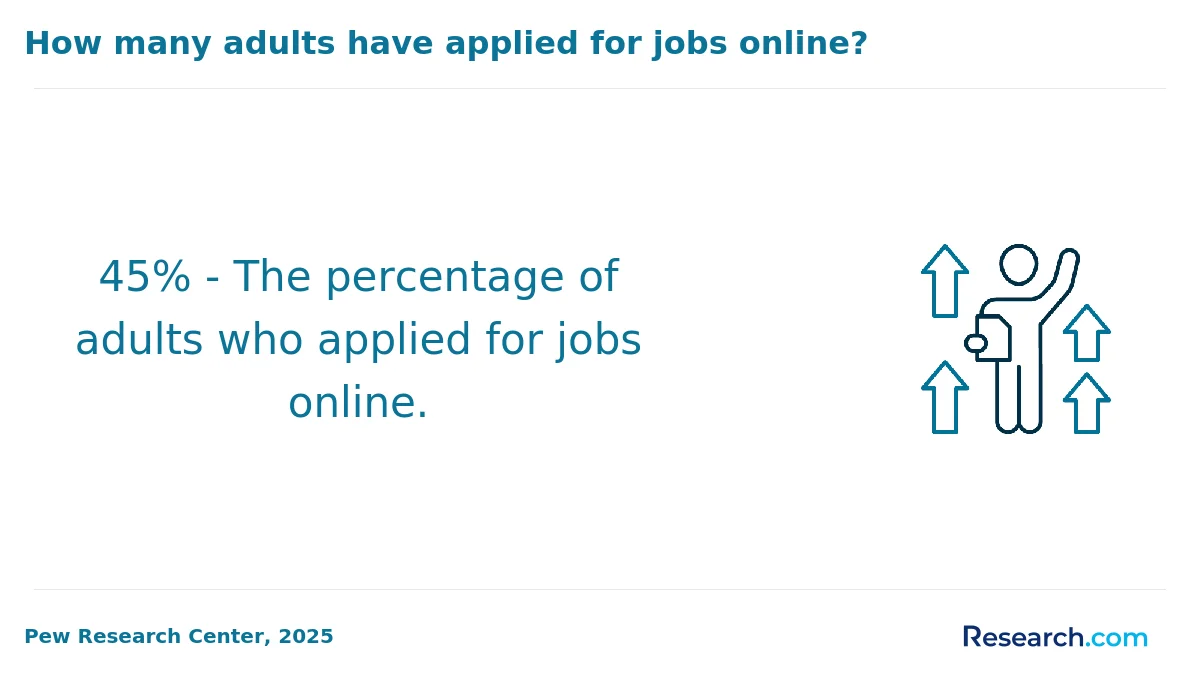
Imagine navigating your associate degree journey in Austin with financial aid smoothing the path. Many students at Austin Community College District (ACC) share how federal Pell Grants, offering up to $7,395 annually, transformed their ability to focus on classes instead of bills. For Texas residents, the Texas Educational Opportunity Grant (TEOG) often acts as a crucial boost, especially for those attending two-year schools like ACC.
Scholarships also brighten the road-ACC's diverse institutional scholarships have empowered countless students to finance their education without the burden of repayment. With over half of ACC's associate degrees earned online, these scholarships mean flexibility and hope for busy adults balancing work and study.
Meanwhile, the federal work-study programs provide hands-on experience plus income, a win-win for those wanting to build skills while earning. If loans are needed, low-interest federal student loans stand ready as a last resort. Graduates often cite meeting FAFSA deadlines early as their secret weapon to unlocking these opportunities.
Ready to jump into an associate degree program in Austin? The first step most graduates recall is having a solid foundation-a high school diploma, a certificate of completion, or a GED. Imagine walking into Austin Community College feeling confident because you've checked this essential box.
For those who didn't follow the traditional path, there's still hope. If you're 18 or older without a diploma or GED, you can prove your readiness by taking the Texas Success Initiative (TSI) Assessment, which checks your skills in reading, writing, and math. Many students found that preparing through official practice resources gave them that edge at enrollment.
High schoolers in Austin often find a smoother ride through Dual Credit or Early College High School programs, earning credits while finishing their diploma-a true win-win experience.
Some fields, like nursing at Austin Community College, add extra hurdles:
- Complete prerequisite courses with a GPA of about 2.7 or higher
- Pass the TEAS exam
- Clear health and background checks
Graduates often rave about feeling challenged yet supported navigating these steps, especially in competitive fields. Each requirement feels like a stepping stone toward a rewarding future right here in Austin!
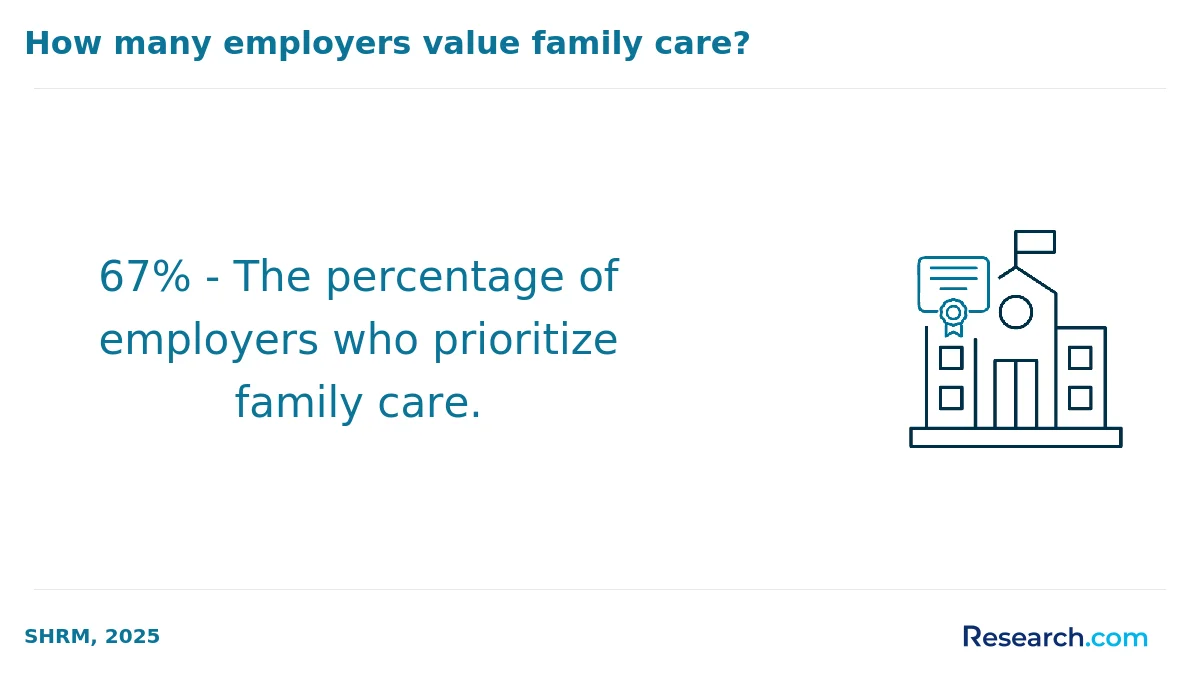
When diving into the associate degree course list Austin students encounter, expect a vibrant mix of general education and major-specific classes that spark curiosity and build solid foundations. Graduates from Austin Community College often share how the variety of courses, from English composition to natural sciences, helped sharpen their critical thinking and communication skills essential for any career path.
Common classes in Austin associate programs include core subjects like math, history, government, psychology, and speech-offering a well-rounded academic experience. For example, those heading into Business Administration tackle accounting and business law, while science-focused students immerse themselves in biology and chemistry labs. This hands-on approach brings learning to life, as many recall fascinating experiments and lively classroom discussions that made abstract concepts click.
Students also embrace electives, tailoring their studies to personal passions or career goals. With options for online courses and accelerated 8-week formats, many find the flexibility refreshing, especially when balancing work or family life. Curious learners eager to explore further can discover pathways that fit their lifestyle perfectly. For those intrigued by easy phds later on, these foundations can be the perfect springboard to advanced education.
Choosing the best associate degree program in Austin means diving into real student experiences and the city's unique offerings. Graduates from Austin Community College District often highlight how the school's flexibility-offering synchronous, asynchronous, hybrid, and in-person classes-helped them juggle work and family while earning their degree. This adaptability is a major plus if you need to balance life's unpredictability. Plus, programs with strong reputations and thorough accreditation ensure your hard work is recognized beyond Austin's city limits.
Another adventurous step is to explore support services like tutoring and career counseling, which many local students say made a huge difference in their confidence and results. You'll want to compare costs too, since finding the best value associate degree programs in Austin ties closely to your budget and career goals. Curious about how much this investment might be? Check out how much does an associate's degree cost to get a clearer picture for your decision.
Finally, imagine yourself thriving in a vibrant, engaged community with fellow students who value campus life and connection. That satisfaction often turns a degree into a truly enriching journey, not just a credential.

Associate degree career opportunities in Austin open doors to vibrant roles across diverse industries, making the city a hotspot for fresh graduates eager to jumpstart their professional lives. Graduates from top local institutions often find themselves thriving in healthcare positions like radiologic technologists or certified occupational therapy assistants, roles that combine rewarding patient interactions with competitive pay. Imagine stepping into a bustling clinic as a dental hygienist, where your skills directly improve smiles and health outcomes every day.
In the business world, Austin's dynamic market offers in-demand jobs for associate degree holders Austin turns heads with its flexible options in areas such as accounting, bookkeeping, and real estate support. Business grads share stories of swiftly securing jobs that pay between $14 and $65 per hour, enjoying both entry-level accessibility and growth potential.
Technology enthusiasts with associate degrees tap into expanding fields like data analysis and tech support, gaining footholds through roles like onboarding coordinators or lab workers. Students from Austin Community College often praise programs that blend practical skills with local tech industry demands. For those exploring affordable college online paths, Austin's community programs provide a springboard to exciting new careers.
Other avenues include library assistance, education support, and administrative roles, which build valuable experience while offering a taste of professional life. Graduates find these roles ideal stepping stones for future advancement or further study, reflecting Austin's commitment to workforce development.
Associate degree job opportunities in Austin are thriving, fueled by the city's expanding economy and diverse industries. Graduates from well-known local institutions often share stories of landing roles in healthcare and tech fields, where demand is especially high. Imagine a recent graduate from an Austin community college stepping into a radiologic technologist position with a starting salary near $38,000, enjoying the balance of hands-on work and steady career growth.
Key Austin employment trends for associate degree holders highlight:
- An abundance of openings-over 67,000 job postings in April 2025-with 19% requiring an associate degree or higher
- Strong demand in healthcare, business, technology, and administrative support sectors
- A competitive edge due to a low 3.1% unemployment rate and a favorable job seeker market
Many graduates find themselves in real-world roles such as dental hygienists, onboarding coordinators, or MRI technologists, benefitting from salaries that range broadly based on experience, often surpassing $65 per hour for specialists. For students in Austin, this means practical training translates quickly to rewarding jobs. Plus, for those considering further education, exploring the cheapest online bachelors programs can be a smart next step to enhance career prospects within the city's vibrant job market.
Best Associate Degree Programs - Leading Certification Courses in Austin for 2026
# 1 position
Riverland Community College - Computer and Information Systems Security/Auditing/Information Assurance.
associateRiverland Community College offers a hybrid program in Computer and Information Systems Security/Auditing/Information Assurance. The curriculum covers assessing security needs, recommending safeguards, and managing security systems, including instruction in computer architecture, programming, networking, cryptography, risk assessment, and investigation techniques. The program is accredited by the Higher Learning Commission. Annual in-state tuition is $6,250.
# 2 position
Riverland Community College - Criminal Justice/Safety Studies.
associateRiverland Community College offers a hybrid program in Criminal Justice/Safety Studies, focusing on the criminal justice system, its components, and legal and public policy contexts. The curriculum includes criminal law, police and correctional systems, administration of justice, and public attitudes on criminal justice issues. The program’s annual in-state tuition is $6,250. It is accredited by the Higher Learning Commission and provides some distance-education options.
# 3 position
Riverland Community College - Criminal Justice/Police Science.
associateRiverland Community College offers a Criminal Justice/Police Science program with a hybrid format that includes some distance education. This program prepares students for roles in law enforcement, covering patrol, investigations, traffic and crowd control, evidence management, and report preparation. The annual in-state tuition is $6,250. The program is accredited by the Higher Learning Commission, ensuring recognized educational standards for students pursuing careers in public security.
# 4 position
Riverland Community College - Medical Administrative/Executive Assistant and Medical Secretary.
associateRiverland Community College offers a Medical Administrative/Executive Assistant and Medical Secretary program designed to prepare students for roles supporting physicians, nurses, and healthcare administrators. The curriculum covers business and medical communications, medical terminology, healthcare operations, public relations, software applications, scheduling, and professional ethics. The program is accredited by the Higher Learning Commission. Annual in-state tuition is $6,250.
# 5 position
Riverland Community College - Office Management and Supervision.
associateRiverland Community College offers a program in Office Management and Supervision designed to prepare individuals for managing business office operations and personnel. The curriculum includes employee supervision, labor relations, budgeting, scheduling, office systems, records management, space planning, data evaluation, and public relations. The annual in-state tuition is $6,250. This program is accredited by the Higher Learning Commission.
# 6 position
Riverland Community College - Accounting.
associateRiverland Community College offers an Accounting program designed to prepare students for the accounting profession and related business functions. The curriculum covers accounting principles, financial and managerial accounting, cost accounting, tax accounting, auditing, and business information systems. The program emphasizes professional standards, ethics, and practical applications for various organizations. Annual in-state tuition is $6,250. The program is accredited by the Higher Learning Commission.
Frequently Asked Questions about associate degree programs
After earning an associate degree in Austin, preparing for the job market involves several key steps. First, leverage Austin's strong local economy, which includes thriving industries like technology, healthcare, and manufacturing. According to the Texas Workforce Commission, Austin's unemployment rate was around 3.5% in early 2024, reflecting steady job availability for associate degree holders.
Networking is critical; attend local job fairs and connect with Austin-based employers. Utilize career services offered by your college, including resume workshops and interview preparation. Gaining relevant internships or part-time jobs during studies also improves employability. Finally, continuing skill development through certifications or short courses enhances competitiveness in Austin's evolving job market.
Employers in Austin value associate degree graduates who demonstrate strong technical skills relevant to their industries. According to recent surveys by the Austin Chamber of Commerce, proficiency in computer literacy, especially in software related to business, healthcare, and technology, ranks highly.
Soft skills are equally important. Communication, problem-solving, and teamwork are top attributes sought by hiring managers. A 2023 report by the National Association of Colleges and Employers (NACE) highlights these skills as crucial for entry-level candidates.
Additionally, adaptability and time management abilities are essential. Austin's growing industries, such as IT and healthcare, require graduates who can quickly learn and apply new knowledge.
Finding internships in Austin related to your associate degree program involves several strategic steps. Start by exploring the Austin Chamber of Commerce's resources, which often list local internship opportunities across industries. Community colleges like Austin Community College provide career services that connect students with internships tied to their programs.
The Texas Workforce Commission reports that tech, healthcare, and business sectors in Austin offer numerous internships, reflecting the city's economic growth. Use online job portals such as Handshake, which partners with educational institutions to share relevant internships for students.
Networking is crucial; attend local career fairs and join professional groups on platforms like LinkedIn focused on Austin's job market. Early application is recommended, as competitive fields fill internships quickly.
An associate degree in Austin can significantly enhance career mobility and advancement opportunities. Data from the Texas Workforce Commission shows that individuals with associate degrees earn about 20% more than those with only a high school diploma. This qualification often qualifies graduates for better-paying jobs in healthcare, technology, and skilled trades, sectors growing rapidly in Austin's economy.
Many employers in Austin recognize the value of associate degrees as a demonstration of practical skills and dedication. The degree also serves as a stepping stone to bachelor's programs, increasing long-term career potential. According to the National Center for Education Statistics, workers with associate degrees experience lower unemployment rates compared to those without postsecondary education.
Therefore, pursuing an associate degree in Austin not only improves immediate job prospects but also fosters future career growth and flexibility within the city's competitive labor market.
Part-time job opportunities in Austin can effectively complement associate degree education by providing practical experience and enhancing employability. Fields like healthcare, information technology, and business administration, popular associate degree areas, have substantial part-time roles available locally.
In healthcare, positions such as medical assistants or pharmacy technicians offer hands-on experience relevant to degrees in health sciences. The Austin metro area reported over 3,000 part-time jobs in these roles in 2023, according to the Texas Workforce Commission.
For IT students, part-time roles like help desk support and junior web developer positions allow skill application in real work environments. The median hourly wage for such jobs in Austin is about $18 to $22, demonstrating their value.
Additionally, retail management and administrative assistant roles support business-related degrees and help develop valuable communication and organizational skills. These jobs also often provide flexible hours that accommodate student schedules.
To find the best degree programs near Austin, MN, you can start by researching universities and colleges in the area to understand what programs they offer and their reputations. Consider utilizing resources like Research.com to compare academic programs and facilities comprehensively, providing insights into which institutions might align with your interests and career goals. Additionally, many universities offer online tools and consultants to help you explore degree programs near me, ensuring you find an option that best suits your needs and circumstances.
- Nces https://nces.ed.gov/
- Financial Aid at Austin College | Sherman, TX https://www.austincollege.edu/admission/financial-aid
- Options for Students with an Associate Degree | LSU Online https://online.lsu.edu/newsroom/articles/what-can-i-do-after-earning-associate-degree/
- Should I Intern if I'm in an Associate's Program? | Career Advice & Interview Tips | WayUp Guide https://www.wayup.com/guide/intern-im-associates-program/
- Colleges & Degrees - University of Texas Admissions https://admissions.utexas.edu/explore/colleges-degrees/
- Associates Degree in Comprehensive High Schools | Round Rock ISD https://www.roundrockisd.org/page/associates-degree-in-comprehensive-high-schools
- Research - Easiest Phd Degree Programs https://research.com/degrees/easiest-phd-degree-programs
- Find Remote Internships For College Students https://www.accreditedschoolsonline.org/resources/college-internships-and-employment/
- How to Properly List Your Academic Degrees and Credentials - ASET - The Neurodiagnostic Society https://www.aset.org/docs/individuals/how-to-properly-list-your-academic-degrees-and-credentials/
- Austin: Financial Aid | Galen College of Nursing https://galencollege.edu/campuses/austin/financial-aid