
Most Affordable Plumber Schools & Training - Budget-Friendly Plumbing Trade Programs in North Carolina for 2026

Co-Founder and Chief Data Scientist
Choosing the right plumber trade school in North Carolina can shape your future career and open doors to stable, well-paying jobs. This article introduces a carefully crafted plumber trade school programs ranking created by the Research.com team of data scientists to help you make an informed decision.
Discover affordable options that fit your goals and budget, so you can start your journey with confidence. Earning a diploma or certification in plumbing not only builds valuable skills but also boosts your chances of success in a growing industry.
Explore your opportunities and take the first step toward a rewarding trade career today.
Key benefits of finishing plumber trade school in North Carolina
- Graduates of plumber trade schools in North Carolina can expect an average salary around $62,218 per year, with opportunities to earn up to $78,361 as experience grows, offering strong financial stability.
- Career paths include roles such as apprentice, journeyman, or master plumber, with many graduates quickly finding rewarding jobs in residential, commercial, or industrial plumbing sectors.
- Completing plumber trade school online provides flexibility and convenience, allowing students to balance work or family while gaining hands-on skills, as many online graduates report smooth transitions into well-paying plumbing careers.
- Most Affordable Plumber Schools & Training - Budget-Friendly Plumbing Trade Programs in North Carolina for 2026
- What can I expect from plumber trade schools in North Carolina?
- Where can I work after finishing plumber trade schools in North Carolina?
What can I expect from plumber trade schools in North Carolina?
Enrolling in a plumber trade school program in North Carolina means diving into a mix of hands-on challenges and classroom discoveries. Graduates from schools like Piedmont Community College and Wake Tech often share how their first weeks involved mastering plumbing safety, reading blueprints, and getting comfortable with basic tools-skills that quickly transform from theory to real-world practice.
As you progress, expect to tackle exciting tasks like soldering pipes, threading fittings, and installing complex water systems. Many students describe the thrill of assembling entire piping networks with their own hands, turning abstract diagrams into functioning setups.
Trade schools here don't just teach plumbing techniques-they nurture communication skills vital for working with customers and teams. At Craven Community College, for example, apprentices combine paid work hours with classroom training, gaining invaluable industry insights while earning.
Ultimately, North Carolina's programs prepare you for diverse roles, from residential repairs to large commercial projects, making every day a new adventure in problem-solving and skill-building.
Where can I work after finishing plumber trade schools in North Carolina?
Graduates from plumber trade schools in North Carolina often find themselves diving straight into hands-on roles like plumber's helper or apprentice plumber, where they earn while learning under seasoned pros. Imagine starting your day tackling real piping installations or repairs across Charlotte's bustling neighborhoods or Asheville's charming homes. This kind of on-the-job training, common among students from popular programs in the state, quickly builds confidence and skills.
As experience grows, many advance to journeyman plumber or licensed plumber roles, taking on independent service calls and troubleshooting complex systems. Picture managing your own service calls in Raleigh or coordinating a team for a new construction project near the coast. North Carolina's plumbing industry is diverse, offering jobs in private companies, government agencies, and construction firms, so there's room to explore what fits your style.
With over 1,900 annual job openings statewide, graduates feel encouraged by the steady demand and benefits like health insurance and retirement plans, making this career path both adventurous and secure.
After finishing a plumber trade school program in North Carolina, many graduates find themselves stepping into a world where hard work quickly turns into rewarding paychecks. On average, you can expect to earn about $62,218 annually, which breaks down to roughly $30 per hour. For instance, those who completed programs at well-known schools like Central Carolina or Pitt Community College often share stories of landing jobs within weeks, starting around $16 to $23 per hour in smaller towns before climbing to $30 or more as they gain confidence and skills.
Imagine working your way up from an apprentice earning $16 hourly to a seasoned plumber pulling in $40+ per hour in bustling Raleigh or Charlotte. ZipRecruiter data confirms that plumbers in North Carolina typically earn between $21.63 and $31.68 per hour, with some exceptional pros making nearly $44 per hour. And if you decide to push further-becoming a master plumber-you could see your annual salary hover around $56,385, with plenty of room to grow.
These figures aren't just numbers; they represent the real steps many graduates take to build stable, well-paying careers right here in North Carolina.
- Applicants must be at least 18 years old and have a high school diploma or GED; some programs also require a valid driver's license.
- Tuition for plumbing certificate programs ranges from $1,500 to $5,000, while some apprenticeships offer free tuition and pay students during training.
- Apprenticeships like Blue Ridge Community College's program last two years with 6,000 hours of work, starting wages at $17 per hour, rising to $21 per hour after completion.
- Graduates can pursue contractor or technician licenses, with up to half of the required 4,000 work hours earned through approved training.
- Plumbing jobs in North Carolina are expected to grow 13% over the next decade, with entry-level wages between $17 and $21 per hour and experienced plumbers earning $51,000 to $55,000 annually.
Completing a plumber trade school program in North Carolina typically takes about six months to a year, depending on the school and whether you choose full-time or part-time study. Many graduates from well-known trade schools in North Carolina share how the intensive hands-on training accelerated their learning, making the months fly by. Imagine diving into real plumbing installations and repairs just weeks after starting classes-this quick immersion keeps motivation high and turns theory into practical skills fast.
Some students describe the excitement of mastering pipe fitting and water systems by the halfway mark, feeling confident enough to assist on job sites early in their program. Popular schools often offer flexible schedules, so if you're balancing work or family, you can still progress steadily without stress. The blend of classroom instruction and real-world practice creates an engaging journey, turning curious beginners into skilled plumbers ready for North Carolina's workforce in under a year.
Choosing between online and on-campus plumber trade school programs in North Carolina often comes down to how you want to learn and live your daily life. Imagine juggling a full-time job and family while diving into plumbing basics through SkillCat's online platform-graduates praise the freedom of studying at their own pace with 300+ hours of accredited training and no rigid class times. It's like fitting your education into your life, not the other way around.
On the flip side, consider the buzz of evening classes at Piedmont Community College, where students gather multiple times a week to get hands-on with real tools in well-equipped labs. Graduates cherish the face-to-face guidance and the chance to practice installations under expert eyes, feeling confident stepping into job sites right after.
Online programs spark excitement with flexibility, perfect for self-driven learners, while on-campus courses offer the thrill of immersive, practical skill-building. Each path in North Carolina's plumber trade schools shapes a unique journey toward mastering the trade.
The average cost plumber trade school North Carolina students can expect depends heavily on where they enroll and how long the program lasts. For example, community colleges often charge tuition per credit hour-Forsyth Technical Community College students quickly discover the practical side of budgeting when faced with $76 per credit hour if they're in-state. A 39-credit-hour diploma program comes to about $2,964, a figure that recent graduates describe as a solid investment for opening doors to skilled trades. Out-of-state learners, however, see a higher fee around $10,452 for the same diploma, making residency status a crucial factor when considering plumbing program tuition fees North Carolina offers.
Some adventure-seeking students prefer the straightforward flat tuition offered by private institutions. Graduates from Durham's School of Skilled Trades recall paying $10,000 for their six-month plumbing certificate, which packaged tuition, supplies, and uniforms into one fee, letting them focus on hands-on learning rather than juggling multiple expenses. This clear pricing helped many feel confident in launching their careers without financial surprises.
While tuition forms the backbone of expenses, budgeting for textbooks, tools, and safety gear is a reality shared by all students chasing the dream of becoming a licensed plumber. Many who have walked this path recommend researching financial aid and scholarships to offset these costs. For those wondering where to start their journey, exploring the list of top online community college programs can be an excellent first step toward managing both costs and quality education in plumbing.

Plumber trade school students in North Carolina often find a treasure trove of financial aid options ready to ease their journey. Many tap into federal and state grants by filling out the FAFSA, unlocking opportunities like Pell Grants-though it's key to check if your chosen program, such as Guilford Technical Community College's plumbing track, qualifies since some don't. Graduates from these programs often recall the relief when grants covered a hefty chunk of tuition, letting them focus on mastering their craft.
For those hungry to dive into hands-on learning, apprenticeship programs at places like Blue Ridge Community College offer a game-changing path: tuition-free classes combined with a paycheck starting around $17 an hour. Imagine earning while you learn, gaining experience and benefits-graduates often describe this as a financial and professional win-win.
Scholarships from groups like the Plumbing-Heating-Cooling Contractors of North Carolina add another layer of support, rewarding dedication and ambition. Many students have leveraged recommendation letters and essays to secure these awards, making their educational dreams more attainable.
Meanwhile, schools like Forsyth Tech sweeten the deal with dedicated aid teams and emergency support programs, ensuring students stay on track even during tough times.
Ready to dive into a plumber trade school program in North Carolina? Most schools expect you to have a high school diploma or a GED-this is your ticket to starting a hands-on career where you learn by doing. Imagine stepping into a workshop at one of North Carolina's well-known trade schools, where graduates often share how their solid basic education helped them grasp complex plumbing systems faster.
Beyond the diploma, here are common prerequisites that adventurous students encounter:
- Basic math skills-think measuring pipes and calculating angles, essential for precise installations.
- A passion for problem-solving and working with your hands, which many graduates say keeps the daily grind exciting.
- Physical fitness to handle the physical demands of plumbing work, like kneeling in tight spaces or lifting heavy equipment.
- Sometimes, a valid driver's license is required, especially if the program includes off-site practical training or apprenticeships.
These requirements aren't just hoops to jump through-they prepare you for the real-world challenges that graduates recall with pride, like troubleshooting a tricky leak or installing a complex water system under a tight deadline. So if you're eager to roll up your sleeves and get started in North Carolina, these prerequisites are your first steps toward a rewarding trade career.
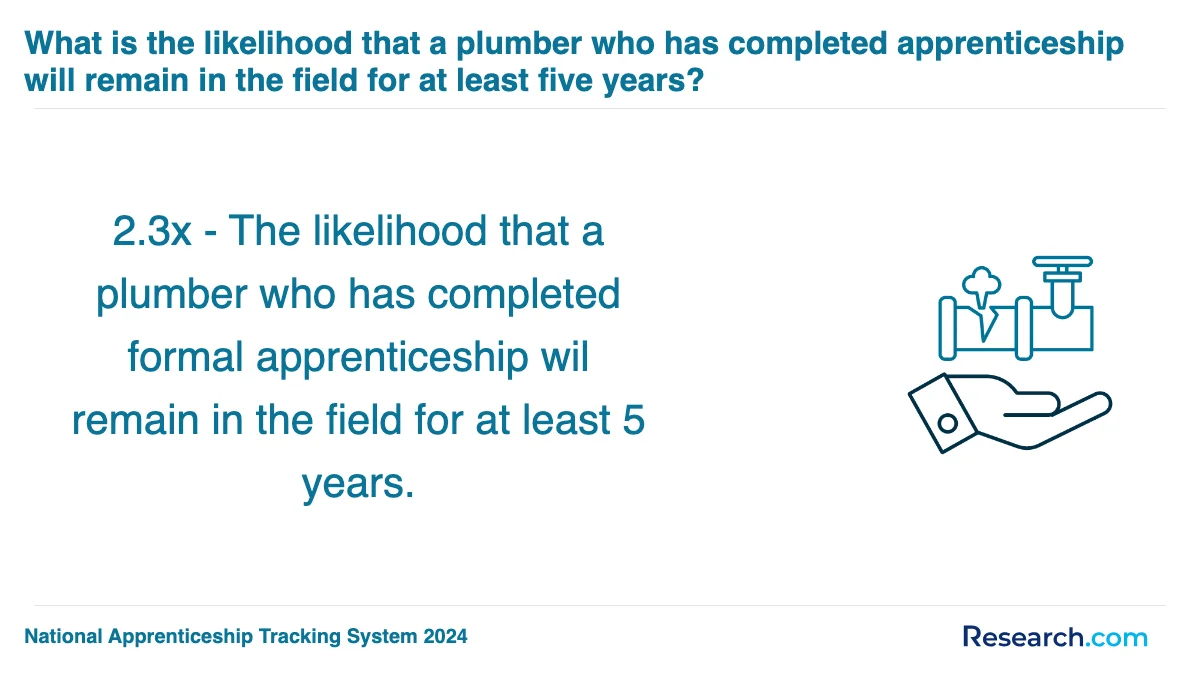
At North Carolina trade schools like Piedmont Community College and Wake Tech, plumber students dive right into essential courses that build confidence and skill from day one. Early classes focus on plumbing safety, construction math, and reading plumbing drawings, helping students feel prepared to tackle real-world challenges.
As one graduate recalls, learning to interpret blueprints was a game changer, turning confusing diagrams into clear instructions for installing pipes and fixtures. Advanced coursework covers:
- Applied plumbing math for precise measurements
- State plumbing codes and regulations ensuring legal compliance
- Blueprint interpretation for accurate system layout
- Pipe assembly and threading techniques
- Soldering and working with materials like cast iron and PVC
Hands-on labs simulate real job sites where students install water heaters, pumps, and complex drainage systems-building the confidence to manage everything from residential repairs to commercial installations. Many programs even nurture leadership skills and customer communication, preparing students to thrive as future crew leaders or independent plumbers in bustling North Carolina markets.
Plumber trade school programs in North Carolina offer exciting plumbing specializations in North Carolina trade schools that allow students to tailor their learning adventures. Graduates from Wake Technical Community College and Forsyth Technical Community College often share how they thrived by choosing between residential and commercial plumbing training North Carolina demands. Imagine mastering residential plumbing that covers everything from rough-in installations to repairs in cozy single-family homes or thriving with commercial plumbing skills fitted for large schools or bustling restaurants.
Beyond the basics, students dive into high-pressure systems for niche industries like car washes, or they explore sustainable building practices, feeling proud to contribute to environmentally responsible construction. Programs often include hands-on training in blueprint reading, technical math, and even plumbing inspection.
These enriching curricula prepare enthusiastic learners not only for traditional plumber roles but also positions such as plumbing inspectors or engineers, enhancing career options. Plus, certifications offered through industry partnerships boost those eager to tap into high paying jobs trade school graduates chase.
Choosing the best plumbing trade schools in North Carolina means focusing on programs that offer a strong balance of hands-on training and flexible schedules. Graduates from schools like Fayetteville Technical Community College often recall how real-world labs and blueprint reading made them confident in tackling actual plumbing challenges. Affordable plumbing programs in North Carolina, such as those at the School of Skilled Trades, not only provide essential skills but also offer valuable job-placement services, making the daunting job search feel exciting instead of stressful.
Imagine starting a six-month certificate program and quickly moving into an apprenticeship, knowing that the curriculum covers nearly half the hours needed for licensing in North Carolina. Many graduates feel empowered by these pathways, appreciating nearby schools with well-equipped workshops like Wake Technical Community College, which reduce commuting hassle and increase hands-on learning time.
When choosing a program, also consider financial aid options and the reputation for success in connecting students to jobs. Those who do report satisfaction both in skill-building and employment outcomes, often enjoying a brighter future with an average salary after trade school that reflects their dedication and practical expertise.
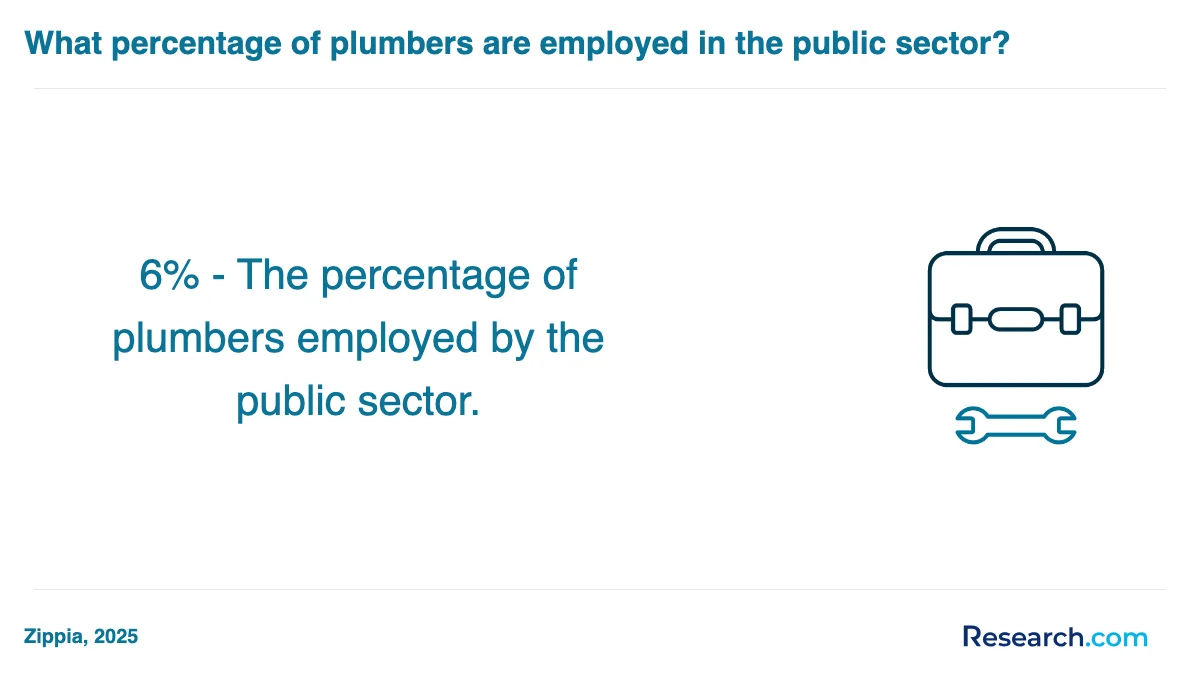
Graduates of plumber trade school programs in North Carolina dive into a variety of exciting career paths that go beyond the traditional plumbing role. Many jump into plumber career opportunities in North Carolina that include hands-on jobs like plumbing technician jobs in North Carolina, pipefitting, or even specialized high-pressure systems for industries such as food processing and car washes. Imagine working on large commercial projects, where technical skills shape entire buildings' water and gas systems-graduates from well-known trade schools often share how rewarding it is to see their work come to life in these complex settings.
Others find their passion as plumbing inspectors, ensuring safety and code compliance, or as plumbing engineers designing innovative systems for public infrastructure. Many also report fulfilling careers with government agencies maintaining schools and municipal buildings, while some savvy graduates build their own plumbing businesses, enjoying flexibility and growth in a thriving market.
The options don't stop there: sales representative roles for plumbing supplies offer an unexpected twist, combining technical knowledge with customer interaction. For those curious about related fields, construction management and building maintenance utilize their plumbing expertise in broader construction operations.
With North Carolina's strong 13% job growth projection for plumbers and pipefitters, the future is bright for anyone ready to explore these pathways. For those looking to learn more about best paying easy to learn trades, plumbing stands out as a promising, steady career choice right here in the Tar Heel State.
The plumber job outlook North Carolina is encouraging for graduates of local trade schools, where students often share stories of landing multiple job offers shortly after completing their programs. With over 1,900 job openings statewide, opportunities range from entry-level positions to seasoned plumber roles, especially for those who complete apprenticeships alongside their schooling. Graduates from North Carolina's popular plumbing trade schools often find themselves stepping confidently into roles with competitive wages, reflecting a steady demand fueled by new construction and maintenance projects.
The plumbing employment growth North Carolina shows a steady 0.9% annual increase, supporting job stability. Many companies actively recruit new talent as experienced plumbers retire, making it an exciting time for fresh graduates.
Typical experiences include:
- Signing bonuses to attract skilled graduates
- Jobs across residential, commercial, and public sectors
- Salaries ranging from $50,000 to $85,000 in government positions
If you're exploring how to start your journey, consider checking out the best vocational trade training online schools, which offer flexible options to boost your skills and employability in North Carolina's thriving plumber job market.
Most Affordable Plumber Schools & Training - Budget-Friendly Plumbing Trade Programs in North Carolina for 2026
# 1 position
Forsyth Technical Community College - Plumbing Technology/Plumber.
certificate or diplomaForsyth Technical Community College offers a hybrid Plumbing Technology/Plumber program that prepares students to become licensed plumbers. The curriculum covers installation and maintenance of piping systems for various applications, including steam, natural gas, and water. Instruction includes technical mathematics, blueprint reading, welding, plumbing inspection, and relevant codes. Annual in-state tuition is $2,256. The program is accredited by the Southern Association of Colleges and Schools Commission on Colleges.
# 2 position
Pamlico Community College - Plumbing Technology/Plumber.
certificate or diplomaPamlico Community College offers a Hybrid Plumbing Technology/Plumber program that prepares students to become licensed plumbers. The curriculum covers installation and maintenance of piping systems for various uses, including steam, natural gas, and water. Instruction includes technical mathematics, blueprint reading, welding, and applicable codes. The annual in-state tuition is $1,867. The program is accredited by the Southern Association of Colleges and Schools Commission on Colleges.
# 3 position
Cleveland Community College - Plumbing Technology/Plumber.
certificate or diplomaCleveland Community College offers a hybrid Plumbing Technology/Plumber program designed to prepare students for licensed plumbing careers. The curriculum covers installation and maintenance of piping systems for various utilities, including steam, natural gas, and hot water. Instruction includes technical math, blueprint reading, welding, and applicable codes. The program’s annual in-state tuition is $2,602 and it is accredited by the Southern Association of Colleges and Schools Commission on Colleges.
# 4 position
Halifax Community College - Plumbing Technology/Plumber.
certificate or diplomaHalifax Community College offers a hybrid Plumbing Technology/Plumber program designed to prepare students for licensure by teaching installation and maintenance of piping systems for various utilities. The curriculum covers technical mathematics, blueprint reading, welding, soldering, and plumbing codes. Annual in-state tuition is $2,608. The program is accredited by the Southern Association of Colleges and Schools Commission on Colleges.
# 5 position
Wake Technical Community College - Plumbing Technology/Plumber.
certificate or diplomaWake Technical Community College offers a hybrid Plumbing Technology/Plumber program that prepares students to become licensed plumbers. The curriculum covers installation and maintenance of piping systems for various utilities, including steam, natural gas, and hot water. Instruction includes technical mathematics, blueprint reading, welding, plumbing inspection, and applicable codes. Annual in-state tuition is $2,336. The program is accredited by the Southern Association of Colleges and Schools Commission on Colleges.
# 6 position
Guilford Technical Community College - Plumbing Technology/Plumber.
certificate or diplomaThe Plumbing Technology/Plumber program at Guilford Technical Community College offers a hybrid format with some distance-education options. It prepares students to become licensed plumbers by teaching skills to install and maintain piping systems for various utilities. The curriculum includes technical math, blueprint reading, welding, and applicable codes. Annual in-state tuition is $2,319. The program is accredited by the Southern Association of Colleges and Schools Commission on Colleges.
# 7 position
Cape Fear Community College - Plumbing Technology/Plumber.
certificate or diplomaCape Fear Community College offers a Hybrid Plumbing Technology/Plumber program designed to prepare students for licensure by developing skills in installing and maintaining piping systems for various applications. The curriculum covers water distribution, waste removal, pressure adjustment, technical mathematics, blueprint reading, welding, and plumbing codes. Annual in-state tuition is $2,748. The program is accredited by the Southern Association of Colleges and Schools Commission on Colleges.
# 8 position
Fayetteville Technical Community College - Plumbing Technology/Plumber.
certificate or diplomaFayetteville Technical Community College offers a hybrid Plumbing Technology/Plumber program designed to prepare students for licensed plumbing careers. The curriculum covers installation and maintenance of piping systems for various applications, including steam, natural gas, and heating. Instruction includes technical math, blueprint reading, welding, and code standards. The annual in-state tuition is $2,628. The program is accredited by the Southern Association of Colleges and Schools Commission on Colleges.
Frequently Asked Questions about plumber
After completing a plumber trade school in North Carolina, preparing for the job market involves several key steps. First, graduates should obtain their plumbing license by passing the North Carolina State Board of Examiners of Plumbing, Heating, and Fire Sprinkler Contractors exam. Licensing is essential for legally working and advancing in the field.
Networking through local trade unions and professional associations can provide valuable job leads and mentorship opportunities. According to the North Carolina Department of Commerce, the state expects a 10% growth in plumbing jobs by 2030, signaling strong demand.
Additionally, developing soft skills like communication and customer service improves employability. Finally, creating a professional resume highlighting apprenticeship experience and certifications will help graduates stand out to employers.
Employers in North Carolina prioritize several key skills when hiring graduates from plumber trade schools. Technical proficiency is essential, including the ability to read blueprints, install piping systems, and troubleshoot plumbing issues. According to the U.S. Bureau of Labor Statistics, practical knowledge of tools and safety standards is critical for success in the plumbing field.
Communication and teamwork skills are also highly valued, as plumbers often collaborate with contractors and customers. Additionally, employers look for graduates who demonstrate problem-solving abilities and adaptability to new technologies, such as advanced pipe inspection cameras and water-efficient systems.
Trade schools that emphasize hands-on training and industry certifications tend to produce graduates who meet these employer expectations in North Carolina's competitive job market.
Finding internships relevant to plumber trade school programs in North Carolina involves several practical steps. First, students should contact their trade school's career services or internship coordinator, as many schools maintain partnerships with local plumbing companies. According to the North Carolina Department of Commerce, the construction and plumbing sectors have grown steadily, increasing internship opportunities.
Networking with local plumbing contractors and joining trade organizations like the Plumbing-Heating-Cooling Contractors Association of North Carolina can also help.
Additionally, online job boards such as Indeed or the NCWorks platform often list plumbing internships.
Hands-on experience gained through internships is crucial for meeting state licensing requirements and improving employability after graduation.
A plumber trade school diploma in North Carolina significantly enhances career mobility and advancement opportunities. Graduates gain essential technical skills and knowledge required for state licensing exams, which are mandatory for becoming a licensed plumber in North Carolina. According to the North Carolina Department of Labor, licensed plumbers typically earn higher wages and have access to a broader range of job opportunities than unlicensed workers.
Completion of a diploma program also opens doors to apprenticeship programs, which combine paid work experience with further training. The U.S. Bureau of Labor Statistics reports that plumbers in North Carolina earn a median annual wage of around $52,000, with licensed professionals often progressing faster to supervisory or specialized roles. This credential is a recognized step toward long-term career growth in the trade.
Part-time job opportunities in North Carolina that complement plumber trade school education often involve entry-level roles in construction and maintenance. Many students find work as plumbing apprentices, which provides hands-on experience while fulfilling educational requirements. According to the U.S. Bureau of Labor Statistics (BLS), North Carolina employs over 20,000 plumbers, pipefitters, and steamfitters, indicating strong demand for skilled workers.
Other relevant part-time jobs include general labor positions on construction sites or roles in hardware stores specializing in plumbing supplies. These jobs help students develop practical skills and industry knowledge. Employers often value this experience, which can lead to full-time positions after graduation.
To choose the most affordable plumbing degree program near me in North Carolina, start by identifying local community colleges and technical schools offering plumbing certification or associate degree programs. Compare tuition fees, financial aid opportunities, and program specifics such as duration and course content while considering the cost of living near North Carolina to assess overall affordability. Utilize resources like Research.com to evaluate the reputation and outcomes of these programs to make an informed decision that aligns with your budget and career goals.
- Most Affordable Plumber Schools & Training - Budget-Friendly Plumbing Trade Programs in Georgia for 2026
- Most Affordable Plumber Schools & Training - Budget-Friendly Plumbing Trade Programs in Kentucky for 2026
- Most Affordable Plumber Schools & Training - Budget-Friendly Plumbing Trade Programs in Florida for 2026
- Most Affordable Plumber Schools & Training - Budget-Friendly Plumbing Trade Programs in Alabama for 2026
- Most Affordable Plumber Schools & Training - Budget-Friendly Plumbing Trade Programs in Ohio for 2026
- Most Affordable Plumber Schools & Training - Budget-Friendly Plumbing Trade Programs in Mississippi for 2026
- Most Affordable Plumber Schools & Training - Budget-Friendly Plumbing Trade Programs in New Jersey for 2026
- Most Affordable Plumber Schools & Training - Budget-Friendly Plumbing Trade Programs in Missouri for 2026
- Most Affordable Plumber Schools & Training - Budget-Friendly Plumbing Trade Programs in New York for 2026
- Most Affordable Plumber Schools & Training - Budget-Friendly Plumbing Trade Programs in Connecticut for 2026
- A Guide to Skilled Trades Apprenticeships and Internships | BestColleges https://www.bestcolleges.com/trades/guide-to-skilled-trades-apprenticeships-internships/
- Choosing a Career in the Plumbing Trade | HoldRite https://www.holdrite.com/us/en/construction-careers
- Trade School vs. College: Pros and Cons | SharkBite https://www.sharkbite.com/ca/en/resources/blog/industry-insights/plumber-spotlights/trade-school-vs-college-heres-what-you-need-to-consider
- How to Get into the Trades with No Experience https://getpiping.com/news-events/how-get-trades-no-experience
- Trade school: A comprehensive guide https://www.collegeessayguy.com/blog/trade-school-guide
- Average Plumber Salary in Warsaw, Poland for 2025 https://worldsalaries.com/average-plumber-salary-in-warsaw/poland/
- Plumbers, Pipefitters, and Steamfitters : Occupational Outlook Handbook: : U.S. Bureau of Labor Statistics https://www.bls.gov/ooh/construction-and-extraction/plumbers-pipefitters-and-steamfitters.htm
- Plumbing Salary - CareerExplorer https://www.careerexplorer.com/degrees/plumbing-degree/salary/
- Average Plumber Salary (Annually & Hourly) | Faraday https://faradaycareers.com/careers/plumber-salary
- Plumber | Explore Careers | National Careers Service https://nationalcareers.service.gov.uk/job-profiles/plumber


