Best Plumber Training Programs & Trade Schools - Top Plumbing Schools in New Jersey for 2026

Co-Founder and Chief Data Scientist
If you're considering a career as a plumber in New Jersey, choosing the right trade school is a crucial first step. This article introduces the best plumber trade school programs for 2026, ranked by a team of data scientists at Research.com. Their ranking helps you make an informed decision by highlighting programs that truly stand out.
Getting a diploma or certification in plumbing opens doors to a stable and rewarding career. Whether you’re starting fresh or seeking to advance your skills, this guide offers valuable insights to help you find the program that fits your goals and lifestyle.
Key benefits of finishing plumber trade school in New Jersey
- Graduates from plumber trade schools in New Jersey can expect an average annual salary around $71,000, with entry-level positions starting near $58,000, offering a strong financial foundation right after completing the program.
- Career paths include becoming licensed plumbers, master plumbers, or specializing in commercial or residential plumbing, as seen with successful graduates from popular New Jersey trade schools who quickly find rewarding job opportunities.
- Finishing plumber trade school online provides flexibility and faster completion times, allowing graduates to start earning sooner, as demonstrated by online program alumni who balance work and study effectively while gaining valuable hands-on experience.
- Best Plumber Training Programs & Trade Schools - Top Plumbing Schools in New Jersey for 2026
- What can I expect from plumber trade schools in New Jersey?
- Where can I work after finishing plumber trade schools in New Jersey?
What can I expect from plumber trade schools in New Jersey?
When you enroll in a plumber trade school program in New Jersey, expect a solid mix of classroom learning and hands-on training. Graduates often share how spending at least 144 hours per year in classes helped them master everything from pipe installation to reading blueprints and understanding local plumbing codes.
Many students find the practical side rewarding-imagine working alongside licensed master plumbers or union sponsors, logging around 1,200 hours annually on real job sites. This on-the-job experience is crucial, building confidence and skills that textbooks alone can't offer.
Programs often offer flexible schedules, including evening classes, which past students appreciated while balancing work or family commitments. Applying usually means submitting transcripts, proof of residency, and sometimes passing placement tests, so be prepared for that process.
Tuition can vary widely, but many former students found the investment worthwhile given the strong foundation and clear path toward apprenticeships and eventual licensing exams. The journey is challenging but rewarding, especially knowing you're preparing for a respected career in New Jersey's plumbing industry.
Where can I work after finishing plumber trade schools in New Jersey?
After finishing a plumber trade school program in New Jersey, many graduates find themselves stepping into roles as entry-level plumbers, apprentices, or plumbing technicians. For example, graduates from well-known trade schools often start working with companies like Len The Plumber or Roto-Rooter, handling installations and repairs in both homes and businesses. These positions quickly build hands-on skills and confidence in real-world settings.
Others take advantage of New Jersey's active construction industry, joining contractors as plumbing mechanics or journeymen on renovation projects. Imagine working on-site, installing pipes in a new office building or updating plumbing in a historic school-these experiences are common for graduates from respected programs in the state.
There are also rewarding opportunities in public service. Graduates have landed jobs with local school districts or hospitals, maintaining plumbing systems that keep essential facilities running smoothly. Many feel proud contributing to their communities this way.
With time and additional licenses, career paths open to supervisory roles or becoming master plumbers, earning salaries up to $120,000. Trade school graduates appreciate the variety and upward mobility New Jersey offers in plumbing careers.
After finishing a plumber trade school program in New Jersey, you can expect to earn a strong starting salary that reflects the demand for skilled trades in the state. Graduates from well-known programs often begin around $58,000 per year, which is quite competitive compared to other entry-level jobs. Many report feeling proud as they step into their first roles, knowing their skills are highly valued.
For example, graduates from popular New Jersey trade schools frequently find jobs in cities like Newark, where entry-level wages can reach nearly $60,000 annually-about $28.65 per hour. With experience, plumbers here can earn even more, sometimes up to $85,000 or higher, especially if they specialize or take on bigger projects. This growth potential motivates many students to keep improving after graduation.
Hourly wages statewide average around $31, with some variation by location and experience. Graduates often share how the hands-on training they received made the transition to real-world work smoother, helping them quickly build confidence and start earning well. Knowing that overtime and specialized skills can boost income adds even more excitement to this career path.
- Admission requires an online application, proof of New Jersey residency, a high school diploma or GED, and placement test scores.
- Apprenticeships combine classroom instruction with paid on-the-job training, lasting four years with at least 144 hours of annual classroom time.
- Tuition ranges from $5,000 to $24,000 per year depending on the school and program length.
- After apprenticeship and one year as a journeyman, graduates can take the Master Plumber License exam at age 21 or older.
- Starting salaries for new plumbers range from $50,000 to $60,000, while experienced master plumbers can earn $70,000 to $100,000 or more annually.
- Licensed master plumbers must complete five hours of state-approved continuing education every two years to renew their license.
Completing a plumber trade school program in New Jersey typically takes about 6 months to 1 year, depending on the intensity and structure of the course. Many graduates from well-known New Jersey trade schools share how their programs balanced hands-on training with classroom instruction, allowing them to build confidence quickly while mastering essential plumbing skills.
For example, students often start by learning the basics of pipefitting and safety regulations, then move on to real-world projects like installing and repairing pipes in simulated home settings. This practical approach helps graduates feel ready and excited to enter the workforce sooner than expected.
Graduates frequently mention how compressing the program into a year gave them the satisfaction of fast progress without sacrificing quality. For someone eager to start earning as a plumber in New Jersey, this timeframe makes the goal feel achievable and motivating.
Choosing a trade school with a structured schedule and experienced instructors ensures that you can complete your training efficiently, preparing you for apprenticeships or licensing exams without unnecessary delays.
The main difference between online and on-campus plumber trade school programs in New Jersey lies in how you learn and practice skills. Online programs, like those from Penn Foster or Ashworth College, let you study plumbing theory and codes from anywhere, fitting classes around your busy schedule. Graduates often appreciate the flexibility, especially if they're balancing work or family commitments.
On the other hand, schools such as Ocean County Vocational Technical School and Passaic County Community College emphasize hands-on training. Graduates recall spending valuable time in workshops, handling tools, and working on real plumbing systems under instructor supervision. This direct experience builds confidence and prepares students for the realities of the trade.
Both paths in New Jersey require practical experience, often gained through apprenticeships with licensed plumbers. Many students find that combining online coursework with on-the-job training helps them stay motivated and develop skills employers value. Choosing the right program depends on your learning style and how you want to balance flexibility with hands-on practice.
The average cost of plumbing trade schools in New Jersey varies significantly depending on the type of program and institution. Many graduates share that tuition fees for plumber programs in New Jersey can range from as low as $550 for specialized courses at places like the Atlantic County Vocational School District to upwards of $10,000 at private trade schools offering in-depth hands-on training. A graduate from a community college program, such as Brookdale Community College, found the $1,895 Foundations of Plumbing course especially rewarding because it allowed for self-paced learning online, making it both affordable and flexible to balance with life commitments.
Choosing an apprenticeship is another path many aspiring plumbers in New Jersey appreciate. It often involves little to no tuition fees because you earn on the job while learning the trade. Graduates of these programs emphasize how combining work experience with classroom instruction builds confidence and practical skills under real supervision, making it a cost-effective route without sacrificing quality.
Keep in mind, additional expenses like books, tools, and uniforms can add up, sometimes between $500 and $10,000, but scholarships and financial aid often help lighten this load. Exploring options such as the scholarships offered by the national Plumbing-Heating-Cooling Contractors Association can be invaluable. For further guidance on selecting the right program, consider reviewing the best vocational trade schools in New Jersey to find options that fit both your educational goals and budget.
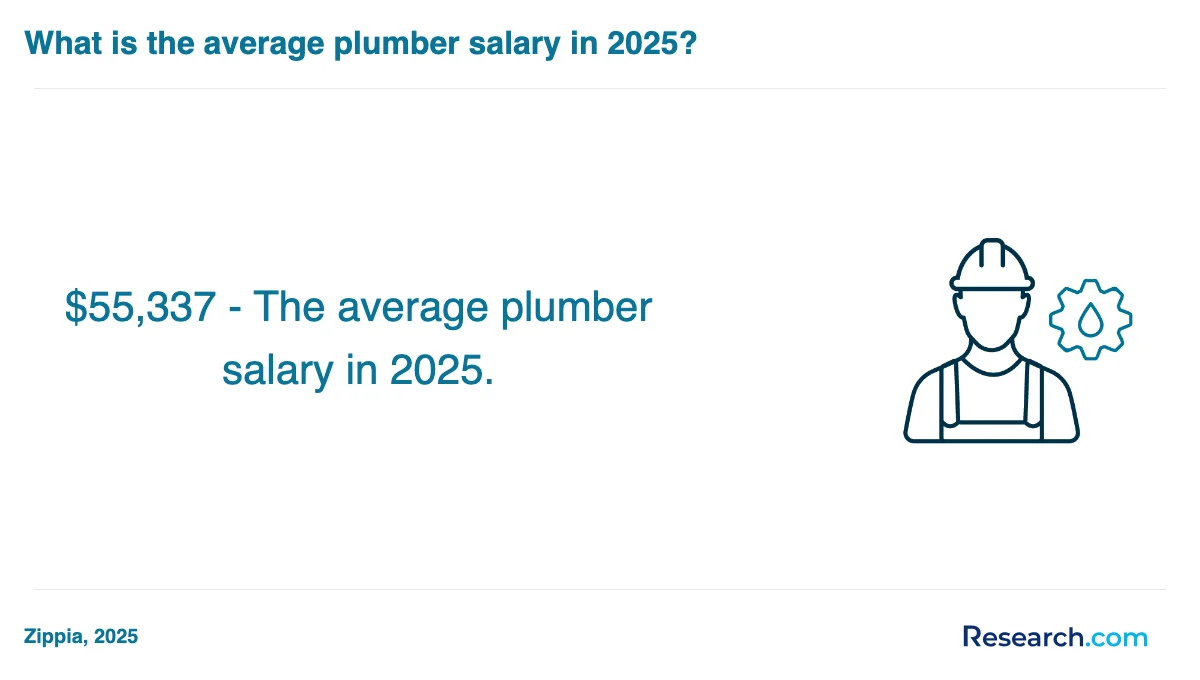
Many students pursuing plumber trade school programs in New Jersey find relief through federal financial aid like the Federal Pell Grant, which helps cover tuition without the stress of repayment. Graduates from popular trade schools often share how completing the FAFSA opened doors to this essential support, allowing them to focus on learning rather than finances.
At the state level, New Jersey offers the Tuition Aid Grant (TAG), which significantly reduces costs for residents attending eligible in-state schools. For instance, students from households earning under $60,000 benefit from up to $2,000 annually, easing the burden of tuition at well-known plumbing programs.
Many schools also provide scholarships and grants based on merit or need, which past students credit with making the difference between dropping out and finishing their training. For those coming from foster care, the New Jersey Foster Care Scholars Program covers tuition, fees, and even book stipends, offering a vital boost to those determined to build a plumbing career.
Additionally, apprenticeship programs tied to unions or employers often include paid on-the-job training and may reimburse tuition and materials, making hands-on learning affordable and rewarding.
To enroll in a plumber trade school program in New Jersey, you'll find the prerequisites quite manageable, designed to set you up for success rather than block your path. Most schools expect you to have a high school diploma or a GED, which is essential for grasping the technical and safety concepts taught in the program.
Graduates from well-known New Jersey trade schools often share that having a basic understanding of math-especially algebra-and good communication skills makes the hands-on training smoother and more enjoyable.
Some common prerequisites include:
- Proof of high school completion or equivalent
- Passing a basic math assessment
- Being physically fit to handle the demands of plumbing work
- Possession of valid identification and sometimes a driver's license
For example, students at popular trade schools in Newark or Trenton often mention how meeting these prerequisites helped them dive right into practical lessons confidently. One graduate recalled how being prepared physically and mentally allowed them to thrive during the intense, hands-on pipefitting sessions, turning early challenges into rewarding achievements.
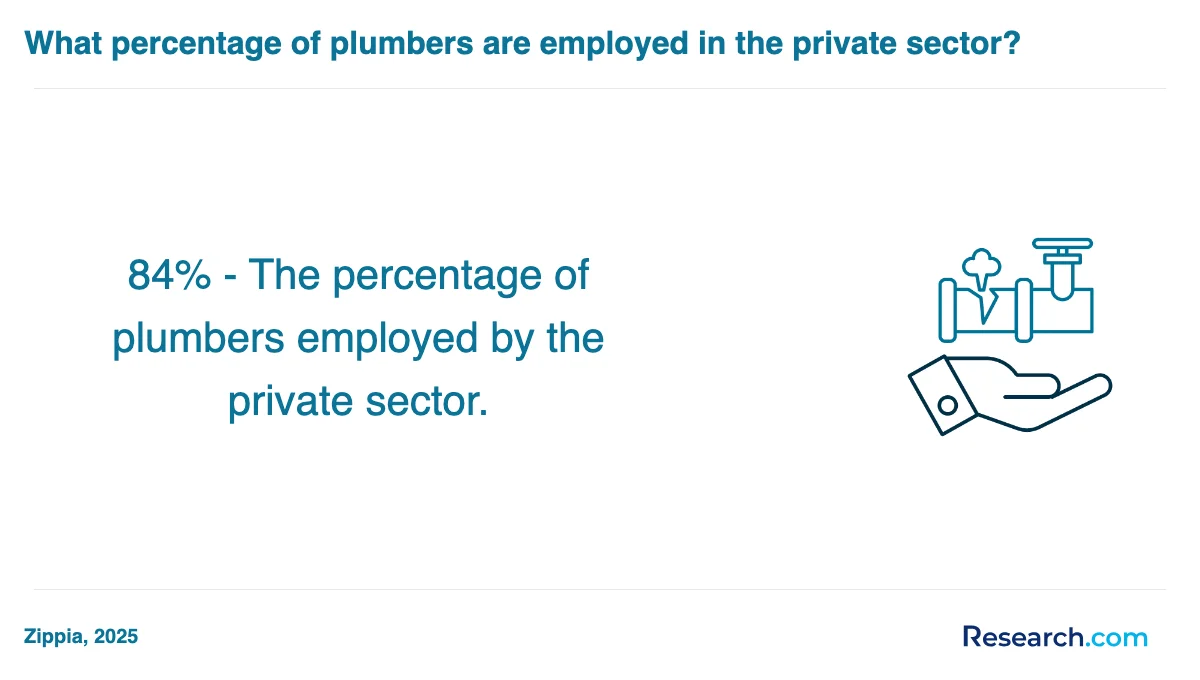
When you enroll in a plumber trade school program in New Jersey, expect to dive into courses that build both your technical skills and code knowledge, preparing you for real-world plumbing challenges. Graduates from Bergen County Technical Schools often highlight how courses like piping techniques, plumbing codes, fixture installation, kitchen and bathroom rough-in, and hot water and steam heating systems gave them confidence on the job.
Hands-on training is a major part of the experience. For example, these programs include up to 192 hours of fieldwork, where students work on actual plumbing setups or internships, making the learning practical and engaging.
Typical courses cover:
- Installation and maintenance of plumbing fixtures and drainage systems
- Compliance with local and national plumbing codes
- Safety standards like OSHA regulations
- Heating systems including hot water and radiant heating
- Advanced topics such as brazing, soldering, and hydraulic crimping tools
At places like Pennco Tech, students appreciate the split focus on plumbing fundamentals, mathematics, heating, and hands-on technical training, which makes every lesson feel relevant and rewarding. Meanwhile, Brookdale Community College's introductory courses help beginners quickly identify plumbing supplies and understand safety procedures, setting them up for success.
Plumber trade school programs in New Jersey offer several practical specializations that prepare students for real-world careers. Many graduates highlight New Jersey plumbing apprenticeship opportunities, such as those available at Eastwick Education in Paterson, where the Plumber Apprenticeship Program combines classroom learning with hands-on experience. Students complete this program in 9 months during the day or 18 months in the evening, which makes it flexible for different lifestyles.
Another popular path is the Plumber's Assistant Program offered by the National Career Institute. This 320-hour course immerses students in essential skills like cutting and welding pipes, safety valves, and maintenance of drainage systems. Graduates often say mastering these skills gives them confidence on job sites.
For those interested in plumbing technology programs in New Jersey, Camden County College's Hydro Technology Course stands out. It focuses on modern techniques and practical labs, helping students prepare for certification exams while aligning with licensing requirements.
Students also find value in the Heating and Plumbing Program at Bergen County Technical Schools, which provides comprehensive training in both areas, opening up broader career opportunities.
For anyone ready to start a hands-on career with rewarding prospects, exploring these programs is a great first step toward landing one of the high paying easy to learn trades.
Choosing the best plumber trade school in New Jersey means focusing first on accreditation and hands-on training. Graduates from schools like Ocean County Vocational Technical School often praise how well their programs prepared them for state licensing exams through practical experience and solid curriculum. When comparing schools, consider if they offer flexible formats such as hybrid or online courses, which can make balancing work and study easier.
Knowing how to compare plumbing programs in New Jersey also means looking at program length and costs. Some students have found fast-track options at Passaic County Community College useful for entering the workforce quickly, while others prefer longer programs at HoHoKus School of Trade and Technical Sciences for deeper skill development. Tuition varies widely, so explore financial aid and scholarships to make your investment manageable.
Don't overlook the value of strong employer connections and apprenticeship pathways that many graduates highlight as game-changers for landing good jobs. For more insights into finding the right school, check out best online construction trade programs, which include plumbing-focused options tailored to your needs.

Graduates of plumber trade school programs in New Jersey have a variety of plumber career opportunities in New Jersey waiting for them. Most start as apprentice plumbers, gaining hands-on experience under a licensed master plumber, often through structured five-year union programs or schools like Eastwick College. This practical training sets a strong foundation.
After about four years, many move up to journeyman plumbers, handling installations and repairs in homes and businesses. Some graduates find specialized roles as pipefitters, dealing with high-pressure systems, or pipelayers, focusing on water and sewage infrastructure-each offering exciting challenges and better pay.
Many of my known graduates from popular NJ trade schools have successfully transitioned into project management, running job sites, or even launching their own plumbing businesses, combining technical skill with leadership. This path reflects the variety of plumbing jobs after trade school in New Jersey, tailored to different ambitions.
For those considering further growth, plumbing also connects to HVAC and welding trades, broadening career options significantly. If you're weighing broader education paths, check out this useful college vs trades resource to decide the best fit for your future.
The plumber job outlook in New Jersey is promising, especially for graduates of well-regarded trade schools across the state. Graduates frequently share stories of quickly finding roles as apprentice plumbers or plumbing technicians with local contractors and commercial firms, reflecting strong demand in both residential and commercial markets. Schools in New Jersey emphasize hands-on experience, which employers value highly.
Salary expectations are encouraging for those entering the field. Plumbing jobs salary New Jersey averages between $69,360 and $72,000 annually, with solid growth potential as experience and certifications accumulate. Many graduates report additional benefits such as medical insurance and company vehicles, making the profession financially rewarding.
The job market benefits from a wave of retirements among seasoned plumbers, opening doors for new entrants. Employment settings include:
- Construction companies
- Specialized plumbing firms
- Facilities management roles
- Municipal positions like plumbing inspectors
For students deciding between options, understanding the difference between a vocation vs trade school can help clarify pathways and outcomes in New Jersey's plumbing field.
Best Plumber Training Programs & Trade Schools - Top Plumbing Schools in New Jersey for 2026
# 1 position
Adult and Continuing Education-BCTS - Plumbing Technology/Plumber.
certificate or diplomaThis hybrid Plumbing Technology/Plumber program trains students to become licensed plumbers by teaching skills in installing and maintaining piping systems for various fluids and gases. The curriculum covers water distribution, waste removal, pressure adjustment, physics, mathematics, blueprint reading, pumps, welding, soldering, inspection, and relevant codes. Graduates have a median earning of $30,184 one year after completion. The program is accredited by the Council on Occupational Education.
# 2 position
Hohokus School of Trade and Technical Sciences - Plumbing Technology/Plumber.
certificate or diplomaThe Plumbing Technology/Plumber program at Hohokus School of Trade and Technical Sciences offers a hybrid format with some distance-education options. It prepares students to become licensed plumbers by teaching skills in installing and maintaining piping systems for various applications. Instruction covers technical knowledge such as blueprint reading, welding, plumbing inspection, and applicable codes. The program is accredited by the Accrediting Commission of Career Schools and Colleges. Median earnings one year after completion are $24,973.
# 3 position
Ocean County Vocational-Technical School - Plumbing Technology/Plumber.
certificate or diplomaOcean County Vocational-Technical School offers a Plumbing Technology/Plumber program that trains students to become licensed plumbers. The curriculum covers installing and maintaining piping systems for various uses, including steam, natural gas, and water. Instruction includes water distribution, pressure adjustment, blueprint reading, welding, and plumbing codes. The program is accredited by the Middle States Commission on Secondary Education and prepares individuals with practical skills for residential and commercial environments.
Frequently Asked Questions about plumber
After completing plumber trade school in New Jersey, it is crucial to build a strong foundation for entering the job market. Start by obtaining the necessary state licenses, such as the New Jersey Master Plumber License, which requires passing an exam and having relevant work experience. According to the New Jersey Department of Labor, the plumbing field is expected to grow by 7% through 2031, indicating steady demand for skilled professionals.
Networking with local contractors and attending trade shows can open doors to apprenticeships or entry-level positions. Additionally, preparing a clear resume highlighting hands-on skills and certifications improves job prospects. Joining industry groups like the New Jersey Plumbing-Heating-Cooling Contractors Association helps stay informed about job openings and continuing education opportunities.
Employers in New Jersey seek plumber trade school graduates with a solid foundation in both technical and soft skills. Key technical abilities include proficiency in reading blueprints, understanding local plumbing codes, and expertise in installing and repairing piping systems. According to the New Jersey Department of Labor, practical skills such as pipefitting, soldering, and troubleshooting are highly valued.
In addition to technical expertise, employers prioritize strong problem-solving skills and the ability to work independently or as part of a team. Communication skills are also important, as plumbers often interact with clients and contractors. Safety awareness and adherence to OSHA regulations remain critical in this trade.
Finding internships in New Jersey relevant to plumber trade school programs involves several practical steps. Start by contacting your trade school's career services or internship coordinator, as many schools maintain local employer partnerships. The New Jersey Department of Labor & Workforce Development also offers resources on apprenticeships and trade internships, which are common pathways in plumbing careers.
Additionally, exploring union apprenticeship programs, such as those offered by the United Association Local 322, can provide structured, paid training opportunities. Online job boards like NJWorks.gov frequently list plumbing internships and apprenticeships statewide. Networking through local contractors and industry events is another effective way to secure placement.
Obtaining a plumber trade school diploma in New Jersey significantly enhances career mobility and advancement opportunities within the state's plumbing industry. A diploma demonstrates to employers that candidates have completed structured training, covering essential skills such as pipefitting, safety protocols, and local plumbing codes. According to the New Jersey Department of Labor, individuals with formal plumbing education have a 20% higher chance of securing apprenticeships and journeyman licenses faster than those without.
Additionally, many employers prioritize diploma holders for supervisory roles or specialized plumbing tasks. The State of New Jersey requires licensed plumbers to complete approved training, often achieved through trade schools, to qualify for licensing exams. This formal education thus directly influences eligibility for higher-paying positions and promotes upward social mobility in a competitive job market.
Students enrolled in plumber trade schools in New Jersey often seek part-time jobs to gain practical experience while supporting their education. Entry-level positions such as plumbing apprentices or helpers are common options. These roles allow students to work under licensed plumbers, reinforcing skills learned in class. According to the U.S. Bureau of Labor Statistics, New Jersey's demand for plumbers is expected to grow by about 7% from 2022 to 2032, signaling steady opportunities in the trade.
Other complementary jobs include maintenance technician roles in residential or commercial buildings. These positions help students understand plumbing systems in real-world settings. Retail jobs at hardware stores can also be valuable, providing exposure to plumbing tools and materials.
While specific plumber degree programs may not be prevalent, technical schools and community colleges near New Jersey often offer certificate or diploma programs that prepare individuals for a plumbing career. For those residing "near me," searching local training centers can yield results for short-term courses, while Research.com can be a helpful resource for identifying reputable institutions. Many of these programs focus on practical skills and may also provide apprenticeship opportunities in the area.
- Best Plumber Training Programs & Trade Schools - Top Plumbing Schools in Pennsylvania for 2026
- Best Plumber Training Programs & Trade Schools - Top Plumbing Schools in Ohio for 2026
- Best Plumber Training Programs & Trade Schools - Top Plumbing Schools in Kentucky for 2026
- Best Plumber Training Programs & Trade Schools - Top Plumbing Schools in North Carolina for 2026
- Best Plumber Training Programs & Trade Schools - Top Plumbing Schools in Tennessee for 2026
- Best Plumber Training Programs & Trade Schools - Top Plumbing Schools in Maine for 2026
- Best Plumber Training Programs & Trade Schools - Top Plumbing Schools in Georgia for 2026
- Best Plumber Training Programs & Trade Schools - Top Plumbing Schools in Michigan for 2026
- Best Plumber Training Programs & Trade Schools - Top Plumbing Schools in Illinois for 2026
- Best Plumber Training Programs & Trade Schools - Top Plumbing Schools in Alabama for 2026
- Online Plumbing Course | Self-Paced School Classes https://www.uscareerinstitute.edu/online-plumber-school
- Plumber: School of Trades and Technology: Thompson Rivers University https://www.tru.ca/trades/trades-programs/plumber.html
- Plumbing Trade School & Pipefitting Program | Apex https://apexschool.com/programs/plumbing-and-pipefitting/
- Plumbing School | Plumbing Trade School & Classes at PLCC https://plcc.edu/adult-education/full-time/plumbing-technologies/
- Plumbing Training & Certification | Construction Program | LCTI https://www.lcti.org/adult-education-course/plumbing/
- SPC : Plumbing Trades | Alamo Colleges https://www.alamo.edu/spc/academics/programs/allied-construction-trades-act/plumbing-trades/
- Plumbing | ontariocolleges.ca https://www.ontariocolleges.ca/en/programs/professions-and-trades/plumbing
- Plumbing | Training | My Career NJ https://mycareer.nj.gov/training/27383
- Plumber Apprenticeship School In NJ | Eastwick College https://eastwick.edu/program/plumber-apprenticeship/
- Top Plumbing Schools in New Jersey | How to Become a Plumber https://toptradeschools.com/near-you/plumber/new-jersey/