
Best Plumber Training Programs & Trade Schools - Top Plumbing Schools in Wisconsin for 2026

Co-Founder and Chief Data Scientist
Choosing the right plumber trade school in Wisconsin is an important step toward a rewarding career. This article introduces the best plumber trade school programs for 2026, based on a detailed ranking created by the Research.com team of data scientists.
By exploring this guide, you’ll discover which programs stand out for quality and value. Earning a diploma or certification in plumbing opens doors to stable work and skill growth. Whether you’re starting fresh or seeking advancement, this information can help you make a confident, informed decision about your future.
Key benefits of finishing plumber trade school in Wisconsin
- Graduates from plumber trade schools in Wisconsin can expect competitive salaries, with average annual earnings around $64,032 and potential to earn up to $80,647 as experience and skills grow.
- Career paths include becoming a Journeyman plumber, where wages increase significantly, or specializing in areas like pipefitting or maintenance, offering varied and rewarding job opportunities.
- Completing plumber trade school online offers flexibility and convenience, allowing students to balance work and study while gaining the same valuable skills as traditional programs, as experienced by many successful online graduates.
- Best Plumber Training Programs & Trade Schools - Top Plumbing Schools in Wisconsin for 2026
- What can I expect from plumber trade schools in Wisconsin?
- Where can I work after finishing plumber trade schools in Wisconsin?
What can I expect from plumber trade schools in Wisconsin?
Enrolling in a plumber trade school program in Wisconsin means diving into a robust blend of hands-on training and classroom learning. Graduates often describe their experience as challenging yet rewarding, spending around 7,500 to 8,000 hours working alongside seasoned plumbers on real job sites. Imagine starting your day installing sanitary drains or venting systems under the supervision of a skilled mentor, then heading to class to study the Wisconsin Plumbing Code and blueprint reading.
Many students appreciate the balance between physical work and academic instruction, with 500 to 572 hours of paid classroom time covering essential topics like trade mathematics, safety practices, and green plumbing technologies. It's common to feel a sense of accomplishment after mastering OSHA safety standards and CPR during the first year, skills that build confidence and ensure workplace safety.
Graduates from popular Wisconsin trade schools often highlight how their apprenticeship prepared them for varied work environments-whether navigating tight spaces or managing storm water systems-making them ready for the state licensing exam and a career as journey-level plumbers.
Where can I work after finishing plumber trade schools in Wisconsin?
After finishing a plumber trade school program in Wisconsin, graduates often find themselves stepping confidently into roles as apprentices or journeyman plumbers, meeting the state's rigorous licensing standards. Many begin working with local plumbing contractors, tackling hands-on projects like installing pipes in new homes or repairing commercial plumbing in bustling office buildings. Imagine starting your day at a popular Wisconsin trade school, then a few months later, confidently managing a remodel job in Milwaukee or handling emergency repairs in Green Bay.
Some graduates share how they landed positions with well-known employers offering strong benefits, allowing them to support their families while gaining valuable experience. Others discover opportunities in government facilities or utility companies, maintaining critical public infrastructure. Specializing in areas like water treatment or drain cleaning opens doors to niche roles, while experienced plumbers may advance into leadership jobs such as project managers or foremen. This variety lets new plumbers tailor their careers to fit their ambitions, whether that means running a crew or starting their own business down the road.
After finishing a plumber trade school program in Wisconsin, many graduates report feeling confident stepping into the workforce with an average starting wage around $30.68 per hour. Graduates from well-known Wisconsin trade schools often share stories of landing jobs that pay between $24 and $35 per hour, depending on their location and employer. For example, those who trained in Milwaukee or Madison frequently mention higher starting wages due to urban demand.
One graduate described how, after completing their program and apprenticeship, they quickly moved from earning just under $28 per hour to over $35 with certification and experience. This progression highlights the strong earning potential available within a few years of finishing trade school.
Apprenticeships typically start lower but provide valuable hands-on experience that boosts earnings later. Graduates often feel proud when their incomes rise to $60,000 or more annually, with many advancing to well over $75,000 as they gain senior roles in Wisconsin's plumbing industry.
- Admission requires a high school diploma or equivalent, being at least 18 years old, and having a valid driver's license or reliable transportation.
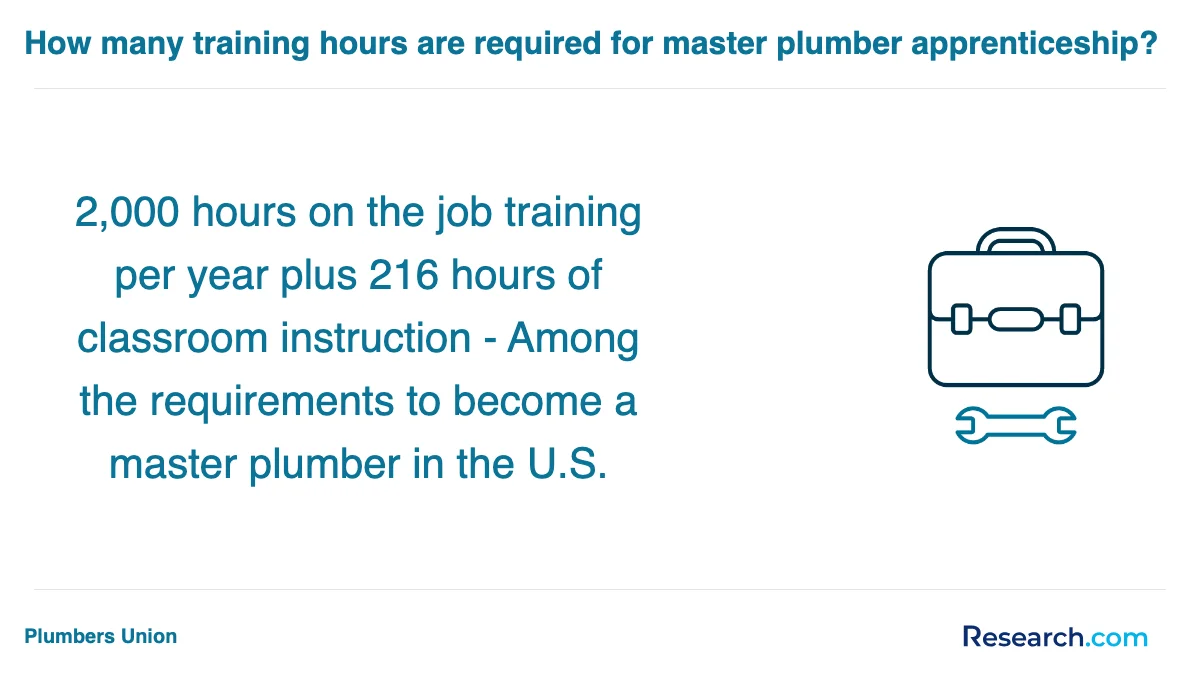
- The apprenticeship program lasts five years, including about 8,000 hours of paid on-the-job training and 500 to 572 hours of paid classroom instruction.
- Key subjects covered include plumbing codes, system design, trade math, safety, blueprint reading, and installation techniques.
- After apprenticeship, passing a state exam is required to become a journeyman plumber, with additional testing needed to become a master plumber.
- Costs for training typically range from $4,000 to $8,000, often offset by paid on-the-job training wages.
- The average plumber salary in Wisconsin is about $62,000 per year, with entry-level pay around $40,000-$45,000 and master plumbers earning $70,000 to $80,000 annually.
In Wisconsin, completing a plumber trade school program typically takes about one year to 18 months, depending on the school and course intensity. Graduates from popular trade schools often describe their experience as a fast-paced but rewarding journey, balancing hands-on training with essential classroom theory. For example, many students at well-known Wisconsin trade schools find themselves quickly immersed in real-world plumbing challenges, which helps solidify their skills in a practical way.
One graduate shared how the structured schedule allowed them to gain confidence early on, making the transition to apprenticeship smoother and more exciting. The compact timeframe encourages students to stay motivated, knowing they can enter the workforce sooner than they initially expected.
Since Wisconsin's plumbing programs emphasize both technical knowledge and state-specific codes, students feel prepared and optimistic about their future careers. This blend of focused training and timely completion creates a positive atmosphere that many find energizing and deeply satisfying.
Online and on-campus plumber trade school programs in Wisconsin differ mainly in how they deliver training and prepare students for real-world plumbing work. Graduates from on-campus programs at schools like Madison College often share how the hands-on labs, where they physically assemble pipes and troubleshoot systems under expert guidance, gave them confidence and practical skills they couldn't get anywhere else.
In contrast, those who took online courses through providers like Penn Foster appreciate the flexibility to study plumbing theory and code regulations at their own pace, fitting education around work or family. However, many online learners quickly realize that without the in-person apprenticeship and supervised training required by Wisconsin law, they can't fully master the craft or meet licensing requirements.
Imagine tackling a complex plumbing blueprint during an on-campus class, receiving instant feedback, versus reading about it alone online. While online programs build solid foundational knowledge, on-campus experiences provide the hands-on practice essential for success in Wisconsin's plumbing trade.
The average cost plumber trade school Wisconsin students experience can vary significantly depending on the institution they choose. For example, graduates from Madison Area Technical College report paying around $2,937.83 for a comprehensive program covering 16 credits over several years, reflecting moderate tuition fees plumbing programs Wisconsin applicants might expect. On the other hand, Chippewa Valley Technical College offers a program with in-state tuition totaling approximately $2,421, making it a cost-effective option for many.
Some students share stories of attending Western Technical College, where tuition costs are waived entirely, which feels like a gateway to entering the profession without the heavy financial burden many anticipate. These real-life experiences highlight the range of options available to aspiring plumbers eager to pursue their trade in Wisconsin. However, it's important to keep in mind that tuition is only part of the expense.
Additional costs such as books, tools, and uniforms can add up quickly, sometimes reaching $10,000 depending on the program's intensity and resources required. Graduates often emphasize the value of scholarships, grants, and loans in managing these upfront expenditures, encouraging new students to proactively explore these financial aid avenues. For those passionate about joining the field, learning about and preparing for these expenses will smooth the path toward a rewarding career.
Students interested in plumber programs should also consider how their educational journey fits into broader trade school professions. This perspective helps contextualize not only the costs but also the potential for future success and stability.
Plumber trade school students in Wisconsin often find financial aid options that make pursuing their education both affordable and rewarding. Graduates from well-known schools like Milwaukee Area Technical College frequently share how completing the Free Application for Federal Student Aid (FAFSA) unlocked crucial support, such as Pell Grants and state-specific awards like the Wisconsin Grant. These grants do not require repayment, easing the financial pressure significantly.
Many students benefit from scholarships tailored to Wisconsin residents. For instance, technical colleges such as Northwood Technical College offer the Promise Scholarship, which can cover tuition after federal and state aid is applied. Graduates recall how this made it possible to focus on their studies without constant financial stress, especially when maintaining full-time enrollment.
On-the-job training through plumbing apprenticeships is another lifeline. Apprentices earn wages while learning, combining hands-on work with classroom lessons. This real-world income not only offsets living expenses but also builds confidence as students gain valuable industry experience.
Additionally, students find value in institution-specific and external scholarships from unions or industry groups, often providing several hundred to thousands of dollars annually. Some programs also offer financial literacy training, empowering students to manage their educational expenses smartly and maximize aid opportunities.
Enrolling in a plumber trade school program in Wisconsin typically requires a few clear prerequisites that set students up for success. Many graduates recall feeling confident stepping into programs after meeting these foundational requirements, which ensure readiness for both hands-on training and classroom learning.
Most trade schools in Wisconsin expect applicants to:
- Have a high school diploma or GED, confirming basic academic skills.
- Be at least 18 years old, as plumbing work involves physical labor and safety regulations.
- Pass a basic math and reading assessment to demonstrate problem-solving and comprehension abilities.
- Provide proof of legal residency or citizenship within Wisconsin.
Some programs also encourage applicants to have prior exposure to construction or mechanical work, which helps ease the transition into plumbing-specific skills. Graduates from well-known Wisconsin trade schools often highlight how these prerequisites made their early coursework manageable and boosted their confidence when tackling complex plumbing systems. Imagining yourself already prepared in these ways can make beginning a plumber program feel motivating rather than intimidating.
In Wisconsin plumber trade schools, students dive into a variety of courses that build both their confidence and expertise. Graduates often recall how mastering plumbing code and regulations helped them confidently interpret the Wisconsin Plumbing Code on real job sites, ensuring compliance and safety.
Typical coursework includes:
- Repair and service techniques, where students practice troubleshooting and replacing fixtures, gaining hands-on skills they immediately see value in during apprenticeships.
- Materials and installation methods, teaching the proper use of pipes and fittings, which many graduates say made installations smoother and more efficient.
- System design and trade mathematics, equipping learners to plan water supply and drainage systems accurately, a skill praised for its real-world applicability.
- Blueprint reading and isometric drawing, enabling students to visualize complex layouts, a favorite among those entering commercial plumbing.
Safety training in OSHA practices, First Aid, and CPR often stands out as essential, with many appreciating how it prepares them for unexpected challenges on-site. Some programs even explore green plumbing applications and advanced topics, keeping Wisconsin plumbers ahead in sustainability and technology.
Plumber trade school programs in Wisconsin offer diverse plumbing specialization options in Wisconsin trade schools that equip students with practical, career-ready skills. Graduates often share how hands-on training in residential plumbing helps them confidently install and maintain household water systems, tackling real-life kitchen or bathroom projects during their studies. Meanwhile, others are drawn to commercial plumbing, where they learn to manage complex systems in schools and hospitals, mastering blueprint reading and industrial-grade installations.
Many students at well-known colleges embrace industrial plumbing by working on steam systems and pumping equipment, preparing for robust roles in manufacturing plants. Some focus on gas piping and hydronic heating, which demands precise safety protocols to handle gas lines and heating systems efficiently. The Wisconsin plumber apprenticeship program specializations consistently include critical safety, code compliance, and trade math components to ensure readiness for all plumbing sectors.
Programs like Milwaukee Area Technical College's Preparatory Plumbing Diploma encourage exploration of related piping trades, empowering students to diversify skills in steamfitting or sprinkler fitting. Such thorough training opens doors to trade programs that pay well, boosting both career opportunities and personal satisfaction.
Choosing the best plumbing schools in Wisconsin means focusing on programs that combine solid classroom learning with extensive hands-on training. Graduates from schools like Western Technical College often highlight how their 7,500 hours of on-the-job experience built confidence and real skills, making the transition to the workforce smoother. It's important to verify that the school is accredited and aligns with Wisconsin's licensing requirements, ensuring you're prepared for certification exams.
Look for top-rated plumber trade programs Wisconsin that fit your personal schedule and financial situation. Some students share how flexible program durations and lower tuition at local colleges made it easier to balance work and study. Proximity to employers matters too-being near potential apprenticeship opportunities can accelerate your career growth.
Many future plumbers ask what is the easiest trade to learn that pays well; a well-chosen program here can be that answer, blending quality education with strong industry connections.

Graduates of plumber trade school programs in Wisconsin find diverse plumbing job opportunities in Wisconsin that stretch far beyond entry-level roles. Many start as journeyworker plumbers after completing rigorous apprenticeships combining up to 8,000 hours of hands-on training with classroom instruction at popular trade schools. From there, career advancement is often swift and rewarding.
Experienced plumbers frequently move into leadership positions such as plumbing foreman or project manager, overseeing multi-site installations or municipal water system upgrades. Others pursue certification as master plumbers, unlocking opportunities for business ownership or regulatory roles ensuring code compliance.
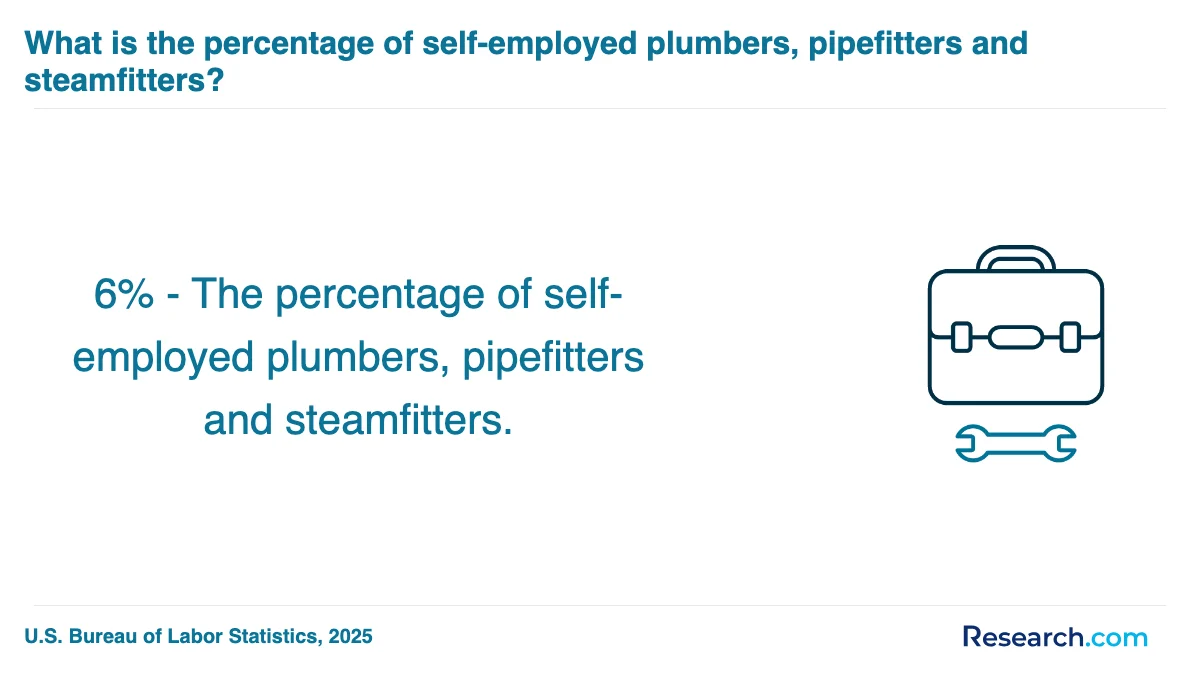
The Wisconsin plumber apprenticeship career paths also open doors to related areas including HVAC installation and pipefitting, which graduates from well-known programs embrace to diversify their skills. Some choose to become independent contractors, enjoying autonomy and the pride of building their own clientele. Public sector roles maintaining essential infrastructure at hospitals or schools additionally offer stable, meaningful employment.
Many Wisconsin graduates also explore growth as trade educators or union leaders, sharing their expertise with new cohorts and shaping the future workforce. For students aiming to broaden horizons, resources like trade school for construction management can complement plumbing skills with management knowledge.
Graduates of plumber trade school programs in Wisconsin enter a job market characterized by steady demand and reliable employment potential. The plumber job market in Wisconsin benefits from a stable construction sector and ongoing maintenance needs, ensuring that new plumbers find opportunities even if job postings are currently less frequent than in other states. For example, graduates from popular Wisconsin trade schools often describe securing apprenticeships quickly, allowing them to build experience in real-world scenarios like residential plumbing installations or commercial building maintenance.
The average plumber wage in Wisconsin-around $30.68 per hour-reflects competitive pay that many graduates find motivating as they advance. While the market may not be the most saturated with openings, plumbers enjoy positive prospects through:
- Growth tied to new housing starts and infrastructure projects
- Steady upgrades required for aging systems
- Opportunities for certifications that boost earning potential
Many graduates recall how hands-on training at their trade schools prepared them for these practical demands, fostering confidence in tackling complex installations or repairs. Those exploring plumbing career opportunities Wisconsin 2026 can expect moderate job growth, supported by a projected 2.3% national rise in plumber jobs.
Students interested in Wisconsin plumbing programs often consult resources on the best trade schools in the us to identify programs with strong industry connections and practical training, helping them transition smoothly to the workforce.
Best Plumber Training Programs & Trade Schools - Top Plumbing Schools in Wisconsin for 2026
# 1 position
Fox Valley Technical College - Plumbing Technology/Plumber.
certificate or diplomaFox Valley Technical College offers a hybrid Plumbing Technology/Plumber program that equips students to become licensed plumbers. The curriculum covers installation and maintenance of piping systems for various utilities, including steam, natural gas, and hot water. Instruction includes technical mathematics, blueprint reading, welding, plumbing codes, and inspection. The program is accredited by the Higher Learning Commission, with annual in-state tuition of $4,916 and median earnings of $79,589 one year after completion.
# 2 position
Waukesha County Technical College - Plumbing Technology/Plumber.
certificate or diplomaWaukesha County Technical College offers a Plumbing Technology/Plumber program designed to prepare students for licensure by teaching technical skills to install and maintain piping systems for various fluids and industrial uses. The hybrid program includes instruction in mathematics, blueprint reading, welding, plumbing codes, and system maintenance. The annual in-state tuition is $4,720. The program is accredited by the Higher Learning Commission.
# 3 position
Southwest Wisconsin Technical College - Plumbing Technology/Plumber.
certificate or diplomaSouthwest Wisconsin Technical College offers a hybrid Plumbing Technology/Plumber program designed to prepare students for licensed plumbing careers. The curriculum covers installation and maintenance of piping systems for various applications, including steam, natural gas, hot water, and industrial processes. Instruction includes technical mathematics, blueprint reading, welding, and plumbing codes. The program is accredited by the Higher Learning Commission, with an annual in-state tuition of $4,796.
# 4 position
Northwood Technical College - Plumbing Technology/Plumber.
certificate or diplomaNorthwood Technical College offers a fully online Plumbing Technology/Plumber program that trains students to become licensed plumbers. The curriculum covers installing and maintaining piping systems for various utilities, including steam, natural gas, and hot water. Coursework includes technical mathematics, blueprint reading, welding, plumbing inspection, and relevant codes. The program is accredited by the Higher Learning Commission, with annual in-state tuition of $4,524.
# 5 position
Chippewa Valley Technical College - Plumbing Technology/Plumber.
certificate or diplomaChippewa Valley Technical College offers a hybrid Plumbing Technology/Plumber program that prepares students to become licensed plumbers. The curriculum covers technical skills in installing and maintaining piping systems for various uses, including steam, natural gas, and water distribution. Instruction includes blueprint reading, welding, pumps, plumbing codes, and relevant physics and mathematics. The program is accredited by the Higher Learning Commission, with an annual in-state tuition of $4,724.
# 6 position
Northcentral Technical College - Plumbing Technology/Plumber.
certificate or diplomaNorthcentral Technical College offers a hybrid Plumbing Technology/Plumber program designed to prepare students for licensure by teaching technical skills in installing and maintaining piping systems for steam, natural gas, oil, water, heating, cooling, and industrial processes. The curriculum covers water distribution, pressure adjustment, mathematics, blueprint reading, welding, and plumbing codes. The program is accredited by the Higher Learning Commission, with annual in-state tuition of $3,861.
# 7 position
Mid-State Technical College - Plumbing Technology/Plumber.
certificate or diplomaMid-State Technical College offers a hybrid Plumbing Technology/Plumber program that prepares students to become licensed plumbers. The curriculum covers installing and maintaining piping systems for steam, natural gas, oil, water, heating, cooling, and industrial processes. Instruction includes technical mathematics, blueprint reading, welding, plumbing inspection, and applicable codes. The program’s annual in-state tuition is $4,886. It is accredited by the Higher Learning Commission.
# 8 position
Nicolet Area Technical College - Plumbing Technology/Plumber.
certificate or diplomaNicolet Area Technical College offers a hybrid Plumbing Technology/Plumber program that prepares students to become licensed plumbers. The curriculum covers installation and maintenance of piping systems for steam, natural gas, oil, hot water, and industrial processes. Instruction includes water distribution, pressure adjustment, blueprint reading, welding, plumbing inspection, and relevant codes. The program is accredited by the Higher Learning Commission. Annual in-state tuition is $4,724.
# 9 position
Gateway Technical College - Plumbing Technology/Plumber.
certificate or diplomaGateway Technical College offers a hybrid Plumbing Technology/Plumber program that prepares students to become licensed plumbers. The curriculum covers installation and maintenance of piping systems for various applications, including steam, natural gas, and water distribution. Instruction includes technical mathematics, blueprint reading, welding, and plumbing codes. The program is accredited by the Higher Learning Commission. Annual in-state tuition is $4,853.
# 10 position
Milwaukee Area Technical College - Plumbing Technology/Plumber.
certificate or diplomaMilwaukee Area Technical College offers a hybrid Plumbing Technology/Plumber program that prepares individuals to become licensed plumbers. The curriculum covers installation and maintenance of piping systems for various uses, including steam, natural gas, and hot water. Students learn technical skills such as welding, blueprint reading, and plumbing inspection. The program is accredited by the Higher Learning Commission, with an annual in-state tuition of $5,017.
Frequently Asked Questions about plumber
After completing plumber trade school in Wisconsin, preparing for the job market involves several key steps. First, obtaining a plumbing apprentice license is essential, as Wisconsin requires apprenticeships before full licensing. Students should seek apprenticeships through local unions, contractors, or plumbing companies to gain hands-on experience.
Networking within industry organizations like the Plumbing-Heating-Cooling Contractors Association of Wisconsin can also open job opportunities. According to the U.S. Bureau of Labor Statistics, Wisconsin's plumber employment is projected to grow by 8% from 2022 to 2032, indicating a strong demand for skilled workers.
Additionally, graduates should prepare a professional resume highlighting their technical skills and certifications. Continuing education and obtaining journeyman licenses will further increase employability and earning potential.
Employers in Wisconsin seek plumber trade school graduates with a strong foundation in technical skills, including pipefitting, welding, and blueprint reading. According to the Wisconsin Department of Workforce Development, proficiency in these areas improves job placement rates significantly.
Beyond technical ability, employers emphasize problem-solving skills and attention to detail. Plumbers must diagnose and fix issues efficiently to meet safety codes and client expectations.
Effective communication is also critical. Graduates who can clearly explain repair needs and collaborate with clients and other tradespeople are highly valued.
Finally, familiarity with state plumbing codes and safety regulations is essential to ensure compliance and job quality in Wisconsin's construction industry.
Finding internships related to plumber trade school programs in Wisconsin involves leveraging multiple local resources. Start by contacting your trade school's career services, as many have partnerships with plumbing contractors and unions. The Wisconsin Department of Workforce Development reports that the plumbing industry in the state is growing, increasing internship opportunities.
Apprenticeships through the United Association Local 75 in Milwaukee and other local unions provide structured on-the-job training alongside classroom instruction. Additionally, online job boards like Wisconsin Job Center list plumbing internships and entry-level positions.
Networking at industry events and trade shows can also connect students with employers offering internships. Early outreach to local plumbing companies is highly recommended for securing practical experience.
Obtaining a plumber trade school diploma in Wisconsin significantly enhances career mobility and advancement opportunities. According to the Wisconsin Department of Workforce Development, certified plumbers with formal training can expect higher employability and wage growth compared to those without credentials. A diploma confirms practical skills and knowledge, which are essential for licensing exams required by the state.
The U.S. Bureau of Labor Statistics reports a projected 7% job growth for plumbers in Wisconsin through 2031, driven by increased demand for installation and maintenance. This growth favors individuals holding accredited trade diplomas, as employers prioritize certified expertise.
Moreover, diploma holders can access apprenticeship programs more easily, which often lead to journeyman status, higher pay, and supervisory roles. Trade schools also provide networking opportunities with local contractors, further aiding career advancement.
In Wisconsin, part-time job opportunities that complement plumber trade school education often include apprenticeships, helper positions, and retail roles in plumbing supply stores. Apprenticeships provide hands-on experience under licensed plumbers, which is essential for skill development and licensing requirements. According to the U.S. Bureau of Labor Statistics, Wisconsin employs over 3,000 plumbers, with a steady demand growth of 5% through 2030, indicating ample opportunities for on-the-job training.
Retail positions at home improvement stores offer practical knowledge of plumbing materials and tools, aiding coursework comprehension. Additionally, some students find part-time work with local contractors, gaining exposure to real-world plumbing installations and repairs.
If you are seeking plumbing degree programs or training opportunities "near me" in Wisconsin, you might consider technical schools and community colleges which often offer such programs. These institutions provide courses and certifications ranging from basic plumbing skills to advanced practice, helping students to meet state licensing requirements. Programs "near Wisconsin," including those around major cities like Milwaukee or Madison, offer practical training that equips students with both theoretical knowledge and hands-on experience in the plumbing field.
- Best Plumber Training Programs & Trade Schools - Top Plumbing Schools in Iowa for 2026
- Best Plumber Training Programs & Trade Schools - Top Plumbing Schools in Illinois for 2026
- Best Plumber Training Programs & Trade Schools - Top Plumbing Schools in Michigan for 2026
- Best Plumber Training Programs & Trade Schools - Top Plumbing Schools in Missouri for 2026
- Best Plumber Training Programs & Trade Schools - Top Plumbing Schools in Ohio for 2026
- Best Plumber Training Programs & Trade Schools - Top Plumbing Schools in South Dakota for 2026
- Best Plumber Training Programs & Trade Schools - Top Plumbing Schools in Nebraska for 2026
- Best Plumber Training Programs & Trade Schools - Top Plumbing Schools in Kentucky for 2026
- Best Plumber Training Programs & Trade Schools - Top Plumbing Schools in North Dakota for 2026
- Best Plumber Training Programs & Trade Schools - Top Plumbing Schools in Tennessee for 2026
- A Guide to Skilled Trades Apprenticeships and Internships | BestColleges https://www.bestcolleges.com/trades/guide-to-skilled-trades-apprenticeships-internships/
- Choosing a Career in the Plumbing Trade | HoldRite https://www.holdrite.com/us/en/construction-careers
- Trade School vs. College: Pros and Cons | SharkBite https://www.sharkbite.com/ca/en/resources/blog/industry-insights/plumber-spotlights/trade-school-vs-college-heres-what-you-need-to-consider
- Guide to Plumbing Apprenticeships: What to Expect and How to Prepare https://tallo.com/careers/apprenticeships/plumbing-apprenticeship/
- How to Get into the Trades with No Experience https://getpiping.com/news-events/how-get-trades-no-experience
- Paid Internships - Flow Right Plumbing Heating, Cooling and Electric https://flowrightphi.com/careers/paid-internships/
- Plumbing Trade | Apprenticeship Program | ABC of WI https://buildyourcareerwi.org/the-trades/plumbing-trade/
- Preparatory Plumbing | MATC https://www.matc.edu/course-catalog/manufacturing-construction-transportation/preparatory-plumbing.html
- Plumbing Apprenticeship | Madison College https://madisoncollege.edu/academics/programs/plumbing-apprentice
- Becoming a Plumber - Wisconsin Building Trades Council https://wisconsinbuildingtrades.org/becoming-a-plumber/


