Best Plumber Training Programs & Trade Schools - Top Plumbing Schools in Ohio for 2026

Co-Founder and Chief Data Scientist
Choosing the right plumber trade school in Ohio can shape your future career. This article introduces a plumber trade school programs ranking created by the Research.com team of data scientists to help you make an informed decision.
Whether you want a diploma or certification, attending a top program can open doors to skilled work and steady income. Reading this guide will give you clear insights into the best options available, so you can confidently plan your next steps.
Explore the possibilities and take pride in building a valuable, rewarding trade.
Key benefits of finishing plumber trade school in Ohio
- Plumber trade school graduates in Ohio can expect competitive salaries, with average annual earnings around $63,384 and hourly wages near $30, offering a stable income as they gain experience.
- Graduates often pursue diverse career paths such as residential or commercial plumbing, maintenance, or even starting their own plumbing business, providing flexibility and growth opportunities.
- Completing a plumber trade school online offers convenience and affordability, allowing students to balance work and study while gaining the same essential skills as traditional programs, as shown by successful online graduates from popular Ohio trade schools.
- Best Plumber Training Programs & Trade Schools - Top Plumbing Schools in Ohio for 2026
- What can I expect from plumber trade schools in Ohio?
- Where can I work after finishing plumber trade schools in Ohio?
What can I expect from plumber trade schools in Ohio?
In Ohio, plumber trade school programs are designed to immerse you in both theory and hands-on practice from day one. Graduates often recall the challenge and satisfaction of mastering core plumbing principles, like reading blueprints and understanding complex regulatory codes, which become second nature through guided classroom sessions. Imagine working with real copper and plastic pipes, learning to weld and braze under the watchful eye of experienced instructors at well-known Ohio trade schools.
The blend of classroom studies with on-the-job apprenticeship is a defining feature. Many students juggle full-time work while attending weekly classes, earning wages and gaining invaluable experience, often in partnership with local unions. This rigorous schedule builds confidence and professionalism, as apprentices quickly see the impact of their skills on actual job sites.
Ohio's programs also emphasize safety, first aid, and physical readiness, ensuring you're prepared for demanding work environments. Graduates frequently express pride in their readiness to handle everything from potable water systems to specialized installations like medical gas lines, feeling fully equipped to earn their state license and launch their careers.
Where can I work after finishing plumber trade schools in Ohio?
After finishing a plumber trade school program in Ohio, graduates find themselves with diverse and rewarding career options. Many enter residential plumbing, where they take pride in helping families by fixing leaks or installing new fixtures, often recalling their hands-on training at well-known Ohio trade schools. The satisfaction of seeing a homeowner's relief after a repair is a common motivating experience among grads.
Others pursue careers in commercial and industrial plumbing, working on large-scale projects like hospitals or schools. These roles tap into advanced skills learned during training, such as pipefitting and working with complex systems, offering a sense of accomplishment as they contribute to essential infrastructure.
Graduates also join full-service contractors, gaining on-the-job experience through apprenticeships that many Ohio programs emphasize. Some find fulfilling careers with municipalities, maintaining public water systems and responding to emergencies, which gives a strong sense of community impact.
Across Ohio's urban and rural areas, the demand for skilled plumbers ensures that trade school graduates can build stable, well-paying careers that match their ambitions and talents.
Graduates of plumber trade school programs in Ohio often start their careers as apprentice plumbers, earning between $19 and $21 per hour. For many recent graduates from popular Ohio trade schools, this means an annual salary close to $39,000, with the chance to boost income through overtime hours. Imagine finishing your day knowing your hard work directly increases your paycheck-this is the reality for many apprentices in Ohio's plumbing field.
As experience builds, so do opportunities and earnings. Graduates progressing to journeyman plumbers typically earn around $27.61 per hour, translating to about $56,000 annually, and often add thousands more through overtime. Those who dedicate themselves fully and pursue additional licenses can become plumbing contractors, with incomes averaging over $67,000 per year. Some even reach specialized roles like Plumbing Designer, earning upwards of $80,000.
Many Ohio trade school graduates find that working in metropolitan areas or developing specialized skills significantly raises their earning potential, sometimes up to $45 per hour. The combination of practical training and certification from local schools clearly opens doors to a financially rewarding career in Ohio's plumbing industry.
- Applicants must be at least 18 years old and have a high school diploma or GED; some programs accept students with an official letter from their high school.
- Programs include certificates and associate degrees, often structured as five-year apprenticeships combining classroom and paid on-the-job training.
- Tuition for certificate or associate degree programs ranges from $4,000 to $10,000 for in-state students, excluding tools and books, while apprenticeships usually have minimal tuition and pay apprentices.
- Apprentices attend classes one night a week and work full-time in the field, gaining technical skills and safety training.
- Starting salaries for plumbers in Ohio average around $45,000 per year; experienced plumbers and licensed contractors can earn between $60,000 and $75,000 or more.
Completing a plumber trade school program in Ohio typically takes between six months and one year, depending on the curriculum and intensity. Many Ohio trade schools offer flexible schedules that accommodate working students or those balancing family commitments. Graduates often share how this timeframe allowed them to quickly gain hands-on skills and confidence in real-world plumbing tasks without feeling overwhelmed.
For instance, attending a popular trade school in Cleveland or Columbus means experiencing both classroom theory and practical lab sessions that simulate actual job sites. Students recall the satisfaction of learning to install pipes or troubleshoot systems early in the program, making the months feel purposeful and engaging.
Ohio's trade schools emphasize preparing students not just for passing exams but for entering the workforce ready to solve problems on the job. This focused approach means that within a year, many students find themselves eager and equipped to start apprenticeships or full-time plumbing careers, fueling a sense of achievement and excitement for what's ahead.
The key difference between online and on-campus plumber trade school programs in Ohio lies in how you experience the learning process. Online programs, like those offered by Penn Foster and Ashworth College, provide the freedom to study at your own pace and on your own schedule-perfect for balancing family or work. Graduates often appreciate the flexibility of diving into video lectures and interactive modules from anywhere, but they also share that developing hands-on plumbing skills requires extra effort through apprenticeships or lab sessions outside the online environment.
On the other hand, attending schools like Columbus State Community College or Owens Community College means stepping into classrooms and labs where practical training happens in real time. Graduates recall the value of immediate feedback from instructors and practicing skills in specialized plumbing labs, which boosted their confidence and readiness for Ohio's workforce. While schedules are more fixed and require regular attendance, many find the hands-on experience essential, especially since these programs often align directly with licensure requirements and job placement.
Determining the average cost plumber trade school Ohio students face requires examining various programs and their tuition fees. Some programs, like the one at Portage Lakes Career Center, charge around $8,495 for an all-inclusive experience that covers tools, learning materials, and equipment. Graduates from this program often recall feeling well-prepared because they didn't have to worry about additional expenses that sometimes surprise students elsewhere.
Community colleges offer a different cost structure, typically charging per credit hour. For example, Columbus State Community College requires $4,738 per year, while Cuyahoga Community College sets tuition at $144.08 per credit hour. Owens Community College's rate is slightly higher at $152.50 per credit hour. Many students appreciate these schools for flexible pacing and slightly more affordable tuition fees, but they note the importance of budgeting for books, tools, and uniforms-which can push overall expenses beyond tuition alone. This brings the plumbing trade school tuition fees Ohio students encounter into a broader perspective that includes variable out-of-pocket costs.
Costs aside, most who pursue a plumber career in Ohio find the investment rewarding. However, understanding the financial requirements upfront helps manage expectations and motivates students to seek financial aid or scholarships. For those comparing programs nationally, learning what is the best community college in the US can also provide insight into balancing quality education with cost.

Plumber trade school students in Ohio often find financial aid that truly eases their journey. Many rely on the Federal Pell Grant, a lifeline for those with financial need that requires no repayment. Graduates from schools like Lorain County Community College recall how completing the FAFSA opened doors to multiple grants, including the Federal Supplemental Educational Opportunity Grant (FSEOG) and Federal Work-Study programs, which allowed them to earn while learning through part-time campus jobs.
At Owens Community College, students facing unexpected money troubles in their final semester benefit from the Success Tuition Assistance Program (TAP) Completion Scholarship, which offers a reassuring safety net. This scholarship, alongside others based on GPA or program enrollment, often makes the difference between dropping out and crossing the finish line.
Industry-backed scholarships from the PHCC Educational Foundation and organizations like SkillsUSA provide additional support. These awards, sometimes reaching up to $5,000, reward skill and dedication in plumbing and related trades, fueling students' confidence and commitment to their future careers.
Enrolling in a plumber trade school program in Ohio typically requires meeting a few clear prerequisites that ensure you're ready for the hands-on, technical training ahead. Many popular Ohio trade schools ask applicants to have a high school diploma or GED. This baseline ensures you have the essential math and reading skills to understand plumbing codes and blueprints.
Graduates often share how these prerequisites helped them adapt quickly to the rigorous coursework. For example, one graduate from a well-known Cleveland trade school recalled how their solid foundation in basic algebra made learning pipe measurements and pressure calculations feel less daunting. Others highlight the importance of physical fitness, as plumbing demands stamina and dexterity on the job.
- High school diploma or GED
- Basic math and reading proficiency
- Physical ability to handle manual tasks
- Age requirement (usually 18 or older)
Some schools also recommend having a valid driver's license, reflecting real-world scenarios where students travel to job sites during apprenticeships. These prerequisites not only prepare you academically but also mentally and physically for the rewarding challenge of becoming a licensed plumber in Ohio's growing trade market.
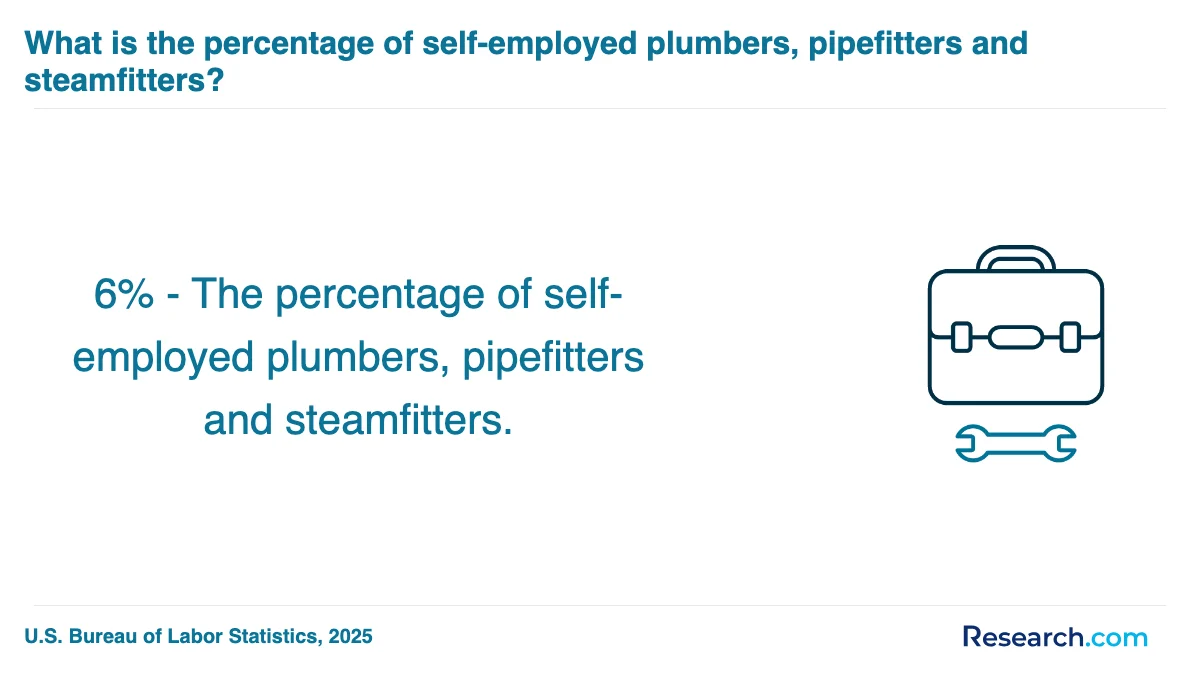
Ohio plumber trade school programs immerse students in courses that blend theory with hands-on skills, preparing them for real-world plumbing challenges. Graduates often recall starting with foundational lessons on the history of plumbing and Ohio's specific regulatory codes, which instantly grounded their understanding in state standards critical for licensing.
Core coursework typically includes:
- Mathematical skills essential for precise measurements and system design
- Hands-on training with tools like wrenches, pipe cutters, and torches
- Safety protocols that ensure confident, hazard-free work environments
- Materials and construction techniques covering copper, PVC, and PEX piping
- Advanced joining methods such as soldering and plastic welding
- Water supply, waste management, and sewage system training
- Reading blueprints and plumbing schematics for accurate installations
Many students from Ohio trade schools describe the excitement of mastering specialized topics like medical gas systems and solar water heating, which expand their career options. The mix of classroom learning with extensive shop time makes the experience both challenging and rewarding, fueling a deep sense of accomplishment as they build real plumbing systems from the ground up.
Plumber trade school programs in Ohio offer diverse plumbing specialization programs Ohio that prepare students for specific career paths. Graduates from popular trade schools often share how hands-on training in Residential Plumbing empowered them to confidently handle household water systems and fixture installations. Meanwhile, those focusing on Commercial Plumbing gained expertise in complex piping and local commercial codes, ready for bustling business environments.
Among Ohio plumber training specializations, Industrial Plumbing stands out, with graduates tackling heavy-duty factory systems and steam piping, while Pipefitting trains students in welding and managing high-pressure pipes. Others find rewarding careers in Green Plumbing, installing energy-efficient systems and solar water heaters, aligning skills with Ohio's sustainability goals. Training in Medical Gas Systems or Backflow Prevention addresses vital safety standards in healthcare and public health, adding critical specialization value.
The inclusion of program areas like Plumbing Inspection and Blueprint Reading equips students to enforce codes and interpret technical plans accurately. For those deciding on their educational path, exploring the top vocational trade online programs can also broaden access to quality training and flexible learning options tailored for Ohio's evolving plumbing industry.
Choosing the best plumber trade school program in Ohio means looking beyond just the name on the diploma. Graduates from Columbus State Community College often mention how the balance of classroom learning and hands-on labs prepared them for real-world challenges, making the training feel relevant from day one. The structure and length of a program matter-some students prefer a shorter certificate to start working quickly, while others invest time in associate degrees for a deeper skill set.
When weighing options, the cost of plumbing trade school in Ohio is a critical factor. Many find that community colleges not only offer affordable tuition but also provide scholarships and grants that ease financial burdens, unlike some private trade schools. Plus, programs that connect you directly to apprenticeships or job placements, such as those affiliated with local unions, can transform your education into a career faster.
For those exploring career paths, resources focused on trade careers offer valuable insights into the plumbing industry's future and opportunities in Ohio.
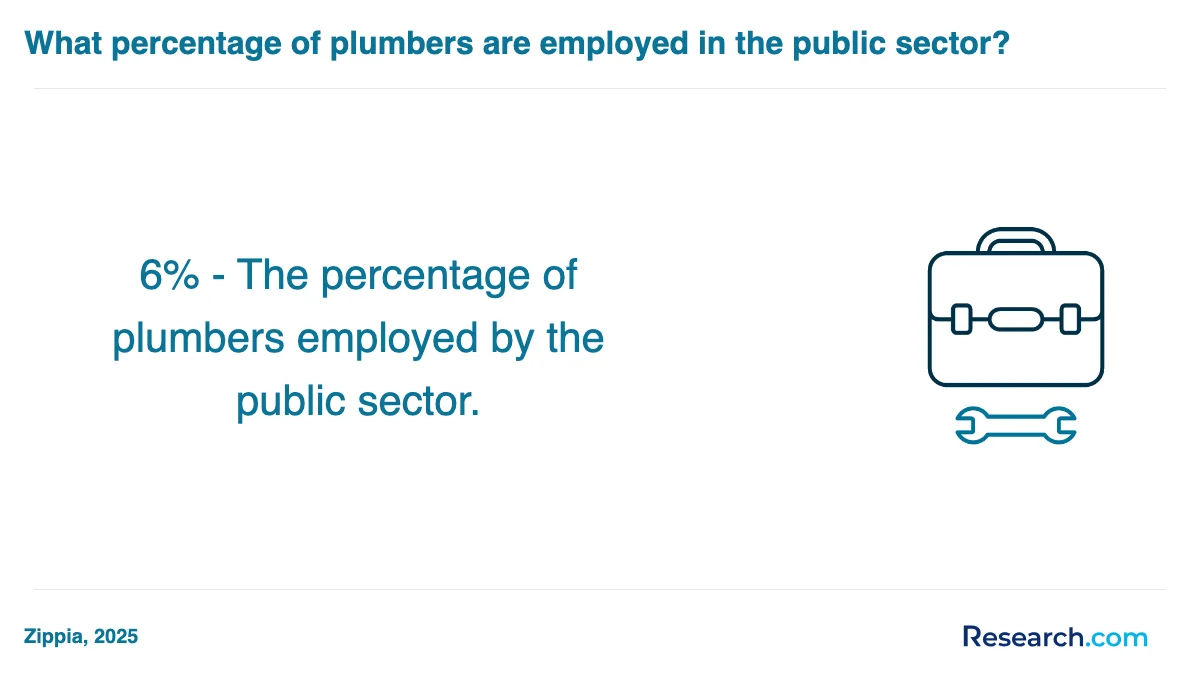
Graduates of plumber trade school programs in Ohio often start their careers through plumbing apprenticeship programs in Ohio, gaining hands-on experience while earning an income. Many reflect on their time learning under seasoned professionals, finding it a powerful blend of real-world challenges and expert guidance that sets a solid foundation. After fulfilling state requirements, including several years of apprenticeship, they pursue the Commercial Contractors Plumbing License-unlocking licensed plumber jobs in Ohio that allow independence, supervision, or project management roles.
Popular career paths for graduates include:
- Residential service plumbers, addressing home plumbing needs with skill and customer care
- Commercial installation specialists who work on large-scale buildings and infrastructures
- Industrial system experts handling complex piping and maintenance in factories
Many find themselves enjoying the rapid career advancements and comprehensive benefits tied to these roles. Some choose entrepreneurship, launching plumbing businesses or serving as contractors on construction sites. Others transition into related areas like pipefitting or gas line installation, applying their knowledge in diverse ways.
Ohio's strong trade schools also emphasize skills like blueprint reading and code compliance, essential for leadership roles. Plus, thanks to license reciprocity with nearby states, licensed plumbers can broaden their horizons. For those curious about career outcomes and earnings, the trade school average salary offers insightful perspective on the rewarding nature of these professions.
The plumber job market in Ohio 2026 offers a mix of steady demand and noticeable competition. Graduates from well-known Ohio trade schools often share how landing their first role took persistence despite the state's slower hiring pace. Average wages hover around $28.89 per hour, which provides a comfortable start, though Ohio ranks 50th nationally for plumber salaries. Many graduates recall applying to multiple local companies before securing jobs, emphasizing the importance of persistence and networking.
Opportunities often depend on ongoing construction projects and renovations across Ohio's cities, where the plumber workforce fuels a $4.9 billion industry. Graduates appreciate how building skills unlock higher pay and specialization options over time. Key factors they mention include:
- Hands-on training in Ohio's top trade schools boosting employability
- Learning to navigate local regulations and codes to stand out
- Adapting to residential and commercial construction trends
Understanding these dynamics is essential when comparing career paths, and the clear contrast between plumber training and traditional college routes can be explored further through resources like trades vs college. Those entering this field find that mastering practical skills leads to steady demand, even if competition remains high.
The Ohio plumber employment outlook points to moderate but consistent growth, affirming stable career prospects for trade school graduates willing to invest effort into their craft and local market trends.
Best Plumber Training Programs & Trade Schools - Top Plumbing Schools in Ohio for 2026
# 1 position
Ashland County-West Holmes Career Center - Plumbing Technology/Plumber.
certificate or diplomaThe Plumbing Technology/Plumber program at Ashland County-West Holmes Career Center is a hybrid course designed to prepare students for licensed plumbing careers. It covers essential skills for installing and maintaining piping systems for various applications including steam, natural gas, and hot water. Instruction includes technical mathematics, blueprint reading, welding, plumbing inspection, and applicable codes. The program is accredited by the Council on Occupational Education.
# 2 position
Lorain County Community College - Plumbing Technology/Plumber.
associateLorain County Community College offers a hybrid Plumbing Technology/Plumber program that trains students to become licensed plumbers. The curriculum covers installing and maintaining piping systems for various applications, including steam, natural gas, and water. Instruction includes technical math, blueprint reading, welding, and plumbing codes. Annual in-state tuition is $4,135. The program is accredited by the Higher Learning Commission and includes some distance-education options.
# 3 position
Cuyahoga Community College District - Plumbing Technology/Plumber.
associateCuyahoga Community College District offers a hybrid Plumbing Technology/Plumber program designed to prepare individuals for licensure by teaching the assembly, installation, and maintenance of piping systems for various utilities. The curriculum covers essential topics such as water distribution, pressure adjustment, technical mathematics, blueprint reading, welding, and applicable codes. The program is accredited by the Higher Learning Commission, and the annual in-state tuition is $3,736.
# 4 position
Columbus State Community College - Plumbing Technology/Plumber.
associateColumbus State Community College offers a hybrid Plumbing Technology/Plumber program that prepares students for licensure by teaching technical skills to install and maintain piping systems for various applications. The curriculum covers source determination, water distribution, pressure adjustment, blueprint reading, welding, and relevant codes. Annual in-state tuition is $5,338. The program is accredited by the Higher Learning Commission and includes some distance-education options.
# 5 position
Cuyahoga Community College District - Plumbing Technology/Plumber.
certificate or diplomaThe Plumbing Technology/Plumber program at Cuyahoga Community College District is offered on-campus only. It prepares students to become licensed plumbers by teaching technical skills for installing and maintaining piping systems used in various environments. The curriculum includes instruction in water distribution, pressure adjustment, blueprint reading, welding, and applicable codes. The program is accredited by the Higher Learning Commission. Annual in-state tuition is $3,736.
# 6 position
Columbus State Community College - Plumbing Technology/Plumber.
certificate or diplomaColumbus State Community College offers a hybrid Plumbing Technology/Plumber program designed to prepare students for licensed plumbing careers. The curriculum covers installation, maintenance, and repair of piping systems for various utilities, including steam, natural gas, and water. Instruction includes technical mathematics, blueprint reading, welding, and plumbing codes. Annual in-state tuition is $5,338. The program is accredited by the Higher Learning Commission and includes some distance-education options.
# 7 position
Owens Community College - Plumbing Technology/Plumber.
certificate or diplomaOwens Community College offers a hybrid Plumbing Technology/Plumber program that prepares students to become licensed plumbers. The curriculum covers skills in installing and maintaining piping systems for steam, natural gas, oil, heating, cooling, and more. Instruction includes technical mathematics, blueprint reading, welding, plumbing inspection, and applicable codes. The program’s annual in-state tuition is $5,750 and it is accredited by the Higher Learning Commission.
# 8 position
Eastland-Fairfield Career and Technical Schools - Plumbing Technology/Plumber.
certificate or diplomaEastland-Fairfield Career and Technical Schools offers a Plumbing Technology/Plumber program that prepares students to become licensed plumbers. The curriculum covers installation and maintenance of piping systems for various utilities, including steam, natural gas, and hot water. Instruction includes technical math, blueprint reading, welding, soldering, plumbing inspection, and relevant codes. The program is accredited by the Council on Occupational Education.
# 9 position
Portage Lakes Career Center - Plumbing Technology/Plumber.
certificate or diplomaA program that prepares individuals to practice as licensed plumbers by applying technical knowledge and skills to lay out, assemble, install, and maintain piping fixtures and systems for steam, natural gas, oil, hot water, heating, cooling, drainage, lubricating, sprinkling, and industrial processing systems in home and business environments. Includes instruction in source determination, water distribution, waste removal, pressure adjustment, basic physics, technical mathematics, blueprint reading, pipe installation, pumps, welding and soldering, plumbing inspection, and applicable codes and standards. Accredited by the Council on Occupational Education.
Frequently Asked Questions about plumber
After completing plumber trade school in Ohio, preparing for the job market involves several key steps. First, obtaining state certification or licensure is essential. Ohio requires plumbers to be licensed through the Ohio Construction Industry Licensing Board, which ensures adherence to safety and skill standards.
Networking with local unions and trade organizations can open job opportunities. Joining groups like the Ohio Plumbing & Mechanical Contractors Association helps graduates connect with employers. Additionally, apprenticeships or on-the-job training enhance practical skills and improve employability.
According to the U.S. Bureau of Labor Statistics, Ohio's plumber employment is projected to grow by 8% from 2022 to 2032, reflecting steady demand. Job seekers should also prepare a strong resume highlighting certifications and hands-on experience.
Employers in Ohio prioritize both technical and soft skills when hiring plumber trade school graduates. Proficiency in reading blueprints and understanding local plumbing codes is essential, as Ohio's plumbing regulations require precise knowledge to ensure safety and compliance. According to the U.S. Bureau of Labor Statistics, plumbers in Ohio earn a median wage of about $25 per hour, reflecting the demand for skilled workers.
Hands-on experience with pipe fitting, installation, and repair remains crucial, with many employers valuing practical training gained during apprenticeships or trade programs. Additionally, problem-solving skills and attention to detail are key, as plumbers often diagnose complex issues on-site. Communication skills also matter, enabling clear interaction with clients and team members.
Finding internships relevant to plumber trade school programs in Ohio begins with contacting local vocational schools and community colleges. Many institutions have partnerships with plumbing businesses that offer hands-on training opportunities. The Ohio Department of Job and Family Services reports that the construction trades, including plumbing, are among the fastest-growing sectors, increasing internship availability.
Students should also explore registered apprenticeship programs approved by the Ohio Bureau of Apprenticeship and Training. These programs combine paid work experience with classroom instruction, providing valuable industry exposure. Additionally, trade unions like the Plumbers and Pipefitters Local 189 offer structured apprenticeships that often serve as internships.
Online job boards such as OhioMeansJobs and the U.S. Department of Labor's CareerOneStop list plumbing internships and apprenticeships statewide. Networking at local trade shows and job fairs can connect students with employers seeking interns.
Obtaining a plumber trade school diploma in Ohio significantly enhances career mobility and advancement opportunities. According to the Ohio Department of Job and Family Services, the plumbing trade is projected to grow by 10% through 2030, faster than the average for all occupations. A diploma validates essential skills and knowledge, making graduates eligible for apprenticeships and journeyman licenses, which are crucial for career progression.
Employers in Ohio often prefer candidates with formal training, as it reduces on-the-job learning time and increases safety compliance. Additionally, diploma holders typically command higher starting wages compared to those without formal credentials. Data from the U.S. Bureau of Labor Statistics shows licensed plumbers in Ohio earn a median annual wage above $55,000, reflecting improved earning potential linked to accredited training.
Moreover, a diploma facilitates access to specialized certifications and continuing education, supporting long-term advancement. Trade school graduates benefit from established industry connections, increasing job placement rates and opportunities for upward mobility within Ohio's robust construction and maintenance sectors.
Students enrolled in plumber trade schools in Ohio can benefit from part-time jobs that provide practical experience alongside their studies. Common roles include plumbing apprenticeships, which combine paid work with hands-on learning under licensed professionals. According to the Ohio Department of Job and Family Services, apprenticeships are a proven pathway to mastering plumbing skills while earning an income.
Another opportunity is working as a general construction laborer, which helps build familiarity with tools, safety protocols, and job site environments. Retail positions in hardware or plumbing supply stores also complement education by enhancing product knowledge and customer service skills, valuable in the plumbing trade.
These part-time roles not only reinforce classroom learning but also improve employability in Ohio's growing plumbing sector, where the Bureau of Labor Statistics reports a 5% growth rate through 2032.
Plumbing typically does not require a traditional degree, but rather a combination of vocational training and apprenticeships, which you can often find at technical schools or community colleges near you. For those near Ohio, programs are available that provide necessary practical skills and certifications. Research.com is a useful resource to identify programs and universities that might offer plumbing courses or certifications near your location.
- Best Plumber Training Programs & Trade Schools - Top Plumbing Schools in Kentucky for 2026
- Best Plumber Training Programs & Trade Schools - Top Plumbing Schools in Pennsylvania for 2026
- Best Plumber Training Programs & Trade Schools - Top Plumbing Schools in Michigan for 2026
- Best Plumber Training Programs & Trade Schools - Top Plumbing Schools in Illinois for 2026
- Best Plumber Training Programs & Trade Schools - Top Plumbing Schools in Tennessee for 2026
- Best Plumber Training Programs & Trade Schools - Top Plumbing Schools in North Carolina for 2026
- Best Plumber Training Programs & Trade Schools - Top Plumbing Schools in Missouri for 2026
- Best Plumber Training Programs & Trade Schools - Top Plumbing Schools in Georgia for 2026
- Best Plumber Training Programs & Trade Schools - Top Plumbing Schools in New Jersey for 2026
- Best Plumber Training Programs & Trade Schools - Top Plumbing Schools in Wisconsin for 2026
- Your turn to fix the problem - Master Plumbers : Master Plumbers https://plumber.com.au/news/your-turn-to-fix-the-problem/
- Students Training to be a Plumber May Face Poor Teaching https://www.accesstraininguk.co.uk/news/post/2011/10/12/Student-Training-to-be-a-Plumber-May-Face-Poor-Teaching
- 5 Things To Expect From a Plumbing Program at Trade School | Miller-Motte College https://www.miller-motte.edu/what-to-expect-from-plumbing-program/
- Job Opportunities - Plumbers & Pipefitters Local Union 189 - Columbus OH https://ualocal189.com/careers/
- Plumbers, Pipefitters, and Steamfitters : Occupational Outlook Handbook: : U.S. Bureau of Labor Statistics https://www.bls.gov/ooh/construction-and-extraction/plumbers-pipefitters-and-steamfitters.htm
- The job market for plumbers in the United States - CareerExplorer https://www.careerexplorer.com/careers/plumber/job-market/
- Where Is the Plumbing Industry Heading? https://www.tradesmance.com/career-central/where-is-the-plumbing-industry-heading
- Employment | Ohio Buckeye Plumbing https://ohiobuckeyeplumbing.com/employment/
- Plumbing School | Plumbing Trade School & Classes at PLCC https://plcc.edu/adult-education/full-time/plumbing-technologies/
- How to Become a Plumber in OH https://www.best-trade-schools.net/locations/ohio/plumber-in-oh/