Most Affordable Plumber Schools & Training - Budget-Friendly Plumbing Trade Programs in Missouri for 2026

Co-Founder and Chief Data Scientist
Looking for the most affordable plumber trade schools in Missouri for 2026? This article presents a plumber trade school programs ranking created by the Research.com team of data scientists to help you make an informed choice. Whether you’re starting fresh or seeking a new career path, finding the right program is key to your success.
Reading this guide will give you clarity on quality options that fit your budget. Earning a plumber trade school diploma or certification opens doors to steady work and rewarding skills. Take the first step toward a promising future in plumbing with confidence.
Key benefits of finishing plumber trade school in Missouri
- Graduates from plumber trade schools in Missouri can expect an average annual salary around $54,550, with journeyman plumbers earning up to $72,500 or more, offering strong financial rewards early in their careers.
- Trade school graduates have diverse career paths, such as becoming journeyman plumbers, pipefitters, or plumbing contractors, with many finding success after completing programs at popular schools like the Missouri Technical Institute.
- Completing plumber trade school online provides flexible learning schedules and faster entry into the workforce, as experienced by graduates from programs like the Missouri Online Plumbing Academy, making it a smart alternative to traditional degrees.
- Most Affordable Plumber Schools & Training - Budget-Friendly Plumbing Trade Programs in Missouri for 2026
- What can I expect from plumber trade schools in Missouri?
- Where can I work after finishing plumber trade schools in Missouri?
What can I expect from plumber trade schools in Missouri?
Enrolling in a plumber trade school program in Missouri means diving into a curriculum that balances classroom learning with hands-on training. Graduates from schools like Ranken Technical College and Ozarks Technical Community College often share how immersive lab sessions and simulated job sites helped them build confidence before stepping into real-world plumbing roles. You can expect to study everything from plumbing systems and fixture installation to blueprint reading and safety protocols like OSHA certification.
Many students find themselves applying math, chemistry, and physics concepts to solve practical problems, making the experience both challenging and rewarding. The variety of courses ensures you're not just learning skills but also understanding local and national plumbing codes, which is essential for your future licensing exams.
Tuition costs vary, but the investment often leads to immediate eligibility for apprenticeships or entry-level positions. Hearing from recent graduates, the blend of technical knowledge and real-world preparation feels like a solid foundation for launching a successful plumbing career in Missouri.
Where can I work after finishing plumber trade schools in Missouri?
Graduates from plumber trade school programs in Missouri often find themselves stepping directly into roles as apprentices or entry-level plumbers, working in both residential homes and commercial buildings. Imagine starting your career alongside seasoned plumbers in bustling Kansas City or St. Louis, where over 190 apprentice positions are frequently available. Many graduates of popular Missouri trade schools share stories of quickly gaining hands-on experience fixing pipes in local neighborhoods or assisting on large construction sites.
Some choose to advance through union apprenticeship programs, like those offered by Plumbers Local Union #8 or UA Local Union 562, combining classroom lessons with paid on-the-job training. This path often leads to journeyperson status after about five years, opening doors to higher-skilled work and certifications that boost earnings and job security.
Beyond private companies, graduates may work with public utilities or municipal governments, maintaining vital water systems and improving infrastructure. Many enjoy benefits like health insurance and 401(k) plans, and some even earn sign-on bonuses up to $6,000. These opportunities create a promising future for trade school graduates eager to build a rewarding plumbing career in Missouri.
After finishing a plumber trade school program in Missouri, many graduates find themselves stepping into a career with promising earnings. For example, recent graduates from popular trade schools in St. Louis often start with an entry-level salary around $47,100 per year. This initial income quickly grows as they gain experience and confidence on the job, with those having two to four years of experience earning about $57,100 annually. Imagine working on varied projects around Kansas City and seeing your paycheck rise to an average of $63,176 as you become more skilled.
Graduates from programs in Columbia often share stories of moving from apprenticeships earning roughly $36,500 to journeyman roles where salaries exceed $60,000. Those who commit to their craft and take advantage of opportunities in thriving urban areas like St. Louis can reach salaries as high as $76,161. Many Missouri graduates feel a real sense of pride watching their earnings climb, especially when they realize top plumbers can make over $100,000 a year.
- Applicants must be at least 18 years old, with higher age requirements of 21 for journeyman and 25 for master plumber licensure.
- A high school diploma or GED is required, and basic knowledge of math and geometry is helpful for admission.
- Tuition at Ranken Technical College costs about $15,264 for the day program and $3,816 per session for the evening program.
- Ozarks Technical Community College offers a Plumbing Technology Certificate costing between $7,454 and $9,401 for two semesters.
- Starting salaries for entry-level plumbers range from $39,000 to $45,000, while experienced plumbers can earn $55,000 to $70,000 or more annually.
Completing a plumber trade school program in Missouri typically takes between six months to one year, depending on the school and program intensity. Many graduates from well-known Missouri trade schools share that this timeframe feels just right to balance hands-on training with classroom learning, allowing them to gain confidence quickly.
For example, students often recall starting their first plumbing project within weeks, working alongside instructors who emphasize real-world skills. This immersive approach helps students feel prepared for entry-level jobs soon after graduation. The accelerated pace at schools in Missouri means students can move from enrollment to employment in a relatively short span, which is encouraging for those eager to begin their careers.
Trade schools in Missouri are designed to fit the busy lives of their students, offering flexible scheduling that supports focus and steady progress. Graduates often describe the experience as energizing, with the practical training making the completion time feel productive and rewarding rather than rushed.
The key difference between online and on-campus plumber trade school programs in Missouri revolves around how students experience their training. Graduates from online programs like those at Missouri Valley College appreciate the flexibility to study plumbing theory at their own pace, balancing coursework with jobs or family life. They often describe completing modules on codes and safety from home, which feels freeing but sometimes leaves them wishing for more hands-on practice.
In contrast, those who attend on-campus programs such as Ranken Technical College highlight the immediate benefits of working directly with plumbing tools and instructors. These students share how being in a workshop setting allows them to learn by doing-installing pipes, troubleshooting systems, and receiving instant feedback. This practical exposure builds confidence and readiness for real job sites, making the experience feel tangible and rewarding.
Online learners often rely on video demos and simulations, which help grasp concepts but can't fully replace the tactile skills developed through face-to-face training. Meanwhile, on-campus students enjoy structured schedules and peer support, fostering a sense of community that motivates progress. Both paths offer valuable knowledge but cater to different learning styles and life circumstances in Missouri's plumbing education landscape.
The average cost plumber trade school Missouri students encounter varies widely, reflecting differences in program lengths and institutions. Many aspiring plumbers find that tuition fees at community colleges and trade schools fall between $2,245 and upwards of $22,450. For example, some graduates from Missouri Valley College recall enrolling in a 12-month, 145-hour online plumbing course priced around $2,245, which made starting their career accessible and manageable. Meanwhile, those attending Ranken Technical College experienced a more comprehensive nine-month certificate program, with tuition fees ranging from $15,000 to $22,433, reflecting the depth and hands-on nature of their training.
Incorporating the plumber trade school tuition fees Missouri presents more than just tuition costs. Graduates share that additional expenses for tools, books, safety gear, and uniforms can quickly add thousands of dollars to the total investment. This reality encourages many students to plan carefully, balancing upfront costs with the long-term benefits of their chosen program.
Students often feel encouraged when learning about financial aid options that ease these burdens. Scholarships and grants are commonly pursued avenues to reduce the total expenses and make the path to becoming a plumber more attainable. Considering the positive outcomes and career potential, many feel the investment is worthwhile.
Those aiming to build a rewarding plumbing career also explore resources on trade schools salary to ensure their education leads to financial progress. For those researching this path, consulting trade schools salary data may provide valuable reassurance about the prospective return on investment in Missouri's plumber trade school programs.
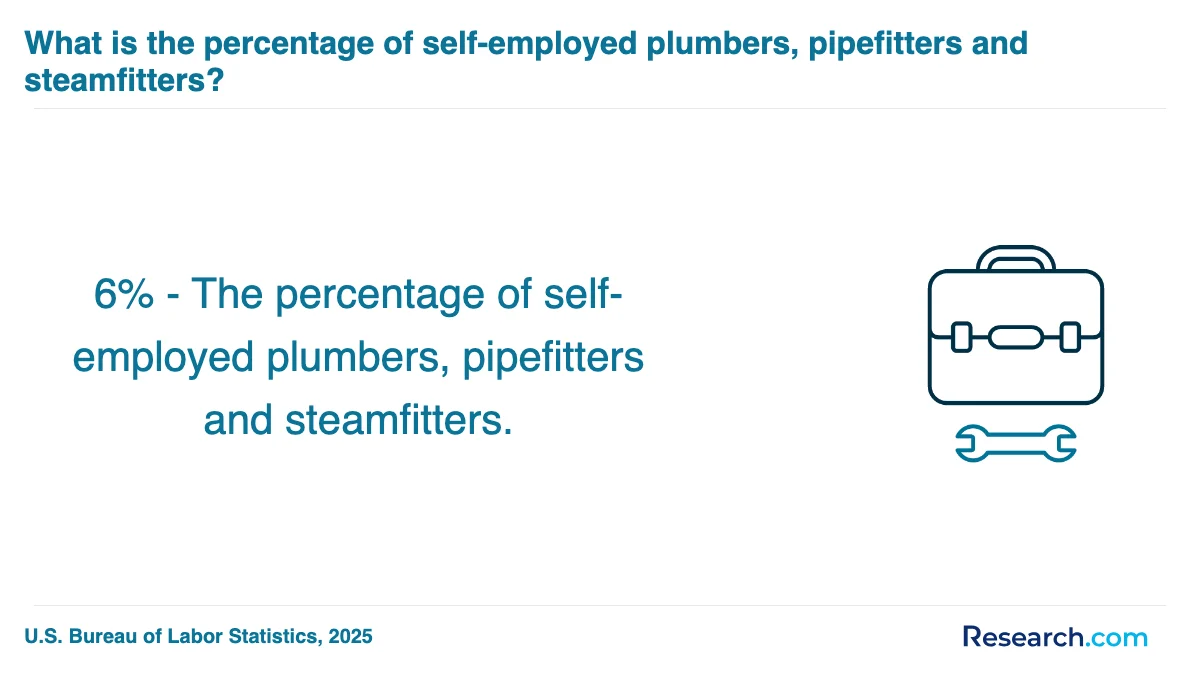
Many Missouri plumber trade school students find financial aid essential to turning their career goals into reality. Graduates from popular schools often recall how submitting the FAFSA by the February 1, 2025 deadline unlocked access to federal grants and state aid, easing the burden of tuition. The Access Missouri Financial Assistance Program stands out for those with demonstrated financial need, offering grants to full-time students with a Student Aid Index of $12,000 or less, which many trade school attendees have leveraged to attend institutions across the state without worrying about relocating costs.
Others pursuing plumbing certificates appreciate the Fast Track Workforce Incentive Grant. This program helps cover tuition and fees for high-demand fields like plumbing, sometimes providing an extra $500 if other aid fully covers expenses. Graduates often describe how this grant made their short-term training affordable, enabling quick entry into the workforce.
Trade-specific scholarships, like those from the Mechanical Contractors Association of Eastern Missouri, provide up to $2,000 annually to qualifying students, which past recipients say significantly reduced their financial stress. Many also share how exploring scholarships through their technical schools or local unions created unexpected opportunities to fund their education.
To enroll in a plumber trade school program in Missouri, potential students typically need to meet several key prerequisites that set a strong foundation for success. Most schools expect a high school diploma or GED since graduates often share how this basic education helped them grasp technical concepts faster during hands-on training.
Applicants usually must be at least 18 years old, ensuring maturity and readiness for the responsibilities of plumbing work. Many Missouri trade schools also require proof of physical fitness, as plumbing demands strength and stamina-graduates often recall how staying physically active boosted their confidence in tackling real-world projects.
Some schools ask for basic math and reading proficiency, which students find essential when interpreting blueprints or calculating materials. Others encourage or require a driver's license, reflecting the need to travel to job sites during apprenticeships or internships.
- High school diploma or GED
- Minimum age of 18
- Physical fitness for manual labor
- Basic math and reading skills
- Driver's license preferred
These prerequisites create a supportive environment where students from renowned Missouri trade schools feel prepared and optimistic about launching their plumbing careers.
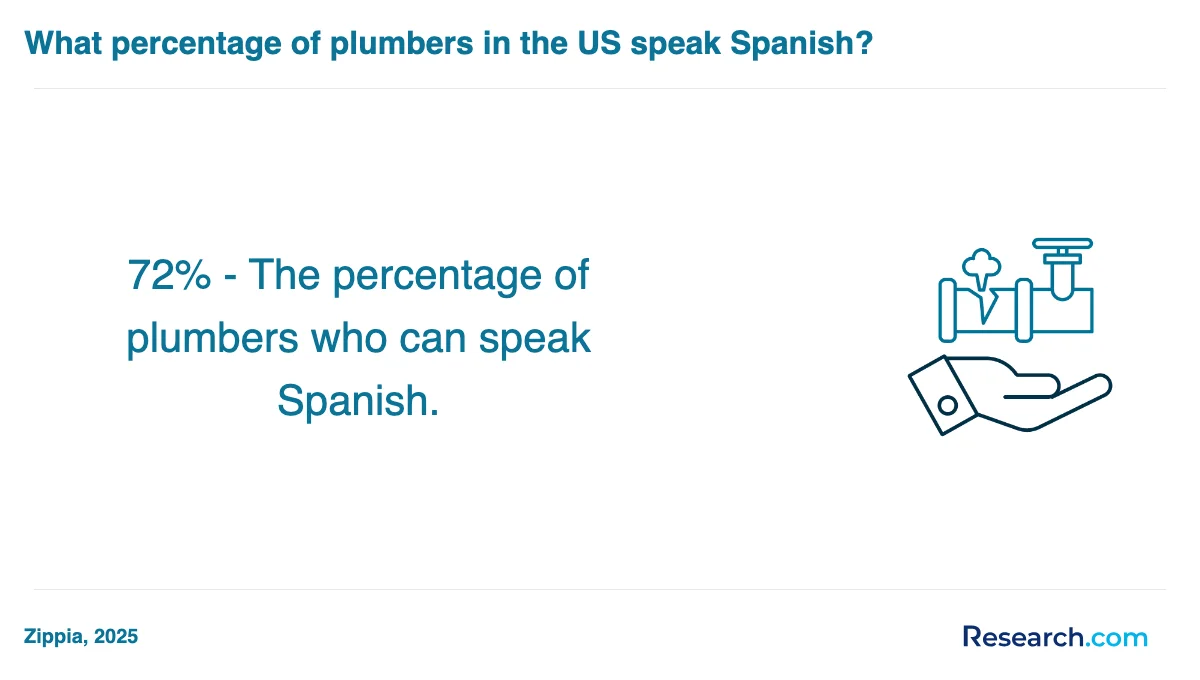
Missouri plumber trade school programs typically include a variety of courses designed to build both theoretical knowledge and practical skills essential for the plumbing field. Graduates from schools like Ozarks Technical Community College and Three Rivers College often recall how foundational classes such as Introduction to Plumbing Technology and Plumbing Systems helped them grasp the basics quickly, setting the stage for more advanced learning.
Students can expect to dive into technical skills courses covering:
- Plumbing tools and materials handling
- Pipe fabrication techniques
- Welding fundamentals
- Blueprint reading and interpretation
- Local and national plumbing codes, including the Uniform Plumbing Code (UPC)
Many also highlight the importance of safety training, where they learn OSHA standards and first aid, preparing them to confidently handle real job site challenges. The integration of math courses like Algebra and Geometry equips students to solve practical problems such as system layout and measurements.
Hands-on labs and simulations offered by these programs make learning engaging and relatable, turning textbook knowledge into real-world skills. Students appreciate customer service training, which helps them communicate effectively with clients, enhancing their professional readiness.
Missouri plumber trade school programs commonly offer specializations that prepare students for residential, commercial, and industrial plumbing roles. Graduates from programs like the Plumbing Technology programs Missouri trade schools provide often gain hands-on experience that allows them to confidently tackle diverse environments-from private homes to sprawling industrial sites. These programs focus not only on practical skills but also on understanding plumbing codes at local, state, and national levels.
Many students value training in service repair plumbing, which emphasizes troubleshooting and repairing existing systems. Institutions such as Ozarks Technical Community College focus on real-world tasks including underground water supply and sewer drainage, skills highly relevant for immediate work after graduation.
Beyond core competencies, plumber specializations in Missouri trade schools often include advanced instruction in areas like plumbing drawings and blueprint reading, water treatment, OSHA safety, and fixture installation. This range allows students to shape their skills toward high-demand niches. For those seeking more flexibility, exploring online vocational trade programs can also supplement hands-on learning with theoretical knowledge, broadening career possibilities.
Choosing the best plumbing trade schools Missouri offers means focusing on accreditation and hands-on training to build real-world skills. Graduates from well-known programs like Ranken Technical College praise how on-site job experiences prepared them confidently for the daily challenges plumbers face. Many value affordable plumbing programs Missouri provides, balancing cost with quality instruction and financial aid options. Flexible scheduling for day or evening classes is also crucial, allowing students to maintain work-life balance while advancing their careers.
Understanding local licensing requirements adds another layer to the decision, especially since Missouri's municipalities vary on regulations. Graduates often share how navigating these rules with school support eased their path to becoming licensed plumbers. Additionally, programs with strong job placement rates brighten future prospects, motivating students seeking stability and growth. For those curious about career outlooks, exploring resources on highest paying trade jobs connects education choices to long-term goals in plumbing and beyond.
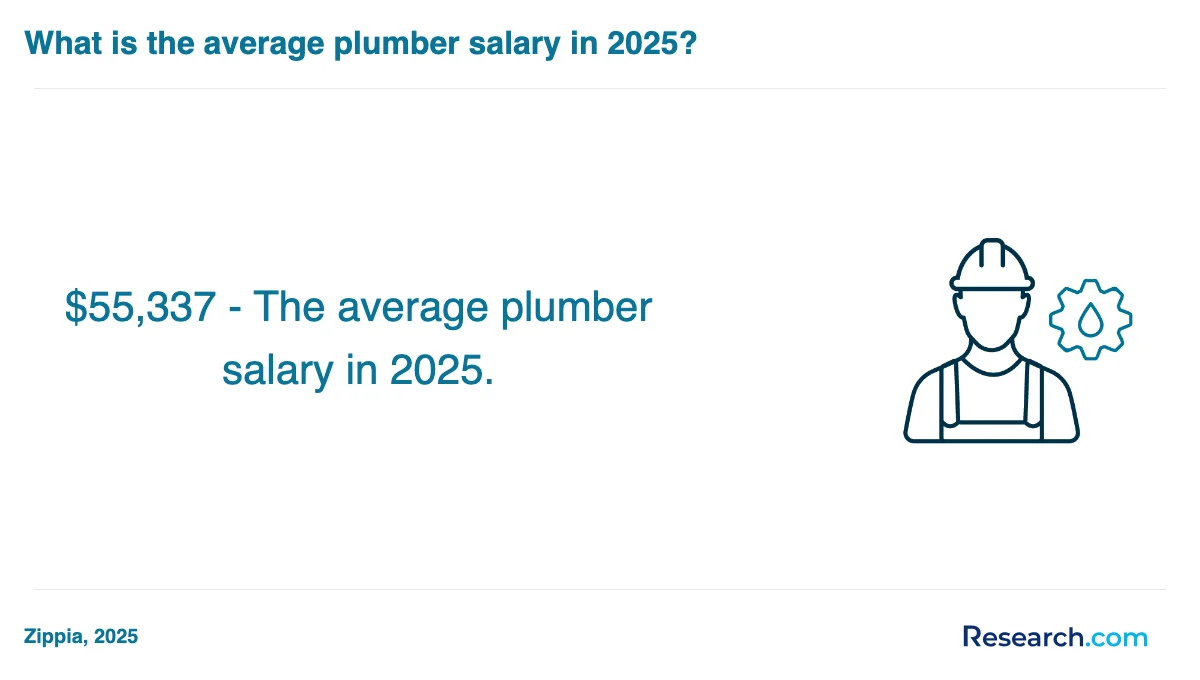
Graduates of plumber trade school programs in Missouri find a variety of plumber career opportunities in Missouri that stretch beyond traditional plumbing roles. Many begin as journeyman plumbers after completing state-approved apprenticeships at popular trade schools, quickly gaining hands-on experience installing and repairing residential and commercial systems. These graduates often share how mastering these skills in real job sites fosters confidence and excitement for their futures.
With additional certifications, many expand into specialized fields like pipefitting, steamfitting, or HVAC, which provide broader plumbing jobs for trade school graduates Missouri. Local unions and schools frequently offer apprenticeship tracks blending welding and service technician work, opening doors to versatile careers in the growing construction industry.
Some graduates take forward-thinking paths such as:
- Becoming master plumbers who lead teams and manage complex projects
- Applying for contractor licenses to start their own plumbing businesses
- Working in municipal water utilities, building inspection, or code enforcement
- Entering plumbing product sales and technical support roles
Many find that completing their education while exploring continuing education options, including programs at an online community college, enhances their wage potential and job satisfaction in Missouri's evolving job market.
The job market for plumber trade school graduates in Missouri shows promising prospects despite the state's lower wage ranking nationally. Graduates from popular trade schools in Missouri often find opportunities in counties like St. Louis, Jackson, and St. Charles, where plumbing businesses are densely concentrated. Many report quickly securing apprenticeships or entry-level positions within months of completing their training. These roles often involve hands-on work like installing or repairing piping systems in residential and commercial settings, providing a practical foundation for career growth.
Several factors contribute to a vibrant plumbing industry employment outlook Missouri, including:
- A $2.9 billion industry valuation with over 14,200 employed professionals statewide
- Steady demand fueled by ongoing construction and maintenance needs
- Clear pathways for wage increases as plumbers gain experience and licenses
For students weighing career options, Missouri's plumber job market offers a balanced mix of consistent work and growth potential, reflected in hourly wages averaging $28.51 but climbing with specialization. Many graduates express satisfaction with their ability to enter the workforce quickly, knowing their skills are essential statewide. Exploring high paying trades helps some students realize how plumbing ranks as a stable and rewarding choice over time.
Most Affordable Plumber Schools & Training - Budget-Friendly Plumbing Trade Programs in Missouri for 2026
# 1 position
Three Rivers College - Plumbing Technology/Plumber.
certificate or diplomaThree Rivers College offers a hybrid Plumbing Technology/Plumber program that prepares students to become licensed plumbers. The curriculum covers installation and maintenance of piping systems for various utilities, including steam, natural gas, heating, and cooling. Instruction includes technical mathematics, blueprint reading, welding, and plumbing codes. The program is accredited by the Higher Learning Commission. Annual in-state tuition is $4,860, with some distance-education options available.
# 2 position
Ranken Technical College - Plumbing Technology/Plumber.
certificate or diplomaRanken Technical College offers a hybrid Plumbing Technology/Plumber program that trains students to become licensed plumbers. The curriculum covers technical skills for installing and maintaining piping systems used in various settings. Instruction includes water distribution, pressure adjustment, blueprint reading, welding, and plumbing codes. The program’s annual in-state tuition is $17,490, and graduates earn a median salary of $43,556 one year after completion. It is accredited by the Higher Learning Commission.
Frequently Asked Questions about plumber
After completing a plumber trade school in Missouri, preparing for the job market involves several important steps. First, obtaining the necessary state licenses is crucial. Missouri requires plumbers to hold a journeyman or master plumber license, which involves passing exams and completing hours of supervised work experience as outlined by the Missouri Division of Professional Registration.
Networking with local contractors and joining trade organizations, such as the Missouri Plumbing and Mechanical Contractors Association, can improve job prospects. Missouri's construction industry continues to grow, with the U.S. Bureau of Labor Statistics projecting a 9% increase in plumbing jobs statewide through 2032.
Additionally, updating a professional resume and seeking apprenticeships or entry-level positions helps recent graduates gain practical experience. Missouri trade schools often provide job placement support, which can be a valuable resource during this transition.
Employers in Missouri seek plumber trade school graduates with a strong foundation in technical skills, including pipefitting, blueprint reading, and knowledge of plumbing codes. Practical experience with installation, repair, and maintenance of plumbing systems is essential. According to the U.S. Bureau of Labor Statistics, adaptability and problem-solving are critical, as plumbers often encounter unexpected challenges on the job.
Missouri employers also value soft skills such as effective communication and teamwork, which ensure smooth collaboration on job sites. Additionally, familiarity with safety regulations, including Occupational Safety and Health Administration (OSHA) standards, is a key requirement for entry-level plumbers.
Overall, a combination of hands-on skills, safety knowledge, and interpersonal abilities prepares graduates to meet Missouri's plumbing workforce demands.
Finding internships in Missouri relevant to plumber trade school programs involves several key steps. Start by contacting your school's career services or internship coordinator, as many trade schools have partnerships with local plumbing companies. The Missouri Department of Labor and Industrial Relations also provides resources and apprenticeship listings that can help connect students with paid plumbing internships.
Networking is crucial; joining local trade unions such as the Plumbers and Pipefitters Local 562 can open doors to apprenticeship opportunities. According to the Missouri Economic Research and Information Center, the construction sector, including plumbing, is expected to grow by 5% through 2028, suggesting increasing internship availability.
Additionally, check with Missouri's Workforce Development offices for job fairs and training programs tailored to plumbing careers. Online platforms like MO Careers also list plumbing internships statewide, providing students with accessible options to gain practical experience.
Obtaining a plumber trade school diploma in Missouri significantly enhances career mobility and advancement opportunities. Graduates gain essential skills, making them eligible for entry-level positions and apprenticeships, which are often prerequisites for state licensing. According to the Missouri Department of Higher Education & Workforce Development, individuals with trade diplomas tend to experience faster job placement compared to those without formal training.
Missouri's plumbing industry values certified skills, with licensed plumbers earning a median wage of around $56,000 annually, higher than non-licensed workers. A diploma also facilitates upward mobility, enabling professionals to pursue certification, supervisory roles, or start their own business. This credential is a vital step toward long-term career growth.
Students attending plumber trade schools in Missouri often seek part-time jobs that build relevant skills and provide income. Entry-level plumbing assistant roles offer practical experience by helping licensed plumbers with installations and repairs. These positions are common in urban areas like St. Louis and Kansas City, where construction activity is higher.
Retail jobs at hardware stores such as Home Depot or Lowe's also complement plumbing education. They expose students to plumbing tools and materials, improving product knowledge and customer service skills.
According to the U.S. Bureau of Labor Statistics, Missouri's plumber employment is projected to grow 7% from 2022 to 2032, highlighting steady demand for skilled labor.
Yes, there are a variety of plumbing degree programs available through vocational schools and community colleges, which are often among the most affordable options for such training. To find programs near Missouri, prospective students can consult resources like Research.com to compare costs and program details. If you search for "plumber degree programs near me," you'll likely discover local institutions offering certifications or degrees at reasonable prices.
- Most Affordable Plumber Schools & Training - Budget-Friendly Plumbing Trade Programs in Kansas for 2026
- Most Affordable Plumber Schools & Training - Budget-Friendly Plumbing Trade Programs in Iowa for 2026
- Most Affordable Plumber Schools & Training - Budget-Friendly Plumbing Trade Programs in Nebraska for 2026
- Most Affordable Plumber Schools & Training - Budget-Friendly Plumbing Trade Programs in Illinois for 2026
- Most Affordable Plumber Schools & Training - Budget-Friendly Plumbing Trade Programs in Kentucky for 2026
- Most Affordable Plumber Schools & Training - Budget-Friendly Plumbing Trade Programs in Minnesota for 2026
- Most Affordable Plumber Schools & Training - Budget-Friendly Plumbing Trade Programs in Mississippi for 2026
- Most Affordable Plumber Schools & Training - Budget-Friendly Plumbing Trade Programs in Ohio for 2026
- Most Affordable Plumber Schools & Training - Budget-Friendly Plumbing Trade Programs in North Dakota for 2026
- Most Affordable Plumber Schools & Training - Budget-Friendly Plumbing Trade Programs in Michigan for 2026
- How To Write Plumber Job Application Letter Step by Step | Writing Tutorials https://www.youtube.com/watch
- Plumber Cover Letter Example (Free Guide) https://resumaker.ai/cover-letter-examples/plumber/
- Plumbing Apprenticeship | Plumbing School | Nicolet College https://www.nicoletcollege.edu/programs-degrees/apprenticeship/plumbing-apprentice
- Plumbing Apprenticeship | Ogden-Weber Technical College https://www.otech.edu/plumber-apprentice/
- Plumbing Apprentice | Gateway Technical College https://www.gtc.edu/business-community/business-workforce-training/apprenticeships/plumbing-apprentice
- Plumbing School Requirements: What You Need to Get Started https://www.trade-schools.net/trades/plumbing-school-requirements
- Plumbing Trade School and Apprenticeship Guide | Interplay https://www.interplaylearning.com/blog/plumbing-trade-school-a-built-in-apprenticeship/
- Trades Careers | Different Kinds of Trades | Explore the Trades https://explorethetrades.org/
- Construction Trade School: Key to a Successful Career https://abcsocal.org/construction-trade-school/
- Highest Paying Trade Jobs Without a Degree | SkillPointe https://skillpointe.com/news-and-advice/24-highest-paying-trade-jobs-no-bachelors-degree-required