Best Plumber Training Programs & Trade Schools - Top Plumbing Schools in Minnesota for 2026

Co-Founder and Chief Data Scientist
Choosing the right plumber trade school in Minnesota can shape your future career and open doors to rewarding opportunities. This article introduces the best programs for 2026, featuring a ranking created by the Research.com team of data scientists to help you make an informed decision.
By exploring this guide, you’ll discover programs that offer valuable skills and certifications, setting you up for success in the plumbing industry. Whether you’re starting fresh or advancing your career, earning a diploma or certification can boost your confidence and job prospects.
Key benefits of finishing plumber trade school in Minnesota
- Graduates from plumber trade schools in Minnesota can expect competitive salaries, with entry-level hourly wages around $29.77 and annual earnings ranging from $49,240 to $66,173.
- Career paths include becoming residential or commercial plumbers, working in metropolitan areas like Minneapolis, or advancing to specialized roles, offering diverse and rewarding opportunities.
- Completing plumber trade school online provides flexibility and convenience, allowing graduates to balance learning with work or family commitments while gaining skills that lead to strong job prospects.
- Best Plumber Training Programs & Trade Schools - Top Plumbing Schools in Minnesota for 2026
- What can I expect from plumber trade schools in Minnesota?
- Where can I work after finishing plumber trade schools in Minnesota?
What can I expect from plumber trade schools in Minnesota?
Enrolling in a plumber trade school program in Minnesota means diving into a hands-on learning experience that balances theory with real-world practice. Graduates often recall the satisfaction of mastering tasks like pipe threading and fixture installation during lab sessions, which simulate actual job site conditions. These programs don't just teach skills; they build confidence through practical training on water supply and drainage systems, making each student feel prepared for the demands of the trade.
Students can expect to become fluent in reading blueprints and interpreting isometric drawings, crucial abilities that many find enlightening when transitioning from classroom to worksite. The curriculum's focus on Minnesota Plumbing Code ensures graduates understand state-specific regulations, a key advantage when preparing for licensing exams.
Many who attend popular Minnesota trade schools appreciate the flexible schedules offered, allowing them to balance work and study. The supportive environment, led by experienced tradespeople, fosters a sense of belonging and readiness to start an apprenticeship. Overall, the journey through these programs is both challenging and rewarding, equipping future plumbers with the skills and mindset needed to thrive.
Where can I work after finishing plumber trade schools in Minnesota?
Graduates of plumber trade school programs in Minnesota often find themselves stepping into roles as apprentice plumbers, a vital first step where they work alongside seasoned journeymen. This hands-on experience, common in both union and non-union settings, lays a strong foundation for future licensure. Many who trained at respected Minnesota schools recall the satisfaction of mastering real-world skills while earning competitive wages starting around $28 to $66 per hour.
Once licensed, career paths open widely. Residential plumbing roles involve installing and repairing systems in homes and apartments, which many graduates describe as rewarding due to the tangible improvements they bring to families' daily lives. Others pursue commercial plumbing, tackling larger projects in schools or hospitals, often thriving on the challenge of emergency repairs and complex installations.
Union positions appeal to those valuing structured growth and collective bargaining, with wages typically between $23 and $45 per hour. Some find fulfilling careers as inspectors or government employees, contributing to public infrastructure and safety. Through these diverse opportunities, Minnesota trade school graduates enjoy steady demand and meaningful work that builds community trust.
After completing a plumber trade school program in Minnesota, many graduates find themselves stepping into a career with a rewarding salary that reflects their new skills. Entry-level plumbers in the state typically earn around $29.77 per hour, which can add up to about $61,900 annually when working full time. Graduates from well-known Minnesota trade schools often share how this starting wage helped them feel confident as they began their plumbing careers, knowing their hard work was valued.
With experience, wages tend to rise quickly. For example, plumbers in the Twin Cities area can start around $66,000 per year, increasing toward $68,000 or more after just a few years on the job. Those with several years of experience often earn over $73,000, especially in metropolitan hubs like Minneapolis and Saint Paul where demand and pay are higher.
This growth in earnings means graduates can look forward to a stable, well-paying future-a strong return on their trade school investment that brings both financial security and pride in their skilled profession.
- Applicants must be at least 18 years old and have a high school diploma or GED to enter plumber trade school programs in Minnesota.
- Programs combine classroom learning and hands-on training, covering plumbing codes, blueprint reading, safety standards, and basic sciences like chemistry and math.
- Tuition ranges from about $7,000 for diploma programs to $178-$279 per credit at some colleges.
- To become a licensed journeyman plumber, candidates must complete a registered apprenticeship or have five years of verified work experience and pass a state exam.
- Entry-level plumber salaries typically range from $40,000 to $55,000 annually, while experienced plumbers can earn $60,000 to $80,000 or more.
Completing a plumber trade school program in Minnesota typically takes about one year, though some students may finish a bit sooner or take longer depending on their pace and course load. Graduates from well-known Minnesota trade schools often share how immersive the experience is-balancing hands-on training with classroom learning prepares them thoroughly for real-world challenges.
Many students describe the journey as both intense and rewarding. For example, those attending popular programs in the Twin Cities area recall early mornings spent mastering pipefitting techniques and afternoons troubleshooting plumbing systems in simulated environments. This blend of theory and practice fits well within a year-long timeframe, allowing students to gain confidence quickly.
In Minnesota's supportive trade school communities, students often feel a strong sense of achievement as they progress through each module. The structure helps them stay focused and motivated, knowing that in roughly twelve months, they'll be ready to enter apprenticeships or entry-level roles with practical skills employers value.
The fundamental difference between online and on-campus plumber trade school programs in Minnesota lies in the learning experience and practical training. Graduates from online programs often appreciate the flexibility to study at their own pace, balancing coursework with work or family commitments. For example, those using Minnesota-based platforms find value in video lectures and digital materials that cover plumbing basics. However, many note the absence of hands-on projects, which can make it challenging to gain confidence in real-world plumbing tasks.
On the other hand, students attending on-campus programs at institutions like Minnesota West Community and Technical College or Saint Paul College frequently share how immersive workshops and direct supervision boost their skills and readiness. Handling real tools and plumbing systems under expert guidance builds both competence and enthusiasm. These in-person experiences often prepare them more effectively for state certification and apprenticeships, fostering a sense of accomplishment and connection to the trade that online formats may lack.
The average tuition fees for plumbing programs in Minnesota vary widely depending on the type of institution chosen. Trade schools typically charge between $800 and $3,000 for their specialized plumbing courses, with examples like Northwest Technical College offering in-state tuition near $4,000 annually. Graduates often speak highly of their hands-on learning experiences and feel that the investment was well worth the opportunity to enter the field quickly. These lower tuition rates make trade schools an accessible starting point for many.
On the other hand, community colleges provide more extensive programs, often culminating in an Associate of Applied Science degree. Tuition at places such as Dunwoody College of Technology can reach around $20,000 per year. Despite the higher cost, students appreciate the comprehensive training and the doors it opens for advanced career prospects. When comparing total expenses for plumbing trade schools in Minnesota, it's important to factor in additional costs like books, tools, and uniforms, which can add anywhere from $500 to $10,000 to the overall budget.
Many students pursuing plumbing certifications in Minnesota combine their studies with apprenticeship programs, which often reduce or even eliminate tuition costs while allowing them to earn wages on the job. This path requires a balance of dedication and practical work, which many find fulfilling. For those exploring options, it's helpful to research financial aid and scholarship opportunities to offset expenses.
For prospective students eager to start a rewarding career in the trades, plumbing remains a strong option. Understanding the average tuition fees for plumbing programs in Minnesota and related costs enables better planning. For those interested in quick and practical careers, consider exploring quick to learn trades that pay well to evaluate the best fit for your goals.

Students pursuing plumber trade programs in Minnesota often find relief through several financial aid options tailored to their needs. Completing the FAFSA is the key first step, unlocking federal and state grants, low-interest loans, and work-study opportunities. Many graduates from schools like Anoka Technical College share how the Pell Grant significantly eased their tuition burden, allowing them to focus on hands-on learning rather than financial stress.
The North Star Promise Scholarship, launched in Fall 2024, is a game-changer for Minnesota residents earning under $80,000. It covers the full remaining tuition after other aid, making it feel like a personal victory for many plumbing students who can now attend without worrying about mounting costs.
Additionally, institutional scholarships at colleges such as Anoka Technical offer awards ranging from $500 to $2,000 annually, often celebrated by students who gratefully recall how these funds helped with tools and books.
The Minnesota Future Together Grant also supports students from families with incomes under $50,000 or those affected by pandemic-related unemployment, further opening doors for aspiring plumbers.
While apprenticeship grants mostly assist employers, they indirectly benefit students by expanding hands-on training opportunities crucial for career growth.
Enrolling in a plumber trade school program in Minnesota typically requires a combination of basic educational credentials and a genuine readiness to dive into hands-on learning. Most programs expect applicants to have a high school diploma or GED, which ensures a foundational understanding of math and reading skills crucial for plumbing work.
Graduates from well-known Minnesota trade schools often recall how their initial readiness helped them absorb complex concepts faster, such as interpreting blueprints or calculating water pressure. Many share that being comfortable with physical work and problem-solving made their transition smoother.
Common prerequisites include:
- Proof of high school completion or equivalent
- Minimum age requirement, usually 18 years
- Basic math proficiency, sometimes demonstrated through placement tests
- Physical ability to perform manual labor and work in various environments
- Some programs may require a valid driver's license due to travel between job sites
These requirements aim to prepare students for the demanding yet rewarding apprenticeship and fieldwork stages. Many Minnesota plumbing students find that meeting these prerequisites not only opens doors but also builds early confidence, setting a positive tone for their career journey.
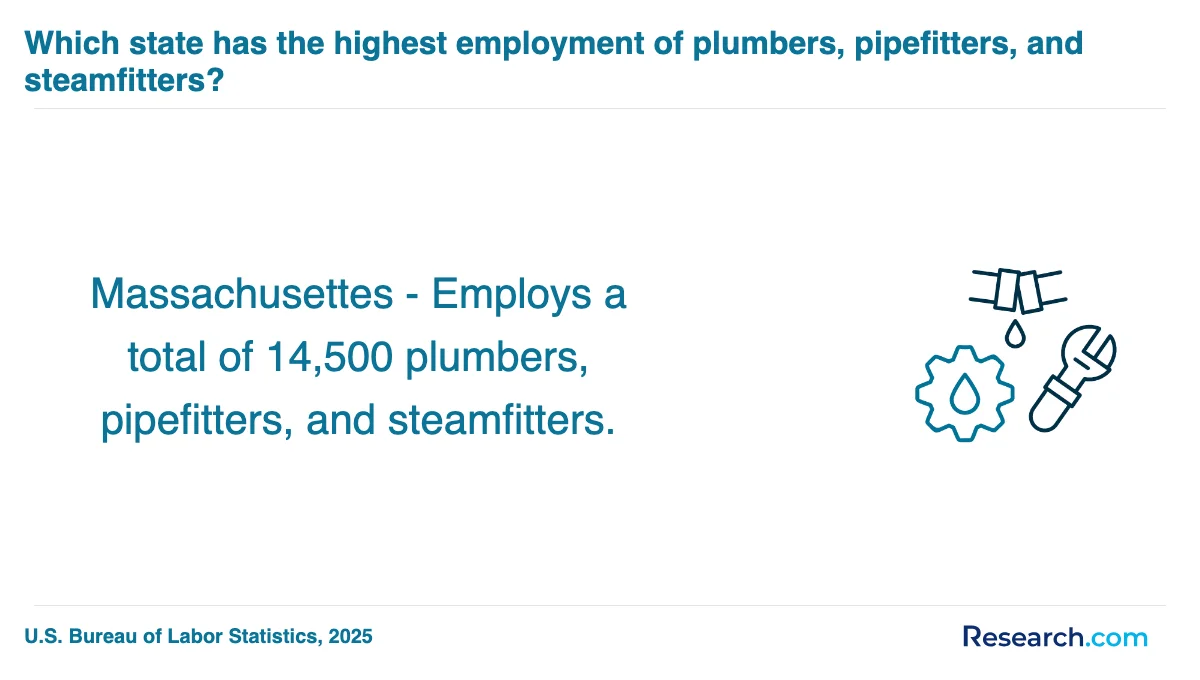
Plumber trade school programs in Minnesota are thoughtfully designed to equip students with both practical skills and essential knowledge through a variety of focused courses. Graduates often recall how courses like piping and job safety prepared them to handle real-world plumbing challenges confidently, emphasizing safe work practices crucial on any job site.
Core subjects include:
- Plumbing trade tools: mastering the use of hand and power tools is a daily reality for students, making them feel ready from day one.
- Blueprint reading and interpretation: understanding construction drawings helps students visualize installations before they begin work, a skill praised by those who trained in Minnesota's well-regarded trade schools.
- Faucets and fixtures installation: hands-on practice with sinks, toilets, and water heaters builds confidence in tackling residential and commercial plumbing.
- Water supply and drainage systems: students learn to troubleshoot complex systems, a vital part of their future roles.
- Pipe threading, fabrication, and testing: working with materials like copper and PEX reflects actual job conditions graduates face daily.
The integration of the Minnesota Plumbing Code throughout these courses ensures students understand local regulations deeply, often highlighted by graduates as a key advantage when entering the workforce. Many programs also include internships, allowing students to apply these skills in real settings, bridging classroom learning and on-the-job experience with a rewarding sense of achievement.
Plumber trade school programs in Minnesota often specialize in a mix of residential, commercial, and industrial plumbing systems, giving students a broad yet practical foundation. Graduates from programs like those at St. Cloud Technical & Community College find themselves well-prepared not only in plumbing installation but also in shop management and communication, which are vital when coordinating projects on-site.
Hands-on learning is a consistent theme, as seen at Minnesota West Community & Technical College, where students gain real experience with pipe threading, fixture installation, and mastering the Minnesota Plumbing Code. This practical exposure helps students confidently transition into the workforce.
Another key aspect is Minnesota plumbing apprenticeship opportunities, such as those from the Minneapolis Plumbers Joint Journeymen and Apprentice Training Committee, blending classroom study with paid on-the-job training - a rewarding path for many seeking both education and income simultaneously.
Many graduates appreciate these tailored programs for the clear focus on applicable skills and the supportive, real-world environments that mimic actual plumbing careers. For those exploring options, researching the best trade schools online can reveal further pathways to success in this thriving industry.
Choosing the best plumber trade school program in Minnesota begins with ensuring the school holds proper state accreditation. Graduates often emphasize how this recognition not only prepares them for licensing exams but also opens doors to apprenticeships critical for hands-on experience. Many find that schools combining classroom lessons with practical training, like St. Cloud Technical & Community College, provide the confidence and skills needed to succeed in the field.
When you compare plumbing program costs Minnesota, it's important to weigh tuition against financial aid and job placement success. Graduates from institutions such as Saint Paul College frequently share stories of affordable tuition paired with strong support networks, making their educational journey both manageable and rewarding.
Flexibility also shapes the experience. Students juggling work appreciate programs offering evening or part-time classes, allowing them to balance life and study. For deeper insight on trade education, consider exploring the differences between a vocational school vs trade certificate program, which can help clarify your best path forward.
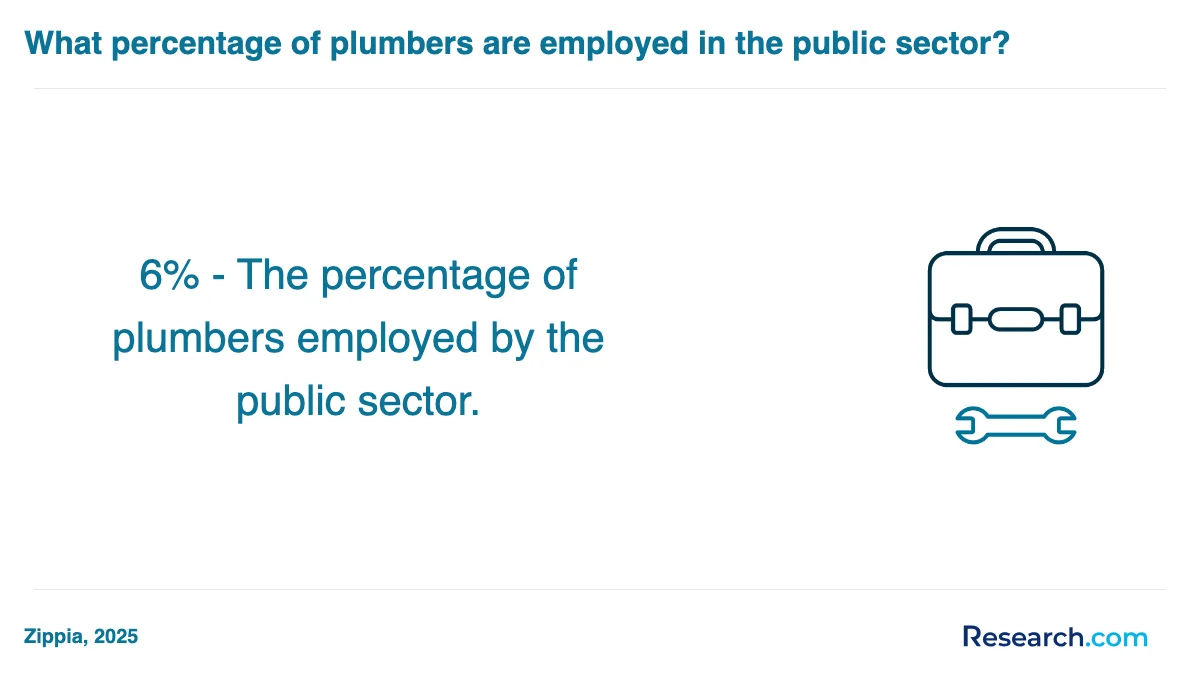
Graduates of Minnesota plumber trade school programs find a variety of fulfilling plumber career opportunities in Minnesota that build on solid technical skills and hands-on experience. Most begin as apprentices or registered unlicensed individuals, working under seasoned professionals to master the trade. For instance, graduates from well-known Minnesota trade schools often share how this apprenticeship period provides invaluable on-the-job learning, enabling them to confidently take the journeyworker plumber examination after completing the required hours.
Once licensed as journeyworker plumbers, the career expands to include tasks such as plumbing installation, blueprint reading, and system maintenance across residential and commercial sites. Many graduates enjoy progressing further by pursuing master plumber licenses, which open doors to supervising teams or launching plumbing contracting businesses-key plumbing jobs for trade school graduates Minnesota.
Other pathways include becoming maintenance technicians tasked with troubleshooting and safety inspections in commercial environments or specializing as pipefitters or HVAC technicians. Graduates often highlight how these diverse roles align with their passions and practical skills.
Choosing plumbing in Minnesota also means joining a stable workforce with growth potential, powered by demand from new construction and infrastructure upgrades. Those curious about lucrative options may find it helpful to explore trade programs that pay well.
The plumber job outlook in Minnesota remains promising for graduates of plumber trade school programs. Many find that completing training at well-known Minnesota trade schools leads directly to rewarding employment opportunities, thanks to a stable labor market and growing construction sector. Graduates often share experiences of quickly securing apprenticeships or entry-level jobs where hands-on skills gained during school prove invaluable. The plumbing industry employment trends Minnesota reflect a healthy 9.3% growth from 2018 to 2028, signaling increasing demand for skilled plumbers statewide.
Licensure is a critical step for graduates, offering a competitive advantage and access to higher-paying positions, especially in urban areas like Minneapolis, where wages can surpass $31 per hour. Many successful trade school alumni report that their state license opened doors to larger firms and public projects. Key factors contributing to this positive job market include:
- The state employs about 10,480 plumbers, with growth expected to rise by another 5% through 2030
- Competitive wages averaging $29.77 per hour, with variation based on experience and location
- A strong network of apprenticeship programs connected to prominent Minnesota trade schools
For those exploring their educational options, it is wise to consider what is the best community college in the united states offering plumbing programs that combine practical training and career placement support. These real-life pathways highlight how trade schools in Minnesota prepare graduates to thrive in a market shaped by steady demand and rewarding wage potential.
Best Plumber Training Programs & Trade Schools - Top Plumbing Schools in Minnesota for 2026
# 1 position
Ridgewater College - Plumbing Technology/Plumber.
certificate or diplomaRidgewater College offers a Plumbing Technology/Plumber program designed to prepare students for licensed plumber roles. The curriculum covers technical skills in piping systems installation and maintenance for various applications, including steam, natural gas, and water distribution. Instruction includes blueprint reading, welding, plumbing codes, and pressure adjustment. The program's annual in-state tuition is $6,109, and it is accredited by the Higher Learning Commission.
# 2 position
Saint Paul College - Plumbing Technology/Plumber.
certificate or diplomaSaint Paul College offers a hybrid Plumbing Technology/Plumber program that equips students with skills to install and maintain piping systems for various applications. The program covers technical mathematics, blueprint reading, welding, plumbing inspection, and relevant codes. Annual in-state tuition is $6,318. Graduates earn a median salary of $77,834.50 one year after completion. The program is accredited by the Higher Learning Commission.
# 3 position
St Cloud Technical and Community College - Plumbing Technology/Plumber.
associateSt Cloud Technical and Community College offers a Plumbing Technology/Plumber program with a hybrid format, combining in-person and distance education. The program trains students to install and maintain various piping systems, including steam, natural gas, and hot water, with instruction in technical skills like welding, blueprint reading, and applicable codes. Annual in-state tuition is $4,957. Graduates report median earnings of $44,240 one year after completion. The program is accredited by the Higher Learning Commission.
# 4 position
St Cloud Technical and Community College - Plumbing Technology/Plumber.
certificate or diplomaSt Cloud Technical and Community College offers a hybrid Plumbing Technology/Plumber program that prepares students to become licensed plumbers. The curriculum covers installing and maintaining piping systems for various uses, including steam, natural gas, and water. Instruction includes technical mathematics, blueprint reading, welding, and plumbing codes. The annual in-state tuition is $4,957, and graduates earn a median salary of $44,240 one year after completion. The program is accredited by the Higher Learning Commission.
# 5 position
Minnesota West Community and Technical College - Plumbing Technology/Plumber.
certificate or diplomaMinnesota West Community and Technical College offers a hybrid Plumbing Technology/Plumber program designed to prepare students for licensure. The curriculum covers technical skills such as pipe installation, welding, soldering, and plumbing inspection, along with instruction in blueprint reading, technical math, and applicable codes. The program includes training for systems handling steam, natural gas, oil, and water. Annual in-state tuition is $6,484. It is accredited by the Higher Learning Commission.
# 6 position
Northland Community and Technical College - Plumbing Technology/Plumber.
certificate or diplomaNorthland Community and Technical College offers a hybrid Plumbing Technology/Plumber program designed to prepare students for licensure by teaching technical skills in installing and maintaining piping systems for various utilities. The curriculum covers water distribution, waste removal, pressure adjustment, technical math, blueprint reading, pipe installation, welding, and plumbing codes. The program is accredited by the Higher Learning Commission and has an annual in-state tuition of $6,262.
# 7 position
Minnesota State Community and Technical College - Plumbing Technology/Plumber.
certificate or diplomaMinnesota State Community and Technical College offers a hybrid Plumbing Technology/Plumber program designed to prepare students for licensure by teaching the installation and maintenance of piping systems for various utilities. The curriculum covers water distribution, waste removal, pressure adjustment, technical mathematics, blueprint reading, welding, and applicable codes. The program is accredited by the Higher Learning Commission, with an annual in-state tuition of $5,900.
# 8 position
Hennepin Technical College - Plumbing Technology/Plumber.
certificate or diplomaHennepin Technical College offers a Hybrid Plumbing Technology/Plumber program designed to prepare students for licensing. It covers installing and maintaining piping systems for various utilities in homes and businesses. The curriculum includes physics, technical math, blueprint reading, welding, and plumbing codes. The annual in-state tuition is $5,881. Graduates earn a median salary of $40,030 one year after completing the program. The program is accredited by the Higher Learning Commission.
# 9 position
Northwest Technical College - Plumbing Technology/Plumber.
certificate or diplomaNorthwest Technical College offers a hybrid Plumbing Technology/Plumber program preparing students to become licensed plumbers. The curriculum covers installing and maintaining piping systems for various utilities, including steam, natural gas, and water. Instruction includes technical mathematics, blueprint reading, welding, plumbing inspection, and applicable codes. The program’s annual in-state tuition is $6,246, and it is accredited by the Higher Learning Commission.
Frequently Asked Questions about plumber
After completing a plumber trade school in Minnesota, preparing for the job market involves several key steps. First, graduates should pursue a plumbing apprenticeship, which is often required for state licensing. Minnesota's Department of Labor and Industry oversees licensing and apprenticeship programs that combine paid work experience with classroom instruction.
Networking is crucial; joining local unions such as the United Association Local 34 can provide job leads and training opportunities. According to the Minnesota Department of Employment and Economic Development, the demand for plumbers is projected to grow by 7% through 2030, signaling strong job prospects.
Additionally, obtaining OSHA safety certifications and continuing education can enhance employability and career advancement.
Employers in Minnesota seek plumber trade school graduates with a strong foundation in technical skills. Proficiency in installing, repairing, and maintaining plumbing systems is essential. According to the Minnesota Department of Employment and Economic Development (DEED), hands-on experience with pipefitting, blueprint reading, and knowledge of local plumbing codes significantly improve job prospects.
Problem-solving abilities and attention to detail are highly valued, as plumbers often diagnose complex system issues. Communication skills also matter, enabling clear interaction with clients and contractors. Additionally, understanding safety regulations and using modern plumbing tools are critical for workplace efficiency and compliance.
Graduates who demonstrate reliability and a willingness to continue learning are preferred in Minnesota's growing plumbing industry.
Finding internships in Minnesota relevant to plumber trade school programs involves several practical steps. Start by contacting local trade schools and technical colleges, as many have partnerships with plumbing companies that offer internships. The Minnesota Department of Employment and Economic Development (DEED) provides resources and job listings specifically for skilled trades, including plumbing internships.
Furthermore, joining local unions, such as the Plumbers and Pipefitters Local 34, can open doors to apprenticeship and internship opportunities. According to DEED, Minnesota's construction industry expects steady growth, increasing internship availability for plumbing students.
Networking at industry events and using online platforms like MinnesotaWorks.net also helps connect students with potential employers.
Obtaining a plumber trade school diploma in Minnesota significantly enhances career mobility and advancement opportunities. The diploma certifies foundational skills required for entry-level plumbing jobs, which are in high demand statewide. According to the Minnesota Department of Employment and Economic Development, plumbing occupations are projected to grow 7% from 2020 to 2030, faster than the average for all jobs.
A diploma can accelerate eligibility for apprenticeships, a critical step toward becoming a licensed plumber. Licensed plumbers in Minnesota earn a median annual wage of approximately $60,000, a 20% increase over non-licensed workers. Trade school graduates also benefit from networking and industry connections, often leading to supervisory roles and specialized fields such as pipefitting or plumbing inspection.
Part-time job opportunities in Minnesota that complement plumber trade school education often include apprenticeships, plumbing helper roles, and general construction labor. These positions provide hands-on experience with pipefitting, installation, and repair, aligning closely with skills taught in trade programs.
According to the Minnesota Department of Employment and Economic Development (DEED), plumbing apprenticeships are a common pathway, combining on-the-job training with classroom instruction. These roles typically pay between $15 and $25 per hour, allowing students to earn while they learn.
Other suitable jobs include maintenance technician roles in commercial or residential buildings, where students can practice troubleshooting water systems and fixtures. Additionally, general labor positions on construction sites help develop physical endurance and familiarity with tools used in plumbing.
To find the best plumber degree program near me, consider searching for vocational schools or community colleges that offer plumbing certifications or associate degrees, as these programs provide practical training and fundamentals of plumbing. Near Minnesota, you can find several technical and trade schools offering plumbing programs, which can be explored through resources like Research.com for program reviews and rankings. Additionally, contacting local plumbing unions or contractors could provide recommendations for reputable programs in your area.
- Best Plumber Training Programs & Trade Schools - Top Plumbing Schools in Wisconsin for 2026
- Best Plumber Training Programs & Trade Schools - Top Plumbing Schools in Iowa for 2026
- Best Plumber Training Programs & Trade Schools - Top Plumbing Schools in North Dakota for 2026
- Best Plumber Training Programs & Trade Schools - Top Plumbing Schools in South Dakota for 2026
- Best Plumber Training Programs & Trade Schools - Top Plumbing Schools in Nebraska for 2026
- Best Plumber Training Programs & Trade Schools - Top Plumbing Schools in Illinois for 2026
- Best Plumber Training Programs & Trade Schools - Top Plumbing Schools in Missouri for 2026
- Best Plumber Training Programs & Trade Schools - Top Plumbing Schools in Michigan for 2026
- Best Plumber Training Programs & Trade Schools - Top Plumbing Schools in Ohio for 2026
- Best Plumber Training Programs & Trade Schools - Top Plumbing Schools in Kentucky for 2026
- Plumbing Schools in Minnesota | How to Become a Plumber in MN https://toptradeschools.com/near-you/plumber/minnesota/
- Program: Plumbing Diploma - Saint Paul College - Modern Campus Catalog™ https://catalog.saintpaul.edu/preview_program.php
- Plumbing | Hennepin Technical College https://hennepintech.edu/academic-programs/architecture-construction/plumbing.html
- Plumbing Technology | M State https://www.minnesota.edu/programs-and-degrees/plumbing-technology
- Plumbing Technology | Northwest Technical College https://www.ntcmn.edu/career-paths/building-systems/plumbing-technology/
- Plumbing Apprentice | Northwood Technical College https://www.northwoodtech.edu/academic-programs/degree-programs-and-certificates/plumbing-apprentice
- 4 Skills Employers Are Looking For When Hiring Plumbers - Matrix HR https://matrixhr.ca/blog/4-skills-employers-are-looking-for-when-hiring-plumbers/
- Plumbing Skills You Need to Succeed | Skilled Trades College https://www.skilledtradescollege.ca/blog/most-essential-plumbing-skills-you-need-to-have
- Top Skills Needed to Be a Plumber https://www.accesstraininguk.co.uk/news/post/2023/08/17/skills-needed-to-be-a-plumber
- Skills That Plumbers Need to Master | SkillsYouNeed https://www.skillsyouneed.com/rhubarb/plumbers-skills-master.html