Best Plumber Training Programs & Trade Schools - Top Plumbing Schools in Kansas for 2026

Co-Founder and Chief Data Scientist
Choosing the right plumber trade school in Kansas can shape your future career and open doors to rewarding opportunities. This article introduces the best plumber trade school programs for 2026, featuring a detailed ranking created by the Research.com team of data scientists. Their analysis helps you make a confident, informed decision about which programs truly stand out.
Whether you’re starting fresh or upgrading your skills, earning a diploma or certification can boost your confidence and job prospects. Explore these top programs and take the first step toward a fulfilling plumbing career.
Key benefits of finishing plumber trade school in Kansas
- Graduates from plumber trade schools in Kansas can expect to earn between $22 and $37 per hour, with an average annual salary around $61,699, offering a strong start in a skilled trade.
- Career paths include working as residential or commercial plumbers, service technicians, or pipefitters, with many graduates from popular Kansas trade schools quickly finding rewarding and stable jobs.
- Completing a plumber trade school online offers flexibility and convenience, allowing students like those from Kansas's leading online programs to balance work and study while gaining valuable hands-on skills.
- Best Plumber Training Programs & Trade Schools - Top Plumbing Schools in Kansas for 2026
- What can I expect from plumber trade schools in Kansas?
- Where can I work after finishing plumber trade schools in Kansas?
What can I expect from plumber trade schools in Kansas?
Enrolling in a plumber trade school program in Kansas means diving into both hands-on training and classroom learning that prepares you for real-world challenges. Expect to master vital skills like pipefitting, water supply systems, gas system installation, and blueprint reading. Graduates from programs such as Washburn Tech recall the intensity of their 26-credit hour curriculum, which blends theory with practical internships, giving them confidence on the job.
At Barton Community College, many students value the fast-paced, single-semester format that emphasizes industry certifications like OSHA-10 and NCCER Plumbing Level I, making them highly employable. You'll not only learn technical skills but also troubleshooting, customer service, and essential recordkeeping-skills that former students say made daily work more manageable and rewarding.
Some graduates highlight the support from UA-certified instructors with deep field experience, which transforms classroom lessons into relatable, job-ready knowledge. The combination of theory, practice, and certification ensures you leave well-prepared for diverse roles across Kansas's residential and industrial plumbing sectors.
Where can I work after finishing plumber trade schools in Kansas?
Graduates of plumber trade school programs in Kansas often find themselves stepping confidently into a variety of rewarding career paths. Many begin their journey working for licensed plumbing companies, where they gain hands-on experience in residential repairs or large-scale commercial projects. Imagine starting out as an apprentice plumber in bustling Kansas City, where the demand for skilled tradespeople means over 95 plumber jobs are currently available. This early role not only builds practical skills but also opens doors to becoming a journeyman or licensed master plumber.
Others find fulfilling roles with construction firms, HVAC service providers, or maintenance teams at schools and hospitals across Topeka or Manhattan. Graduates often share stories of thriving in these environments, appreciating the steady work and the chance to apply knowledge from popular Kansas trade schools. The prospect of competitive benefits and signing bonuses adds to the excitement, making the transition from classroom learning to real-world plumbing both achievable and motivating.
After finishing a plumber trade school program in Kansas, many graduates find themselves stepping into a career with solid earning potential. On average, plumbers in Kansas make about $61,699 per year, or roughly $30 per hour. For those fresh out of trade schools like the Kansas City Plumbing School or Wichita Technical Institute, starting wages typically range from $22 to $30 per hour, depending on the location and employer.
Imagine beginning your apprenticeship earning around $22.53 per hour, which translates to nearly $47,000 annually if you work full-time. As you gain hands-on experience and certifications, your income grows. Graduates from these programs often share how their earnings jump to between $25 and $34 per hour within a few years, especially when working in metro areas or for larger companies.
In places like Edson or Goodland, plumbers often see higher pay, reflecting demand and cost of living. Plus, many enjoy extra income from overtime, averaging about $6,750 per year. This steady financial growth makes completing a Kansas plumber trade school an exciting and rewarding step toward a dependable career.
- Applicants must be at least 16 or 18 years old and have a high school diploma or equivalent; some schools require a valid driver's license.
- Training includes both classroom instruction and on-the-job experience, with apprenticeships lasting five years and including up to 2,000 hours of hands-on training annually.
- Trade school programs can be completed in two semesters and include 26 credit hours covering blueprint reading, plumbing codes, and internships.
- Licensing requirements vary by city or county, often requiring two years of work experience and around 930 hours of classroom training before taking the journeyman exam.
- The average cost for trade school programs ranges from $2,000 to $2,240 in tuition and fees, with limited financial aid available.
- Entry-level plumbers earn a median annual wage of about $61,000, with experienced plumbers earning over $80,000 depending on specialization and location.
Completing a plumber trade school program in Kansas typically takes between six months and one year, depending on the structure and intensity of the course. Many students at popular Kansas trade schools find this timeframe both manageable and rewarding, as it allows them to quickly gain hands-on experience while balancing other life commitments.
Graduates often recall how immersive the practical training felt, enabling them to confidently tackle real-world plumbing challenges sooner than expected. For instance, those attending well-regarded Kansas programs appreciated how their schedules combined classroom theory with apprenticeships, making the learning process dynamic and engaging.
This relatively short duration is ideal for those eager to enter the workforce without a prolonged wait, fueling excitement and motivation. Imagine completing your training just in time to start your first plumbing job, already equipped with the skills and confidence built through focused instruction and real job-site exposure.
Such programs are designed to accelerate career readiness, helping aspiring plumbers in Kansas transform their ambitions into tangible success in under a year.
The core difference between online and on-campus plumber trade school programs in Kansas lies in how students engage with the material and develop their skills. Online programs, like those at Johnson County Community College, offer unmatched flexibility-graduates often share how studying at their own pace from home helped them balance work and family life. For example, the self-paced Foundations of Plumbing course at Kansas City Kansas Community College allows up to 12 months to complete, making it ideal for those with busy schedules.
On the other hand, on-campus programs, such as Barton Community College's Plumbing Certificate, immerse students in hands-on learning. Graduates frequently recall the value of direct interaction with instructors and real-time practice using industry tools, which helped them gain confidence and master complex skills quickly.
While online learners appreciate the convenience, many emphasize the challenge of finding practical experience, often needing to arrange separate apprenticeships. Meanwhile, on-campus students benefit from integrated lab sessions that bring theory to life and foster a stronger sense of community and support.
The average tuition fees for plumbing programs in Kansas vary depending on the institution and type of training, but most students see costs ranging between $2,000 and $5,500 for comprehensive programs. For example, graduates from Washburn Tech in Topeka recall that the total cost for their Plumbing Technology program, which they completed in about a year, was around $5,222. This included tuition and fees, making it a solid investment for those eager to enter the trade swiftly. Many students appreciate that community colleges like Johnson County Community College offer flexible options with a 30-credit hour certificate where residency status influences the total cost.
Graduates often highlight the affordability and practical experience gained through apprenticeship programs like those provided by the Plumbers & Pipefitters Apprenticeship Training of Kansas in Wichita. Their program costs approximately $2,240, encompassing tuition and registration fees, and blends classroom learning with hands-on work experience. This structure presents a realistic pathway for those wanting to avoid heavy tuition while still earning credentials and on-the-job pay. Considering the total cost of plumbing trade school in Kansas, it's essential also to budget for tools, books, and materials, which can add to initial expenses.
Financial aid and scholarships such as the Kansas Promise Scholarship have made pursuing these programs more accessible, allowing students to concentrate on mastering their skills instead of financial stress. For those weighing their options, comparing program costs alongside potential earnings highlights why plumbing remains one of the top paying trades in the region-making the initial investment worthwhile.

Plumber trade school students in Kansas often find financial aid pivotal to their educational journey. Many graduates recall how the Kansas Promise Scholarship transformed their ability to afford tuition and supplies at community colleges and technical schools like WSU Tech. This last-dollar scholarship covers remaining costs after other aid, up to 68 credit hours or $20,000, making it a game-changer for those committed to living and working in Kansas post-graduation.
Others highlight the Kansas Career Technical Workforce Grant, which provides up to $1,000 annually for full-time plumbing students. Part-timers receive $500-$800, easing the financial pressure while balancing work or family. The grant's renewal for up to four semesters motivates students to maintain progress in their programs.
Institutional scholarships at schools like WSU Tech, often supported by local industry, add another layer of support. Graduates often combine these with federal aid by completing FAFSA and the Kansas Student Aid Application, unlocking multiple funding streams that make their career goals feel achievable and real.
To enroll in a plumber trade school program in Kansas, students typically need to meet several key prerequisites that set the foundation for success. Most programs require a high school diploma or GED, ensuring that students have basic literacy and numeracy skills essential for understanding plumbing concepts and codes.
Applicants often must be at least 18 years old, a rule many graduates recall as a motivating milestone that marked their professional journey. Some trade schools in Kansas also ask for a background check due to the hands-on nature of plumbing work in residential and commercial settings.
Physical fitness is another crucial prerequisite-graduates frequently mention that being physically prepared helped them excel in the practical, labor-intensive parts of the training.
Typical prerequisites include:
- High school diploma or GED
- Minimum age of 18
- Basic math and reading proficiency
- Physical ability to handle manual labor
- Background check (varies by school)
These requirements ensure students entering Kansas plumber trade schools are ready to thrive both academically and practically, making the demanding but rewarding journey smoother and more fulfilling.
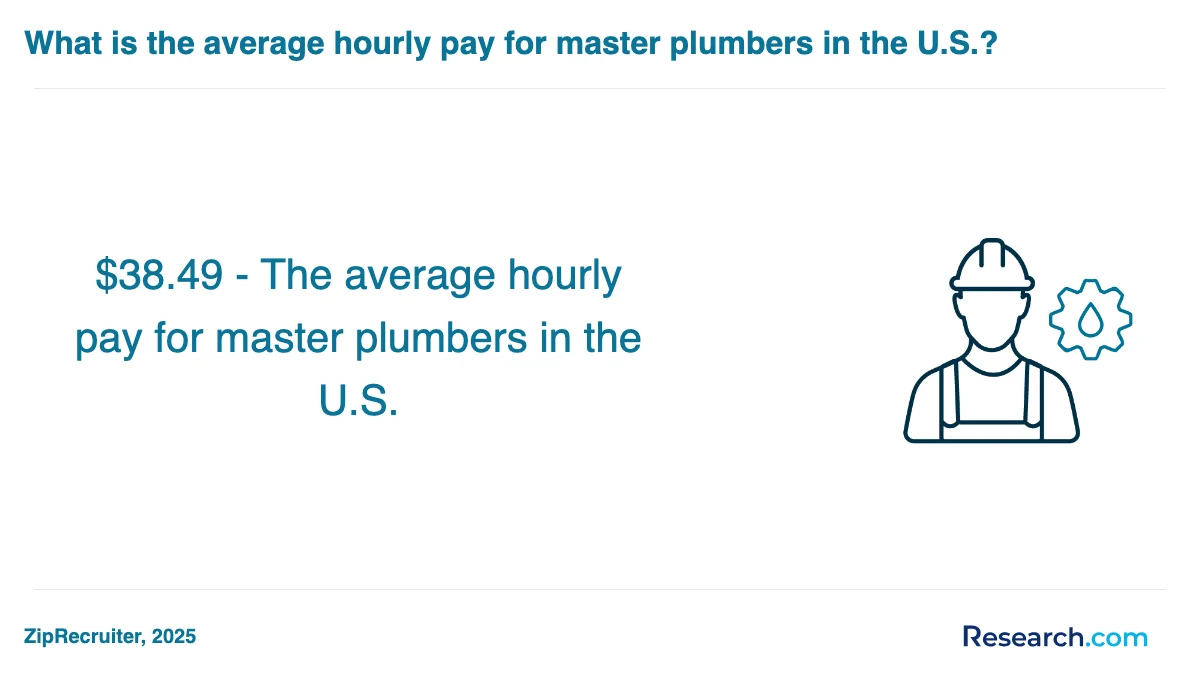
In Kansas plumber trade schools, coursework is designed to build strong practical and theoretical foundations that graduates find invaluable on the job. Many recall how starting with Introduction to Plumbing Technology opened their eyes to the essentials-tools, materials, and safety protocols that feel immediately relevant in daily tasks.
Hands-on safety training, like OSHA 10 or OSHA 30 Certification, prepares students to confidently navigate real-world job sites, avoiding hazards that could otherwise derail progress. Graduates often mention how mastering the Uniform Plumbing Code (UPC) and International Plumbing Code (IPC) clarified the rules that govern Kansas plumbing work, making complex regulations feel manageable.
- Reading and interpreting Plumbing Blueprints and Codes taught them to visualize projects before lifting a wrench.
- Pipefitting and Installation courses turned technical knowledge into muscle memory, crucial for assembling and maintaining piping systems.
- Understanding Water Supply and Distribution along with Drain, Waste, and Venting Systems gave them confidence to troubleshoot issues across residential and commercial sites.
Many graduates from top Kansas trade schools highlight how advanced classes like Plumbing Fixtures Installation and Pipe Fabrication and Welding elevated their skills, making them job-ready from day one. Real-world internships embedded in programs ensure students leave with not just knowledge but hands-on experience, often recalling how these moments transformed classroom lessons into career success.
Plumber trade school programs in Kansas offer focused specializations that prepare students for real-world challenges in the industry. Many graduates highlight how residential plumbing training enhances their ability to confidently install and repair home systems, dealing firsthand with water distribution and fixtures. Schools like Johnson County Community College emphasize the skills needed to excel in these areas, helping students pass important certifications like the International Code Council Journeyman Plumber exam.
For those seeking broader expertise, Kansas plumbing apprenticeship opportunities often include combined training in plumbing, heating, and air conditioning. This integrated approach, found in programs such as the one at North Central Kansas Technical College, enables students to master the refrigeration cycle, gas heating, and uniform plumbing codes-covering diverse skill sets that increase employability.
Specialized certifications also attract many, particularly when aiming to stand out in competitive job markets. Programs like the one offered by Plumbers & Pipefitters Apprenticeship Training of Kansas provide certifications in Medical Gas and Welding, giving graduates a distinct edge.
Many students appreciate the hands-on focus of these programs, noting real-life tasks such as reading site plans and installing complex piping systems at Washburn Institute of Technology that build solid practical understanding. Aspiring plumbers in Kansas can explore a variety of pathways tailored to their interests by researching online vocational trade programs, broadening their career possibilities.
Choosing the best plumber trade school in Kansas means focusing on factors that affect your daily life and future career. Graduates from Johnson County Community College often praise the flexibility of evening classes, enabling them to work during the day while advancing their skills at night. For those balancing family duties, such flexibility makes all the difference. Meanwhile, schools like North Central Kansas Technical College attract students eager to earn both an associate degree and a journeyman's license through hands-on apprenticeships, blending classroom knowledge with real-world experience.
When you compare plumbing program costs in Kansas, consider not just tuition but also tool expenses and other fees. Many community colleges offer affordable rates, especially for local residents, easing financial stress. Graduates often highlight how scholarships and grants helped them stay focused without overwhelming debt. Remember, plumbing is a trade in demand, and understanding what trades are in high demand can guide your investment in the right program.
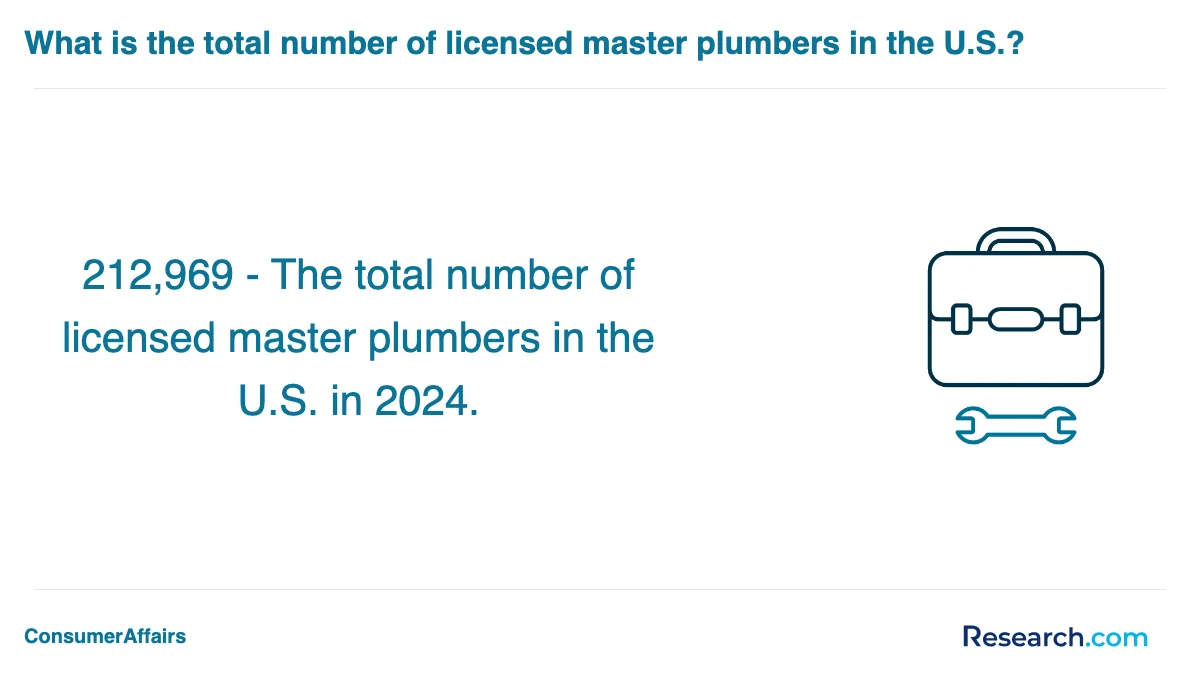
Graduates of plumber trade school programs in Kansas discover a variety of rewarding career paths tailored to their new skills and local market demand. Many start as residential plumbers, focusing on home repair and installations, a role praised by those from popular trade schools in Kansas for its hands-on challenges and direct customer interaction. Others pursue commercial or industrial roles, working on complex piping systems in offices or factories, applying the technical knowledge gained in school.
Plumber job opportunities in Kansas expand further through advanced certifications. Graduates frequently transition to journeyman or master plumber status, especially in cities like Wichita, where combining field experience with trade school studies and exams leads to these credentials. Some progress to become plumbing contractors, running their own businesses and bidding on larger projects.
For many, the path also includes specialization options such as pipefitting or green plumbing, enhancing career flexibility. Apprenticeships through unions offer another practical step, blending classroom education and job training that graduates value highly. Prospective students can explore best community college online programs for convenient entry into the field.
These plumbing career paths after trade school in Kansas not only promise job stability but personal fulfillment in a skilled trade with strong local demand and diverse opportunities.
The plumber job outlook in Kansas shows a mix of steady opportunity and some challenges, especially for recent graduates from local trade schools. Graduates from popular programs often find that while initial wages hover around $27.11 per hour, with some variability depending on experience, the key to thriving lies in gaining certifications and practical skills. Many report starting in counties like Johnson or Sedgwick, where plumbing businesses are more concentrated, easing the transition from classroom to career.
Plumbing apprenticeship opportunities Kansas offers remain essential for those wanting to break into the industry effectively. These apprenticeships provide hands-on learning that complements classroom training, helping graduates build confidence and real-world expertise. Success stories often mention how apprenticeships in both residential and commercial sectors open doors to better pay and career advancement.
For those weighing their options, comparing trade vs vocational school paths is crucial, as Kansas students benefit from well-structured programs that align with local industry needs.
- Steady demand linked to construction trends and population growth
- Higher wages with skill development and licensure
- Strong industry presence with $1.4 billion market size statewide
Best Plumber Training Programs & Trade Schools - Top Plumbing Schools in Kansas for 2026
# 1 position
Washburn Institute of Technology - Plumbing Technology/Plumber.
certificate or diplomaWashburn Institute of Technology offers a Plumbing Technology/Plumber program that trains students to install and maintain piping systems for various uses, including steam, natural gas, and hot water. The curriculum covers technical skills such as blueprint reading, pipe installation, welding, and plumbing codes. The program's annual in-state tuition is $9,120. It is accredited by the Higher Learning Commission and prepares students for work in residential and commercial environments.
# 2 position
Barton County Community College - Plumbing Technology/Plumber.
certificate or diplomaBarton County Community College offers a hybrid Plumbing Technology/Plumber program that prepares students to become licensed plumbers. The curriculum covers installation and maintenance of piping systems for various applications, including steam, natural gas, and water distribution. Instruction includes technical mathematics, blueprint reading, welding, and plumbing codes. The program is accredited by the Higher Learning Commission, with an annual in-state tuition of $3,616.
# 3 position
Butler Community College - Plumbing Technology/Plumber.
associateButler Community College offers a hybrid Plumbing Technology/Plumber program preparing students to become licensed plumbers. The curriculum covers technical skills such as pipe installation, welding, blueprint reading, and plumbing inspection, along with knowledge of water distribution, pressure adjustment, and applicable codes. The program is accredited by the Higher Learning Commission. Annual in-state tuition is $3,556, and it includes both hands-on and distance education components.
# 4 position
Neosho County Community College - Plumbing Technology/Plumber.
certificate or diplomaNeosho County Community College offers a Plumbing Technology/Plumber program preparing students to become licensed plumbers. The curriculum covers installation, maintenance, and repair of piping systems for various applications, including steam, natural gas, and water. Instruction includes technical mathematics, blueprint reading, welding, and applicable codes. The program is accredited by the Higher Learning Commission. Annual in-state tuition is $5,644.
# 5 position
Johnson County Community College - Plumbing Technology/Plumber.
certificate or diplomaJohnson County Community College offers a hybrid Plumbing Technology/Plumber program that prepares students to become licensed plumbers. The curriculum covers technical knowledge and skills for installing and maintaining piping systems for various uses, including steam, natural gas, and hot water. Instruction includes physics, mathematics, blueprint reading, welding, and plumbing codes. The program is accredited by the Higher Learning Commission, with an annual in-state tuition of $2,328.
Frequently Asked Questions about plumber
After completing a plumber trade school in Kansas, preparing for the job market involves several key steps. Graduates should obtain their required state licenses, such as the Kansas Journeyman Plumber license, which often requires passing an exam and completing an apprenticeship. According to the Kansas Department of Labor, plumbing jobs are expected to grow by 5% through 2030, highlighting steady demand.
Networking with local contractors and joining trade organizations like the Kansas Plumbing Association can also improve job prospects. Developing a strong resume that highlights hands-on training and any certifications earned during schooling is essential.
Additionally, staying current with industry standards, including knowledge of new plumbing technologies and safety regulations, can give candidates an edge in this competitive field.
Employers in Kansas prioritize several key skills when hiring graduates from plumber trade schools. Technical proficiency in pipe installation, repair, and maintenance is essential. According to the U.S. Bureau of Labor Statistics, practical knowledge of local plumbing codes and safety standards is critical for compliance and job performance.
Strong problem-solving abilities and mechanical aptitude help plumbers diagnose and fix issues efficiently. Communication skills are also valued, as plumbers often interact with clients and contractors. Kansas workforce reports highlight that reliability and teamwork are important soft skills in this field.
Hands-on training from accredited programs ensures graduates meet these employer expectations, increasing job placement success.
Finding internships in Kansas relevant to plumber trade school programs involves several strategic steps. Start by contacting local vocational schools or community colleges offering plumbing courses, as they often partner with businesses for internship opportunities. The Kansas Department of Labor provides resources and listings for apprenticeship programs, which are a common path for plumbing students to gain hands-on experience.
Additionally, joining trade organizations like the Kansas Plumbing-Heating-Cooling Contractors Association can connect students with employers offering internships. According to recent data from the U.S. Bureau of Labor Statistics, Kansas has a steady demand for plumbers, making internships more accessible in urban centers like Wichita and Overland Park.
Obtaining a plumber trade school diploma in Kansas significantly enhances career mobility and advancement opportunities. The Kansas Department of Labor reports that skilled plumbers with formal training experience lower unemployment rates and higher wage growth compared to those without diplomas. A diploma provides essential technical knowledge and practical skills, which are prerequisites for state licensing exams.
Licensed plumbers in Kansas earn a median annual wage of approximately $57,000, according to the U.S. Bureau of Labor Statistics (2023). Trade school graduates often qualify for apprenticeships and journeyman roles faster, accelerating their path to master plumber status.
Employers in Kansas tend to prefer candidates with certified training, as it reduces on-the-job training costs and increases reliability. This preference translates into better job stability and promotion potential within plumbing companies and contractors.
Students attending plumber trade schools in Kansas can benefit from various part-time job opportunities that complement their education. Entry-level positions such as plumbing apprentices or helpers are common and provide hands-on experience while learning the trade. These roles often involve assisting licensed plumbers with installations, repairs, and maintenance tasks.
Additionally, working in hardware stores or supply companies specializing in plumbing materials offers practical knowledge about tools and parts. According to the Kansas Department of Labor, plumbing jobs in the state are expected to grow by 10% through 2030, reflecting a steady demand for skilled workers.
Such part-time roles not only enhance technical skills but also build professional networks within the industry.
To choose the best plumber degree program near me in Kansas, start by researching accredited technical schools and community colleges, as they often offer specialized programs in plumbing. Look for programs that provide practical experience, apprenticeships, and state-of-the-art facilities, giving you hands-on skills and industry connections. Consider reaching out to local professionals or using resources like Research.com to find recommended programs near Kansas that align with your career goals.
- Best Plumber Training Programs & Trade Schools - Top Plumbing Schools in Nebraska for 2026
- Best Plumber Training Programs & Trade Schools - Top Plumbing Schools in Oklahoma for 2026
- Best Plumber Training Programs & Trade Schools - Top Plumbing Schools in Missouri for 2026
- Best Plumber Training Programs & Trade Schools - Top Plumbing Schools in Iowa for 2026
- Best Plumber Training Programs & Trade Schools - Top Plumbing Schools in Texas for 2026
- Best Plumber Training Programs & Trade Schools - Top Plumbing Schools in South Dakota for 2026
- Best Plumber Training Programs & Trade Schools - Top Plumbing Schools in Illinois for 2026
- Best Plumber Training Programs & Trade Schools - Top Plumbing Schools in New Mexico for 2026
- Best Plumber Training Programs & Trade Schools - Top Plumbing Schools in Wisconsin for 2026
- Best Plumber Training Programs & Trade Schools - Top Plumbing Schools in Mississippi for 2026
- Types of Plumbers: 6 Plumbing Career Paths | Skilled Trades College https://www.skilledtradescollege.ca/blog/types-of-plumbers-plumbing-career-paths
- Plumber | Explore Careers | National Careers Service https://nationalcareers.service.gov.uk/job-profiles/plumber
- Plumber Careers (Qualifications, Salary, Job Role) https://www.goconstruct.org/construction-careers/what-jobs-are-right-for-me/plumber
- Plumbers, Pipefitters, and Steamfitters : Occupational Outlook Handbook: : U.S. Bureau of Labor Statistics https://www.bls.gov/ooh/construction-and-extraction/plumbers-pipefitters-and-steamfitters.htm
- Plumber Careers | Construction, Architecture & Property Sector Occupation Profile | CareersPortal https://careersportal.ie/careers/detail.php
- How to Become a Plumber? https://www.smartservice.com/blog/how-to-become-a-plumber
- Construction Trade School: Key to a Successful Career https://abcsocal.org/construction-trade-school/
- Plumbers - Construction Careers Foundation https://constructioncareers.org/careers/plumbers/
- Plumber Apprentice: Unlock Career Success | Eastwick College https://eastwick.edu/articles/unlocking-career-success-the-path-of-a-plumber-apprentice/
- Plumbing Trade School and Apprenticeship Guide | Interplay https://www.interplaylearning.com/blog/plumbing-trade-school-a-built-in-apprenticeship/