Most Affordable Plumber Schools & Training - Budget-Friendly Plumbing Trade Programs in Idaho for 2026

Co-Founder and Chief Data Scientist
Choosing the right plumber trade school in Idaho can feel overwhelming, but this article is here to help. We've teamed up with the Research.com data scientists to bring you a carefully crafted plumber trade school programs ranking for 2026.
By exploring this guide, you'll discover affordable and reliable options that fit your goals and budget. Earning a diploma or certification in plumbing opens doors to rewarding careers, steady income, and valuable skills.
Take the first step toward a promising future with confidence and clarity.
Key benefits of finishing plumber trade school in Idaho
- Graduates of plumber trade schools in Idaho can expect competitive salaries, with average annual earnings around $47,710 and experienced plumbers making up to $76,810, providing a strong financial foundation.
- Completing a trade school opens doors to various career paths, including journeyman plumber roles, specialized plumbing services, or supervisory positions, as seen with alumni from popular Idaho programs.
- Finishing plumber trade school online offers flexibility and convenience, allowing students to balance work and study while gaining practical skills, which many online graduates from Idaho schools praise for jumpstarting their careers quickly.
- Most Affordable Plumber Schools & Training - Budget-Friendly Plumbing Trade Programs in Idaho for 2026
- What can I expect from plumber trade schools in Idaho?
- Where can I work after finishing plumber trade schools in Idaho?
What can I expect from plumber trade schools in Idaho?
In Idaho, plumber trade school programs combine classroom instruction with paid, hands-on work experience to prepare you for a strong career. Graduates often recall balancing about 144 hours of classes yearly with on-the-job training totaling roughly 2,000 hours annually over four years. This blend means you're not just learning theory-you're earning while you learn under the supervision of licensed Journeyman or Master Plumbers, as state rules require.
Students at popular trade schools in Idaho describe mastering essential skills like blueprint reading, trades math, drainage systems, and plumbing codes, all taught by professionals actively working in the field. Classes typically run from September through May or June, so expect a structured schedule with mandatory attendance.
You'll also build valuable communication, safety, and technical skills, supported by certifications from agencies like NCCER. Graduates often express confidence entering the workforce, knowing they've met state standards and are ready for the Journeyman license exam.
Where can I work after finishing plumber trade schools in Idaho?
After graduating from a plumber trade school in Idaho, many find rewarding job opportunities as apprentice plumbers, journeyman plumbers, or licensed plumbers. Graduates often start with hands-on roles installing and repairing plumbing in homes and businesses, gaining practical skills that build confidence and expertise. Popular trade schools in Idaho prepare students well for these positions, helping them step smoothly into the workforce.
Many graduates secure jobs with residential plumbing companies, commercial contractors, or maintenance departments, especially in cities like Boise where demand is steady. Others advance to specialized roles at places like the Idaho National Laboratory, where licensed plumbers work on complex mechanical systems and earn competitive wages. These positions may require additional certifications, but they offer strong job security and benefits.
Working in government agencies, schools, hospitals, or municipal water departments is also common, providing variety and stability. Graduates from Idaho trade schools often express pride in joining essential industries that keep communities running and enjoy the career growth their training supports.
After finishing a plumber trade school program in Idaho, graduates typically start with a median annual salary of $44,700. This reflects real experiences from students attending well-known Idaho trade schools, who find this starting wage rewarding as they begin their careers. Many new plumbers report feeling confident stepping into apprenticeships with this solid base, earning about $22.12 per hour according to recent data.
With two to four years of experience, earnings increase to around $54,100 annually, which many graduates find motivating as they gain skills and certifications. For example, graduates who have completed a four-year apprenticeship often share how their pay improves significantly once licensed as journeyman plumbers, combining classroom training with 2,000 hours of hands-on work each year.
Although Idaho's starting salaries are below the national average of $53,900, many graduates appreciate the lower cost of living and the practical experience gained at Idaho's trade schools, which prepares them well for steady growth in the plumbing field.
- Applicants must be at least 16 years old to enroll in a plumber trade school program in Idaho.
- Apprenticeships last four years, requiring 576 hours of classroom instruction and 8,000 hours of on-the-job training in total.
- The average cost is about $1,850 per year, with a total program cost around $7,400 over four years.
- Financial aid options include Workforce Training Scholarships, Idaho Launch funding, veterans' benefits, and Advanced Opportunities for high school students.
- Graduates can take the Idaho Plumbing Journeyman's exam to become licensed and work independently.
- Entry-level plumbers earn $40,000 to $50,000 annually, while experienced journeymen make between $55,000 and $70,000 or more.
Completing a plumber trade school program in Idaho typically takes between 9 months to 18 months, depending on the specific school and whether you attend full-time or part-time. Many graduates from popular Idaho trade schools like those in Boise and Coeur d'Alene share that a focused, full-time schedule helps them finish closer to the 9-month mark, which allows them to enter the workforce quickly and start earning.
For those balancing work or family commitments, part-time options extend the timeline but still provide hands-on training that builds confidence. Graduates often describe the experience as intense but rewarding, with practical lessons that simulate real-world plumbing challenges-like installing pipes in a mock home setup or troubleshooting common household leaks.
This approach helps students feel prepared and motivated. The structured timelines combined with engaging practical work give many a clear sense of progress, making the journey feel doable and exciting rather than overwhelming.
The main difference between online and on-campus plumber trade school programs in Idaho lies in how instruction and hands-on experience are delivered. Graduates from online programs like those at Penn Foster or the College of Southern Idaho often appreciate the flexibility to study plumbing theory, codes, and safety at their own pace while balancing work or family. However, many find that limited supervised practical training means they still need to schedule in-person sessions or apprenticeships to meet state certification requirements.
On-campus students at schools such as Lewis Clark State College benefit from direct interaction with instructors and peers during regular classes and labs. This setting helps them gain confidence through immediate feedback and hands-on practice, which many say accelerates their skill development and readiness for real-world plumbing jobs.
Hybrid options, like the College of Western Idaho's 32-week apprenticeship, combine online coursework with scheduled in-person training. Graduates often highlight this model as an ideal balance-offering convenience without sacrificing essential practical experience needed for Idaho's plumbing industry.
The average cost of plumbing trade schools in Idaho varies depending on the institution and program length, but many students find it manageable when broken down annually. For example, North Idaho College charges about $1,850 per year for their Related Instruction program, which includes textbooks and materials, making it a practical choice for those balancing work and study. Graduates often share how this affordable tuition, combined with available scholarships and Veterans Benefits, eased their financial burden.
At Idaho State University and the College of Southern Idaho, annual tuition fees for plumber programs in Idaho range from $850 to $875, totaling roughly $3,400 to $3,500 over four years. Graduates from these schools often highlight the inclusion of books and supplies in the tuition as a helpful perk, reducing unexpected expenses. Many appreciate how this setup prepares them well for the Journeyman's exam, building confidence through structured training.
In more intensive settings, Lewis-Clark State College charges approximately $3,500 per semester for Idaho residents, with a total cost around $14,000 for four years. Students here embrace the value of comprehensive OSHA safety training and advanced techniques that make the investment worthwhile. When evaluating costs, prospective students should also consider additional expenses like textbooks, tools, and equipment, which vary by program.
Those looking for alternative financing or flexible learning options might explore online trade schools, which can complement traditional pathways. Overall, understanding these tuition fees for plumber programs in Idaho helps students plan their career steps with confidence and clarity.
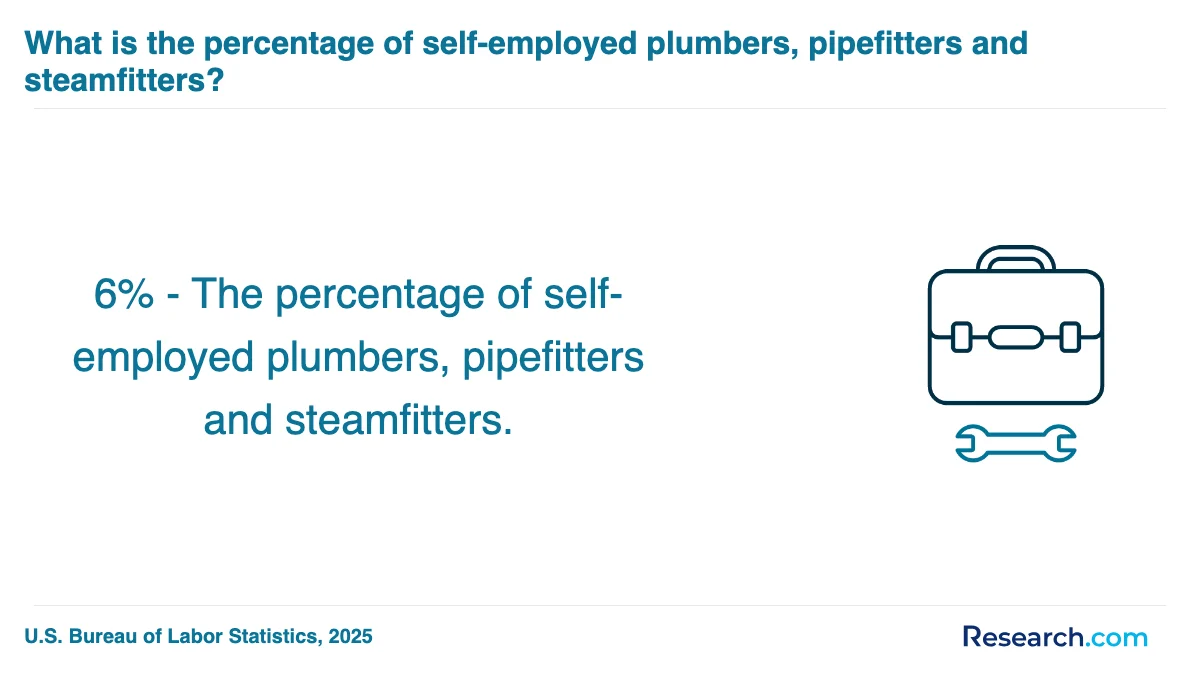
Students pursuing plumber trade programs in Idaho can tap into several helpful financial aid sources that make training affordable. Many graduates from North Idaho College (NIC), College of Southern Idaho (CSI), and College of Eastern Idaho (CEI) share how scholarships offered directly through their programs eased their tuition burden, which typically ranges from $875 to $1,850 per year. For instance, NIC's Workforce Training Scholarship helped a recent apprentice cover most of their tuition expenses, making the path to certification less stressful.
Idaho Launch funding is another valuable resource, providing state-funded assistance to cover tuition and fees for high-demand careers like plumbing. Veterans benefit from programs such as Apprenticeship USA, which many students found crucial in managing costs related to materials and tuition.
High school students also benefit from Advanced Opportunities (AO) funding, allowing them to start plumbing courses early without financial strain. While federal aid is limited for non-degree trades, some schools offer paths to an Associate of Applied Science (AAS) in Plumbing, unlocking additional aid options. Many apprentices recommend contacting coordinators early to explore flexible payment plans and emergency funding.
To enroll in a plumber trade school program in Idaho, the prerequisites are straightforward but essential to ensure your success in this hands-on field. Most schools require a high school diploma or GED, which sets the foundation for understanding technical concepts and safety protocols.
Applicants often need to demonstrate basic math skills since plumbing involves measurements, angles, and calculations. Some trade schools may ask for a placement test or a simple skills assessment to confirm readiness.
Physical fitness is another practical prerequisite. Being on your feet, lifting equipment, and working in tight spaces are everyday realities. Graduates from Idaho's popular trade schools often share how building physical stamina before starting made their training smoother and more enjoyable.
Additional prerequisites can include:
- Proof of legal residency or age verification (usually 18+)
- Reliable transportation to attend classes and internships
- Basic hand tool familiarity or willingness to learn quickly
Many students appreciate how these requirements prepare them for real-world plumbing challenges, making the learning experience both practical and rewarding right from the start.

Plumber trade school programs in Idaho provide a practical curriculum designed to prepare students for real-world plumbing careers. Graduates from popular Idaho trade schools often highlight how core courses gave them confidence to handle job site challenges effectively. Typical courses include:
- Trades Math: Covers essential calculations for pipe fitting and layout, helping students measure and convert accurately on the job.
- Plumbing Tools and Safety: Hands-on training with tools and safety protocols to ensure a secure workplace.
- Blueprint Reading: Teaches students to interpret plumbing blueprints, a vital skill for planning installations.
- Plumbing Codes and Regulations: Focuses on the Uniform Plumbing Code and Idaho-specific laws, ensuring compliance during projects.
- Installation and Maintenance: Practical experience installing water heaters, fixtures, and drainage systems in both homes and businesses.
- Gas Piping Introduction: Basics of safe gas line installation and code adherence.
- Basic Electricity for Plumbers: Understanding electrical systems related to plumbing, such as wiring pumps.
- Advanced Residential Plumbing: Training in complex piping layouts and troubleshooting multi-fixture setups.
These courses combine classroom learning with hands-on practice, often scheduled in evening or hybrid formats to fit working students' lives. Graduates report feeling well-prepared to take Idaho's Journeyman Plumber's exam and confidently enter the workforce.
Plumber trade school programs in Idaho typically offer specialized plumbing training in Idaho that equips students for diverse career paths within the trade. Popular plumbing apprenticeship programs in Idaho often include these key specializations:
- Residential plumbing, with hands-on practice in pipe fitting and fixture installation to prepare for home plumbing systems, as seen in programs at North Idaho College.
- Commercial plumbing, which trains students to handle complex piping and water supply systems in businesses, exemplified by the College of Western Idaho apprenticeship.
- Industrial plumbing, focusing on factory systems and high-pressure environments, featured in the College of Southern Idaho's curriculum.
- Plumbing appliance specialties, such as installing and repairing water heaters and boilers, offered fully online by North Idaho College.
Graduates often describe their experience balancing classroom learning with real-world apprenticeships as empowering, especially appreciating how these tailored programs prepare them for Idaho's licensing exams and professional challenges.
For students looking to maximize their earning potential, understanding the range of specializations helps align their training with career goals and the average trade school graduate salary in plumbing fields.
When choosing the best plumber trade schools in Idaho, start by verifying if the program is accredited by recognized industry authorities. Graduates from institutions like the College of Southern Idaho and Lewis Clark State College often highlight how accreditation ensured their training met licensing requirements and opened doors to reliable apprenticeships. Look for programs offering a balanced mix of classroom instruction and hands-on training, as seen at North Idaho College's four-year apprenticeship model, which former students describe as both challenging and rewarding.
To compare plumbing programs in Idaho effectively, consider flexibility in scheduling. The College of Eastern Idaho's hybrid classes allow students to manage work and family commitments while learning from seasoned journeymen, a feature praised by many recent completers. Also, check admission requirements, support services, and job placement assistance, which can make a real difference in starting your career with confidence.
Cost and location matter too. Many Idaho students find that researching these factors alongside program quality helps them select a school that fits their lifestyle and budget. For those exploring fast ways into the trade, exploring trades that are easy to learn that pay well can offer additional insight into career prospects.

Graduates of plumber trade school programs in Idaho often start their careers as plumber apprentices, gaining robust hands-on experience while earning. Popular Idaho trade schools prepare students well for this stage, which involves approximately 8,000 hours of fieldwork combined with classroom instruction. This foundation is crucial for passing the Idaho journeyman plumber licensing exam. Successful journeymen find plumbing jobs and salaries in Idaho that reflect the strong local demand, often working in residential, commercial, or industrial plumbing sectors.
Many graduates quickly build confidence and specialize in areas like new construction or renovations, benefiting from Idaho's growing infrastructure projects. Career paths expand as journeymen choose to become contractors, managing teams and business operations-licenses required by state law for independent practice. Others explore roles as inspectors or plumbing code specialists, or even trainers at trade schools, sharing their real-world experience.
For students weighing educational routes, exploring the difference between trade school versus college can clarify how Idaho programs fast-track rewarding plumber career opportunities in Idaho.
Graduates from plumber trade schools in Idaho enter a job market showing steady growth and consistent demand. Counties such as Ada, Canyon, and Kootenai offer promising employment opportunities tied to local construction booms and population increases. The plumber job outlook Idaho 2026 is positive, with about 6,332 plumbers employed statewide and additional openings expected due to retirements of experienced workers.
Successful graduates often find positions with plumbing and pipefitting contractors, where specialized skills like welding or water efficiency knowledge increase job prospects. Many report starting wages around $28.60 per hour, with opportunities to earn more as Journeymen, reaching averages near $31.54 hourly. Practical training in Idaho's well-regarded trade schools helps graduates confidently meet these industry demands.
For those wanting flexible learning options to fit personal schedules, an online construction trades program focused on plumbing can complement hands-on classroom experience while keeping pace with Idaho's growing demand for plumbers in Idaho.
Most Affordable Plumber Schools & Training - Budget-Friendly Plumbing Trade Programs in Idaho for 2026
# 1 position
North Idaho College - Plumbing Technology/Plumber.
associateNorth Idaho College offers a hybrid Plumbing Technology/Plumber program that trains students to become licensed plumbers. The curriculum covers installation and maintenance of piping systems for various uses, including steam, natural gas, and hot water. Instruction includes technical mathematics, blueprint reading, welding, plumbing codes, and inspection. The program’s annual in-state tuition is $3,396. It is accredited by the Northwest Commission on Colleges and Universities.
# 2 position
Lewis-Clark State College - Plumbing Technology/Plumber.
associateLewis-Clark State College offers a hybrid Plumbing Technology/Plumber program preparing students to become licensed plumbers. The curriculum covers installation and maintenance of piping systems for steam, gas, water, and industrial uses. Instruction includes blueprint reading, welding, technical math, plumbing codes, and inspection. The program is accredited by the Northwest Commission on Colleges and Universities. Annual in-state tuition is $7,388, with some distance-education options available.
# 3 position
Idaho State University - Plumbing Technology/Plumber.
associateIdaho State University offers a Plumbing Technology/Plumber program that prepares individuals to become licensed plumbers. The curriculum covers technical knowledge and skills for installing and maintaining piping systems for steam, natural gas, oil, water, heating, cooling, and industrial processes. Instruction includes blueprint reading, pipe installation, welding, plumbing inspection, and relevant codes. The program’s annual in-state tuition is $8,356 and it is accredited by the Northwest Commission on Colleges and Universities.
Frequently Asked Questions about plumber
After completing plumber trade school in Idaho, preparing for the job market involves several important steps. First, graduates should obtain their plumbing license, required by the Idaho Division of Occupational and Professional Licenses. This typically includes passing the journeyman plumber exam, which verifies your skills and knowledge.
Networking is essential; joining local trade unions or professional associations like the Idaho Chapter of the Plumbing-Heating-Cooling Contractors Association can connect you with job opportunities. Additionally, gaining hands-on experience through apprenticeships or entry-level positions improves employability.
According to Idaho Department of Labor data, the demand for plumbers in Idaho is expected to grow 8% through 2030, signaling positive job prospects for certified professionals.
Employers in Idaho seek plumber trade school graduates who demonstrate strong technical skills and practical knowledge. Key abilities include proficiency in reading blueprints, understanding local plumbing codes, and installing and repairing piping systems. According to the Idaho Department of Labor, hands-on experience with tools and materials remains essential for job readiness.
Additionally, problem-solving skills and the ability to work safely under OSHA standards are highly valued. Communication is also important, as plumbers often interact with clients and other contractors. Graduates who combine technical expertise with professionalism tend to have better job prospects in Idaho's growing construction and maintenance sectors.
Finding internships in Idaho relevant to plumber trade school programs involves several practical steps. Start by contacting local trade schools, as many maintain partnerships with plumbing companies offering internship opportunities. The Idaho Division of Building Safety and the Idaho Department of Labor also provide resources and job listings specific to the plumbing trade.
Networking is crucial; joining local chapters of trade organizations such as the Plumbing-Heating-Cooling Contractors Association of Idaho can connect students with experienced professionals and potential internships. Additionally, Idaho's apprenticeship programs often combine classroom learning with paid work experience, serving as an effective pathway to gain practical skills.
According to the U.S. Bureau of Labor Statistics, Idaho is expected to grow in construction-related jobs by 7% through 2031, suggesting increased opportunities for plumbing internships. Utilizing these resources can help aspiring plumbers secure valuable hands-on experience.
Obtaining a plumber trade school diploma in Idaho significantly enhances career mobility and advancement opportunities. According to the Idaho Department of Labor, skilled trades like plumbing are in high demand, with employment growth projected at 10% through 2030. A diploma certifies practical knowledge and compliance with state licensing requirements, making graduates eligible for apprenticeships and journeyman status.
Trade school training also equips students with updated codes and safety standards, which employers highly value. Data from the U.S. Bureau of Labor Statistics shows that licensed plumbers in Idaho earn a median annual wage of around $55,000, with potential increases after gaining experience and certifications.
Overall, a trade school diploma serves as a foundational credential that enables entry into higher-paying roles and supervisory positions within Idaho's plumbing industry.
Part-time job opportunities in Idaho that complement plumber trade school education often focus on gaining practical experience and building relevant skills. Many students find work as plumbing apprentices, which is a common pathway to licensure and provides hands-on training under licensed professionals.
Other options include positions as maintenance technicians or helpers in construction companies, where students can learn about pipe fitting, tools, and safety protocols. According to the Idaho Department of Labor, the plumbing and pipefitting industry is expected to grow by 7% from 2020 to 2030, indicating stable demand for such roles.
Retail positions at home improvement stores can also be beneficial, allowing students to familiarize themselves with plumbing materials and customer service. These roles offer flexible hours suitable for school schedules.
Overall, part-time jobs that provide exposure to plumbing systems, tools, or customer interaction can significantly enhance the educational experience for Idaho plumbing students.
To find the most affordable plumber degree program near me, you can search for vocational schools and community colleges that offer plumbing certification programs near Idaho. Many universities and colleges in Idaho provide trade and technical training specifically designed for aspiring plumbers. For a comprehensive list of available programs, including their costs, Research.com can serve as a helpful resource to compare options and identify the most cost-effective choices.
- Most Affordable Plumber Schools & Training - Budget-Friendly Plumbing Trade Programs in Nevada for 2026
- Most Affordable Plumber Schools & Training - Budget-Friendly Plumbing Trade Programs in California for 2026
- Most Affordable Plumber Schools & Training - Budget-Friendly Plumbing Trade Programs in Arizona for 2026
- Most Affordable Plumber Schools & Training - Budget-Friendly Plumbing Trade Programs in New Mexico for 2026
- Most Affordable Plumber Schools & Training - Budget-Friendly Plumbing Trade Programs in North Dakota for 2026
- Most Affordable Plumber Schools & Training - Budget-Friendly Plumbing Trade Programs in Nebraska for 2026
- Most Affordable Plumber Schools & Training - Budget-Friendly Plumbing Trade Programs in Kansas for 2026
- Most Affordable Plumber Schools & Training - Budget-Friendly Plumbing Trade Programs in Minnesota for 2026
- Most Affordable Plumber Schools & Training - Budget-Friendly Plumbing Trade Programs in Iowa for 2026
- Most Affordable Plumber Schools & Training - Budget-Friendly Plumbing Trade Programs in Missouri for 2026
- Plumbing Apprenticeship at CWI: Let's Get Started https://cwi.edu/program/plumbing-apprenticeship
- Plumbing Program | Workforce | CSI https://workforce.csi.edu/apprenticeships/plumbing/default.aspx
- Plumbing Schools in Idaho https://wetrainplumbers.com/id/
- Plumbing Apprenticeship https://www.nic.edu/programs/plumbing-apprenticeship-/
- Top Plumbing Schools in Idaho | Learn How to Become a Plumber https://toptradeschools.com/near-you/plumber/idaho/
- Plumbing Trade School & Pipefitting Program | Apex https://apexschool.com/programs/plumbing-and-pipefitting/
- Plumbing School | Plumbing Trade School & Classes at PLCC https://plcc.edu/adult-education/full-time/plumbing-technologies/
- 15 Best Plumbing Schools | Become With Lantern Rankings https://www.learnhowtobecome.org/best-plumbing-programs/
- Plumber School - Online Program | Penn Foster https://www.pennfoster.edu/programs/trades/plumber-career-diploma
- Plumber https://www.sait.ca/apprenticeships-and-trades/programs/plumber