Most Affordable Plumber Schools & Training - Budget-Friendly Plumbing Trade Programs in West for 2026

Co-Founder and Chief Data Scientist
Choosing the right plumber trade school can shape your future career and open doors to rewarding opportunities. This article introduces the most affordable plumber trade schools in the West for 2026, helping you find quality programs that fit your budget.
The ranking featured here was developed by the Research.com team of data scientists to give you clear, data-driven insights. It’s designed to make your decision easier and more confident.
Whether you’re starting fresh or upgrading skills, earning a plumber trade school diploma or certification can boost your career prospects and personal growth. Let’s explore the best options together.
Key benefits of finishing plumber trade school in West
- Graduates from plumber trade schools in the West can expect strong salaries, with entry-level wages around $59,000 per year and experienced plumbers earning up to $94,000 annually, reflecting great earning potential.
- Career paths include becoming licensed plumbers, master plumbers, or specialists in green plumbing and smart home systems, offering diverse opportunities and job growth.
- Completing a plumber trade school online provides flexibility and convenience, allowing students to balance work and study while gaining skills that lead to rewarding careers faster than traditional degrees.
- Most Affordable Plumber Schools & Training - Budget-Friendly Plumbing Trade Programs in West for 2026
- What can I expect from plumber trade schools in West?
- Where can I work after finishing plumber trade schools in West?
What can I expect from plumber trade schools in West?
Step into a plumber trade school program in the West, and you'll quickly find yourself juggling hands-on training with classroom theory-imagine spending mornings mastering plumbing codes and afternoons tightening pipes in real-world settings. Graduates from places like the College of Western Idaho rave about the "earn while you learn" apprenticeship model, where you're not just a student but a paid apprentice gaining valuable on-the-job experience.
Expect to dive deep into everything from blueprint reading and safety protocols to fuel gas piping and even some basic electrical work. It's not just about fixing leaks; it's about understanding entire building systems. Many report feeling a surge of confidence as they apply what they learn in labs directly to their apprenticeships.
Programs typically last two semesters for certificates, but you can also gear up for a full journey toward journeyman licensing-think 540 classroom hours plus thousands of supervised work hours. The path demands reliability and commitment, but the payoff is a stable career with local employers ready to hire well-prepared grads.
Where can I work after finishing plumber trade schools in West?
After finishing a plumber trade school program in the West, graduates find themselves stepping into a world buzzing with opportunity. Imagine starting as an apprentice under a seasoned pro in bustling cities like Los Angeles or Seattle, where new construction and renovations keep the workday exciting and varied. Many graduates from popular trade schools in the region share stories of quickly moving from entry-level roles to licensed journeymen, earning strong wages-sometimes up to $12,000 a month in places like Portland.
Others dive into public sector roles, maintaining vital water and sewage systems for municipalities, where stability and a sense of community service light up their careers. Specialty gigs, like handling fire sprinklers or natural gas lines, add thrilling twists for those who pursue extra certifications. Even in smaller Western states, graduates discover consistent demand. Whether it's private contractors or government jobs, the path after trade school feels less like a job hunt and more like stepping into a profession with purpose and growth.
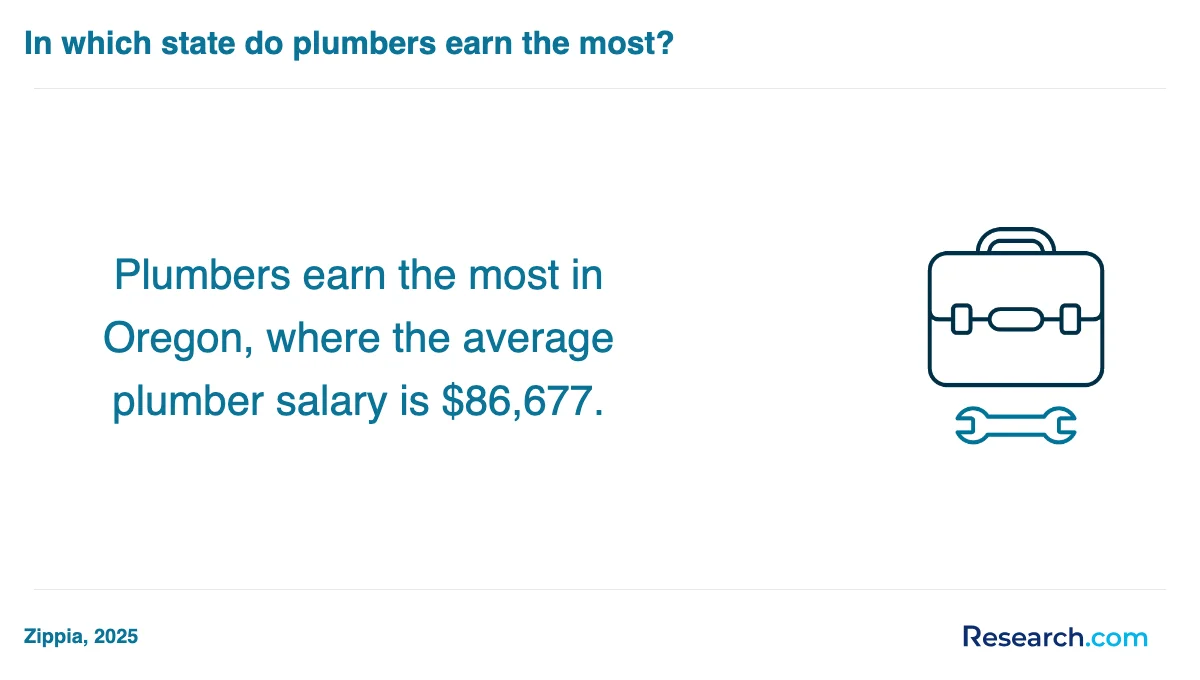
After finishing a plumber trade school program in the West, you're stepping into a world where the paycheck quickly reflects your hard work. Graduates from popular trade schools in states like Oregon, Washington, and California often find themselves earning well above the national average right out of the gate. Imagine starting your career making between $50,000 and $52,000 annually, just like many apprentices fresh from their hands-on training.
One recent graduate shared how moving to Oregon boosted their income to an average of $93,600 a year, turning dreams of financial independence into reality sooner than expected. In Washington, graduates report earning around $89,754, which feels like a solid reward for all those late nights mastering pipe layouts and water systems.
If you're in California, entry-level plumbers often start near $59,000, a figure that really shines against the backdrop of bustling city life. Hourly wages ranging from $28.60 to $34.21 feel tangible when you picture clocking overtime or earning extra for specialty certifications. Many grads see their salaries jump to $70,000 within just a few years, turning their trade skills into lucrative careers filled with pride and steady growth.
- Plumber trade school programs in the Western US combine classroom learning, online courses, and hands-on apprenticeships lasting four to five years.
- Most programs require applicants to be at least 16 years old, with a high school diploma or GED recommended.
- Certificate programs cost between $3,000 and $15,000, while apprenticeships often provide paid work experience and have minimal tuition.
- Starting salaries for plumbers in the West range from $40,000 to $50,000 annually, with experienced plumbers earning $60,000 or more.
- Colorado projects a 31% job growth rate for plumbers over the next decade, driven by construction and infrastructure needs.
- Licensing usually requires completing an apprenticeship, passing an exam, and meeting state board requirements like background checks and training hours.
Completing a plumber trade school program in the West typically takes between six months to one year, depending on whether you choose a full-time or part-time schedule. Many graduates from well-known West Coast schools recall how intensive the hands-on training compressed into this timeframe made them feel both challenged and energized. Imagine diving into pipefitting labs one week and then mastering blueprint reading the next-this rapid pace keeps the excitement alive.
Some students find themselves amazed at how quickly they progress, especially when juggling classes with part-time jobs or family commitments. Popular trade schools in cities like Los Angeles and San Francisco often offer flexible evening courses, allowing apprentices to gain real-world experience during the day while advancing their skills at night.
The shared sentiment among recent graduates is a rewarding blend of confidence and readiness, fueled by immersive, practical lessons that prepare them to enter the workforce swiftly. This fast-tracked learning journey in the Western trade schools turns aspirations into actionable expertise in less than a year.
Online plumber trade school programs in the West often feel like having a flexible toolbox at your fingertips-graduates praise the ability to watch lectures anytime, juggling work and family while progressing at their own pace. One graduate shared how NexTech Academy's hybrid model let them absorb theory online and then hammer out real-world skills under a local mentor's watchful eye, filling the hands-on gap that pure online programs sometimes miss.
On-campus programs, popular in Western trade schools, are a different beast. Imagine stepping into a buzzing workshop where you get immediate feedback while tightening pipes and testing fixtures. Graduates say this direct contact with tools and instructors sparks confidence and keeps motivation high, especially for those who thrive on structure and peer camaraderie.
Since many Western states require documented hands-on hours for licensure, these immersive, face-to-face experiences often make licensing smoother. Online learners might need to hustle extra to secure apprenticeships, but both paths lead to the same destination: a skilled plumber ready for the West's workforce.
Dreaming about becoming a skilled plumber in the West? The average cost plumber trade school program West 2026 paints a varied picture. Take California community colleges where graduates share stories of investing around $2,000 annually in tuition if they're locals, while out-of-state peers brace for fees reaching $7,000 or more. One graduate reminisces about the challenge and pride balancing classes at Los Angeles Trade Technical College, where the average net price teetered near $6,800 for families within a modest income bracket. It's a real investment in their future.
Meanwhile, hopefuls in Idaho recall apprenticeship-focused programs offering a hands-on path ranging from $3,000 to $10,000, supported by scholarships that lightened the financial load. Montana's approach, through Montana State University Northern, stands out with a total cost hovering near $16,400, making some students feel like they're undertaking a marathon rather than a sprint.
Some Nevada grads cheer for the affordability of trade schools offering short, intensive plumbing courses under $1,500, or stretch their education across months with longer courses hitting about $3,000. Community colleges here charge per semester credits, keeping costs between $150 and $350 - a wallet-friendly option that doesn't skimp on quality education.
For many, apprenticeship programs combine real-world experience and classroom learning without draining savings, sometimes costing less than $1,000 total. These routes not only teach skills but foster pride and confidence, fueling dreams. If you're looking for easy trades that lead to high paying jobs, plumbing in the West stands tall as a solid choice with diverse tuition fees aligned to many budgets.
Imagine starting your plumbing journey at a top trade school in the West, where financial stress feels like a distant worry. Many graduates recall how federal aid, like Pell Grants or federal student loans, helped them cover tuition-if their program qualified for Title IV funding. Not every course makes the cut, especially shorter certificates or apprenticeships, so checking eligibility early is key.
State-level grants often feel like a hidden treasure. Some students at popular Western schools benefited from workforce development grants that wiped out tuition bills entirely. For example, plumbing students in Massachusetts described how MassHire Career Centers made their programs tuition-free, as long as they proved residency and met income criteria-turning dreams into reality without debt.
Scholarships tailored for plumbing careers are another bright spot. Graduates mention how awards like the Fluidmaster PHCC Scholarship or the Golden West Plumbing Scholarship eased their financial load, rewarding ambition and essays about their passion. Veterans found extra relief using GI Bill benefits, with VA-approved programs welcoming them with open arms.
These funding avenues create a supportive backdrop, letting students focus on mastering their craft without drowning in cost worries.
Jumping into a plumber trade school program in the West isn't a mysterious leap-it's a well-charted path lined with straightforward prerequisites that many graduates recall fondly as their first stepping stones. Most programs, like those at popular West Coast trade schools, expect you to have a high school diploma or GED. This foundation is crucial because it ensures you're ready to tackle the technical reading, math, and problem-solving skills plumbing demands.
Beyond academics, schools often look for:
- A genuine eagerness to get hands-on; many graduates share stories of how their excitement to "fix things" fueled their success.
- Basic physical fitness, since plumbing involves lifting and maneuvering in tight spaces-something every student at these schools quickly learns to appreciate.
- Sometimes, a valid driver's license is required, especially if the program includes off-campus internships or fieldwork.
One graduate from a well-known West trade school remembers being pleasantly surprised by the welcoming attitude toward beginners-no prior plumbing experience was needed, just a readiness to learn and a positive attitude. This openness reflects the hands-on nature of the programs, where passion often outweighs prior experience.

Plumber trade school programs in the West dive straight into the essentials with courses designed to build confidence and skill from day one. Imagine stepping into a bustling lab at a top Western school, where you'll master:
- Plumbing safety protocols-because knowing how to protect yourself and others is non-negotiable.
- Pipefitting and piping techniques-getting hands dirty installing pipes like a pro.
- Fixtures and faucets, valves, water heaters, and drainage systems-practical skills that graduates rave about for prepping them on real job sites.
- Reading blueprints and piping diagrams-turning complex drawings into clear action plans.
- Mechanical troubleshooting and advanced piping layouts-because every system has its quirks.
- Local and national plumbing codes like UPC and IPC-ensuring your work passes inspection without a hitch.
Many students from schools like Northwest Louisiana Technical Community College share how hands-on labs and apprenticeships transform theory into muscle memory. Tack on courses covering gas piping, pumps, and cross-connection control, and you're set to tackle any challenge a Western plumbing career throws at you.
Plumber trade school programs in the Western United States offer a dazzling palette of plumbing specialization programs in Western United States that prepare students for hands-on careers beyond just wrenches and pipes. Graduates rave about diving into Residential Plumbing, mastering the art of fixing household leaks and installing fixtures in cozy homes. Others find excitement in Commercial Plumbing, where large buildings' complex water systems become their playground.
Special twists like Medical Gas Piping equip students to handle life-saving gas systems in hospitals-a crucial skill requiring approved training, as seen in Washington's 32-hour course. Meanwhile, Pipefitting and Steamfitting bring industrial muscle, teaching students to work with high-pressure steam and metal piping.
Backflow Prevention and Sprinkler Fitting open doors to public safety roles, making sure water doesn't reverse flow and that fire sprinklers stand ready. Gas Fitting adds another layer, including natural gas appliances-a specialization that graduates from programs like Western States College of Construction praise for blending science with trade history.
For those ready to commit, Seattle Area Pipe Trades Apprenticeship offers 3-5 year pathways blending HVAC Refrigeration, Plumbing, and Steamfitting. These programs are shining beacons of advanced plumbing certifications in Western US trade schools, empowering students to confidently enter the workforce.
For a deeper dive into quality training options, check out the vocational trade training schools available nationwide.
Choosing the best plumber trade school program in West means diving deep into programs that are state-approved and truly hands-on. Graduates from popular colleges in the region often rave about programs blending 576 classroom hours with thousands of on-the-job training hours, powering them through the journeyman exam with confidence. Imagine juggling evening classes while working days-many programs get that, offering flexible schedules that fit real lives.
When weighing options, look for the best accredited plumbing schools in the West, where curriculum covers everything from blueprint reading to OSHA safety standards, preparing you for local plumbing codes. Financially, some apprenticeships even pay while you learn, making early career steps less daunting.
To truly understand how to compare plumbing trade school costs in Western states, check if schools offer scholarships, state subsidies, or job placement help. Graduates often share how these perks eased their journey. For more insight on trade education paths, explore construction trade school options tailored to your goals.
Graduates from plumber trade school programs in the West quickly discover a wealth of plumber career opportunities in Western states unfolding before them. Those who trained at institutions like the College of Western Idaho or Western States College often start as journeyman plumbers after completing intense plumbing apprenticeship programs in the West, blending hands-on learning with classroom theory. Imagine stepping into a bustling job site, confidently handling pipes in residential homes one day and tackling complex industrial systems the next.
Some graduates choose paths to specialize: becoming pipefitters, steamfitters, septic tank servicers, or fire sprinkler installers, roles that often pay more and involve larger projects. Others pivot toward leadership-organizing teams as foremen or project managers, shaping their own plumbing businesses with technical and managerial savvy.
Many find joy exploring related trades like sprinkler fitting for commercial projects or industrial pipefitting in municipal infrastructure, thrilled by the challenge and diversity. The secret to success? Finding the right fit through programs that build strong foundational skills and offer real-world experiences through popular western trade schools.
For those curious about financial rewards, a trade school graduate salary can reflect these exciting opportunities, making the plumbing path a powerful choice.
The plumber job market in Western US is alive with opportunity, especially for those emerging from well-known trade schools in California and Washington. Graduates often share stories of landing jobs swiftly due to the region's steady demand fueled by booming construction and renovation projects. Entry-level salaries are among the highest nationwide: imagine starting at $59,000 in California or around $57,700 in Washington, with cities like San Francisco pushing that number close to $64,000.
Several factors keep the plumbing industry employment trends West vibrant:
- Ongoing infrastructure upgrades and water efficiency standards create specialized roles seeking trained hands
- Replacement of retiring plumbers means new openings regularly surface
- A shortage of licensed professionals drives competitive wages and faster hiring
Many graduates find rewarding work with plumbing contractors, government agencies, or even start their own businesses. If you're wondering why is college better than trade school for your career path, consider that hands-on training combined with this strong job market makes plumber trade schools in the West a compelling choice.
Most Affordable Plumber Schools & Training - Budget-Friendly Plumbing Trade Programs in West for 2026
# 1 position
San Diego City College - Plumbing Technology/Plumber.
associateSan Diego City College offers a hybrid Plumbing Technology/Plumber program that trains students to become licensed plumbers. The curriculum covers technical skills like pipe installation, welding, plumbing inspection, and blueprint reading. Students learn to work with various piping systems, including steam, natural gas, and hot water. The program is accredited by the Western Association of Schools and Colleges Accrediting Commission for Community and Junior Colleges. Annual in-state tuition is $1,150.
# 2 position
San Diego City College - Plumbing Technology/Plumber.
certificate or diplomaSan Diego City College offers a hybrid Plumbing Technology/Plumber program that prepares students to become licensed plumbers. The curriculum covers installation and maintenance of piping systems for various utilities, including steam, natural gas, and hot water. Instruction includes technical mathematics, blueprint reading, welding, plumbing inspection, and applicable codes. The program’s annual in-state tuition is $1,150 and it is accredited by the Western Association of Schools and Colleges Accrediting Commission for Community and Junior Colleges.
# 3 position
College of the Canyons - Plumbing Technology/Plumber.
certificate or diplomaThe Plumbing Technology/Plumber program at College of the Canyons prepares students to become licensed plumbers by teaching skills in laying out, assembling, installing, and maintaining piping systems for various applications. The curriculum includes instruction in water distribution, waste removal, pressure adjustment, technical mathematics, blueprint reading, welding, soldering, and plumbing codes. Annual in-state tuition is $1,176. The program is accredited by the Western Association of Schools and Colleges Accrediting Commission for Community and Junior Colleges.
# 4 position
Orange Coast College - Plumbing Technology/Plumber.
certificate or diplomaOrange Coast College offers a hybrid Plumbing Technology/Plumber program designed to prepare students for licensed plumbing careers. The curriculum covers installation and maintenance of piping systems for various utilities, including steam, natural gas, and water. Instruction includes technical mathematics, blueprint reading, welding, plumbing inspection, and relevant codes. The program is accredited by the Western Association of Schools and Colleges Accrediting Commission for Community and Junior Colleges. Annual in-state tuition is $1,208.
# 5 position
Salt Lake Community College - Plumbing Technology/Plumber.
associateSalt Lake Community College offers a hybrid Plumbing Technology/Plumber program that prepares students to become licensed plumbers. The curriculum covers installation and maintenance of piping systems for various utilities, including steam, natural gas, and hot water. Instruction includes technical math, blueprint reading, welding, plumbing codes, and more. The program is accredited by the Northwest Commission on Colleges and Universities. Annual in-state tuition is $4,257.
# 6 position
College of San Mateo - Plumbing Technology/Plumber.
certificate or diplomaThe Plumbing Technology/Plumber program at College of San Mateo offers a hybrid format with some distance-education options. It prepares students to become licensed plumbers by teaching skills to install and maintain piping systems for various uses, including steam, natural gas, and water. The curriculum covers technical math, blueprint reading, welding, plumbing inspection, and relevant codes. Annual in-state tuition is $1,332. The program is accredited by the Western Association of Schools and Colleges Accrediting Commission for Community and Junior Colleges.
# 7 position
Diablo Valley College - Plumbing Technology/Plumber.
associateDiablo Valley College offers a hybrid Plumbing Technology/Plumber program that prepares students to become licensed plumbers. The curriculum covers installation and maintenance of piping systems for various applications, including steam, natural gas, and hot water. Instruction includes technical mathematics, blueprint reading, welding, and plumbing codes. The annual in-state tuition is $1,312. The program is accredited by the Western Association of Schools and Colleges Accrediting Commission for Community and Junior Colleges.
# 8 position
Diablo Valley College - Plumbing Technology/Plumber.
certificate or diplomaDiablo Valley College offers a hybrid Plumbing Technology/Plumber program that trains students to install and maintain piping systems for various applications, including steam, natural gas, and water distribution. The curriculum covers blueprint reading, technical mathematics, welding, plumbing inspection, and relevant codes. The program is accredited by the Western Association of Schools and Colleges Accrediting Commission for Community and Junior Colleges. Annual in-state tuition is $1,312.
# 9 position
College of Southern Nevada - Plumbing Technology/Plumber.
associateThe Plumbing Technology/Plumber program at College of Southern Nevada offers a hybrid format with some distance-education options. It prepares students to become licensed plumbers by teaching technical skills for installing and maintaining piping systems in residential and commercial settings. Instruction covers water distribution, waste removal, pressure adjustment, blueprint reading, welding, and applicable codes. The annual in-state tuition is $4,110. The program is accredited by the Northwest Commission on Colleges and Universities.
# 10 position
North Idaho College - Plumbing Technology/Plumber.
associateNorth Idaho College offers a hybrid Plumbing Technology/Plumber program that trains students to become licensed plumbers. The curriculum covers installation and maintenance of piping systems for various uses, including steam, natural gas, and hot water. Instruction includes technical mathematics, blueprint reading, welding, plumbing codes, and inspection. The program’s annual in-state tuition is $3,396. It is accredited by the Northwest Commission on Colleges and Universities.
Frequently Asked Questions about plumber
After completing a plumber trade school in West, preparing for the job market involves several key steps. First, obtaining a plumbing license is essential, as most employers require state certification, which usually involves passing an exam and completing a set number of work hours.
Next, building practical experience through apprenticeships or entry-level jobs helps develop skills employers seek. According to the U.S. Bureau of Labor Statistics, plumbers in the West earn a median annual wage of about $60,000, highlighting good earning potential.
Networking with local unions and trade organizations can provide job leads and professional support. Additionally, creating a strong resume that highlights technical skills and certifications increases employability.
Employers in West highly value plumber trade school graduates who possess strong technical skills, including pipefitting, soldering, and reading blueprints. According to the U.S. Bureau of Labor Statistics, practical knowledge of local plumbing codes and safety regulations is critical for job readiness. Graduates who demonstrate proficiency in using modern tools and technology, such as video inspection equipment, are more competitive.
Soft skills like problem-solving, communication, and teamwork are also essential. A 2023 survey by the National Association of Home Builders highlighted that 68% of employers in West prefer candidates with good customer service abilities. Time management is another key skill, ensuring projects meet deadlines efficiently.
Finding internships in West that align with plumber trade school programs requires a strategic approach. Start by contacting local trade unions and apprenticeship programs, which often collaborate with trade schools to provide hands-on training opportunities. According to the U.S. Department of Labor, registered apprenticeship programs in plumbing typically combine paid work experience with classroom instruction, making them ideal for students.
Additionally, many community colleges and technical schools in West maintain partnerships with regional plumbing contractors. These schools often have career services offices that assist students in securing internships. Exploring job boards specific to West's construction and plumbing industries can also yield relevant openings.
Networking is crucial; attending local industry events and trade shows can connect students with potential employers. Finally, verify that any internship complies with state licensing requirements, ensuring the experience counts toward certification or journeyman status in West.
Obtaining a plumber trade school diploma in West significantly enhances career mobility and advancement opportunities. According to the U.S. Bureau of Labor Statistics, plumbing jobs in the region are projected to grow by 8% from 2022 to 2032, faster than the average for all occupations. This growth increases demand for skilled workers holding formal credentials.
A diploma provides foundational skills and practical training that employers in West highly value. Graduates often qualify for apprenticeships and entry-level positions, which are critical steps toward becoming licensed plumbers. Licensed plumbers in West typically earn higher wages and have greater job security.
Furthermore, trade school credentials enable workers to specialize in areas such as pipefitting or water supply systems, expanding their career options. Data from the West Department of Labor shows that diploma holders experience a 15% higher employment rate within the first year after graduation compared to those without formal training.
Part-time job opportunities in West that complement plumber trade school education often include roles such as plumbing apprenticeships, maintenance assistant positions, and hardware store clerks specializing in plumbing supplies. These jobs provide hands-on experience with tools, materials, and customer service skills essential for a plumbing career.
The U.S. Bureau of Labor Statistics reports that plumbing apprenticeships in the region typically pay between $15 and $20 per hour, offering both income and practical learning. Working in maintenance or facilities support roles also helps students understand building systems, which is valuable for plumber training.
Additionally, hardware stores in West often look for knowledgeable employees who can assist customers, giving students exposure to plumbing products and problem-solving scenarios. These part-time jobs align well with class schedules and help build a professional network in the local trades community.
To choose the most affordable plumbing degree program near me, consider researching local community colleges or vocational schools that offer specialized training in plumbing, often at a lower cost than larger universities. Near West areas, you might find technical institutions that provide comprehensive programs focusing on practical skills and certification that can lead to job placement. Utilizing resources like Research.com can help you compare rates and offerings from various programs to determine the best value for your educational investment.
- Trade School vs. College: Pros and Cons | SharkBite https://www.sharkbite.com/us/en/resources/blog/industry-insights/plumber-spotlights/trade-school-vs-college-heres-what-you-need-to-consider
- Plumbing Trade School and Apprenticeship Guide | Interplay https://www.interplaylearning.com/blog/plumbing-trade-school-a-built-in-apprenticeship/
- 5 Things To Expect From a Plumbing Program at Trade School | Miller-Motte College https://www.miller-motte.edu/what-to-expect-from-plumbing-program/
- Benefits of Becoming a Plumber - Consider a Future in Plumbing | Justice Plumbing https://www.justiceplumbing.com/blog/2021/july/benefits-of-becoming-a-plumber/
- How Long Does a Plumber Have to Train Before Becoming a Professional? https://www.getservicebox.com/post/how-long-does-a-plumber-have-to-train-before-becoming-a-professional
- Choosing a Career in the Plumbing Trade | HoldRite https://www.holdrite.com/ca/en/construction-careers
- The job market for plumbers in the United States - CareerExplorer https://www.careerexplorer.com/careers/plumber/job-market/
- Plumber Jobs in Poland | NRL Recruitment https://www.nrl.co.uk/Plumber-jobs-in-Poland
- Plumbing Jobs in Western Suburbs Melbourne VIC - Aug 2025 | SEEK https://www.seek.com.au/plumbing-jobs/in-Western-Suburbs-Melbourne-VIC
- Plumbers, Pipefitters, and Steamfitters : Occupational Outlook Handbook: : U.S. Bureau of Labor Statistics https://www.bls.gov/ooh/construction-and-extraction/plumbers-pipefitters-and-steamfitters.htm