Most Affordable Plumber Schools & Training - Budget-Friendly Plumbing Trade Programs in California for 2026

Co-Founder and Chief Data Scientist
Choosing the right plumber trade school in California can shape your future career and open doors to steady work and good income. Our article introduces the most affordable options for 2026, helping you find programs that fit your goals and budget.
The plumber trade school programs ranking was created by the Research.com team of data scientists to guide you toward quality schools worth considering. Reading this article will give you confidence and clarity as you pursue a valuable diploma or certification in plumbing.
Start your journey with the right information and take a step closer to a rewarding trade career.
Key benefits of finishing plumber trade school in California
- Graduates from plumber trade schools in California can expect starting salaries around $46,000 annually, with opportunities to earn up to $110,000+ as they gain experience and certifications.
- A typical graduate from a popular California trade school can pursue careers as entry-level plumbers, journeymen, or even start their own plumbing business, enjoying diverse and rewarding job options.
- Completing a plumber trade school online offers flexibility and faster completion times, allowing graduates to enter the workforce sooner while balancing personal commitments, as seen with many successful online program alumni.
- Most Affordable Plumber Schools & Training - Budget-Friendly Plumbing Trade Programs in California for 2026
- What can I expect from plumber trade schools in California?
- Where can I work after finishing plumber trade schools in California?
What can I expect from plumber trade schools in California?
Students enrolled in plumber trade school programs in California can expect a blend of classroom instruction and hands-on training that prepares them for real-world plumbing challenges. Popular programs at community colleges and technical schools combine lessons on blueprint reading, pipe fitting, and California Plumbing Code compliance with practical skills like crew leadership and customer communication.
Graduates often describe balancing evening classes with day jobs under licensed plumbers, reflecting the common "earn-as-you-learn" apprenticeship model. For example, those attending a program like Kern Community College District benefit from 144 annual hours of focused instruction while gaining valuable on-the-job experience.
Programs vary in length, from short certificate courses to multi-year apprenticeships, with some associate degrees providing up to three years of credit toward state licensing requirements. Many students appreciate the supportive environment and structured pathways that help them build confidence and competence in this physically demanding but rewarding trade.
Financial aid and flexible payment options are often available, making these programs accessible to a broad range of California residents eager to launch a fulfilling plumbing career.
Where can I work after finishing plumber trade schools in California?
Graduates from plumber trade schools in California typically find employment in diverse roles such as apprentice plumber, plumbing technician, or plumbing helper. These positions are available with local plumbing companies, large contractors, service firms, and maintenance departments within commercial or institutional facilities. For example, many students from well-known trade schools in California benefit from partnerships that connect them directly with employers, ensuring a smoother transition into paid apprenticeships and on-the-job training.
In real-world terms, graduates often work on residential repair projects, commercial building maintenance, or infrastructure upgrades. Union apprenticeship programs in Southern California place students in paid training roles on both residential and commercial sites, allowing them to gain valuable experience while earning income. After accumulating the required work experience and licensure, many graduates advance to become licensed plumbing contractors, enabling them to start their own businesses or lead teams.
This career path offers both financial stability and opportunities for professional growth, with many graduates expressing satisfaction in their hands-on roles and steady employment prospects throughout California's booming construction and maintenance sectors.
After completing a plumber trade school program in California, graduates can expect starting salaries typically ranging from $30,000 to $47,500 annually. Many apprentices in popular California trade schools report beginning at around $22.50 per hour, which translates to roughly $46,800 yearly. These earnings vary by location-apprentices in San Diego may earn between $15 and $23.25 hourly, while those in larger cities like Los Angeles or San Francisco often see higher wages due to increased demand and living costs.
As experience grows, so does pay. Graduates who advance to journeyman status in California, especially in cities like San Diego, commonly earn up to $46.88 per hour, surpassing $90,000 annually when working full time. Trade school alumni often share how this jump in income positively transformed their lifestyle, enabling stability and growth.
Seasoned plumbers with master licenses or specialized skills can earn well over $114,000. Working in commercial or emergency repair sectors often enhances earning potential beyond residential plumbing roles, reflecting the diverse opportunities available after training in California's reputable plumber trade schools.
- Applicants must be at least 18 years old, have a high school diploma or GED, and hold a valid California driver's license.
- Apprenticeship programs last about four years, combining 800 hours of classroom instruction with 7,200 hours of on-the-job training.
- Tuition costs range from $1,200 to $15,000, but apprentices earn wages while training under licensed contractors.
- Starting salaries for new plumbers in California range from $45,000 to $55,000 per year, with experienced plumbers earning up to $100,000 annually or more.
- Becoming a licensed plumbing contractor requires four years of experience, including at least one year of hands-on field work.
The typical completion time for a plumber trade school program in California ranges from 6 months to 1 year, depending on the school and the intensity of the curriculum. Many popular trade schools in the state offer accelerated courses that allow students to finish faster while gaining hands-on experience essential for plumbing careers.
Graduates often share how the condensed schedules helped them quickly transition from classroom learning to real-world apprenticeships. For example, at well-known California trade schools, students have expressed satisfaction with programs that blend technical training and practical application, enabling them to feel confident and job-ready within a year.
This efficient timeline suits those eager to enter the workforce promptly, balancing financial and time commitments. The immersive nature of these programs, often including on-site labs and simulated plumbing scenarios, makes the learning process engaging and rewarding. Students frequently describe a sense of accomplishment as they master skills like pipe fitting and blueprint reading in a relatively short period.
The primary difference between online and on-campus plumber trade school programs in California centers on delivery style and hands-on training opportunities. Graduates from popular California trade schools often highlight that online programs offer unmatched flexibility, allowing them to balance coursework with work or family commitments. For example, a student juggling a day job found the self-paced online curriculum ideal, completing courses in as little as six months. Tuition for these programs generally ranges from $2,000 to $10,000, making them more affordable by eliminating commuting and housing expenses.
Conversely, on-campus programs at community colleges or technical schools provide structured schedules and direct interaction with instructors. Graduates frequently praise the immediate access to specialized plumbing equipment and face-to-face labs, which accelerate skill mastery. Many appreciate networking opportunities with local employers and trade unions, vital for securing apprenticeships. Certificate programs can be completed in under a year, while associate degrees take longer but offer deeper training.
While online courses cover theory effectively, California licensing boards emphasize hands-on experience gained best through on-campus labs or apprenticeships, ensuring graduates feel confident and job-ready.
The average cost plumber trade school California students can expect varies widely depending on the program type and school. Short-term certificate programs, favored by many graduates for their quick return to the workforce, typically cost around $2,500. These programs provide essential hands-on training, allowing students to enter entry-level roles rapidly and start gaining practical experience.
For those seeking more comprehensive education, associate degree plumbing programs range from $9,000 to $30,000. Graduates from such programs often highlight the depth of technical knowledge and increased job placement support they received. Community colleges in California offer a more affordable pathway, with tuition fees averaging $1,997 annually for in-state students and $7,123 for out-of-state students, making them a popular choice among locals balancing budget constraints.
Besides tuition fees plumbing programs California also come with additional costs such as books, specialized tools, uniforms, and living expenses. These extra costs can range from $500 to $10,000 depending on individual circumstances. Many successful students recount initial concerns about these costs but emphasize how financial aid, scholarships, and grants-such as those provided by national organizations-substantially eased their burden.
For students exploring alternatives, apprenticeships offer a paid training route that typically spans 4 to 5 years, allowing trainees to earn wages while learning. When researching options, it's valuable to consider vocational trade programs that match personal goals, budget, and learning preferences to maximize educational investment.
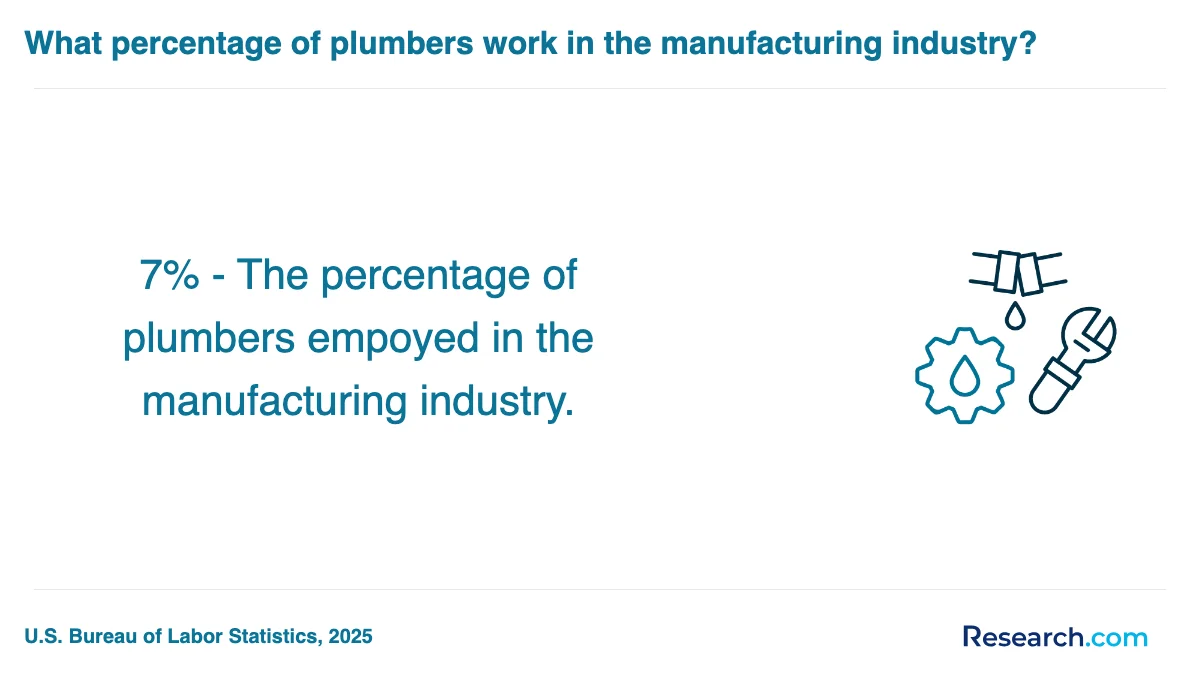
Plumber trade school students in California typically access financial aid through federal programs by submitting the FAFSA, which evaluates eligibility for grants, loans, and work-study opportunities. Graduates from well-known local institutions often share how federal aid significantly eased their tuition burdens, enabling them to focus on hands-on training without overwhelming debt. Many of these programs require the school to be accredited, ensuring students qualify for such support.
State-specific aid like the Cal Grant program also plays a crucial role. California residents attending recognized trade schools can receive Cal Grant A or B, assisting with tuition and living expenses. For example, students at popular community colleges offering plumbing programs benefit from the California College Promise Grant, which waives enrollment fees for low-income learners, reducing financial stress during training.
Some students ineligible for federal aid turn to scholarships and flexible payment plans offered by trade schools, or alternative funding through workforce development boards. These options helped graduates maintain positive momentum, allowing them to complete their certification and enter the workforce confidently, despite financial challenges.
Enrolling in a plumber trade school program in California typically requires a few key prerequisites that set the foundation for success. Most schools expect applicants to have a high school diploma or GED, ensuring basic proficiency in math and reading-skills crucial for interpreting blueprints and technical manuals. For example, graduates from popular California trade schools often recall how their solid math backgrounds made mastering pipe measurements and water flow calculations much smoother.
Beyond academic credentials, schools usually require proof of age-typically 18 years or older-and valid identification. A physical fitness assessment might also be part of the process, reflecting the demanding nature of plumbing work involving heavy lifting and manual dexterity.
Many programs recommend or require applicants to have some hands-on experience or familiarity with basic tools. Graduates frequently share how early exposure to plumbing tasks, whether through part-time work or family projects, boosted their confidence and accelerated their learning curve at institutions like those in Los Angeles or Sacramento.
- High school diploma or GED
- Minimum age of 18
- Physical fitness for manual labor
- Basic knowledge or experience with tools
This combination of requirements ensures students enter trade schools prepared, motivated, and physically ready, contributing to a positive, engaging learning experience that graduates often describe as both challenging and rewarding.
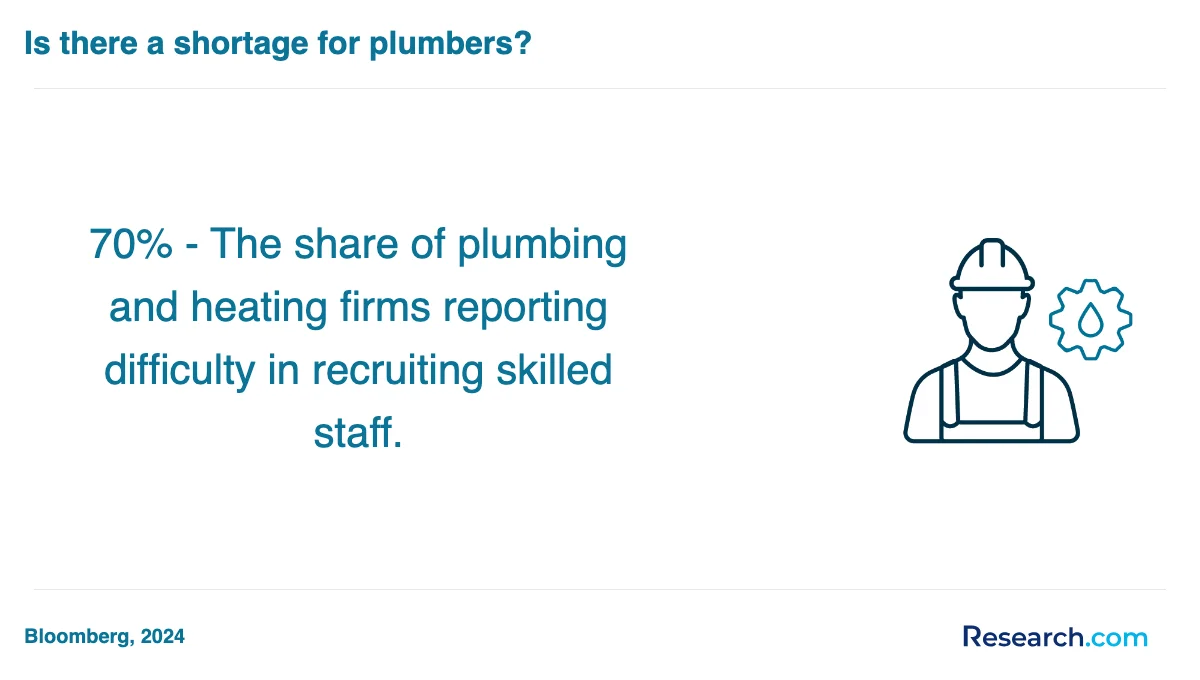
Plumber trade school programs in California typically include a diverse range of courses that build both technical skills and practical knowledge essential for the field. Graduates from popular schools like Diablo Valley College emphasize how foundational classes cover plumbing trade introduction, including local codes and safety practices, which prepare students for real job sites.
Key coursework often involves:
- Trade math: concepts like geometry and pipe measurements ensure precise installations.
- Blueprint reading and drawing: students learn to interpret and execute building plans accurately.
- Plumbing codes: focused study on California's local and national regulations guarantees compliance.
- Water systems: residential and commercial water supply, drainage, waste disposal, and venting.
- Pipe joining techniques: hands-on training in soldering, brazing, cutting, and welding with materials like copper and steel.
Specialized modules include fixtures, valves, water heaters, and backflow prevention. Some programs even offer medical gas installation and industrial safety, reflecting the evolving plumbing landscape. Graduates frequently report gaining confidence through practical labs and multi-year apprenticeships, which foster both skill mastery and customer service abilities vital for thriving in California's plumbing industry.
Plumbing trade schools in California offer a range of focused specializations to prepare students for various roles within the plumbing industry. Common areas include residential plumbing, where graduates confidently handle installation and repair of fixtures in homes, ensuring compliance with local codes. Commercial plumbing specialization trains students to manage complex systems in business and public buildings, a skill highly valued by employers. Industrial plumbing courses equip students to work in factories, mastering safety and materials unique to industrial settings.
Other notable specializations include pipefitting, which centers on designing piping systems for heating and cooling, and green plumbing, which involves sustainable practices like water conservation. Graduates from Diablo Valley College appreciate how these specializations blend theory with hands-on work, making them job-ready. Similarly, students at Foothill College highlight their apprenticeship programs' real-world training that leads to certifications and industry connections.
Many aspiring plumbers benefit from exploring programs and even can you do community college online options to balance training with personal commitments.
When selecting the best plumbing trade schools in California, accreditation and licensing are critical factors. Graduates often highlight the value of programs accredited by recognized bodies like NCCER, ensuring their training aligns with California's state licensing requirements. For example, apprentices at PHCC Academy of San Diego appreciate the balance of classroom instruction and hands-on training, which builds confidence and practical skills essential for the job.
Affordability is key for many students seeking affordable plumbing trade schools in California. Schools like Summit College offer flexible program options combining certificate courses with essential math and plumbing knowledge, fitting students' schedules and budgets. Proximity also plays a role, as convenient location reduces commute stress, which graduates frequently mention as improving their overall learning experience.
Programs that provide financial aid, such as scholarships and loans at PHCC Vocational School in Anaheim, are often praised by students who felt supported throughout their studies. Researching schools with strong reputations and high job placement rates can significantly impact career success. For students looking into trade schools, careers with stable futures may be easier to achieve by choosing wisely. Explore detailed insights on trade schools careers for further clarity.

Graduates of plumber trade school programs in California typically start as apprentice plumbers or plumbing technicians, gaining practical experience through structured programs offered by local unions and trade schools. These entry-level roles involve hands-on work in residential and commercial plumbing systems, setting the foundation for career growth. Many graduates from popular California trade schools report high satisfaction with this phase, appreciating the blend of classroom theory and real-world application.
After acquiring the requisite journeyman-level experience, plumbers can advance to licensed journeyman status, opening access to a wider range of plumbing contractor jobs in California. Journeyman plumbers enjoy unsupervised work and increased earning potential, often filling over 370 job openings statewide as of 2025.
Experienced plumbers frequently pursue the C-36 Plumbing Contractor License, which enables them to operate their own business and bid on large-scale projects. Career paths also include specialized fields such as green plumbing, water heater installation, and advanced pipefitting, which adds variation and upward mobility to plumber career opportunities in California.
- Apprentice plumber or plumbing technician positions for hands-on training
- Journeyman plumber roles offering independence and diverse project work
- Licensing as plumbing contractors to start businesses or lead teams
- Specialized trades within plumbing to match personal interests
Many graduates reflect positively on how their trade school experiences prepared them for these paths, emphasizing the value of practical skills and industry connections. For those exploring easiest trades that pay well, plumbing in California presents robust opportunities supported by a strong job market, steady wage growth, and clear professional advancement routes.
The plumber job outlook in California remains robust, driven by a statewide plumbing employment total of 45,460 as of 2024, topping major states such as Texas and Florida. Graduates from popular trade schools in California consistently find opportunities in both urban hubs like Los Angeles and more rural areas, thanks to an industry growth rate averaging 2.8% annually through 2025. Many graduates share that hands-on training from well-regarded programs translates to immediate job readiness, with employers valuing practical skills highly.
Salaries reflect strong demand: average annual earnings reach $77,940, with metropolitan areas offering even higher wages, occasionally surpassing $120,000. Apprentices typically start at around $52,000, moving up to six-figure incomes as experience and licensing increase.
The California plumber employment growth rate is bolstered by over 132,000 plumbing businesses statewide, mostly small firms, ensuring diverse employment avenues or the chance to start independent ventures. Positive feedback from graduates often highlights stable, recession-resistant careers, supported by increasing demand for water conservation and smart systems expertise.
For students deciding between academic paths, resources like is it better to go to college or trade school help clarify plumbing as a viable, growth-oriented career choice in California.
Most Affordable Plumber Schools & Training - Budget-Friendly Plumbing Trade Programs in California for 2026
# 1 position
San Diego City College - Plumbing Technology/Plumber.
associateSan Diego City College offers a hybrid Plumbing Technology/Plumber program that trains students to become licensed plumbers. The curriculum covers technical skills like pipe installation, welding, plumbing inspection, and blueprint reading. Students learn to work with various piping systems, including steam, natural gas, and hot water. The program is accredited by the Western Association of Schools and Colleges Accrediting Commission for Community and Junior Colleges. Annual in-state tuition is $1,150.
# 2 position
San Diego City College - Plumbing Technology/Plumber.
certificate or diplomaSan Diego City College offers a hybrid Plumbing Technology/Plumber program that prepares students to become licensed plumbers. The curriculum covers installation and maintenance of piping systems for various utilities, including steam, natural gas, and hot water. Instruction includes technical mathematics, blueprint reading, welding, plumbing inspection, and applicable codes. The program’s annual in-state tuition is $1,150 and it is accredited by the Western Association of Schools and Colleges Accrediting Commission for Community and Junior Colleges.
# 3 position
College of the Canyons - Plumbing Technology/Plumber.
certificate or diplomaThe Plumbing Technology/Plumber program at College of the Canyons prepares students to become licensed plumbers by teaching skills in laying out, assembling, installing, and maintaining piping systems for various applications. The curriculum includes instruction in water distribution, waste removal, pressure adjustment, technical mathematics, blueprint reading, welding, soldering, and plumbing codes. Annual in-state tuition is $1,176. The program is accredited by the Western Association of Schools and Colleges Accrediting Commission for Community and Junior Colleges.
# 4 position
Orange Coast College - Plumbing Technology/Plumber.
certificate or diplomaOrange Coast College offers a hybrid Plumbing Technology/Plumber program designed to prepare students for licensed plumbing careers. The curriculum covers installation and maintenance of piping systems for various utilities, including steam, natural gas, and water. Instruction includes technical mathematics, blueprint reading, welding, plumbing inspection, and relevant codes. The program is accredited by the Western Association of Schools and Colleges Accrediting Commission for Community and Junior Colleges. Annual in-state tuition is $1,208.
# 5 position
Diablo Valley College - Plumbing Technology/Plumber.
associateDiablo Valley College offers a hybrid Plumbing Technology/Plumber program that prepares students to become licensed plumbers. The curriculum covers installation and maintenance of piping systems for various applications, including steam, natural gas, and hot water. Instruction includes technical mathematics, blueprint reading, welding, and plumbing codes. The annual in-state tuition is $1,312. The program is accredited by the Western Association of Schools and Colleges Accrediting Commission for Community and Junior Colleges.
# 6 position
Diablo Valley College - Plumbing Technology/Plumber.
certificate or diplomaDiablo Valley College offers a hybrid Plumbing Technology/Plumber program that trains students to install and maintain piping systems for various applications, including steam, natural gas, and water distribution. The curriculum covers blueprint reading, technical mathematics, welding, plumbing inspection, and relevant codes. The program is accredited by the Western Association of Schools and Colleges Accrediting Commission for Community and Junior Colleges. Annual in-state tuition is $1,312.
# 7 position
College of San Mateo - Plumbing Technology/Plumber.
certificate or diplomaThe Plumbing Technology/Plumber program at College of San Mateo offers a hybrid format with some distance-education options. It prepares students to become licensed plumbers by teaching skills to install and maintain piping systems for various uses, including steam, natural gas, and water. The curriculum covers technical math, blueprint reading, welding, plumbing inspection, and relevant codes. Annual in-state tuition is $1,332. The program is accredited by the Western Association of Schools and Colleges Accrediting Commission for Community and Junior Colleges.
# 8 position
Summit College - Plumbing Technology/Plumber.
certificate or diplomaA program that prepares individuals to practice as licensed plumbers by applying technical knowledge and skills to lay out, assemble, install, and maintain piping fixtures and systems for steam, natural gas, oil, hot water, heating, cooling, drainage, lubricating, sprinkling, and industrial processing systems in home and business environments. It includes instruction in source determination, water distribution, waste removal, pressure adjustment, basic physics, technical mathematics, blueprint reading, pipe installation, pumps, welding and soldering, plumbing inspection, and applicable codes and standards. Accredited by the Accrediting Council for Continuing Education & Training.
# 9 position
Mission College - Plumbing Technology/Plumber.
certificate or diplomaThe Plumbing Technology/Plumber program at Mission College offers a hybrid format with some distance-education options. It trains students to become licensed plumbers by teaching skills in installing and maintaining piping systems for various uses, including steam, natural gas, and hot water. The curriculum covers technical mathematics, blueprint reading, welding, plumbing inspection, and applicable codes. The annual in-state tuition is $1,438. The program is accredited by the Western Association of Schools and Colleges Accrediting Commission for Community and Junior Colleges.
# 10 position
Foothill College - Plumbing Technology/Plumber.
associateFoothill College offers a hybrid Plumbing Technology/Plumber program that trains students to become licensed plumbers. The curriculum covers installation and maintenance of piping systems for various applications, including steam, natural gas, and water distribution. Instruction includes technical mathematics, blueprint reading, welding, and plumbing codes. The program is accredited by the Western Association of Schools and Colleges Accrediting Commission for Community and Junior Colleges. Annual in-state tuition is $1,565.
Frequently Asked Questions about plumber
After completing plumber trade school in California, graduates should focus on gaining practical experience through apprenticeships or entry-level positions. The California Department of Industrial Relations reports that licensed plumbers earn a median wage of about $30 per hour, but experience significantly boosts earning potential.
Obtaining a California state plumbing license is crucial. This requires passing the contractor's exam and meeting work-hour requirements, typically 4,000 hours of supervised experience. Networking with local unions and trade organizations like UA Local 342 can open valuable job opportunities.
Continuing education is also important to stay updated on California plumbing codes and new technologies, which enhances employability and career growth.
Employers in California seek plumber trade school graduates who possess a solid foundation in technical skills and practical experience. Key skills include proficiency in reading blueprints, installing and repairing piping systems, and knowledge of local plumbing codes. According to the California Department of Industrial Relations, understanding safety regulations and proper use of tools is critical for workplace safety.
Strong problem-solving abilities are also essential, as plumbers often diagnose complex issues under time constraints. Communication skills matter too, since plumbers coordinate with clients and contractors on project details.
The California Employment Development Department reports that employers value graduates who complete accredited programs with hands-on training, which boosts readiness for the California state licensing exam and entry-level positions.
Finding internships relevant to plumber trade school programs in California involves several strategic steps. First, students should connect with their school's career services or apprenticeship coordinators, as many trade schools partner with local plumbing contractors and unions to offer internship opportunities. The California Department of Industrial Relations provides a list of registered apprenticeship programs in plumbing, which can serve as a valuable resource.
Additionally, students can explore opportunities through the United Association (UA) Local 78, one of the largest plumbing unions in California, which offers apprenticeship and internship placements. Networking at industry events and job fairs also helps identify openings. According to the U.S. Bureau of Labor Statistics, apprenticeship programs in California typically combine on-the-job training with classroom instruction, making internships an essential part of plumbing education.
Obtaining a plumber trade school diploma in California significantly enhances career mobility and advancement opportunities. Graduates gain essential technical skills and foundational knowledge required for state licensing exams, a crucial step to becoming a certified journeyman plumber. According to the California Department of Industrial Relations, licensed plumbers earn a median wage of around $30 per hour, higher than unlicensed workers. Trade school credentials can also increase access to apprenticeships, which are often mandatory for career progression.
Moreover, the California Employment Development Department reports steady job growth in plumbing, projected at 10% through 2030, reflecting strong demand. A diploma signals commitment and competence to employers, facilitating promotions and higher responsibilities. Overall, a diploma acts as a valuable credential that can open doors to better-paying positions and long-term career stability in the plumbing industry.
California offers several part-time job opportunities that can effectively complement plumber trade school education. Positions such as plumbing apprentices, pipefitters, and construction laborers allow students to gain hands-on experience while continuing their studies. According to the U.S. Bureau of Labor Statistics, the demand for plumbers in California is expected to grow by 10% from 2022 to 2032, higher than the national average.
Working part-time on construction sites or with plumbing service companies helps students apply classroom knowledge in real-world settings. These roles often provide flexible hours to accommodate class schedules. Additionally, some employers offer paid apprenticeships, which combine on-the-job training with formal education, enhancing skill development and employability.
To find the most affordable plumber degree program near me in California, you can start by researching community colleges and trade schools in your area, as these institutions often offer plumbing programs at a lower cost compared to four-year universities. Additionally, using resources such as Research.com can provide valuable information on accredited programs and may help you identify the best options. Remember to compare tuition rates and financial aid opportunities at various schools near California to determine which program fits your budget.
- Most Affordable Plumber Schools & Training - Budget-Friendly Plumbing Trade Programs in Nevada for 2026
- Most Affordable Plumber Schools & Training - Budget-Friendly Plumbing Trade Programs in Arizona for 2026
- Most Affordable Plumber Schools & Training - Budget-Friendly Plumbing Trade Programs in Idaho for 2026
- Most Affordable Plumber Schools & Training - Budget-Friendly Plumbing Trade Programs in New Mexico for 2026
- Most Affordable Plumber Schools & Training - Budget-Friendly Plumbing Trade Programs in Kansas for 2026
- Most Affordable Plumber Schools & Training - Budget-Friendly Plumbing Trade Programs in Nebraska for 2026
- Most Affordable Plumber Schools & Training - Budget-Friendly Plumbing Trade Programs in North Dakota for 2026
- Most Affordable Plumber Schools & Training - Budget-Friendly Plumbing Trade Programs in Minnesota for 2026
- Most Affordable Plumber Schools & Training - Budget-Friendly Plumbing Trade Programs in Iowa for 2026
- Most Affordable Plumber Schools & Training - Budget-Friendly Plumbing Trade Programs in Missouri for 2026
- How to Become a Plumber in California - Plumbing Trade Schools https://www.best-trade-schools.net/locations/california/becoming-a-plumber/
- Plumbing Trade School - ABC Southern California https://abcsocal.org/education-training/plumbing-trade-school/
- Plumbing Trade School | Summit College https://summitcollege.edu/programs/trade-technical/plumbing/
- Foundations of Plumbing Online Career Training Program - Tools Included | Chico State Professional & Continuing Education https://rce.csuchico.edu/foundations-of-plumbing
- Plumbing | Diablo Valley College https://www.dvc.edu/academics/explore-our-programs/plumbing
- Programs | PHCC San Diego | California https://www.phccsd.org/academy-programs
- Online Foundations of Plumbing (Tools Included) from California State University - San Bernardino https://careertraining.csusb.edu/training-programs/plumbing-foundations-tools-included/
- Best Plumbing Schools in California | Learn How to Become https://toptradeschools.com/near-you/plumber/california/
- Choosing the Right Plumber Trade School: A Caring Step-by-Step Guide - Field Complete https://fieldcomplete.com/blog/industry-trends-and-innovations/choosing-the-right-plumber-trade-school-a-caring-step-by-step-guide
- Find an apprenticeship program https://www.dir.ca.gov/databases/das/aigstart.asp