
Best Plumber Training Programs & Trade Schools - Top Plumbing Schools in Miami for 2026

Co-Founder and Chief Data Scientist
If you're considering a career as a plumber in Miami, choosing the right trade school is a crucial first step. Our article introduces the best plumber trade schools in Miami for 2026 to guide you through this important decision.
The ranking featured here was developed by the Research.com team of data scientists, ensuring you get trustworthy and data-driven insights on the top programs available. Exploring these options can help you find a program that fits your goals and lifestyle.
Getting a diploma or certification in plumbing opens doors to rewarding job opportunities and skill development. This article aims to empower you on your path to a successful and fulfilling career.
Key benefits of finishing plumber trade school in Miami
- Graduates from plumber trade schools in Miami can expect an average annual salary around $62,542, with opportunities to earn up to $77,935 or more as they gain experience and certifications.
- A typical career path includes roles such as apprentice plumber, journeyman, and even specialized positions like Master Plumber or Pipe Foreman, offering strong growth potential.
- Completing a plumber trade school online offers flexibility and convenience, allowing students to balance work and study while gaining the same valuable skills as traditional programs, as many successful Miami graduates report.
- Best Plumber Training Programs & Trade Schools - Top Plumbing Schools in Miami for 2026
- What can I expect from plumber trade schools in Miami?
- Where can I work after finishing plumber trade schools in Miami?
What can I expect from plumber trade schools in Miami?
Enrolling in a plumber trade school program in Miami means committing to around 1,080 hours of combined classroom learning and hands-on training over approximately 10 months. Graduates from schools like Robert Morgan Educational Center & Technical College often describe the experience as intense but rewarding, with real plumbing simulation bays providing a chance to practice skills such as soldering, pipefitting, and pipe installation in a controlled environment.
Students can expect to master reading blueprints and interpreting plumbing codes, which are essential for working safely and effectively in residential, commercial, or industrial settings. Practical tasks, like installing water heaters or dishwashers, are balanced with understanding safety regulations and environmental concerns, creating a well-rounded skill set.
Many find the modular course structure helpful, earning certificates for roles such as Helper or Residential Plumber, which builds confidence and marks clear milestones. Flexible scheduling options, including evening classes, make it possible for working adults to pursue their goals without sacrificing income.
Ultimately, graduates feel prepared not only to assist licensed plumbers but to enter apprenticeships or the workforce immediately, often citing a strong sense of accomplishment and readiness for real-world challenges.
Where can I work after finishing plumber trade schools in Miami?
After finishing a plumber trade school program in Miami, graduates often find themselves stepping into a city teeming with opportunities. Many secure roles at private plumbing companies serving Miami's varied neighborhoods, from Kendall to Palmetto Bay. These jobs, such as Plumbing Service Technician or Journeyman Plumber, offer salaries ranging from $50,000 to $100,000 annually, making the path financially rewarding early on. Graduates from well-known Miami trade schools frequently share how apprenticeships and entry-level roles helped them build confidence and hands-on skills.
Others join public institutions like Jackson Health System or the University of Miami, where the work involves maintaining crucial infrastructure in hospitals or campuses. These positions provide steady employment, benefits, and room for upward mobility. Construction sites also employ many new plumbers, exposing them to dynamic projects that shape Miami's growing landscape.
Some graduates, energized by their training, choose to become independent contractors. With Miami's diverse communities and constant demand for plumbing services, self-employment offers flexibility and the chance to build a loyal client base. The city's nearly 450 active plumbing job postings highlight the strong market for skilled plumbers right after trade school completion.
After completing a plumber trade school program in Miami, graduates often find themselves earning an average annual salary of about $62,542. Many who start right after finishing programs at popular local trade schools earn between $54,111 and $71,036, depending on the certifications they've earned and the employers they join. For example, a recent graduate who began as an apprentice at a Miami plumbing company shared how their hourly wage started near $22 but quickly rose to around $30 within the first year by gaining hands-on experience and additional licenses.
Some graduates report even higher earnings, with experienced plumbers making up to $77,935 annually or more, especially when working on commercial projects or taking specialized roles like plumbing installation. Those who pursue overtime or emergency jobs, particularly in busy areas like Miami Beach, can see hourly rates soar above $40. This real-world growth shows how Miami's plumber trade schools open doors to steady, rewarding careers with clear financial progress.
- Applicants must be at least 16 years old and not enrolled in any K-12 program, and must pass the T.A.B.E. Assessment testing reading, math, and language skills.
- Programs typically require 1080 hours of instruction, which full-time students can complete in about 10 months.
- Public technical schools generally charge less than $5,000 for Florida residents to complete the program.
- Graduates earn certificates qualifying them for entry-level positions like plumber-helper or pipefitter.
- Entry-level plumbers in Miami earn between $35,000 and $45,000 annually, with hourly wages of $17 to $19.
- Completion of the program is important for state licensure, which enables higher earnings and career advancement.
Completing a plumber trade school program in Miami typically takes between six months and one year, depending on the school's curriculum and whether the student opts for full-time or part-time attendance. Graduates from well-known Miami trade schools often share how the intensive hands-on training, combined with classroom instruction, helped them quickly gain confidence in real-world plumbing tasks.
For example, many students appreciate the fast-paced nature of programs at popular Miami trade schools, where they spend significant time practicing installations and repairs on-site. This practical approach not only accelerates learning but also makes the experience engaging and rewarding.
Some graduates mention that the structured schedule allowed them to balance work and study, making the year-long commitment manageable without feeling overwhelmed. The ability to see daily progress and apply skills immediately creates a motivating environment, which is crucial for staying focused throughout the program.
In Miami's vibrant trade school community, the relatively short completion time means graduates can enter the workforce quickly, often feeling prepared and excited to start their plumbing careers.
The key difference between online and on-campus plumber trade school programs in Miami lies in how students engage with the material and develop practical skills. Graduates from online programs, such as those offered by Penn Foster, often appreciate the flexibility to study around work and family commitments. They describe the convenience of accessing lectures and exams anytime, which fits well with busy Miami lifestyles. However, many also mention feeling a gap when it comes to hands-on experience, crucial for mastering real plumbing tasks.
In contrast, students attending on-campus programs at Miami-Dade Technical Colleges emphasize the value of in-person instruction. They share stories of working directly with pipes and tools in workshops, gaining confidence through immediate feedback from instructors. This immersive environment not only builds skills but also fosters a supportive community, something online learners frequently miss. For those aiming to meet Florida's licensing requirements, this practical focus is often indispensable.
Average tuition fees for plumbing programs in Miami typically range between $10,000 and $15,000, depending on the institution and program length. For example, graduates from the South Florida Institute of Technology recall investing about $15,176 for a 63-week, 1,260-hour diploma program that covers residential and commercial plumbing, blueprint reading, gas systems, and green building techniques. These graduates often emphasize the program's comprehensive curriculum that balances theory with practical skills.
Others who chose the Florida International Training Institute (FITI) experienced a different pricing structure, with the cost of the 900-hour hybrid training program set at $10,730. When factoring in additional expenses such as books and supplies-$120 in FITI's case-the total cost reaches about $11,120. This model suits students new to the trade or those exploring a career change, providing hands-on lab work combined with theoretical instruction. Such a hybrid approach often makes expensive full-time schooling more accessible and flexible for working adults.
When evaluating the cost of plumbing trade school education in Miami, it's important to account for extra fees beyond tuition, including supplies, tools, and certification exam costs. Graduates frequently mention that while the financial investment is significant, scholarships and financial aid opportunities can alleviate the burden. Prospective students focused on successful career outcomes and considering various financial aid resources should explore trade school career paths to identify programs that align with both their budget and professional goals.
Plumber trade school students in Miami commonly rely on federal financial aid programs to make their education attainable. The Free Application for Federal Student Aid (FAFSA) is often the first step, unlocking access to Federal Pell Grants and student loans. Graduates from schools like South Florida Institute of Technology recall how Pell Grants, which can provide up to $7,395 for the 2025-2026 year, significantly eased their tuition burden without the stress of repayment.
Many students appreciate the flexibility of Direct Subsidized and Unsubsidized Loans, which offer lower interest rates than private alternatives. Miami trade schools typically have financial aid advisors who guide students through combining grants and loans effectively. For instance, at Florida Technical College, graduates often highlight the personalized support they received to tailor aid packages to their needs.
Institutional scholarships and payment plans further reduce financial pressure. South Florida Institute of Technology, for example, offers interest-free payment plans and grants for students with limited resources, allowing them to focus on learning rather than debt. These options create a manageable path to becoming a skilled plumber in Miami's competitive job market.
To enroll in a plumber trade school program in Miami, students typically must meet several prerequisites that ensure readiness for the hands-on and technical nature of the training. Most schools require a high school diploma or GED, reflecting the need for basic math and reading skills essential for understanding plumbing codes and blueprints.
Graduates from well-known Miami trade schools often share that having a strong foundation in problem-solving and mechanical aptitude is invaluable. For example, one graduate recalls how early mastery of measurements and tool handling made the transition to practical lab work smoother and more enjoyable.
Common prerequisites include:
- Minimum age requirement, usually 18 years or older
- Proof of residency or legal eligibility to study in the U.S.
- Basic physical fitness, as plumbing involves manual labor and sometimes working in confined spaces
- Completion of placement tests in math or reading, depending on the school's standards
Trade schools in Miami often encourage applicants to visit campuses or attend orientation sessions, where prospective students can envision themselves confidently operating plumbing tools and systems. This hands-on preview helps reduce anxiety and boosts motivation, making the prerequisite process feel more like an exciting first step rather than a barrier.
Plumber trade school programs in Miami typically include a range of courses that combine hands-on skills with essential theoretical knowledge. Graduates from popular Miami trade schools often highlight how foundational classes like Plumbing Tools and Safety prepared them to confidently handle equipment while maintaining strict safety standards on the job.
Core coursework usually covers:
- Installation of pipes and fixtures, ensuring students can tackle everyday plumbing tasks.
- Blueprint reading and adherence to state and local building codes, which are crucial for legal compliance and job success.
- System Maintenance and Repair, teaching how to identify and replace worn parts efficiently.
- Specialized tracks such as Helper, Residential Plumber, Commercial Plumber, and Pipefitter, with instructional hours ranging from 240 to 360 per focus area.
Many students appreciate the integration of Apprenticeship Training, combining classroom learning with real-world experience. For example, the Plumbing Contractors Association Apprenticeship Program's blend of 144 hours of technical instruction annually plus 8,000 hours of supervised work helps build confidence and deep practical understanding.
Additional courses on Residential and Commercial Plumbing Systems equip students to work across varied building types, while flexible online options offer adaptability for busy schedules. This well-rounded curriculum ensures graduates feel ready for certification and the diverse challenges of Miami's plumbing industry.
Plumber trade school programs in Miami offer distinct specializations tailored to various career paths. For instance, students pursuing residential plumbing training Miami often focus on installing and repairing household water systems, such as sinks, toilets, and water heaters. Graduates from FITI Schools regularly report increased confidence working on these everyday systems, appreciating the hands-on training that teaches soldering, pipe joining, and residential plumbing codes.
On the other hand, commercial plumbing courses Miami provide broader technical knowledge, including complex water supply, drain, waste, and vent systems in larger buildings. Students enrolled in the Professional Plumbing Course at FITI Schools highlight the value of blueprint reading and OSHA safety standards included in the curriculum, which prepare them for versatile job environments.
Other programs, like the one-year Plumber Preapprenticeship at Miami Dade College, focus on basic plumbing skills and tool safety, creating a solid foundation. Meanwhile, the Florida Plumbing Apprenticeship Program caters to those seeking a contractor license through extensive practical experience.
Those interested in exploring more options can find the best vocational trade online programs to complement their local studies.
Choosing the best plumbing schools in Miami means prioritizing programs with strong accreditation and certifications that meet Florida's licensing standards. Graduates often praise schools where instructors are not only certified but also bring decades of real-world plumbing experience, providing invaluable hands-on insights. For example, many students from Miami schools value the deeply practical training offered, where lab work and on-site experiences with actual plumbing systems build confidence before entering the workforce.
When evaluating plumbing training programs Miami offers, transparency in costs cannot be overlooked. Schools that clearly outline tuition, materials, and exam fees help students avoid surprises. Graduates frequently highlight how personalized financial guidance eased their decision-making process, making the investment feel worthwhile.
Finally, consider schools known within Miami's plumbing community for job placement support and local employer connections. Many amply successful alumni attribute their smooth career starts to such networks. For a broader view, it's useful to compare with the top construction trade programs nationwide to see how Miami's offerings stack up in terms of quality and reputation.
Graduates of plumber trade school programs in Miami find a variety of plumber career opportunities in Miami that cater to different interests and skill levels. Many start as plumber helpers, supporting licensed plumbers on residential or commercial sites, gaining hands-on experience with pipe installation and site prep. In Miami's booming construction environment, helpers quickly move into roles such as residential plumbers working on homes or commercial plumbers tackling larger-scale projects in offices and hospitals.
There are also apprenticeships available, often paid, providing a blend of on-the-job training and classroom instruction. Graduates from popular Miami trade schools praise these programs for helping them prepare for the Florida state licensing exam and earning nationally recognized credentials.
After licensing, plumbers can specialize as service plumbers focusing on repairs, or construction plumbers managing new installations. Some graduates choose entrepreneurship, starting their own plumbing business or becoming plumbing contractors overseeing teams. These plumbing jobs after trade school in Miami offer both stability and room for growth.
For those unfamiliar, learning more about what is a vocation or trade school can clarify how these career paths form the foundation of a rewarding profession.
The plumber job outlook in Miami remains robust, fueled by consistent demand for skilled professionals. Graduates from popular plumber trade schools in Miami often share positive experiences about quickly finding employment due to the area's vibrant job market. Many report being hired by local contractors involved in new construction projects or maintenance for aging infrastructure, a key driver of steady work availability.
Here are several factors illustrating plumbing employment opportunities Miami offers:
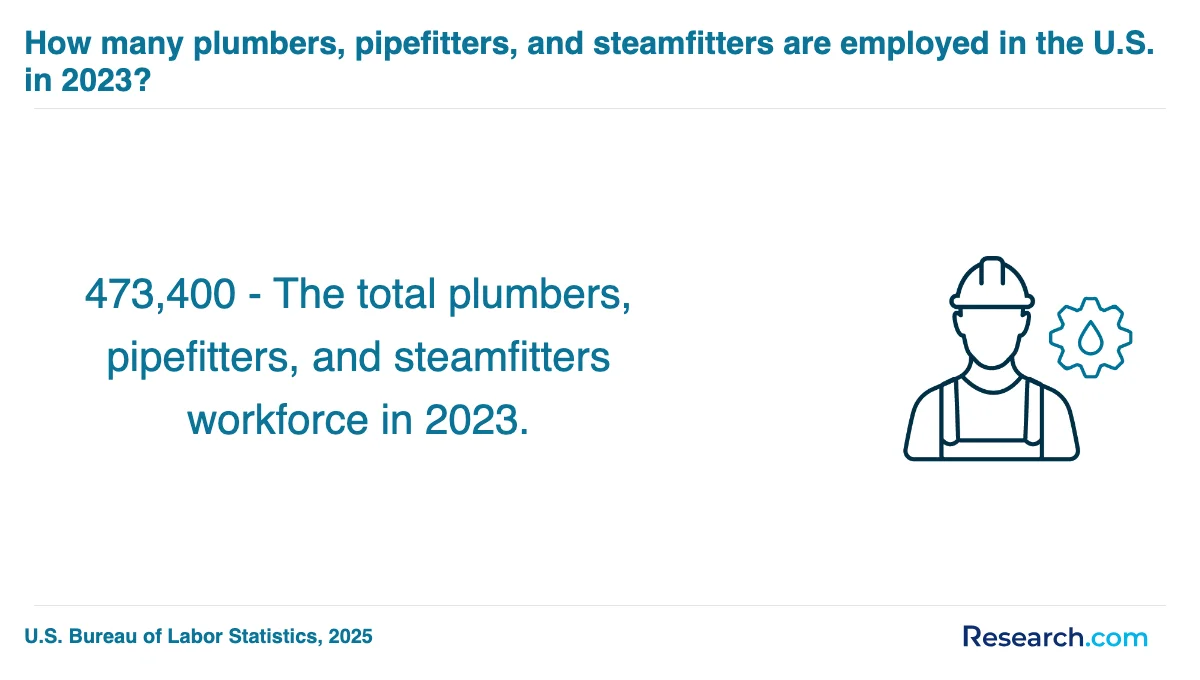
- Approximately 6,340 plumbers, pipefitters, and steamfitters are employed in the metropolitan Miami area, indicating a dense local workforce with ongoing openings.
- Entry-level graduates start earning competitive wages averaging $29.07 per hour, with potential to rise substantially through experience or advanced certification.
- Employment is expected to grow 6 percent nationwide through 2033, which supports optimistic prospects for those entering the trade.
Graduates often mention the practical, hands-on training received at Miami trade schools equips them well for the realities of the workforce. Additionally, some compare the benefits of trade school versus traditional paths and find trade schools offer faster entry into a rewarding career. For students weighing their options, understanding why is college better than trade school can clarify the distinct advantages of this route in Miami's job landscape.
Best Plumber Training Programs & Trade Schools - Top Plumbing Schools in Miami for 2026
# 1 position
South Florida Institute of Technology - Plumbing Technology/Plumber.
certificate or diplomaThe Plumbing Technology/Plumber program at South Florida Institute of Technology offers a hybrid format with some distance education. It prepares students to become licensed plumbers by teaching skills to install and maintain piping systems for various utilities. The curriculum covers water distribution, pressure adjustment, blueprint reading, welding, and applicable codes. Graduates earn a median salary of $35,252 one year after completion. The program is accredited by the Accrediting Commission of Career Schools and Colleges.
# 2 position
Florida International Training Institute - Plumbing Technology/Plumber.
certificate or diplomaA program that prepares individuals to practice as licensed plumbers by applying technical knowledge and skills to lay out, assemble, install, and maintain piping fixtures and systems for steam, natural gas, oil, hot water, heating, cooling, drainage, lubricating, sprinkling, and industrial processing systems in home and business environments. Includes instruction in source determination, water distribution, waste removal, pressure adjustment, basic physics, technical mathematics, blueprint reading, pipe installation, pumps, welding and soldering, plumbing inspection, and applicable codes and standards. Accredited by the Accrediting Council for Continuing Education & Training.
Frequently Asked Questions about plumber
After completing a plumber trade school in Miami, preparing for the job market involves several key steps. First, obtaining a Florida plumbing license is essential; this requires passing the state licensing exam after gaining some work experience. According to the Florida Department of Business and Professional Regulation, licensed plumbers in Miami can earn a median wage of around $53,000 annually.
Building a strong resume that highlights hands-on training and any internships or apprenticeships completed during schooling is vital. Networking through local trade unions and industry events in Miami also improves job prospects.
Staying updated on plumbing codes and technologies ensures competitiveness in the evolving market.
Employers in Miami value plumber trade school graduates who demonstrate strong technical skills, including proficiency in pipefitting, welding, and blueprint reading. According to the U.S. Bureau of Labor Statistics, practical knowledge of safety standards and local plumbing codes is essential for Miami's construction and maintenance sectors.
Additionally, problem-solving abilities and attention to detail are critical, as plumbers often diagnose complex issues in residential and commercial systems. Communication skills also rank highly, enabling graduates to work effectively with clients and contractors.
The Florida Department of Education highlights that hands-on training and familiarity with modern plumbing technology improve job prospects in Miami's competitive market.
Finding internships relevant to plumber trade school programs in Miami involves several practical steps. Begin by contacting the career services offices of local trade schools and community colleges, as they often maintain partnerships with plumbing companies offering internships.
Additionally, the Miami-Dade Building Trades Council provides resources and apprenticeship listings that can lead to hands-on plumbing experience. According to the U.S. Bureau of Labor Statistics, apprenticeships in plumbing can increase employment opportunities by up to 15% in Florida's construction sector.
Networking through local industry events and trade unions is also valuable for discovering unpaid or paid internship positions. Online job boards focused on trades in Miami can further expand available options.
Obtaining a plumber trade school diploma in Miami significantly enhances career mobility and advancement opportunities. According to the U.S. Bureau of Labor Statistics, plumbers with formal training and certification earn a median wage approximately 20% higher than those without specialized education. In Miami, the demand for skilled plumbers is expected to grow by 10% through 2030, driven by ongoing construction and infrastructure upgrades.
A diploma from a licensed trade school equips students with hands-on skills and knowledge required for state licensing exams. This credential often enables faster entry into apprenticeships and journeyman roles, which are essential steps toward becoming a master plumber.
Additionally, local employers in Miami prefer candidates who have completed accredited programs, improving job placement rates and career advancement. Trade school graduates also benefit from networking opportunities, internships, and industry partnerships that facilitate upward mobility within the plumbing sector.
Miami offers various part-time job opportunities that complement plumber trade school education. Many students find work as plumbing apprentices or helper technicians, gaining hands-on experience alongside their studies. According to the U.S. Bureau of Labor Statistics, apprenticeships in plumbing can increase employability and skill development.
Retail positions in hardware or home improvement stores are also common, allowing students to learn about plumbing tools and materials. Additionally, some students seek part-time roles in maintenance departments of residential or commercial buildings, providing practical exposure to plumbing systems.
These jobs not only support financial needs but also enhance professional growth during training.
To find the best plumber degree program near you in Miami, FL, you can search for technical colleges, vocational schools, and community colleges that offer plumbing certifications or associate degrees. It's advisable to explore local institutions for programs that meet state licensing requirements and provide hands-on training opportunities. Research.com can be a helpful resource to compare the quality and features of different programs available near Miami, FL.
- A Guide to Skilled Trades Apprenticeships and Internships | BestColleges https://www.bestcolleges.com/trades/guide-to-skilled-trades-apprenticeships-internships/
- Choosing a Career in the Plumbing Trade | HoldRite https://www.holdrite.com/us/en/construction-careers
- Trade School vs. College: Pros and Cons | SharkBite https://www.sharkbite.com/ca/en/resources/blog/industry-insights/plumber-spotlights/trade-school-vs-college-heres-what-you-need-to-consider
- How to Get into the Trades with No Experience https://getpiping.com/news-events/how-get-trades-no-experience
- Guide to Plumbing Apprenticeships: What to Expect and How to Prepare https://tallo.com/careers/apprenticeships/plumbing-apprenticeship/
- Plumber | Preapprenticeships | Miami Dade College https://www.mdc.edu/apprenticeships/plumber.aspx
- Plumbing School in Miami: Building a Future in the Trades https://fitischools.edu/plumbing-school-in-miami-building-a-future-in-the-trades/
- Plumbing Program / Course https://www.careerinayear.com/miami__trashed/plumbing-program-course/
- How to Become a Plumber in Florida | Gold Coast Construction https://goldcoastschools.com/career-opportunities/construction-careers/how-to-become-a-plumber-in-florida-a-complete-guide/
- Top Plumbing Schools in Florida | How to Become a Plumber https://toptradeschools.com/near-you/plumber/florida/


