Best Plumber Training Programs & Trade Schools - Top Plumbing Schools in Long Island City for 2026

Co-Founder and Chief Data Scientist
Looking to start a rewarding career as a plumber in Long Island City? Choosing the right trade school is a crucial step toward achieving your goals. This article presents a plumber trade school programs ranking developed by the Research.com team of data scientists to help you make an informed decision.
By exploring top programs, you’ll discover options that fit your needs and schedule. Earning a diploma or certification opens doors to steady work and personal growth. Dive in to find the best path for your future success.
Key benefits of finishing plumber trade school in Long Island City
- Graduates of plumber trade schools in Long Island City can expect an average hourly wage around $48.67, with strong potential for overtime pay boosting annual earnings significantly.
- Many graduates find diverse career paths, from working on private projects to joining union positions in public construction, offering job stability and growth opportunities.
- Completing a plumber trade school online provides flexible learning schedules, allowing students to start earning sooner while balancing personal commitments, as experienced by successful online program graduates in the area.
- Best Plumber Training Programs & Trade Schools - Top Plumbing Schools in Long Island City for 2026
- What can I expect from plumber trade schools in Long Island City?
- Where can I work after finishing plumber trade schools in Long Island City?
What can I expect from plumber trade schools in Long Island City?
When you enroll in a plumber trade school program in Long Island City, expect a hands-on, practical learning experience that blends classroom lessons with real-world training. Graduates from schools like LaGuardia Community College and Berk Trade and Business School often share how they quickly got comfortable with plumbing basics-like reading blueprints, using power tools, and understanding plumbing math-right alongside learning about safety and materials like copper and cast-iron pipes.
Many students find the mix of hands-on work and classroom instruction really helps build confidence. For example, a graduate from Berk Trade explains how their 600-hour program over 30 weeks gave them plenty of time to practice installing fixtures and valves under the guidance of experienced instructors, making the jump to entry-level apprentice jobs feel much easier.
Plus, programs often include valuable certifications like OSHA 30 Hour, which not only keeps you safe but also opens doors for work on New York job sites. Whether you choose full-time or part-time, expect flexible schedules and opportunities to apply for scholarships, making the journey manageable and rewarding.
Where can I work after finishing plumber trade schools in Long Island City?
After finishing a plumber trade school program in Long Island City, you'll find plenty of job options right in your backyard. Graduates often land roles like Plumber, Plumbing Technician, or Apprentice with local private plumbing companies that handle everything from fixing leaks in apartments to upgrading commercial building systems. Many grads share how starting as an apprentice paying around $18 to $25 an hour feels rewarding, especially when you're gaining hands-on experience on real projects across the city.
Some graduates also find steady work with municipal agencies like the NYC Housing Authority or the Department of Environmental Protection. These jobs offer great benefits and a sense of job security that many appreciate. Plus, working for schools or universities, like Pratt Institute nearby, is another common path, where plumbers get to develop their skills over time and move into supervisory roles. Overall, trade schools in Long Island City really open doors, making it easier to jump into a thriving plumbing career in a vibrant, growing job market.
After finishing a plumber trade school program in Long Island City, many graduates are pleasantly surprised by how quickly their earnings can grow. Starting out, apprentices or helpers often make around $44.78 per hour, which is already a solid wage for entry-level work. For example, graduates from popular local trade schools have shared stories about landing their first gigs earning close to this rate, feeling proud and motivated to keep climbing.
As you gain experience and certifications, your pay can jump significantly. The average plumber in Long Island City makes about $48.67 per hour, and overtime can add thousands more to your annual income. Some grads mention picking up extra shifts on evenings or weekends, turning their trade school skills into real cash fast.
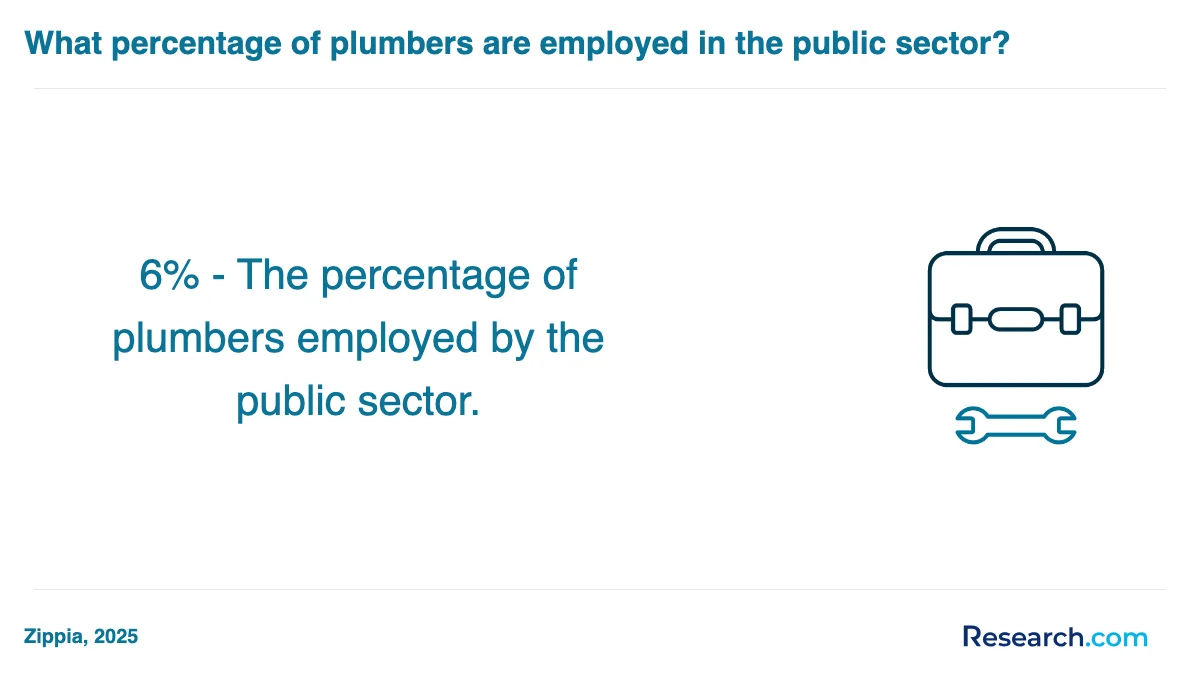
For those joining union or public sector jobs, the rates are even better. The prevailing wage in NYC for union plumbers is around $76.30 per hour, which many Long Island City trade school alumni find especially rewarding. These jobs often come with benefits, making the career both lucrative and stable.
- Plumber trade programs in Long Island City require a high school diploma or equivalent for admission, with no four-year degree needed.
- Training typically includes 600 to 900 hours combining classroom lessons and hands-on practice, covering skills like pipe-fitting, soldering, and OSHA 30 safety certification.
- Tuition for courses ranges from $495 to $895, while full programs can cost a few thousand dollars; some schools offer full scholarships for eligible students.
- Programs often follow a structured curriculum progressing from basic plumbing to advanced topics such as hydronics and gas systems.
- Entry-level plumber salaries start around $45,000 to $55,000 annually, with experienced journeymen earning between $70,000 and $90,000 or more.
Completing a plumber trade school program in Long Island City typically takes about six months to a year, depending on the school and whether you're attending full-time or part-time. Many graduates from popular trade schools in the area share how quickly they were able to pick up hands-on skills, which made the learning process feel rewarding and fast-paced. One graduate mentioned feeling confident working with real pipe systems just a few months into the program, thanks to the practical labs offered by their school.
For those balancing work or family, part-time options stretch the timeline but still keep progress steady and manageable. Another graduate highlighted how the flexible scheduling allowed them to maintain a steady income while building plumbing expertise, making the experience less stressful and more achievable.
Overall, the focused, skill-based approach of Long Island City's trade schools means you can start your plumbing career in under a year, gaining both knowledge and real-world experience that employers appreciate.
When comparing online and on-campus plumber trade school programs in Long Island City, the biggest difference is how you actually learn the trade. On-campus programs at places like LaGuardia Community College and Apex Technical School give you hands-on experience that's hard to beat. Graduates often talk about the value of working directly with real tools and pipes during their training, which builds confidence and practical skills fast. For example, Apex splits about half of their 900 hours into hands-on labs, so students get to practice what they've learned right away.
Online programs, like the hydronics course offered by Nassau BOCES, focus more on theory-things like system design and safety standards-using videos and virtual lessons. This makes online learning super flexible if you're juggling work or family, but it can feel a bit disconnected because you don't get the same real-world practice.
Since Long Island City requires in-person training for licensing, many students use online classes to supplement but rely on on-campus programs for the hands-on skills they need to start their plumbing careers with confidence.
The average plumber trade school tuition in Long Island City varies quite a bit depending on the program and how long it lasts. For example, graduates from Apex Technical School often share how the 900-hour Plumbing Certificate program, which costs around $15,286, gave them a thorough, hands-on experience that really boosted their confidence. On the more affordable side, those attending Nassau BOCES appreciated the Plumbing I program with 54 clock hours, priced at about $1,095, making it a practical choice for many starting out without a big budget.
Many students considering plumbing program costs in Long Island City find that schools like Berk Trade and Business School offer a solid middle ground. Their 30-week Comprehensive Plumbing certificate comes with tuition around $13,200 plus some additional fees, totaling near $12,076, which past graduates have noted was worth it for the depth and industry connections they gained. Walking through their busy classrooms or listening to instructors on-site gives a real sense of what plumbing work will be like on the job.
It's important to remember that tuition often excludes tools, books, or uniforms, so budgeting a bit more is wise. Luckily, most schools provide some form of financial aid or scholarships that can ease the burden. If you're exploring options, understanding what is the difference between a trade and a vocation can clarify your path and help in choosing the right program that fits both your goals and your finances.
Many plumber trade school students in Long Island City find financial aid that truly makes a difference in their journey. For instance, some graduates from LaGuardia Community College share how full-tuition scholarships like the ACE Scholarship and NYC Accelerated Workforce Recovery HUB helped them focus on learning instead of worrying about bills. These scholarships cover 100% of tuition for those earning under $35,000, making plumbing training affordable and accessible.
Others have taken advantage of the tuition-free plumbing training programs offered by the Plumbing Contractors Association of Long Island (PCALI). Graduates often describe this as a "debt-free path forward" since they can earn while they learn, stepping right into jobs without the weight of student debt.
Plus, don't overlook federal and state aid. Filling out the FAFSA opens doors to Pell Grants and New York State TAP grants, which many students use to cover costs at schools like Apex Technical School. These combined options make starting a plumbing career in Long Island City feel realistic and exciting.
Getting into a plumber trade school in Long Island City usually means meeting some straightforward prerequisites that help set you up for success. Most schools here want to see that you have a high school diploma or a GED, which makes sense since basic math and reading skills are essential for understanding plumbing codes and blueprints.
Graduates often mention that being comfortable with hands-on work and problem-solving really helps once classes start. Some trade schools in Long Island City might ask for a brief interview or a placement test to gauge your readiness, but nothing too intimidating.
Here are the common prerequisites you'll encounter:
- High school diploma or GED
- Basic math skills, especially in measurements and fractions
- Physical ability to handle manual tasks like lifting pipes and working in tight spaces
- Sometimes a background check or drug screening, depending on the program
One graduate shared how starting with a solid foundation in math made learning plumbing codes much less stressful. Another found that trade schools in Long Island City really value a can-do attitude, so showing your eagerness during the application process can go a long way.

When you enroll in a plumber trade school program in Long Island City, you'll dive right into courses that build your skills step by step. Most grads talk about starting with the basics-learning plumbing theory, safety rules, and how to handle tools like a pro. Safety certifications like OSHA-30 are a must, so you're ready for real job sites without worry.
Next up, you'll get hands-on with different materials like PVC, copper, and steel pipes. Expect to master joining techniques such as soldering and welding-skills that grads say really boost confidence on the job.
Here's what you'll typically cover:
- Plumbing theory and essential safety protocols
- Working with piping materials and installation methods
- Reading blueprints and designing plumbing systems
- Installing fixtures, valves, and DWV systems
- Specialized classes like gas burner systems and hydronics
Trade schools in Long Island City often emphasize hands-on learning-some programs, like Apex Technical School, dedicate half their hours to practical experience. Graduates love that simulating real jobsite conditions helps them feel ready to tackle any plumbing challenge from day one.
In Long Island City, plumber trade school programs cover a range of specializations that really prepare you for the real world. Graduates from places like Berk Trade and Business School often mention becoming confident in residential and commercial plumbing, learning everything from sizing DWV and storm systems to installing water heaters. Meanwhile, those from Apex Technical School rave about hands-on training in pipefitting and sprinkler fitting and fabrication, where they get to practice flange and groove welding as well as socket and butt weld pipe fabrication - skills that make the job exciting and practical.
It's not just about the tools but also about understanding the systems, like fuel gas systems and private waste disposal systems. LaGuardia Community College students highlight how business math for plumbers and reading commercial drawings made their day-to-day work much smoother. Plus, many appreciate training on pipefitting hand tools and pipefitting power tools, which help them feel ready for any challenge.
For anyone serious about entering the field, exploring a construction management trade school like the ones listed at construction management trade school can provide a great path forward.
When choosing the best plumbing trade schools in Long Island City, start by checking if the program is accredited, like LaGuardia Community College, which is an NCCER Accredited Training Sponsor. Graduates often mention how this made them feel confident their skills met industry standards. Look for a curriculum that balances classroom learning with hands-on work-Berk Trade and Business School offers a 30-week program where students dive into real plumbing tasks, making the experience feel practical and engaging.
Consider how the program prepares you for licensing since New York requires municipal licenses. Some schools also offer certifications like OSHA safety training, which graduates say helped them stand out when job hunting. If you want to jumpstart your career, programs with apprenticeship pathways, such as UA Local 1 Plumbers & Gas-Fitters Training Center, offer paid on-the-job training that many find motivating and rewarding.
Of course, plumber training program cost Long Island City is a big factor. LaGuardia's full tuition scholarships helped many students avoid financial stress while focusing on their training. And since these schools are centrally located with easy transit access, daily commutes fit smoothly into busy lives. For more insights into the value of these programs, check out this guide on high demand trades.
Graduates from plumber trade school programs in Long Island City jump straight into hands-on roles like plumber helpers or apprentices, which are great starter jobs that offer real-world experience while working toward licensure. Many find plumbing apprenticeship jobs Long Island City especially rewarding because they get to work closely with experienced pros on diverse NYC projects, from fixing building pipes to upgrading HVAC systems.
As they gain skills, plumbers can move up to journeyman roles, handling more complex tasks and even specializing in areas like steamfitting, gas systems, or system design. Some graduates love how the training prepares them to tackle projects involving energy-efficient plumbing and smart home tech, which are big focuses in Long Island City's green building initiatives.
Success stories from popular trade schools often mention graduates feeling proud when they reach master plumber status, allowing them to start businesses or manage large-scale jobs. For those curious about expanding their options, check out vocational trade programs online to supplement local training and open new career doors.
The plumber job market in Long Island City is buzzing with opportunities for graduates from local trade schools. Many graduates share how their hands-on training and apprenticeship placements have led directly to solid job offers. Schools here often connect students with the Joint Apprenticeship and Training Committee for Plumbers Local Union #1, which runs well-structured apprenticeships combining paid on-the-job experience with classroom learning. These programs make entering the workforce smoother and more confident.
In practical terms, graduates often find openings in:
- Residential plumbing services
- Large commercial contractors
- Public infrastructure maintenance jobs
Many report that starting wages for apprentices begin around $18-$25 an hour, with licensed plumbers earning $30 or more-and overtime can push paychecks even higher. The Long Island City plumbing employment opportunities also frequently include benefits like health insurance and retirement plans, adding to the overall appeal.
For anyone considering this path, knowing the local demand and wage potential certainly helps. Plus, if you're curious about other highest paid trade jobs, plumbing ranks strong in Long Island City's market.
Best Plumber Training Programs & Trade Schools - Top Plumbing Schools in Long Island City for 2026
# 1 position
Apex Technical School - Plumbing Technology/Plumber.
certificate or diplomaApex Technical School offers a Plumbing Technology/Plumber program with a hybrid format, including some distance-education options. The curriculum covers installation and maintenance of piping systems for steam, gas, water, and industrial use. Instruction includes technical math, blueprint reading, welding, plumbing codes, and inspection. Graduates earn a median salary of $29,497 one year after completion. The program is accredited by the Accrediting Commission of Career Schools and Colleges.
# 2 position
Berk Trade and Business School - Plumbing Technology/Plumber.
certificate or diplomaBerk Trade and Business School offers a Plumbing Technology/Plumber program with a hybrid format that includes some distance education. The program trains students to become licensed plumbers by teaching skills in installing and maintaining piping systems for various uses, including steam, natural gas, and hot water. Instruction covers technical mathematics, blueprint reading, welding, plumbing inspection, and applicable codes. Graduates earn a median salary of $22,660 one year after completion. The program is accredited by the Accrediting Commission of Career Schools and Colleges.
Frequently Asked Questions about plumber
After completing plumber trade school in Long Island City, preparing for the job market involves several key steps. First, obtaining a New York State plumbing license is essential, as it legally permits you to work as a plumber. Trade schools typically help students prepare for licensing exams by teaching state-specific codes and regulations.
Networking is also important. Joining local unions or trade associations, such as the United Association Local 1 in New York City, can provide job leads and apprenticeship opportunities. According to the U.S. Bureau of Labor Statistics, the demand for plumbers in New York is expected to grow by 9% through 2030, reflecting a strong job market.
Finally, gaining hands-on experience through internships or apprenticeships during or after school significantly improves employability. Many employers in Long Island City prefer candidates with practical skills and relevant certifications.
Employers in Long Island City prioritize practical skills and technical knowledge when hiring plumber trade school graduates. According to the U.S. Bureau of Labor Statistics, key abilities include proficiency in pipe installation, repair, and maintenance. Graduates must also understand local plumbing codes and safety regulations, which are essential for compliance in New York City.
Strong problem-solving skills and the ability to read blueprints accurately are highly valued. Communication skills matter too, as plumbers often coordinate with clients and construction teams. The New York State Department of Labor highlights that hands-on experience with modern plumbing tools and technology significantly improves job prospects in this region.
Finding internships relevant to plumber trade school programs in Long Island City involves a few strategic steps. Start by contacting local trade schools and vocational programs, as many partner with plumbing companies to offer hands-on internships. The New York State Department of Labor reports a steady demand for skilled plumbers in Queens, which increases internship opportunities in the area.
Additionally, check with local unions such as the United Association Local 1, which often provide apprenticeship and internship openings. Online job platforms like Indeed and Glassdoor list plumbing internships specific to Long Island City and nearby neighborhoods.
Networking at trade fairs and local industry events can also connect students with employers offering internships.
Obtaining a plumber trade school diploma in Long Island City significantly enhances career mobility and advancement opportunities. The diploma provides essential technical skills and industry-recognized credentials, which are highly valued by local employers. According to the U.S. Bureau of Labor Statistics, plumbers in New York City earn a median annual wage of approximately $70,000, with certified professionals often accessing higher pay brackets.
The structured training included in these programs prepares graduates for state licensing exams, required for legal practice and job eligibility. Licensed plumbers have better prospects for promotions and specialized roles, such as pipefitting or inspection.
Additionally, trade school diplomas facilitate entry into union apprenticeship programs, which are prevalent in Long Island City's construction sector. These apprenticeships offer on-the-job training combined with continued education, leading to sustained career growth and social mobility.
Employers in Long Island City increasingly prefer candidates with formal plumbing education because it reduces training time and improves job performance. Thus, a diploma acts as a strong foundation to establish a stable and advancing career in the local plumbing industry.
Students enrolled in plumber trade schools in Long Island City can benefit from part-time jobs that provide practical experience and income. Positions such as plumbing assistant, maintenance worker, or general laborer in construction companies are common options. These roles allow students to apply classroom knowledge in real-world settings while developing skills like pipe fitting and system troubleshooting.
According to the U.S. Bureau of Labor Statistics, the New York metropolitan area, including Long Island City, has a steady demand for skilled plumbers, with a projected growth rate of 10% through 2032. Working part-time in this sector not only supports financial needs but also enhances employability after graduation.
Additionally, apprenticeships or internships offered by local unions or plumbing contractors provide structured learning combined with job experience. These opportunities often pay hourly wages ranging from $15 to $25, depending on skill level and employer, making them valuable for students balancing education and work.
While traditional universities do not typically offer specific degree programs for plumbers, there are vocational schools and community colleges near Long Island City, NY that provide trade programs and certifications for aspiring plumbers. These programs emphasize hands-on experience and technical skills essential for the plumbing trade, offering a viable alternative to degree programs. When searching for such training opportunities "near me," consider community colleges and trade schools as practical options to start a plumbing career.
- Plumbers - Construction Careers Foundation https://constructioncareers.org/careers/plumbers/
- 37 Careers You Can Pursue Via Trade Schools https://www.best-trade-schools.net/careers/
- Powerful Pay, Career Potential in Plumbing | Eastwick College https://eastwick.edu/articles/powerful-pay-career-potential-in-plumbing/
- WorkBC Site Maintenance - Service Temporarily Unavailable https://www.workbc.ca/career-profiles/plumbers
- Highest Paying Trade Jobs Without a Degree | SkillPointe https://skillpointe.com/news-and-advice/24-highest-paying-trade-jobs-no-bachelors-degree-required
- Plumbing Salary - CareerExplorer https://www.careerexplorer.com/degrees/plumbing-degree/salary/
- Plumbers, Pipefitters, and Steamfitters : Occupational Outlook Handbook: : U.S. Bureau of Labor Statistics https://www.bls.gov/ooh/construction-and-extraction/plumbers-pipefitters-and-steamfitters.htm
- Average Plumber Salary in Poland for 2025 https://worldsalaries.com/average-plumber-salary-in-poland/
- Average Plumber Salary (Annually & Hourly) | Faraday https://faradaycareers.com/careers/plumber-salary
- Types of Plumbers: 6 Plumbing Career Paths | Skilled Trades College https://www.skilledtradescollege.ca/blog/types-of-plumbers-plumbing-career-paths